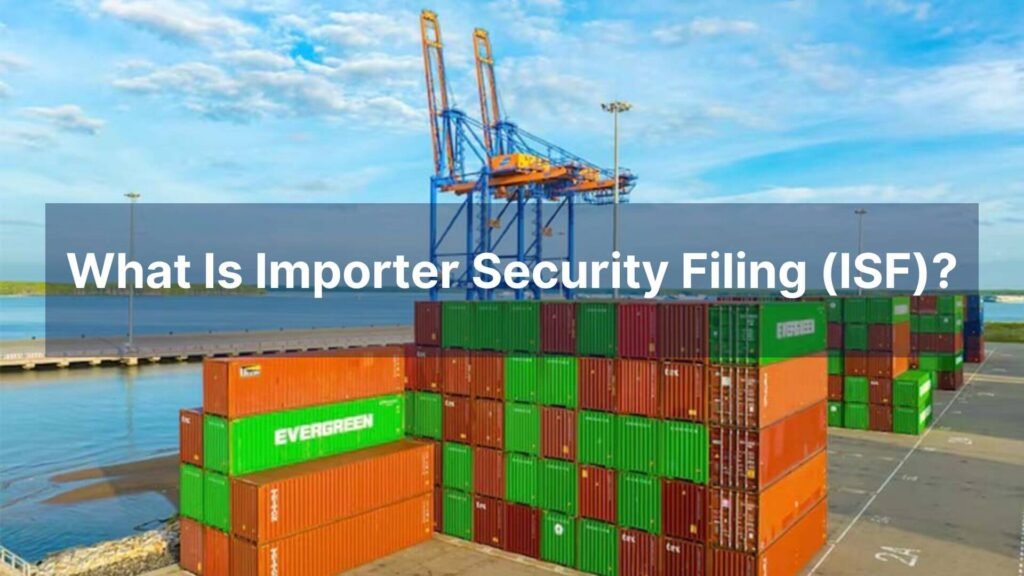
Importer Security Filing (ISF)1, often called “10+2,” is a CBP requirement for ocean shipments entering the U.S. Importers must submit shipment data before cargo is loaded overseas. ISF supports cargo security risk assessment2 and helps CBP identify potential threats before goods reach U.S. ports.
| Objective | Why It Matters |
|---|---|
| Security screening3 | Identifies high-risk cargo |
| Data transparency4 | Improves border control |
| Risk targeting5 | Supports enforcement |

The ISF process is essential for importers to understand. It begins when a shipment is booked, followed by the ISF filing, cargo loading, and finally, the vessel's departure. Understanding this flow can prevent delays and penalties.
Who Is Responsible for ISF Filing and How the Importer of Record Is Legally Liable?
The importer of record6 is ultimately responsible for ISF accuracy and timeliness, even if a broker or forwarder files on their behalf. Legal liability remains with the importer, making oversight and documentation control critical.
| Role | Responsibility |
|---|---|
| Importer of Record | Legal accountability |
| Customs Broker7 | Filing agent |
| Freight Forwarder8 | Data support |
Importers must be aware that while customs brokers and freight forwarders can assist with filings, the legal accountability lies with them. This means maintaining accurate records and consistent communication with your partners is vital to avoid potential legal issues.
The 10+2 Data Elements9 Required in ISF and Why Accuracy Matters
ISF requires ten importer-provided data elements plus two carrier elements. Inaccurate supplier, manufacturer, or container information can trigger holds, exams, or fines.
| Data Element | Purpose |
|---|---|
| Seller | Identifies transaction |
| Buyer | Consignee data |
| Manufacturer | Origin traceability |
| Ship-to party | Delivery point |
| HTS code10 | Commodity classification |
| Container stuffing location | Security tracking |

Accuracy in these data elements cannot be overstated. If any entry is incorrect, it can lead to significant delays or penalties. Importers should always double-check data before submission to ensure it aligns with their shipping documents.
ISF Filing Timeline11, Deadlines, and How Late Filings Trigger Penalties
ISF must be filed at least 24 hours before cargo is loaded onto the vessel abroad. Late or incomplete filings can result in monetary penalties and shipment delays.
| Timeline Stage | Description |
|---|---|
| Booking | Initiate the shipment process |
| Data Collection | Gather necessary information |
| ISF Filing | Complete filing 24h pre-loading |
| Cargo Loading | Ship goods onto the vessel |
| Transit | Goods in route to U.S. ports |
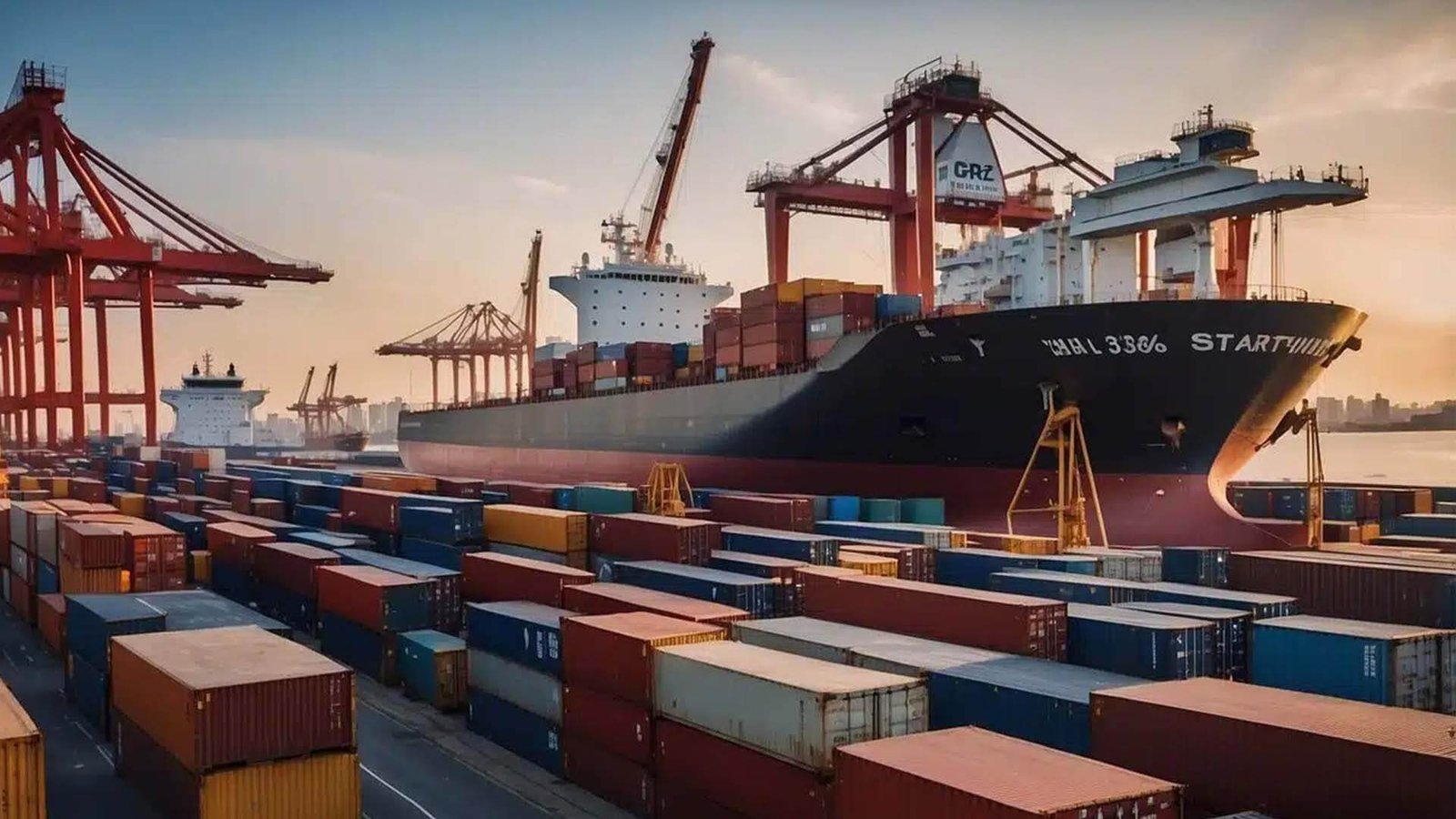
This timeline is crucial for smooth operations. Failure to comply can lead to penalties, which may impact overall shipping costs and timelines. Understanding deadlines is essential for importers to manage their shipments effectively.
Common ISF Errors12 That Lead to Fines, Exams, or Shipment Delays
Common ISF issues include incorrect HTS numbers, mismatched supplier data, or late submissions. These can lead to CBP holds, increased inspections, or penalties.
| Error | Consequence |
|---|---|
| Late filing | Penalty |
| Incorrect HTS | Exam |
| Missing supplier info | Data rejection |
| Inaccurate container data | Security review |
To avoid these errors, importers should create a checklist of all required information and review it against their shipment documents. Regular training for staff involved in ISF filing can also help mitigate risks and ensure compliance.
How Customs Broker7s and Freight Forwarder8s Manage ISF Compliance From Booking to Arrival
Brokers and forwarders coordinate with suppliers, carriers, and importers to gather data, submit ISF filings, monitor status, and correct issues before arrival.
| Service | Importer Benefit |
|---|---|
| Data verification | Fewer errors |
| Timely filing | Penalty avoidance |
| Monitoring | Early issue detection |
| Compliance coordination | Smooth clearance |
Customs brokers and freight forwarders play a vital role in ensuring ISF compliance. They help navigate the complexities of filing and monitor the shipment status, allowing importers to focus on their core business while reducing the risk of penalties.
Conclusion
Understanding ISF is crucial for avoiding fines and ensuring smooth shipping operations from China to the U.S.
Understanding ISF is crucial for importers to ensure compliance and avoid penalties when shipping goods to the U.S. ↩
Learn how ISF helps in identifying potential threats to enhance cargo security before reaching U.S. ports. ↩
Understand the role of security screening in identifying high-risk cargo and ensuring safe importation. ↩
Explore how transparent data sharing in ISF enhances border control and supports enforcement. ↩
Discover how risk targeting in ISF helps in focusing enforcement efforts on high-risk shipments. ↩
Discover the legal responsibilities of the importer of record in ensuring ISF accuracy and timeliness. ↩
Find out how customs brokers help importers manage ISF filings and ensure compliance from booking to arrival. ↩
Learn how freight forwarders support importers in gathering data and submitting ISF filings accurately. ↩
Explore the essential data elements needed for ISF filing to prevent shipment delays and penalties. ↩
Understand the significance of the HTS code in classifying commodities and ensuring accurate ISF submissions. ↩
Learn about the critical deadlines for ISF filing to avoid penalties and ensure smooth shipping operations. ↩
Identify frequent mistakes in ISF filing that can result in penalties or shipment delays and how to avoid them. ↩