The first step to managing your shipping expenses is understanding Free on Board (FOB)1. Lack of knowledge can lead to unexpected costs.
Free on Board (FOB)1 is an international trade term indicating the seller delivers goods on board the vessel at the named port of shipment. After loading, risk and cost transfer2 to the buyer. FOB is defined under global trade rules published by the International Chamber of Commerce.

Understanding FOB is crucial for effective shipping strategy. Many importers overlook its implications, leading to challenges in budgeting and risk management.
What Does Free on Board (FOB)1 Mean in International Shipping Terms?
Free on Board (FOB)1 is a key concept in international shipping. It means that the seller is responsible for delivering goods to a designated port and loading them onto the vessel. Once the goods are on board, the risk shifts to the buyer. This term is crucial for defining liability and costs during shipping.
FOB is specific to sea and inland waterway transport. Unlike domestic terms like "FOB shipping point," which can apply to various modes of transport, FOB only applies to sea shipping. Knowing this distinction helps avoid confusion when planning shipments.
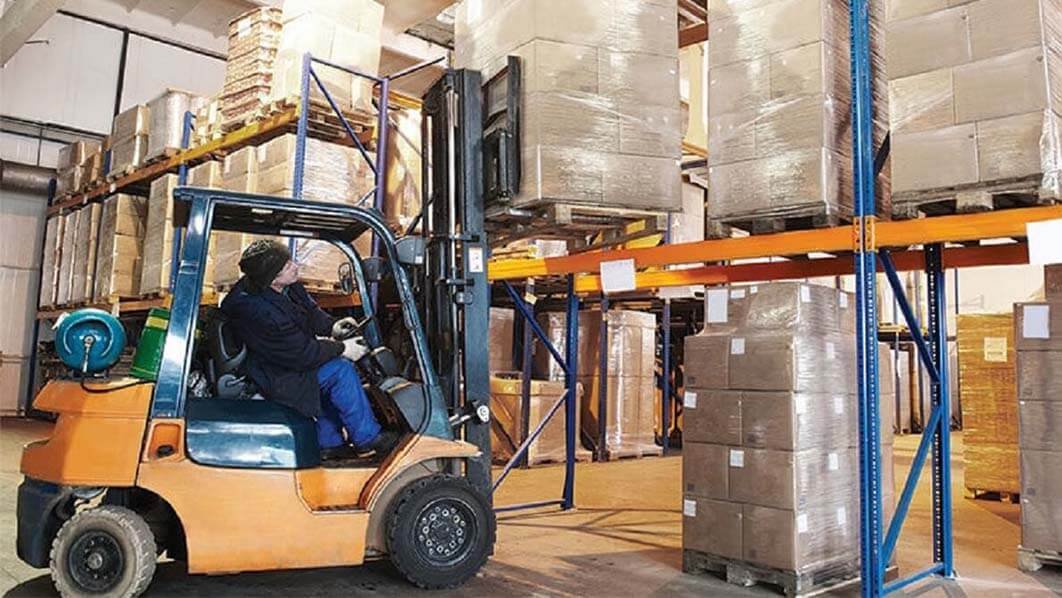
In a logistics context, the FOB port of shipment3 is essential. It serves as a pivotal location where ownership and responsibility transition from the seller to the buyer. Understanding where this transfer occurs allows importers to plan their logistics and financial strategies more efficiently.
Who Pays for What Under FOB and When Risk Transfers from Seller to Buyer
Under FOB terms, the seller carries certain costs until the goods are loaded onto the vessel. This includes export packing, export customs, and loading to the vessel. After this point, the buyer assumes responsibility for ocean freight, insurance (if desired), import clearance, duties, and inland delivery. The transition of risk is clear: it occurs the moment the cargo is loaded.
| Cost Element | Seller Pays | Buyer Pays |
|---|---|---|
| Export packing | ✔ | |
| Export customs | ✔ | |
| Loading to vessel | ✔ | |
| Ocean freight | ✔ | |
| Marine insurance | ✔ | |
| Import duties | ✔ | |
| Inland delivery | ✔ |
Knowing who pays for what under FOB helps avoid disputes and ensures clearer budgeting. As an importer, understanding these responsibilities is as vital as knowing the shipping terms themselves.
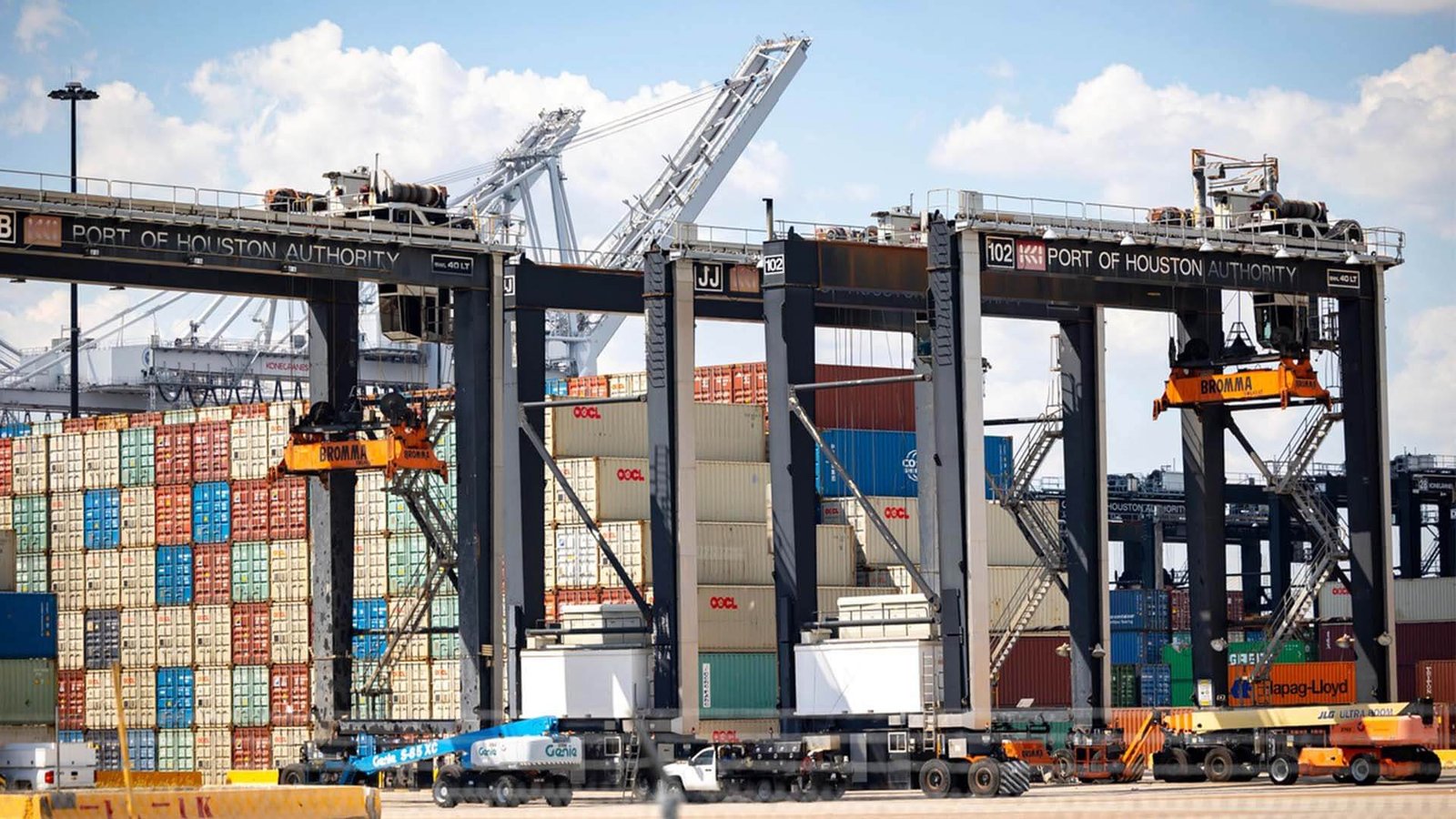
Many importers misunderstand these terms, leading to confusion about who is responsible for various costs. This confusion can result in unexpected expenses and disputes down the line. I recommend carefully reviewing contracts to ensure clarity on these points.
How FOB Impacts Your Total Landed Shipping Cost
FOB pricing can be misleading. It excludes key costs like ocean freight, insurance, and destination charges. Buyers must budget for these expenses separately, which can lead to underestimating the total landed cost4. Misunderstanding FOB can lead to financial surprises during shipment arrival.
The difference between FOB and landed cost is significant. Landed cost encompasses all expenses incurred in getting goods from the seller to the buyer, including shipping, duties, and handling fees. An accurate understanding of your total costs is vital for budgeting and profitability.
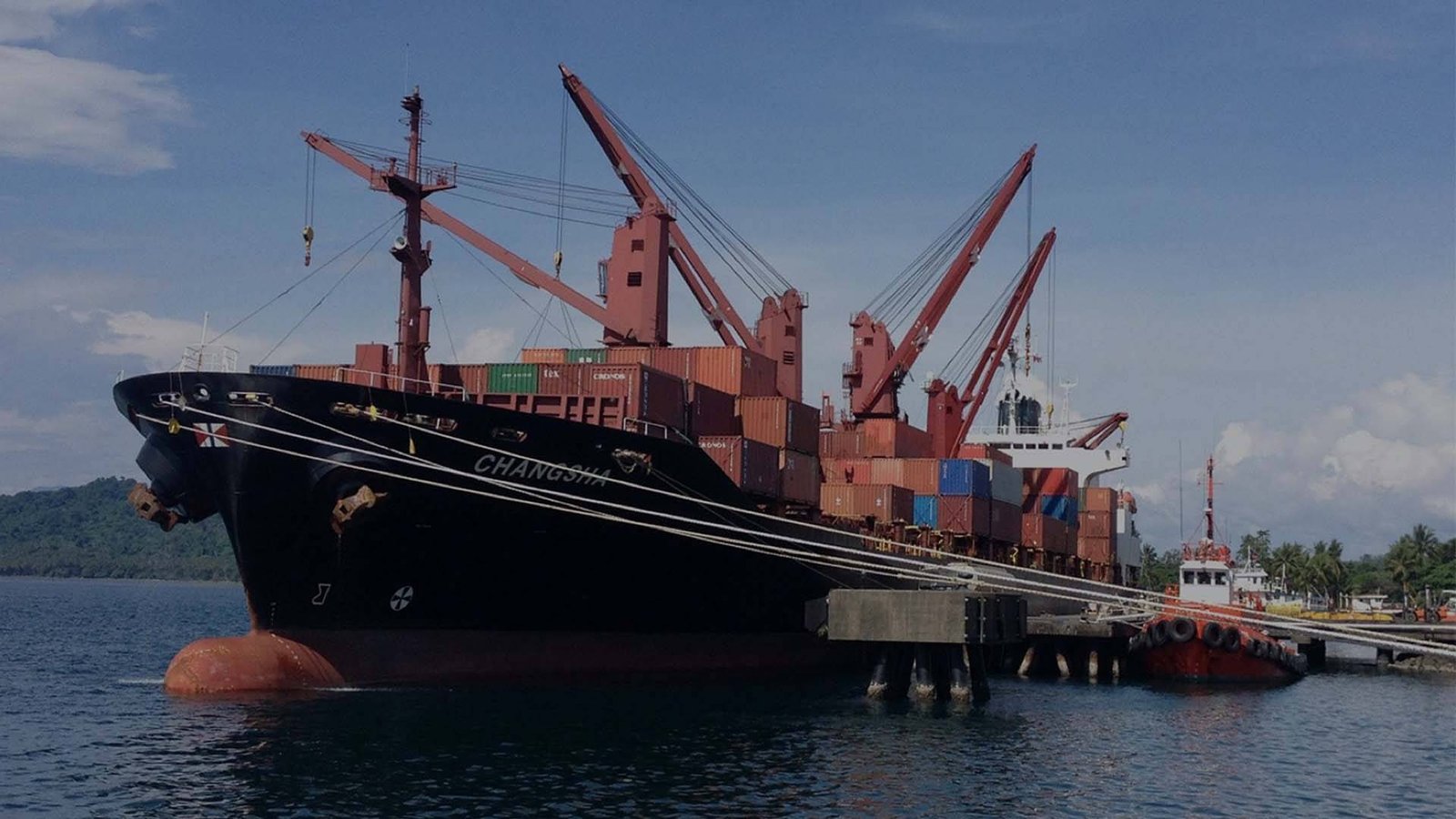
Additional costs may include port charges5, customs brokerage fees, and drayage. If you do not plan for these, you may face budget overruns. It is crucial to work with your logistics provider to ensure all potential costs are accounted for in your planning.
FOB vs CIF6 and Other Incoterms: Key Differences U.S. Importers Should Understand
FOB and CIF are common Incoterms that impact cost and risk management. FOB places the responsibility for freight on the buyer, while CIF requires the seller to handle and pay for ocean freight and insurance. This fundamental difference can significantly affect importers' cost control.
| Factor | FOB | CIF |
|---|---|---|
| Freight arranged by | Buyer | Seller |
| Insurance included | No | Yes |
| Cost control | Higher | Lower |
| Visibility of charges | Clear | Often bundled |
Importers must understand these distinctions to manage their responsibilities effectively. Depending on your logistics strategy, choosing between FOB and CIF can lead to better cost management and risk mitigation.

Many importers overlook these differences, leading to unnecessary costs. By understanding each term's specifics, you can make more informed shipping decisions that align with your business objectives.
Common FOB Misunderstandings That Lead to Extra Costs or Disputes
Common misunderstandings regarding FOB can lead to extra costs and disputes. Many assume FOB covers all destination charges, while others confuse it with domestic terms. Additionally, neglecting to arrange insurance can expose you to financial risks if cargo is damaged.
| Risk | Cause | Impact | Prevention |
|---|---|---|---|
| Hidden charges | Misread FOB | Budget overrun | Cost planning |
| Cargo damage | No insurance | Financial loss | Marine insurance |
| Delay | Late freight booking | Storage fees | Early planning |
| Responsibility dispute | Contract confusion | Claims issue | Clear Incoterms use |
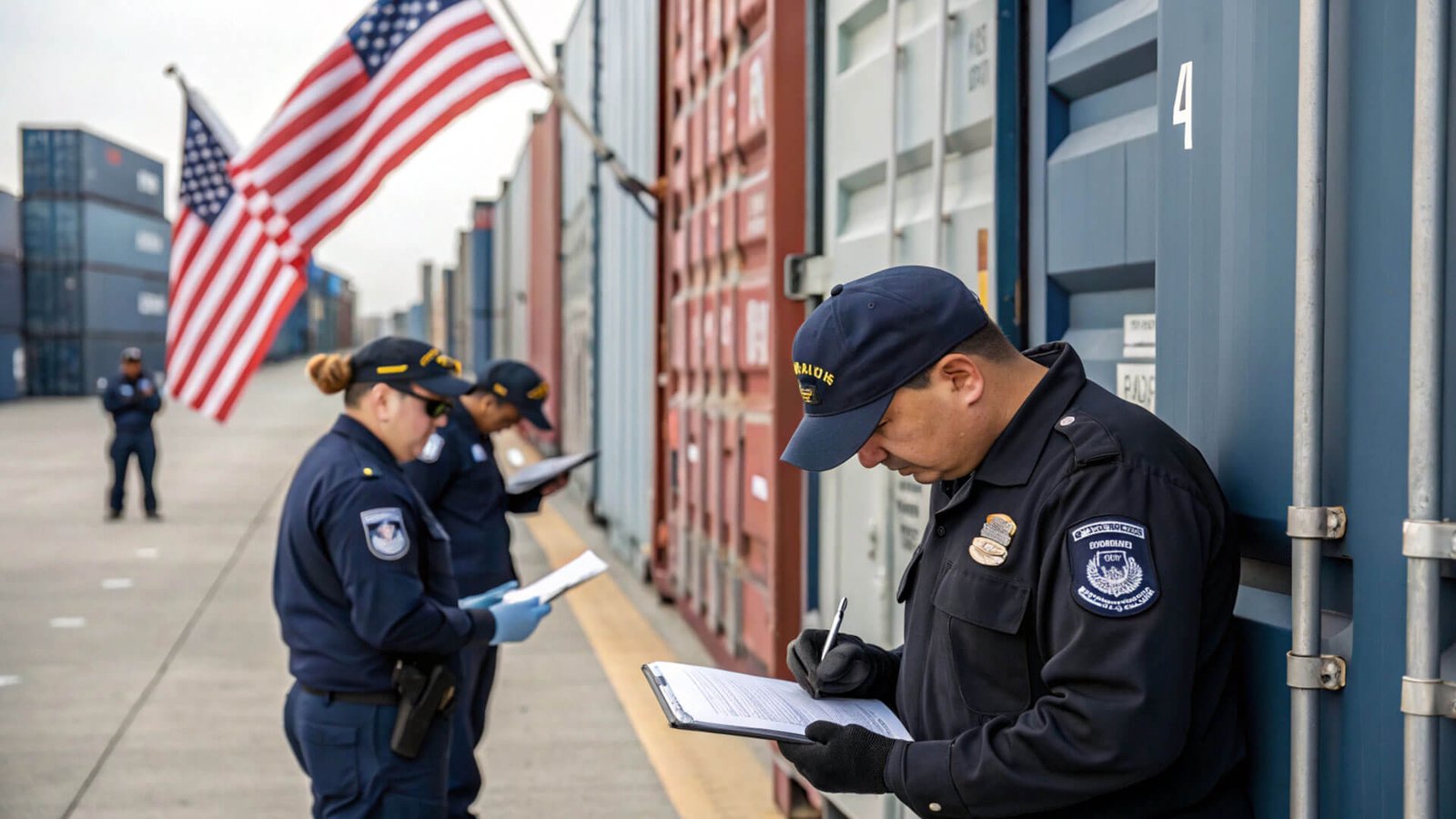
To prevent these risks, it is essential to approach FOB with a clear understanding. Working with a knowledgeable freight forwarder7 can help clarify responsibilities and ensure you avoid these pitfalls.
Conclusion
Understanding Free on Board (FOB)1 is crucial for managing shipping costs and avoiding unexpected expenses. Clear knowledge of your responsibilities will help you navigate the complexities of international shipping.
Understanding FOB is essential for managing shipping costs and responsibilities in international trade, ensuring smooth transactions and avoiding unexpected expenses. ↩
Knowing when risk and cost transfer under FOB terms helps importers plan logistics and financial strategies effectively, minimizing potential disputes. ↩
The FOB port of shipment is crucial for determining when ownership and responsibility transition, aiding in efficient logistics planning. ↩
Understanding the difference between FOB and total landed cost is crucial for accurate budgeting and profitability in international shipping. ↩
Port charges can significantly impact shipping costs, and planning for them is essential to avoid budget overruns. ↩
Understanding the differences between FOB and CIF helps importers manage cost and risk effectively, aligning with business objectives. ↩
A knowledgeable freight forwarder can clarify responsibilities and help avoid common pitfalls in FOB shipping, ensuring smooth transactions. ↩