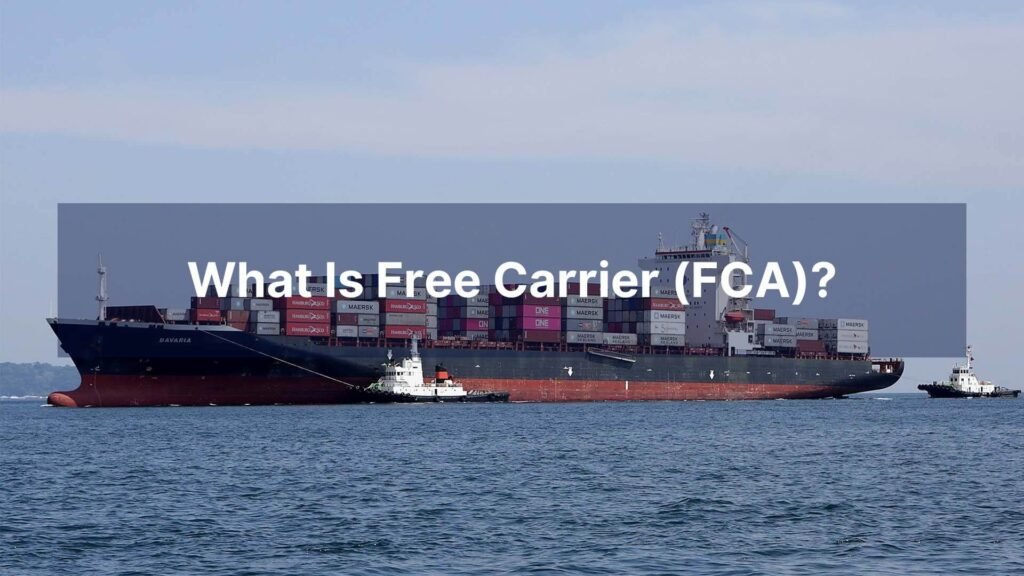
Free Carrier (FCA)1 is an important Incoterm that every importer should understand, especially when dealing with international shipments.
FCA is an Incoterm where the seller delivers goods2 to a carrier or another party nominated by the buyer at a named place3. FCA is commonly used when buyers arrange main transportation4 and want early control of freight and logistics planning.
Understanding FCA is crucial for anyone involved in international trade. It streamlines the shipping process and clarifies responsibilities. Let’s dive deeper into what FCA entails.
What Is Free Carrier (FCA)1 and When Is This Incoterm Used in International Trade?
Free Carrier (FCA)1 is a shipping agreement that establishes how goods will move between the seller and buyer. It is often chosen for its flexibility. The seller delivers the goods to a carrier or to a location designated by the buyer. This allows the buyer to have better control over logistics and shipping costs.
FCA is widely used because it fits various shipping modes, including road, rail, and air. This versatility makes it a preferred choice for importers. The named place3 is essential since it indicates where the seller’s responsibility ends, and the buyer’s begins. This reduces ambiguity and enhances planning.
What Responsibilities Do the Seller and Buyer Have Under FCA Delivery Terms?
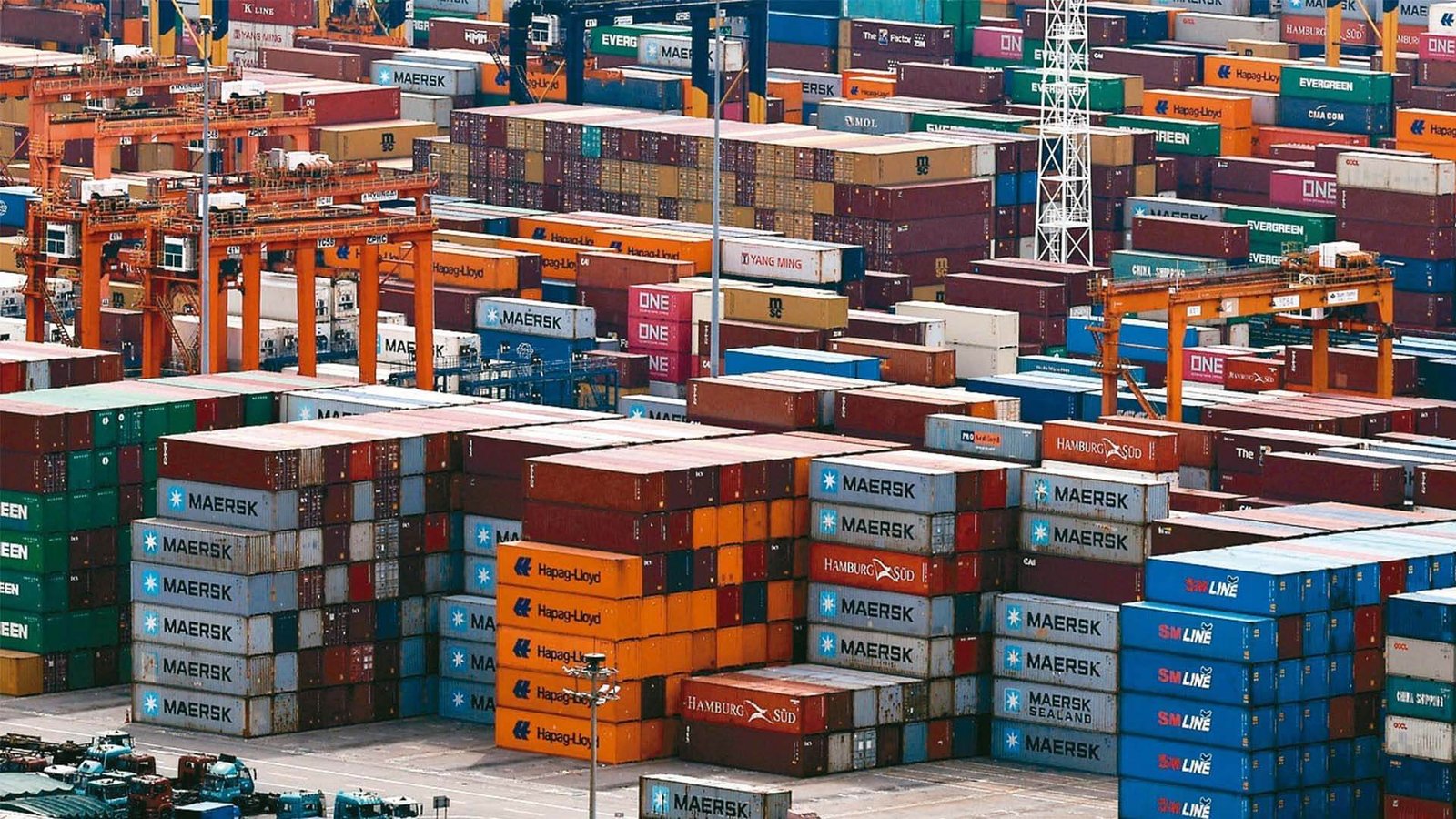
Under FCA, the seller has clear obligations. They must prepare the goods for export and deliver them to the specified carrier. Meanwhile, the buyer assumes significant responsibilities. This includes arranging the main carriage, securing insurance, and handling import formalities.
| Party | Main Duties |
|---|---|
| Seller | Prepares goods for export, delivers to carrier |
| Buyer | Arranges main freight, insurance, import clearance5 |
The division of responsibilities is critical for maintaining smooth operations. Understanding these roles helps prevent misunderstandings that could delay shipments.
Where Risk Transfers Under FCA and Why the Named Place Matters
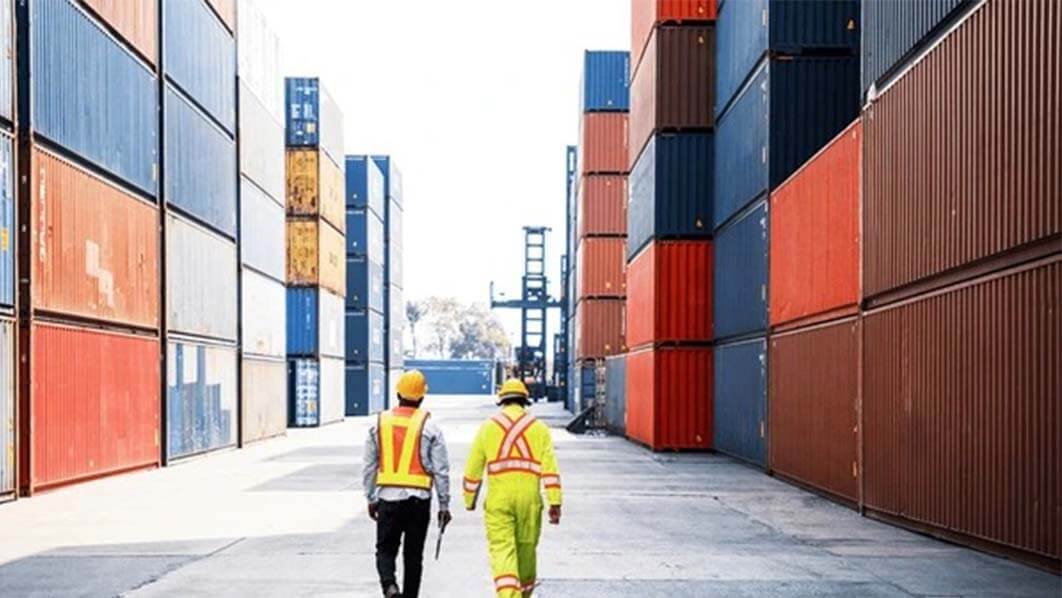
Risk transfer is a vital aspect of FCA. The moment the goods are handed over to the carrier at the named place3, risk shifts from the seller to the buyer. The exact location is crucial, as it defines where the responsibility changes.
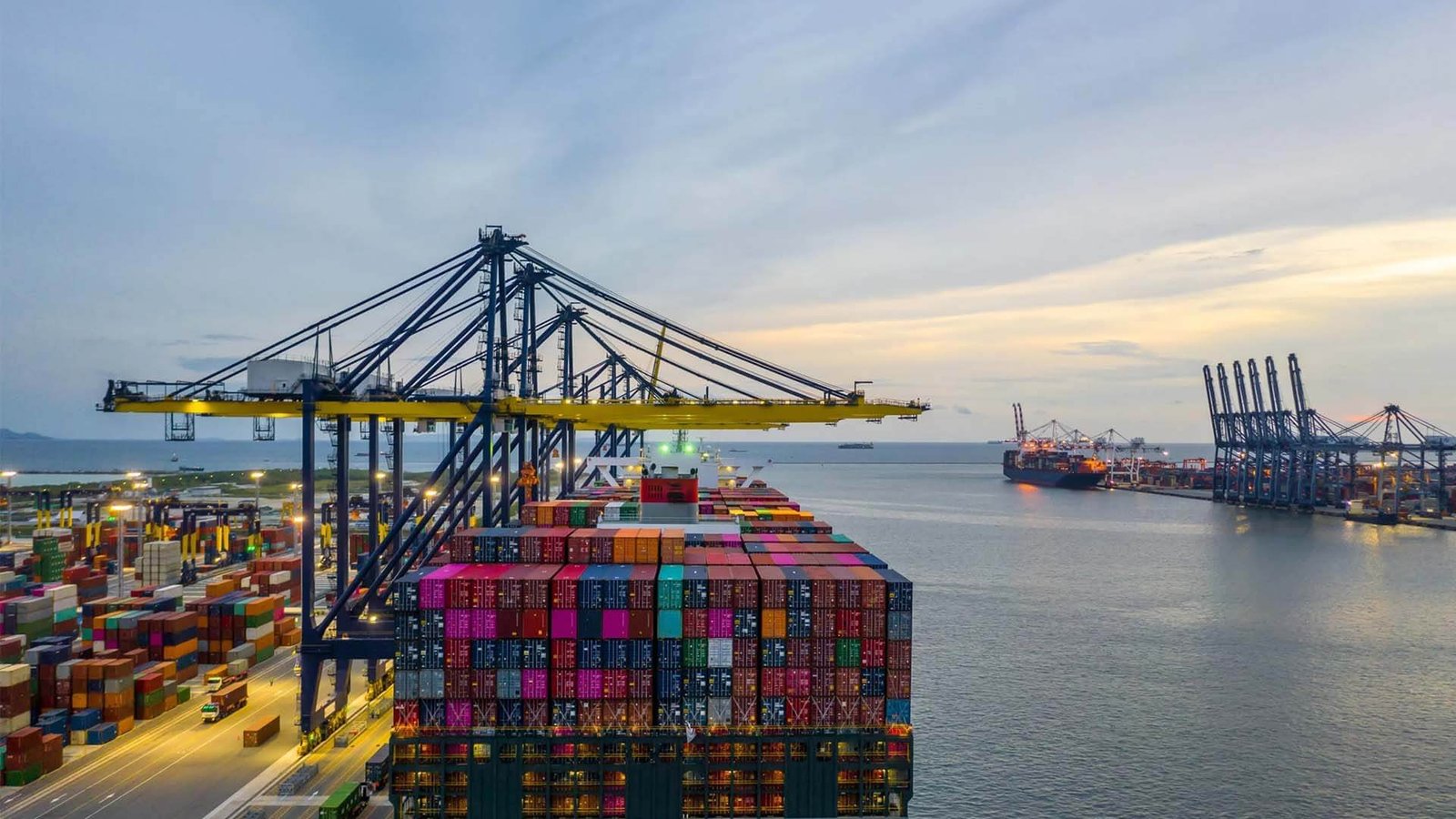
In the FCA process, the flow works as follows:
- Seller Location: The seller has goods ready for shipment.
- Handover to Carrier: The seller delivers the goods to the buyer's chosen carrier.
- Risk Transfers: At this point, the buyer takes on the risk.
- Main Transport: The buyer is responsible for the main transport to the destination.
Clear understanding of risk transfer6 helps both parties manage their responsibilities effectively, ensuring a smoother shipping process.
What Costs Are Included and Excluded for the Buyer Under FCA
Understanding the costs associated with FCA is essential for importers. Under FCA terms, buyers are responsible for main freight, insurance, and import clearance5 costs. Meanwhile, the seller covers the delivery of the goods to the carrier and manages export formalities7.
| Cost Type | Paid By |
|---|---|
| Export Handling | Seller |
| Main Freight | Buyer |
| Insurance | Buyer |
| Import Duties | Buyer |
This breakdown allows buyers to budget more accurately and avoid unexpected expenses. Knowing what each party pays can help in negotiating terms and planning finances.
FCA vs FOB vs CPT8: How Importers Should Choose the Right Incoterm
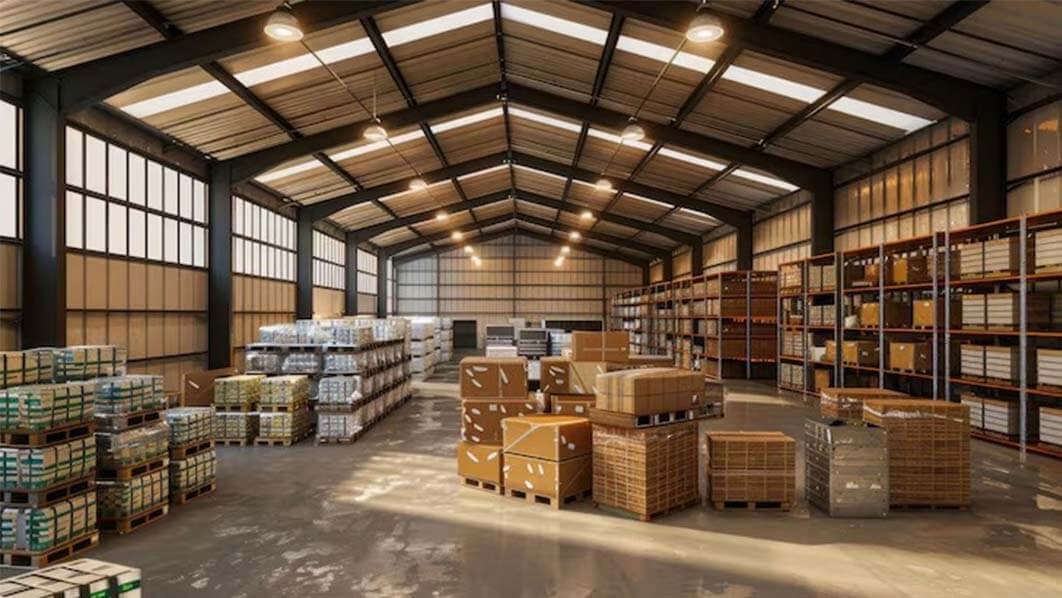
Choosing the correct Incoterm is vital for effective shipping. FCA, FOB (Free on Board), and CPT (Carriage Paid To) all have different implications for cost and risk allocation. Importers need to select the term that best aligns with their shipping strategy.
| Feature | FCA | FOB |
|---|---|---|
| Risk Transfer Point | At the named place3 | At the ship's rail |
| Transport Mode | Multiple modes | Generally maritime |
| Buyer Control | High | Moderate |
Each term has its benefits and drawbacks. Importers should consider factors such as shipment type and transportation mode when making their choice.
What Common Mistakes Importers Make When Using FCA and How to Avoid Delays or Extra Charges
Navigating FCA can be tricky. Common mistakes include unclear definitions of the named place3, misunderstanding export responsibilities, and poor communication with carriers. These issues can lead to delays and extra charges, which every importer wants to avoid.
To minimize risks, clear communication9 with all parties is crucial. Proper documentation can prevent misunderstandings. Additionally, having a well-defined pickup-to-export flow10 can streamline the process.

- Seller Preparation: Ensure all goods are ready and documentation is complete.
- Carrier Pickup: Coordinate with the carrier to confirm pickup times.
- Export Clearance: Be aware of all export requirements to avoid delays.
- Main Carriage: Monitor the main transport to ensure timely arrival.
By taking these precautions, importers can significantly reduce the likelihood of mistakes and additional costs.
Conclusion
Understanding Free Carrier (FCA)1 is essential for effective international shipping, especially for U.S. importers. Proper knowledge of responsibilities and costs can lead to smoother operations.
Explore this link to understand the fundamental concept of FCA and its significance in international shipping. ↩
Discover the process and obligations of the seller when delivering goods under FCA terms. ↩
Learn why the named place is crucial in defining where the seller's responsibility ends and the buyer's begins. ↩
Explore the buyer's responsibilities in organizing the main transportation of goods under FCA. ↩
Understand the import clearance duties that fall on the buyer under FCA terms. ↩
Understand the point at which risk transfers from the seller to the buyer in FCA agreements. ↩
Learn about the export formalities the seller is responsible for under FCA terms. ↩
Compare FCA with other Incoterms like FOB and CPT to choose the best option for your shipping needs. ↩
Discover the importance of clear communication in preventing delays and extra charges in FCA shipping. ↩
Learn how a structured pickup-to-export flow can streamline FCA shipping and reduce errors. ↩