Free Alongside Ship (FAS)1 is an Incoterm2 that can significantly impact your shipping experience. Understanding this term is crucial for any U.S. importer looking to optimize their logistics.
Free Alongside Ship (FAS)1 is an Incoterm2 where the seller delivers goods alongside the vessel at the named port of shipment. The buyer assumes responsibility for loading, ocean freight, and all subsequent costs and risks. FAS is typically used for bulk, breakbulk, or specialized cargo3 requiring direct port handling.
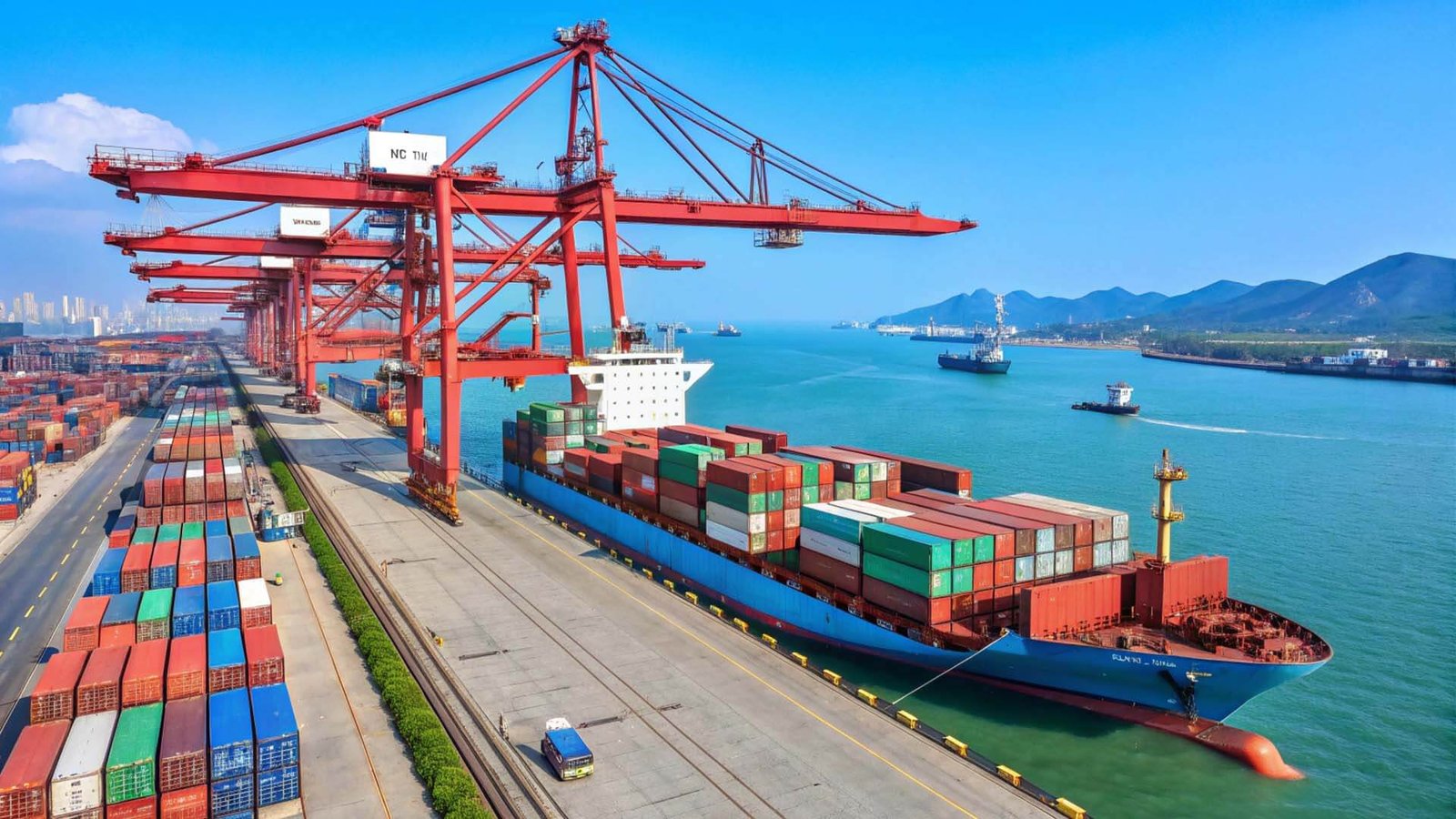
Choosing the right Incoterm2 is essential for both buyers and sellers. FAS transfers significant responsibilities and risks to the buyer, affecting logistics and costs. FAS is less commonly used for containerized shipments, as it is more suited to specific cargo types that require direct access to the vessel.
What Is Free Alongside Ship (FAS)1 and When Is This Incoterm2 Used in International Trade?
Free Alongside Ship (FAS)1 is a crucial term in international trade. It specifies the seller's responsibility in delivering goods next to the ship, while the buyer takes over for the loading and subsequent logistics.
Free Alongside Ship (FAS)1 is an Incoterm2 that defines how goods are delivered to the buyer. Under FAS, the seller delivers goods alongside the ship at the port, transferring responsibility to the buyer for loading, ocean freight, and further costs. This Incoterm2 is suited for bulk, breakbulk, or specialized cargo3 needing direct handling at the port.

Definition of FAS
FAS is one of the Incoterm2s established by the International Chamber of Commerce (ICC). It focuses on the delivery point of goods and the responsibilities shared between the seller and the buyer4.
Meaning of “Alongside the Vessel”
The term “alongside” means5 that the seller must deliver goods to a position next to the ship, allowing for easy loading. This delivery does not include loading the goods onto the vessel itself, which remains the buyer's responsibility.
Typical Cargo Types
FAS is commonly used for specific types of cargo. These include:
- Bulk commodities
- Breakbulk cargo
- Heavy machinery that requires special handling
Why FAS Is Less Common for Containerized Shipments
Containerized shipments typically use different Incoterm2s, such as FOB (Free on Board) or FCA (Free Carrier). This preference is due to various factors, including standardized loading procedures and the nature of containerized cargo, which often involves different logistics practices.
What Responsibilities Do the Seller and Buyer Have Under FAS at the Port of Shipment?
Understanding the responsibilities under FAS is critical for efficient shipping. The division of tasks can significantly affect the process if not clearly understood.
Under FAS, the seller is responsible for export preparation and delivery6 of goods to the quay or barge area alongside the vessel, while the buyer handles loading, freight booking, and onward transport. Risk transfers once goods are placed alongside the ship at the agreed port.

FAS Responsibility Table
| Task | Seller | Buyer |
|---|---|---|
| Export packaging | Yes | No |
| Inland transport to port | Yes | No |
| Export clearance | Yes | No |
| Delivery alongside ship | Yes | No |
| Loading onto vessel | No | Yes |
| Ocean freight | No | Yes |
| Insurance | No | Yes |
| Import clearance | No | Yes |
What Costs, Charges, and Risks Transfer to the Buyer Under an FAS Agreement?
The buyer needs to be aware of the costs and risks associated with FAS to ensure preparedness for the logistics process.
Once goods are delivered alongside the vessel, the buyer assumes loading costs, ocean freight, marine insurance7, and all risks during transit. Port handling fees, loading charges, and freight rate fluctuations become the buyer’s responsibility after delivery at the quay.
FAS Risk-Transfer Diagram
Supplier Factory
→ Inland transport
→ Port arrival
→ Alongside ship ([risk transfer point](https://www.letsbloom.com/blog/incoterm-fas/)8)
→ Vessel loading
→ Ocean transit
→ Destination port
How FAS Affects Export Clearance, Ocean Freight Booking, and U.S. Import Customs Planning
FAS has significant implications for the buyer's logistical responsibilities. It is crucial for importers to understand how this Incoterm2 affects their entire supply chain.
Because the buyer controls freight booking and loading9, FAS requires importers to coordinate carriers, port handling, and customs brokerage earlier in the process. Proper planning ensures documentation, cargo readiness, and vessel schedules align to prevent port storage costs and missed sailings.

Key Areas of Impact
- Export clearance handled by seller: The seller manages the export documentation and compliance.
- Buyer must arrange vessel booking: Importers should proactively book vessels to ensure timely delivery.
- Importance of port coordination: Effective communication between all parties is required for seamless operations.
- Customs planning begins before loading: Early preparations help avoid delays at the port, ensuring a smooth transition for all stakeholders.
FAS vs FOB vs FCA10: How Importers Should Choose the Right Incoterm2
Selecting the appropriate Incoterm2 is vital for successful logistics management. Understanding the differences can help importers make informed decisions.
FAS differs from FOB and FCA based on where delivery and risk transfer occur. FOB shifts responsibility after loading onboard the vessel, while FAS transfers risk earlier at the quay. FCA may be used for containerized cargo, making it more flexible for multimodal transport.
FAS vs FOB vs FCA10 Comparison Table
| Feature | FAS | FOB | FCA |
|---|---|---|---|
| Delivery point | Alongside ship | Onboard vessel | At a named place |
| Who loads vessel | Buyer | Seller | Seller or Buyer |
| Best cargo type | Bulk, breakbulk | General cargo | Containerized |
| Risk transfer timing | Earlier at quay | After loading | At named point |
What Common Mistakes Do Importers Make When Using FAS and How to Avoid Delays or Extra Costs?
Avoiding common pitfalls11 is essential for a smooth shipping experience. Awareness and preparation can prevent costly mistakes.
Common FAS issues include poor coordination of vessel booking, misunderstandings about loading responsibility, and inadequate port communication. Without clear scheduling and documentation, importers may face port storage fees, missed sailings, and unexpected handling charges.
FAS Importer Risk Checklist12
- No vessel booking before cargo arrival
- Misunderstood loading responsibility
- Late port coordination
- Documentation delays
- Insurance gaps
Conclusion
Understanding FAS is essential for U.S. importers to manage logistics efficiently and avoid common mistakes.
Understanding FAS is crucial for optimizing logistics and managing responsibilities in international trade. ↩
Incoterms define the responsibilities of buyers and sellers, impacting logistics and costs in international trade. ↩
Knowing the suitable cargo types for FAS helps in selecting the right shipping method and avoiding logistical issues. ↩
Understanding these responsibilities ensures smooth logistics and prevents misunderstandings in shipping agreements. ↩
Clarifying this term helps in understanding the exact delivery point and responsibilities under FAS. ↩
Understanding export preparation helps sellers fulfill their responsibilities efficiently under FAS. ↩
Being aware of these costs and risks helps buyers prepare financially and logistically for shipping. ↩
Knowing the risk transfer point is crucial for understanding when the buyer assumes responsibility. ↩
Understanding these responsibilities ensures timely and efficient logistics management for importers. ↩
Comparing these Incoterms helps importers choose the best option for their shipping needs. ↩
Avoiding these pitfalls can prevent delays and extra costs in the shipping process. ↩
Using this checklist helps importers mitigate risks and ensure a smooth shipping process. ↩