DDP shipping can be a game changer for U.S. importers. It simplifies the process but can come with challenges. Understanding it is crucial for success.
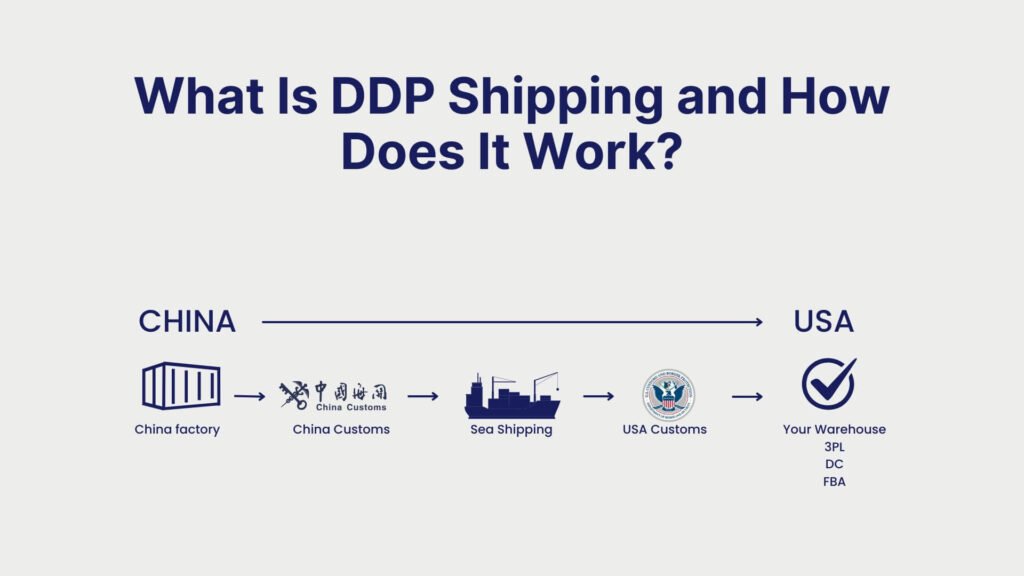
DDP (Delivered Duty Paid) shipping1 means the seller takes responsibility for all costs, including transportation, insurance, and duties, until the goods are delivered to the buyer’s destination. For U.S. importers, DDP simplifies the shipping process by reducing the number of tasks they must manage.
DDP shipping is a method where the seller assumes full responsibility for delivering goods to the buyer's destination. This includes all freight charges, taxes, and customs duties2. For U.S. importers, this means less hassle and fewer logistics to manage. However, working with customs brokers3 is essential to ensure all paperwork is in order and that shipments clear customs seamlessly.
What Is DDP Shipping and How Does It Benefit U.S. Importers?
DDP shipping may seem complex at first glance, but its benefits are worth exploring. As a U.S. importer, you often want to streamline your operations4. DDP shipping provides that opportunity.
DDP shipping simplifies the import process by placing the burden of logistics on the seller. This allows U.S. importers to focus more on their core business, making it an attractive option.

When you choose DDP, you benefit from having one less thing to worry about. The seller handles everything from shipping to customs duties. This saves time and reduces stress. You don't need to understand all the intricacies of customs regulations. However, collaborating with a skilled customs broker ensures that shipments arrive without issues. They are essential for navigating any potential pitfalls.
What Are the Key Disadvantages of Using DDP Shipping?
While DDP has its perks, it is not without drawbacks. As with any shipping method, understanding the disadvantages is crucial for making informed decisions.
One key disadvantage of DDP shipping is that the seller assumes all responsibility, which can lead to higher costs5. U.S. importers may face delays or unexpected fees if the seller is not well-versed in U.S. customs regulations or fails to meet import requirements.
Regarding DDP shipping, the seller's unfamiliarity with U.S. customs can create problems. If they don't know the rules, delays can occur. These delays can lead to unexpected fees, putting a strain on your budget. For U.S. importers, the key to mitigating these risks is partnering with experienced customs brokers3 and freight forwarders. They can help ensure that your shipments comply with all regulations and prevent costly mistakes.
How Does DDP Shipping Include Customs Clearance and Duties?
DDP shipping stands out because it covers customs clearance and duties6, simplifying the import process significantly for U.S. importers.
Under DDP terms, the seller is responsible for customs clearance and paying all import duties and taxes. This means U.S. importers do not need to handle customs themselves, which can simplify the import process but also requires sellers to understand U.S. customs regulations.
The seller takes care of customs clearance, making it easier for U.S. importers. They ensure that all duties and taxes are paid before the goods arrive. However, this does mean that the seller must be knowledgeable about U.S. customs laws. Clear communication is vital to ensure compliance. If the seller fails to provide accurate documentation, it can lead to delays and additional fees.
Why DDP Shipping Might Be Expensive for U.S. Importers
Cost is always a concern for U.S. importers, and DDP shipping is no exception. Understanding the cost structure is essential for making informed decisions.
DDP shipping can be expensive for U.S. importers because the seller assumes all costs, including shipping, insurance, and customs duties. The seller often factors these costs into the price of the goods, which can make DDP a more costly option than other Incoterms like FOB.
In DDP shipping, the seller covers all associated costs. This includes everything from transportation to customs duties. While this simplifies the process, it often results in higher prices than other shipping methods, like FOB (Free on Board)7. U.S. importers need to take this into account. You may end up paying more upfront, but consider the time and effort saved. Sometimes, convenience can justify the higher costs5.
What Risks Are Involved in DDP Shipping and How Can They Be Mitigated?
Every shipping method comes with risks, and DDP is no different. Being aware of these risks can help U.S. importers navigate the process more smoothly.
The main risks of DDP shipping include delays, unexpected costs, and disputes over customs issues. To mitigate these risks, U.S. importers should work with a reliable seller and a qualified customs broker8 who can help ensure smooth clearance and proper handling of duties.
Delays can occur due to incorrect documentation, leading to unforeseen costs. This is where having a reliable partner becomes crucial. U.S. importers should choose sellers with a proven track record in DDP shipping. Additionally, a qualified customs broker8 can assist in ensuring all paperwork is accurate. This cooperation is essential. It helps minimize risks and provides peace of mind throughout the shipping process.
When Should U.S. Importers Choose DDP Shipping Over Other Methods?
Choosing the right shipping method can make a big difference for U.S. importers. DDP shipping is ideal in specific scenarios.
U.S. importers should choose DDP shipping when they want a hands-off shipping experience9, with the seller taking care of all logistics, insurance, and customs duties. However, it’s best used for low-risk, straightforward shipments10 where cost is less of a concern.

If you want simplicity in your shipping process, DDP is a great option. This method allows you to focus on your core business rather than logistics. However, it may not be the best choice for high-volume shipments or when budget control is critical. For straightforward, low-risk shipments, DDP can provide peace of mind.
Conclusion
Understanding DDP shipping is essential for U.S. importers. It offers convenience but comes with challenges. Working closely with customs brokers3 can help ensure smooth and cost-effective shipments.
Understanding DDP shipping is crucial for U.S. importers to simplify their logistics and focus on core business activities. ↩
Knowing how these costs are managed can help importers understand the financial implications of choosing DDP shipping. ↩
Customs brokers ensure that all paperwork is in order, helping shipments clear customs seamlessly and avoiding potential delays. ↩
Streamlining operations allows importers to focus on their core business, making DDP an attractive option for efficiency. ↩
Understanding the cost structure of DDP shipping helps importers make informed decisions about their shipping methods. ↩
Knowing how customs clearance and duties are managed can simplify the import process for U.S. importers. ↩
Comparing DDP with FOB helps importers choose the best shipping method based on cost and convenience. ↩
A qualified customs broker can ensure accurate paperwork and compliance, minimizing risks and delays. ↩
A hands-off approach allows importers to focus on their business, making DDP appealing for those seeking convenience. ↩
Identifying when DDP is ideal helps importers choose the right shipping method for their specific needs. ↩