Importing goods can be a complex process. One often overlooked element is the import license1. Failure to understand its significance can lead to costly delays and penalties.
An import license1 is a government authorization required for specific regulated goods2 before they can enter the country. It differs from standard customs clearance, which applies to all shipments. Only certain controlled products3 require licenses, while most goods can be imported without one if they meet general customs and regulatory rules enforced by U.S. Customs and Border Protection4.

Before diving into the details, let’s clarify important concepts. An import license1 is not the same as a permit5. A license allows you to import specific controlled goods. In contrast, a permit5 might be needed for various activities, like exporting or transporting certain products. Most goods do not require licenses due to the broad scope of the general customs requirements. However, a customs broker6 plays a critical role in identifying whether your products need an import license1.
What Is an Import License and How Does It Differ from Standard Customs Clearance Requirements?
An import license1 is a government authorization required for specific regulated goods2 before they can enter the country. It differs from standard customs clearance, which applies to all shipments. Only certain controlled products3 require licenses, while most goods can be imported without one if they meet general customs and regulatory rules enforced by U.S. Customs and Border Protection4.
The difference between an import license1 and standard customs clearance can be subtle but crucial. Import licenses are specific to regulated goods2, ensuring safety and compliance with U.S. laws. Most everyday products do not require this extra step. If your goods do require a license, it’s vital to identify it early in the shipping process.
Customs brokers are essential partners in this journey. They help verify whether your shipment requires a license. By leveraging their expertise, you can avoid complications that arise from misinterpretations of regulations.
Which Products Require Import Licenses or Permits in the United States
Only specific product categories require import license1s or permit5s, typically for safety, health, environmental, or security reasons. These include certain food items, medical products, wildlife materials, chemicals, and controlled technologies.
The products you intend to import will dictate whether you need a permit5. Items that fall under health, safety, or environmental regulations often require licenses. This includes food, medical products, and certain chemicals.
To help you navigate this area, here’s a matrix summarizing common products and their license requirements:
| Product Type | Possible License/Permit |
|---|---|
| Food & agriculture | Health/safety permit5 |
| Medical products | Regulatory authorization |
| Wildlife materials | Species permit5 |
| Chemicals | Environmental control |
Understanding what products require licenses is crucial for compliance and smooth shipping experiences.
Which U.S. Government Agencies Issue Import Licenses and How the Process Works
Different U.S. government agencies control licensing depending on the product type. Importers must apply through the relevant authority before shipment.
The U.S. government has various agencies that control the issuance of import license1s. Each agency oversees specific categories of products.
Here’s a breakdown of the agencies involved:
| Agency | Controls |
|---|---|
| Food and Drug Administration (FDA)7 | Food, medical products |
| USDA APHIS8 | Plants, agriculture |
| U.S. Fish and Wildlife Service9 | Wildlife materials |
| Environmental Protection Agency10 | Certain chemicals |
When you’re ready to import, knowing the right agency to approach is essential. Each agency has its specific application process that must be adhered to before you can ship.
How to Determine If Your Shipment Requires a License Before It Ships
Importers should review product classification, material composition, and intended use before shipping. Early compliance checks help avoid costly holds or refusals at the border.
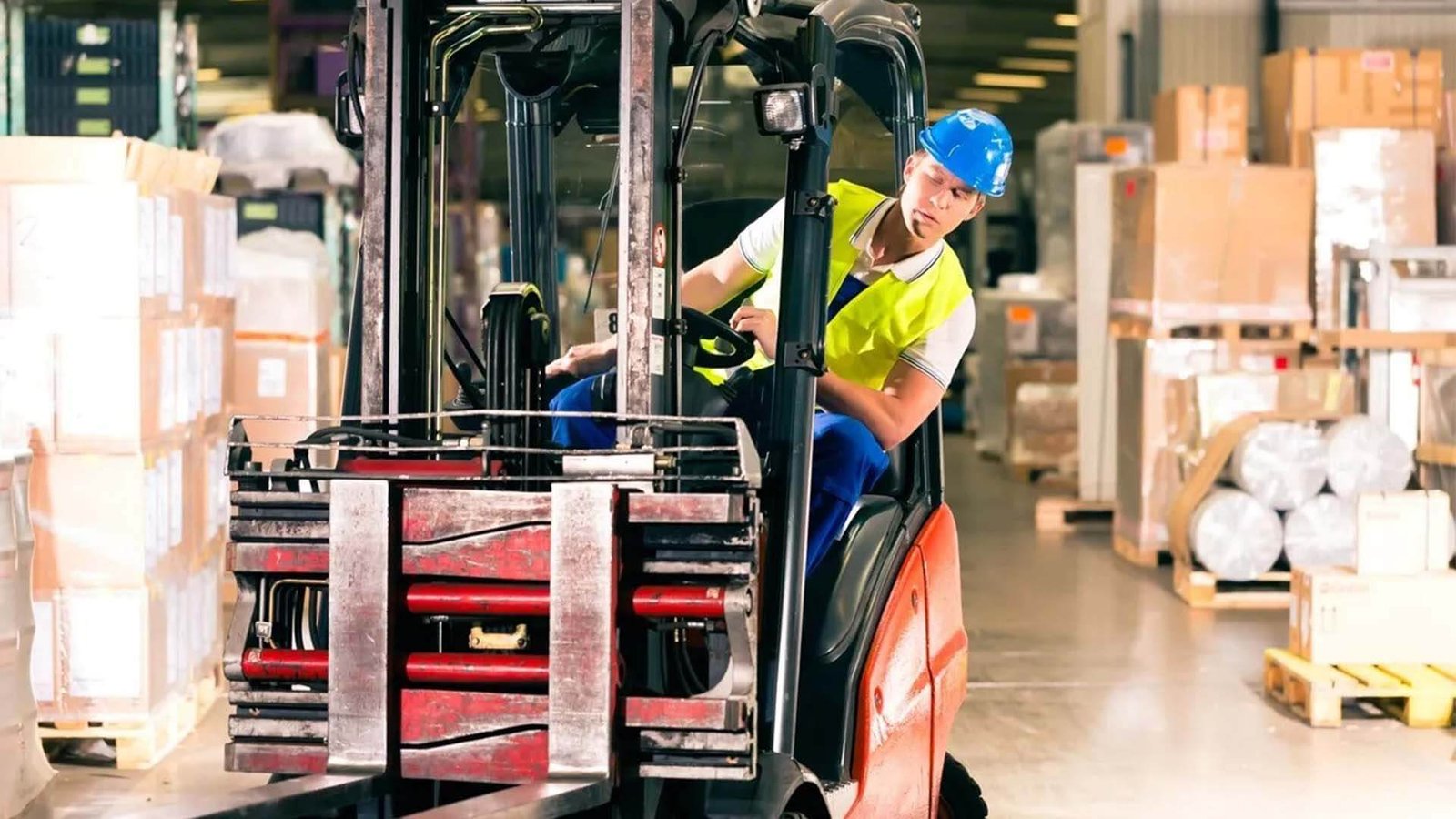
Before your shipment leaves the dock, it’s critical to determine whether it requires a license.
Start by checking the product classification under the Harmonized System (HS)11. Look at the material composition and consider the intended use of the product. These factors will guide you in assessing whether a license is necessary.
Additionally, reviewing supplier data and conducting a broker pre-entry compliance review can provide extra assurance. Engaging with your customs broker6 early in the process can save you time and money by preventing potential issues at the border.
Documents, Filing Steps, and Timelines for License-Controlled Imports
License-controlled imports require application approval12 before shipment, along with supporting documentation and proper entry declarations. Missing or late approvals can delay cargo clearance and lead to penalties.
When dealing with license-controlled imports, preparation is key. The application process typically involves several steps.
- Application Submission: You need to apply through the relevant agency before your shipment can move.
- Review Timelines: Each agency has typical review timelines. Be aware of these to avoid delays.
- Matching Entry Data: Ensure that all entry data matches your application. Mismatches can lead to costly penalties.
Proper documentation is not just a formality; it’s essential for avoiding unnecessary delays and complications.
Common Import License Mistakes That Lead to Delays, Holds, or Penalties
Errors such as misidentifying product category, using expired permit13t](5s">https://www.usa.gov/import-license-permit)5s, or failing to apply before shipment often result in holds, re-exportation, or fines.
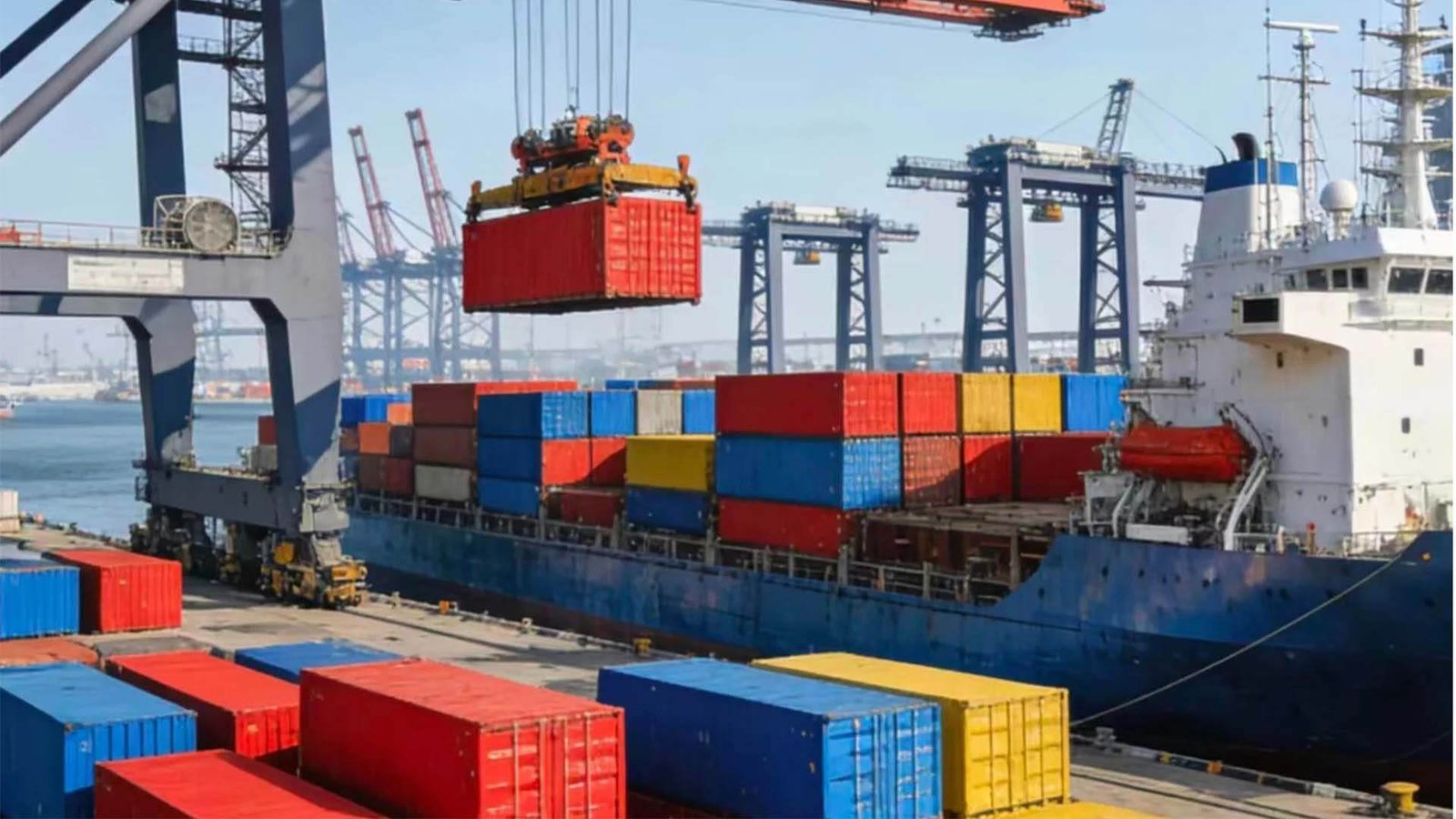
Mistakes in the import licensing process can be costly. Here’s a checklist of common risks and their corresponding impacts:
| Risk | Cause | Impact | Prevention |
|---|---|---|---|
| No license obtained | Misclassification | Shipment hold | Pre-check |
| Expired permit5 | Timing issue | Delay | Document tracking |
| Wrong agency filing | Confusion | Refusal | Broker guidance |
| Entry mismatch | Data error | Penalty | Filing review |
Avoiding these pitfalls requires diligence and a proactive approach. Always consult your customs broker6 for guidance to stay compliant.
Conclusion
Understanding import license1s is crucial for smooth shipping and compliance. Take the time to identify your needs early to avoid costly delays.
Understanding import licenses is crucial for compliance and avoiding costly delays when importing regulated goods. ↩
Regulated goods require import licenses to ensure safety and compliance with U.S. laws, preventing legal issues during importation. ↩
Controlled products need import licenses for safety, health, environmental, or security reasons, ensuring compliance with regulations. ↩
U.S. Customs and Border Protection enforces general customs and regulatory rules, crucial for importing goods without licenses. ↩
Understanding the difference between licenses and permits is essential for compliance in importing and exporting goods. ↩
A customs broker can help identify if your products need an import license, ensuring smooth and compliant importation. ↩
The FDA controls import licenses for food and medical products, ensuring they meet health and safety standards. ↩
USDA APHIS issues import licenses for plants and agriculture, ensuring compliance with agricultural regulations. ↩
The U.S. Fish and Wildlife Service issues import licenses for wildlife materials, protecting endangered species and ecosystems. ↩
The EPA regulates import licenses for chemicals, ensuring they meet environmental safety standards. ↩
The Harmonized System aids in classifying products, guiding importers on license requirements for compliance. ↩
Understanding application approval steps is vital for timely and compliant importation of license-controlled goods. ↩
Using an expired permit can lead to delays and fines, highlighting the importance of document tracking. ↩