The first paragraph grabs your attention:
Understanding bonded customs warehouses1](2s">https://www.prologis.com/what-we-do/resources/bonded-warehouse-vs-free-trade-zone-warehouse)2s can greatly impact your import strategy. Many businesses overlook how these facilities can optimize cash flow and reduce costs.
A bonded warehouse is a secured storage facility3 where goods can be stored without paying customs duties until they are cleared for entry into the U.S. This allows importers to delay duty payments4 and better manage their cash flow.
Bonded customs warehouse2s can be a game-changer for businesses. They help in managing costs and compliance, but many importers still have questions about their operation.
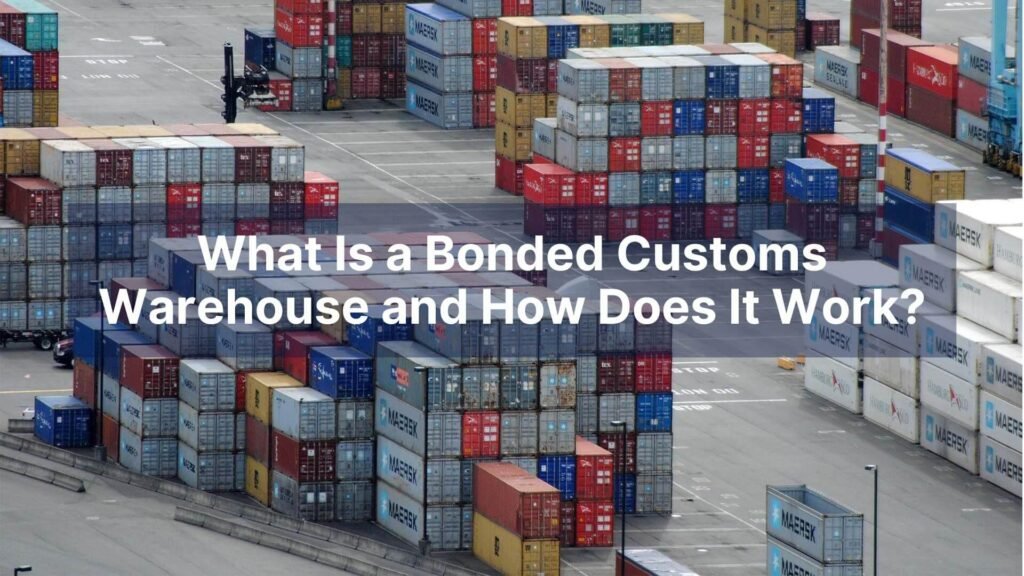
What Is a Bonded Customs Warehouse and How Does It Operate?
The first paragraph grabs your attention:
Many U.S. importers are unsure about the operational process of bonded warehouses. This confusion can lead to missed opportunities in cost savings.
A bonded warehouse is a secured facility where importers can store goods without paying customs duties until the goods are cleared for entry into the U.S. This delay in duty payments allows importers to manage cash flow more effectively, making it an advantageous option.
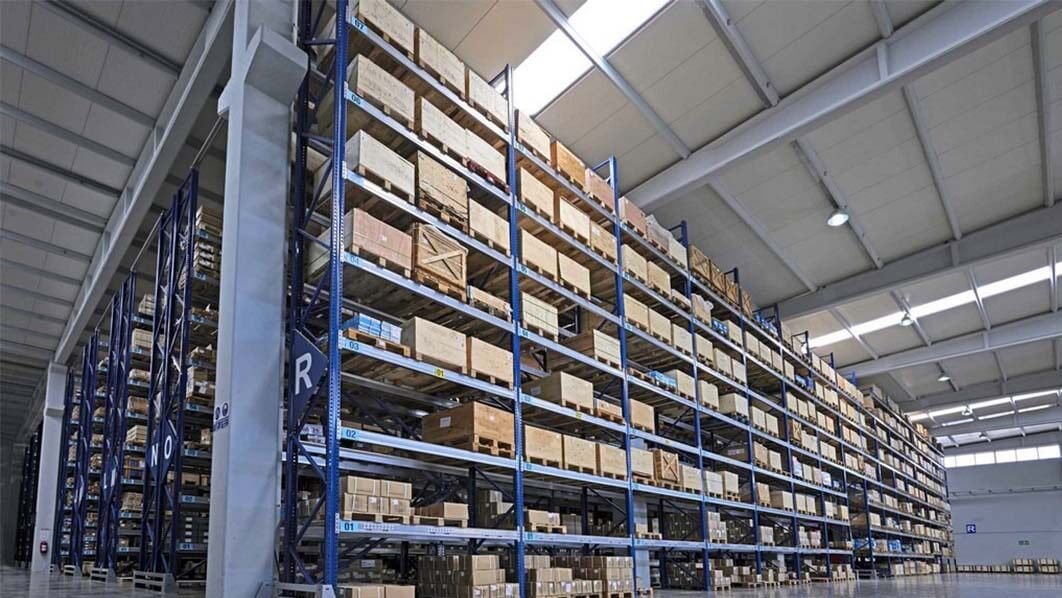
The operational process of a bonded customs warehouse2 involves strict compliance with U.S. Customs and Border Protection (CBP) regulations5. Importers must submit the necessary documentation, including commercial invoices and bills of lading6. Once these documents are approved, goods can be stored in the warehouse while duties are deferred.
The Benefits of Using a Bonded Warehouse for Importers and How It Reduces Tariff Costs
The first paragraph grabs your attention:
Many importers are seeking ways to cut costs and improve efficiency. A bonded warehouse can be a vital part of that strategy.
Bonded warehouses offer benefits like duty deferral7, tariff reduction8, and the ability to store goods while awaiting clearance or further distribution. They are especially useful for businesses managing high-volume, high-value imports9.
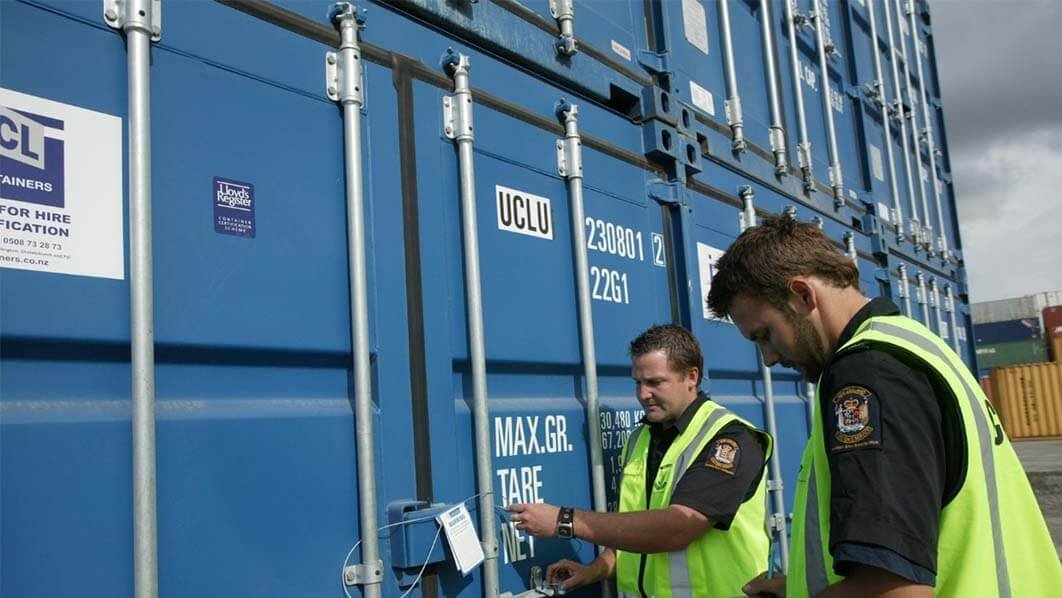
Using a bonded warehouse can significantly reduce tariff costs for importers. Since duties are deferred, businesses can delay payments until the goods are ready for sale. This is particularly useful for high-value imports. By optimizing cash flow, businesses can invest in other areas, such as inventory or marketing, rather than tying up funds in duty payments.
How Long Can Goods Stay in a Bonded Warehouse and What Are the Storage Limits?
The first paragraph grabs your attention:
Time limits on goods stored can impact your logistics planning. Understanding these limits can help your business run smoother.
Goods can typically be stored in a bonded warehouse for up to five years. However, storage limits10 may vary depending on the type of product and specific warehouse regulations. Importers should monitor the timeline to avoid penalties.

The duration for which goods can be stored in bonded warehouses can differ based on regulations and the type of goods. Generally, importers have up to five years to clear their goods. It is crucial to keep track of the timeline, as penalties may apply if goods exceed the allowable storage duration. This oversight can lead to unexpected costs that could have been avoided.
Bonded Warehouse vs. Customs Warehouse: What’s the Key Difference for Importers?
The first paragraph grabs your attention:
Understanding the difference between bonded and customs warehouse2s can save you time and money. Many businesses confuse these two types of storage.
A bonded warehouse stores goods under customs control to delay duty payments4, whereas a customs warehouse2 is used to store goods without paying duties, but goods are meant for eventual re-exportation, not domestic distribution.
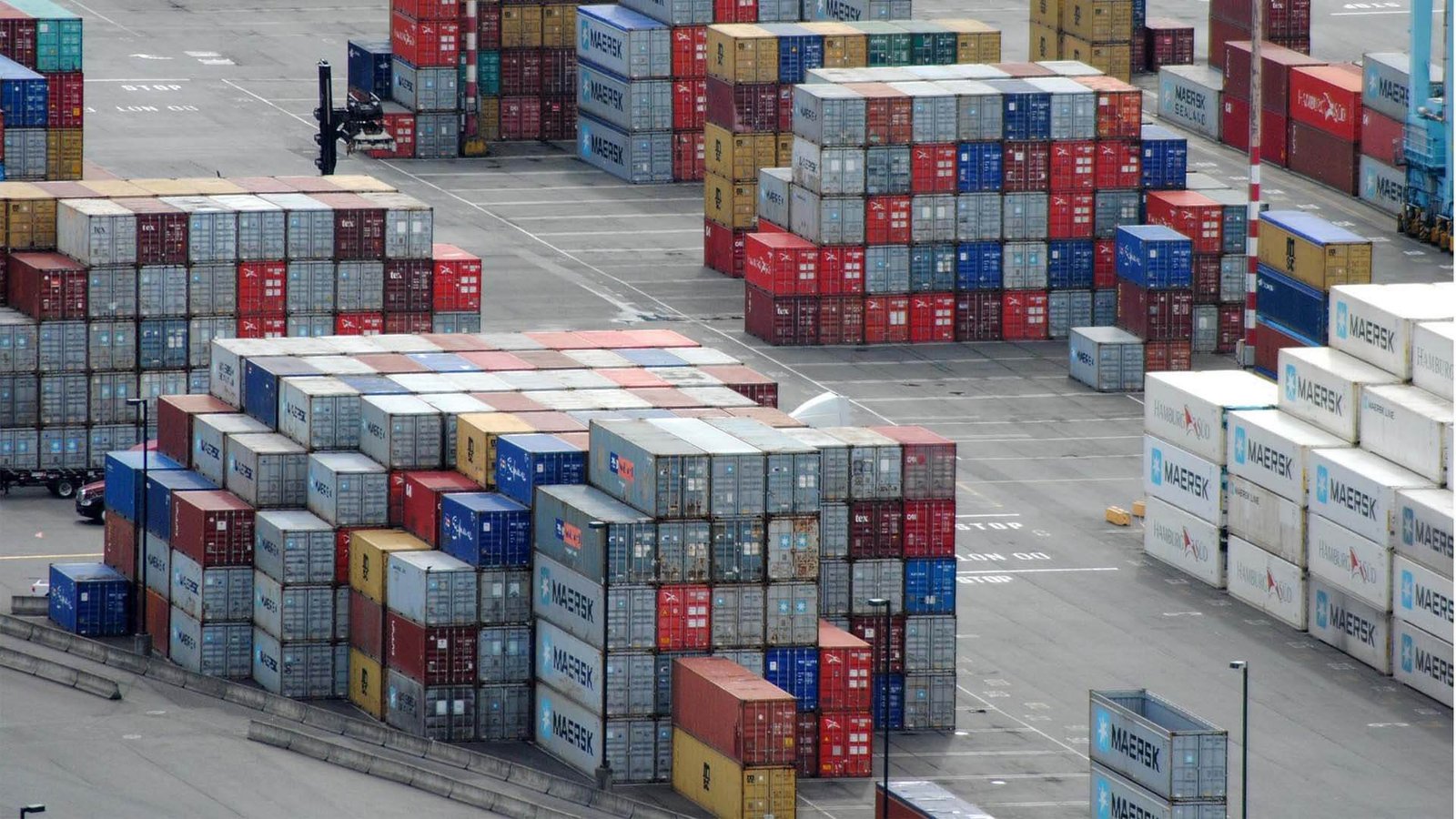
| Feature | Bonded Warehouse | Customs Warehouse |
|---|---|---|
| Purpose | Store goods for domestic distribution | Store goods for re-exportation |
| Duty Payment | Deferred until goods are cleared | No duty is paid unless imported |
| Usage | Suitable for domestic sale | Suitable for international trade |
| Duration of Storage | Up to 5 years | Typically less than 5 years |
| Goods Clearance | Required for sale | Only for re-export |
The key difference lies in the purpose and usage of each warehouse type. A bonded warehouse allows for the storage of goods intended for the domestic market, while a customs warehouse2 is primarily for re-export. Understanding this distinction helps importers make informed decisions.
Steps to Set Up and Use a Bonded Warehouse: Documentation, Compliance, and Entry Procedures
The first paragraph grabs your attention:
Setting up a bonded warehouse might seem complex, but knowing the steps can streamline the process.
To use a bonded warehouse, importers must ensure compliance with customs regulations, including securing the warehouse license, proper entry filing, and maintaining accurate records for the goods stored.
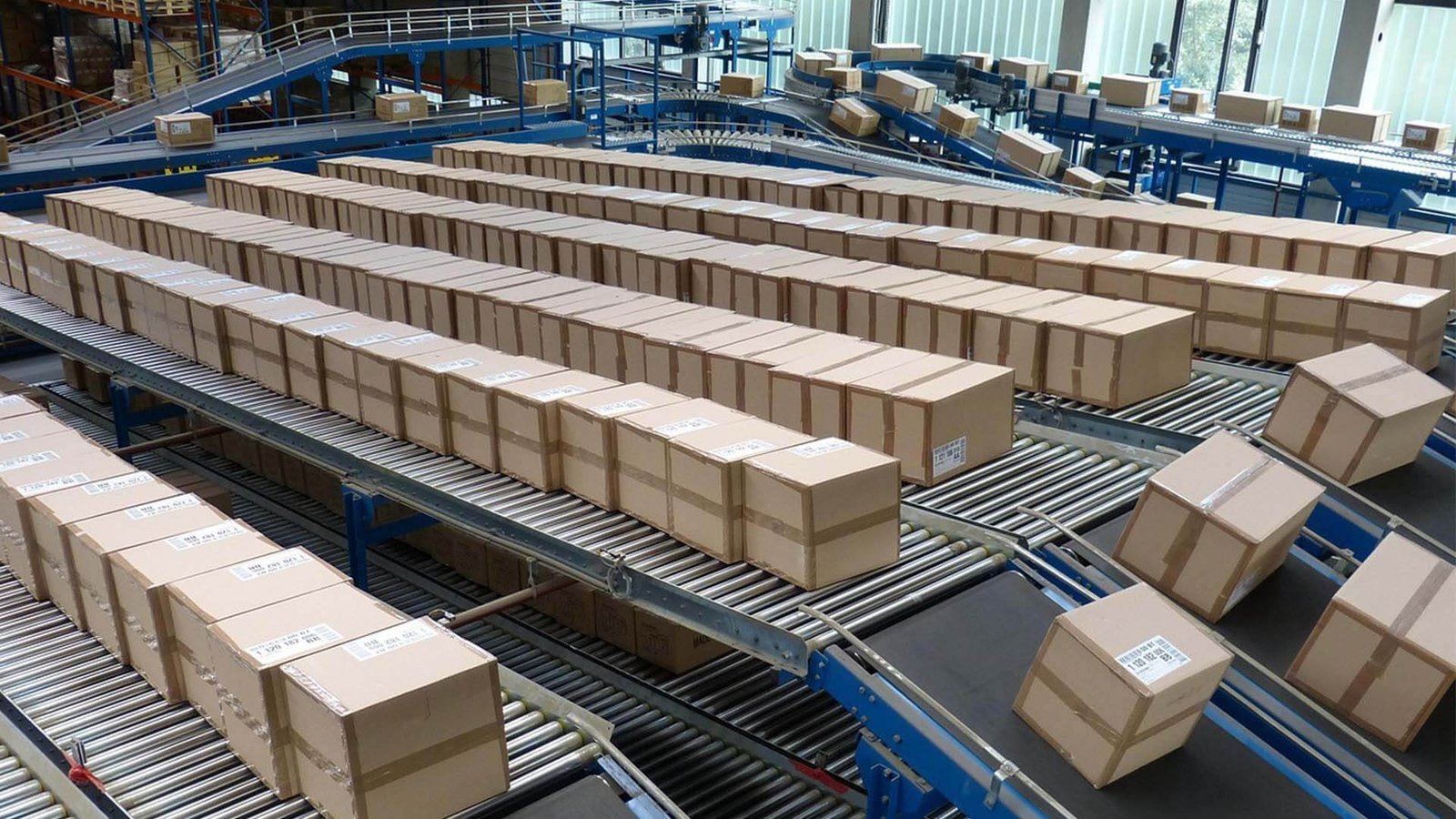
Compliance Checklist
- Secure a bonded warehouse license11
- Ensure all import duties are deferred until goods are cleared
- Provide accurate documentation (commercial invoice, bills of lading, etc.)
- File entry summaries and duty payments12 when goods are released
- Maintain records for auditing purposes
To set up a bonded warehouse, compliance is crucial. Importers must apply for a bonded warehouse license11 from CBP. This involves submitting necessary documentation and ensuring that all goods are accounted for. Proper entry filing is essential to avoid any penalties. Maintaining accurate records is key for audits and compliance reviews.
Cost-Saving Strategies with Bonded Warehouses: How to Maximize Efficiency and Reduce Duties
The first paragraph grabs your attention:
If you want to save on tariffs, you need to be strategic. Bonded warehouses can play a huge role in your cost-saving strategies13.
Importers can reduce their duties by using bonded warehouses strategically to delay duty payments4 until goods are needed. This can help with cash flow and storage costs while managing high-value or seasonal goods14.
Cost-Saving Strategy Flowchart
Goods Arrival → Bonded Warehouse Storage → Delay Duty Payments → Release for Sale or Distribution → Pay Duties Only When Necessary → Manage Cash FlowBy utilizing a bonded warehouse, importers can delay duty payments4 and enhance cash flow management. This is particularly beneficial for seasonal goods14 or high-value items. The strategy maximizes efficiency and reduces costs associated with immediate duty payments. In the long run, this approach can lead to a more robust financial position for importers.
Conclusion
Understanding bonded warehouses allows U.S. importers to optimize operations, manage costs, and maintain compliance effectively.
Exploring this link will help you understand how bonded customs warehouses can optimize your import strategy by improving cash flow and reducing costs. ↩
Understanding the distinction between these two types of warehouses can help importers make informed decisions about storage and distribution. ↩
Learn about the security measures and benefits of using a secured storage facility for storing goods without immediate duty payments. ↩
Discover how delaying duty payments through bonded warehouses can enhance cash flow management for importers. ↩
Understanding CBP regulations is crucial for compliance when using bonded warehouses, ensuring smooth operations and avoiding penalties. ↩
These documents are essential for compliance and approval processes in bonded warehouses, impacting the storage and release of goods. ↩
Duty deferral is a key advantage of bonded warehouses, allowing importers to manage cash flow and reduce immediate financial burdens. ↩
Explore how using bonded warehouses can lead to significant tariff reductions, benefiting businesses with high-volume imports. ↩
Learn how bonded warehouses support businesses dealing with large quantities and high-value goods, optimizing storage and cost management. ↩
Understanding storage limits is vital for logistics planning, helping businesses avoid penalties and manage timelines effectively. ↩
Securing a bonded warehouse license is a critical step for compliance and operation, ensuring legal storage and duty deferral. ↩
These are essential for the release of goods from bonded warehouses, impacting financial planning and compliance. ↩
Implementing cost-saving strategies with bonded warehouses can enhance efficiency and reduce duties, benefiting overall business operations. ↩
Bonded warehouses offer strategic advantages for managing seasonal goods, optimizing cash flow and storage costs. ↩