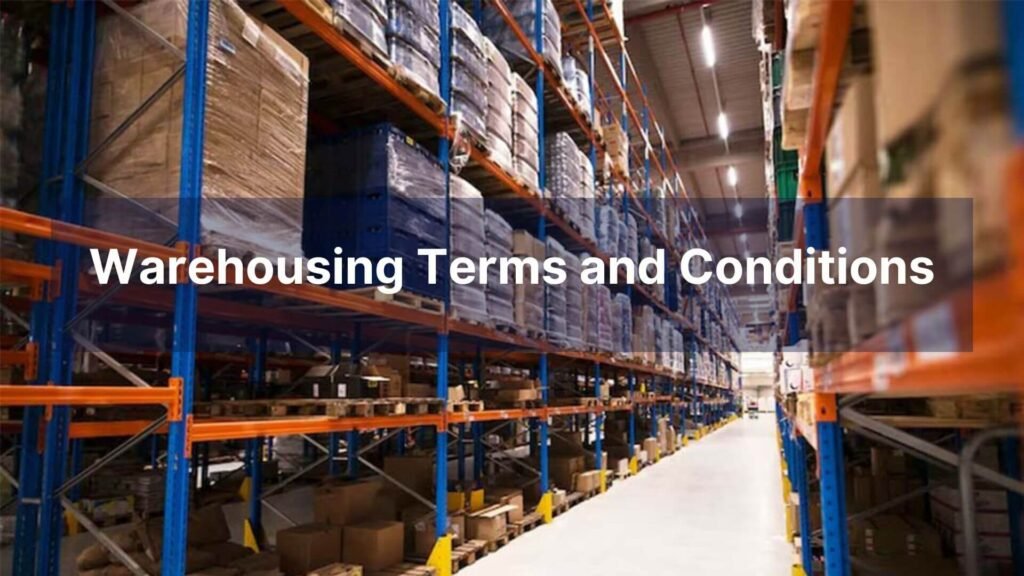
Warehousing terms and conditions (T&Cs) govern the legal framework1 of storage, handling, and responsibility for goods. They are essential for U.S. importers to understand to avoid unexpected liabilities2, fees, and inventory risks3. Reviewing these terms helps you know your rights and responsibilities, ultimately protecting your cargo and financial interests.
Warehousing terms and conditions (T&Cs) define the legal framework1 governing storage, handling, and responsibility for goods. For U.S. importers, reviewing T&Cs is essential to avoid hidden fees, liability for damage or loss, and unclear inventory care terms. Importers need to understand their rights and responsibilities under the contract to mitigate risk.
Understanding warehousing T&Cs is crucial. Many importers overlook these details, which can lead to costly surprises. By grasping the nuances of these terms, you can effectively manage your risks and costs. Knowledge empowers you to negotiate better contracts, leading to a smoother logistics process.
Break down warehouse liability and limitation clauses (loss, damage, negligence4, force majeure5) and what they really mean for importers’ cargo?
Warehouse liability clauses specify who is responsible for damaged, lost, or stolen goods. Typically, T&Cs limit the warehouse’s responsibility for loss or damage unless caused by negligence4 or gross misconduct. Understanding force majeure5, negligence4, and liability caps6 helps importers evaluate risks and negotiate clearer terms to protect their inventory during storage.
Warehouse liability clauses specify who is responsible for damaged, lost, or stolen goods. Typically, T&Cs limit the warehouse’s responsibility for loss or damage unless caused by negligence4 or gross misconduct. Understanding force majeure5, negligence4, and liability caps6 helps importers evaluate risks and negotiate clearer terms to protect their inventory during storage.

Here’s a breakdown of common liability clauses in warehouse contracts:
| Clause | What it Covers | Importer Risk | Negotiation Tip |
|---|---|---|---|
| Liability for loss | Responsibility for lost goods | Full liability possible | Negotiate higher liability caps6 |
| Damage during handling | Responsibility for damage during handling | Limited liability | Clarify definitions of “damage” |
| Negligence | Liability for losses due to negligence4 | High liability risk | Ensure negligence4 is well-defined |
| Force Majeure | Circumstances preventing liability | Possible total loss | Understand exclusions included |
| Insurance exclusions | Goods not covered by insurance | Risk of uninsured loss | Request additional coverage |
Knowing these clauses helps you protect your cargo. Always ask questions when reviewing the T&Cs to avoid unpleasant surprises.
Explain warehouse pricing and fee terms (storage, handling, minimums, rate increases, and accessorial charges7) so importers can control cost exposure.
Warehouse pricing typically includes storage fees8, handling fees9, minimum charges10, and rates for accessorial services like special handling, picking/packing, and inventory management. Importers should be aware of potential rate increases, additional fees, and minimum charges10 that can impact total cost, especially for fluctuating volumes and long-term storage.
Warehouse pricing typically includes storage fees8, handling fees9, minimum charges10, and rates for accessorial services like special handling, picking/packing, and inventory management. Importers should be aware of potential rate increases, additional fees, and minimum charges10 that can impact total cost, especially for fluctuating volumes and long-term storage.
Here’s a summary of common warehouse charges:
| Fee Type | Description | Range/Rate | Triggers |
|---|---|---|---|
| Storage | Monthly fee for storing goods | $X to $Y/month | Volume, duration of storage |
| Handling | Charges for loading/unloading services | $X to $Y | Type of goods, handling difficulty |
| Pick/Pack | Fees for preparing orders | $X to $Y/item | Number of items processed |
| Minimum charge | Basic fee regardless of actual volume | $X | Small shipments |
| Special handling | Costs for unique handling requirements | $X to $Y | Fragile, hazardous items |
| Accessorials | Additional services beyond standard terms | $X to $Y | Any extra service requested |
Cost Control Tips:
- Negotiate fixed rates for storage and handling.
- Track inventory turnover to minimize minimum charges10.
- Standardize packaging to reduce special handling fees9.
Understanding these costs helps you manage your budget better. Ask your warehouse provider for a full breakdown of expected fees.
Clarify inventory ownership, care, and claims rules (receipt accuracy11, inspection timelines12, shrinkage, and claim filing deadlines13).
Warehouse contracts usually define who owns inventory, who is responsible for inventory care, and the processes for filing claims for damaged or missing goods. Importers should ensure that inspection timelines12, shrinkage allowances14, and claim deadlines are clearly outlined in the T&Cs to avoid disputes over lost or damaged products.
Warehouse contracts usually define who owns inventory, who is responsible for inventory care, and the processes for filing claims for damaged or missing goods. Importers should ensure that inspection timelines12, shrinkage allowances14, and claim deadlines are clearly outlined in the T&Cs to avoid disputes over lost or damaged products.

Here’s a breakdown of inventory claims rules:
| Rule | What it Covers | Importer Responsibility | Negotiation Tip |
|---|---|---|---|
| Receipt accuracy | Ensures goods received match documentation | Verify upon arrival | Establish a clear process for disputes |
| Inspection deadlines | Timeframe for inspecting goods | Inspect within set period | Negotiate for a reasonable timeline |
| Shrinkage tolerance | Allowable loss during storage | Understand limits | Discuss potential shrinkage rates |
| Claims filing window | Time limit for filing claims | File within specified timeframe | Request extended filing periods |
Claims Prevention Checklist:
- Ensure accurate receipt and inspection on arrival.
- Match all documents (PO, packing list, invoice).
- Establish a clear claims filing process.
Understanding these rules can save you from potential disputes. Ensure clarity in your contracts.
Cover lien, payment, and termination clauses15 that allow warehouses to hold goods, change terms, or suspend service if disputes arise.
Liens, payment terms, and termination clauses15 allow warehouses to suspend service or withhold goods if invoices are unpaid. Importers should understand their payment obligations, including terms for late fees and the possibility of warehouses holding goods until outstanding amounts are cleared. Clear termination clauses15 prevent service disruptions.
Liens, payment terms, and termination clauses15 allow warehouses to suspend service or withhold goods if invoices are unpaid. Importers should understand their payment obligations, including terms for late fees and the possibility of warehouses holding goods until outstanding amounts are cleared. Clear termination clauses15 prevent service disruptions.
Here’s a breakdown of lien, payment, and termination clauses15:
| Clause | What it Covers | Importer Risk | Negotiation Tip |
|---|---|---|---|
| Payment due date | When payments must be made | Risk of service disruption | Negotiate favorable terms |
| Late fees | Additional charges for late payments | Increased costs | Request clarity on fee structure |
| Lien clause | Rights of warehouse to hold goods | Loss of access to inventory | Limit conditions for lien applications |
| Termination notice | Required notice period for terminating service | Risk of sudden service end | Ensure sufficient notice periods |
Understanding these terms is crucial for maintaining supply chain continuity. Know your payment obligations to avoid disruptions.
Show how warehousing terms interact with freight forwarding16, customs clearance17, and cargo insurance18 across the end-to-end supply chain.
Warehousing terms must align with freight forwarding16, customs clearance17, and cargo insurance18 policies. Clear communication between warehouse, freight forwarder, and customs broker helps avoid delays and discrepancies. Insurance clauses should cover inventory in storage and during transport, protecting against potential loss or damage throughout the entire supply chain.
Warehousing terms must align with freight forwarding16, customs clearance17, and cargo insurance18 policies. Clear communication between warehouse, freight forwarder, and customs broker helps avoid delays and discrepancies. Insurance clauses should cover inventory in storage and during transport, protecting against potential loss or damage throughout the entire supply chain.
Here’s how warehouse terms interact with logistics:
| Activity | Related Terms | Potential Impact on Importer | SOP |
|---|---|---|---|
| Receiving | Delivery schedules, inspection terms | Delays due to miscommunication | Establish clear receiving protocols |
| Storage | Storage fees, inventory management | Increased costs if not managed | Regularly review inventory |
| Handling | Handling fees, special requests | Unforeseen charges if unplanned | Communicate needs upfront |
| Documentation | Customs clearance, billing agreements | Compliance issues can arise | Ensure alignment with all parties |
| Delivery | Final mile agreements, scheduling | Service disruptions from misalignment | Confirm deliveries in advance |
Understanding these interactions helps create an efficient supply chain. Make sure all parties are on the same page regarding terms.
FAQ
What is a warehousing agreement?
A warehousing agreement is a legal contract between a warehouse and an importer outlining storage terms, fees, responsibilities, and liabilities for stored goods. It serves to define the relationship and expectations of both parties.
How can I reduce warehousing fees?
You can reduce warehousing fees by negotiating fixed rates, tracking inventory turnover to minimize minimum charges10, and standardizing packaging to reduce special handling fees9.
What is the role of a warehouse in the supply chain?
Warehouses play a critical role in the supply chain by providing storage for goods, facilitating inventory management, and ensuring timely delivery to customers.
How do warehousing terms affect my customs clearance17?
Warehousing terms can affect customs clearance17 by determining how goods are handled during storage and ensuring compliance with inspection and documentation requirements.
Can I negotiate warehousing terms with my provider?
Yes, warehouse terms can often be negotiated. It's advisable to discuss your specific needs and risk tolerance with your provider to secure favorable terms.
Conclusion
Understanding warehousing terms and conditions is vital for importers. A thorough review can help you mitigate risks and manage costs effectively. I invite you to reach out for a warehousing contract review, fee breakdown, risk management SOPs, claim filing process template, or contract negotiation support.
Knowing the legal framework helps you understand your rights and responsibilities in warehousing contracts. ↩
Understanding unexpected liabilities helps you avoid unforeseen costs and protect your financial interests. ↩
Managing inventory risks is crucial to ensure the safety and security of your goods during storage. ↩
Knowing how negligence is defined can help you protect your goods from mishandling and loss. ↩
Understanding force majeure can help you evaluate risks and negotiate better terms for your inventory. ↩
Understanding liability caps helps you assess the extent of protection for your goods in storage. ↩
Understanding accessorial charges helps you anticipate additional costs for extra services. ↩
Knowing storage fees helps you budget effectively and avoid unexpected costs. ↩
Understanding handling fees allows you to manage costs related to loading and unloading services. ↩
Knowing about minimum charges helps you avoid paying more than necessary for small shipments. ↩
Ensuring receipt accuracy prevents disputes over inventory discrepancies. ↩
Knowing inspection timelines helps you ensure timely verification of goods received. ↩
Knowing claim filing deadlines ensures you can file claims for lost or damaged goods in time. ↩
Understanding shrinkage allowances helps you manage potential losses during storage. ↩
Understanding termination clauses helps you prevent sudden service disruptions. ↩
Understanding this interaction helps ensure smooth logistics and avoid delays. ↩
Knowing this helps you ensure compliance and avoid delays in the supply chain. ↩
Understanding cargo insurance helps protect your goods from loss or damage during storage and transport. ↩