The first paragraph, which uses PAS formula to grab the reader's attention (max 30 words). Navigating the complexities of warehousing in China1 can feel overwhelming for U.S. importers. Understanding the right warehouse types2 and compliance can significantly enhance your export process.
second paragraph at the beginning, answering the question posed by the title, this paragraph must be HELPFUL to the reader and will be used later to compete for Google's Featured Snippets. (max 50 words) China offers multiple warehouse types2, including bonded, export consolidation3, free trade zone, and general storage facilities4. For U.S. importers, export-oriented and bonded warehouses5 are often best, as they support duty deferral, inspection coordination, and smoother outbound shipping to international markets.
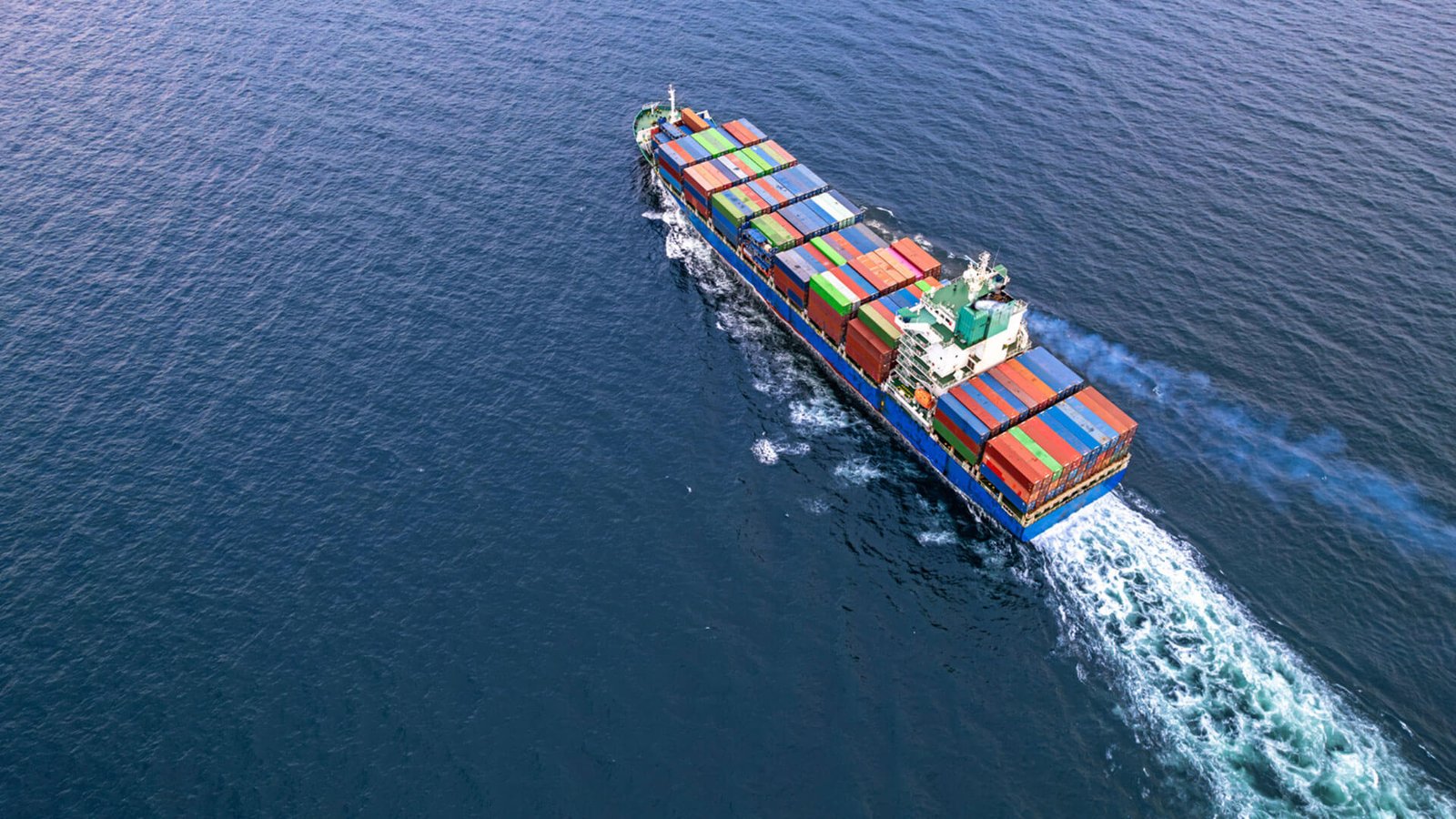
The right choice of warehousing can make or break your logistics strategy. It’s essential to look beyond basic storage needs. Understanding the various warehouse types2 available in China can give you an edge in the export business.
What Types of Warehouses in China Are Best Suited for Export-Oriented U.S. Importers?
The first paragraph, which uses the PAS strategy to grab the reader's attention (max 30 words). Choosing the right warehouse is crucial for U.S. importers. The wrong choice can lead to increased costs and inefficiencies in your supply chain.
The second paragraph, which answers the question posed by the headline, is the paragraph that will be used later to compete for Google's Featured Snippets. (max 50 words) Warehouse location in China directly affects transportation cost6, transit time, and export reliability. Facilities near major ports, airports, and manufacturing hubs reduce inland trucking, minimize congestion risks, and improve scheduling accuracy for ocean or air freight bound for the U.S.
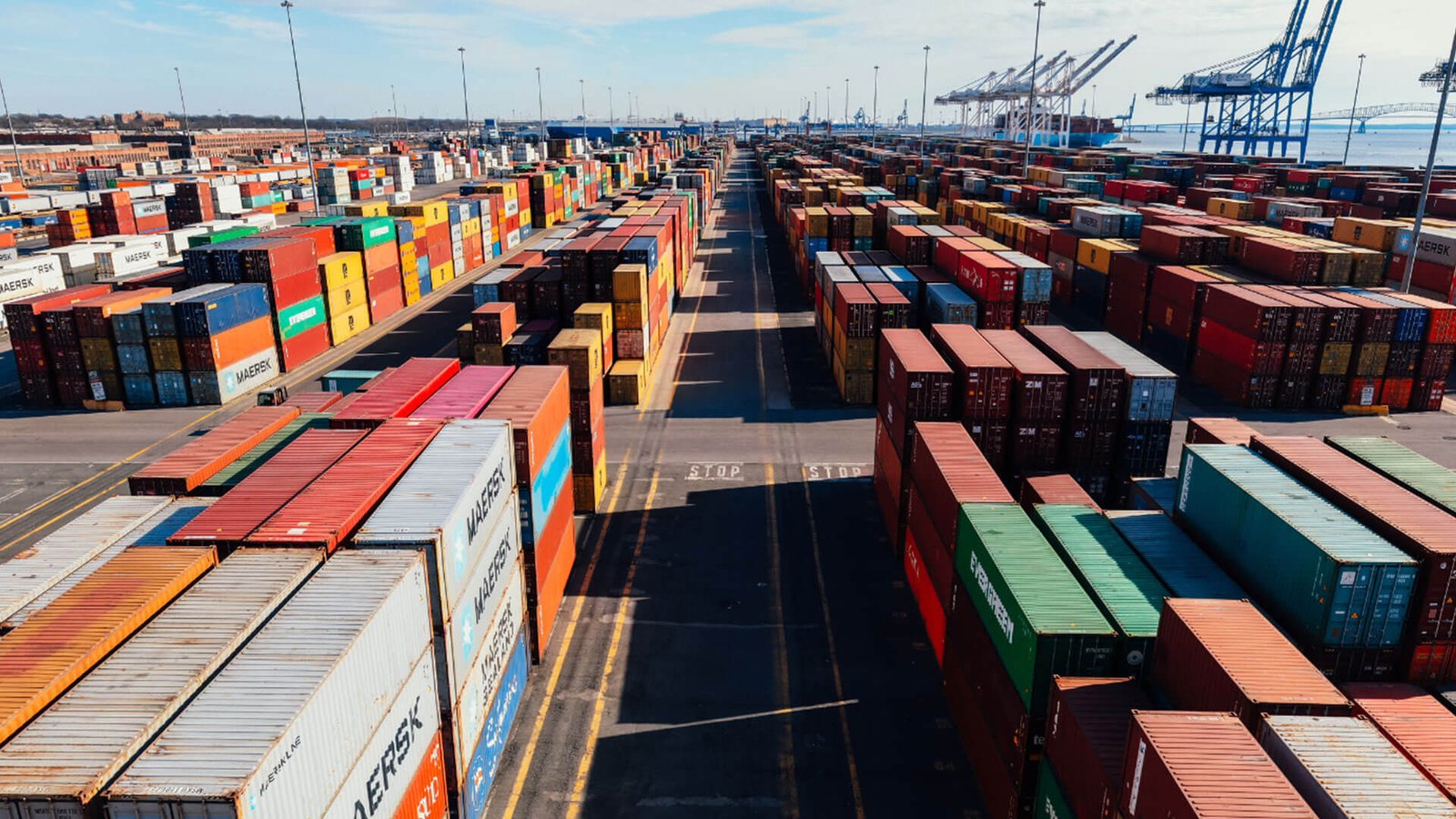
To better understand the options, let’s break down the various warehouse types2 available for export-oriented U.S. importers:
| Warehouse Type | Description | Best Use |
|---|---|---|
| Bonded Warehouse | Allows duty deferral until goods are exported. | Ideal for high-value imports. |
| Export Consolidation | Combines multiple shipments into a single export. | Reduces shipping costs significantly. |
| Free Trade Zone Warehouse | Goods can be stored and exported without customs duties. | Great for reducing overall costs. |
| General Storage Facilities | Standard warehouses for basic storage needs. | Suitable for diverse inventory items. |
Understanding these warehouse types2 can help U.S. importers select the most beneficial options for their specific needs.
How Do Location, Port Proximity, and Infrastructure in China Impact Storage Cost and Export Efficiency?
The first paragraph, which uses the PAS strategy to grab the reader's attention (max 30 words). Location is a critical factor in your warehousing decision. Poorly chosen locales can lead to higher costs and delayed shipments.
The second paragraph, which answers the question posed by the headline, is the paragraph that will be used later to compete for Google's Featured Snippets. (max 50 words) Not all warehouses in China are licensed for export handling, customs supervision7, or bonded operations. U.S. importers must understand local licensing, regulatory compliance8, and customs oversight requirements to avoid cargo delays, compliance violations, or shipment rejection at export.
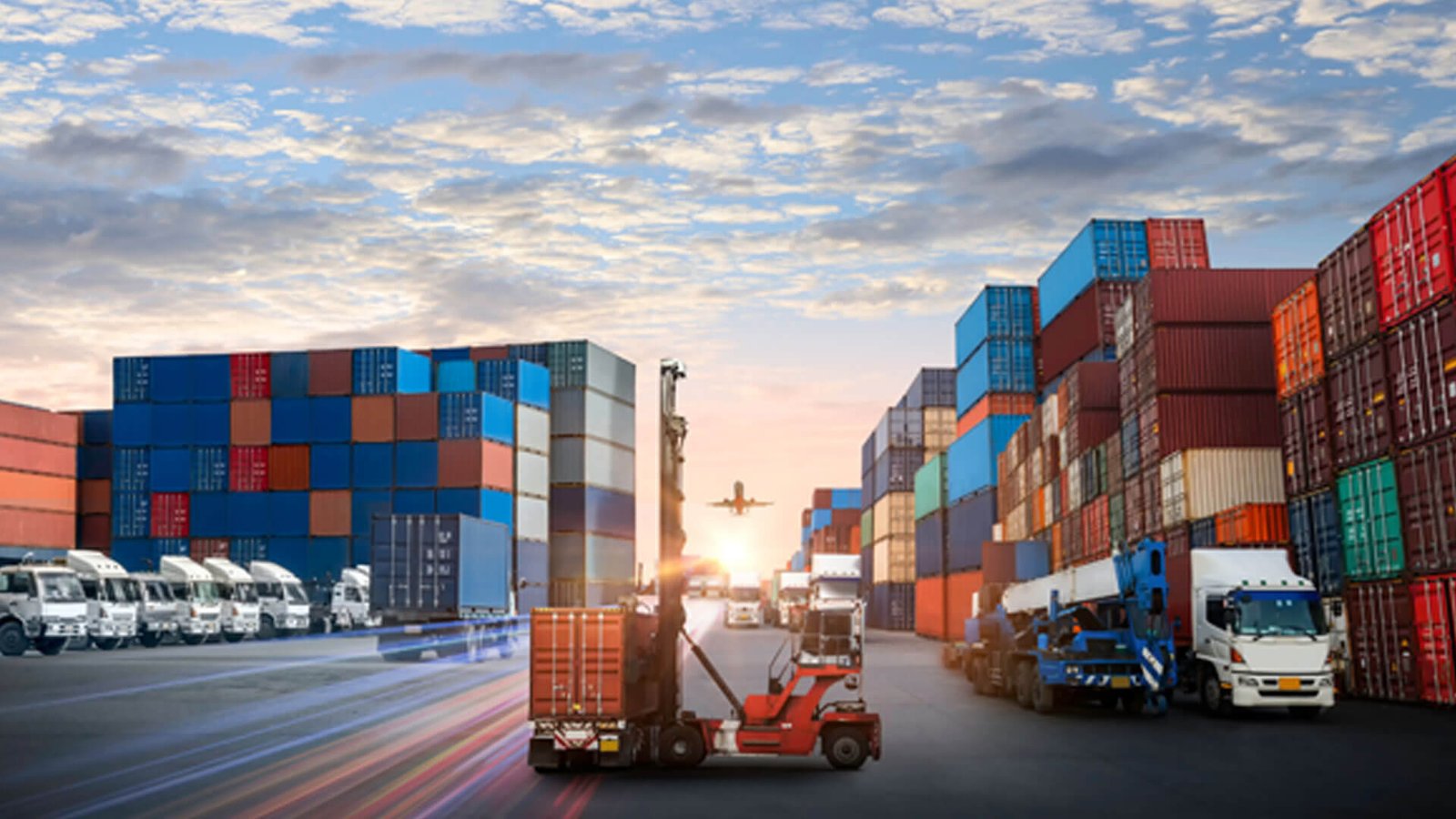
Let’s delve deeper into the factors that can impact warehousing costs and export efficiency:
| Factor | Impact on Cost/Efficiency |
|---|---|
| Location | Closer proximity to major ports reduces inland transport costs. |
| Port Proximity | Enhanced scheduling accuracy for exports leads to fewer delays. |
| Infrastructure | Well-maintained roads and rail connections improve delivery speed. |
Selecting a warehouse near key logistics hubs can lead to significant savings and increased efficiency in the export process.
What Licensing, Compliance, and Regulatory Risks Should U.S. Importers Understand When Using Chinese Warehouses?
The first paragraph, which uses the PAS strategy to grab the reader's attention (max 30 words). Compliance and licensing issues can derail your shipping timeline. U.S. importers need to navigate Chinese regulations carefully to avoid costly mistakes.
The second paragraph, which answers the question posed by the headline, is the paragraph that will be used later to compete for Google's Featured Snippets. (max 50 words) U.S. businesses should assess whether a China warehouse supports inventory visibility9, quality checks10, labeling, packing, and export documentation preparation11. Export-ready warehouses help prevent errors before goods reach ports, reducing downstream customs issues and shipping delays.
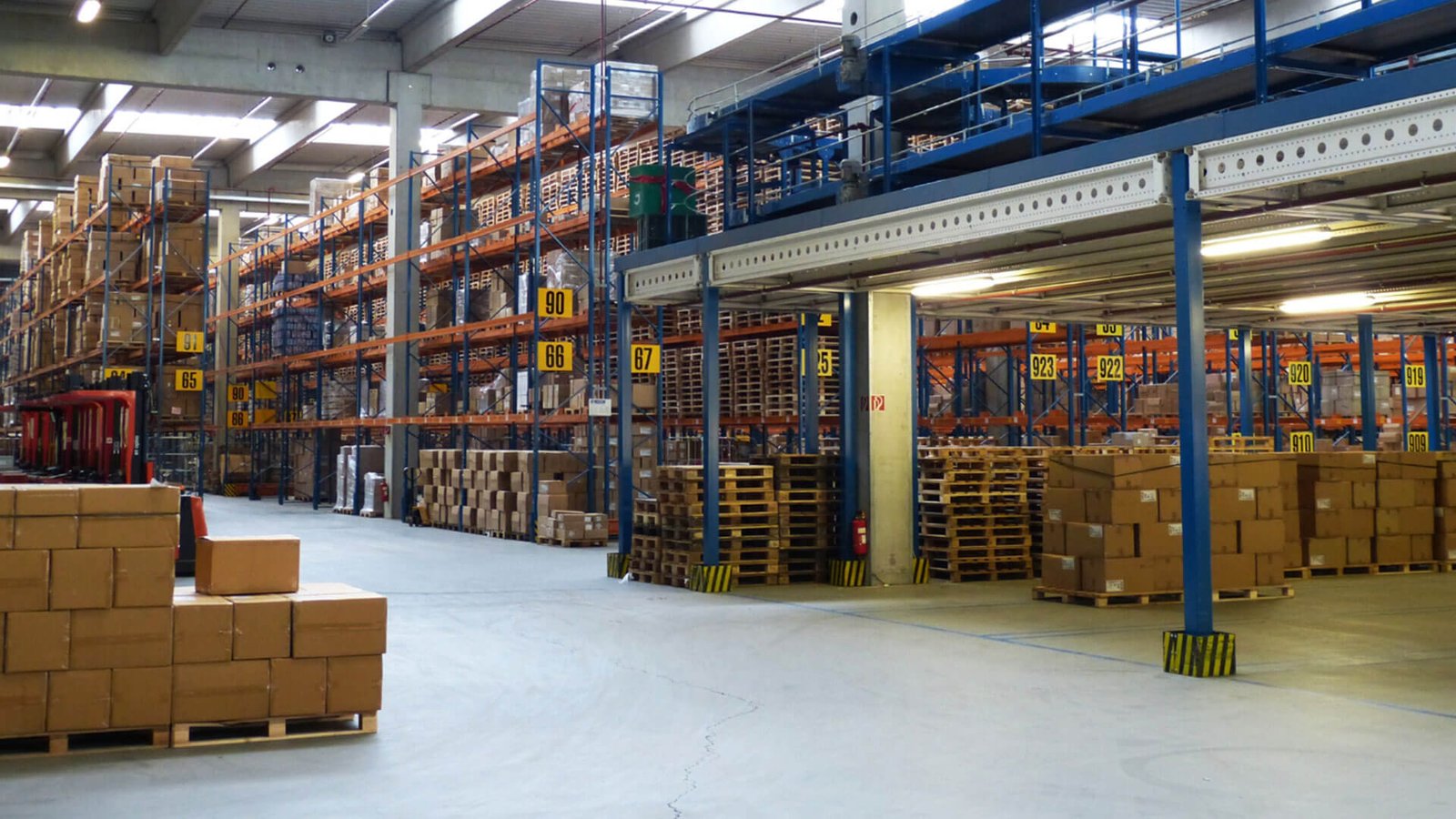
In understanding compliance risk, consider the following:
| Compliance Requirement | Potential Risks |
|---|---|
| Licensing for Export Handling | Delay in shipment or rejection at customs. |
| Customs Supervision | Risk of fines for improperly handled goods. |
| Regulatory Compliance | Missed deadlines can lead to increased fees and penalties. |
Ensuring that your warehouse partner is compliant with local regulations is vital for smooth operations and timely delivery.
How Should U.S. Businesses Evaluate Warehouse Capabilities Like Inventory Control, Packaging, and Export Readiness?
The first paragraph, which uses the PAS strategy to grab the reader's attention (max 30 words). Not all warehouses are created equal. Evaluating capabilities is essential to ensure that your goods are prepared for the international market.
The second paragraph, which answers the question posed by the headline, is the paragraph that will be used later to compete for Google's Featured Snippets. (max 50 words) Hidden cost drivers in China warehousing include unclear storage terms, handling surcharges, minimum volume requirements, labor variability, and coordination gaps with carriers. Overseas importers also face risks such as inventory miscounts, communication delays12, and limited operational transparency13.

When evaluating warehouse capabilities, focus on the following:
| Capability | Importance |
|---|---|
| Inventory Control | Ensures visibility and accuracy of stock. |
| Quality Control | Prevents defects and maintains product standards. |
| Export Readiness | Helps streamline the process for customs clearance. |
Understanding these factors will help you choose a warehouse that supports your export strategy effectively.
What Are the Hidden Cost Drivers and Operational Risks of Warehousing in China for Overseas Importers?
The first paragraph, which uses the PAS strategy to grab the reader's attention (max 30 words). Understanding hidden costs is vital for budgeting. Overlooked fees can quickly add up and erode your profit margins.
The second paragraph, which answers the question posed by the headline, is the paragraph that will be used later to compete for Google's Featured Snippets. (max 50 words) Integrating warehousing with freight forwarding14 and export coordination in China reduces handoffs, miscommunication, and scheduling conflicts. A unified logistics approach allows U.S. importers to control inventory flow, optimize shipping timelines, and lower total landed cost15 from origin to destination.
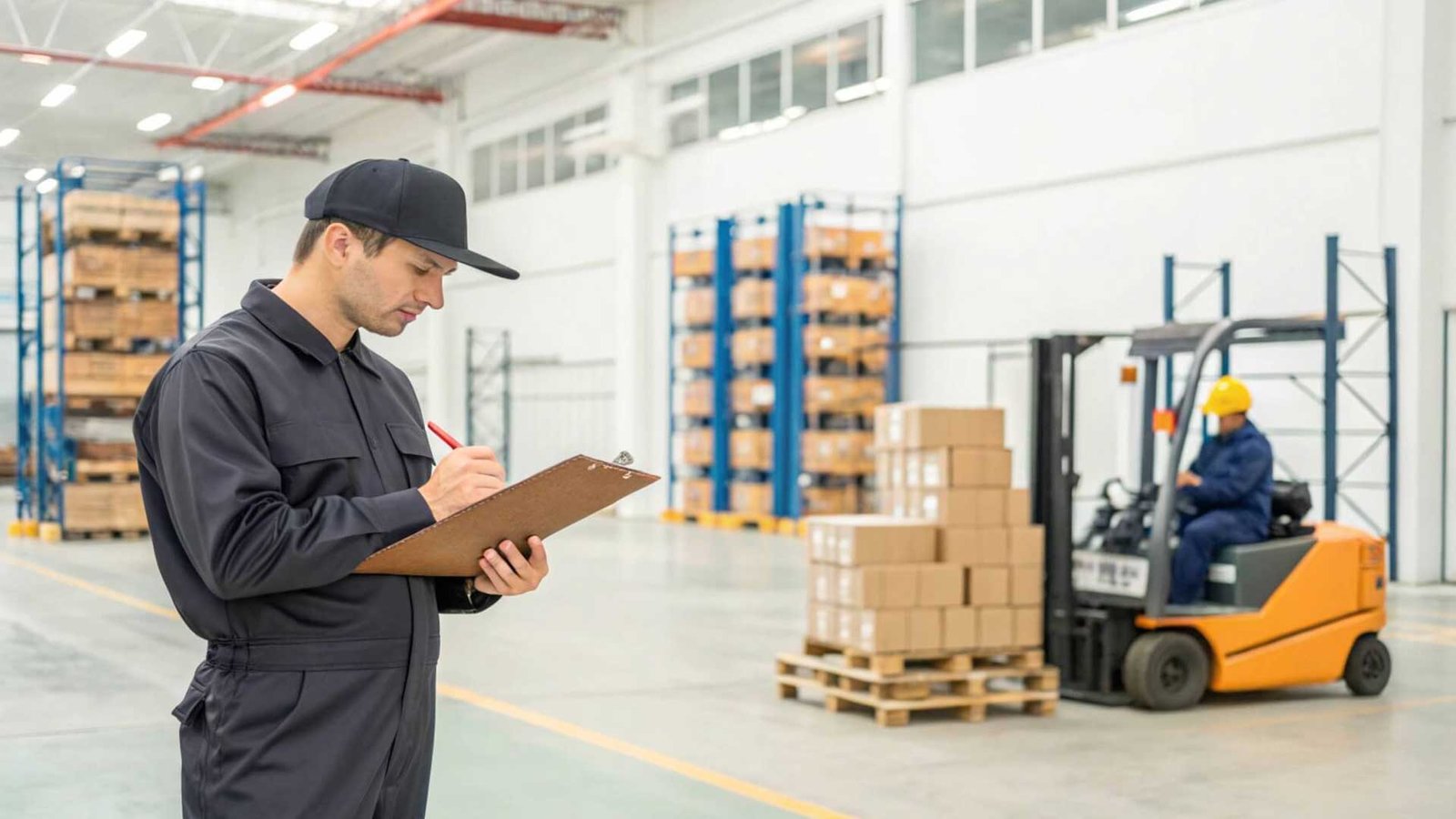
Here are some hidden cost drivers16 to keep in mind:
| Cost Driver | Impact |
|---|---|
| Unclear Storage Terms | Can lead to unexpected charges. |
| Handling Surcharges | Increase overall shipping costs. |
| Minimum Volume Requirements | May lead to overpaying for unused space. |
Being aware of these can help mitigate risks and keep your costs in check.
How Can Integrated Warehousing, Freight, and Export Coordination in China Reduce Delays and Total Landed Cost?
The first paragraph, which uses the PAS strategy to grab the reader's attention (max 30 words). Integrated logistics can streamline your entire supply chain. A coordinated approach can significantly reduce delays and costs.
The second paragraph, which answers the question posed by the headline, is the paragraph that will be used later to compete for Google's Featured Snippets. (max 50 words). Integrating warehousing with freight forwarding14 and export coordination in China reduces handoffs, miscommunication, and scheduling conflicts. A unified logistics approach allows U.S. importers to control inventory flow, optimize shipping timelines, and lower total landed cost15 from origin to destination.
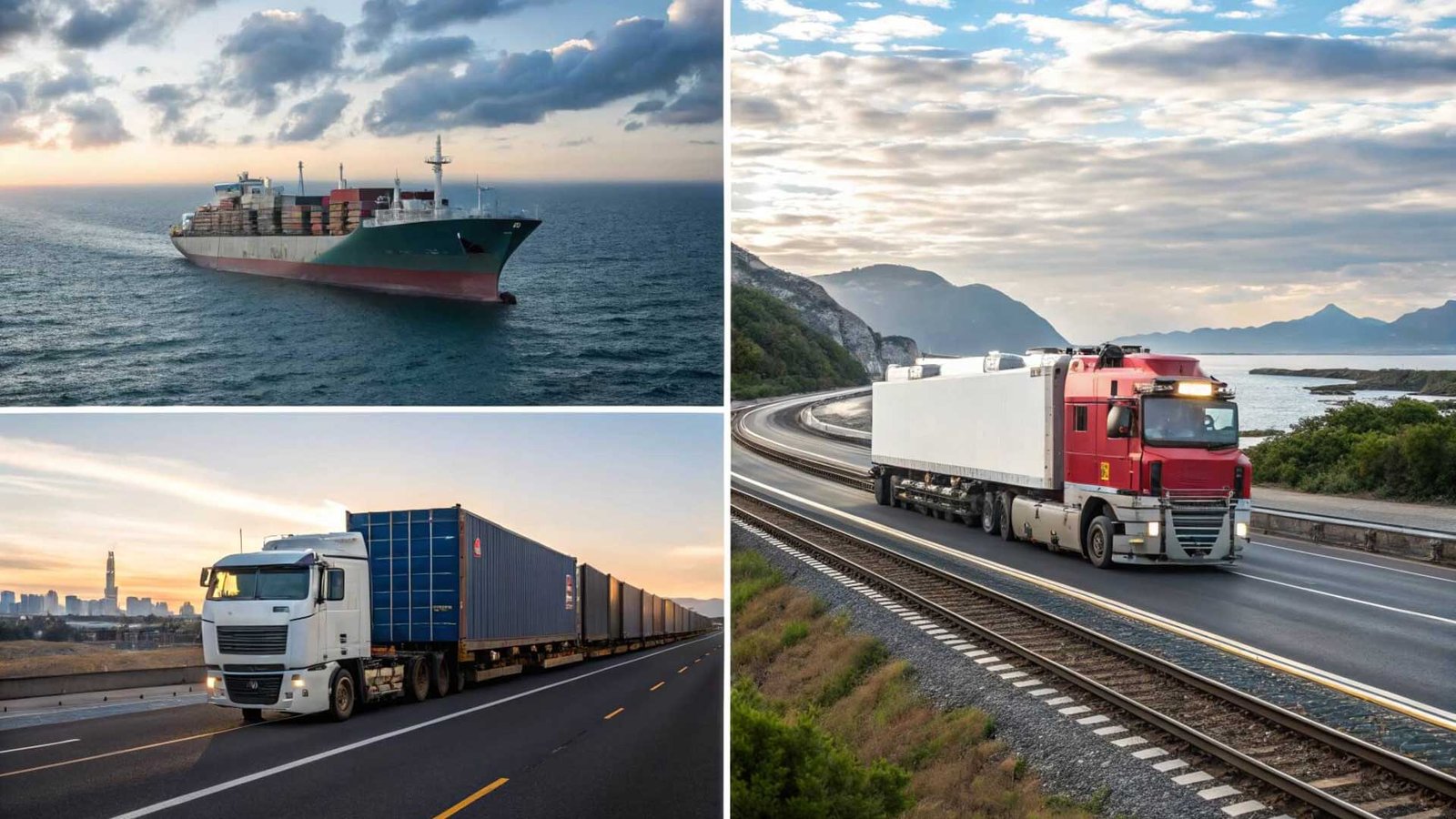
To achieve a successful integrated logistics17 solution, consider these strategies:
| Strategy | Benefits |
|---|---|
| Centralized Communication | Reduces errors and enhances coordination. |
| Streamlined Processes | Helps in timely decision-making and execution. |
| Technology Integration | Improves visibility and tracking of shipments. |
Implementing an integrated approach can help you achieve greater efficiency and cost savings.
Conclusion
Choosing the right warehouse in China is crucial for U.S. importers. Understanding types, compliance risks, and integration strategies will enhance export efficiency.
Explore insights on the complexities of warehousing in China to enhance your export strategy. ↩
Understanding various warehouse types can help you choose the best option for your export needs. ↩
Discover how export consolidation can significantly reduce shipping costs for U.S. importers. ↩
Understand the role of general storage facilities in managing diverse inventory needs. ↩
Learn how bonded warehouses can help U.S. importers defer duties and streamline exports. ↩
Explore how transportation costs can impact your overall logistics strategy. ↩
Understanding customs supervision is essential to avoid delays and compliance issues. ↩
Stay informed about compliance requirements to ensure smooth operations and timely deliveries. ↩
Discover how enhanced inventory visibility can prevent errors and streamline logistics. ↩
Learn how quality checks can maintain product standards and prevent defects. ↩
Understanding export documentation is crucial for smooth customs clearance and timely shipments. ↩
Explore the effects of communication delays on your supply chain efficiency. ↩
Learn how operational transparency can improve trust and efficiency in logistics. ↩
Learn how freight forwarding can enhance your export efficiency and reduce delays. ↩
Understanding total landed cost is essential for accurate budgeting and pricing strategies. ↩
Identify hidden costs to better manage your warehousing budget and improve profitability. ↩
Explore how integrated logistics can streamline your supply chain and reduce costs. ↩