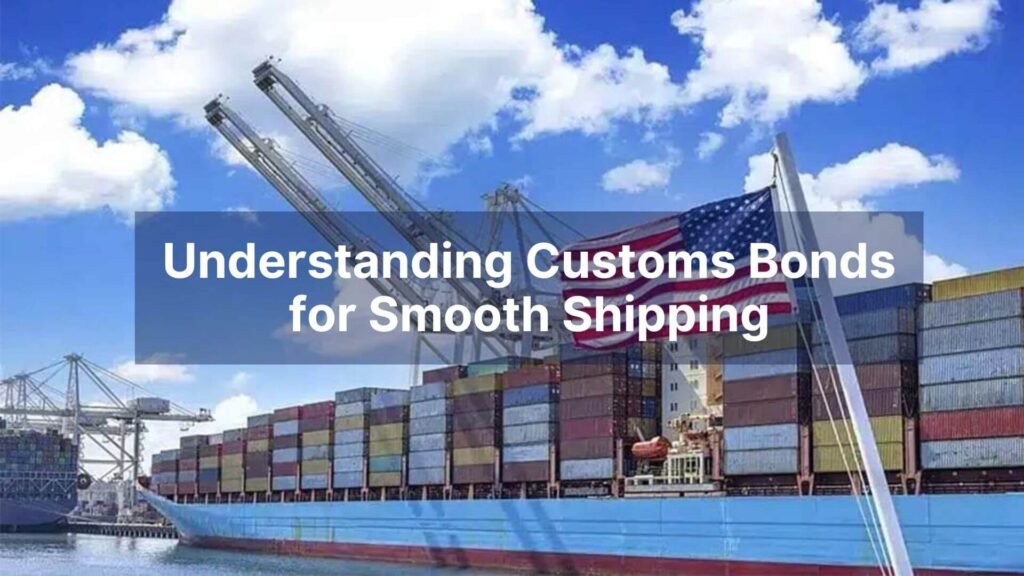
The world of importing can be complicated, especially when it comes to customs bonds1. Many importers face significant delays and frustrations. Let’s break down what you need to know to avoid these issues.
A customs bond is a surety-backed financial guarantee that an importer will comply with U.S. Customs and Border Protection (CBP)2 requirements, including paying duties, taxes, and fees. CBP often requires a bond before it accepts entry filing for certain shipments. If the bond is missing or incorrect, clearance and cargo release can be delayed.
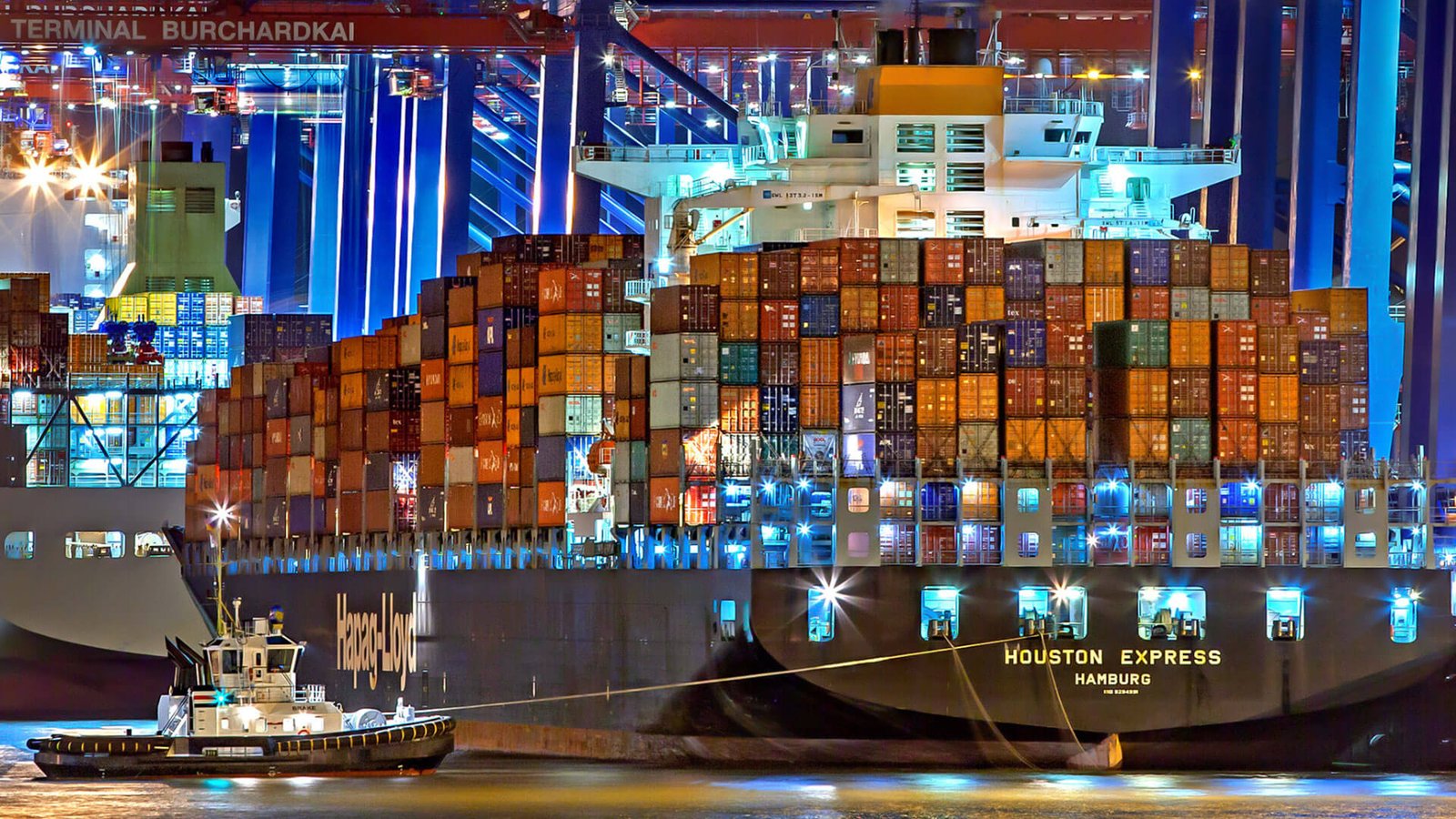
Navigating the customs bond process can feel overwhelming, but understanding the basics can save you time and money. A customs bond is essential for ensuring your shipments are cleared effectively and efficiently. By knowing the requirements and types of bonds available, you can streamline your importing process and minimize delays.
What Is a Customs Bond and How Does It Work?
Many importers find themselves asking, “What is a customs bond, and why do I need one?” A customs bond is a financial guarantee to CBP that all duties and taxes will be paid. It's a gatekeeper for cargo release. Without it, your shipments can get stuck, leading to extra costs.
A customs bond covers several important aspects of your import process:
| Coverage | What it means | Importer impact |
|---|---|---|
| Duty/tax payment | Ensures that all duties and taxes are paid. | Prevents penalties for non-payment. |
| Compliance obligations | Confirms adherence to all regulations. | Reduces risk of audits or fines. |
| Penalties | Protects against penalties for non-compliance. | Avoids unexpected financial burdens. |
| Documentation obligations | Requires maintaining proper documentation for entries. | Streamlines the clearance process. |
Understanding how customs bonds1 work helps you navigate a complex area. If you're unsure about your bond, it can lead to clearance delays. Now, let's look at the different types of customs bonds1 you might consider.
Should I Choose a Single Entry Bond3 or a Continuous Bond4?
When deciding on a customs bond, importers typically choose between a Single Entry Bond3 and a Continuous Bond4. This decision largely depends on your shipping frequency and duty exposure.
The right choice depends on how often you import, your annual duty volume, and operational risk tolerance.

| Factor | Single Entry Bond3 | Continuous Bond4 | Best for |
|---|---|---|---|
| Number of shipments | One per bond | Multiple shipments | Frequent importers |
| Setup process | Simpler, but needs more handling | Requires initial detail | Ongoing supply chain |
| Cost behavior | Higher per shipment | Lower per shipment with volume | Cost-effective for high volume |
| Coverage | Limited to one entry | Covers all during bond term | Predictable importers |
| Renewal timing | At each shipment | Annually | Those with ongoing needs |
| Risk of delays | Higher | Lower for frequent shippers | Streamlined operations |
Knowing when to choose which type of bond can make a significant difference in your operations. If you import regularly, a continuous bond is often the better option as it simplifies the process.
How Is a Customs Bond Amount Determined?
Bond amount requirements can be a major concern for importers. This amount depends on entry type and the customs value of your goods. If your bond is too low, you might face entry delays or rejection during filing.
Importers should calculate bond needs based on typical shipment values, duty exposure, and whether a continuous bond needs adjustment during the year.

Warning: Under-bonding can lead to entry processing delays, additional paperwork, and possible cost escalation.
Understanding how much bond coverage you need is crucial for avoiding problems. Proper calculations can save you potential headaches in the clearance process.
When Are Customs Bonds Required?
Many U.S. imports require a customs bond, especially formal entries and higher-value shipments. Without the right bond, brokers cannot complete the necessary entry filing, preventing cargo release.
It's essential to confirm bond requirements early—before shipment departure.
| Scenario | Likely bond requirement | Importer action |
|---|---|---|
| Formal entry | Required | Confirm bond setup |
| Frequent imports | Typically required | Opt for continuous bond |
| First-time importer | Often required | Understand bond requirements |
| Regulated goods | Usually needed | Ensure compliance |
Knowing when bonds are necessary helps you avoid delays. If you’re not prepared, your shipments could suffer.
How to Prevent Customs Bond Delays?
Bond problems are one of the quickest ways to trigger clearance delays. To minimize these issues, align your bond setup with your broker’s Power of Attorney (POA)5 and ensure all entry data is accurate before arrival.
Here’s a checklist to ensure everything is in order:
Bond Readiness Before ETA:
- IOR legal name/address matches importer records
- POA completed
- Bond active and correct type
- Entry filing data ready (HS/value/origin)
- ISF readiness6 (for ocean shipments)
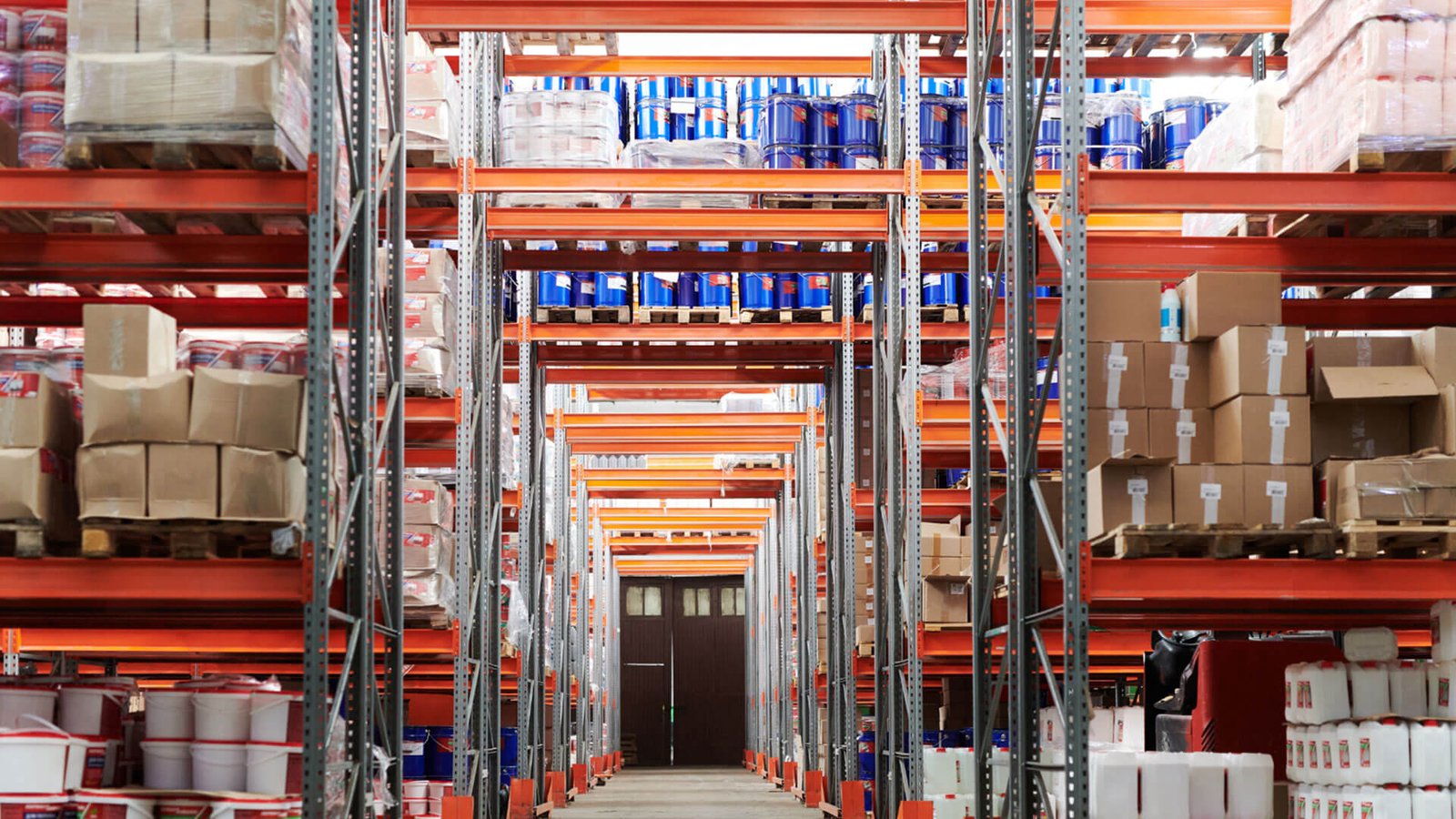
Taking proactive steps will help keep your shipments moving smoothly and avoid unnecessary holds. Coordination between bond setup and entry data is key to preventing delays.
How to Maintain a Smooth Customs Bond Management Process?
Managing a customs bond isn’t a one-time task; it requires ongoing attention. A bond management Standard Operating Procedure (SOP)7 can help streamline this process effectively.
A well-structured SOP should include:
| Activity | Frequency | Owner | Risk prevented |
|---|---|---|---|
| Bond renewal check | Quarterly | Compliance officer | Missed renewals |
| Duty increase review | Quarterly | Finance department | Under-bonding risks |
| Supplier change review | As needed | Procurement | Compliance issues |
| Broker coordination | Ongoing | Logistics manager | Delays due to miscommunication |
| Documentation retention8 | Ongoing | Compliance officer | Issues during audits |
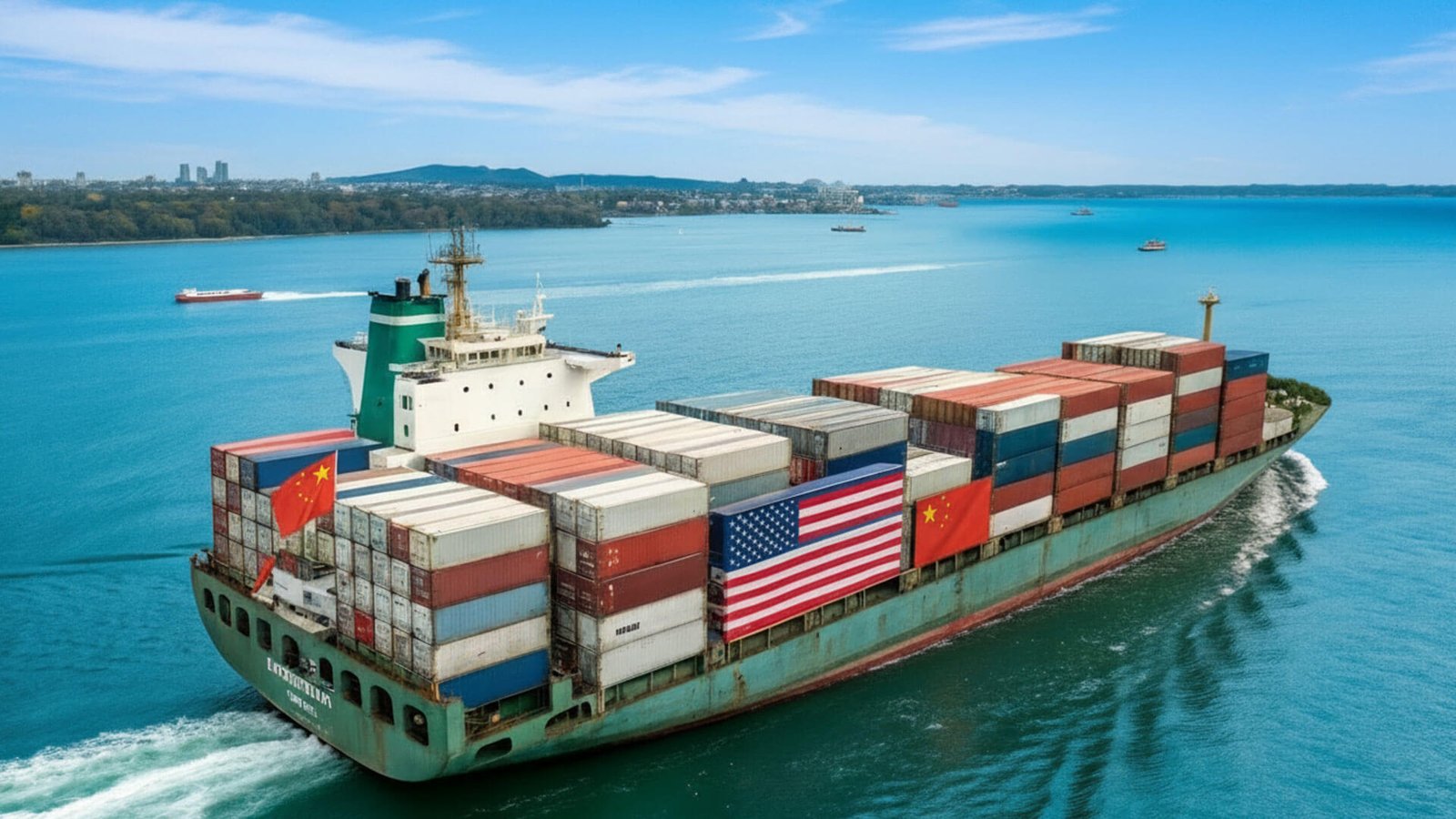
With a systematic approach to bond management, you can minimize surprises and keep your shipping smooth.
Conclusion
Understanding customs bonds1 is essential for any U.S. importer. Knowing the types of bonds, how to calculate amounts, and managing them effectively can lead to smoother shipping operations.
Understanding customs bonds is crucial for importers to ensure compliance and avoid shipment delays. ↩
Learn about CBP's role in regulating imports and how it affects your shipping process. ↩
Discover when a Single Entry Bond is the right choice for your importing needs. ↩
Explore the advantages of a Continuous Bond for importers with regular shipments. ↩
Ensure smooth customs processing by aligning your bond with your broker's POA. ↩
Prepare for ocean shipments by understanding ISF readiness requirements. ↩
Implement a bond management SOP to streamline customs bond processes and avoid issues. ↩
Maintain compliance and avoid audit issues by retaining proper documentation in bond management. ↩