Shipping dangerous goods is complex. A simple mistake can lead to massive fines and delays. Understanding UN numbers is the first step to avoiding these costly problems.
A UN Number is a four-digit code assigned by the United Nations to identify hazardous substances and articles. This number allows carriers, emergency responders, and customs officials to quickly recognize the material's risks and handle it safely during international transport, including from China to the USA.
This simple four-digit code is one of the most important pieces of information for your shipment. It affects every single step of the logistics chain, from the factory in China to the final delivery at your warehouse in the United States. Getting it wrong is not an option if you want to keep your supply chain moving smoothly and avoid unexpected costs. I want to walk you through what I've learned from handling hundreds of these shipments so you can feel confident in your own process.
Why are UN numbers so critical for your China to USA hazmat imports?
Your container is packed and ready. But the shipping line just rejected it. The reason? A problem with your hazmat declaration, stopping your entire shipment before it even starts.
UN numbers are critical because they are the foundation of hazmat compliance. They dictate carrier acceptance based on the IMDG Code, ensure your goods clear U.S. Customs without penalties, and guarantee safe handling, preventing costly rejections, fines, and supply chain delays.
When you ship dangerous goods by sea, you must follow the International Maritime Dangerous Goods (IMDG) Code. This is the rulebook for ocean freight. The UN number is the key piece of data in this rulebook. It tells the ocean carrier exactly what you are shipping. Based on this number, the carrier decides if they can even accept your cargo. Some vessels are not equipped for certain hazardous materials. The UN number also determines where your container is stored on the ship to prevent dangerous reactions with other cargo.
But it's more than just the UN number. It's part of a trio of critical information.
The Three Pillars of Hazmat Classification
| Component | What It Is | Why It Matters |
|---|---|---|
| UN Number | A four-digit identifier for the substance. | The primary key for identifying the specific hazardous material (e.g., UN3480 for Lithium-Ion Batteries). |
| Hazard Class | A number from 1 to 9 indicating the type of risk. | Tells handlers the primary danger (e.g., Class 3 is Flammable Liquids, Class 9 is Miscellaneous Dangerous Goods). |
| Packing Group (PG) | Roman numerals I, II, or III indicating the degree of danger. | Specifies the strength of the packaging required. PG I is for high danger, PG II for medium, and PG III for low. |
Many importers think that using a DDP (Delivered Duty Paid) service means they don't have to worry about this. This is a dangerous mistake. While your logistics partner handles the shipping, you, the importer, are still responsible for providing correct information. If the UN number from your factory is wrong, any resulting fines or delays are ultimately your problem.
What is a UN number and why does it affect your business so much?
You think you have declared everything correctly. But a simple four-digit code is wrong on your documents. Now, your entire container is on hold, costing you money every day.
A UN number is a universal four-digit code identifying a dangerous good for transport. It matters because it directly impacts your costs and timelines. Carriers use it to approve bookings, customs uses it for compliance checks, and it dictates special handling fees and procedures.
The UN number is the language of hazmat shipping. It's not just a label; it's a set of instructions. When we book a container with an ocean carrier, the UN number is one of the first things we must declare. The carrier's system instantly checks it. The system decides if the cargo is allowed on the intended vessel and route. If the number is wrong, or if it doesn't match the other details like the Hazard Class or Packing Group, the booking is rejected.
I remember a client, let's call him Mark, who was importing a container of regulated cleaning solutions. His supplier in China provided a UN number but listed the wrong Packing Group. They put PG II (medium danger) instead of PG III (low danger). The ocean carrier's system flagged the mismatch during the booking process. They refused to accept the container. We had to go back to the factory, get a corrected Safety Data Sheet (SDS), and re-submit all the paperwork. This simple error delayed his shipment by over a week and almost made him miss a deadline with a major retail customer. It showed him just how critical every single detail is.
Which products actually require a UN number?
You might think your product is harmless. It's just a consumer good. But it contains a small lithium battery or is an aerosol spray, and suddenly it's a regulated hazardous material.
Many common products from China require a UN number. This includes anything with lithium batteries (UN3480), aerosols (UN1950), paints (UN1263), many chemicals, and even some environmentally hazardous substances that might seem benign like certain powders or liquids (UN3077, UN3082).
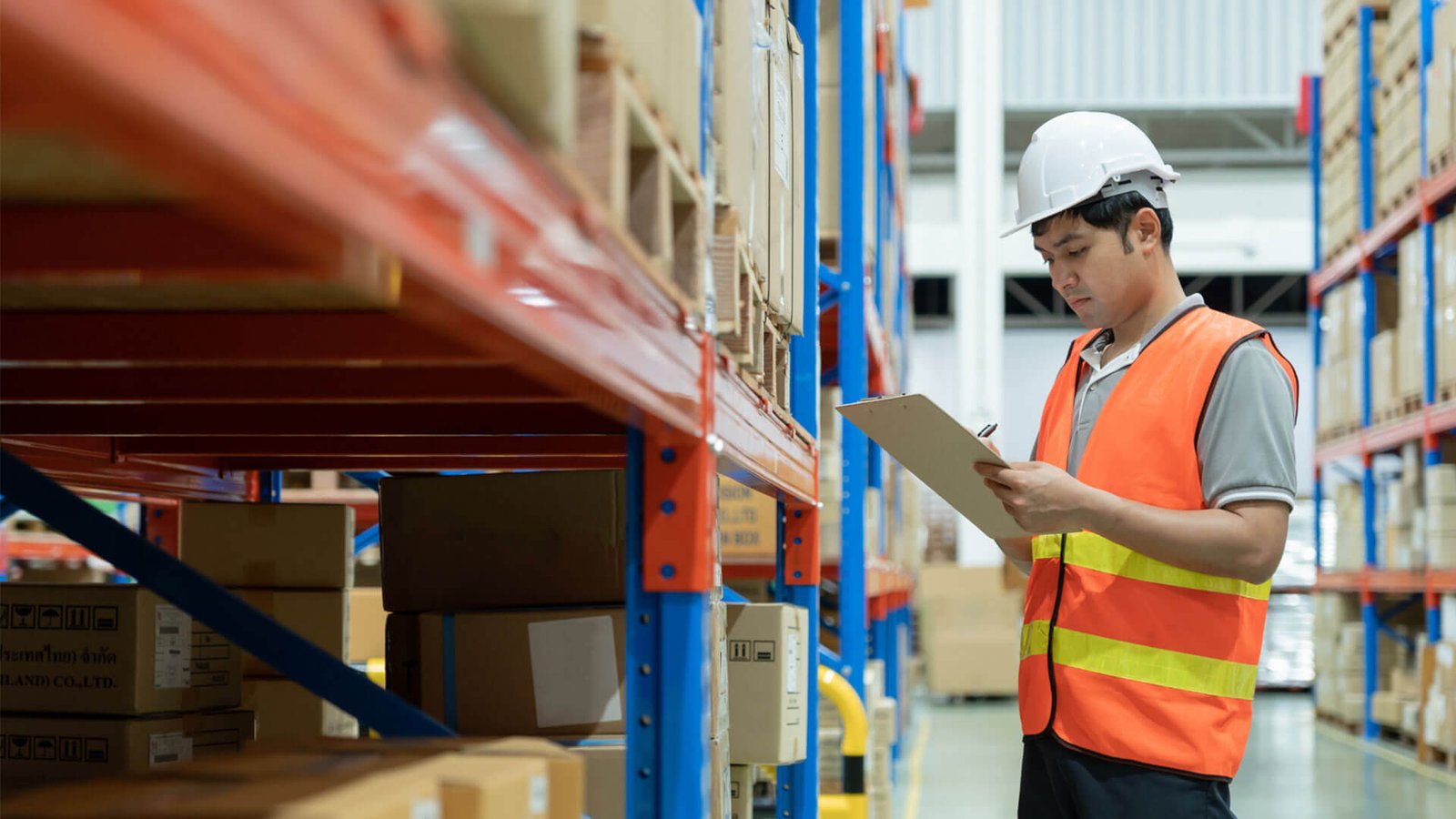
It is a huge misconception that only industrial chemicals are considered "dangerous goods." A large portion of everyday consumer products imported into the U.S. fall under these regulations. The key is to look at the components, not the final product's use. If you are importing from China, you need to be especially careful with certain categories. The errors often start at the factory, where workers may not be trained in U.S. and international shipping regulations. They might not realize that the product they make every day is considered hazardous for transport.
Here are some of the most common products I see that require a UN number.
Common Imports from China Requiring UN Numbers
| Product Category | Common UN Number(s) | Why It's Hazardous |
|---|---|---|
| Electronics with Batteries | UN3480 / UN3481 | Lithium-ion batteries pose a fire risk. |
| Aerosol Cans | UN1950 | Pressurized contents can explode or be flammable. |
| Paints & Varnishes | UN1263 | Often flammable liquids. |
| Cleaning Supplies | Varies (e.g., UN1760) | Can be corrosive liquids. |
| Certain Cosmetics | Varies (e.g., UN1266) | Perfumes can be flammable due to alcohol content. |
| Solid/Liquid Pollutants | UN3077 / UN3082 | Harmful to the environment if spilled. |
As the importer, you must be proactive. You can't just assume your supplier knows these rules. You have to ask the right questions and demand the correct documentation for every shipment.
How do you find the correct UN number for your cargo?
Your supplier in China gives you a UN number. You put it on the paperwork. But is it actually correct? Relying on a guess can lead to your container being rejected at the port.
To find the correct UN number, you must get the product's Safety Data Sheet (SDS) from the manufacturer. Look at Section 14, "Transport Information." Never trust a supplier's guess. Always verify this information against official Dangerous Goods regulations to avoid costly mistakes.
Finding the right UN number is a process of verification, not guesswork. The single most important document is the Safety Data Sheet, or SDS. This document is created by the actual manufacturer of the chemical or product, and it is the legal source of truth for its properties and classification.
Here is the simple, three-step process I use with all my clients.
A Simple Process for Verification
- Demand the SDS. Before you even finalize a purchase order, ask your supplier for the product's SDS. Make sure it is recent and complete. An incomplete or old SDS is a major red flag. The document must contain 16 sections.
- Go to Section 14. Section 14 of the SDS is specifically for "Transport Information." This section should clearly list the UN Number, the Proper Shipping Name, the Hazard Class, and the Packing Group. If this section is blank or says "Not Regulated," but you suspect it should be, you need to investigate further.
- Verify, Don't Trust. This is the most important step. A factory worker might have just copied information from another product. Or the SDS could be for a slightly different formulation. I always cross-reference the information from the SDS with the official IMDG Code database. This final check confirms that the UN number, class, and packing group all match and are valid for sea transport. This small step has saved my clients from countless headaches.
How do incorrect UN numbers affect your shipping, customs, and delivery?
A small typo in a four-digit number seems minor. But now your container is stuck at the port in Los Angeles, collecting thousands of dollars in storage fees every day.
An incorrect or missing UN number triggers a chain reaction of costly problems. Ocean carriers will refuse to load your cargo, U.S. Customs can issue severe penalties and hold your shipment, and you will face massive delays, storage fees, and re-handling costs.
Let's break down exactly what goes wrong at each stage when the UN number is messed up. This isn't theoretical; I see this happen to importers every month. The consequences are real and expensive, especially for a cost-conscious importer like Mark.
The Domino Effect of a Bad UN Number
1. At the Port of Origin (China)
- Booking Rejection: The carrier's system will reject the booking. No booking, no shipment.
- Vessel Refusal: Even if the booking slips through, the container can be refused at the port terminal if the physical placards on the container don't match the paperwork. Your container gets left behind.
2. During U.S. Customs Clearance
- CBP Holds: U.S. Customs (CBP) and the Department of Transportation (DOT) scrutinize hazmat declarations. Any mismatch is a huge red flag that will trigger an intensive exam.
- Penalties: Fines for improper hazmat declaration can be tens of thousands of dollars per violation. This is not a risk worth taking.
3. At the Destination Port (USA)
- Inland Delivery Chaos: If your cargo arrives and was not properly declared as hazmat, you can't just hire any trucker. You need a trucker with a hazmat endorsement. Finding one at the last minute is difficult and expensive.
- Demurrage & Storage Fees: While you scramble to find a certified trucker or correct the paperwork with Customs, your container is sitting at the port. You will be charged daily storage fees (demurrage) that can easily reach hundreds of dollars per day. A one-week delay can cost you thousands in fees alone, wiping out your profit margin.
Conclusion
Correct UN number identification is the absolute foundation of compliant hazmat importing. Proactive verification before your cargo leaves the factory is the only way to prevent these expensive, stressful disruptions.