Planning your inventory is tough when you don't know when your shipment will arrive. This uncertainty can disrupt your supply chain and cost you money. Let's fix that.
Shipping transit time1 is the total time it takes for a shipment to get from the shipper's door to the importer's door. It includes origin handling2, main transport3, port dwell4, customs clearance5, and final delivery6. It is not just the time the vessel is at sea or the plane is in the air.
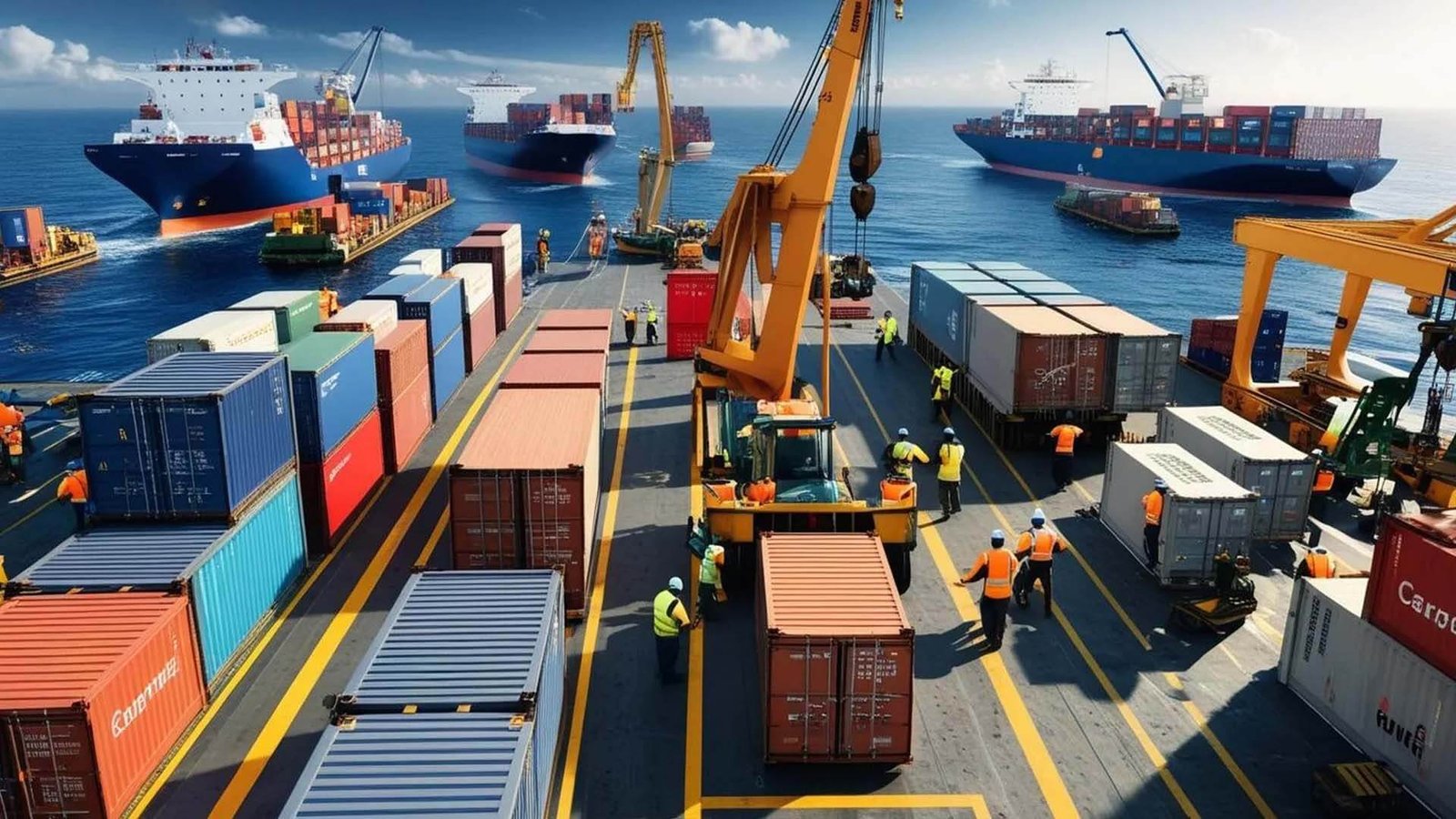
You see the carrier's estimated arrival date, and you plan your business around it. But the real arrival date is often very different. To truly get control over your logistics, you need to understand every single step of the journey. It's the only way to move from guessing to accurate planning. Let's break down what "transit time" really means for a U.S. importer like you.
Shipping transit time1 is the total door-to-door duration7 from cargo departure at origin to final delivery6, not just vessel or flight movement?
You see a 25-day ocean transit8 and plan for it. But your cargo arrives weeks late, causing production delays and unhappy customers. That's because the vessel's sailing time is only one small part.
Shipping transit time1 refers to the full door-to-door duration7 of a shipment, from departure at the origin facility to final delivery6 at the importer’s location. It includes handling, transportation, port dwell4, customs clearance5, and inland delivery9—not just the vessel or flight transit itself.
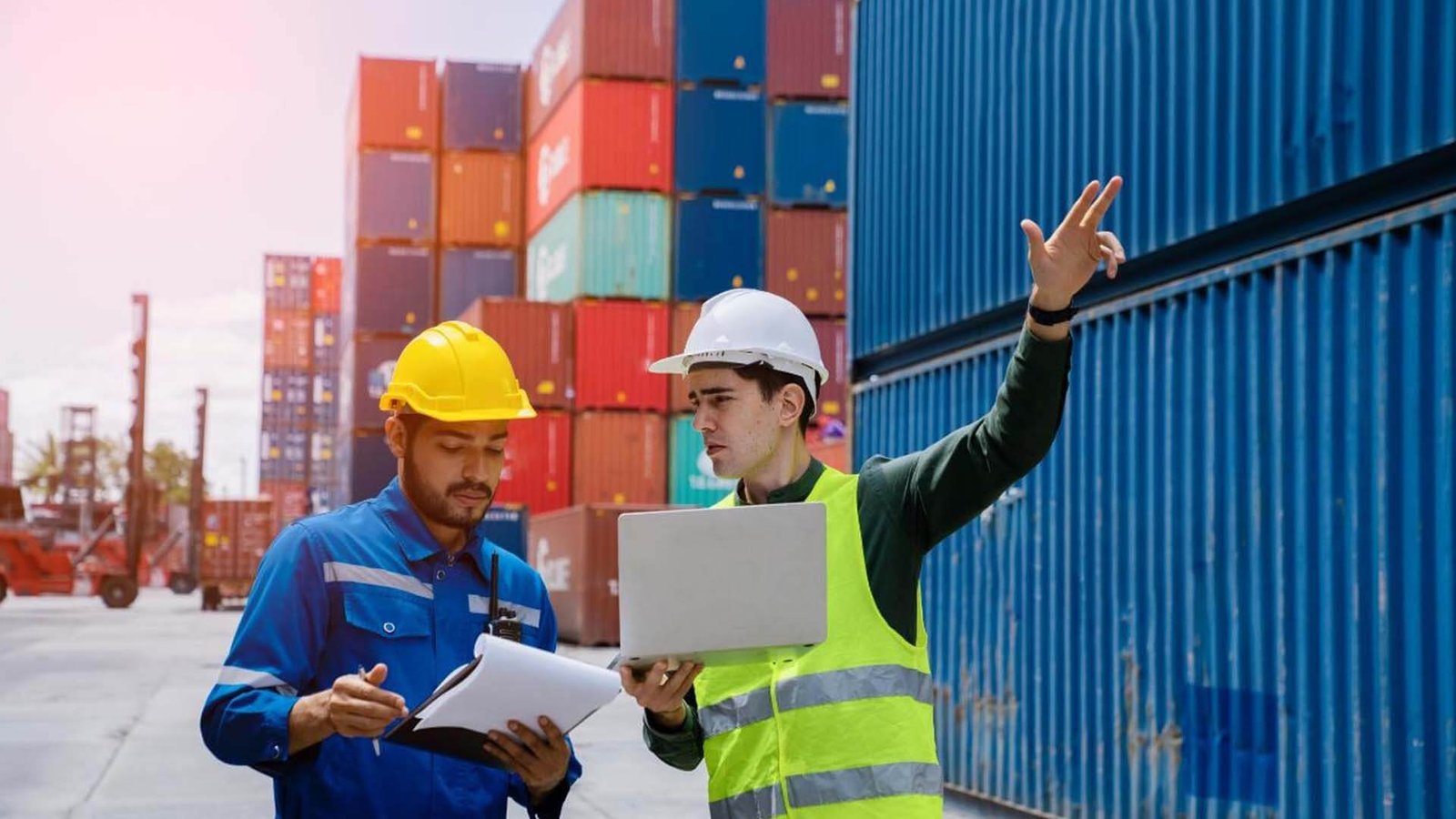
I’ve seen many clients get confused by this. They look at a carrier’s website and see "Shanghai to Los Angeles: 20 Days." They mark their calendars. The problem is, that 20-day clock only starts when the ship leaves the port in Shanghai. It stops the moment the ship arrives in Los Angeles. It doesn't include all the other steps that add days, or even weeks, to the total time.
The Full Picture: Door-to-Door
True transit time starts the moment your cargo is ready for pickup at your supplier's factory. It includes the truck journey to the origin port, the time spent waiting in a warehouse, and the process of loading it onto the vessel. Then, after the ocean voyage, it includes unloading, waiting at the terminal, clearing U.S. Customs10, and the final truck or rail journey to your warehouse. When I talk about transit time with my clients, I always talk about this complete "door-to-door" timeline. It's the only number that matters for your business planning. Anything less is just a piece of the puzzle.
U.S. importers calculate transit time by combining origin handling2, main transport3, port dwell4, customs clearance5, and inland delivery9 stages?
Trying to figure out your real transit time can feel like pure guesswork. This uncertainty makes it impossible to plan your inventory and can lead to costly stockouts. Let's look at the step-by-step method I use.
U.S. importers calculate transit time by adding together each stage of the shipping process, including origin handling2, main transport3, port dwell4 time, customs clearance5, and inland delivery9. Accurate calculation requires visibility across all steps, not reliance on carrier sailing or flight schedules alone.
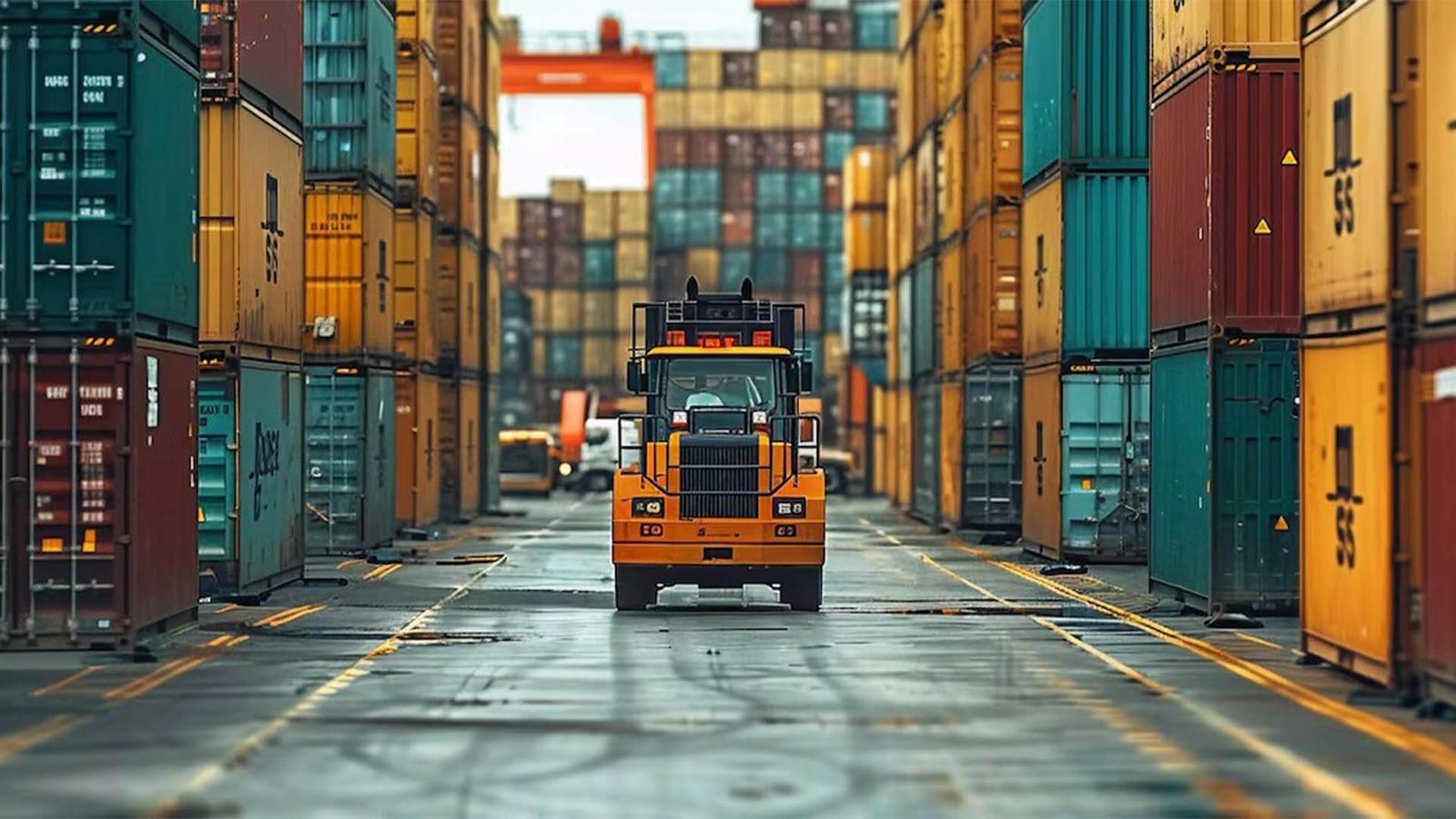
To get an accurate transit time, you have to add up the time for each separate leg of the journey. Think of it as a relay race where every handoff adds time. I always advise my clients, like Mark, to break it down using a simple table. This helps you see where the time goes and which parts you can control.
Transit Time Calculation Breakdown
| Transit Stage | What Happens | Typical Variability | Importer Control Level |
|---|---|---|---|
| Origin Handling | Cargo pickup, export prep, documentation. | Low to Moderate | High |
| Main Transport | The ocean voyage or air flight itself. | Moderate | Medium |
| Port Dwell | Unloading the container, terminal storage. | High | Low to Medium |
| Customs Clearance | Filing the entry, dealing with inspections. | High | High |
| Inland Delivery | Drayage from the port and final delivery6. | Moderate | High |
As you can see, the parts with the highest variability are often port dwell4 and customs. But the stages where you, the importer, have the most control are at the very beginning (origin) and the very end (customs and inland). This is where working with a good logistics partner makes a huge difference. They can make sure your documents are perfect and your final delivery6 is scheduled proactively, cutting out wasted time.
Transit time varies by shipping mode, route, carrier reliability, and port conditions, making quoted schedules estimates rather than guarantees?
Your carrier gives you a delivery date, and you trust it. But then the date shifts, the route changes, and your entire production schedule falls apart. You need to understand why these schedules are only estimates.
Transit time varies depending on shipping mode, route selection, carrier reliability, and port performance. Because many of these factors are outside a carrier’s control, published transit times are estimates rather than guarantees, and actual arrival can differ significantly from the original plan.
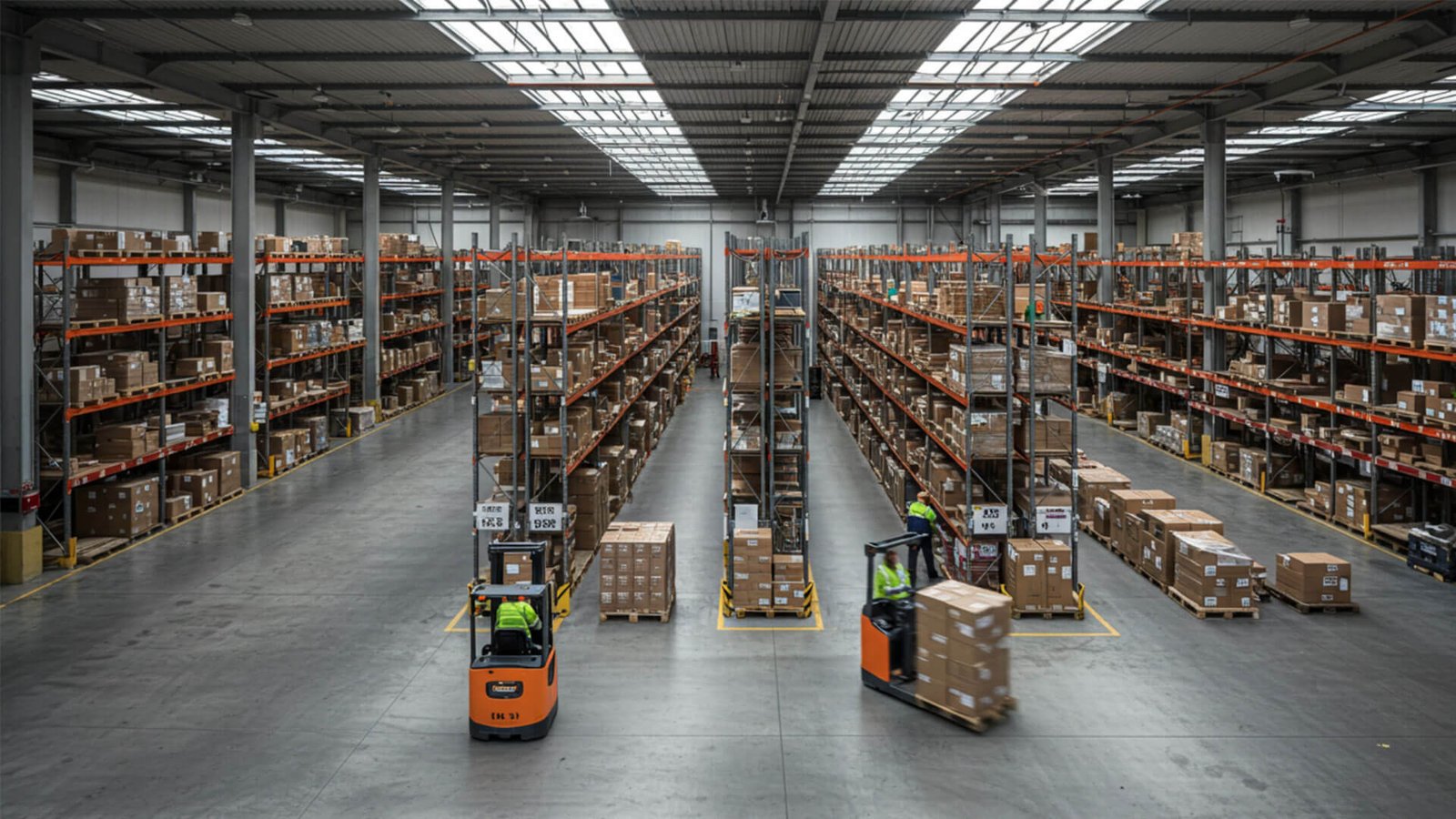
A carrier's schedule is a target, not a promise. I always tell my clients to build a buffer into their planning. Several key factors cause these times to change, and you need to be aware of them.
Mode and Route
First, the mode of transport matters a lot. Air freight is much faster than ocean freight, but it's also much more expensive. An ocean shipment from China to the U.S. might take 30-40 days door-to-door, while an air shipment could take 5-10 days. Even within ocean freight, the route makes a difference. A direct service from a major port to the West Coast is faster than a service that stops at multiple ports or transships cargo along the way.
Carrier and Conditions
Second, not all carriers are created equal. Some have a better track record for on-time performance. This is called schedule reliability11. We track this data to help our clients choose carriers that are more dependable. Finally, external conditions play a big role. Bad weather can slow a vessel down. A labor strike at a port can cause a ship to be rerouted. These things are unpredictable, which is why a quoted transit time is always an estimate.
Port congestion, customs inspections12, documentation readiness13, and inland bottlenecks14 are the primary factors that extend actual transit time beyond plan?
Your container finally arrives at the U.S. port, right on schedule. But then it just sits there. It's stuck, and no one can give you a straight answer why. These common bottlenecks are the real delay-makers in shipping.
The most common reasons transit time extends beyond plan include port congestion15, customs inspections12, incomplete documentation, and inland transportation bottlenecks. These delays often occur between transport legs, making them harder to anticipate without proactive shipment coordination.

The most frustrating delays often happen when your cargo is not even moving. It’s sitting at a port or a rail yard. I’ve helped countless importers navigate these issues, and they almost always fall into one of four categories.
The Port Congestion Problem
Ports get backed up. Too many ships might arrive at once, or there might not be enough labor to unload them quickly. Sometimes, there aren't enough truck chassis to move containers out of the terminal. When this happens, your container can get buried and sit for days, adding unexpected costs and time.
The Customs Hurdle
U.S. Customs10 and Border Protection (CBP) can choose to inspect any shipment. Sometimes it's a simple X-ray scan, but other times it's a full physical inspection where they unload the entire container. On top of that, other government agencies like the FDA or USDA might place a hold on your goods. A good customs broker can help manage this, but a hold is a hold.
The Paperwork Trap
This is the most preventable delay. A small mistake on the Bill of Lading or Commercial Invoice can cause a customs hold. If the paperwork is not ready when the ship arrives, you can't even begin the clearance process. This is where being detail-oriented, like my client Mark, really pays off.
Inland Transportation Challenges
Once your container is cleared, you still need a truck to pick it up and deliver it. During busy periods, there can be a shortage of available truck drivers, or it can be difficult to get a delivery appointment at your own warehouse. This final leg of the journey can add several days if not planned properly.
End-to-end logistics coordination helps U.S. importers improve transit time accuracy, reduce delays, and align inventory planning with real-world movement?
You feel powerless when your shipments are delayed. This constant uncertainty makes it almost impossible to run your business efficiently and keep your customers happy. The solution is proactive, end-to-end coordination.
End-to-end logistics coordination helps importers improve transit time accuracy by aligning origin readiness, transport scheduling, customs clearance5, and inland delivery9. This integrated approach allows transit time to be planned realistically and used more effectively for inventory and replenishment decisions.
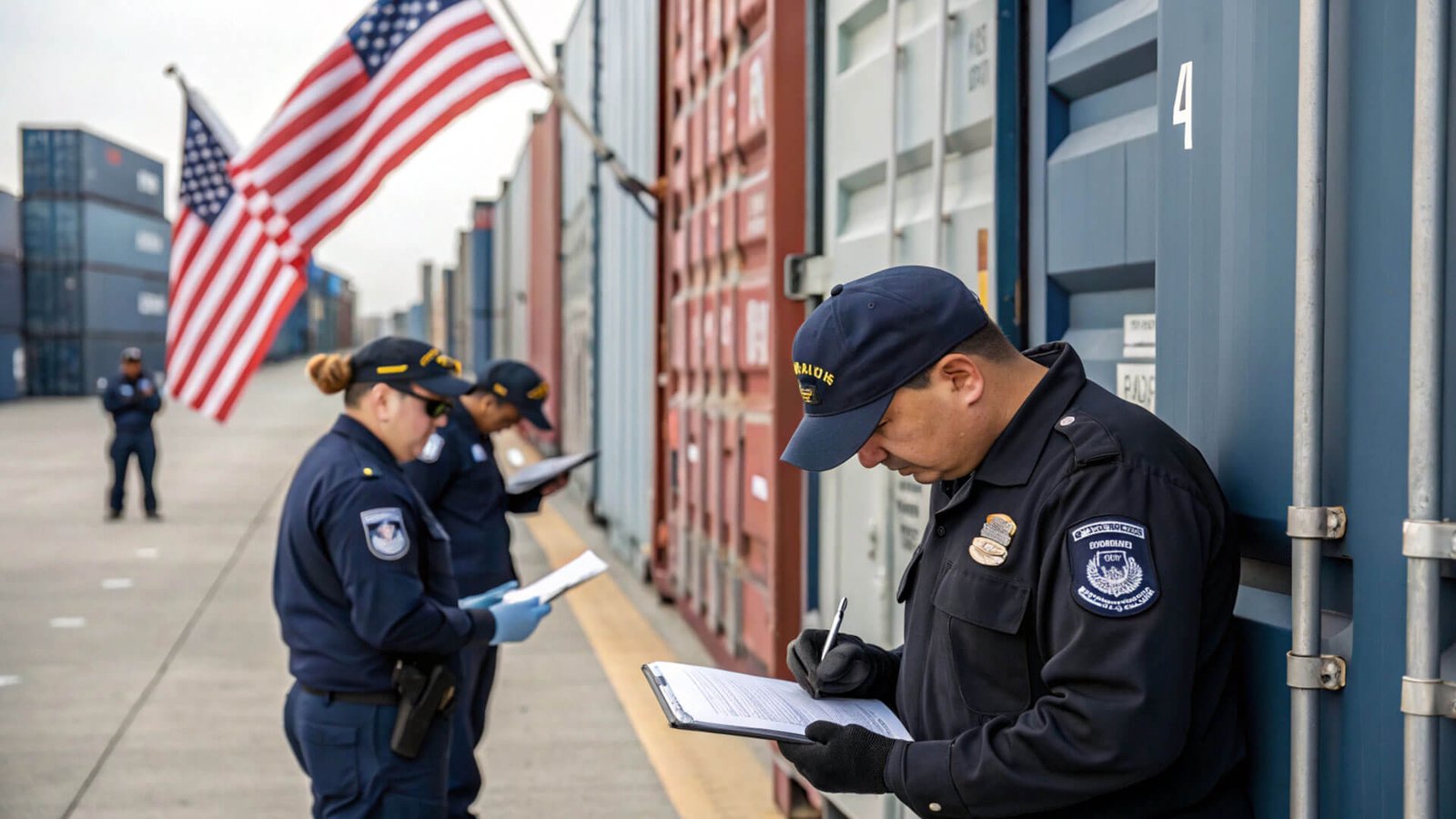
You can't control the weather or prevent every port issue. But you can take control of the process. This is what I call end-to-end logistics coordination16. It means having a single partner who sees the whole picture and manages all the handoffs between stages. This is how you turn unpredictable transit times into a reliable part of your supply chain.
How Coordination Improves Accuracy
First, we focus on Proactive Document Management17. We work with your supplier to get all the paperwork and check it for errors before the container even gets to the port. This single step prevents a huge number of customs delays. Second, we focus on Pre-clearing Customs18. We can submit your customs entry to CBP up to five days before the vessel arrives. This means your cargo can often be cleared the same day it's discharged from the ship. Finally, we use Integrated Inland Planning. As soon as we have a firm arrival date, we are already working to schedule the truck for your final delivery6. This coordination ensures that your container doesn't waste a single day sitting at the port. By managing each step, the planned transit time becomes much closer to the actual transit time.
Conclusion
Calculating true transit time means looking beyond carrier schedules. By proactively managing each step of the journey, you can gain control, reduce delays, and improve your inventory planning.
Understanding shipping transit time is crucial for accurate logistics planning and avoiding costly delays. ↩
Learn about origin handling to better manage the initial stages of your shipment and reduce delays. ↩
Discover the role of main transport in the shipping process to optimize your logistics strategy. ↩
Port dwell time can significantly impact your shipping schedule; understanding it helps in planning. ↩
Customs clearance is a critical step in shipping; knowing the process can prevent unexpected delays. ↩
Understanding final delivery helps ensure your goods reach their destination on time. ↩
Door-to-door duration provides a complete picture of shipping time, essential for accurate planning. ↩
Ocean transit times can vary; understanding these factors helps in better logistics planning. ↩
Inland delivery is crucial for the final leg of shipping; managing it well ensures timely delivery. ↩
U.S. Customs can cause delays; understanding their role helps in preparing for potential issues. ↩
Schedule reliability affects delivery times; knowing this helps in choosing dependable carriers. ↩
Customs inspections can delay shipments; knowing the process helps in preparing for them. ↩
Proper documentation prevents delays; ensuring readiness is crucial for smooth shipping. ↩
Inland bottlenecks can delay final delivery; understanding causes helps in avoiding them. ↩
Port congestion can cause significant delays; understanding it helps in mitigating risks. ↩
End-to-end coordination streamlines shipping, reducing delays and improving accuracy. ↩
Proactive Document Management prevents delays by ensuring all paperwork is correct and ready. ↩
Pre-clearing Customs speeds up the clearance process, reducing potential delays in shipping. ↩