Selecting the right port is crucial for U.S. importers1 who want to optimize their supply chain2. The wrong choice can lead to delays and increased costs.
China’s major container ports are positioned to serve specific manufacturing hubs and global trade lanes. For U.S. importers1, choosing the right port affects transit time3, freight cost4, sailing frequency5, and risk exposure, making port selection a strategic supply chain2 decision rather than a simple geographic choice.
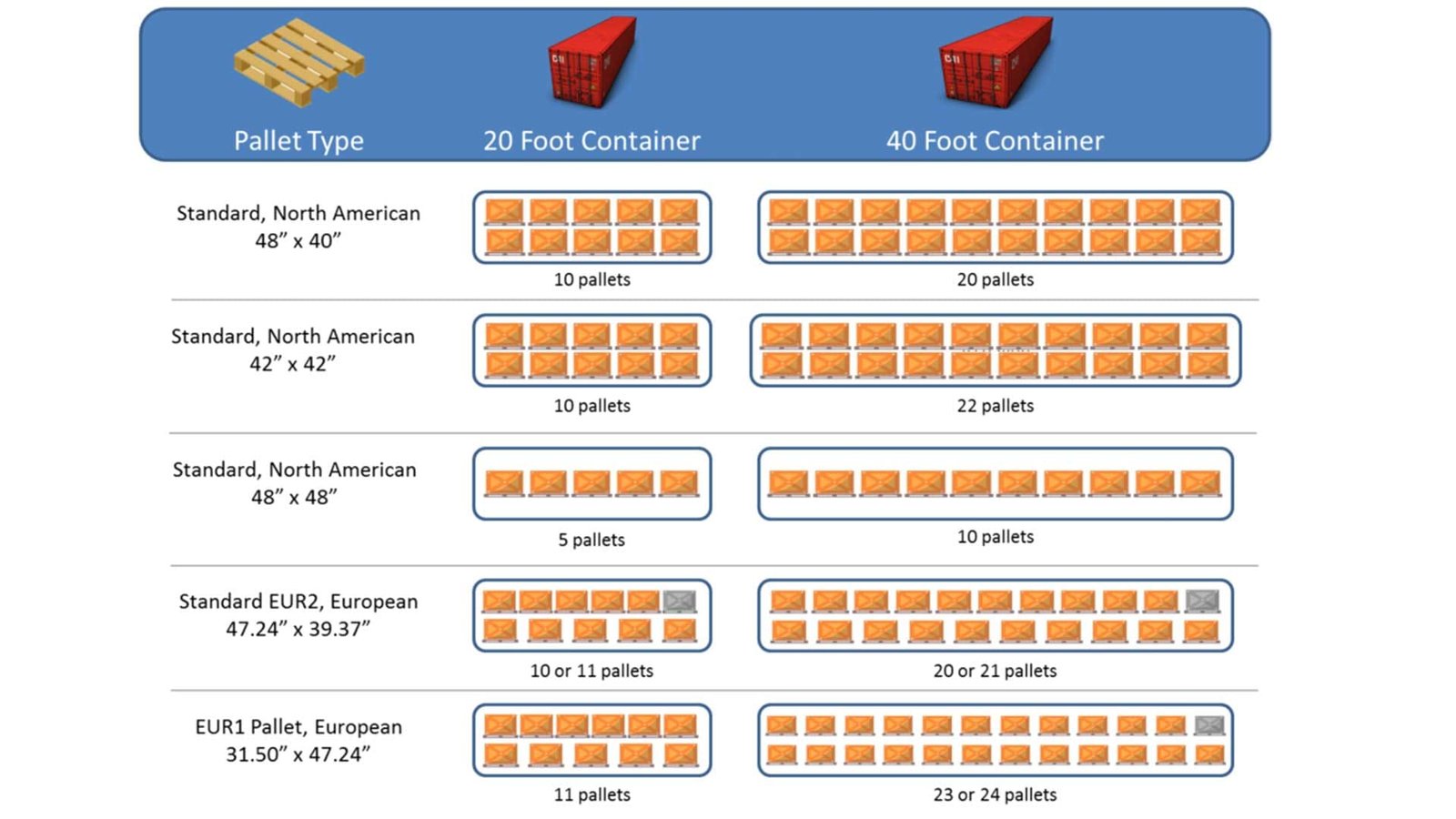
Port selection matters. It influences everything from shipping efficiency6 to cost management. U.S. importers1 must evaluate ports based on their trading needs and the nuances of each port's operation.
China’s top container ports serve different export regions and trade lanes, making port selection a strategic decision for U.S. importers1?
Choosing a port is not just about geography. Different ports serve various export regions and trade lanes. Understanding these dynamics can help optimize logistics.
China’s major container ports are positioned to serve specific manufacturing hubs and global trade lanes. For U.S. importers1, choosing the right port affects transit time3, freight cost4, sailing frequency5, and risk exposure, making port selection a strategic supply chain2 decision rather than a simple geographic choice.

Each major port in China aligns with specific export markets7. Ports like Shanghai serve the eastern manufacturing hubs, while those in the south cater to southern factories. This strategic placement is vital for importers looking to streamline their supply chain2s.
-
Shanghai: The busiest port in China, it handles a massive volume of goods and offers frequent sailing schedules. However, congestion can be an issue during peak seasons.
-
Ningbo: Close to Shanghai, it is a strong alternative for exporters looking to manage costs and avoid congestion.
-
Shenzhen: Known for its technology exports, it's a key player in the southern region with quick access to U.S. markets.
-
Qingdao: It serves the northern part of China. Its strategic location offers a good option for goods headed to the U.S.
Understanding these dynamics can help U.S. importers1 make informed and strategic decisions about port selection.
Major ports like Shanghai, Ningbo, Shenzhen, and Qingdao differ significantly in congestion levels8, sailing frequency5, and U.S. transit time3s?
Shipping from China depends on port performance. The differences in congestion, sailing frequency5, and transit time3s matter.
China’s largest ports vary widely in performance. Some offer higher sailing frequency5 and faster transits, while others face congestion or equipment shortages during peak seasons. Understanding these differences helps U.S. importers1 balance cost, speed, and reliability when exporting containers from China.
When evaluating ports like Shanghai and Shenzhen, U.S. importers1 should consider several factors:
| Port | Congestion Level | Sailing Frequency | Average U.S. Transit Time |
|---|---|---|---|
| Shanghai | High | Daily | 14-20 days |
| Ningbo | Moderate | 3-4 times weekly | 15-22 days |
| Shenzhen | Moderate | Daily | 13-19 days |
| Qingdao | Low | 2-3 times weekly | 16-23 days |
These performance metrics allow importers to make informed choices. Selecting a port with higher sailing frequency5 may lead to faster delivery times. It requires balancing costs with reliability, especially during peak seasons.
The best China port for container shipping depends on cargo origin, supplier location, and the final U.S. destination port?
The optimal port isn’t one-size-fits-all. It hinges on multiple factors including where the cargo originates and where it’s headed.
The optimal export port is usually the one closest to the factory and best aligned with the U.S. destination. Inland trucking distance, regional carrier coverage9, and direct service availability all influence whether a southern, eastern, or northern China port delivers the lowest landed cost.
Choosing the right port involves evaluating:
-
Factory Location: The closer the port is to the manufacturing site, the lower the transportation costs.
-
Destination in the U.S.: Ports serve different U.S. coasts. For example, southern ports align better with the West Coast, while northern ports may be more suited for shipping to the East Coast.
-
Logistics coverage: Some ports offer better carrier services and equipment availability10, which can reduce delays and risks.
Understanding these relationships helps U.S. importers1 optimize their shipping strategies11 and minimize costs.
Port infrastructure, carrier coverage9, and equipment availability10 directly affect booking reliability and freight rates from China to the U.S.?
The backbone of shipping lies in port infrastructure and services. These elements can make or break the shipping experience.
Ports with stronger infrastructure and broader carrier networks typically offer more stable rates and better space availability. U.S. importers1 shipping from under-served ports may face higher costs, rolled bookings, or equipment shortages, especially during peak seasons or market disruptions.
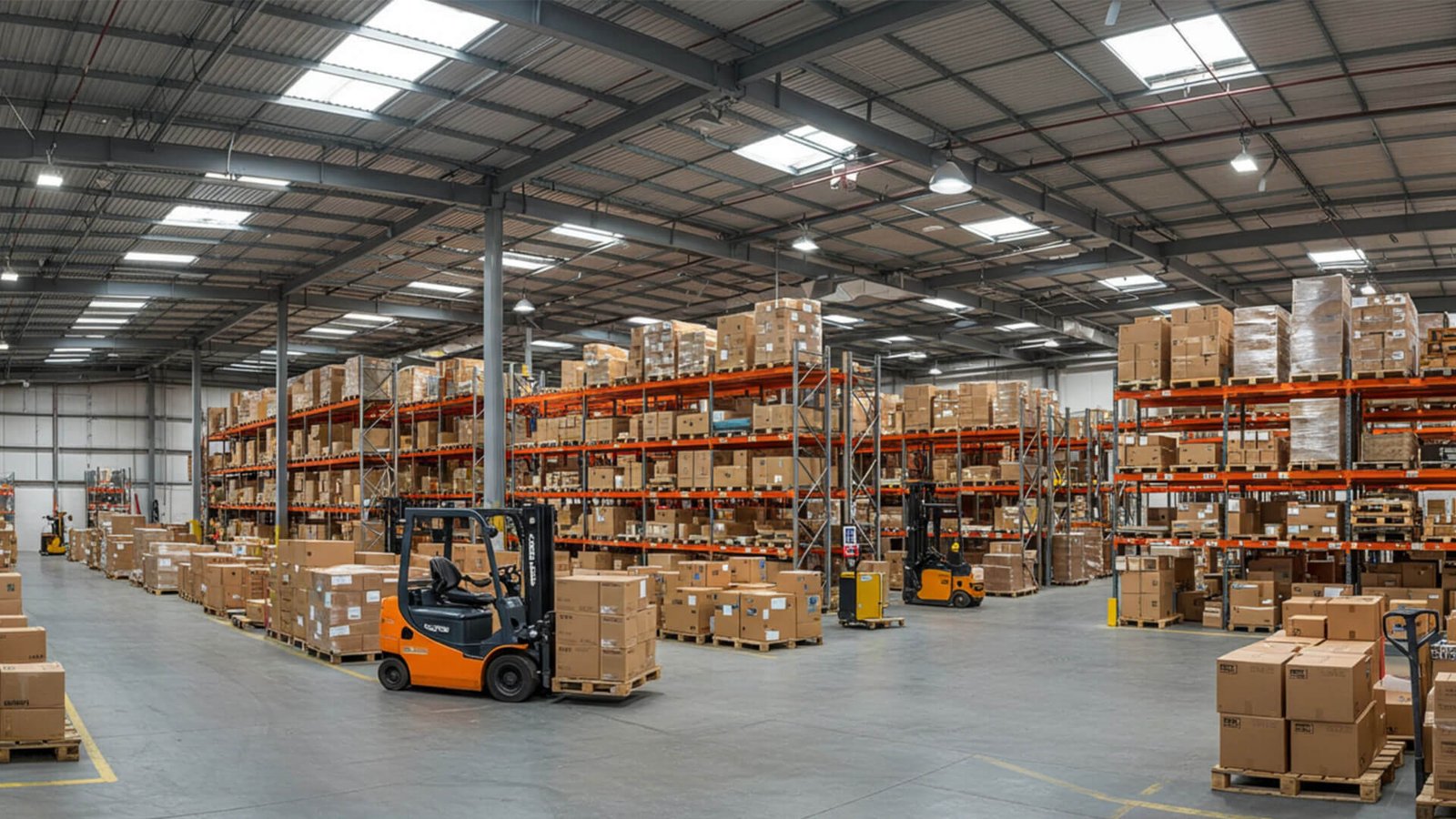
Consider these elements:
-
Infrastructure Quality: Well-maintained ports often lead to quicker loading and unloading times.
-
Carrier Coverage: Ports with multiple carrier options provide flexibility in shipping choices and rates.
-
Equipment Availability: Access to containers and other shipping equipment can influence costs dramatically.
| Port | Infrastructure Quality | Carrier Coverage | Equipment Availability |
|---|---|---|---|
| Shanghai | Excellent | High | High |
| Ningbo | Good | Moderate | Moderate |
| Shenzhen | Good | High | Good |
| Qingdao | Moderate | Low | Low |
This table highlights how various ports compare across these crucial metrics. Choosing a port with high infrastructure quality and carrier coverage9 can ensure a smoother shipping process.
Congestion, customs clearance speed12, and inland connectivity13 at Chinese ports can impact shipment delays and total landed cost14?
Delays can be costly. Factors like congestion and customs clearance speed12 directly affect the efficiency of shipping.
Port congestion and slow customs processing can delay vessel departures and increase storage, trucking, and demurrage costs. Efficient inland rail and road connectivity also matter, as poor access can bottleneck cargo before it even reaches the terminal, increasing risk for time-sensitive U.S. imports.
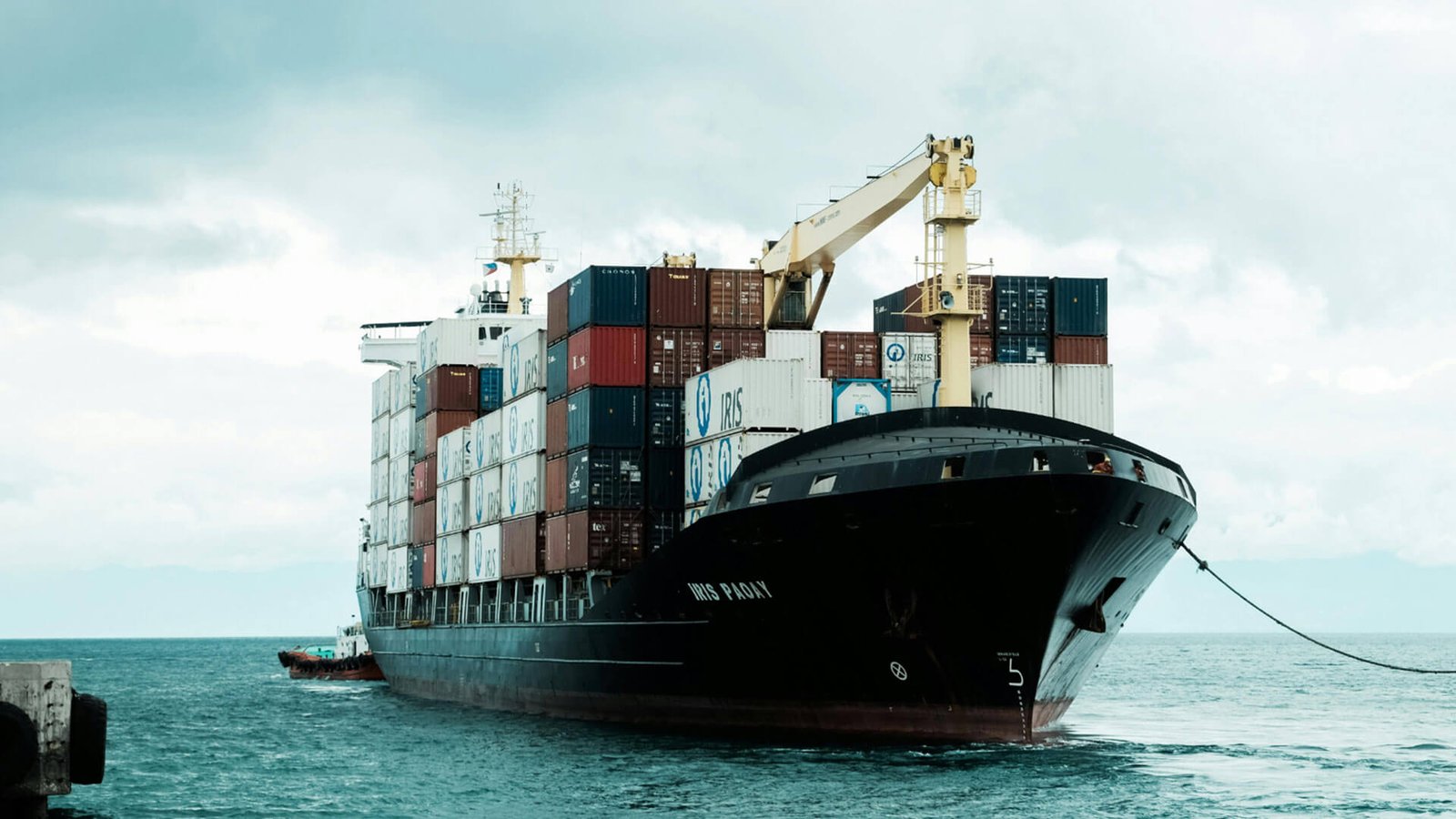
Here’s how these factors play out:
-
Congestion Levels: High congestion can delay shipments significantly, affecting overall costs.
-
Customs Clearance: Faster customs processing can save time and reduce costs associated with storage and delays.
-
Inland Connectivity: Strong rail and road systems help ensure that cargo moves efficiently. Poor connectivity can create bottlenecks.
| Port | Congestion Level | Customs Speed | Inland Connectivity |
|---|---|---|---|
| Shanghai | High | Slow | Good |
| Ningbo | Moderate | Moderate | Excellent |
| Shenzhen | Low | Fast | Good |
| Qingdao | Low | Moderate | Poor |
This table illustrates how these factors affect operational efficiency. An importer’s ability to navigate these logistics can significantly impact their total landed cost14.
Working with the right logistics partner15 helps importers choose optimal China ports, manage risks, and coordinate freight from factory to U.S. delivery?
Navigating the complexities of global shipping requires a trusted partner. The right logistics company can be invaluable.
Experienced logistics partner15s analyze supplier location, port conditions, carrier schedules, and U.S. delivery requirements to guide port selection. This coordination reduces delays, avoids costly rerouting, and ensures smoother handoffs across ocean freight, customs clearance, and final U.S. delivery.

An effective logistics partner15 will:
-
Assess Cargo Needs: They can evaluate the specifics of each shipment to recommend the best port.
-
Monitor Port Conditions: Keeping track of congestion and service levels ensures informed decisions.
-
Coordinate Freight: They manage everything from factory pickup to delivery at the final destination.
This collaboration can streamline the entire shipping process, reducing risks and costs.
Conclusion
Choosing the right Chinese port for container shipping is critical for U.S. importers1. It affects efficiency, cost, and overall supply chain2 success.
Explore strategies that U.S. importers can use to optimize their port selection and improve supply chain efficiency. ↩
Learn how strategic port choices can enhance supply chain performance and reduce costs. ↩
Understanding transit time factors can help you make better shipping decisions. ↩
Discover tips and strategies to minimize freight costs in your import operations. ↩
Find out how sailing frequency affects shipping schedules and delivery times. ↩
Discover methods to enhance shipping efficiency and streamline operations. ↩
Explore the major export markets and how they relate to port selection. ↩
Learn about the impact of port congestion on shipping timelines and costs. ↩
Learn how carrier options can impact shipping flexibility and costs. ↩
Discover how access to shipping equipment can influence your overall costs. ↩
Discover strategic approaches to improve your shipping operations. ↩
Explore how customs processing times can affect overall shipping efficiency. ↩
Learn about the importance of inland connectivity for timely cargo delivery. ↩
Explore the components that make up total landed cost and how to manage them. ↩
Find out how to select a logistics partner that can enhance your shipping efficiency. ↩