Choosing the wrong 3PL partner1 can cause costly delays. Your entire import operation2 depends on this decision. I will show you how to choose the right one for your business.
The best 3PL company for an importer isn't the biggest name. It's the provider that best fits your specific import model, port strategy3, and distribution channels4. Success depends on their container handling capability5, technology, and service discipline, not just their size or brand recognition.
Before you start looking at lists of top companies, you need a better framework. A 3PL that excels at e-commerce fulfillment6 might fail completely at handling your floor-loaded containers7 for retail distribution. The "best" 3PL is a meaningless term without context. To find the right partner, we first need to define what importers like us actually need from them. Let's break down the critical factors that will determine your success.
Best 3PL Depends on Your Import Model (FCL, DDP, FBA, Retail DC)?
Are you tired of generic "Top 10" 3PL lists? They rarely understand an importer's true needs. They don't help you avoid port delays or hidden fees. Let's fix that.
The best 3PL is not a universal brand. It's the one that aligns with your port coverage, drayage plan8, transloading needs9, WMS discipline, and service level agreements. It is about finding the best fit for your specific network and operational requirements.

I've seen many importers make the mistake of choosing a 3PL based on a famous name or a low price quote. This approach almost always leads to problems. There is no universal "best" 3PL. The right partner for a direct-to-consumer brand shipping small parcels is completely wrong for an importer bringing in full containers destined for major retailers. Your first step should be to ignore the hype and focus on your operational reality. A 3PL's value is measured by its performance within your supply chain. This means you must evaluate them based on specific criteria. How close are their facilities to your primary import ports? A provider located near the port can significantly reduce drayage costs and turn times. Do they have a clear, efficient process for transloading your 40-foot containers into palletized freight for LTL or FTL delivery? Most importantly, is their Warehouse Management System (WMS)10 disciplined, and are they committed to strict Service Level Agreements (SLAs)11? These are the factors that prevent inventory errors and ensure consistent, reliable performance.
What Do Importers Actually Need From a U.S. 3PL in 2026?
Your container just landed at the port. Now, the real work begins. Is your 3PL partner1 ready for the handoff, or will expensive delays start piling up immediately?
Importers need much more than just storage space. We need flawless port-to-DC execution12, efficient container unloading, precise transloading, and total inventory visibility13. It's about speed, accuracy, and compliance from the moment the container hits the terminal.
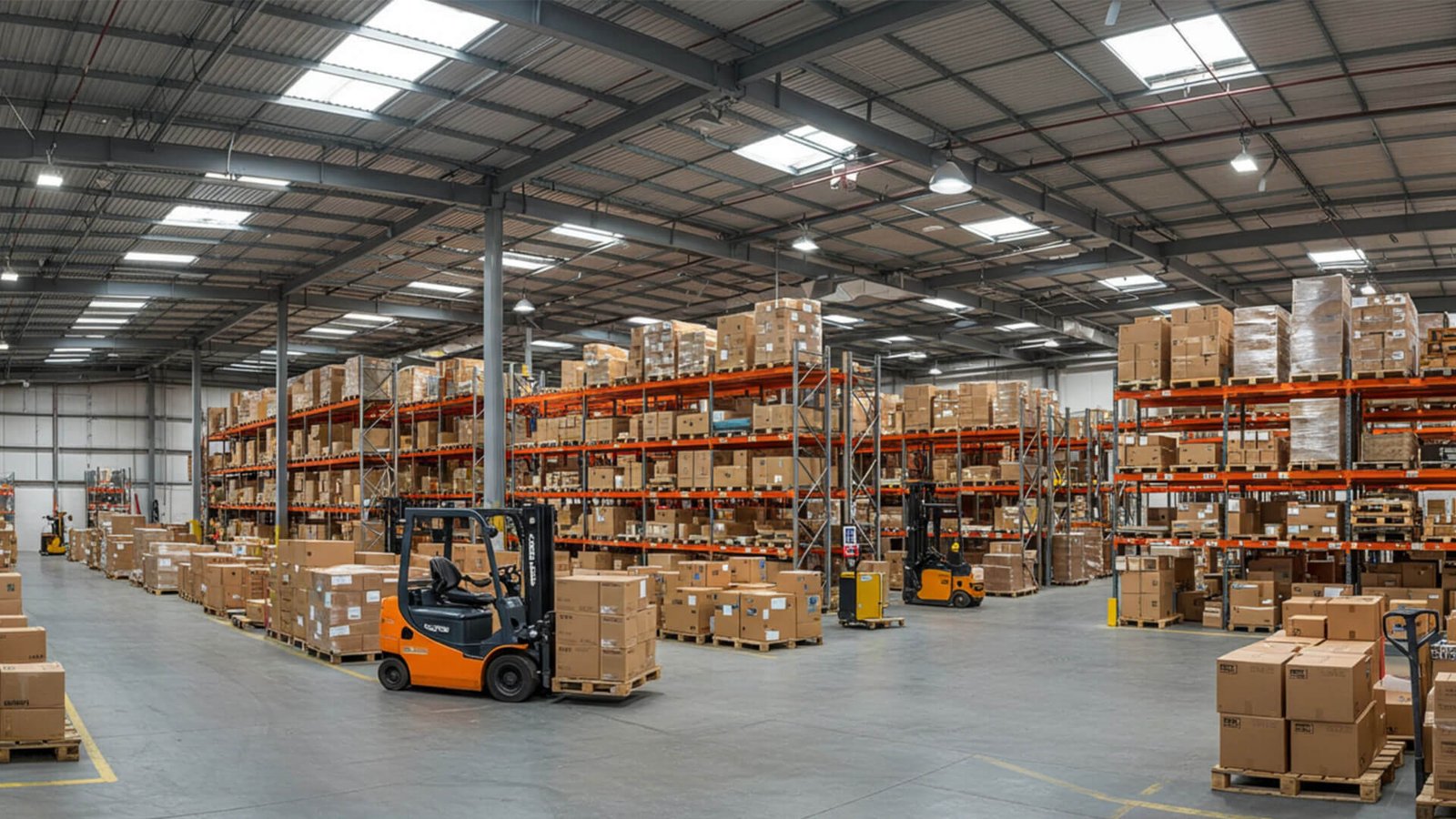
For an importer, a 3PL's most critical functions happen right after ocean arrival. Success or failure is often determined in the first 48 hours. Here is what I focus on when evaluating a partner.
Port-to-DC Execution
This is where many supply chains break down. A good 3PL has strong relationships with drayage carriers and a solid strategy for securing chassis, even during peak season. They must be experts at scheduling drayage appointments to pull your container from the port before demurrage fees start. They also need to manage delivery appointments at their own facility to avoid yard congestion. Missing a cut-off time can cause a cascading effect of delays and costs.
Container Workflow and Transloading
Your goods often arrive in floor-loaded containers7. The 3PL must have an efficient workflow for receiving them. This includes scheduling the unload, having the labor ready, and palletizing or labeling goods according to your specific requirements. If your goal is speed, you need a 3PL that excels at cross-docking—unloading goods and immediately preparing them for outbound shipment. For importers using FCL containers to feed into a domestic LTL or FTL network, transloading is a key capability. The 3PL must be able to quickly and accurately break down a 40HQ container onto pallets for domestic distribution.
Inventory Accuracy and Visibility
Once your inventory is in the warehouse, you need to trust that it's being managed correctly. This requires a disciplined WMS and a regular cycle count cadence to ensure accuracy. As an importer, I need real-time visibility into my stock levels. This is achieved through robust systems that can provide shipment milestones and communicate via ASN (Advance Ship Notice) or EDI (Electronic Data Interchange), which is especially critical for retail compliance.
3PL vs 4PL14 vs Freight Forwarder: What’s the Real Difference for Importers?
The terms 3PL, 4PL14, and freight forwarder15 are often used interchangeably. This confusion can lead to serious gaps in your supply chain if you hire the wrong type of partner.
A 3PL executes physical logistics like warehousing and fulfillment. A freight forwarder15 books your international transport. A 4PL14 is a strategic partner that orchestrates multiple 3PLs and carriers, acting as a control tower for your entire supply chain.
Let's clarify these roles from a practical, importer-focused perspective. Each one plays a distinct part in your supply chain, and understanding the difference is key to building an efficient operation.
Third-Party Logistics (3PL)
A 3PL is your hands-on operational partner. They run the physical side of your logistics. Think of them as the ones who execute tasks. This includes warehousing your products, picking and packing orders for fulfillment, managing transportation, and handling value-added services like kitting or labeling. When your container arrives in the U.S., the 3PL is the partner that receives it, unloads it, and manages the inventory.
Fourth-Party Logistics (4PL14)
A 4PL14, or Lead Logistics Provider, operates at a higher, more strategic level. They don't own the warehouses or trucks. Instead, they act as a single point of contact to manage your entire supply chain. A 4PL14 orchestrates the services of multiple carriers, 3PLs, and other providers. Think of them as a "control tower" that provides visibility, analytics, and continuous improvement. For example, a large company might hire a 4PL14 to manage all their logistics partners globally.
Freight Forwarder
A freight forwarder15 is your agent for international transportation. Their primary job is to arrange the booking of your cargo from a factory in China to a port in the U.S. They handle the documentation, negotiate with ocean carriers, and manage the international leg of the journey. While some forwarders also offer warehousing services in the U.S., it is not their core function.
Is DSV a 3PL or 4PL14?
This is a common question. Large global logistics companies like DSV often operate in multiple roles. DSV provides direct 3PL services, such as contract logistics and warehousing. They also offer lead logistics solutions, which function like a 4PL14, where they orchestrate and manage a client's broader supply chain. The service depends entirely on the specific engagement you have with them.
What’s Changing in the 2026 3PL Landscape for Importers?
The logistics world is always changing. Choosing a 3PL based on outdated assumptions is a big risk. This could leave you struggling while your competitors adapt and pull ahead.
In 2026, importers face tighter budgets but have higher service expectations. The market has more hybrid providers16 offering both assets and services. There is also a rising demand for specialized support, like consulting and reverse logistics17. Reliability is becoming more important than sheer size.

As an importer, you must understand the key trends shaping the 3PL industry. These shifts directly impact the type of partner you should be looking for.
Tighter Budgets and Higher Service Expectations
This is the biggest challenge we all face. The pressure is on to reduce logistics costs, but customers and retail partners are demanding faster, more accurate service. This means importers need 3PLs who are incredibly efficient. They must use technology and streamlined processes to deliver high performance without inflating costs. When I evaluate a 3PL, I look for a deep commitment to operational excellence and continuous improvement.
The Rise of "Hybrid" Providers
The line between asset-based and non-asset-based providers is blurring. We are seeing more "hybrid" companies that own some assets (like warehouses or trucks) but also offer non-asset services (like freight brokerage). This can be an advantage for importers. A hybrid provider can offer more flexible and resilient solutions. They can use their own assets for core routes and leverage their brokerage network to handle demand surges or disruptions.
Growing Demand for Special Services
Basic storage and shipping are no longer enough. Importers increasingly need 3PLs that can act as strategic partners. This includes offering value-added services like specialized compliance labeling, kitting, quality control checks, and import/export consulting. Reverse logistics, or the process of handling returns, is also becoming a critical capability. A 3PL that can provide these services can help you streamline operations and reduce complexity.
Which “Top 3PL” Lists Can Importers Actually Trust?
You have probably seen dozens of "Top 3PL Companies18" articles. Most of them are just marketing content. How do you find real, useful information in all that online noise?
Don't trust any list blindly. You must first understand its purpose. Revenue-based lists show size, not fit. Capability directories help you create a shortlist. Curated "best-for" lists are good starting points, but you must always verify their claims.
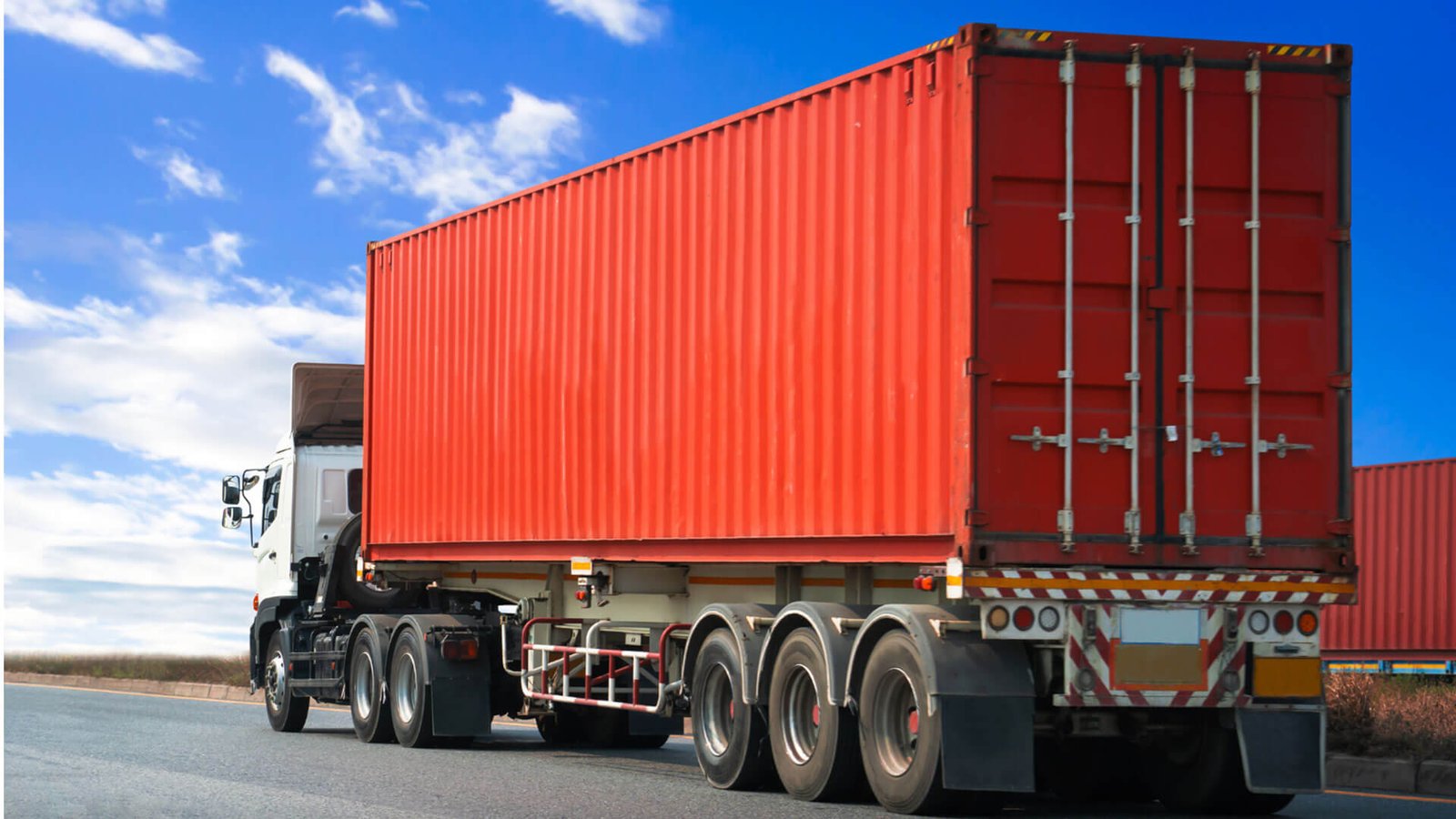
3PL lists can be a useful tool, but only if you know how to read them. They are not a definitive guide to finding the "best" partner. Instead, think of them as different types of directories that serve different purposes. Here’s how I break them down.
Inbound Logistics Top 100 3PLs (Capability Directory)
This is one of the most useful resources, but it's not a ranking. The Inbound Logistics list is an alphabetical directory. Each company provides a profile detailing their services, the markets they serve, and the technology they use. I use this list to create an initial pool of potential partners. For example, if I need a 3PL with strong transloading capabilities near the Port of Long Beach that uses a specific WMS, this directory can help me find companies that meet those criteria.
Armstrong & Associates Top 50 U.S. 3PLs (Revenue Leaders)
This list answers the question, "Who are the largest 3PLs in the U.S. by revenue?" It is a valuable resource for understanding the scale of the major players in the market. However, size does not equal quality or fit. The largest 3PLs are often focused on massive enterprise accounts. Their systems and pricing may not be suitable for a mid-market importer. Use this list for context, but do not assume that a company's rank on this list correlates to better service for your specific needs.
"Best 3PL" Curated Lists (Fit-Based Shortlists)
These are the lists you see on blogs and software review sites. They often categorize 3PLs by specialty, such as "best for e-commerce" or "best for cold storage." These can be helpful for discovering niche providers. However, you must be critical. Understand who created the list and what their motivation might be. Always treat these lists as a starting point for your own research. The most important step is to conduct your own due diligence, including discovery calls and reference checks.
What Are the 6 Main Types of 3PLs for Importers to Consider?
Choosing a 3PL is like choosing a tool. Picking a hammer to turn a screw will not work. You need the right tool for the job. Are you using the right type of 3PL?
Don't just pick a brand name; pick a 3PL type first. Your choice depends on your needs: enterprise logistics, e-commerce, B2B/retail, port-centric transloading, cold chain, or FBA prep. Matching the type to your business model is the most critical step.
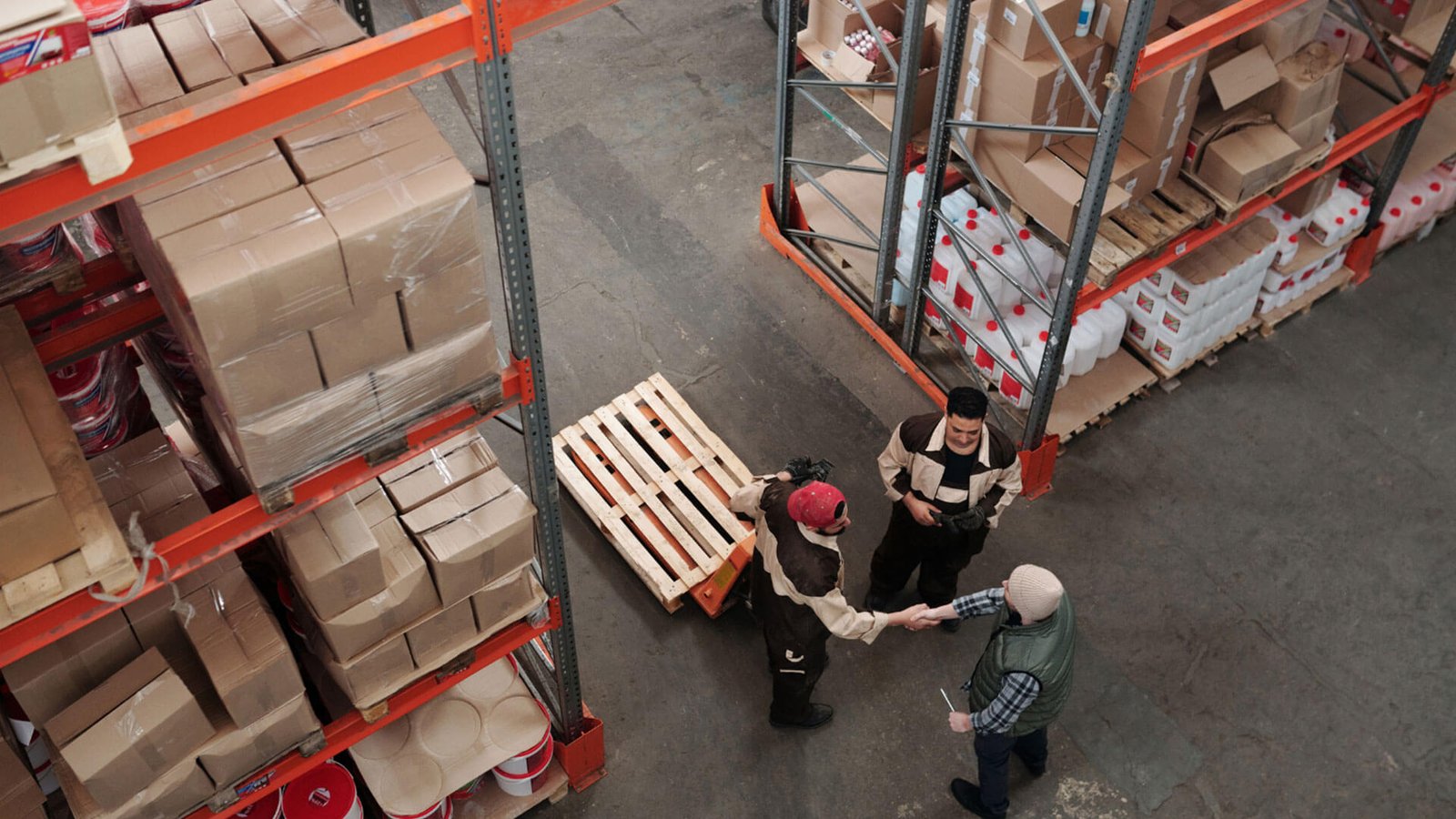
Before you even start comparing company names, you need to identify which category of 3PL you need. This decision will narrow your search dramatically and ensure you are only evaluating relevant partners.
-
Enterprise Contract Logistics Providers: These are the giant, global 3PLs. They are best for large corporations with complex, multi-site warehousing and distribution needs. They are not typically a good fit for small or mid-sized importers due to their high volume requirements and rigid systems.
-
Ecommerce / DTC Fulfillment Networks: These 3PLs specialize in high-volume, small-parcel, direct-to-consumer (DTC) fulfillment. Their entire operation is built for speed and accuracy in picking and packing individual orders. They are the right choice if your primary sales channel is your own website.
-
B2B / Wholesale + Retail Compliance 3PLs: If you sell to major retailers, you need a 3PL that understands the world of routing guides, EDI, and compliance labeling. These providers are experts at preparing shipments to meet the strict requirements of companies like Walmart, Target, or Home Depot, helping you avoid costly chargebacks.
-
Port-Centric Transload Specialists: These 3PLs are located near major ports and specialize in one thing: speed. Their core service is quickly unloading FCL containers, palletizing the goods, and loading them onto domestic trucks (LTL or FTL) for distribution. They are ideal for importers who need to bypass traditional warehousing.
-
Cold Chain / Temperature-Controlled 3PLs: If you import perishable goods like food, beverages, or pharmaceuticals, you need a specialist. These providers have the refrigerated and frozen warehouse facilities and transportation networks to maintain the integrity of your temperature-sensitive products.
-
Amazon/FBA-Adjacent 3PLs: These providers focus on preparing inventory for Amazon's Fulfillment by Amazon (FBA) network. They understand Amazon's strict prep requirements for labeling, bagging, and packaging, and they are experts at booking FBA delivery appointments.
What 3PL does Amazon use?
This is a common question, but it's not the right one for an importer to ask. Amazon uses a vast, complex mix of its own internal logistics capabilities (like Amazon Logistics) and a wide array of external partners for different lanes and services. Instead of worrying about who Amazon uses, importers should focus on their own channel requirements. Choose a 3PL that is an expert in your specific sales channel, whether that is FBA, retail distribution, or your own DTC website.
How Can Importers Create a Scorecard to Choose the Right 3PL?
Making a 3PL decision based on a gut feeling is very risky. A bad partnership can disrupt your entire U.S. supply chain. You need an objective, repeatable process to make the right choice.
Use a scorecard to compare potential 3PLs objectively. Rate each provider on 12 key criteria, including facility location, container receiving capacity, WMS technology, accuracy KPIs, and pricing clarity. This method turns a subjective choice into a data-driven decision.

Once you have identified the right type of 3PL and have a shortlist of 3-5 potential partners, it's time to evaluate them systematically. I recommend using a simple scorecard. This forces you to compare each provider using the same criteria. It also helps you justify your decision to other stakeholders in your company. You can score each criterion on a simple scale of 0 to 5.
Here are the 12 selection criteria I recommend every importer use:
| Selection Criteria | Why It Matters for Importers |
|---|---|
| 1. Facility Locations | Proximity to your arrival ports and end customers reduces freight costs and transit times. |
| 2. Container Receiving Capacity | Can they handle your volume? Ask about their appointment SLAs and yard capacity. |
| 3. WMS & EDI/ASN Capability | Their technology must integrate with your systems for real-time visibility and accuracy. |
| 4. Accuracy KPIs | Ask for their metrics on pick/pack accuracy and inventory cycle counts. Don't accept vague answers. |
| 5. Value-Added Services | Do they offer the specific services you need, like compliance labeling, kitting, or quality control? |
| 6. Returns/Reverse Logistics | A clear and efficient returns process is critical for customer satisfaction and inventory recovery. |
| 7. Freight Options | Do they have strong partnerships with LTL and FTL carriers to get you competitive rates? |
| 8. Claims & Liability | Understand their process and terms for handling damaged or lost goods. |
| 9. Peak Season Scalability | How do they scale their labor and capacity to handle your busiest seasons without service failures? |
| 10. Reporting & Dashboards | Can they provide you with the data and visibility you need to manage your business effectively? |
| 11. Pricing Model Clarity | The pricing structure should be transparent, with all potential fees clearly defined. |
| 12. References | A good partner will gladly provide references from other importers in your product category. |
What Pricing and Contract Traps Do Importers Need to Avoid?
You received a great quote from a new 3PL. But then the first invoice arrives, and it is full of surprise fees you never discussed. How do you avoid this common and costly trap?
You must watch out for hidden costs. Focus on accessorial fee creep, storage versus dwell time charges, and potential retail chargebacks. Clearly define receiving rules for your floor-loaded containers in the contract to avoid unexpected handling fees after arrival.
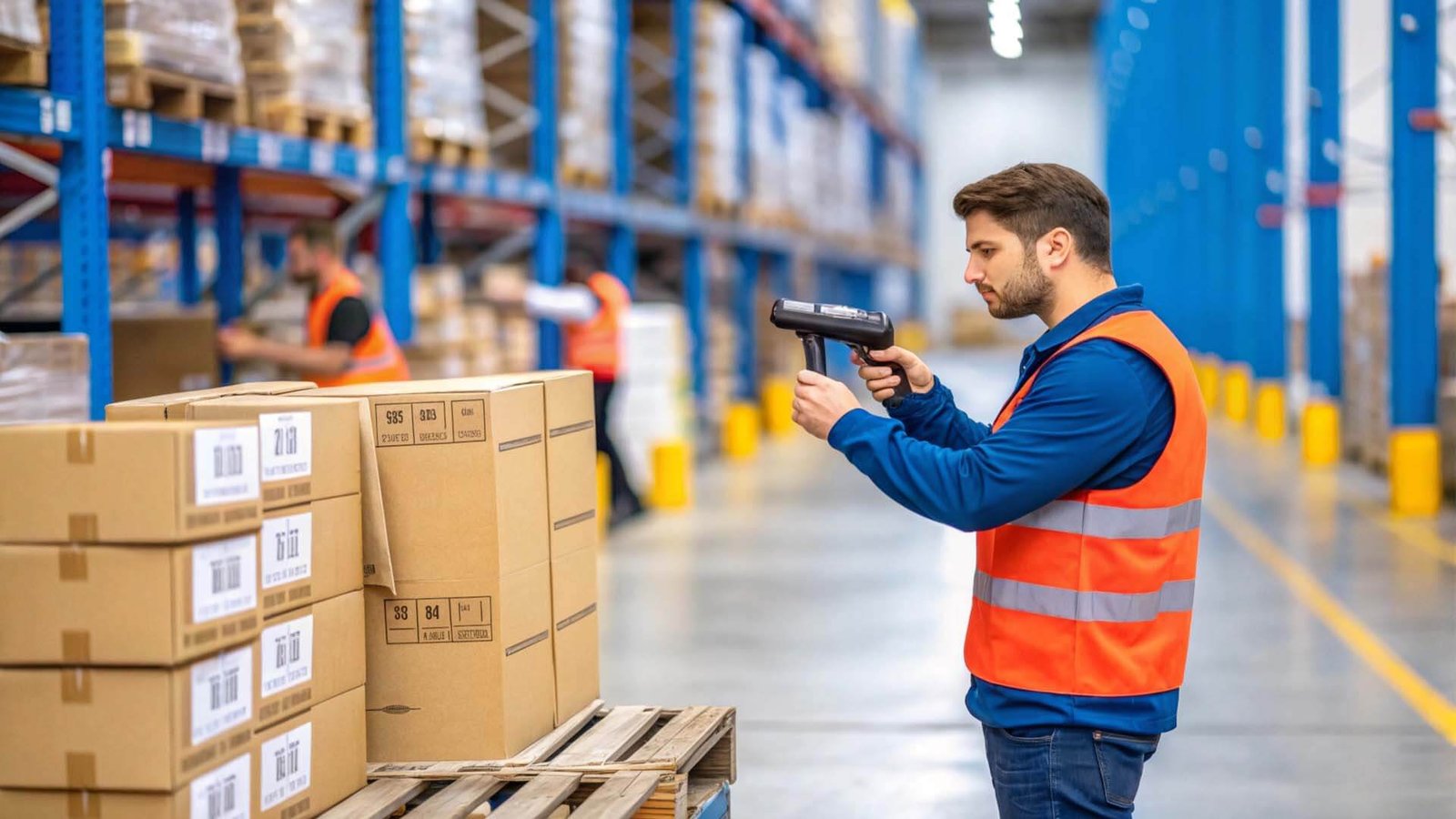
A 3PL's initial price quote is just the beginning of the story. The real cost of the partnership is often hidden in the details of the contract and the long list of potential extra charges. As an importer, my experience has taught me to look very closely at a few specific areas before signing any agreement.
Accessorial Fee Creep
Accessorials are fees for services that go beyond standard receiving, storage, and shipping. While some are legitimate, they can quickly add up if they are not clearly defined. I always insist on a comprehensive list of all possible accessorial fees. This includes things like congestion surcharges, special handling for oversized items, and fees for manual data entry.
Storage vs. Dwell Time Economics
It is critical to understand how your 3PL charges for space. Is it a fixed monthly fee per pallet (storage), or is it a daily fee for a container or trailer sitting in their yard (dwell time)? For importers, unexpected port delays can lead to containers arriving at the 3PL before you are ready to process them. This can result in significant dwell time charges if not planned for.
Retail Compliance Chargebacks
If you ship to major retailers, your 3PL's performance is directly tied to your profitability. A single mistake in labeling or routing can result in a costly chargeback from the retailer. Your contract with the 3PL must clearly state who is financially responsible if their error causes a chargeback.
Receiving Rules for Floor-Loaded Containers
Unloading a floor-loaded container requires more labor and time than unloading a palletized one. Many 3PLs charge a premium for this service. Make sure this cost is clearly broken out in your contract, so you are not surprised by a large "unloading fee" on your first invoice.
How Does Using DDP Shipping Change Your 3PL Strategy?
You switched to a DDP shipping model to simplify things. But now your 3PL and your freight forwarder are not communicating. Who is responsible when problems arise at the warehouse door?
DDP (Delivered Duty Paid) simplifies the customs and duties part of your import, but it does not solve your U.S. warehouse challenges. Your 3PL contract must still clearly define who owns inbound appointments, who manages damage claims, and who handles exceptions.

Many importers I work with believe that using DDP (Delivered Duty Paid) means they don't have to worry about logistics once the container is on U.S. soil. This is a dangerous misunderstanding. DDP is an Incoterm that defines who pays for and manages the transportation, customs clearance, and duties. Your supplier or their forwarder handles everything up to the point of delivery to your named destination, which is typically your 3PL's warehouse.
However, DDP ends at the warehouse door. It does not cover anything that happens inside the warehouse. The receiving, unloading, inspection, and inventory management are still your responsibility, managed by your 3PL. This creates a critical handoff point that must be managed carefully. Your DDP forwarder's job is done once the container is in the yard. Your 3PL's job is just beginning. To avoid confusion and delays, your 3PL contract must clearly define the process. Who is responsible for scheduling the final delivery appointment with the DDP carrier? Who is liable for damage that is discovered during the unloading process? What is the procedure for handling exceptions, like a discrepancy between the packing list and the actual goods received? A strong Statement of Work (SOW) with your 3PL that outlines these responsibilities is essential for a smooth DDP operation.
What Are the Most Common Questions Importers Ask About 3PLs?
You still have some questions. That is completely normal. Let's tackle some of the most frequent and important questions I hear from importers who are navigating the 3PL landscape.
Importers often ask who the largest 3PL is, how to choose one, and what the industry outlook is. The key is that "largest" is not "best," your choice must depend on fit, and the industry is trending toward higher service expectations.
Answering these common questions helps to summarize the most important concepts for selecting the right logistics partner.
Who is the largest 3PL in the US?
The largest 3PLs in the U.S. by revenue are typically global giants. You can find a current ranking in lists like the Armstrong & Associates Top 50. However, for most importers, this information is just for context. The largest provider is not necessarily the best fit for your business.
What are the best 3PL companies?
There is no single "best" 3PL. The best company for you depends entirely on your business model. You should first identify which of the six main types of 3PLs you need (e.g., e-commerce, retail compliance, port-centric transloading) and then evaluate providers within that category.
How do I choose the right 3PL provider?
Use a structured, objective process. First, define your requirements. Then, create a shortlist of potential partners of the right type. Finally, use a scorecard with key criteria like location, technology, accuracy, and pricing transparency to compare them and make a data-driven decision.
What is the outlook for the 3PL industry?
The outlook for 2026 points toward continued consolidation, but also a greater emphasis on service. Importers have higher expectations for technology, visibility, and reliability. 3PLs that can deliver consistent, high-quality execution will be the most successful partners.
Is DSV a 3PL or 4PL?
DSV, like many large logistics firms, is both. They offer direct 3PL services like contract warehousing. They also provide 4PL-style lead logistics services, where they manage a client's entire supply chain by orchestrating multiple logistics partners. The service depends on the client's needs.
Conclusion
First, pick the right 3PL type for your business. Then, score 3-5 providers with an objective scorecard. Finally, always run a small pilot before a full network rollout.
Understanding the key factors in selecting a 3PL partner can save you from costly delays and operational issues. ↩
Learn how the right 3PL can streamline your import operations and enhance efficiency. ↩
A solid port strategy is crucial for minimizing delays and costs in your supply chain. ↩
Understanding distribution channels can help you choose a 3PL that aligns with your business needs. ↩
Explore the importance of container handling capability for efficient logistics and supply chain management. ↩
Discover how e-commerce fulfillment impacts your logistics and customer satisfaction. ↩
Learn about floor-loaded containers and their implications for logistics and handling. ↩
A well-structured drayage plan can significantly reduce costs and improve delivery times. ↩
Understanding transloading needs is essential for efficient cargo handling and distribution. ↩
Explore how a WMS can enhance inventory accuracy and operational efficiency. ↩
Learn how SLAs can ensure accountability and performance in your logistics operations. ↩
Effective port-to-DC execution is critical for minimizing delays and ensuring smooth operations. ↩
Real-time inventory visibility can help you manage stock levels and improve decision-making. ↩
Learn how a 4PL can provide strategic oversight and enhance your supply chain management. ↩
Understanding the role of freight forwarders can help you navigate international shipping more effectively. ↩
Discover the advantages of hybrid providers in offering flexible logistics solutions. ↩
Understanding reverse logistics can help you manage returns and improve customer satisfaction. ↩
Learn how to evaluate 3PL companies beyond just their rankings for better decision-making. ↩