Efficient global shipping requires more than just a big name. Understanding the essentials of freight forwarding1 can save you time and money.
Efficiency is measured by predictability, not promises.

Finding the right freight forwarder can be daunting. With countless options available, how do U.S. importers identify the most efficient partners? In this article, I will guide you through key factors to consider when selecting a freight forwarder from China.
What Makes a China Freight Forwarder Truly Efficient for U.S. Importers Beyond Global Size or Brand Name?
Efficient China freight forwarders prioritize operational execution2 over brand reputation. Many believe that larger companies yield better results, yet that is often not the case. A focus on tailored services3 and local expertise is crucial.
An efficient freight forwarder is defined by clear communication4, proactive planning5, and a thorough understanding of the logistics landscape. They offer reliable service that meets the needs of U.S. importers.
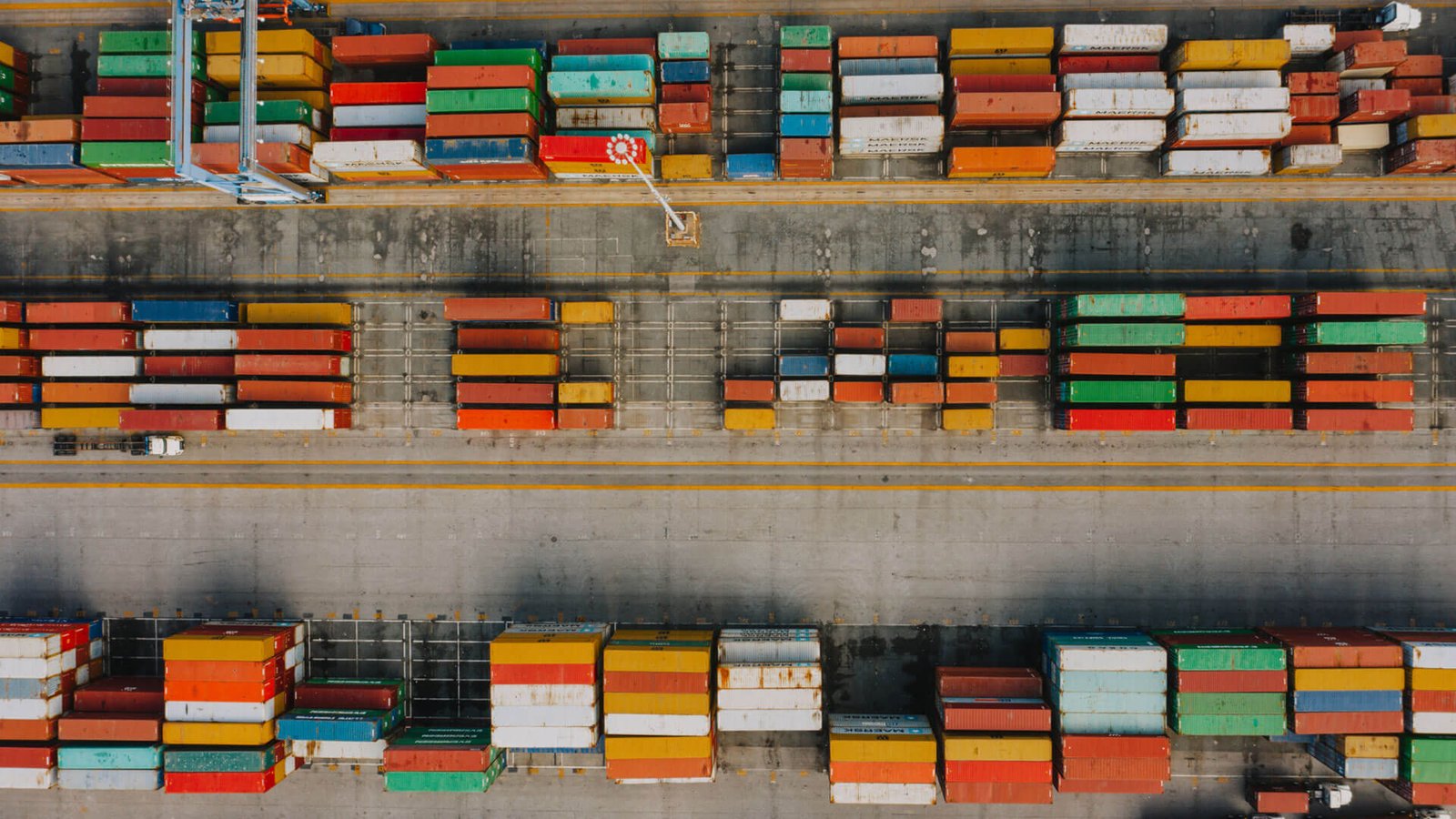
When considering efficiency, look for forwarders that demonstrate strong operational capabilities. They should provide comprehensive services while maintaining transparency in costs. Importers should also assess how well a forwarder can adapt to changing logistics needs.
| Forwarder Type | How They Operate | Transit Predictability | Cost Transparency | Risk Level | Typical Importer Outcome |
|---|---|---|---|---|---|
| Efficient | Proactive planning, clear scope | High | High | Low | On-time, predictable landed cost |
| Average | Reactive, rate-driven | Medium | Medium | Medium | Delays with explanations |
| Risky | Quote-first, unclear roles | Low | Low | High | Holds, surprise fees, missed ETAs |
How U.S. Importers Should Evaluate China Freight Forwarders Based on Service Scope, Network Coverage, and Reliability?
Evaluating China freight forwarders requires a focus on service scope6 and reliability. U.S. importers need to ask critical questions about the service offerings and operational capacities of potential partners.
A reliable freight forwarder will clearly define the services they provide, and how these services align with the importer's specific logistics needs. Assessing network coverage7 is essential for ensuring timely deliveries.
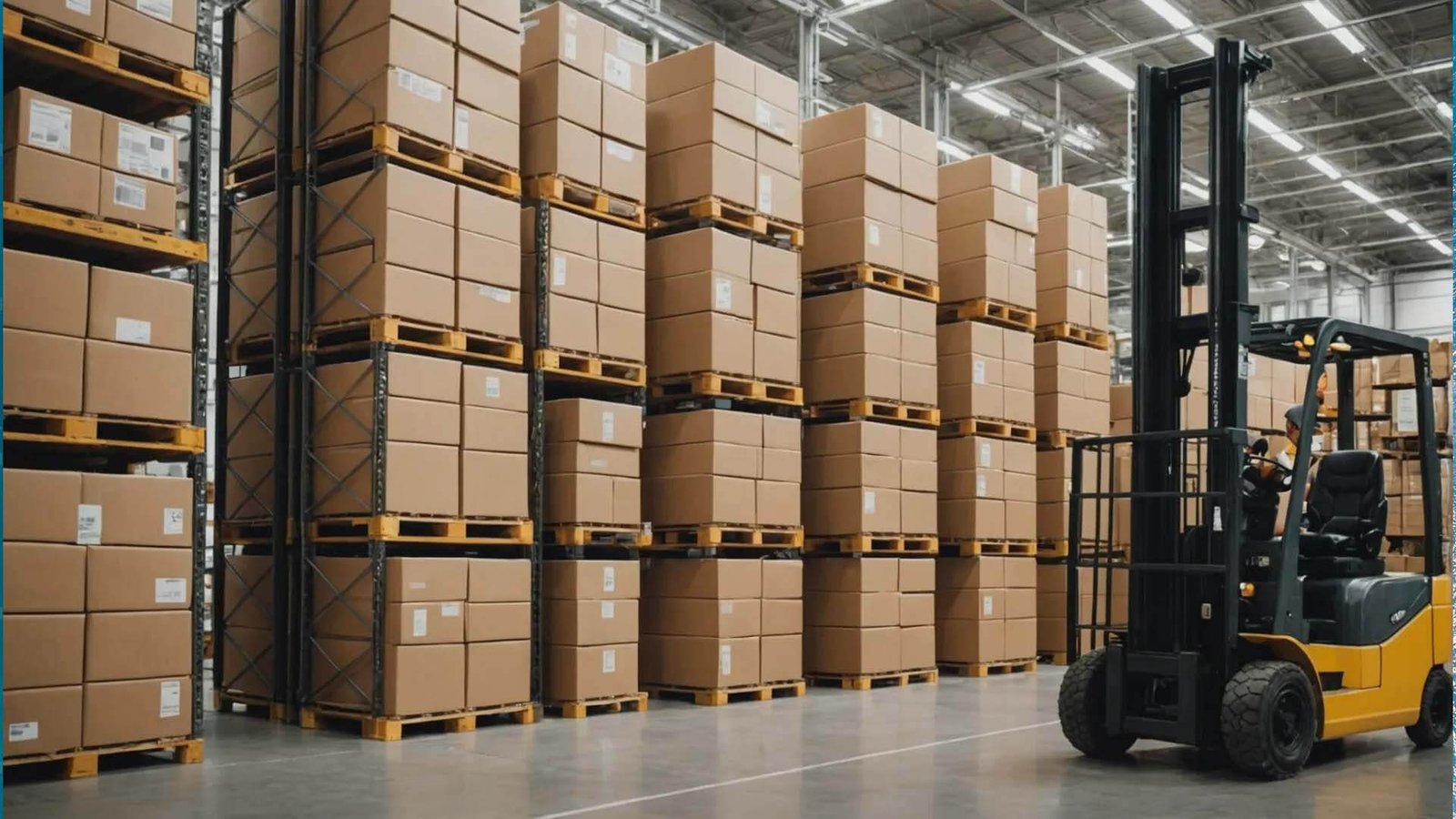
Factors to consider include the specific logistics services offered, such as ocean and air freight, as well as customs handling capabilities. It’s important to understand the forwarder’s geographical reach and how it can impact delivery timelines. Look for a partner with a proven track record of reliability and positive importer feedback.
Which China Freight Forwarders Are Best Suited for Ocean Freight, Air Freight, and High-Volume Global Shipments?
Different freight forwarders excel in various shipping modes. Whether you need ocean freight, air freight, or support for high-volume global shipments, understanding the strengths of each forwarder is crucial.
Ocean freight forwarders often handle large shipments with cost-effective solutions, while air freight forwarders are best for expedited services. A forwarder’s experience in high-volume logistics can significantly impact shipping efficiency.
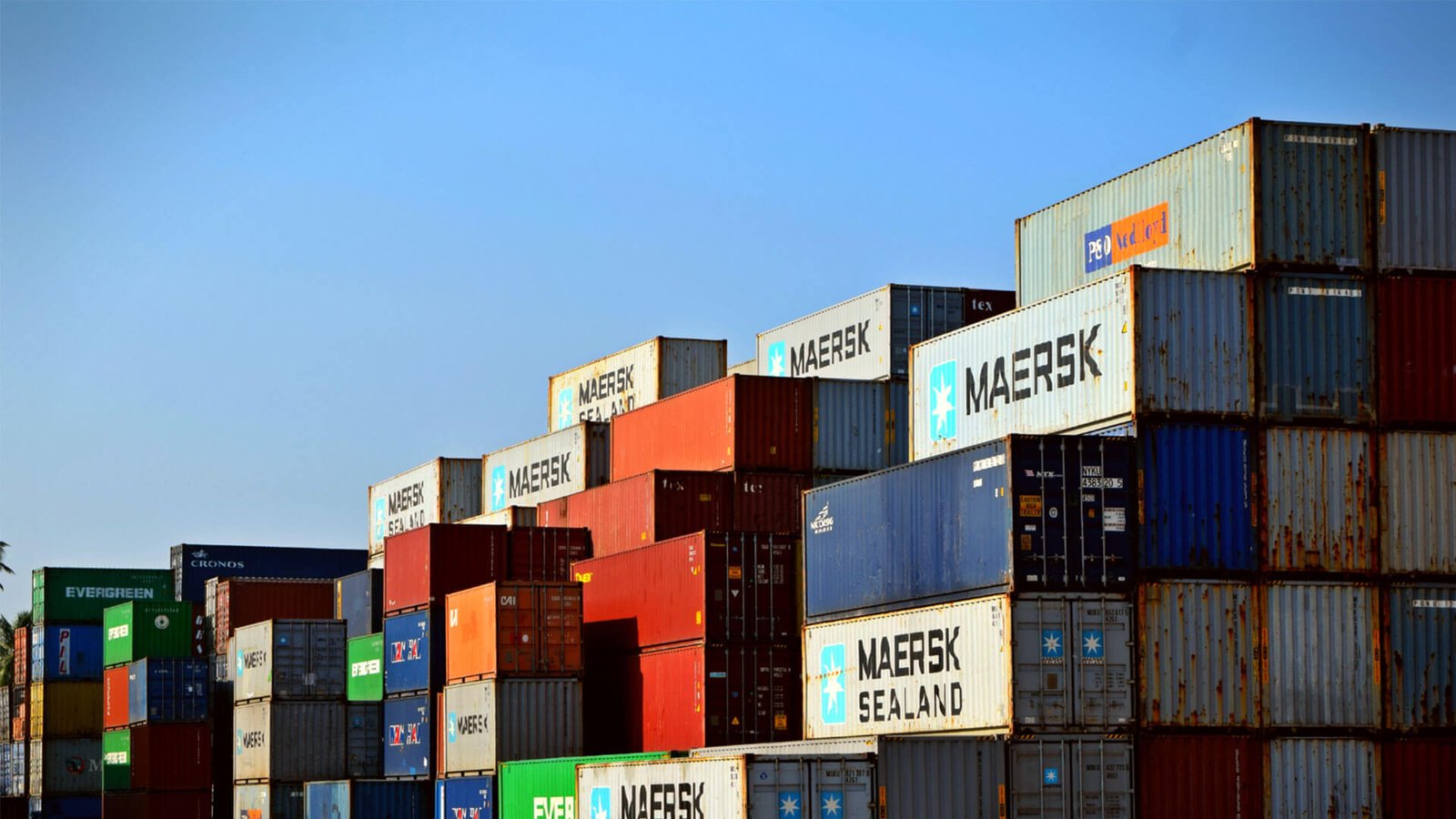
For ocean freight, consider forwarders that have strong shipping partnerships and a solid understanding of customs compliance. For air freight, look for speed and reliability. High-volume shipments require a forwarder with robust logistics capabilities and a strong focus on operational efficiency.
What Role Customs Clearance, Compliance, and Documentation Play in Efficient Global Shipping from China?
Customs clearance and compliance are vital components in the shipping process. U.S. importers must ensure that their freight forwarder is well-versed in customs regulations and documentation requirements.
Efficient global shipping requires adherence to import compliance and timely customs clearance8. The right documentation can prevent costly delays and ensure smooth transitions at ports.
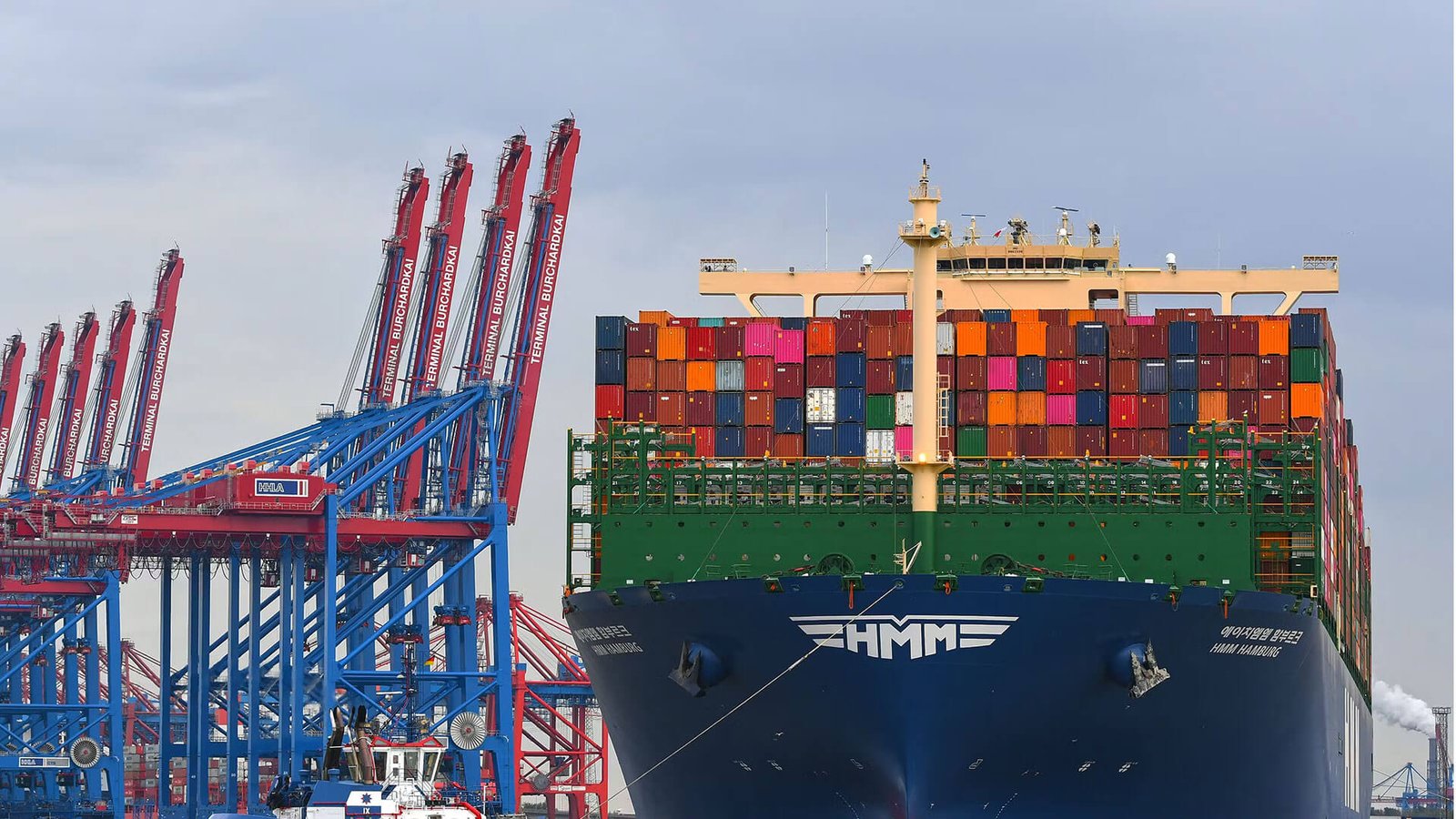
Important documents include the Importer Security Filing (ISF) and proof of compliance with U.S. customs regulations. A proficient freight forwarder will guide you through the necessary documentation and ensure that all compliance measures are met. This expertise not only streamlines the process but also mitigates risk.
How the Right China Freight Forwarder Helps U.S. Importers Reduce Transit Time, Total Landed Cost, and Operational Risk?
Selecting the right freight forwarder can lead to significant cost savings and reduced transit times. By optimizing logistics, U.S. importers can minimize operational risks associated with international shipping.
The right freight forwarder will analyze shipping routes, choose optimal carriers, and implement cost-saving strategies that directly impact your bottom line.
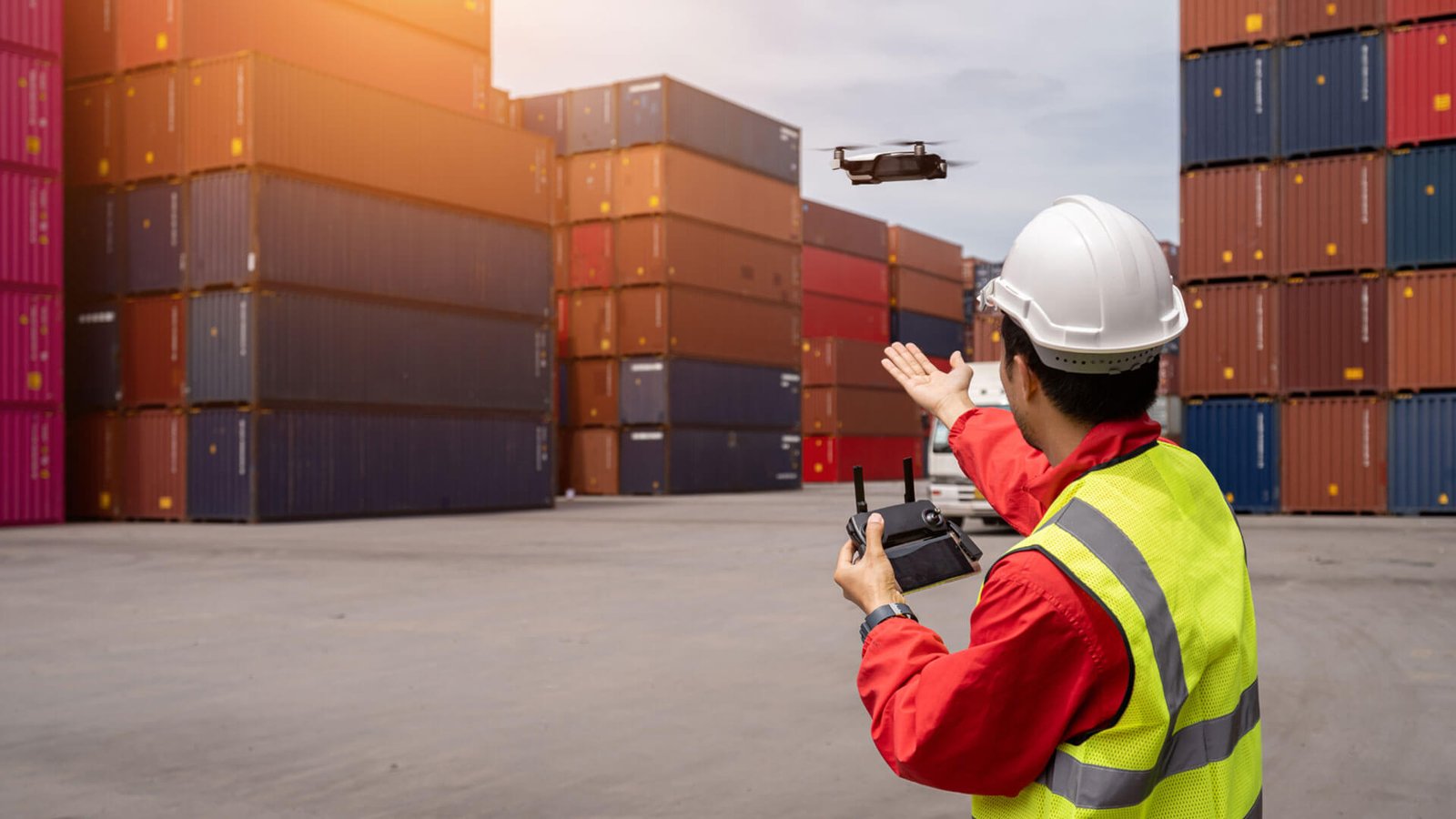
By focusing on total landed cost9s, importers can better understand the full expense of shipping from China. Efficient forwarders will provide transparency in all charges, helping to avoid unexpected costs and delays. This proactive approach to logistics reduces overall operational risk and helps maintain a steady supply chain.
Conclusion
In conclusion, understanding the various factors influencing freight forwarding1 efficiency is essential for U.S. importers. By prioritizing predictability, communication, and compliance, you can choose the right partner for your shipping needs.
Understanding freight forwarding can help you save time and money in global shipping by choosing the right partner. ↩
Learn how focusing on operational execution over brand reputation can lead to more efficient shipping solutions. ↩
Discover how customized services can meet specific logistics needs and improve shipping efficiency. ↩
Find out how effective communication can lead to better planning and reliable service in shipping. ↩
Understand how proactive planning can prevent delays and ensure timely deliveries in global shipping. ↩
Discover the importance of understanding service offerings to align with specific logistics needs. ↩
Explore how a forwarder's geographical reach can impact delivery timelines and shipping efficiency. ↩
Learn how efficient customs clearance can prevent delays and ensure compliance with regulations. ↩
Understand how analyzing total landed costs can lead to significant savings and better financial planning. ↩