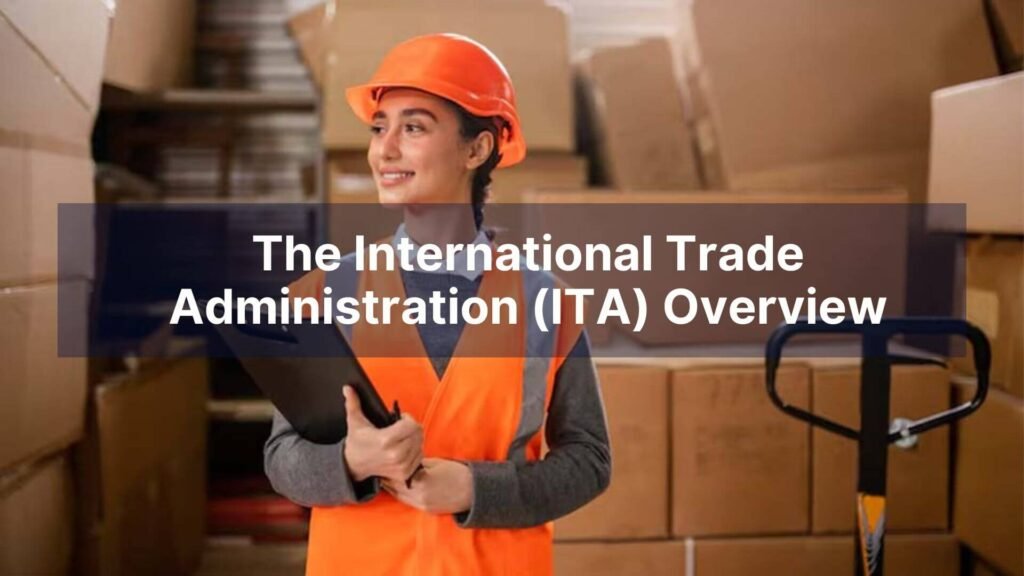
The International Trade Administration (ITA) plays a vital role in enhancing U.S. global competitiveness1. Understanding its functions can greatly benefit U.S. importers navigating international trade.
The ITA works to improve U.S. global competitiveness1 by advocating for fair trade policies2 and providing resources to U.S. businesses. U.S. importers benefit from ITA services such as market research3, trade data4, and support in addressing trade barriers5, ensuring smoother international trade and compliance.
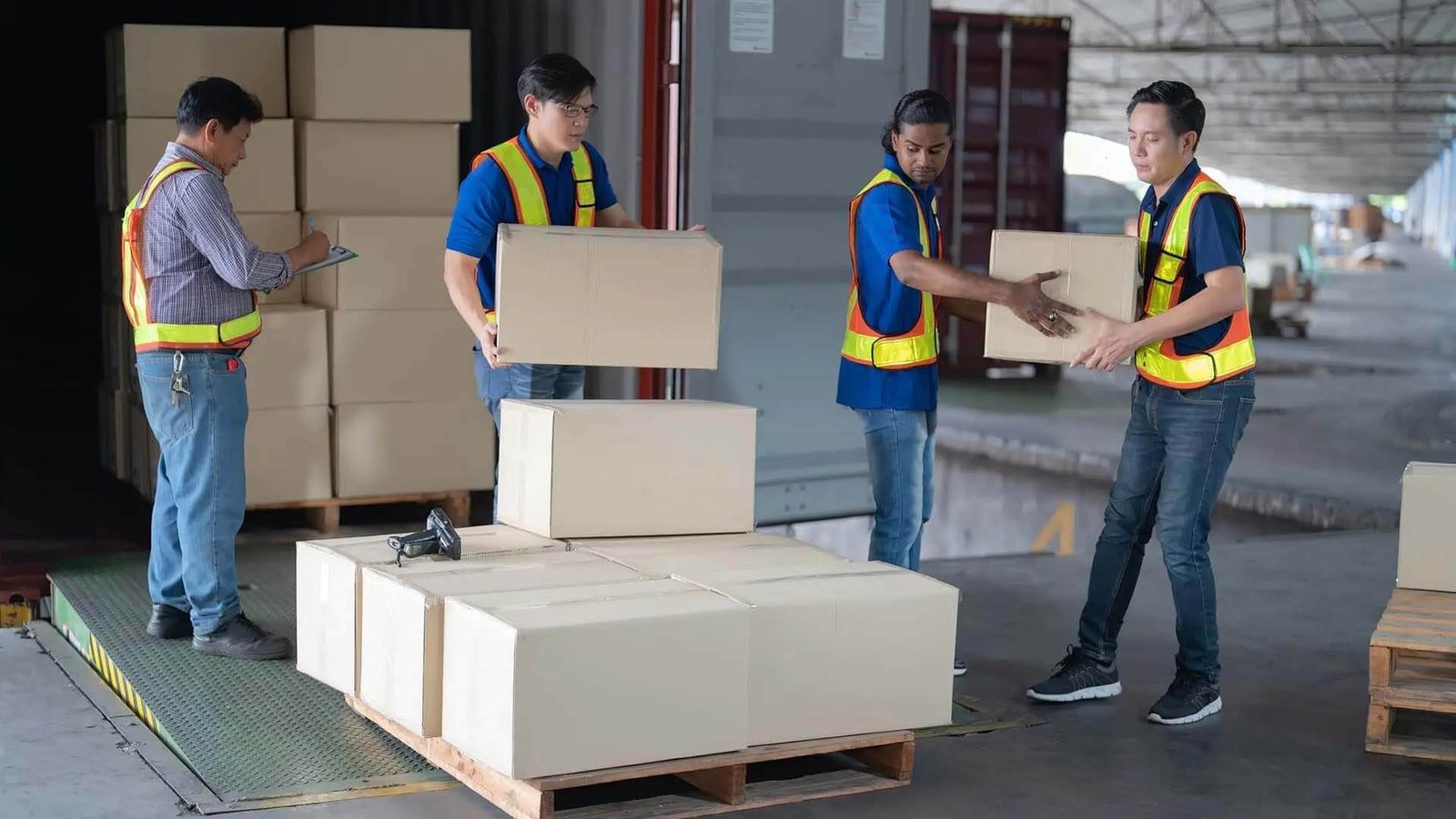
The ITA's influence on U.S. importers is significant. Their guidance and resources can assist in overcoming trade challenges, ensuring compliance, and improving market access. Let's explore how the ITA can support your business.
What the International Trade Administration (ITA) Does and How It Impacts U.S. Importers?
The ITA is essential for U.S. businesses aiming to thrive in global markets. It supports importers by offering insights into trade policies and compliance requirements6, making the import process smoother.
The ITA works to improve U.S. global competitiveness1 by advocating for fair trade policies2 and providing resources to U.S. businesses. U.S. importers benefit from ITA services such as market research3, trade data4, and support in addressing trade barriers5, ensuring smoother international trade and compliance.
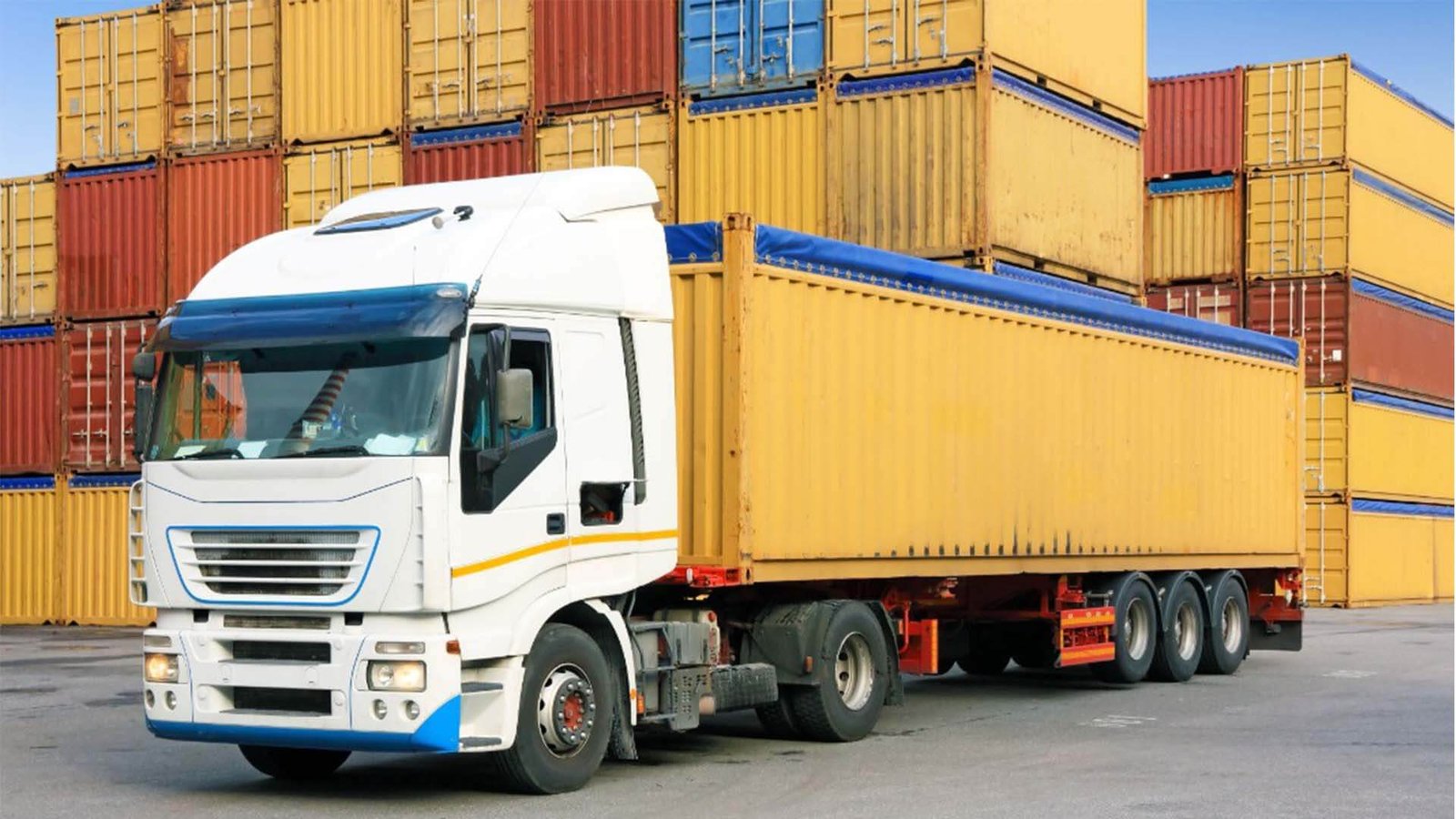
Navigating the complexities of international trade can be daunting. Importers often face challenges regarding regulations and tariffs. The ITA is here to help. They provide valuable resources that can ease these burdens.
Dive Deeper into ITA's Impact
The ITA’s role is multifaceted. Firstly, they provide critical market intelligence7. This data helps importers understand trends and make informed decisions. Secondly, they advocate for fair trade practices. Importers can rely on the ITA to address unfair trade barriers5, ensuring that they can compete fairly in the global marketplace.
Additionally, the ITA offers training and resources to help U.S. importers comply with international trade laws8. Their expertise reduces the risk of penalties and delays in shipments. As an importer, understanding these services can lead to significant cost savings and more efficient business operations.
Facing global trade challenges can hinder business growth. The ITA provides essential guidance that can make a difference for U.S. importers.
The ITA helps U.S. importers by offering guidance on trade regulations9, tariff classifications10, and market entry strategies11. By leveraging the ITA’s resources, importers can navigate complex global markets, stay compliant with U.S. Customs regulations, and avoid delays or penalties in international shipments.
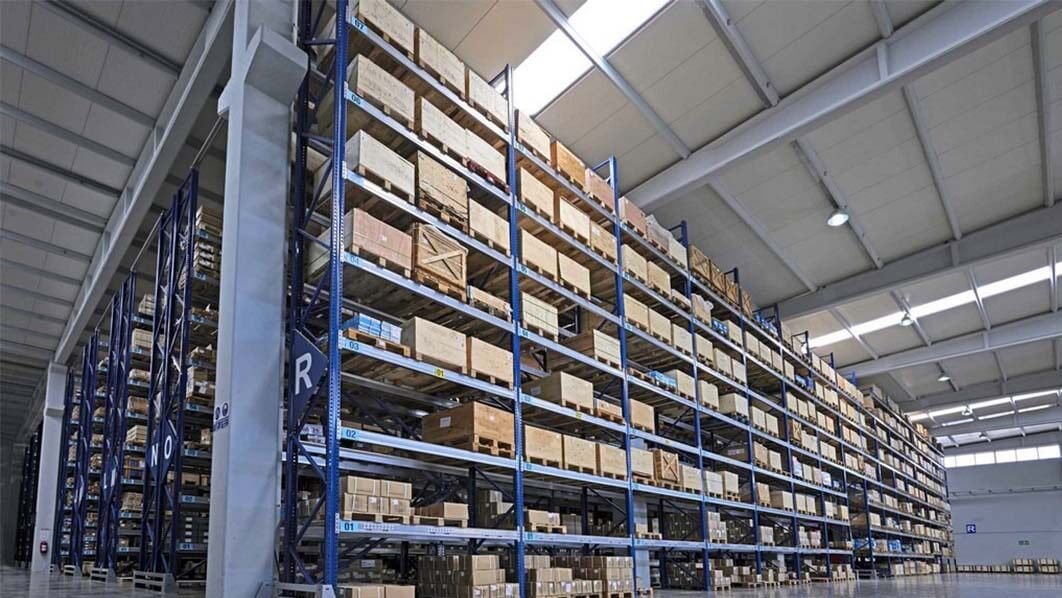
Importers often grapple with understanding trade regulations9 and market requirements. The ITA assists by providing clear guidelines and support in these areas. This assistance is invaluable in minimizing risks associated with global trade.
Dive Deeper into ITA's Support for Importers
The ITA’s support extends beyond just information. They offer direct assistance in navigating trade regulations9. For example, they provide tariff classification help. This ensures that importers correctly classify their goods, which is crucial for compliance and avoiding penalties.
Moreover, the ITA organizes trade shows and missions12, allowing importers to connect with potential buyers and suppliers. These events are excellent opportunities for networking and gaining insights into new markets. The ITA also offers trade counseling13. This personalized support helps importers tailor their strategies to overcome specific challenges.
By utilizing these resources, U.S. importers can effectively navigate complex international environments, ensuring their operations run smoothly.
The Key Services Offered by the ITA to Help U.S. Importers Succeed
Understanding the key services of the ITA is essential for U.S. importers aiming for success. These services can greatly enhance their trade operations.
The ITA offers services including market intelligence7, export assistance14, trade counseling13, and dispute resolution15. U.S. importers can benefit from these services to identify new markets, improve supply chain strategies16, and mitigate risks associated with global trade, all while ensuring compliance with international trade laws8.
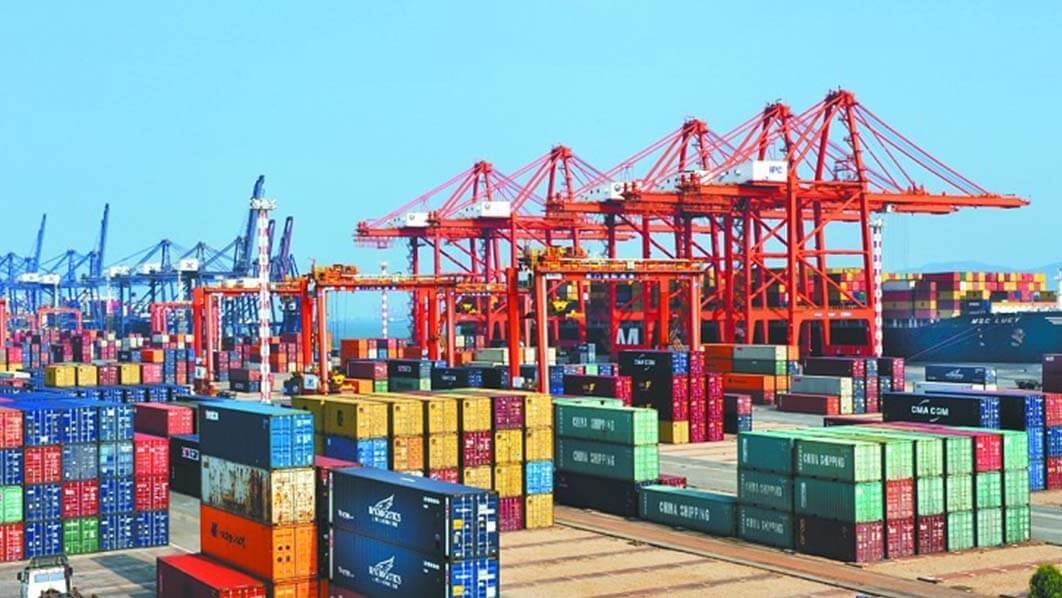
Utilizing ITA services can optimize your import operations. Their resources not only help in compliance but also in identifying new business opportunities.
Dive Deeper into ITA Services for Success
The ITA offers a range of services designed to empower U.S. importers. Market intelligence is one of their standout offerings. By providing detailed reports on market conditions, the ITA allows importers to make data-driven decisions.
Additionally, their export assistance14 programs help identify new opportunities and streamline entry into foreign markets. Trade counseling services provide personalized support, which is beneficial when facing challenges specific to certain regions or products.
Dispute resolution is another critical service. The ITA assists in resolving conflicts that may arise in international trade. This support is crucial for maintaining smooth operations and reducing potential losses.
By leveraging these services, U.S. importers can navigate the complexities of international trade more effectively, ensuring compliance and enhancing their market presence.
Understanding the ITA’s Role in Promoting Fair Trade and Addressing Trade Barriers
The ITA is committed to promoting fair trade practices. Their efforts significantly impact U.S. importers dealing with trade barriers5.
The ITA plays a critical role in advocating for U.S. interests in global trade by addressing unfair trade practices and resolving disputes. U.S. importers benefit from the ITA’s efforts to remove trade barriers5, improve access to markets, and enhance the efficiency of supply chains, ultimately reducing costs and delays.
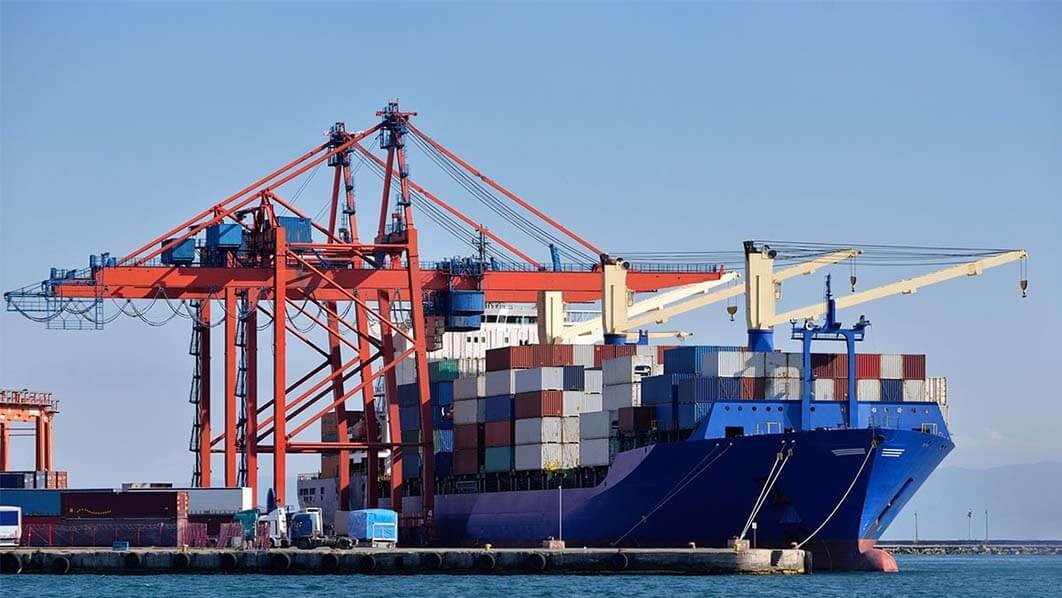
Trade barriers can be a major obstacle for importers. Through advocacy and support, the ITA strives to create a level playing field for U.S. businesses.
Dive Deeper into ITA's Advocacy for Fair Trade
The ITA’s advocacy efforts are crucial in addressing unfair trade practices. They work tirelessly to negotiate terms that benefit U.S. importers. This includes tackling issues such as tariffs and non-tariff barriers that can hinder market access.
The ITA also provides platforms for dialogue between U.S. businesses and foreign governments. This engagement helps to resolve disputes before they escalate, ensuring smoother trade relations. Importers can greatly benefit from these initiatives, as they lead to a more favorable trading environment.
Furthermore, the ITA continuously monitors trade practices globally. This vigilance allows them to act quickly against unfair practices, protecting the interests of U.S. importers and enhancing their competitiveness in the global market.
How U.S. Importers Can Leverage ITA Resources for Market Expansion
For U.S. importers, expanding into new markets can be a game changer. The ITA provides essential resources to facilitate this growth.
U.S. importers can leverage the ITA’s market intelligence7 and trade promotion services17 to identify and enter new international markets. By utilizing ITA tools, importers can access up-to-date trade data4, understand market conditions, and build relationships with global suppliers, enabling smoother expansion into new regions.

Utilizing ITA resources can unlock new opportunities for growth. Their tools and services are designed to help importers succeed in unfamiliar markets.
Dive Deeper into Leveraging ITA Resources
The ITA offers robust market intelligence7 that is critical for understanding potential new markets. By accessing their research, importers can identify trends and assess the viability of entering different regions.
Moreover, the ITA’s trade promotion services17 help connect U.S. importers with potential buyers abroad. These connections are invaluable for establishing a foothold in new markets.
Networking opportunities, such as trade missions, further enable importers to meet with key stakeholders and expand their reach. These interactions often lead to partnerships that drive growth and enhance competitiveness.
Importers should actively engage with ITA resources to maximize their chances of success and secure a strong position in the global marketplace.
The ITA's Core Values and How They Benefit U.S. Importers in International Trade
The ITA's core values guide their mission to support U.S. businesses. Understanding these values can help importers navigate international trade more effectively.
The ITA’s core values focus on transparency18, fairness, and advocacy for U.S. businesses in the global trade arena. By adhering to these values, U.S. importers gain access to reliable trade information, enhanced advocacy in international negotiations, and a stronger position in navigating global trade dynamics.
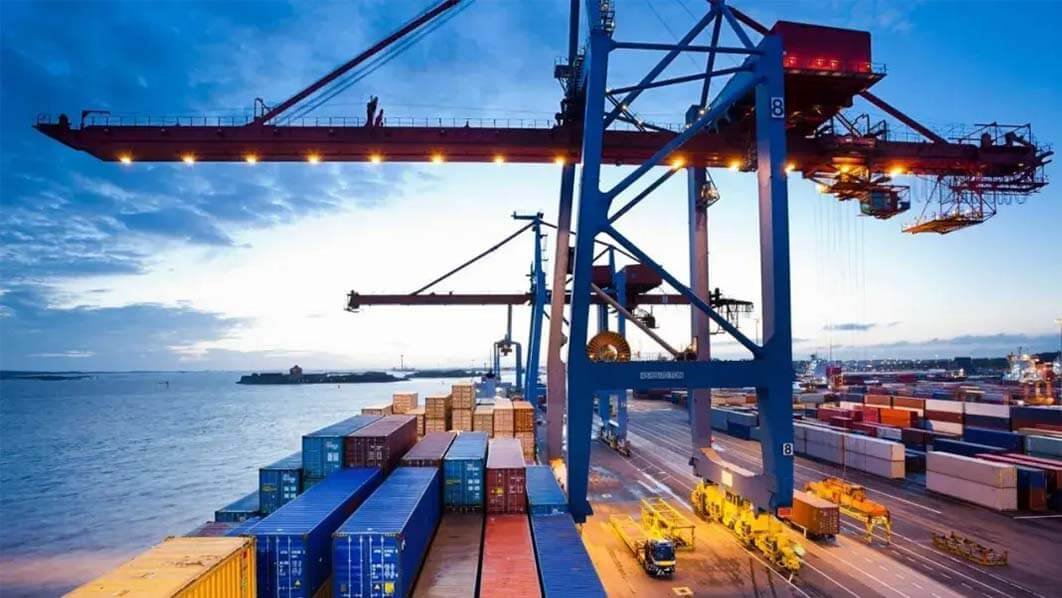
The ITA’s commitment to transparency18 and fairness creates a supportive environment for U.S. importers. Their values ensure that importers can operate with confidence in international markets.
Dive Deeper into the Benefits of ITA's Core Values
The ITA’s focus on transparency18 means that importers can rely on accurate information when making decisions. This is crucial in the fast-passed world of international trade.
Fairness in advocacy ensures that U.S. businesses are well-represented in trade discussions. Importers can count on the ITA to fight for their interests and remove obstacles to trade.
The ITA also conducts regular training sessions and workshops to educate importers about best practices in compliance and navigating trade policies. This dedication to sharing knowledge further empowers U.S. importers, making them more adept at facing global challenges.
By understanding and embracing the ITA's core values, U.S. importers can enhance their operations and competitive edge in international trade.
Conclusion
The ITA is a critical resource for U.S. importers, offering essential services and guidance that facilitate international trade success.
Understanding how the ITA boosts U.S. competitiveness can help importers leverage these strategies for better market positioning. ↩
Exploring ITA's fair trade policies can help importers ensure compliance and benefit from equitable trade practices. ↩
Learning about ITA's market research can provide importers with insights to make informed decisions and identify new opportunities. ↩
Accessing ITA trade data can help importers analyze market trends and optimize their strategies for international trade. ↩
Understanding ITA's role in addressing trade barriers can assist importers in overcoming obstacles and expanding their market reach. ↩
Knowing ITA's compliance support can reduce risks of penalties and ensure smooth international operations for importers. ↩
Accessing ITA's market intelligence can help importers make data-driven decisions and identify growth opportunities. ↩
Knowing about ITA's support for international trade laws can ensure importers' compliance and smooth operations. ↩
Understanding ITA's guidance on trade regulations can help importers stay compliant and avoid legal issues. ↩
Learning about ITA's tariff classification support can help importers avoid costly errors and ensure compliance. ↩
Exploring ITA's market entry strategies can guide importers in successfully entering and competing in new markets. ↩
Participating in ITA trade shows and missions can provide networking opportunities and insights into new markets. ↩
Understanding ITA's trade counseling can offer personalized support to importers facing specific trade challenges. ↩
Exploring ITA's export assistance can help importers identify new markets and streamline their international operations. ↩
Knowing about ITA's dispute resolution services can help importers resolve conflicts and maintain smooth operations. ↩
Understanding ITA's support for supply chain strategies can optimize importers' operations and reduce risks. ↩
Learning about ITA's trade promotion services can help importers connect with global buyers and expand their market presence. ↩
Exploring ITA's transparency can provide importers with reliable data for making informed trade decisions. ↩