Unexpected port fees are ruining your budget. You thought the quote was final, but now a surprise bill arrived. Understand Terminal Handling Charges (THC)1 to prevent these costly surprises.
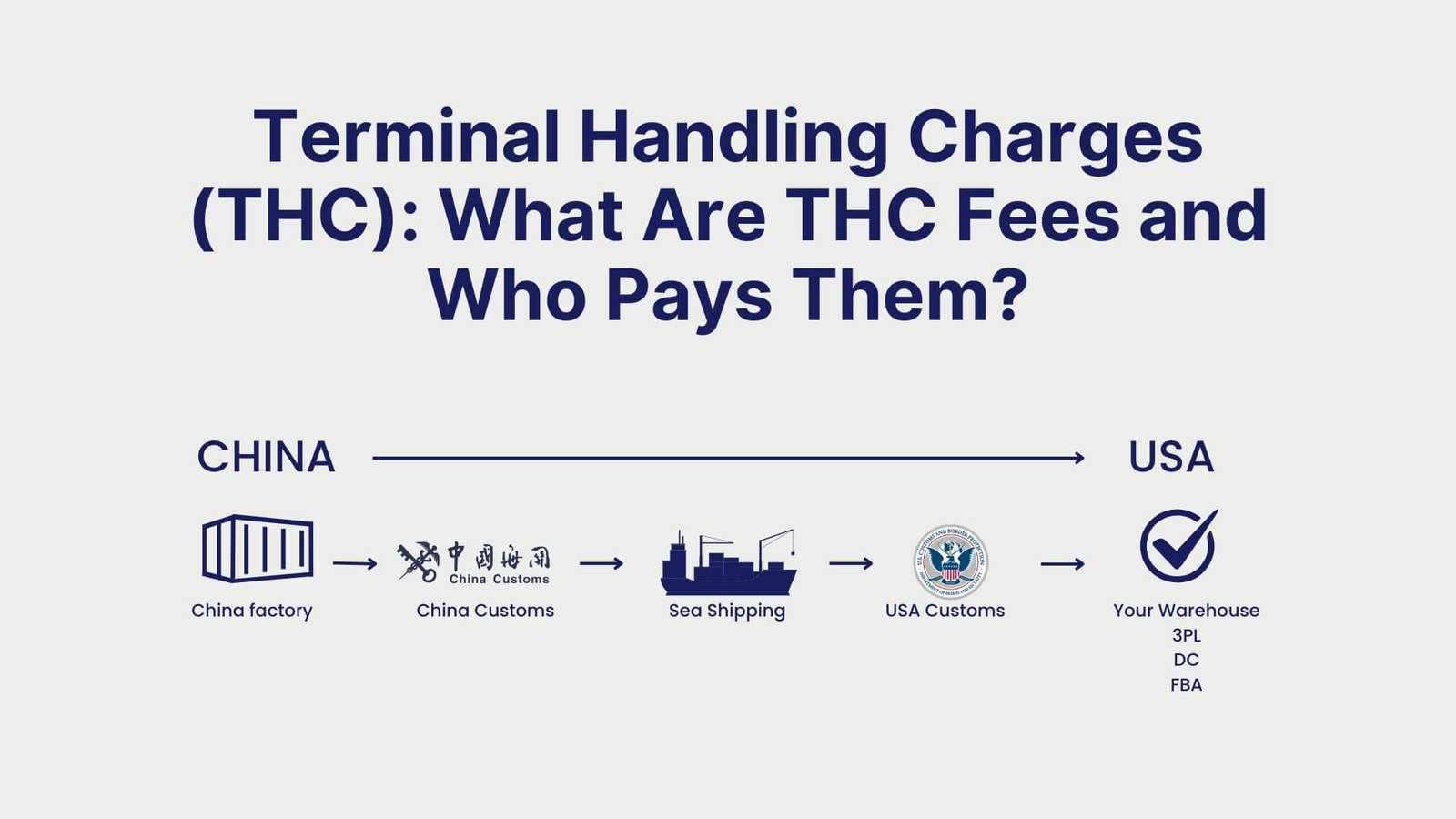
Terminal Handling Charges (THC)1 are fees that port terminals charge for handling your container. This includes services like crane lifts2 and moving the container within the terminal yard3. These fees apply at both the origin and destination ports, and the importer often pays the destination charges4.

You've probably seen a line item for "THC" on a shipping invoice and wondered what it was. Is it a real cost? Is it negotiable? Most importantly, why are you being asked to pay it when you already paid for shipping? These are the exact questions I help my clients answer every day. As a freight forwarder and U.S. customs broker, my job is to make your landed costs5 predictable. A huge part of that is demystifying charges like THC6. Let's break down what these fees are, who is supposed to pay them, and how you can avoid getting hit with unexpected bills. Understanding this single charge is a critical step toward controlling your import costs.
What Are Terminal Handling Charges (THC)1 and Why Do They Exist in Ocean Freight?
You see THC on your invoice but have no idea what it is. Is this a real cost, or is your forwarder just adding junk fees? Let's clarify what this charge covers.
THC are fees from port terminals for handling containers during loading and unloading. They cover essential services like crane lifts2, container yard movements, and basic terminal operations. These charges apply at both origin and destination ports and are separate from the ocean freight cost.
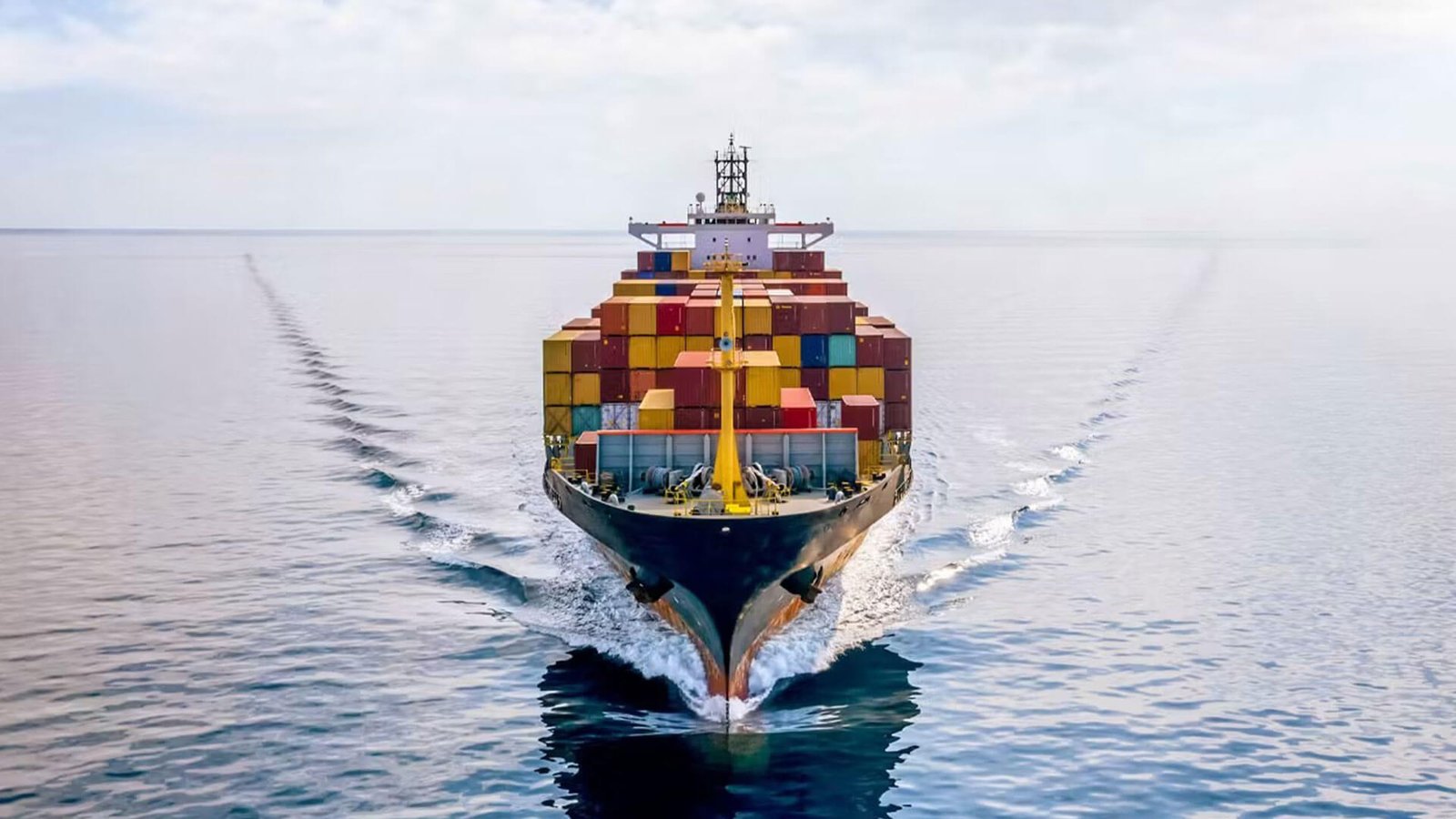
When a container ship arrives at a port, the work has just begun. The containers don't magically move themselves from the ship to the truck that will bring them to your warehouse. This process involves heavy machinery, complex coordination, and a lot of labor. This is where Terminal Handling Charges come from. They are the fees the terminal operators charge for providing these essential services.
Why Ports Charge THC
Think of the port terminal as a specialized landlord7. They own and maintain the massive cranes that lift containers off the ship. They employ the staff who operate the equipment and manage the container yard. They provide the physical space where your container is stored before it's picked up. THC is simply the terminal's fee for using their infrastructure and services. It's a direct cost of doing business at that port, and it's non-negotiable.
THC vs. Ocean Freight8
This is a common point of confusion for many importers. Ocean freight is the cost of moving your container on the vessel from Port A in China to Port B in the USA. THC is the cost of handling your container at Port A and at Port B. The shipping line (the carrier) pays the terminal for these services and then passes that cost on to either the shipper or the consignee. That’s why you see it as a separate line item.
Why Carriers Pass on THC
Shipping carriers like Maersk, MSC, or CMA CGM don't own most of the port terminals. They simply pay to use them, just like an airline pays to use an airport's gates. The THC is a direct, pass-through cost from the terminal operator. Carriers have no incentive to absorb this fee into their freight rates because it varies from port to port and can change frequently. They simply bill it to the party responsible according to the shipping terms.
Who Pays THC Fees Under FOB, CIF, and DDP9, and Why Do Importers Get It Wrong?
Your supplier in China said they handled the shipping costs. But now a U.S. port is sending you a bill for thousands of dollars in THC. Let's look at Incoterms10.
The Incoterm used for your shipment dictates who pays THC. Under FOB and CIF, the buyer (importer) is responsible for destination THC, which is a common surprise. With DDP (Delivered Duty Paid), the seller is responsible for both origin and destination THC.
I've seen so many importers like Mark get caught by this. They budget based on the "freight cost" from their supplier, only to find out that a significant portion of the cost—the destination handling—was never included. The key is to understand what each Incoterm actually covers.
The Reality of FOB, CIF, and DDP9
The Incoterm on your commercial invoice is a legally binding agreement that defines where the seller's responsibility ends and the buyer's begins. This includes who pays for what.
| Incoterm | Origin THC Responsibility | Destination THC Responsibility | Common Importer Mistake |
|---|---|---|---|
| FOB | Seller | Buyer | Assuming the ocean freight quote includes destination THC. It almost never does. |
| CIF | Seller | Buyer | Believing "Cost, Insurance, and Freight" is all-inclusive. It only covers costs to the U.S. port, not at it. |
| DDP | Seller | Seller | This is the safest, but you must work with a trusted forwarder to ensure all costs are truly included. |
Case Study 2: The CIF Cost Shock11
I worked with a furniture importer bringing a container from China to New York. He chose a CIF (Cost, Insurance, and Freight) term, believing it covered all costs to the U.S. His supplier arranged the shipping, and the price seemed great. But once the container arrived in New York, he received an invoice from the carrier's destination agent for over $1,500. This bill included the Destination THC, a documentation fee, and other port charges. He was shocked. He thought CIF meant it was all paid for. This unexpected bill disrupted his cash flow and delayed the release of his cargo while he scrambled to pay it. This is a classic CIF trap.
How Is THC Calculated12 and What Causes the Fees to Vary So Much?
The THC on your last shipment was $800, but this time it's $1,100. You can't budget properly when these costs are always changing. Let's see what causes these variations.
THC is not a single, fixed fee. It changes based on the port, the specific terminal within that port, the shipping carrier, and the container size (e.g., 20ft vs. 40ft). External factors like port congestion can also cause fees to increase suddenly.
I often get asked, "What is the standard THC for Los Angeles?" The truth is, there is no "standard" THC. It's a dynamic cost influenced by several factors, which is why it's so hard for importers to predict if they don't have a good logistics partner.
Key Factors Influencing THC Costs
-
Container Size13: This is the most straightforward factor. A 40-foot or 40-foot High Cube (HC) container is larger and heavier than a 20-foot container. It requires more resources to lift and move, so the THC is always higher. The difference can be several hundred dollars.
-
Port and Terminal Differences14: Not all ports are created equal. The Port of Los Angeles might have higher labor and operational costs than the Port of Houston, leading to higher THC. Even within the same port complex, like LA/Long Beach, there are over a dozen different terminals. Each terminal is run by a different operator (like Fenix Marine, TTI, or WBCT) and each has its own fee structure.
-
Carrier-Specific Schedules15: Shipping lines negotiate their own contracts with terminals. Because of this, Maersk's THC at a specific terminal might be different from CMA CGM's THC at the very same terminal. Your forwarder should know these differences.
-
External Factors16: THC is not static. Terminals can adjust their rates annually. They may also add temporary surcharges. During the major port congestion of 2021-2022, many terminals added a "congestion surcharge" on top of the regular THC to manage the overflow of containers. These unexpected changes can wreck an importer's budget.
Case Study 1: The FOB Cost Shock
An importer of consumer goods was shipping a container from China to Los Angeles under FOB terms. He got several ocean freight quotes and chose the cheapest one, which was around $2,000. He budgeted for this, plus customs duties. When the container landed in LA, he received a "Notice of Arrival" with a bill for an additional $1,200. This included the Destination THC, a chassis fee, and other port fees. His "cheap" quote was suddenly not so cheap. His landed cost per unit was now 15% higher than planned, completely wiping out his profit margin on the shipment.
What Are Common THC Traps That Inflate Landed Costs for U.S. Importers?
You thought you found a fantastic shipping deal online. Then, a wave of hidden fees, starting with THC, completely washed away your savings. Let's expose these common traps.
The biggest THC traps for importers are vague "all-in" quotes that intentionally exclude destination charges and fundamental misunderstandings about CIF terms. These traps lead to surprise invoices from the carrier right before your cargo is released, causing delays and budget overruns.

As a broker focused on protecting my clients' landed costs5, I see these traps every week. They are often set by overseas agents or online platforms that want to lure you in with an artificially low price. They know that by the time you discover the hidden fees, your container is already at the U.S. port, and you have no choice but to pay.
The "All-In" Quote Trap
Many importers find freight forwarders on platforms like Alibaba. They get a quote that says "all-in" or "ocean freight," and it looks incredibly cheap. The problem is, this quote often only covers the costs from the Chinese factory to the U.S. port. It conveniently leaves out all destination charges, with THC being the largest one. The forwarder in China has no obligation to tell you about the costs you will face in the USA.
The CIF and CFR Nightmare17
I've mentioned it before, but it's the most common trap. When you agree to CIF or CFR (Cost and Freight) terms, you let your supplier's forwarder handle the shipping. That forwarder has zero incentive to find you a cost-effective agent in the U.S. Instead, they partner with an agent who gives them the biggest kickback. That U.S. agent then makes their money back by charging you inflated destination fees, including a marked-up THC. You have no power to negotiate because your cargo is already there.
The THC and Demurrage Double-Hit18
Here’s where it gets really painful. You get a surprise THC bill and decide to dispute it. While you're arguing with the carrier's agent, your container is sitting at the port. Your "free time" (usually 4-5 days) runs out, and the port starts charging you demurrage—a storage fee that can be $150-$300+ per day. The delay caused by the THC dispute now results in another, even more expensive, fee.
How Can Importers Control or Even Eliminate Surprise THC Fees?
You feel powerless against surprise port fees. These unexpected costs make it impossible to plan your finances and set your product prices. It's time to take back control.
Importers eliminate THC surprises by using DDP (Delivered Duty Paid) shipping, working with a transparent U.S. customs broker, and demanding a full landed-cost breakdown upfront. This strategy shifts the responsibility for all port fees to your logistics partner, giving you a single, predictable price.
The feeling of getting a surprise bill for thousands of dollars is something no importer should experience. The solution isn't to find a magic way to avoid THC; it's a real cost. The solution is to make it visible and predictable. Here is how my most successful clients do it.
The DDP Advantage19
When you structure your shipment as DDP, you are buying a complete, door-to-door service. As your DDP forwarder, I provide a single, all-inclusive quote that covers everything: pickup in China, ocean freight, insurance, U.S. customs duties, and all port fees, including both Origin and Destination THC. There are no other bills. The price I quote is the price you pay. This is the simplest way to achieve a predictable landed cost.
Use this Importer Checklist to Avoid Surprises
Ask yourself these questions before you book your next shipment.
| Question | If "No" → Your Risk |
|---|---|
| Is destination THC clearly listed as "included" or itemized in your quote? | High risk of surprise charges. |
| Does your Incoterm (FOB, CIF, DDP) match your cost expectations? | Risk of cost disputes with your supplier. |
| Are all destination port fees separated from the ocean freight rate? | High risk of hidden fees. |
| Is your customs clearance coordinated by the same partner handling port release? | Risk of delays and communication gaps. |
| If using DDP, does the quote explicitly state it includes all THC? | Risk of a fake "DDP" quote. |
| Do you receive a full landed-cost breakdown before the cargo ships? | Low visibility and high risk of budget overruns. |
Case Study 3: The DDP Success Story
An electronics importer shipping to Houston was tired of the cost variations he saw with his FOB shipments. For his next order, he asked me for a DDP quote. I provided him with a single, all-inclusive price that covered the entire transit from the factory in Shenzhen to his warehouse in Houston. My quote clearly stated that all origin and destination port fees, including THC, were included. He knew his exact landed cost before the goods even left the factory. The shipment arrived, we handled customs clearance, and the container was delivered without a single extra invoice. He had perfect cost predictability and a smooth delivery.
Conclusion
Terminal Handling Charges aren't expensive, but unplanned THC is. Most disputes come from misunderstanding Incoterms10. The cleanest solution is a DDP structure with a trusted broker who guarantees upfront cost visibility.
Understanding THC is crucial for importers to avoid unexpected costs and manage their shipping budgets effectively. ↩
Crane lifts are a key component of THC, and knowing how they function can help importers understand the fees involved. ↩
This process is part of THC, and understanding it can help importers grasp why these charges are necessary. ↩
Knowing why importers pay these charges can help them plan their budgets and avoid surprises. ↩
Understanding landed costs is essential for importers to calculate the total expenses of getting goods to their destination. ↩
Demystifying these charges helps importers avoid unexpected fees and better manage their shipping expenses. ↩
This analogy helps importers understand the role of port terminals and the fees they charge. ↩
Understanding the distinction between these costs is crucial for importers to avoid confusion and budget accurately. ↩
These terms dictate who pays THC, and understanding them can prevent costly mistakes for importers. ↩
Incoterms define the responsibilities of buyers and sellers, crucial for understanding who pays THC. ↩
Learning about this common pitfall can help importers avoid unexpected costs and budget overruns. ↩
Knowing how THC is calculated helps importers anticipate costs and avoid budget surprises. ↩
Understanding the impact of container size on THC can help importers choose the most cost-effective shipping options. ↩
Knowing these differences can help importers select ports and terminals that align with their budget. ↩
Understanding these schedules can help importers anticipate THC variations and plan accordingly. ↩
Being aware of these factors can help importers prepare for potential cost fluctuations. ↩
Understanding this common issue can help importers avoid inflated fees and ensure cost transparency. ↩
Avoiding this costly situation can save importers from significant financial losses. ↩
Exploring the DDP Advantage can help importers achieve predictable costs and avoid surprise fees. ↩