The shipping process from China to the U.S. can seem daunting. Many U.S. importers face challenges that may lead to costly mistakes and delays.
When shipping from China to the U.S., import duties and taxes are typically applied based on the Harmonized Tariff Schedule (HTS). The duty rate depends on the product type and country of origin. Importers must understand these rates to avoid unexpected costs and ensure compliance with U.S. Customs and Border Protection (CBP)1 regulations.

Navigating the complexities of shipping can be overwhelming. However, understanding import duties, shipping processes, and common customs issues can ease the burden.
Import duties and taxes can be confusing. They are often a significant part of the shipping costs.
Import duties and taxes depend on the product type and the Harmonized Tariff Schedule (HTS). Knowing these can help avoid unexpected costs and ensure compliance with U.S. Customs regulations.
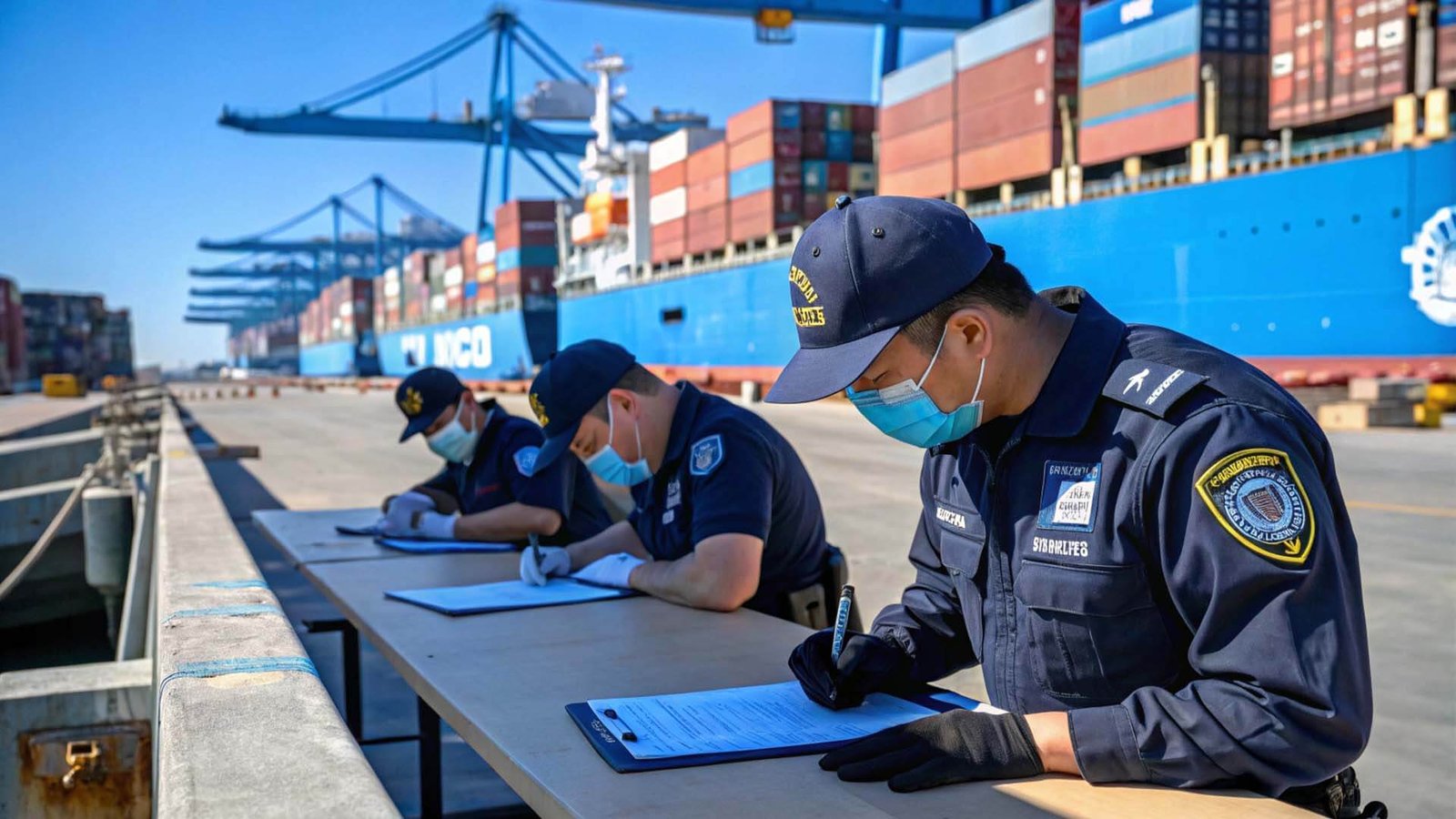
Understanding how import duties are calculated is essential. Duties are usually a percentage of the shipment's value. Often, importers misclassify goods, leading to incorrect duty calculations.
To manage import tax responsibilities2 effectively, it’s crucial to keep detailed records. This includes invoices, shipping documents, and any communications with your customs broker. Utilizing a knowledgeable customs brokerage service3 can help navigate the paperwork and ensure compliance, reducing the risk of customs delays.
Understanding the Shipping Process: From China to the USA?
Shipping from China to the U.S. involves several key steps, and each plays a vital role.
The shipping process includes selecting a method (air or ocean freight), preparing documentation, and clearing customs. Choosing the right method depends on time constraints and budget considerations.
Selecting the appropriate shipping method is critical. Air freight is faster but often more expensive than ocean freight. Ocean freight, while slower, is generally more economical for larger shipments.
After choosing your shipping method, you will need to prepare the necessary documentation. This includes commercial invoices4, packing lists, and certificates of origin. Tracking shipments and maintaining communication with freight forwarders can help manage potential delays. Effective customs clearance5 relies on accurate paperwork and proper coordination between freight forwarders and customs brokerage service3s.
Common Issues During Customs Clearance and How to Resolve Them?
Customs clearance can present several challenges, and these must be addressed promptly.
Common customs issues include incorrect documentation, misclassified goods, and failure to meet regulatory requirements6. Working with a knowledgeable customs broker helps resolve these issues quickly.
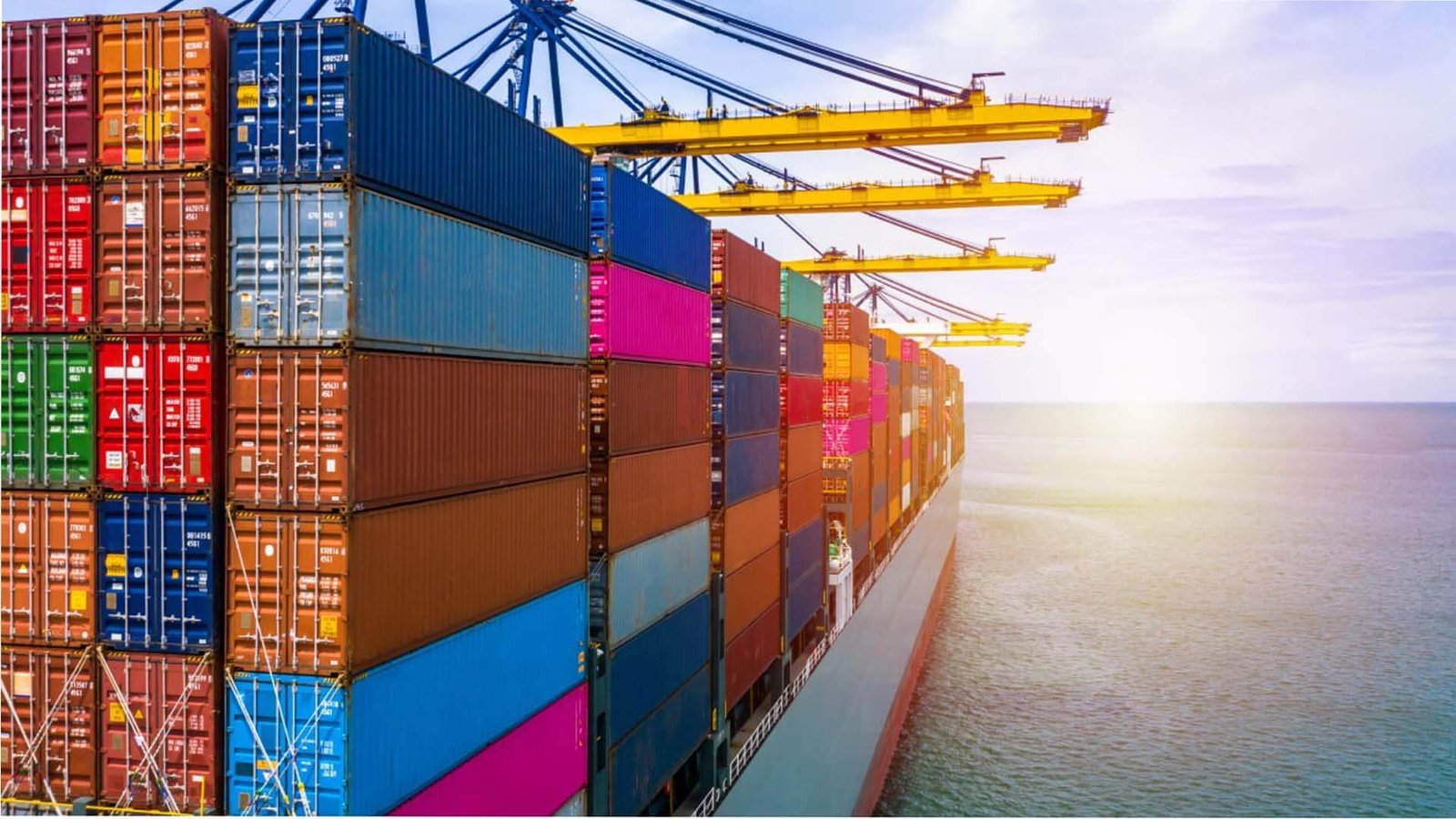
Frequent customs problems arise from incomplete or inaccurate paperwork. Items listed incorrectly can lead to delays or penalties. Prohibited goods may cause immediate rejection upon arrival.
To mitigate these issues, ensure all documentation is complete and accurate. Engaging a qualified customs broker is essential in navigating these hurdles. They can provide insights into regulatory requirements6 and assist in resolving discrepancies quickly, preventing costly delays.
Avoiding Mistakes in Import Duties and Tariff Calculations?
Mistakes in calculating duties and tariffs can be costly for importers.
Common miscalculations arise from misclassifying products or overlooking specific exemptions. Understanding U.S. tariff codes7 and consulting with a qualified customs broker is crucial to avoid errors.
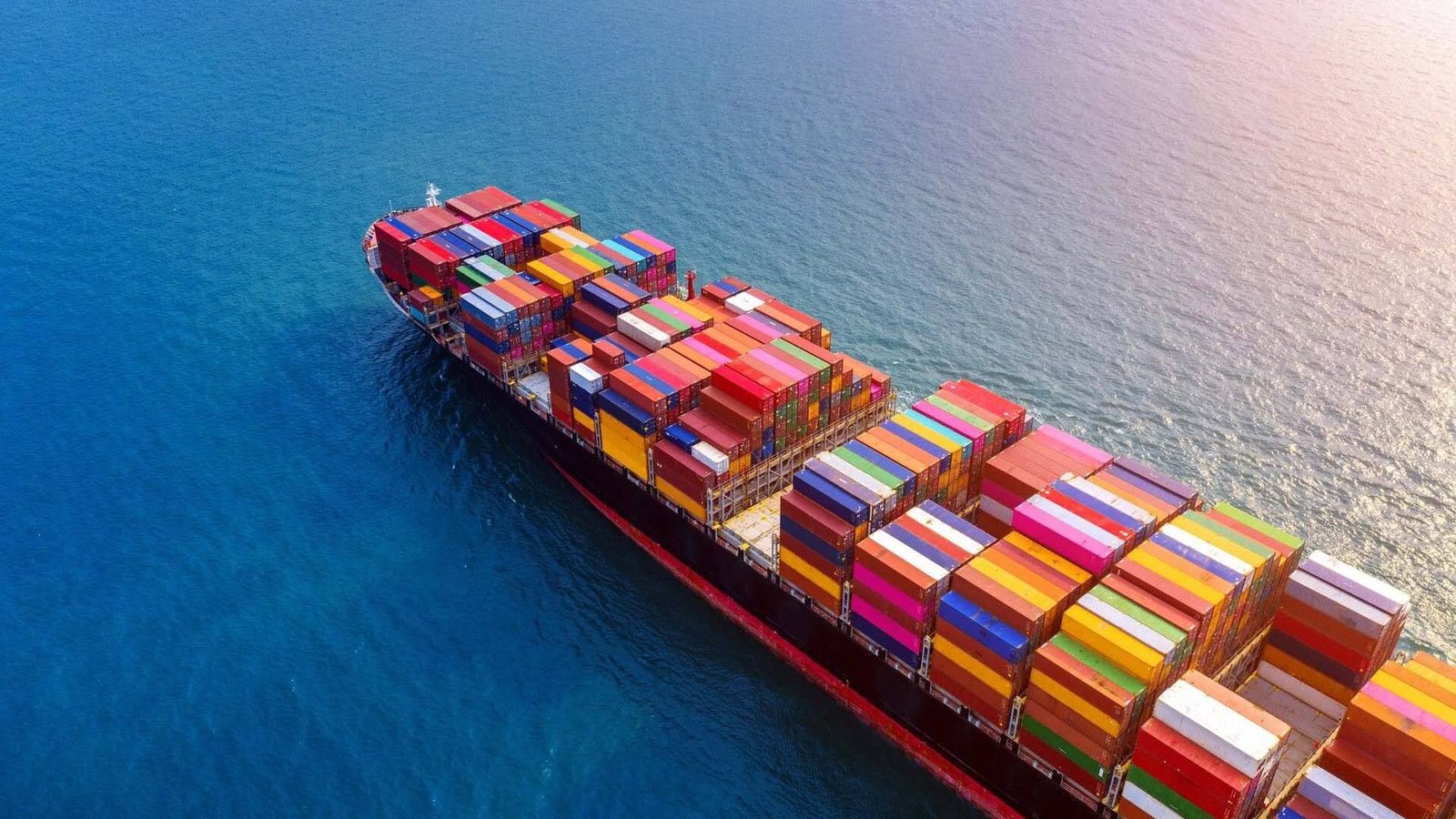
Properly classifying goods is vital for accurate duty calculations. Tariff codes can be complex, and keeping up with changes can be challenging. Regularly review product classifications and consult resources available from customs agencies.
Using expert assistance can simplify this process. A customs broker can provide guidance on which code fits your product best, ensuring compliance with U.S. regulations. Staying informed about tariff changes helps businesses avoid unexpected costs related to imports.
What Are the Risks of Shipping from China and How to Mitigate Them?
Shipping from China involves several risks that businesses must consider.
Delays, damaged goods, and customs issues represent significant risks. Working with reliable freight forwarders, using proper packaging, and ensuring accurate documentation can help mitigate these risks.
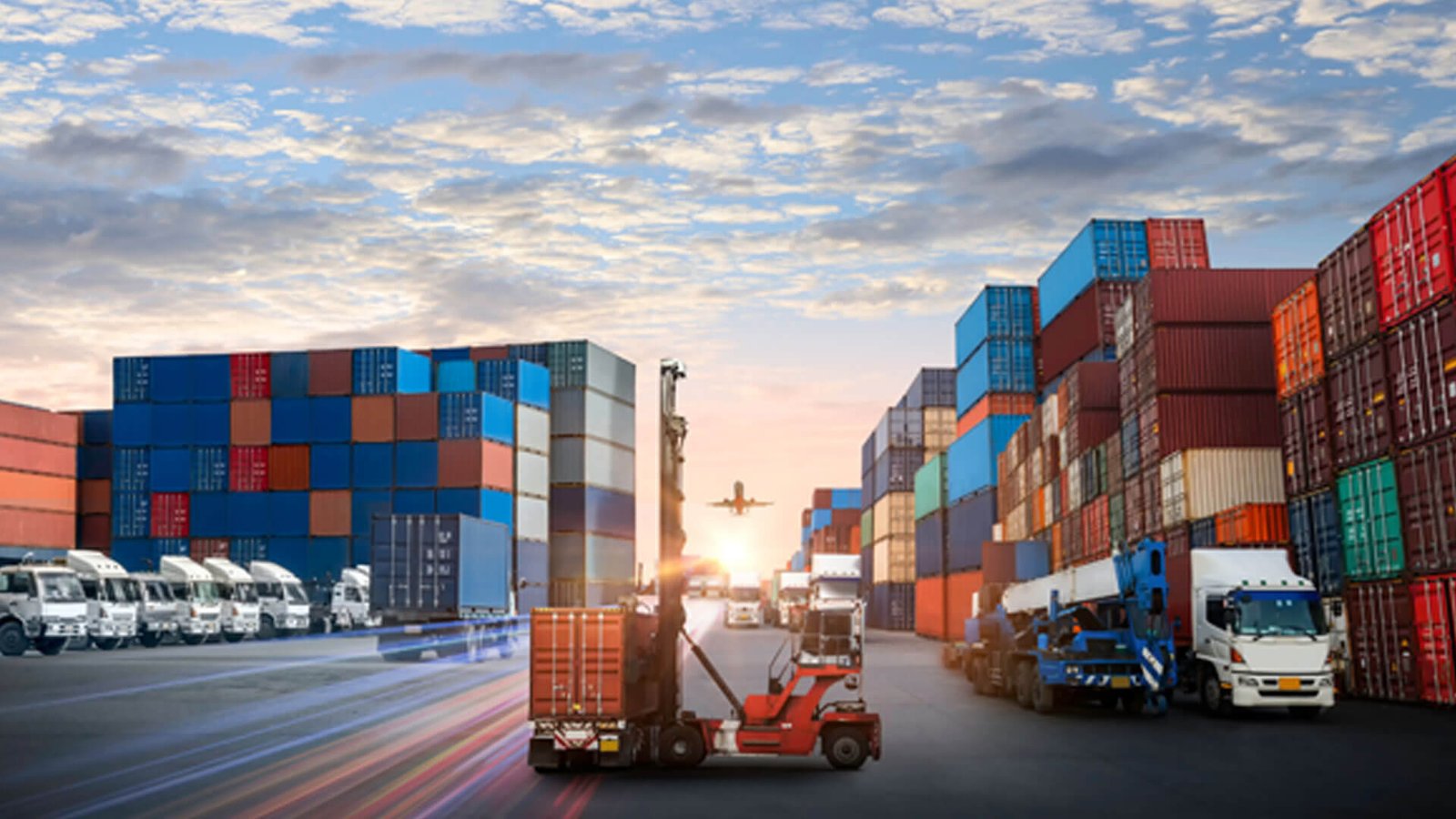
The risks include delayed shipments due to customs scrutiny or shipping line issues. Additionally, damages during transit can occur without proper packaging.
To reduce these risks, select reputable shipping partners who have a track record of reliability. Use high-quality packaging materials to protect goods during transit. Ensure that all documentation is thoroughly checked and in order before shipment to prevent customs delays.
Shipping Methods: Which Option is Best for Your Business?
Choosing the right shipping method affects cost and delivery time.
Air freight is faster, while ocean freight is more economical for larger shipments. The choice depends on shipping speed, cost considerations, and product types.

Air freight is ideal for urgent shipments, offering speed but at a higher cost. On the other hand, ocean freight is best for bulk items, balancing cost and delivery time.
Consider the nature of your goods and urgency. If you’re shipping time-sensitive products, air freight may be necessary. For larger volumes at lower costs, ocean freight often makes sense. Weighing these options carefully ensures you choose the best method for your business needs.
Conclusion
Importing goods from China requires careful planning and understanding of customs, duties, and shipping methods8. Partnering with professionals can streamline the process and help ensure a cost-effective experience.
Exploring CBP's role helps importers understand compliance requirements and avoid costly mistakes. ↩
Managing import tax responsibilities is essential to avoid unexpected costs and ensure compliance. ↩
A customs brokerage service can simplify the import process and ensure compliance, reducing the risk of delays. ↩
Commercial invoices are critical for customs clearance and accurate duty calculations. ↩
Understanding customs clearance challenges can help importers prepare and avoid delays. ↩
Familiarity with regulatory requirements ensures smooth customs clearance and compliance. ↩
Tariff codes are essential for accurate duty calculations and compliance with regulations. ↩
Understanding various shipping methods helps businesses choose the best option based on cost and urgency. ↩