The first paragraph, which uses PAS formula to grab the reader's attention (max 30 words). Shipping from China to the USA can be complex. U.S. importers1 must navigate shipping methods, costs, duties, and customs. Without clear guidance, mistakes can be costly and time-consuming.
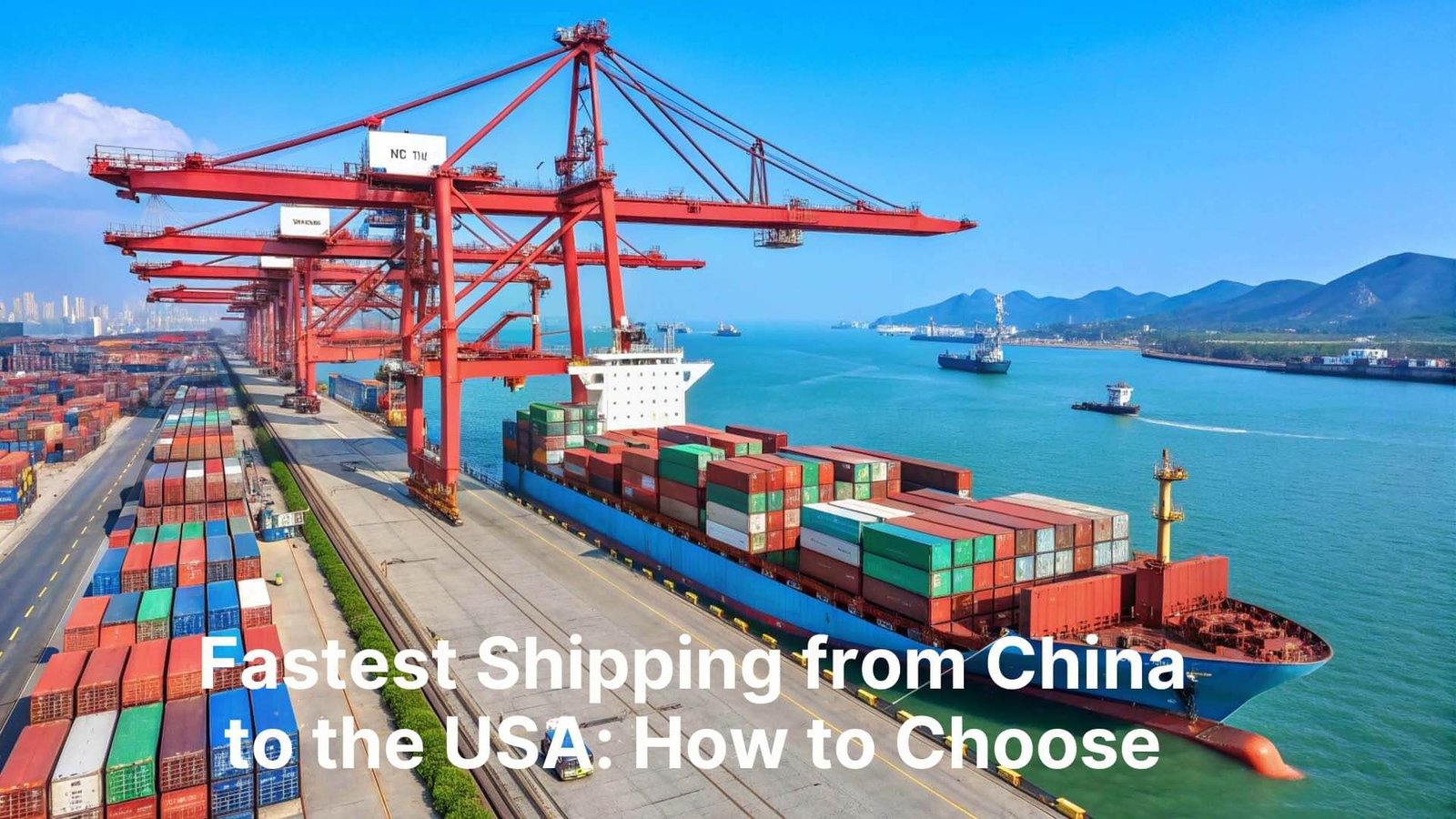
second paragraph at the beginning, answering the question posed by the title, this paragraph must be HELPFUL to the reader and will be used later to compete for Google's Featured Snippets. (max 50 words) U.S. importers1 shipping from China typically choose ocean freight2 for cost efficiency or air freight3 for speed-sensitive cargo. The right method depends on shipment volume, delivery timelines, budget constraints, and risk tolerance, making mode selection a strategic decision rather than a simple price comparison.
The shipping process can seem overwhelming. Importers often worry about costs, delays, and regulations. But understanding the available shipping methods can simplify decision-making and lead to better outcomes. Let's dive into shipping methods to see what works best for your business.
What Shipping Methods from China to the USA Best Balance Cost, Transit Time, and Reliability for U.S. Importers?
Shipping from China to the USA requires careful consideration of costs and delivery times. Importers must weigh their options carefully. Ocean freight is typically the most cost-effective method for larger shipments. It usually takes longer, but if time is flexible, it can save significant money.
On the other hand, air freight3 is ideal for smaller shipments that need to arrive quickly. It's more expensive but offers speed and reliability. Each method has its pros and cons, so understanding your business's specific shipping needs is crucial.
Here's a breakdown of the shipping methods:
| Shipping Method | Cost | Transit Time | Best For |
|---|---|---|---|
| Ocean Freight | Low | 20-40 days | Large shipments |
| Air Freight | High | 1-5 days | Urgent shipments |
| FCL (Full Container Load)4 | Moderate | 20-40 days | Large volumes |
| LCL (Less than Container Load)5 | Moderate | 20-40 days | Smaller shipments |
The mode of shipping you select depends on numerous factors. The volume of goods, budget, and urgency all play a role in making the right choice. Evaluate all these factors to ensure you choose the right method for your business needs.
Cost control is essential for U.S. importers1. Understanding freight costs6 and volatility is crucial in this ever-changing market. If you ignore these factors, your shipping budget could easily spiral out of control. Let’s explore the various influences on freight costs6.
How Do Freight Costs, Surcharges, and Market Volatility Impact Shipping Rates from China to the United States?
Shipping rates from China to the USA fluctuate due to fuel costs, carrier capacity, seasonal demand, port congestion, and surcharges. Understanding these cost drivers helps importers forecast budgets more accurately and avoid unexpected increases that can erode margins.
Fuel prices can significantly impact freight costs6. When fuel prices rise, carriers often pass those costs onto importers through surcharges. Moreover, if there is a shortage of shipping containers or space, rates may increase.
| Cost Driver | Impact on Rates |
|---|---|
| Fuel Prices | Direct correlation |
| Carrier Capacity | Limited supply increases rates |
| Seasonal Demand | Higher demand during peak seasons raises costs |
| Port Congestion | Delays lead to additional fees |
Market volatility means that rates can change at any time. Keeping a close eye on market trends and having a flexible shipping strategy can help you respond to these changes effectively. It's a balancing act, but with the right knowledge, you can manage these variables.
Import duties and tariffs can add unexpected costs to your shipments. Understanding these charges is vital for accurate pricing and budgeting. Let’s clarify what you may encounter when importing goods from China.
What Import Duties, Section 301 Tariffs, and Taxes Apply When Shipping Goods from China to the USA?
Importing from China may involve customs duties, Section 301 tariffs7, Merchandise Processing Fees, and Harbor Maintenance Fees. Accurate HS classification and tariff planning are essential to calculating true landed cost and avoiding overpayment or compliance penalties.
Import duty rates can vary based on the type of goods you are importing. Some products may be heavily taxed due to trade agreements or tariffs imposed during trade negotiations. Section 301 tariffs7, for instance, can add additional costs depending on the product category.
| Duty Type | Description |
|---|---|
| Import Duty | Tax on imported goods |
| Section 301 Tariffs | Additional tariffs on specific goods |
| Merchandise Processing Fee | Fee for customs processing |
| Harbor Maintenance Fee | Fee for port services |
Understanding these duties and how they apply to your goods is crucial. Proper classification and compliance can prevent costly surprises down the line.

Navigating customs can be complex. However, U.S. customs clearance8 is a critical step in getting your goods to market. Let’s look at how the process works and what documents you’ll need.
How Does U.S. Customs Clearance Work for China Shipments and What Documentation Is Required?
U.S. customs clearance8 requires filing entry data with CBP, submitting commercial invoices9, packing lists, and paying all applicable duties and taxes. Proper documentation and advance compliance preparation help prevent customs exams, shipment holds, and clearance delays.
The customs process begins with the submission of necessary documents. Incorrect or missing documents can lead to delays, additional fees, or even fines. It’s vital to ensure that everything is in order before your shipment arrives at the U.S. port.
| Required Document | Purpose |
|---|---|
| Commercial Invoice | Lists the goods and their value |
| Packing List | Details the contents of the shipment |
| Entry Manifest | Required for clearance process |
| Payment of Duties | Necessary for release from customs |
Understanding these requirements can streamline the process effectively.

Every detail matters in shipping. Small mistakes can lead to significant issues. Let’s examine some common errors that can cause delays or penalties.
What Common Shipping and Compliance Mistakes from China Cause Delays, Exams, or Penalties in the U.S.?
Common mistakes when shipping from China include incorrect HS codes, undervaluation10, missing documents, and non-compliant labeling. These errors often trigger customs exams, penalties, or cargo holds, disrupting supply chains and increasing total landed cost.
One common mistake is undervaluing goods to reduce duty costs. This can lead to severe penalties if caught. Similarly, using the wrong HS codes can result in incorrect duties being assessed, further complicating your shipping process.
| Common Mistake | Consequence |
|---|---|
| Incorrect HS Codes | Delays and penalties |
| Undervaluation | Serious fines |
| Missing Documents | Cargo holds |
| Non-compliant Labeling | Increased scrutiny from customs |
Avoiding these mistakes requires attention to detail and a thorough understanding of customs regulations.
Reducing risk is essential for any importing operation. Let’s explore strategies that U.S. importers1 can employ to manage costs and risks effectively.
How Can U.S. Importers Reduce Risk and Total Landed Cost When Shipping from China at Scale?
U.S. importers1 reduce risk and cost by consolidating shipments, selecting optimal routing11, pre-classifying goods12, and coordinating freight and customs processes. Working with experienced logistics partners13 improves visibility, minimizes errors, and supports scalable importing operations.
Consolidating shipments can lead to lower costs, while choosing the right routing helps avoid delays. Pre-classifying goods and ensuring compliance can also prevent unexpected costs associated with customs examinations.
| Strategy | Benefit |
|---|---|
| Shipment Consolidation | Lower shipping costs |
| Optimal Routing | Faster delivery times |
| Pre-classification | Reduced risk of penalties |
| Expert Logistics Partner | Improved process efficiency |
Having a solid strategy can help you manage costs while reducing risk. This will ensure your business runs smoothly.
Conclusion
Shipping from China to the USA involves various methods, costs, and customs requirements. Understanding these factors is essential for successful importing.
Learn about the specific challenges U.S. importers encounter when dealing with shipments from China, and how to overcome them effectively. ↩
Discover why ocean freight is often the most cost-effective option for large shipments, and how it can save your business money. ↩
Find out the benefits of using air freight for urgent shipments, including speed and reliability, to make informed shipping decisions. ↩
Understand when opting for Full Container Load is beneficial for your business, especially for large volume shipments. ↩
Learn about the advantages of Less than Container Load shipping for smaller shipments and how it can optimize your logistics. ↩
Explore how freight costs can affect your shipping budget and strategies to manage these expenses effectively. ↩
Learn about Section 301 tariffs and how they can influence the cost of importing goods from China. ↩
Explore the U.S. customs clearance process to ensure your shipments are compliant and avoid delays. ↩
Discover the role of commercial invoices in the shipping process and how they facilitate customs clearance. ↩
Learn about the risks associated with undervaluing goods in shipping and the potential penalties involved. ↩
Explore the concept of optimal routing in shipping and how it can improve delivery times and reduce costs. ↩
Understand the benefits of pre-classifying goods to avoid customs issues and streamline the shipping process. ↩
Discover how working with experienced logistics partners can improve shipping efficiency and reduce errors. ↩