Shipping goods from Vietnam to the USA can be daunting. Understanding the methods, costs, and customs involved is crucial for U.S. importers.
U.S. importers typically use ocean freight1 for cost-efficient shipments from Vietnam, while air freight2 supports time-sensitive or high-value cargo. The best option depends on shipment volume3, delivery deadlines, port congestion4, and risk tolerance, making shipping-mode selection a strategic business decision.
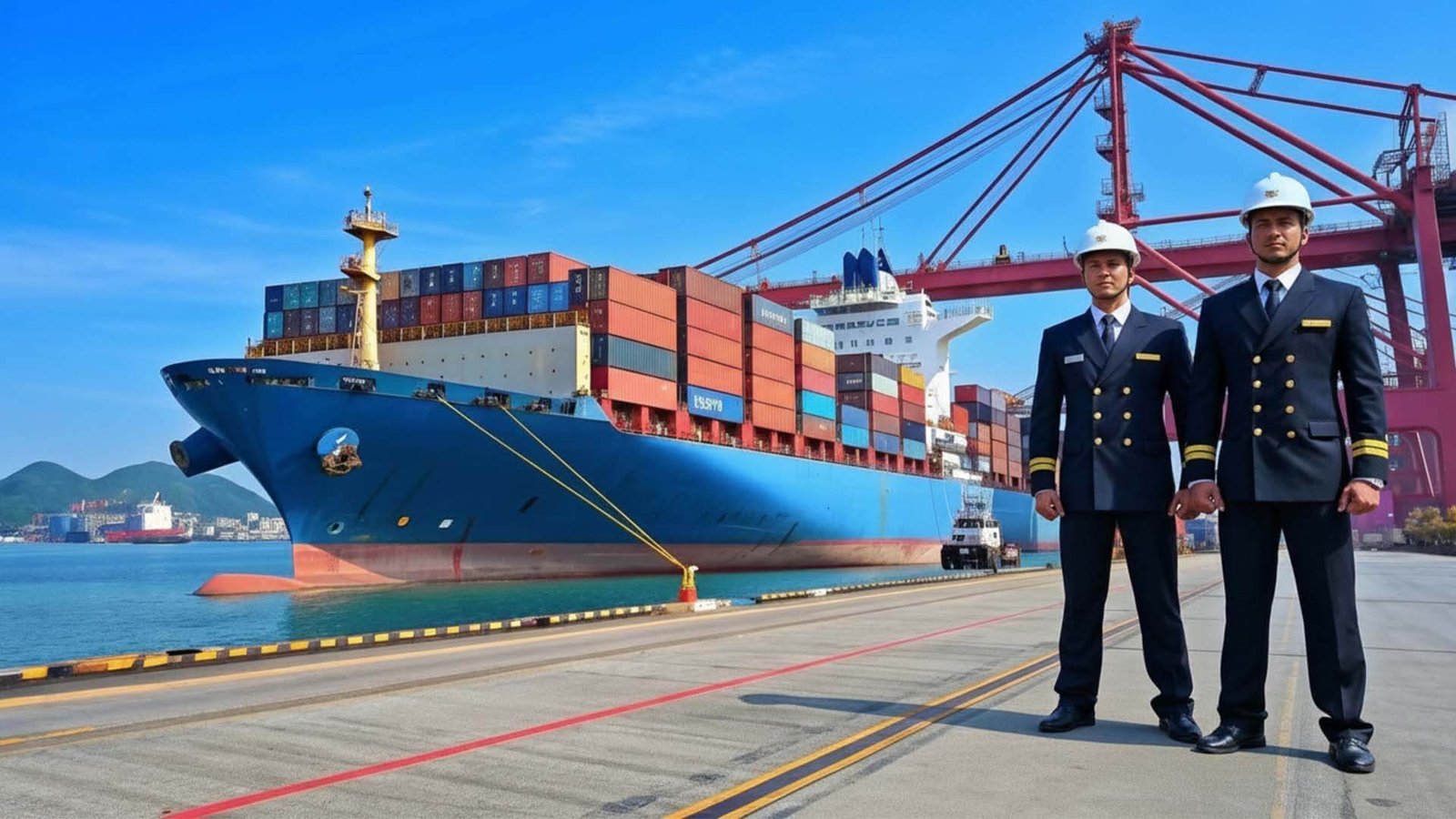
Navigating the world of logistics is no easy task. Many importers find themselves overwhelmed by the choices and regulations. But understanding the basics can help you make better decisions and avoid pitfalls along the way.
What Shipping Methods from Vietnam to the USA Best Balance Cost, Transit Time, and Reliability for U.S. Importers?
Shipping methods play a critical role in the logistics process. Choosing the right one can save you time and money. The two main options are ocean freight1 and air freight2.
Ocean freight is often considered the most cost-effective for large shipments. It typically takes longer but is ideal for bulk imports. Air freight, on the other hand, is faster and more reliable for urgent shipments, though it comes at a higher cost.
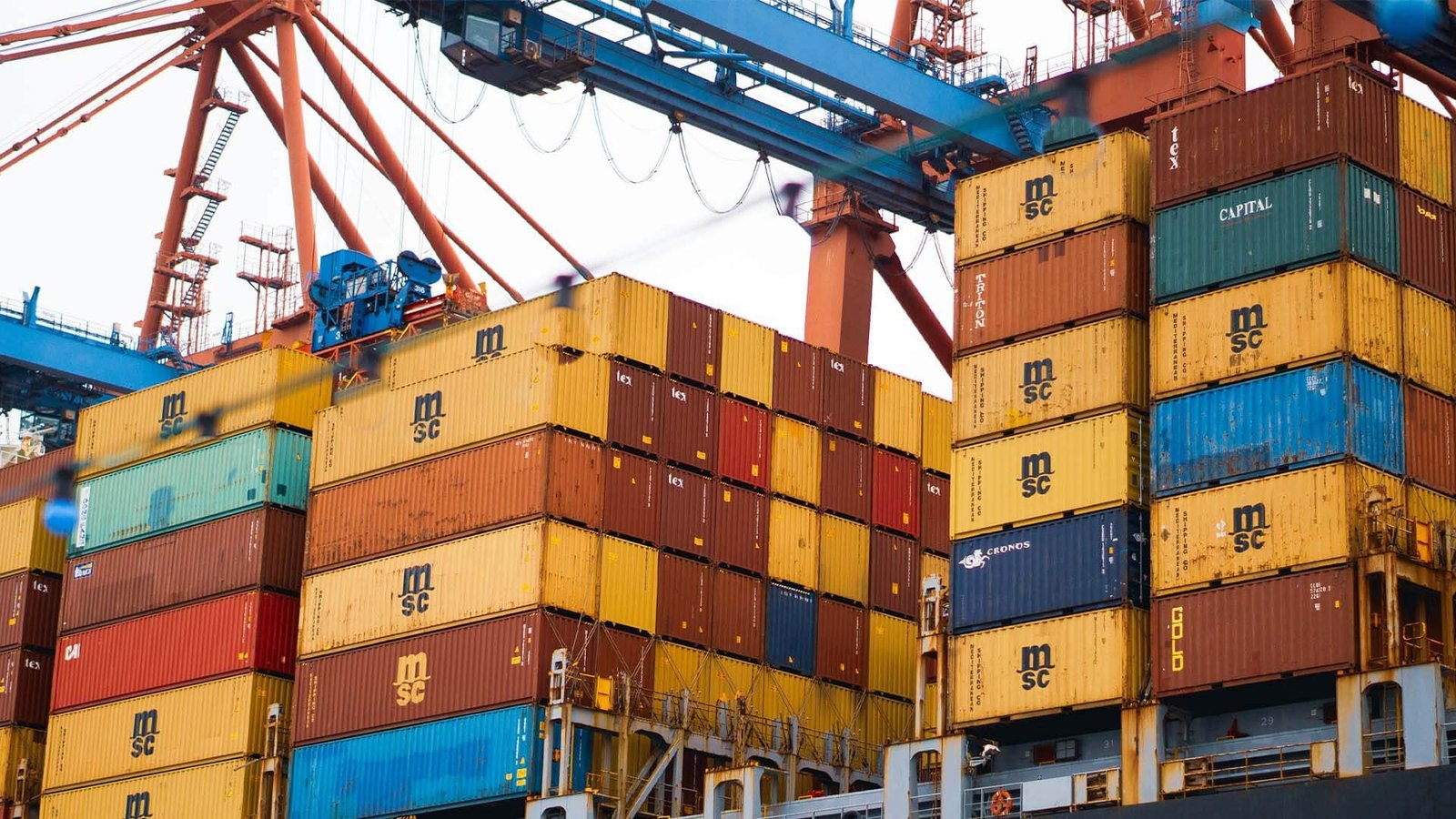
When deciding on a shipping method, consider factors like shipment volume3, weight, and time sensitivity. Ocean freight may take weeks to reach the U.S., while air freight2 can deliver in just a few days. However, ocean freight1 can handle larger shipments at a lower cost per unit.
| Shipping Method | Cost | Transit Time | Reliability |
|---|---|---|---|
| Ocean Freight | Low | 2-6 weeks | Moderate |
| Air Freight | High | 1-5 days | High |
Selecting the right shipping method is more than just about cost. It involves weighing the importance of speed versus budget. Understanding the needs of your business will guide you in making this decision.
How Long Does Shipping from Vietnam to the USA Take and What Factors Commonly Cause Delays?
Shipping times can vary significantly. Generally, ocean freight1 takes several weeks, while air freight2 is much quicker.
Shipping from Vietnam to the USA usually takes several weeks by ocean and significantly less time by air. Delays commonly occur due to port congestion4, vessel scheduling changes, customs inspections5, weather disruptions, or inland transportation bottlenecks after arrival.
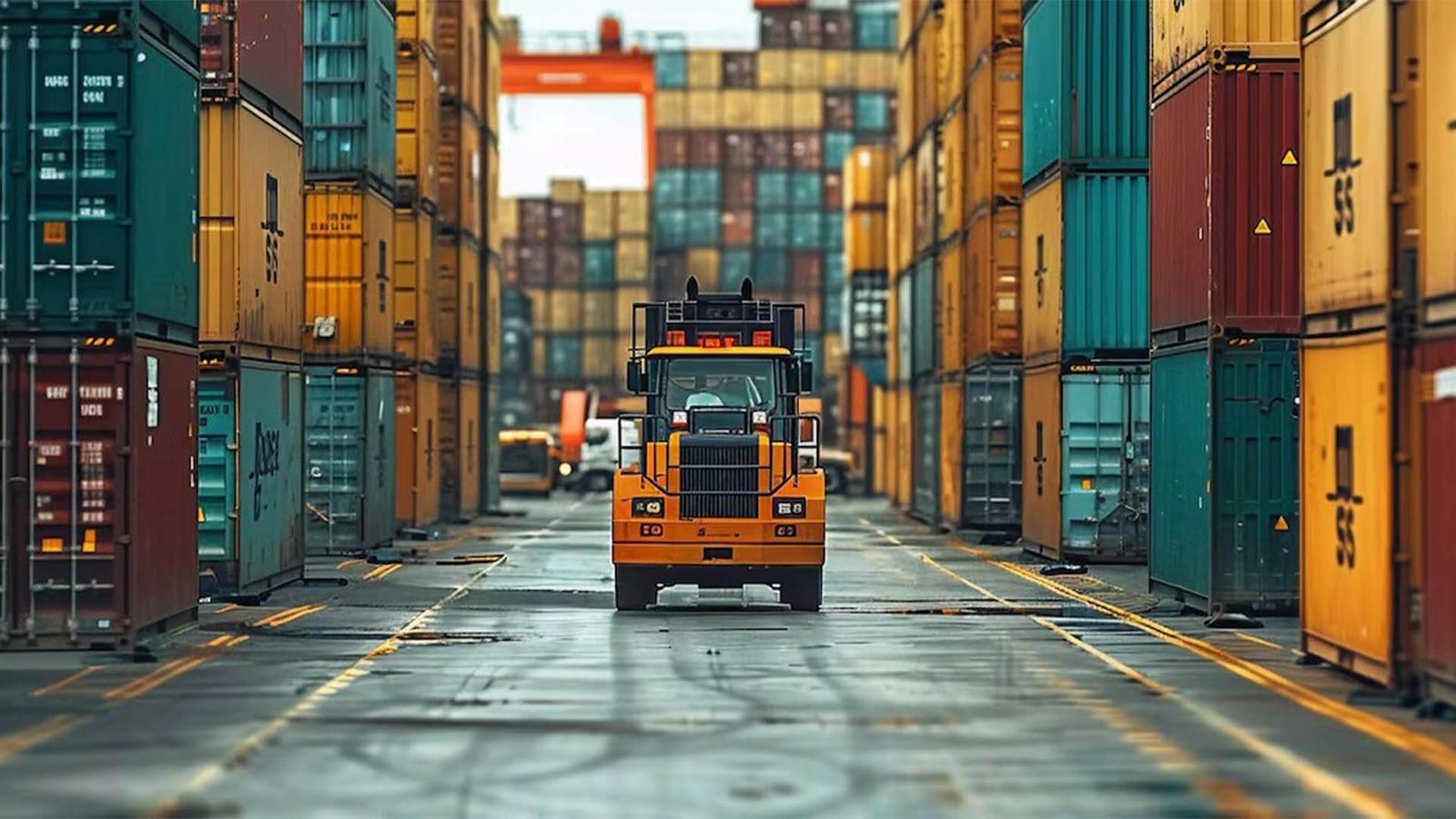
When planning your shipments, it's essential to consider these factors. Port congestion can cause significant delays. Customs inspections may also take additional time if documents are not in order.
| Factor | Potential Delay |
|---|---|
| Port Congestion | 1-2 weeks |
| Customs Inspections | 3-7 days |
| Weather Disruptions | Varies |
Monitoring these potential issues can help you predict delays and plan your logistics accordingly. It's essential to stay in touch with your freight provider to get real-time updates.
How Do Freight Rates, Container Costs, and Surcharges Shape the Total Shipping Cost from Vietnam?
Understanding the cost structure is vital for importers. Total shipping costs encompass various elements beyond just freight rates6.
Total shipping cost from Vietnam includes base freight rates6, container charges7, fuel and peak-season surcharges, port handling fees, and inland transport. Understanding these components helps importers forecast budgets accurately and avoid unexpected landed-cost increases.
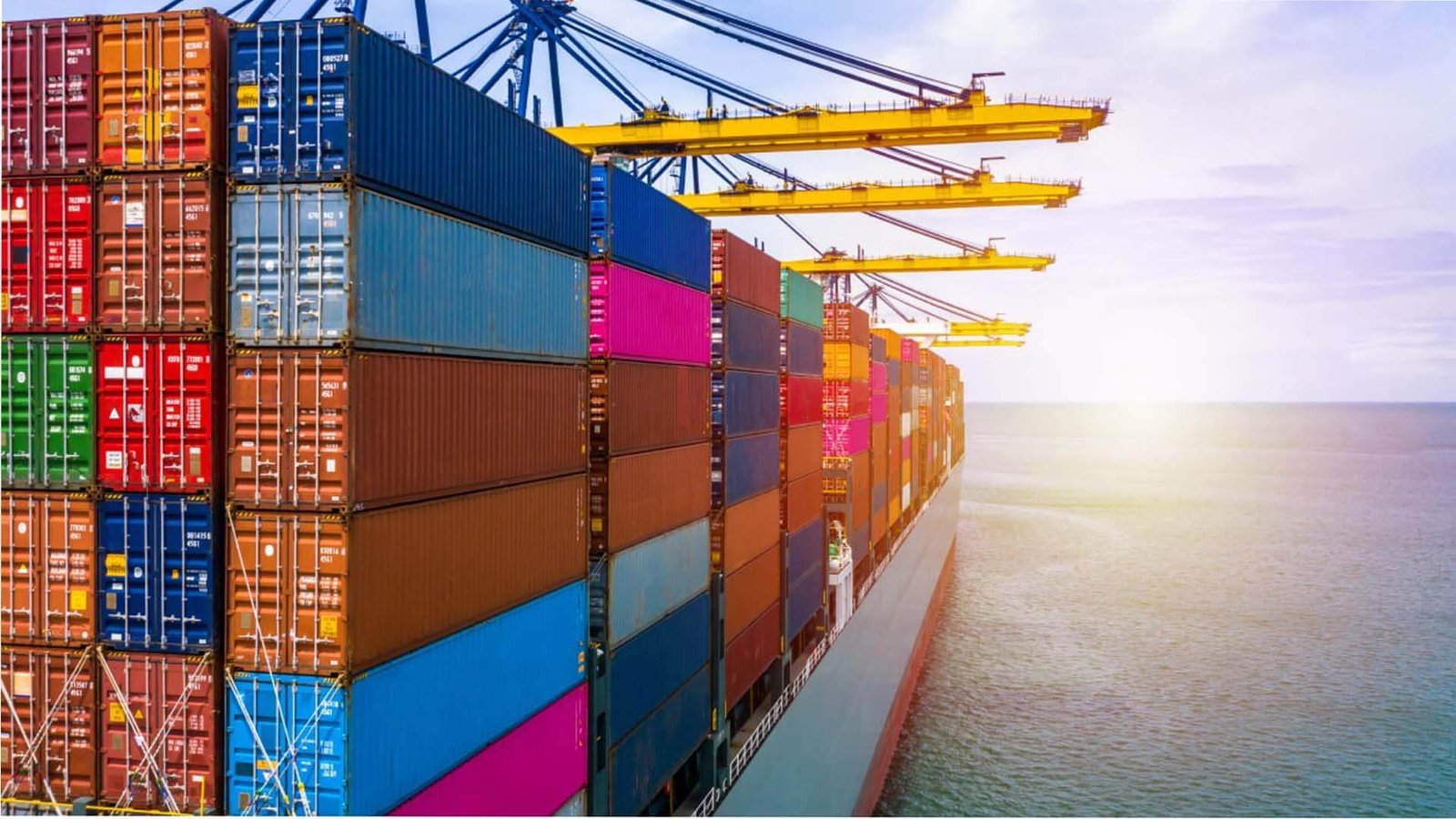
Freight rates can fluctuate based on market conditions. Container costs vary depending on size and availability. Additionally, surcharges can apply during peak seasons or due to increased demand.
| Cost Component | Description |
|---|---|
| Base Freight Rate | Charge for transportation |
| Container Charges | Cost for using a shipping container |
| Fuel Surcharges | Additional charges based on fuel prices |
| Port Handling Fees | Charges for services at ports |
| Inland Transport | Costs for moving goods after customs clearance |
Understanding the full cost structure allows importers to plan budgets more effectively and avoid surprises. It's also wise to build relationships with freight forwarders who can provide guidance.
How Does U.S. Customs Clearance Work for Vietnam-Origin Goods and What Duties or Trade Rules Apply?
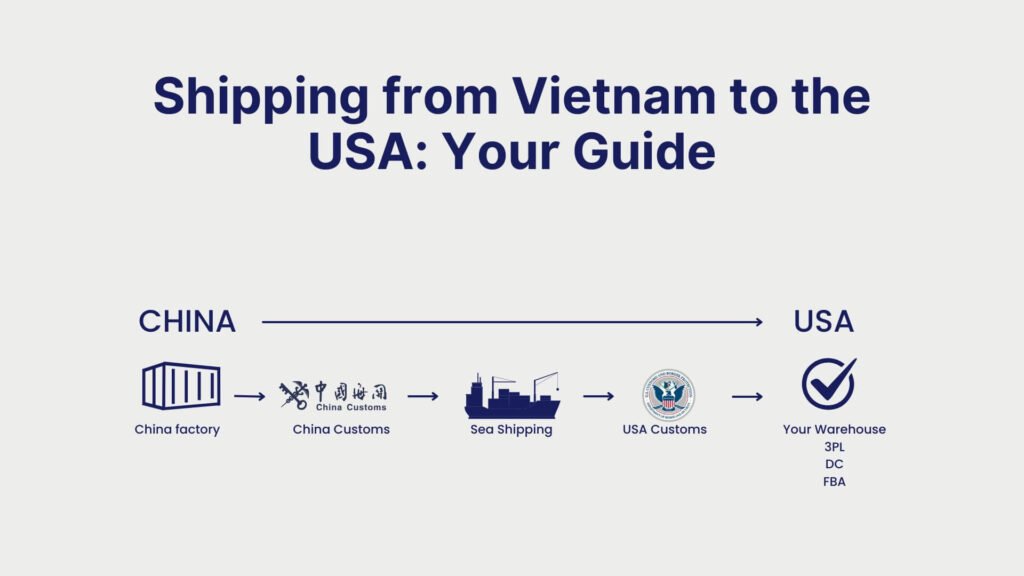
Customs clearance is critical in the shipping process. It ensures that all regulations are followed and that goods are properly documented.
Vietnam-origin goods entering the U.S. must clear customs and may be subject to import duties8, trade regulations, and compliance requirements9. Accurate classification, valuation, and documentation are critical to preventing customs holds, penalties, or clearance delays.
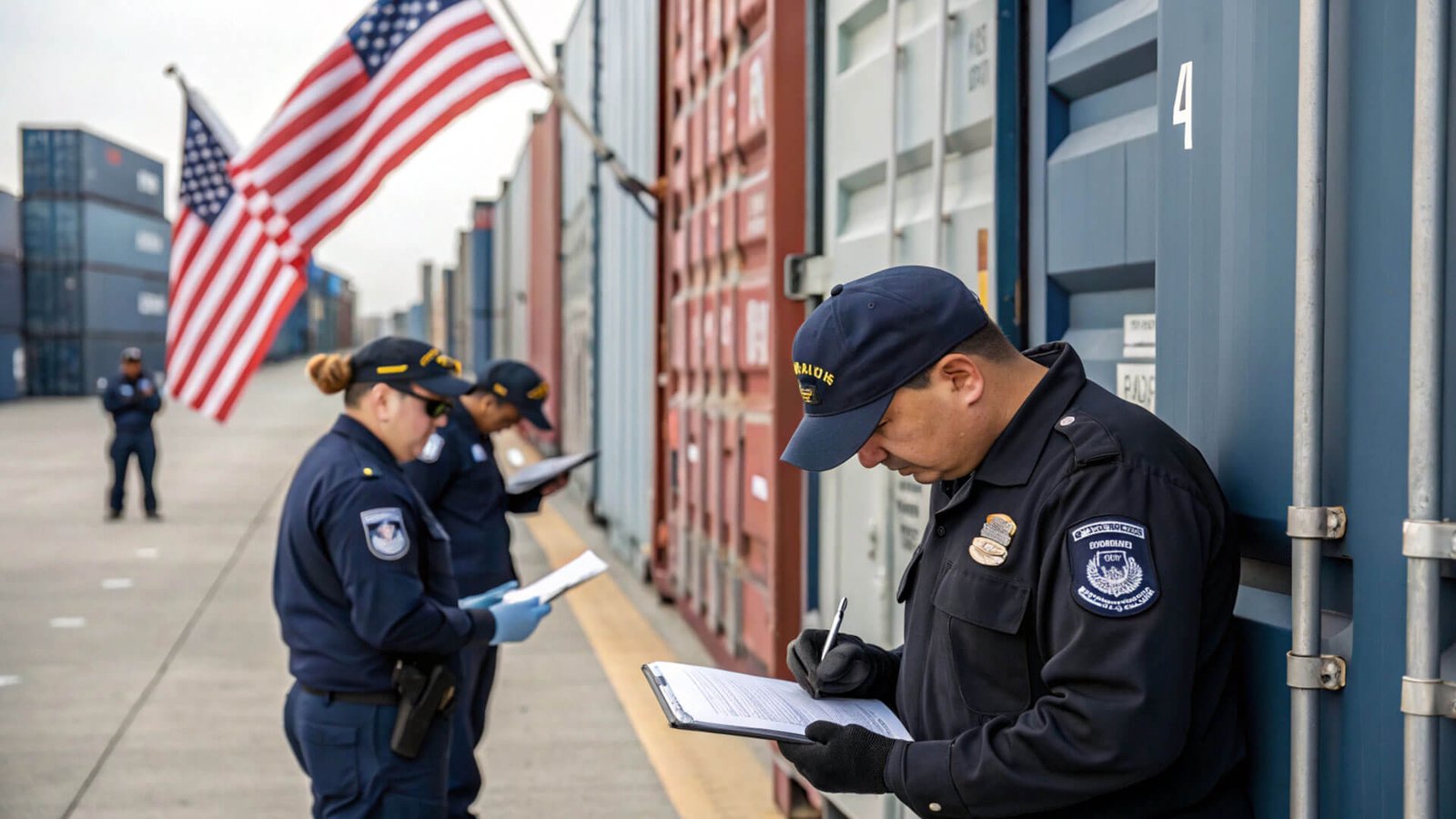
Importers need to understand the requirements for customs clearance. This includes knowing the duties applicable to their products. Certain goods may also require additional documentation to comply with U.S. trade rules.
| Requirement | Description |
|---|---|
| Import Duties | Taxes applied on imports |
| Proper Documentation | Necessary paperwork for customs |
| Classification | Correctly identifying goods |
Staying informed about customs regulations can reduce the risk of delays and additional costs. Consulting with customs brokers can help ensure compliance.
How Can U.S. Importers Reduce Risk, Delays, and Landed Cost When Shipping from Vietnam to the USA?
Every importer wants to reduce risks and costs associated with shipping. There are several strategies to achieve this.
U.S. importers reduce risk and landed cost by consolidating shipments, selecting optimal ports, preparing customs documentation in advance, and coordinating freight and customs processes. Integrated logistics planning improves visibility, predictability, and supply-chain reliability from Vietnam.
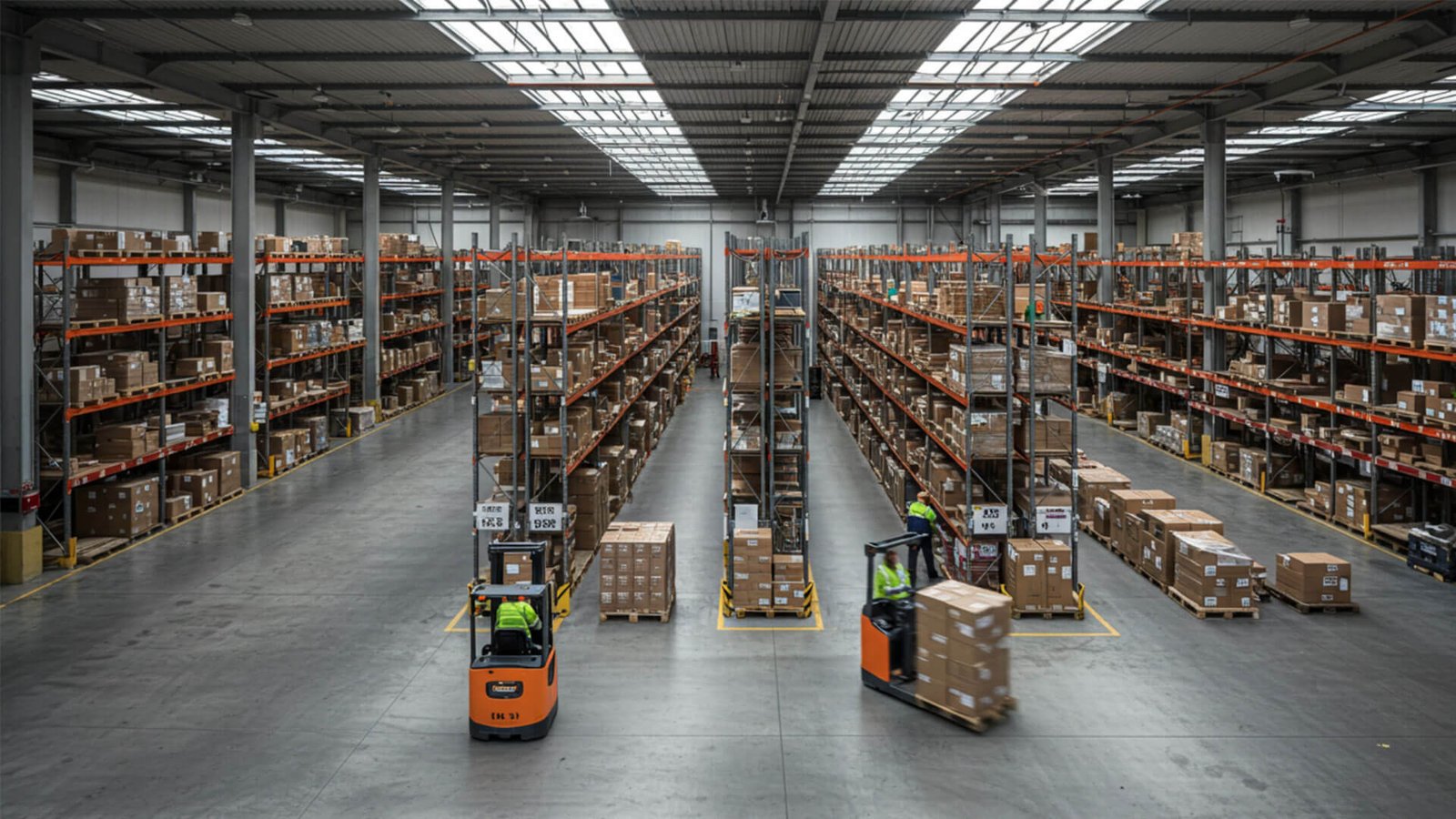
One way to lower landed costs is by consolidating shipments. This practice maximizes container space and reduces shipping frequency. Selecting the right ports can also minimize transit time and costs.
| Strategy | Benefit |
|---|---|
| Shipment Consolidation | Lowers overall shipping cost |
| Optimal Port Selection | Reduces transit time |
| Pre-Prepared Documents | Minimizes customs delays |
By implementing these strategies, importers can create a smoother shipping process. Close collaboration with logistics providers and customs brokers will ensure that all aspects of the shipment are effectively managed.
Conclusion
In summary, understanding shipping methods, timelines, costs, customs, and risk management is essential for successful imports from Vietnam.
Explore how ocean freight can be a cost-effective solution for large shipments, helping you save money on bulk imports. ↩
Learn why air freight is ideal for urgent shipments, offering faster delivery times despite higher costs. ↩
Understand how the size of your shipment can influence the decision between ocean and air freight. ↩
Discover how port congestion can lead to delays and what you can do to mitigate its impact on your shipments. ↩
Find out how customs inspections can delay shipments and what steps you can take to ensure smooth clearance. ↩
Explore the elements that affect freight rates, helping you budget more accurately for your shipping needs. ↩
Learn about container charges and how they contribute to the overall cost of shipping, impacting your budget. ↩
Get informed about the taxes on imports from Vietnam, ensuring compliance and avoiding unexpected costs. ↩
Stay informed about compliance requirements to prevent customs holds and ensure smooth import processes. ↩