Tired of supply chain surprises1 from Asia? Sourcing from Thailand seems smart, but hidden costs and delays2 can ruin your budget. It's a common problem for many importers.
Expect to manage costs between ocean and air freight3, plan for transit times of 3-40 days, and prepare for U.S. customs duties. This trade lane offers great opportunity but requires careful planning to avoid common pitfalls like port congestion4 and documentation errors5.
I've helped many U.S. importers like you navigate this exact route. They want to diversify their sourcing but are worried about the unknowns. Let's break down exactly what you need to know to make your Thailand-to-U.S. shipments smooth and predictable. This guide will walk you through it.
What Products Does the U.S. Commonly Import From Thailand and What Makes This Trade Lane Strategically Important?
Wondering if Thailand is the right sourcing hub for you? Many importers are looking beyond China, but it's hard to know if the products and benefits align with your business.
The U.S. commonly imports electronics, auto parts, furniture, rubber products, and food-related goods from Thailand. This trade lane is strategically important due to Thailand’s manufacturing base, competitive labor costs6, and role as a regional export hub, making it a key sourcing alternative for many U.S. importers.
Many of my clients, like Mark, are actively pursuing a "China Plus One" strategy. They want to reduce their reliance on a single country to build a more resilient supply chain. Thailand has become a top choice for this. The country has a very mature manufacturing infrastructure7, especially for complex goods. For example, its automotive industry is well-established, with a skilled workforce and a deep network of component suppliers. The same is true for electronics. This means you can find reliable, high-quality partners. The Thai government also has policies that encourage foreign investment, creating a stable business environment. While there is no formal free trade agreement8 with the U.S., the trade relationship is strong and has been for decades. I often tell my clients that sourcing from Thailand is not just a cost-saving move. It is a strategic decision to build a more robust and diversified supply chain for the future.
How Much Does It Cost to Ship From Thailand to the U.S. and What Factors Drive Price Differences?
Worried about unpredictable shipping costs from Thailand? You get a quote, but the final invoice is much higher. This erodes your profit margins and makes budgeting impossible.
Shipping costs from Thailand to the U.S. vary based on freight mode, container size, destination port, fuel surcharges, and market demand. Ocean freight offers the lowest cost per unit, while air freight prioritizes speed. Inland transport and seasonality also significantly influence your final landed cost.

The price you see on an initial quote is rarely the final price. To calculate your true cost, you must consider several factors. Your first decision is between ocean and air freight3.
Ocean vs. Air Freight
| Mode | Typical Transit Time | Relative Cost | Best For |
|---|---|---|---|
| Ocean Freight (FCL/LCL) | 25–40 days | Lowest | Bulk, non-urgent cargo |
| Air Freight | 3–7 days | High | High-value or urgent goods |
For ocean freight, you can book a Full Container Load (FCL)9, which gives you exclusive use of a container, or a Less than Container Load (LCL)10, where you share space and pay by cubic meter. Air freight is priced by "chargeable weight," which is the greater of the actual weight or the volumetric weight. On top of these base rates, carriers add surcharges. These include the Bunker Adjustment Factor (BAF)11 to cover fuel price fluctuations and a Peak Season Surcharge (PSS)12 during busy shipping months. Finally, the cost of inland trucking from the U.S. port to your warehouse is a major factor. I always provide my clients with a clear, all-in quote so they can see their true landed cost upfront.
How Long Does Shipping From Thailand to the U.S. Take by Ocean and Air Freight?
Are long and unpredictable transit times from Thailand hurting your business? Your inventory planning is a mess, and you risk stocking out. You need reliable shipping schedules.
Transit times from Thailand to the U.S. range from several days by air freight to multiple weeks by ocean freight. West Coast ports offer faster ocean transit, while East Coast routes extend timelines but may better serve inland distribution depending on your final delivery location.
I always advise clients to plan for the total door-to-door time, not just the port-to-port transit. A vessel sailing from Laem Chabang, Thailand, to Los Angeles might be on the water for 25-30 days. But the complete journey includes time for ground transport to the port in Thailand, customs clearance in the U.S., and final delivery to your facility. A 30-day ocean voyage can easily become a 45-day total transit time. Your choice of U.S. port is also a critical strategic decision that impacts both time and cost.
U.S. Port Routing Comparison
| U.S. Destination | Ocean Transit Time | Air Transit Time | Key Consideration |
|---|---|---|---|
| West Coast (LA/LB) | 25–30 days | 3–5 days | Fastest ocean option |
| East Coast (NY/NJ) | 35–40 days | 4–7 days | Better inland reach |
| Gulf Coast (Houston) | 38–45 days | 4–7 days | Alternative routing |
Shipping to an East Coast port like New York/New Jersey adds about 10 days to the ocean transit time. However, if your final destination is in Ohio, that longer sea journey could save you significant time and money on cross-country trucking. It is a trade-off. A good logistics partner will help you analyze these options to find the most efficient route for your specific supply chain.
What U.S. Customs Duties, De Minimis Rules, and Tariff Considerations Apply to Thailand-Origin Goods?
Confused about U.S. customs duties for your Thai imports? Making a mistake can lead to costly fines and long delays. You need to get your compliance right every time.
Thailand-origin goods entering the U.S. are subject to standard MFN duties based on HS classification, with no free trade agreement in place. While the $800 de minimis rule13 applies to low-value shipments, most commercial imports require formal entry, duty payment, and accurate documentation.
This is an area where importers can face serious problems. Because there is no free trade agreement between the U.S. and Thailand, you cannot assume your goods are duty-free. Instead, they are subject to Most-Favored-Nation (MFN) duty rates14. The specific duty percentage depends entirely on the product's Harmonized System (HS) code15. Classifying your product with the correct HS code is one of the most important steps in the import process. A wrong code can lead to overpaying duties or, even worse, underpaying and facing significant penalties and audits from U.S. Customs and Border Protection (CBP). The $800 de minimis rule13 (Section 321) is also a point of confusion. It allows certain low-value shipments to enter the U.S. duty-free. However, this rule is intended for e-commerce and personal items, not for commercial B2B freight. If you are importing a container of goods, you must file a formal customs entry. This requires a licensed U.S. Customs Broker to submit a specific set of documents, including the commercial invoice, packing list, and bill of lading. As a broker, I handle this process daily to ensure my clients' shipments are compliant and clear customs without delay.
What Common Risks and Delays Should Importers Expect When Shipping From Thailand to the U.S.?
Worried your shipment from Thailand will get stuck? Unexpected delays can cause stockouts and upset your customers. You need a plan to manage these common shipping risks.
Common risks include port congestion4, customs inspections, documentation errors5, seasonal capacity shortages, and inland delivery delays. Importers shipping from Thailand face these risks when planning, routing, or booking is misaligned with U.S. port and customs requirements.
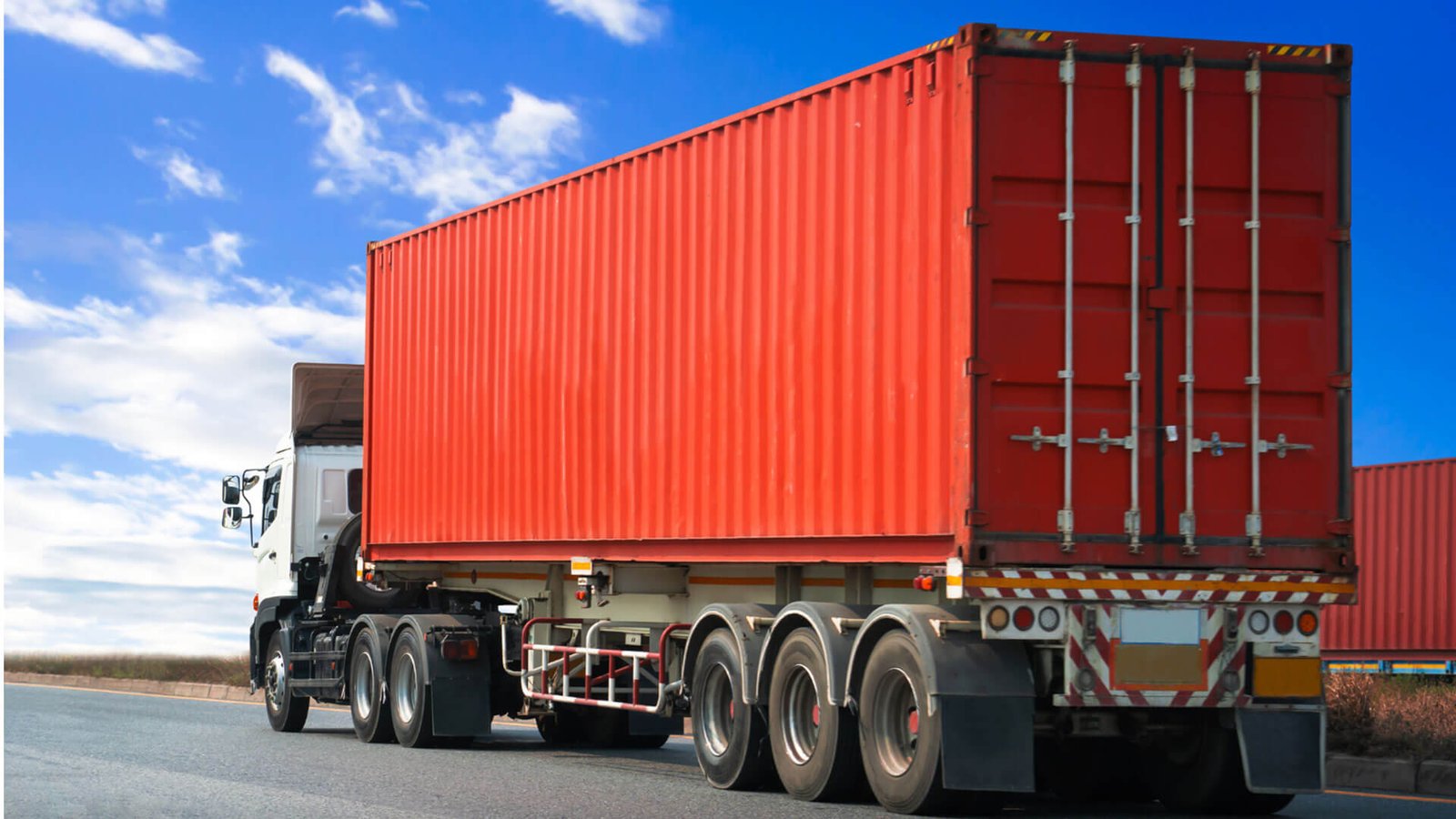
In my years of experience, I've seen nearly every possible cause for a delay. One of the biggest risks is port congestion4, especially at major hubs like Los Angeles and Long Beach. Your container can sit on a vessel offshore for days just waiting for a slot to unload. Another major risk is a customs hold16. CBP can flag any shipment for inspection, from a simple document review to a full physical exam of the container's contents. These exams can add days or even weeks to your timeline and often happen because of simple paperwork mistakes. For example, if the product description on your commercial invoice does not match the bill of lading, it raises a red flag. During peak shipping season (typically August through October), just getting space on a vessel from Thailand can be a challenge. Carriers are often overbooked, and rates increase. Even after your container clears the port and customs, you can face delays from chassis shortages17 or a lack of available truck drivers. The only way to manage these risks effectively is with proactive and detailed planning. Booking your freight well in advance, triple-checking all documents for accuracy, and working with an experienced logistics partner who can anticipate these issues is your best defense.
How Can U.S. Importers Optimize Thailand-to-U.S. Shipping Through Better Routing, Compliance, and Logistics Partners?
Want to make your Thailand-to-U.S. shipping cheaper, faster, and more reliable? Patching together different vendors for freight, customs, and trucking creates chaos. There is a better way.
U.S. importers can optimize Thailand shipments by choosing the right freight mode, selecting reliable ports, planning ahead of peak seasons, and coordinating customs clearance early. Working with a single logistics partner for freight, customs, and delivery improves visibility, cost control, and reliability.

True optimization is about making smarter decisions at every step of the shipping process. It's how detail-oriented importers like Mark save money and avoid headaches.
1. Plan Your Total Landed Cost
First, look beyond the freight quote. Analyze your total landed cost18 to decide between faster, more expensive air freight and slower, more economical ocean freight. This ensures your transport choice aligns with your product margin and inventory needs.
2. Master Your Compliance
Next, ensure your customs documentation is perfect before the shipment leaves Thailand. Correct HS codes, accurate commercial invoices, and proper packing lists are your best tools to prevent customs delays. This is non-negotiable for smooth importing.
3. Choose the Right Partner
Finally, the single biggest optimization is simplifying your vendor management. Instead of juggling a freight forwarder, a separate customs broker, and a trucking company, find one partner that manages the entire process. When I handle a shipment end-to-end, I have complete visibility. I can file for customs clearance while the vessel is still at sea and arrange for a truck to be ready the moment the container is available. This integrated approach eliminates handoff errors, provides a single point of contact, and gives you predictable control over your supply chain.
Conclusion
Shipping from Thailand offers great advantages for U.S. importers. Success depends on understanding costs, transit times, and customs, and choosing a logistics partner who can manage the entire process smoothly.
Understanding common supply chain surprises can help you anticipate and mitigate potential issues in your sourcing strategy. ↩
Learn how hidden costs and delays can impact your budget and timelines, and how to plan for them effectively. ↩
Explore the pros and cons of ocean and air freight to make informed decisions about your shipping methods. ↩
Discover how port congestion can delay shipments and what strategies can minimize its impact. ↩
Avoid costly delays by learning about common documentation errors and how to prevent them. ↩
Understand how competitive labor costs in Thailand can benefit your business's bottom line. ↩
Learn about Thailand's advanced manufacturing capabilities and how they support complex goods production. ↩
Understand how the lack of a free trade agreement affects tariffs and duties on Thai imports. ↩
Learn about FCL shipping and how it can be a cost-effective option for bulk shipments. ↩
Explore LCL shipping as a flexible option for smaller shipments and how it affects costs. ↩
Understand how BAF impacts shipping costs and how to account for it in your budget. ↩
Learn about PSS and how it affects shipping costs during busy periods. ↩
Explore how the de minimis rule applies to low-value shipments and its limitations for commercial imports. ↩
Understand MFN duty rates and how they apply to imports from Thailand. ↩
Learn how HS codes determine duty rates and ensure compliance in international shipping. ↩
Discover the reasons behind customs holds and how to avoid them for smoother shipping. ↩
Learn about the impact of chassis shortages on inland delivery and how to mitigate delays. ↩
Understand the components of total landed cost to make informed shipping decisions. ↩