Shipping goods from New Territories, Hong Kong to Houston can feel overwhelming. With so many options and regulations, it's hard to know where to start.
Shipping time can vary significantly based on your chosen method. Generally, ocean freight1 takes 20–30 days, while air freight2 can arrive in just 3–7 days.

Shipping can be complex. You must understand the different methods and requirements involved in moving your cargo. This article breaks down everything you need to know about shipping from New Territories HK to Houston, TX.
How Long Does Shipping from New Territories, HK to Houston Typically Take
Shipping times can be confusing. Ocean freight from New Territories, HK to Houston typically takes 20–30 days. Air freight is much faster, arriving in 3–7 days. However, delays can occur due to port congestion3, holidays, or customs processing4. This is why working with a reliable freight forwarder5 is vital for keeping your supply chain on schedule.
In summary, ocean freight1 takes 20–30 days, while air freight2 is faster at 3–7 days.
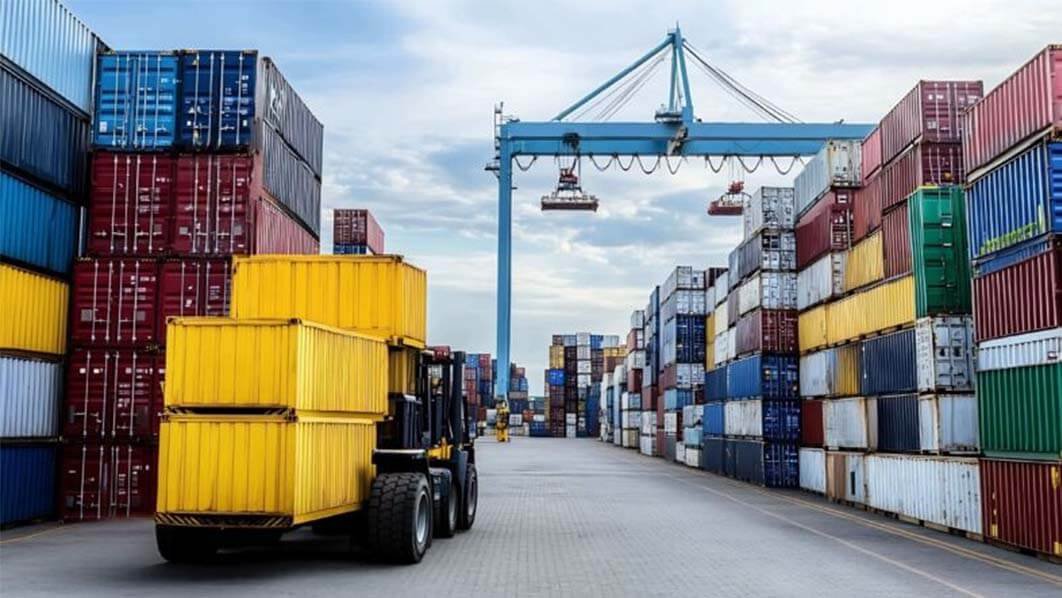
When planning your shipment, consider these factors that can influence delivery times:
| Factor | Ocean Freight Time | Air Freight Time |
|---|---|---|
| Base Transit Time | 20-30 days | 3-7 days |
| Port Congestion | Possible delays | Rarely a concern |
| Holidays | Can extend time | Less impact |
| Customs Processing | Time-consuming | Quicker clearance |
Being aware of these factors can help you manage your expectations and plan accordingly.
Choosing the Most Cost-Effective Shipping Method for Your Cargo
Finding the right shipping method can save you money. Ocean freight is generally the most cost-effective choice for large shipments. On the other hand, air freight2 is suitable for urgent, high-value goods. To make the best decision, compare freight rates and handling costs. A skilled freight forwarder5 can also help consolidate shipments, reducing overall expenses.
Ocean freight is usually cheaper for large shipments, while air freight2 is better for urgent needs.

Here’s a quick overview of shipping costs:
| Shipping Method | Ideal For | Typical Cost |
|---|---|---|
| Ocean Freight | Bulk shipments | Lowest cost |
| Air Freight | Urgent, high-value goods | Highest cost |
Understanding your specific shipping needs will help you choose the best method. A freight forwarder5 can optimize your shipping plan for both cost and efficiency.
Understanding U.S. Customs Requirements and Duties for Imports from Hong Kong
When importing from Hong Kong, you need to follow U.S. Customs and Border Protection rules. This includes proper documentation, correct HS codes6, and duty payments7. Working with a customs brokerage service ensures all your filings are accurate. This can reduce the risk of delays or penalties, making it easier to clear your shipments from New Territories, HK.
Compliance with U.S. customs rules is essential for smooth importation.

Here are some crucial customs considerations:
| Requirement | Description |
|---|---|
| Documentation | Must be accurate and complete |
| HS Codes | Correct codes are critical for duty calculation |
| Duty Payments | Must be paid on time to avoid penalties |
Navigating customs can be complicated, but with the right support, you can ensure a smooth process.
Ocean Freight vs. Air Freight: Which Is Best for Your Business
Choosing between ocean and air freight2 depends on your business needs. Ocean freight is ideal for bulk shipments8 and offers lower costs. In contrast, air freight2 is faster, making it suitable for time-sensitive cargo9. It’s essential to balance cost, delivery urgency, and product type. A freight forwarder5 can provide expert guidance on which method is best for you, even offering hybrid solutions10 to optimize your shipping strategy.
Ocean freight is cost-effective for bulk, while air freight2 is best for urgent shipments.

| Method | Key Benefits | Best For |
|---|---|---|
| Ocean Freight | Lower cost, ideal for bulk shipments8 | Cost savings |
| Air Freight | Speed, ideal for time-sensitive goods | Urgent deliveries |
Understanding your priorities will help you decide on the best shipping method.
Avoiding Common Delays and Risks During Hong Kong to Houston Shipments
Delays can be a significant concern when shipping. Common issues include port congestion3, missing documentation, customs holds, and seasonal surges11. To avoid these delays, proper planning is essential. Pre-clearance and working with experienced freight forwarder5s can help mitigate risks. This ensures that your shipments from New Territories, HK reach Houston on time and avoids costly disruptions to your supply chain.
Planning ahead is key to avoiding delays.

Here are some strategies to avoid delays:
| Potential Delay | Solution |
|---|---|
| Port Congestion | Schedule during off-peak times |
| Missing Documentation | Double-check all paperwork |
| Customs Holds | Work with a knowledgeable customs agent |
By proactively addressing these issues, you can keep your shipping process running smoothly.
Partnering with a Trusted Freight Forwarder to Simplify Your Import Process
Partnering with a professional freight forwarder5 can simplify your import process significantly. They manage ocean and air shipments, handle customs clearance, and provide real-time tracking12. Working with an experienced provider saves you time and reduces costs. It also ensures compliance. This gives U.S. importers confidence that their goods from Hong Kong reach Houston efficiently and reliably.
A trusted freight forwarder5 makes shipping easier and more efficient.

Here are some advantages of working with a freight forwarder5:
| Benefit | Description |
|---|---|
| Time-saving | Handles all logistics for you |
| Cost reduction | Optimizes shipping routes and methods |
| Compliance assurance | Ensures all customs regulations are met |
A reliable freight forwarder5 can be a game changer in your shipping process.
Conclusion
Shipping from New Territories, HK to Houston can be straightforward with the right knowledge and support.
Explore this link to understand why ocean freight is a cost-effective option for large shipments, helping you save money on bulk cargo. ↩
Learn why air freight is the best choice for urgent, high-value goods, offering speed and efficiency for time-sensitive shipments. ↩
Understand the impact of port congestion on shipping schedules and how to plan shipments to avoid delays. ↩
Find out the steps involved in customs processing and how to ensure smooth clearance for your shipments. ↩
Discover how a freight forwarder can simplify your shipping process, manage logistics, and ensure compliance with customs regulations. ↩
Learn about the significance of HS codes in calculating duties and ensuring compliance with international trade regulations. ↩
Explore how duty payments are determined and the importance of timely payments to avoid penalties. ↩
Discover the benefits of shipping bulk cargo, including cost savings and efficiency for large volume shipments. ↩
Find strategies for managing time-sensitive cargo to ensure timely delivery and avoid disruptions in your supply chain. ↩
Discover how hybrid solutions can optimize shipping strategies by combining different methods for cost and efficiency. ↩
Learn about the effects of seasonal surges on shipping demand and how to plan for these fluctuations. ↩
Understand the advantages of real-time tracking in monitoring shipments and improving supply chain transparency. ↩