Struggling with shipping from Malaysia? The wrong choice can wreck your budget and timeline. Let's find the best option for your cargo and save you future headaches.
The best shipping option from Malaysia to the U.S. depends on your specific needs. Air freight1 is the fastest for urgent, high-value goods. Ocean freight2 is the most cost-effective for large, heavy shipments. Express services3 are ideal for small packages and documents requiring door-to-door service.
I talk to U.S. importers every day. A common question I get is how to ship from a new country, like Malaysia. The principles are the same as shipping from China, but the details matter. You need to understand your options clearly to make the right choice for your business. Let's break down everything you need to know, so you can ship your goods with confidence and control your costs.
Comparing Air, Ocean, and Express Shipping From Malaysia to the U.S.: How Do Importers Choose the Right Mode Based on Cost, Speed, and Cargo Type?
Are you trying to decide between air and sea freight? Making the wrong choice means you either overpay for speed you don't need or miss critical deadlines waiting for a boat.
To choose the right mode, you must balance cost, speed, and your cargo's size. Use air freight for speed, ocean freight for cost savings on bulk goods, and express for small, urgent parcels. Your choice directly impacts your total landed cost4 and delivery schedule.
Choosing your shipping method is the first big decision you'll make. It affects everything that follows, from your final cost to when you can actually sell your products. I always tell my clients to think about their inventory needs first. Is this a new product launch that needs to hit the market fast? Or is it a regular stock replenishment where cost is the top priority? Answering that question usually points you in the right direction. For example, a client of mine who sells electronics often uses air freight for his newest, high-demand gadgets. But for his standard accessories with predictable sales, he always uses ocean freight to maximize his profit margins. He understands that each mode is a tool for a different job.
Here is a simple breakdown to help you decide.
| Shipping Mode | Best For Speed | Best For Cost | Best For Cargo Type |
|---|---|---|---|
| Ocean Freight | Low | High | Large, heavy, bulky, non-urgent goods |
| Air Freight | High | Low | High-value, time-sensitive, lightweight goods |
| Express | Very High | Very Low | Small parcels, documents, samples |
Think about ocean freight as your workhorse. It's slower, but it's the most economical way to move a lot of product. You can ship a Full Container Load (FCL)5 or Less than Container Load (LCL)6. Air freight1 is your emergency service. It's expensive, but it gets your goods to you in days, not weeks.
End-to-End Transit Time From Malaysia to the U.S.: What Really Affects Delivery Speed Beyond Carrier Promises?
Did a carrier promise a 25-day transit time, but your shipment took 40 days? These unexpected delays can disrupt your entire business plan, causing stockouts and angry customers.
Total transit time is much more than just the time on the water or in the air. It includes ground transport in Malaysia, port or airport delays, customs clearance in the U.S., and final-mile delivery. Each step can add days or even weeks to the carrier's initial estimate.
One of the biggest frustrations for importers is the gap between the promised delivery date and the actual delivery date. A carrier might quote you "28 days port-to-port," but that's only part of the story. The real journey starts at the factory in Malaysia and ends at your warehouse in the U.S. I always advise my clients to look at the entire picture. You need to account for all the steps in between. A shipment's journey is a chain of events, and a delay in any single link can slow everything down. Understanding these potential bottlenecks helps you set realistic expectations for your customers and manage your inventory more effectively.
Here are the real stages that determine your total transit time:
- First-Mile Transport7: This is the time it takes to get your goods from the factory in Malaysia to the port or airport. This can take 1-3 days, depending on the factory's location and local traffic.
- Origin Port Dwell Time8: Your container doesn't get loaded onto a ship the moment it arrives. It can wait at the port for several days for vessel availability and export customs clearance.
- Main Transit: This is the "port-to-port" or "airport-to-airport" time. For ocean freight from Malaysia to the U.S. West Coast, this is about 20-30 days. To the East Coast, it's closer to 35-45 days. Air freight1 is much faster, usually 3-7 days.
- Destination Port Congestion9 & Unloading: Once the ship arrives, it can take days to get a berth and unload your container, especially at busy ports like Los Angeles or Long Beach.
- U.S. Customs Clearance10: This can be quick (a few hours) if all your paperwork is perfect. But a customs hold or exam can add days or even weeks to your timeline.
- Last-Mile Delivery: After clearing customs, your container needs to be trucked from the port to your final destination. This can take another 1-5 days.
Total Landed Cost Breakdown for U.S. Importers: Freight Rates, Duties, Taxes, Customs Fees, and Hidden Charges Explained?
Is your final shipping bill always much higher than the initial quote? These surprising hidden fees can destroy your profit margins and make it impossible to budget accurately.
Your total landed cost4 is the sum of the product cost, freight charges, insurance, U.S. customs duties and taxes, and local fees. Hidden charges like demurrage or exam fees can appear if your shipment is not managed properly, so a clear, all-inclusive quote is essential.
"What is this charge for?" This is a question no importer wants to ask after their cargo has already arrived. The initial freight quote is often just the starting point. To truly understand your profitability, you must calculate the total landed cost4. This means accounting for every single expense from the factory door in Malaysia to your warehouse door in the U.S. I work with clients like Mark, who is very detail-oriented. He needs to know every potential cost upfront. So, we provide a detailed breakdown that leaves no room for surprises. A good logistics partner should be transparent about all potential charges so you can budget with confidence.
Let's look at what goes into your total cost.
Main Shipping Costs
This is the core of your expense. It includes the ocean or air freight rate, fuel surcharges, and other carrier fees. It's the price for moving your goods from Port Klang in Malaysia to the Port of Los Angeles, for example.
Customs Duties and Taxes
This is a big one. The U.S. government charges duties based on your product's value and its HS Code classification. This can range from 0% to over 25%. You also have the Merchandise Processing Fee (MPF) and, in some cases, Harbor Maintenance Fee (HMF).
Local U.S. Charges
Once your shipment arrives, you have more costs. These include:
- Customs Brokerage Fee11: The fee you pay a professional to clear your goods through U.S. Customs.
- Drayage/Trucking: The cost to move your container from the port to your warehouse.
- Demurrage/Per Diem12: These are penalty fees. Demurrage is charged if your container stays at the port too long. Per Diem is charged if you don't return the empty container to the carrier on time. A good partner helps you avoid these.
Understanding these components is the key to avoiding shocks and protecting your bottom line.
Customs Clearance and Compliance for Shipping From Malaysia to the U.S.: How Do You Avoid Delays, Holds, and Costly Mistakes?
Are you worried about your shipment getting stuck at the border? A customs hold can mean weeks of delays, unexpected fees, and major disruptions to your supply chain.
To avoid customs delays, ensure all your documents are accurate and submitted on time. This includes the Commercial Invoice13, Packing List14, and Bill of Lading15. You must also file the ISF 10+2 at least 24 hours before loading for ocean freight. Working with a licensed Customs Broker is the best way to ensure compliance.
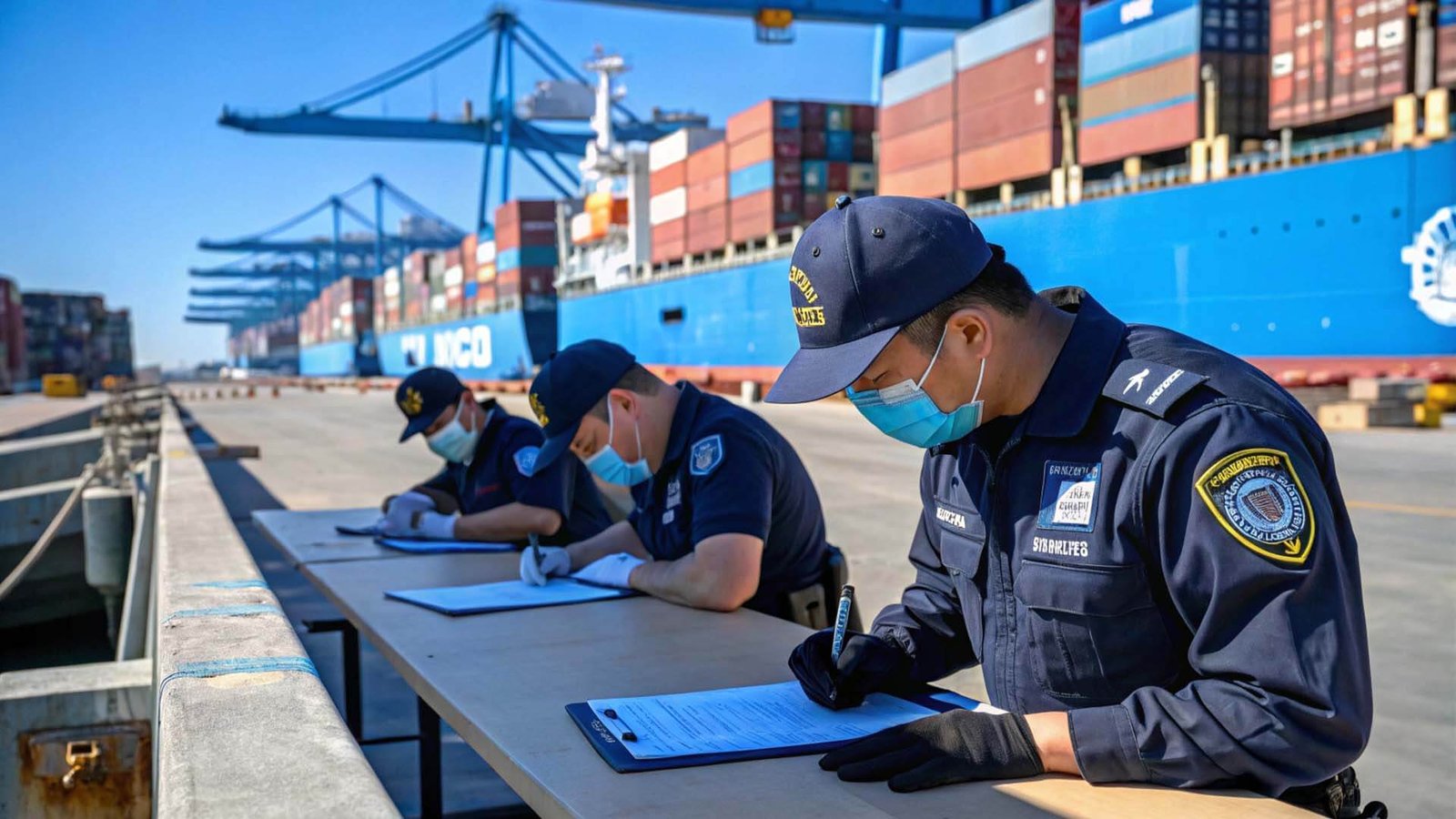
U.S. Customs and Border Protection (CBP) is the gatekeeper for all goods entering the country. Their job is to ensure everything is safe, legal, and properly taxed. If your paperwork has a single mistake, like a wrong value on the commercial invoice or an incorrect HS code, it can trigger a red flag. This can lead to an intensive exam, where they physically inspect your cargo. This process is slow and expensive. You pay for the exam itself and any associated storage fees. I've seen simple errors cost importers thousands of dollars and weeks of delay. This is why customs compliance is not a place to cut corners.
Here is what you absolutely must get right:
- Documentation: Your Commercial Invoice13, Packing List14, and Bill of Lading15 (or Air Waybill) must be perfect. The information on all three documents must match exactly. The description of goods must be specific, not general.
- HS Codes16: You must classify your products with the correct Harmonized System (HS) code. This 10-digit code determines the duty rate you pay. A wrong code can lead to paying too much or too little, both of which are big problems.
- ISF (10+2) Filing17: For ocean shipments, the Importer Security Filing (ISF) is critical. Your customs broker must submit this information to CBP at least 24 hours before your cargo is loaded onto the vessel in Malaysia. Failure to do so results in a $5,000 penalty per violation.
- Partnering with a Customs Broker: A licensed U.S. Customs Broker is your expert guide. They handle all the communication with CBP, ensure your paperwork is correct, and help you navigate the complex rules. This is the single best investment you can make to ensure a smooth import process.
Managing Risk, Visibility, and Reliability in Malaysia–U.S. Shipping: How Do Professional Freight Partners Protect Your Supply Chain?
Do you feel like your cargo disappears into a black hole once it leaves the factory? This lack of visibility and control creates stress and makes it impossible to plan effectively.
A professional freight partner protects your supply chain by providing three key services: comprehensive cargo insurance, real-time tracking and communication, and by carefully vetting all carriers and agents. This proactive approach minimizes risk, provides visibility, and ensures reliability from end to end.
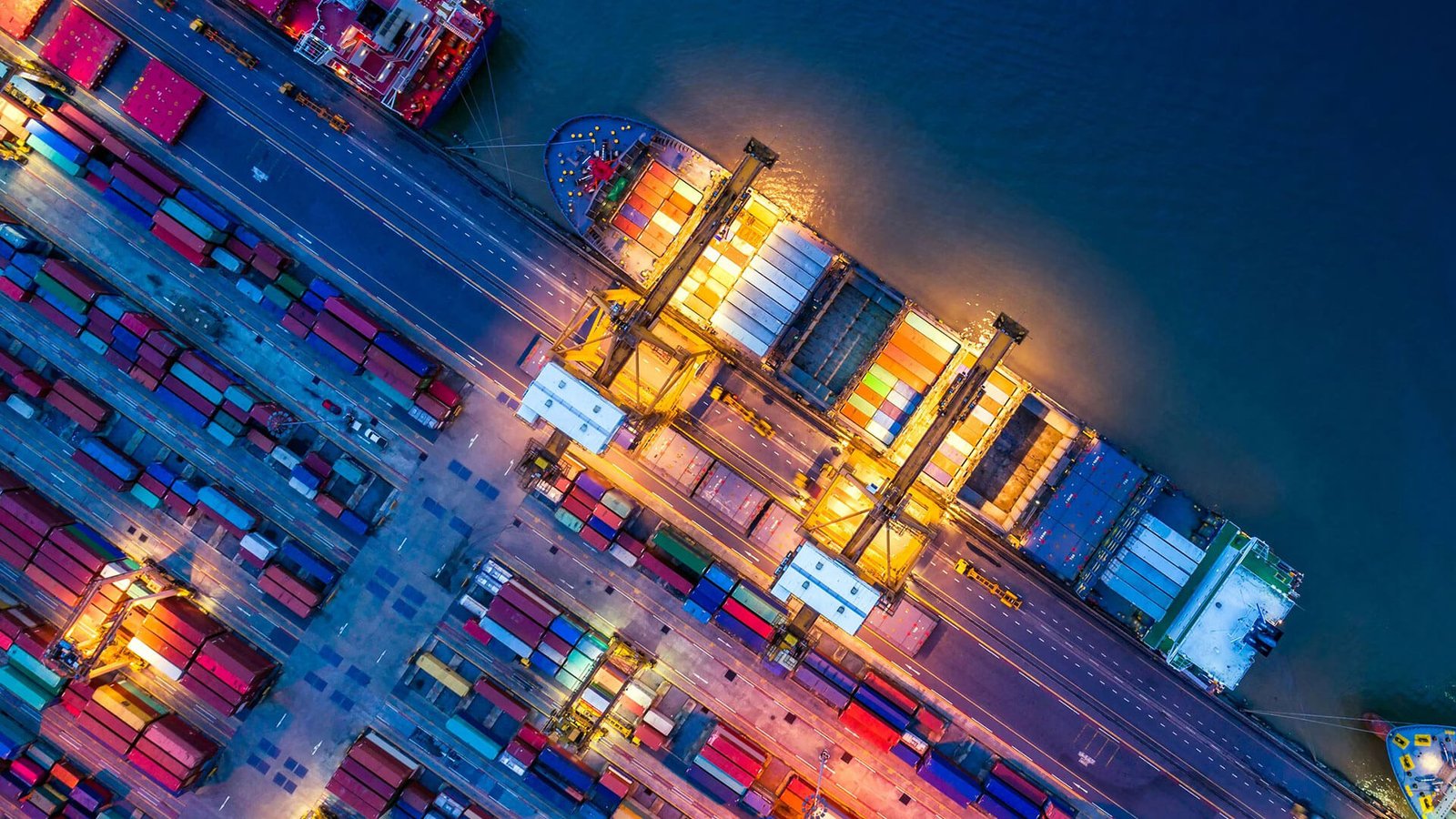
Shipping a container halfway across the world involves risk. The container could be lost at sea, damaged during transit, or delayed by unforeseen events. A good freight forwarder or logistics partner doesn't just book space on a ship; they act as your risk manager. Their job is to anticipate problems and have solutions ready. When I started my company, my goal was to give importers like Mark peace of mind. He was tired of partners who only gave him bad news after it was too late. We focus on being proactive, so he knows we are watching his shipment every step of the way. This allows him to focus on growing his business, not worrying about logistics.
Here’s how a great partner protects you:
Cargo Insurance18
Don't rely on the carrier's minimal liability insurance. It often pays pennies on the dollar if your cargo is lost or damaged. A real partner will help you secure "All-Risk" cargo insurance that covers the full value of your goods. This is essential for protecting your investment.
Shipment Visibility and Communication19
Modern logistics isn't just about moving boxes; it's about moving information. Your partner should provide a tracking portal so you can see where your shipment is at any time. More importantly, they should provide proactive updates. If there's a port delay or a customs hold, they should call you, explain the situation, and tell you the plan to resolve it.
Vetting Reliable Partners20
Your freight forwarder in the U.S. is only as good as their agents on the ground in Malaysia. A professional partner has a network of trusted, vetted carriers, truckers, and local agents. They don't just pick the cheapest option. They choose the most reliable ones to ensure your cargo is handled correctly from the moment it leaves the factory. This prevents countless problems before they can even start.
Conclusion
Shipping from Malaysia to the U.S. is manageable with the right plan. Focus on choosing the correct mode, understanding all costs, and partnering with a reliable logistics expert for success.
Explore how air freight can expedite your shipping process, ensuring timely delivery of high-value, time-sensitive goods. ↩
Learn why ocean freight is the most economical choice for large, heavy shipments, and how it can save you money. ↩
Discover how express services can provide fast, door-to-door delivery for small packages and documents. ↩
Understand the components of total landed cost to avoid unexpected fees and budget accurately for your shipments. ↩
Understand the benefits of FCL for shipping large volumes and how it can optimize your logistics strategy. ↩
Learn about LCL as a cost-effective option for smaller shipments and how it fits into your shipping plan. ↩
Learn about the initial stage of shipping and how it affects your overall transit time and delivery schedule. ↩
Find out how port dwell time can delay your shipment and what you can do to minimize it. ↩
Explore how congestion at U.S. ports can impact your delivery timeline and what strategies can mitigate delays. ↩
Gain insights into the customs clearance process to avoid delays and ensure smooth entry of your goods into the U.S. ↩
Understand the role of customs brokers and why their services are essential for clearing goods through U.S. Customs. ↩
Learn about these penalty fees and how to avoid them to keep your shipping costs under control. ↩
Discover why accurate commercial invoices are crucial for customs clearance and avoiding shipment delays. ↩
Find out how a detailed packing list aids in customs clearance and ensures smooth processing of your shipment. ↩
Explore the importance of the Bill of Lading as a key document in the shipping process and its role in legal compliance. ↩
Discover the importance of correct HS Code classification to ensure accurate duty rates and avoid costly errors. ↩
Understand the critical role of ISF filing in compliance and avoiding penalties during ocean freight shipping. ↩
Learn how cargo insurance protects your investment by covering the full value of your goods during transit. ↩
Explore how real-time tracking and proactive communication can improve your shipping experience and reduce stress. ↩
Find out how choosing the right logistics partners can ensure smooth handling of your cargo and prevent issues. ↩