The challenge of shipping goods from Indonesia to the U.S. can be daunting. With fluctuating costs1 and varying transit times2, understanding these dynamics is crucial for U.S. importers.
Shipping from Indonesia to the U.S. can be done mainly through ocean freight3 for cost efficiency or air freight4 for quicker delivery. Costs and transit times differ based on the origin port, destination coast5, carrier choice6, and seasonal fluctuations7, making it essential for importers to carefully select their shipping method.
Shipping from Indonesia to the U.S. is not just about moving goods. It's a complex process that involves understanding various elements like port conditions8, service levels9, and market shifts10. If you are an importer, being aware of these factors improves your decision-making and helps you manage expectations.
Shipping from Indonesia to the U.S. involves ocean and air freight4 options with costs and transit times that vary by port, service level, and market conditions?
Understanding the logistics behind shipping from Indonesia to the U.S. requires a grasp of the available freight options. Ocean freight is generally used due to its cost-effectiveness, while air freight4 serves those needing speed. Each option comes with its own set of costs and timelines that can change depending on several factors.
Shipping from Indonesia to the U.S. is often conducted via ocean freight3 for budget-conscious importers or air freight4 when speed is essential. The costs and timelines depend on the origin port, destination coast5, carrier selection, and seasonal demands, impacting decision-making for U.S. importers.
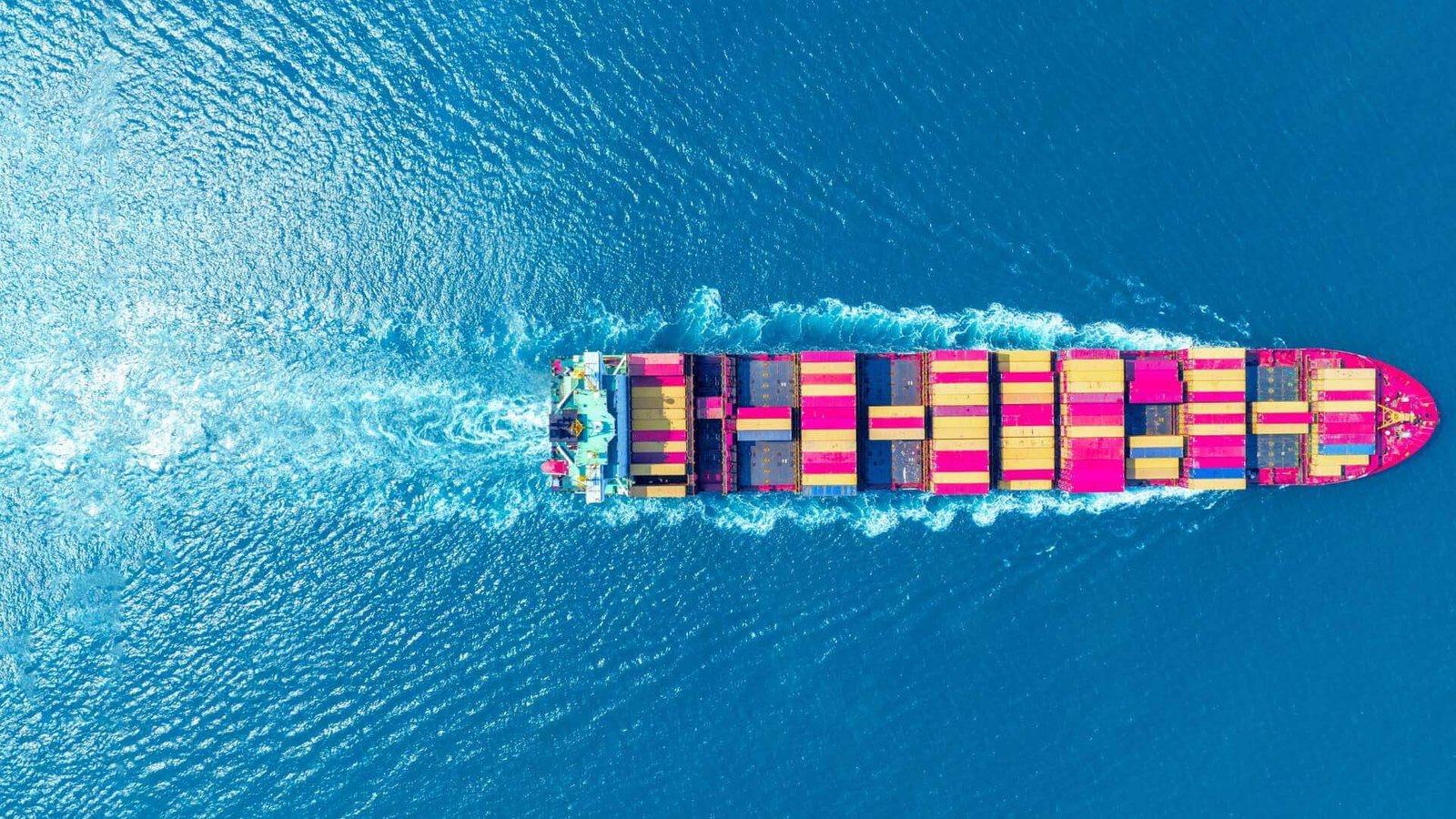
When choosing between ocean and air freight4, consider the costs involved. Ocean freight usually costs less, while air freight4 provides faster delivery. However, the decision should also factor in the specific ports involved, as different ports may have different costs and shipping times.
Dive deeper Paragraph:
The cost of shipping from Indonesia to the U.S. varies greatly depending on factors like the chosen service level. For example, if you ship from Jakarta to Los Angeles11, you might expect lower costs and shorter transit times compared to shipping from Bali to New York12. The services you select also matter; expedited shipping will naturally come at a higher price. In addition to the base freight costs, you will also need to consider origin charges13, which might include customs clearance fees, handling fees, and fuel surcharges14. A well-structured table can help break these down:
| Cost Component | Description |
|---|---|
| Ocean Freight | Base cost for shipping by sea |
| Air Freight | Base cost for shipping by air |
| Origin Charges | Handling and customs fees15 |
| Fuel Surcharges | Additional fuel-related costs |
| Customs Fees | Fees associated with U.S. customs |
Understanding these costs is essential for U.S. importers to calculate their total landed cost effectively.
Transit time from Indonesia to the U.S. depends on origin port, destination coast5, carrier routing, and port congestion16 on both ends?
The transit time for shipments from Indonesia to the U.S. can vary significantly. This variation is due to several factors including the specific ports of origin and destination, the routing taken by the carriers, and congestion at ports.
Transit time from Indonesia to the U.S. can widely vary based on where the cargo ships to—West Coast, East Coast, or Gulf Coast. The routing, transshipment points, and congestion at both Indonesian and U.S. ports significantly influence schedule reliability and delivery dates for importers.
When shipping goods, understanding the transit times is crucial. For instance, shipping to the West Coast generally takes less time than shipping to the East Coast because of direct routes. However, disruptions due to port congestion16 can affect timelines significantly.
Dive deeper Paragraph:
The transit time from Indonesia to the U.S. requires careful consideration of various factors. If you are shipping to the West Coast, expect a faster turnaround time, typically around 14-20 days. Conversely, shipments to the East Coast might take longer due to indirect routes, potentially extending the duration to 25 days or more. Port congestion can further complicate matters. Here's a table summarizing typical transit times:
| Destination Coast | Estimated Transit Time |
|---|---|
| West Coast | 14-20 days |
| East Coast | 25+ days |
| Gulf Coast | 20-30 days |
By proactively managing these variables, importers can better plan their inventory and reduce stock-out risks.
The total cost of shipping is often misunderstood. Many U.S. importers focus solely on the base freight costs, but this ignores many other critical components.
Indonesia–U.S. shipping costs go beyond just freight rates; they include origin handling, documentation, fuel surcharges14, destination port fees, and customs-related charges. U.S. importers must grasp these elements to accurately calculate the landed cost and avoid unexpected expenses after arrival.
Being aware of all components is essential. The initial freight quote may look appealing, but additional fees can quickly add up. Hence, understanding how each component contributes to the total cost is vital for financial planning.
Dive deeper Paragraph:
Calculating the total shipping cost effectively requires a comprehensive approach. The base freight rate may only be the tip of the iceberg. There are several other charges to account for:
- Origin Charges: These include fees for loading and handling at the departure port.
- Fuel Surcharges: Fluctuating fuel prices can lead to additional costs.
- Documentation Fees: Ensuring all paperwork is in order can incur costs.
- Destination Fees: These are fees associated with unloading and processing the cargo at the U.S. port.
| Cost Component | Description |
|---|---|
| Origin Charges | Fees for handling and customs fees15 |
| Fuel Surcharges | Costs related to fuel prices |
| Documentation Fees | Charges for paper processing |
| Destination Port Fees | Costs incurred at U.S. ports |
Understanding and anticipating these fees can prevent budget overruns and allow for better planning.
U.S. importers face key risks when shipping from Indonesia, including delays, cargo damage17, documentation errors18, and tariff or compliance exposure?
Navigating the shipping landscape involves managing various risks that can arise during the process.
Common risks associated with Indonesia–U.S. shipping include port congestion16, weather disruptions, incomplete export documents, and misaligned customs filings. These problems can lead to delays, inspections, and added costs, making proactive risk management and documentation accuracy critical for importers.

Every time a shipment is sent, risks are involved. Delays due to port congestion16 or damaged cargo can lead to significant financial losses for importers. Being prepared for these risks is essential.
Dive deeper Paragraph:
When shipping from Indonesia, several risks can impede the shipping process. For example, port congestion16 is a significant issue that can delay shipments. Furthermore, bad weather can affect shipping schedules. Documentation errors can lead to customs delays or even additional costs.
Here's a simple risk matrix to illustrate:
| Risk Type | Potential Impact | Mitigation Strategy |
|---|---|---|
| Delay | Increased costs | Schedule buffer time |
| Cargo Damage | Financial losses | Proper packaging |
| Documentation | Customs delays | Double-check paperwork |
| Compliance | Fines or penalties | Engage compliance experts |
By understanding these risks and implementing mitigation strategies, U.S. importers can enhance their shipping experience.
Working with an experienced logistics partner19 helps importers manage Indonesia–U.S. shipping costs, transit reliability, and customs clearance end to end?
Choosing the right logistics partner19 can make a significant difference in your shipping experience.
An experienced logistics partner19 can streamline freight mode selection, carrier booking, documentation, and customs clearance across both Indonesia and the U.S. This comprehensive approach aids importers in managing risk, enhancing transit reliability, and controlling landed costs from factory pickup to final delivery.

A reliable logistics partner19 can help you navigate these complexities. They know the industry well and can provide valuable insights and support throughout the shipping process.
Dive deeper Paragraph:
Selecting a logistics partner19 is not just about cost savings; it's about ensuring a seamless experience from start to finish. A good partner will coordinate:
- Freight Mode Selection: They will help you choose between air or ocean freight3 based on your needs.
- Carrier Booking: A logistics partner19 can secure space with reputable carriers, helping to avoid surprises.
- Documentation: They manage the paperwork, ensuring everything is in order to avoid customs delays.
- Customs Clearance: A knowledgeable partner can navigate the complexities of U.S. customs, ensuring compliance.
| Service Component | Benefits |
|---|---|
| Freight Mode Selection | Cost-effective solutions |
| Carrier Booking | Avoiding last-minute issues |
| Documentation Management | Enhanced accuracy |
| Customs Clearance Support | Less risk of delays |
By leveraging an experienced logistics partner19, U.S. importers can not only mitigate risks but also improve their overall shipping efficiency.
Conclusion
Shipping from Indonesia to the U.S. involves understanding costs, transit times, and risks, making knowledgeable logistics partner19ships essential for success.
Understanding the factors behind fluctuating costs can help importers budget more effectively and anticipate changes in shipping expenses. ↩
Knowing how transit times can vary helps importers plan their inventory and manage expectations for delivery schedules. ↩
Exploring ocean freight options can reveal cost-saving opportunities for importers looking to optimize their shipping expenses. ↩
Air freight offers faster delivery, which is crucial for time-sensitive shipments, making it a valuable option for importers. ↩
Understanding the impact of destination coast on shipping times helps importers choose the best route for their needs. ↩
Choosing the right carrier can affect both the cost and reliability of shipments, making it a critical decision for importers. ↩
Being aware of seasonal fluctuations allows importers to plan shipments around peak times and avoid delays. ↩
Port conditions can impact shipping efficiency and costs, making it important for importers to stay informed. ↩
Different service levels offer varying costs and delivery times, helping importers choose the best option for their needs. ↩
Understanding market shifts can help importers anticipate changes in shipping costs and availability. ↩
Shipping from Jakarta to Los Angeles is a common route, and knowing the costs and times can aid in planning. ↩
Comparing Bali to New York with other routes helps importers make informed decisions about shipping options. ↩
Understanding origin charges is crucial for importers to accurately calculate total shipping costs. ↩
Fuel surcharges can significantly impact shipping costs, making it important for importers to factor them into budgets. ↩
Knowing customs fees helps importers prepare for additional costs and ensure compliance with regulations. ↩
Port congestion can lead to delays, making it essential for importers to plan for potential disruptions. ↩
Understanding cargo damage risks helps importers take preventive measures to protect their shipments. ↩
Documentation errors can lead to delays and additional costs, making accuracy crucial for importers. ↩
A logistics partner can streamline the shipping process, reduce risks, and improve efficiency for importers. ↩