The first step towards successful shipping involves understanding the entire process. Many importers overlook key details, leading to delays and costs.
Shipping from China to Amazon FBA involves several stages, from factory pickup1 to the final delivery at the Amazon warehouse. Understanding this process is critical for success.
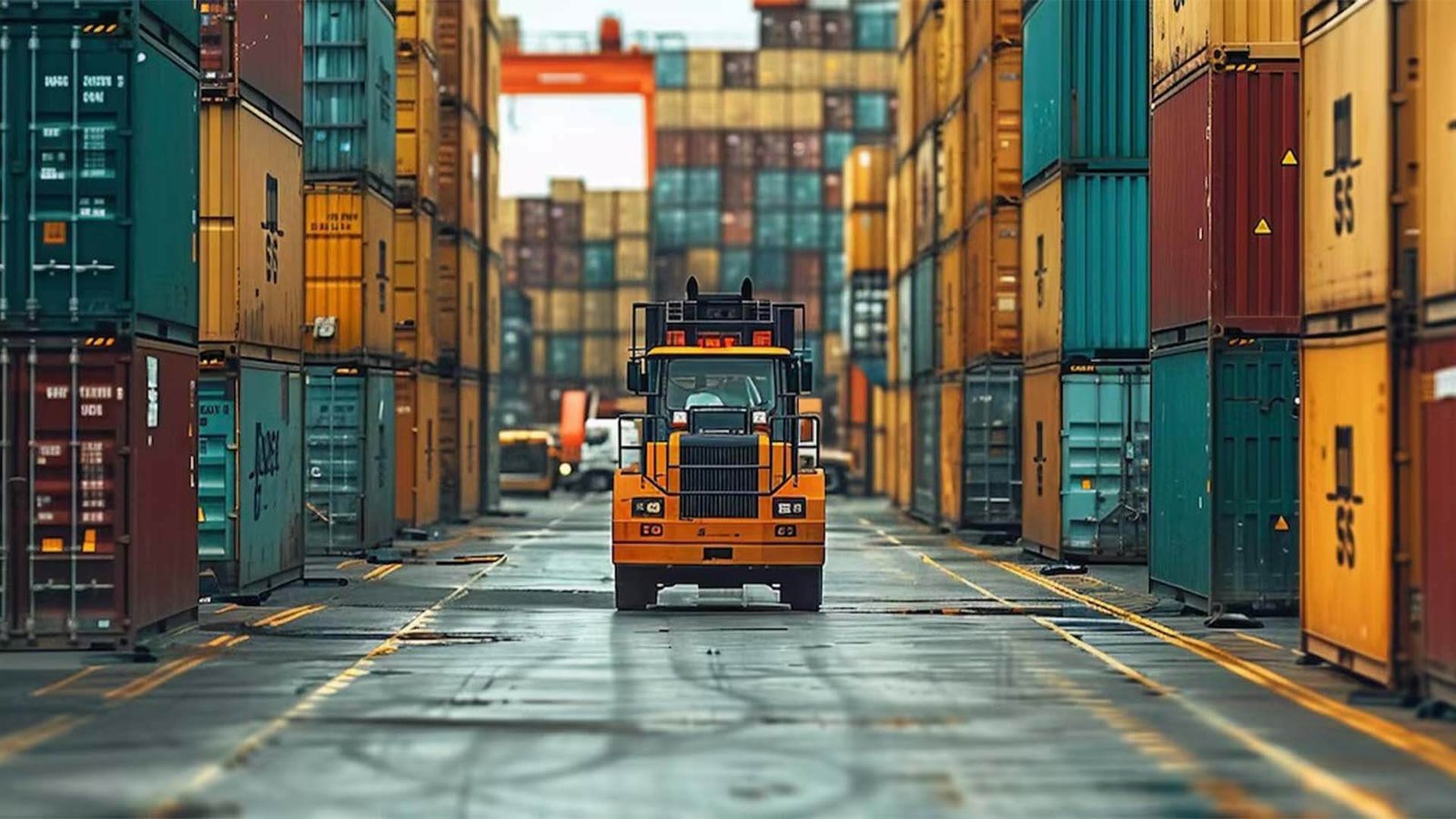
The journey begins with the factory in China and ends at an Amazon fulfillment center in the U.S. Throughout this process, there are many points where importers can make costly mistakes. With careful attention to detail, we can avoid these pitfalls and ensure a smooth shipping experience.
How the End-to-End Shipping Process from China to Amazon FBA Works from Factory Pickup to Warehouse Check-In?
Shipping from China to Amazon FBA requires a clear understanding of the entire process. Many importers feel overwhelmed by the complexity of the logistics involved.
The end-to-end shipping process involves factory pickup1, freight forwarding2, customs clearance3, and finally delivering to the Amazon warehouse. Each step must be managed carefully to avoid issues.
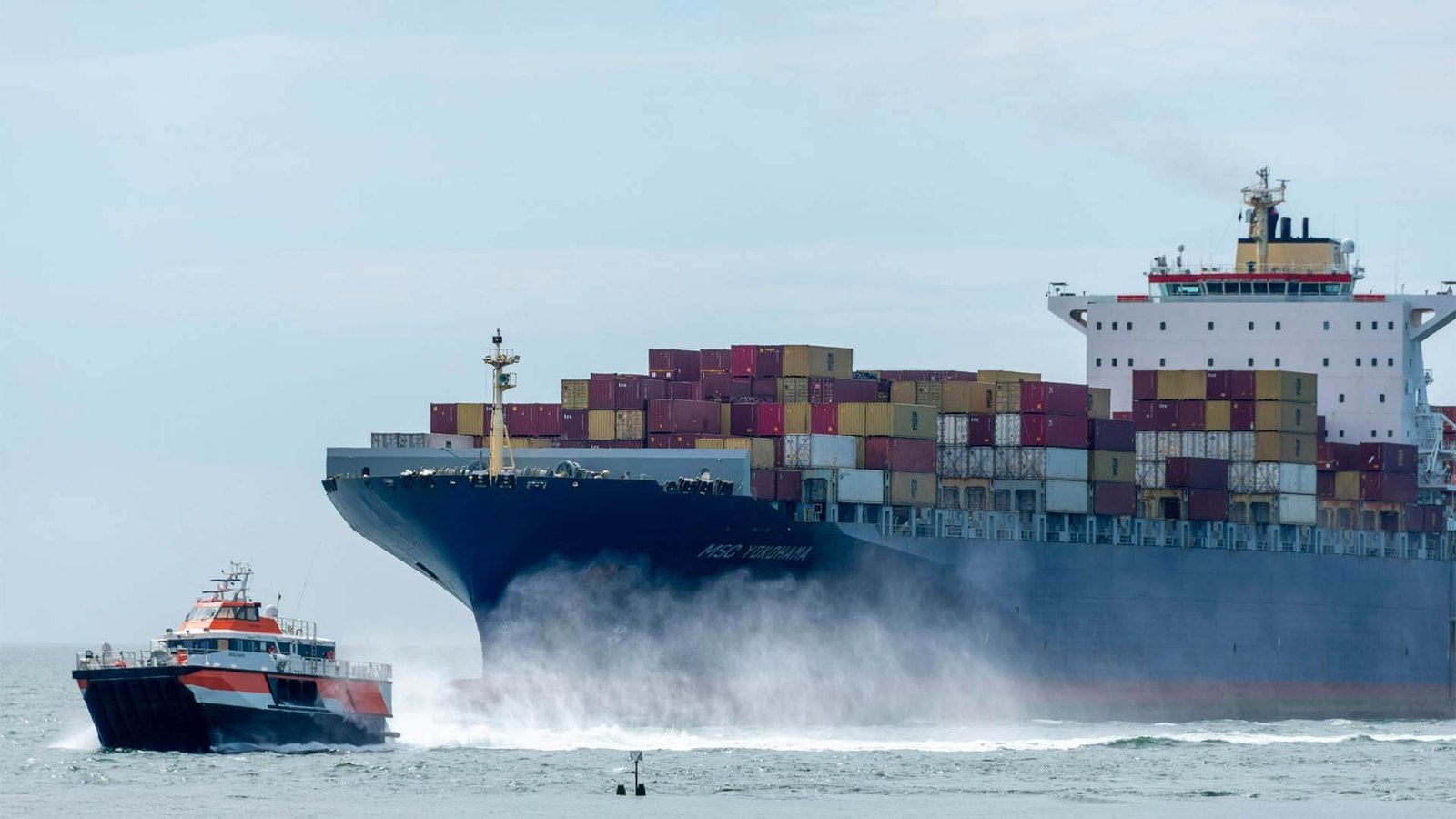
To dive deeper, let's break down the key stages:
-
Factory Pickup: The logistics provider coordinates the pickup from the factory. This step often requires communicating with the supplier to ensure everything is ready for shipping.
-
Freight Forwarding: After pickup, goods are transported to a freight forwarder. They handle the logistics of moving the shipment, including booking space on carriers.
-
Customs Clearance: Before entering the U.S., customs clearance3 must be completed. This step requires accurate documentation to avoid delays and penalties.
-
Delivery to Amazon4: Finally, the shipment arrives at the Amazon fulfillment center. It must meet Amazon's guidelines to ensure a smooth check-in process.
Understanding this flow is essential for importers. It highlights the importance of each step and the risks of neglecting any part of the process.
Whether to Ship Directly from China to Amazon FBA or Route Through a Prep and Consolidation Center?
Importers often face a crucial decision: ship directly to Amazon or use a prep and consolidation center. Each option has its advantages and drawbacks.
Choosing between direct shipping and using a prep center depends on the specific needs of the shipment and the level of control required over the preparation process.
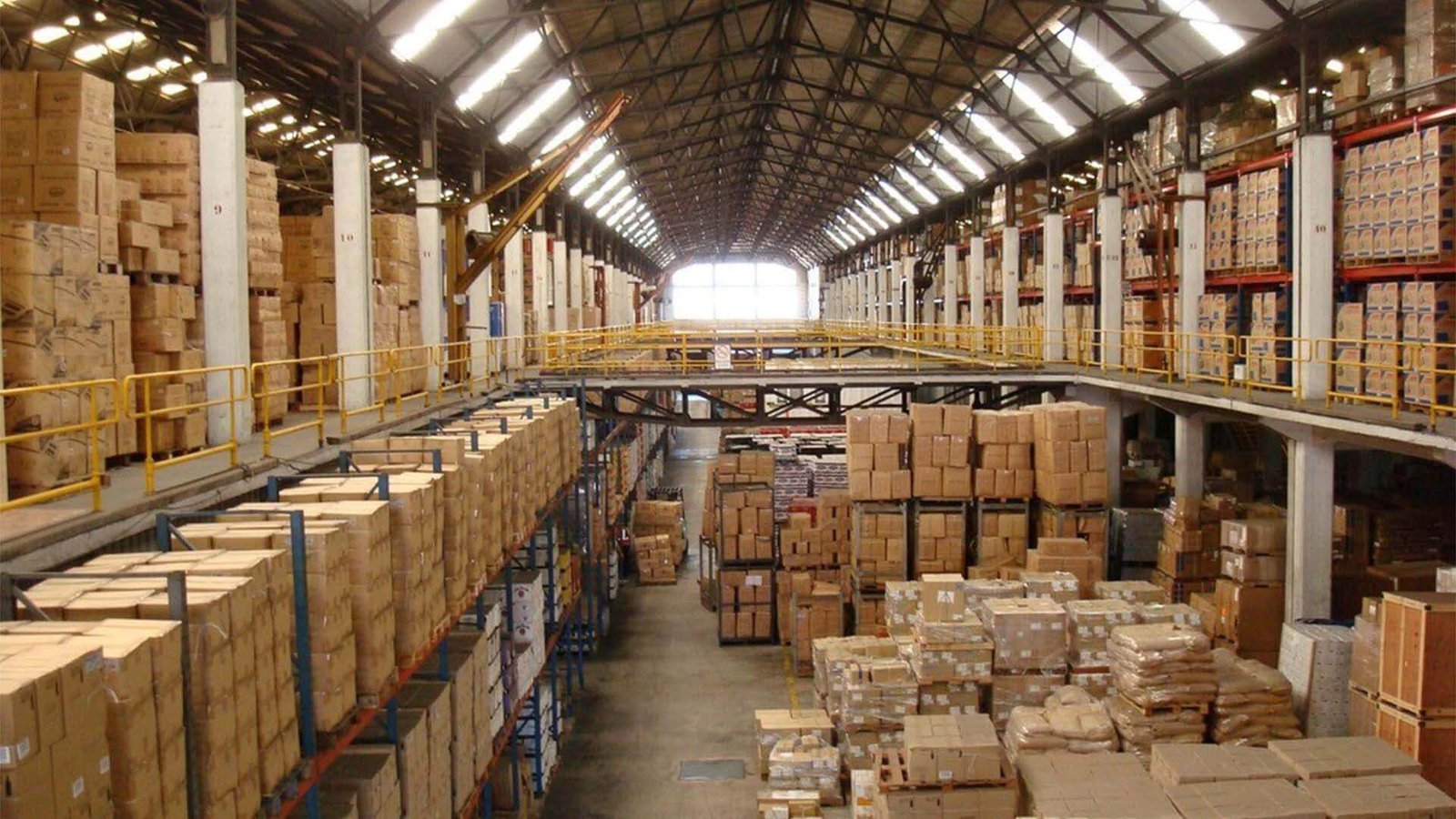
Let’s explore the factors influencing this decision:
-
Direct Shipping5: This option is faster, but it carries risks. If any issues arise with FBA labeling or packaging, it can lead to rejected shipments. Importers must ensure everything complies with Amazon's requirements.
-
Prep Centers6: Using a prep center adds an extra layer of security. These centers can handle labeling, packaging, and quality checks. However, this can extend transit time and add costs.
Deciding on the best method requires weighing speed against potential risks. For many importers, using a prep center can save time and hassle in the long run.
Which Shipping Methods from China to Amazon FBA Balance Cost, Speed, and Inventory Risk?
When choosing shipping methods from China to Amazon FBA, importers must consider cost, speed, and inventory risks. Each method offers different advantages.
Air freight7 is fast but expensive, while ocean freight is cheaper but slower. The right choice depends on the specific needs of the shipment and the business’s cash flow.
Here’s a quick comparison of shipping methods:
| Shipping Method | Best For | Typical Transit Time | Cost Level | Risk Level | Common Importer Mistake |
|---|---|---|---|---|---|
| Express Courier | Samples, urgent replenishment | 2–5 days | $$$ | Low | Overusing for bulk shipments |
| Air Freight | Medium-volume, time-sensitive | 6–10 days | $$–$$$ | Medium | Missing FBA labels |
| Ocean LCL8 | Smaller bulk shipments | 25–40 days | $–$$ | Medium | Ignoring destination fees |
| Ocean FCL | High-volume imports | 25–35 days | $ | Low | Poor appointment planning |
This table illustrates the trade-offs involved in each method. Importers should choose based on their priorities—whether that is speed, cost, or reduced risk.
What Amazon FBA Packaging, Labeling, and Delivery Requirements Cause the Most Importer Mistakes?
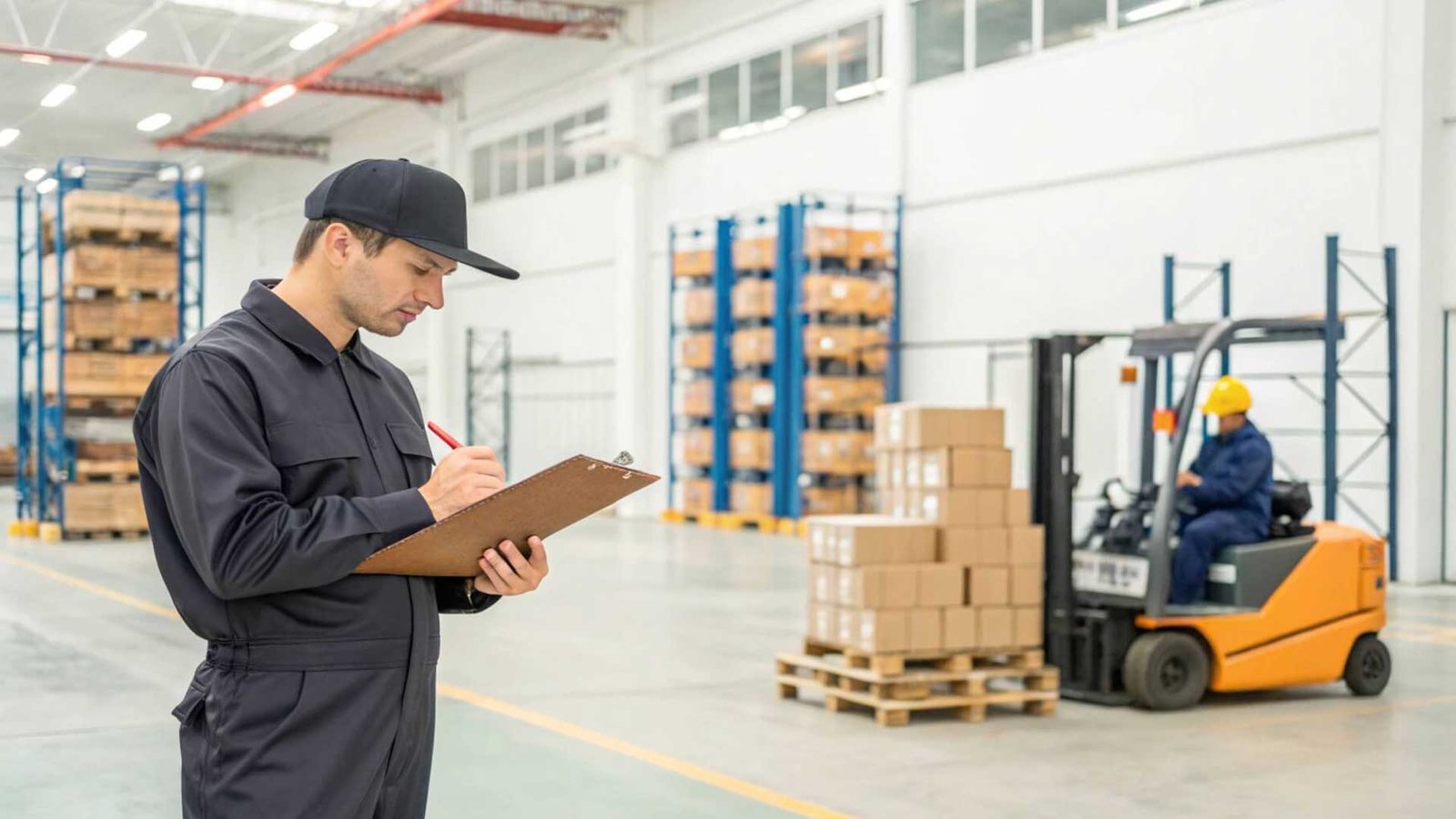
Many importers encounter issues with Amazon’s packaging and labeling requirements. Understanding these requirements is crucial to avoid costly mistakes.
Common mistakes include missing labels, incorrect carton weight, and not following packaging rules. Addressing these issues can save time and money.
Let’s look at some key requirements:
-
FNSKU Labeling: Every item must have a unique FNSKU label. Missing or incorrect labels can lead to shipment rejections.
-
Packaging Rules9: Amazon has strict rules about how items should be packaged. Failure to comply can result in additional fees or delays.
-
Delivery Appointments10: Schedule delivery appointments early to avoid delays. Missing appointments can lead to extra fees or rejected shipments.
Being aware of these requirements is essential for all importers. It helps ensure that shipments arrive correctly and on time.
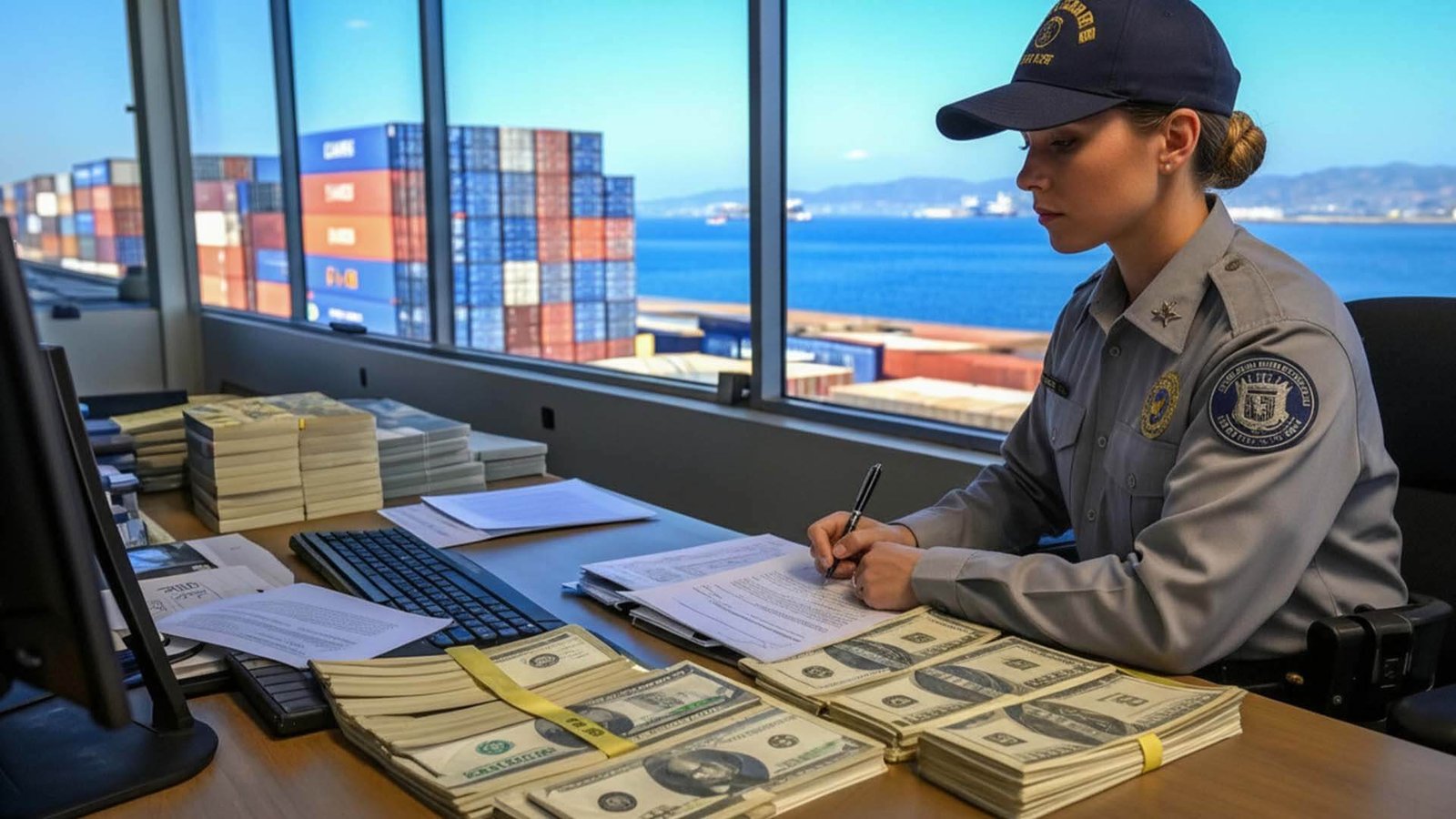
How Customs Clearance, Duties11, ISF, and Importer-of-Record Rules Apply to China-to-Amazon FBA Shipments?
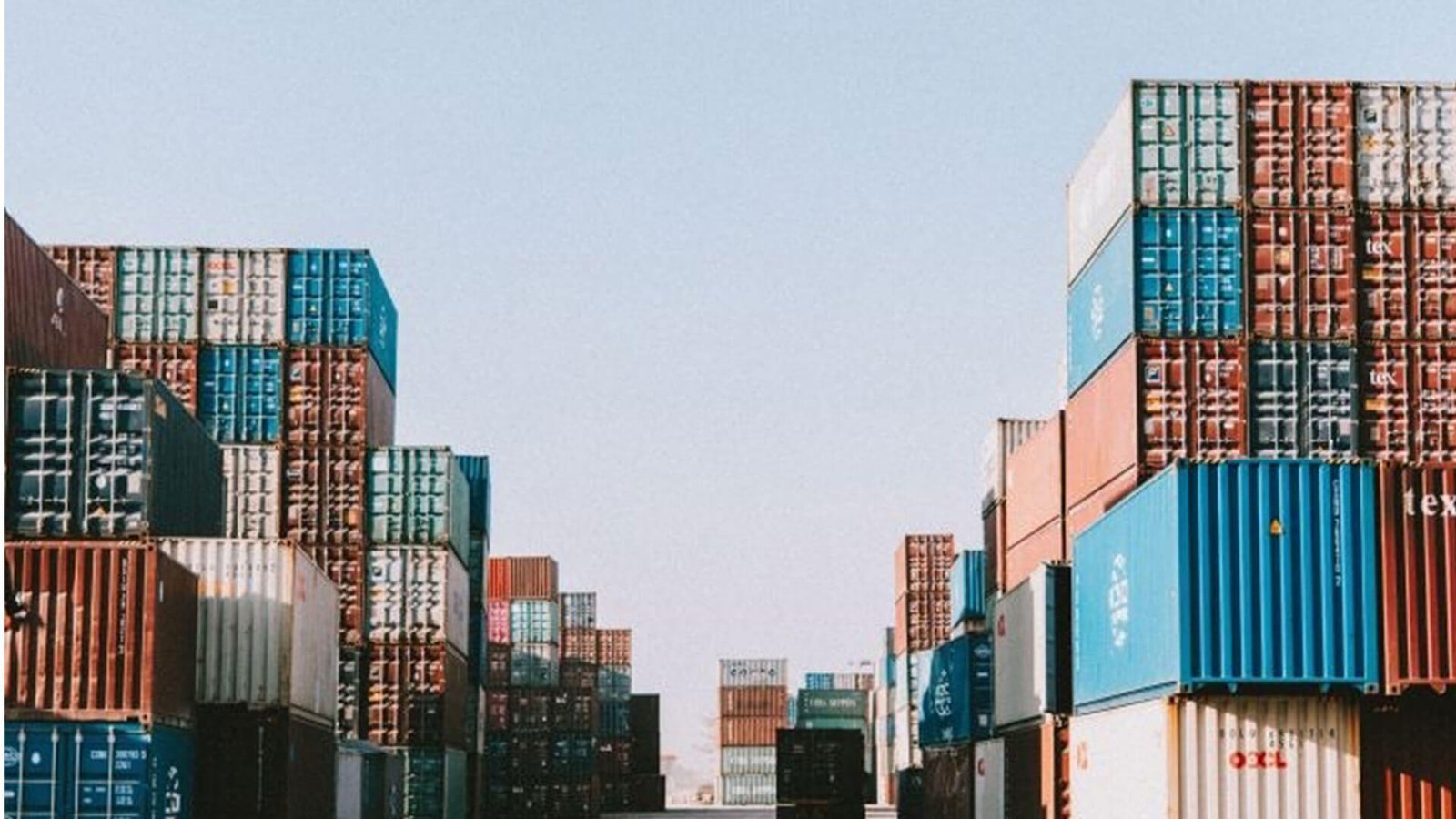
Understanding customs regulations is critical for importers shipping from China to Amazon FBA. Many are unaware of their responsibilities in this area.
Customs clearance, duties, and ISF filings are essential steps that must be managed correctly to avoid delays and unexpected charges.
Here are some important points regarding customs:
-
Duties11: Importers must be prepared to pay duties on their shipments. This cost can vary based on the type of goods.
-
ISF Filing12: Importers must submit an Importer Security Filing (ISF) before shipping. Failure to file on time can lead to fines.
-
Importer of Record: The importer of record is responsible for ensuring compliance with all regulations. This role can be filled by the importer or a third-party service.
Understanding these aspects of shipping helps importers navigate the complexities of customs regulations effectively.
How U.S. Importers Can Reduce Amazon FBA Delays, Rejections, and Unexpected Charges When Shipping from China
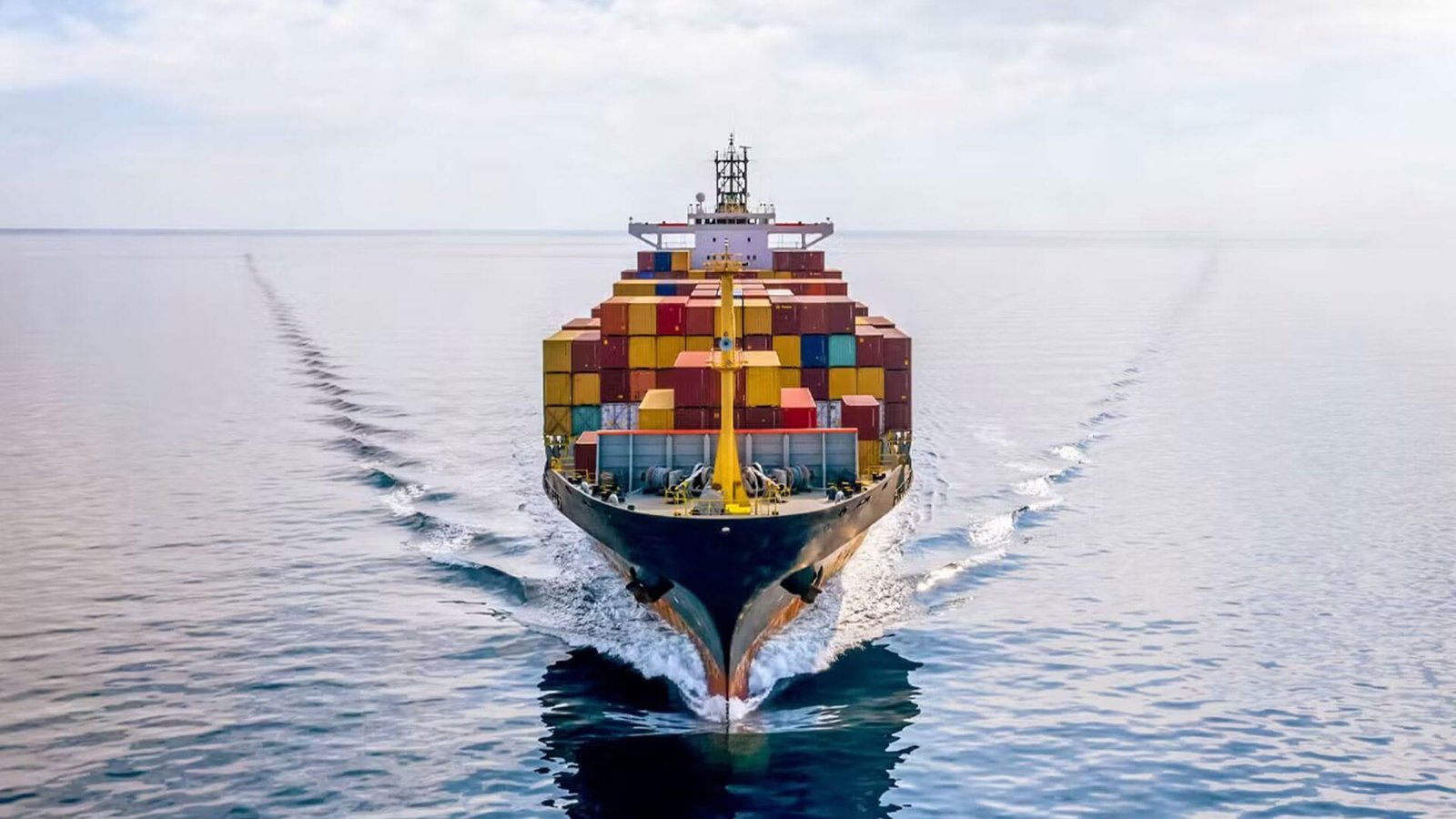
Delays and unexpected charges can be major headaches for importers. However, there are strategies to mitigate these issues.
By following best practices and being proactive, U.S. importers can significantly reduce the likelihood of delays and rejections when shipping from China.
Here are some tips to consider:
-
Double-Check Documentation13: Ensure that all shipping documents are complete and accurate before sending.
-
Communicate with Suppliers14: Maintain open communication with your suppliers to ensure that everything is prepared for shipping.
-
Understand Amazon’s Requirements: Familiarize yourself with Amazon’s shipping and labeling requirements to avoid common mistakes.
By implementing these strategies, importers can streamline their shipping process and avoid unnecessary complications.
Conclusion
Shipping from China to Amazon FBA doesn't have to be complicated. With proper planning and understanding, it can be a seamless process.
Understanding factory pickup is crucial as it marks the beginning of the shipping process, ensuring everything is ready for transit. ↩
Freight forwarding is essential for coordinating logistics and booking carriers, making it a key step in the shipping process. ↩
Customs clearance is vital to avoid delays and penalties, ensuring shipments enter the U.S. smoothly. ↩
Ensuring compliance with Amazon's guidelines during delivery is crucial to avoid rejected shipments and ensure smooth check-in. ↩
Direct shipping offers speed but carries risks if FBA requirements are not met, making it a critical decision for importers. ↩
Prep centers provide additional security by handling labeling and packaging, reducing risks of rejected shipments. ↩
Air freight offers speed but at a higher cost, making it suitable for time-sensitive shipments. ↩
Ocean LCL is cost-effective for smaller shipments but slower, requiring careful planning to avoid destination fees. ↩
Complying with Amazon's packaging rules prevents additional fees and delays, ensuring smooth processing. ↩
Scheduling delivery appointments early helps avoid delays and extra fees, ensuring timely shipment processing. ↩
Understanding duties is essential to prepare for additional costs, ensuring compliance with customs regulations. ↩
ISF filing is crucial to avoid fines and ensure compliance with U.S. customs regulations. ↩
Accurate documentation prevents delays and rejections, ensuring a smooth shipping process. ↩
Effective communication ensures everything is prepared for shipping, reducing the risk of complications. ↩