Shipping from Alibaba to the USA can be complex. Understanding the logistics, costs, and compliance requirements is crucial for U.S. importers to navigate this process effectively.
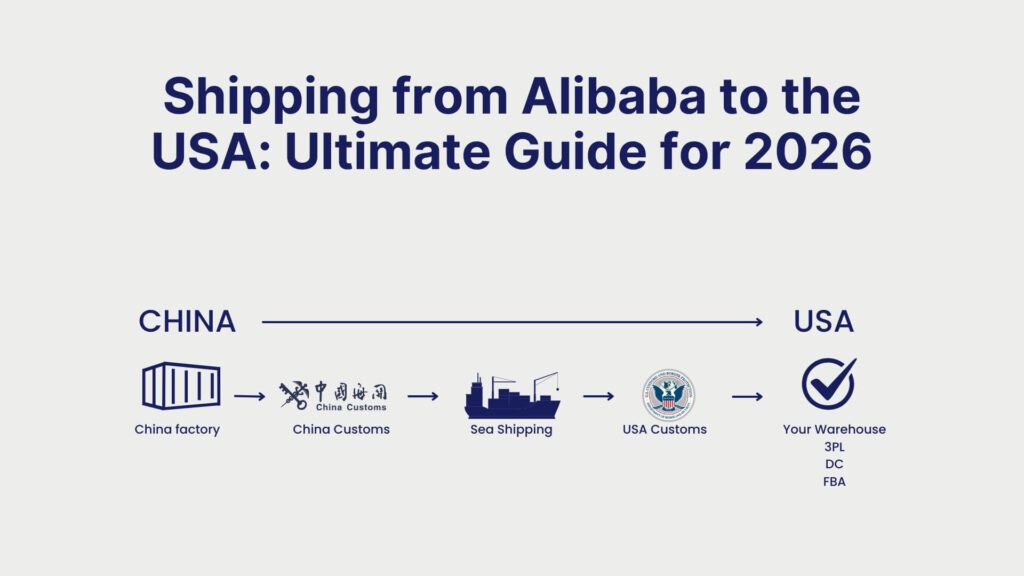
Shipping from Alibaba to the USA involves supplier pickup1, export preparation2, international freight3, U.S. customs clearance4e](https://seller.alibaba.com/businessblogs/what-is-customs-clearance-10-frequently-asked-questions-pxo1697q)%%%FOOTNOTE_REF_5%%%, and final domestic delivery6. While Alibaba connects buyers and factories, U.S. importers remain responsible for freight control7, customs compliance8, and managing risk9 across the entire supply chain.

Understanding the entire shipping process is essential. It can be daunting for first-time importers. However, with the right steps, it becomes manageable. I have learned that breaking down the process helps. Each phase must be executed carefully to avoid pitfalls.
How Does Shipping from Alibaba to the USA Work in 2026 from Supplier Pickup to Final Delivery?
Shipping from Alibaba involves multiple stages. First, suppliers prepare the goods for export. They pack the items and arrange for pickup. Next, the goods are transported to a port for international shipping. After that, they arrive at a U.S. port. From there, customs clearance5 is necessary before the final delivery to your destination.
Shipping from Alibaba to the USA involves supplier pickup1, export preparation2, international freight3, U.S. customs clearance4e](https://seller.alibaba.com/businessblogs/what-is-customs-clearance-10-frequently-asked-questions-pxo1697q)%%%FOOTNOTE_REF_5%%%, and final domestic delivery6. While Alibaba connects buyers and factories, U.S. importers remain responsible for freight control7, customs compliance8, and managing risk9 across the entire supply chain.
The complete shipping process requires attention to detail. Each step affects the overall timeline and cost. For instance, delays in customs can lead to increased fees and frustration. Additionally, the choice of shipping method influences delivery times. Understanding this allows for better planning.
The Shipping Cycle
Here’s a brief overview of the shipping cycle:
- Supplier Pickup: The supplier prepares goods for shipment.
- Export Preparation: Documentation and customs requirements are addressed.
- International Freight: The goods are shipped from China to the U.S. via air or sea.
- U.S. Port Arrival: Goods arrive at the destination port.
- Customs Clearance: Required paperwork is submitted for inspection.
- Inland Delivery: The final leg of the journey to the warehouse or distribution center.
Each step brings unique challenges. Knowing what to expect makes it easier to handle shipping from Alibaba.
What Shipping Methods from Alibaba to the USA Best Balance Cost, Transit Time, and Risk for U.S. Importers?
Choosing the right shipping method is crucial. U.S. importers generally prefer ocean freight10 due to cost efficiency. Air freight is used for urgent shipments, but it can be significantly more expensive. The choice between these methods depends on several factors, including shipment size, urgency, and budget considerations.
Most U.S. importers use ocean freight10 for Alibaba shipments to control costs, while air freight11 supports urgent or high-value goods. The optimal method depends on shipment size, lead-time tolerance, inventory risk, and budget, making mode selection a strategic decision rather than a default choice.
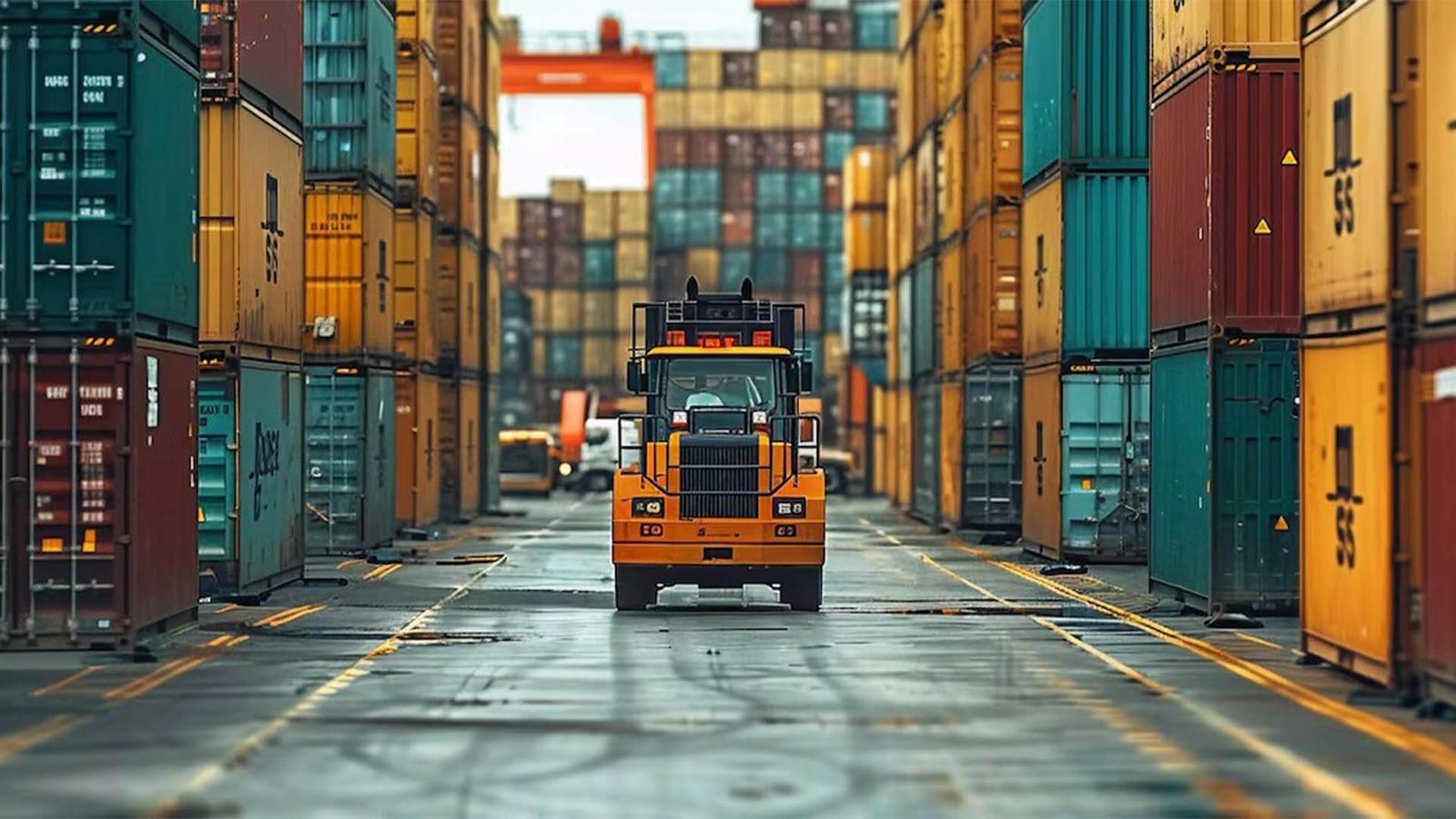
When deciding, consider the trade-offs. Air freight may save time, but the cost can be prohibitive for bulky items. Conversely, ocean freight10 often involves longer wait times but results in significant savings. Understanding your business needs is essential for making the right choice.
Comparing Shipping Methods
Here’s a comparison of shipping methods12:
| Method | Cost | Transit Time | Risk Level |
|---|---|---|---|
| Ocean Freight | Low | 20-40 days | Medium |
| Air Freight | High | 5-10 days | Low |
Evaluating these factors helps to optimize your shipping strategy. Each method has its pros and cons, and the ideal choice varies by shipment and urgency.
How Do Incoterms13, Supplier Freight Quotes, and Cost Responsibility Impact Alibaba Shipping Prices?
Incoterms13 define responsibilities in shipping agreements. They outline who pays for shipping, insurance, and customs duties. For instance, EXW places most responsibility on the buyer, while DDP means the seller handles everything until delivery. Misunderstanding these terms can lead to unexpected costs.
Alibaba shipping prices are heavily influenced by Incoterms13, which define who controls freight and bears risk. Misunderstanding EXW, FOB, or DDP terms often leads to hidden charges, poor visibility, and higher landed costs, making Incoterm clarity essential for cost control.
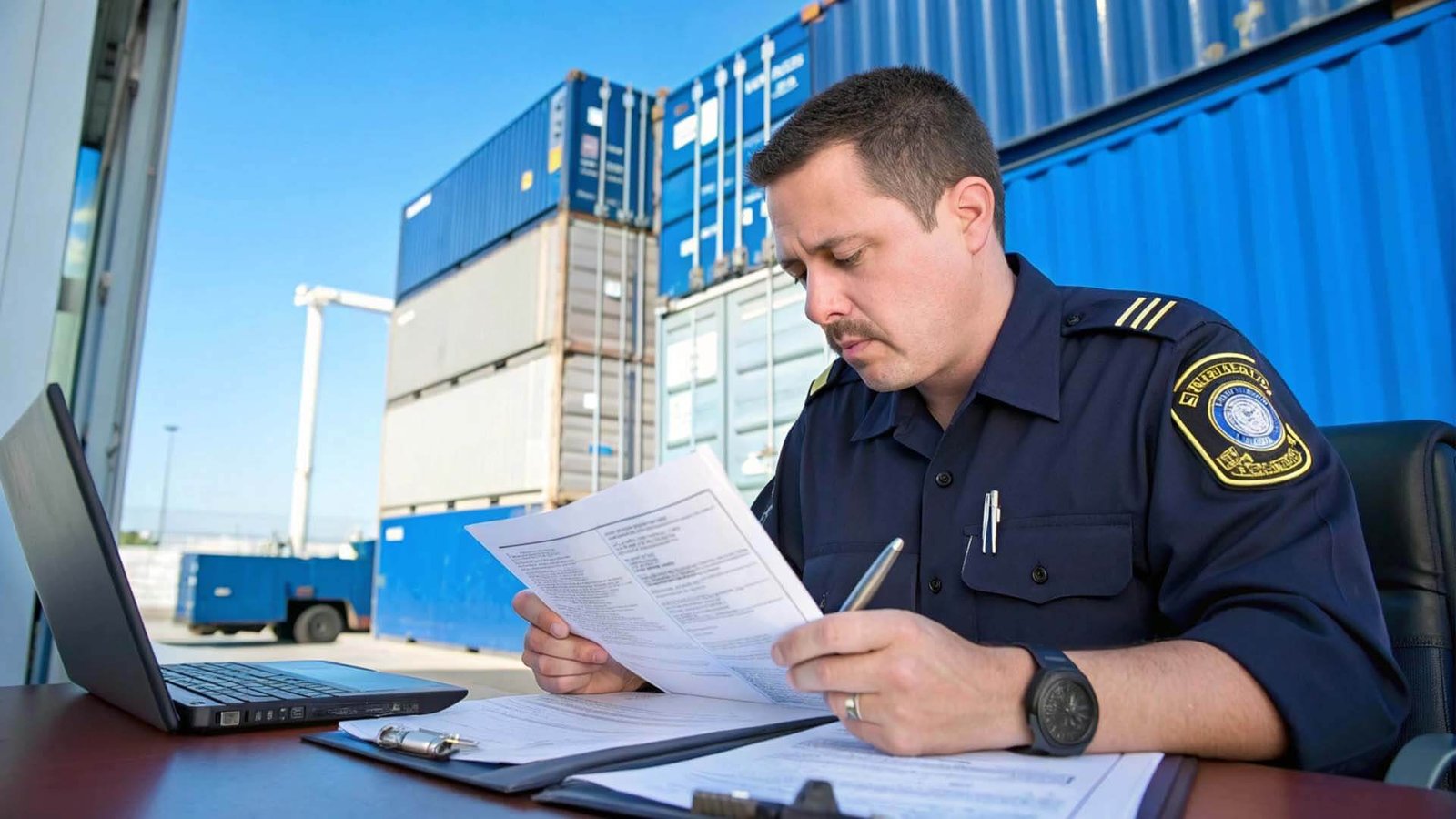
Clear communication with suppliers about Incoterms13 is vital. This ensures you understand your cost responsibilities. Get accurate supplier freight quotes14 to avoid surprises later. Properly managing these aspects leads to better budgeting and cost control.
Understanding Incoterms13
Here’s a brief overview of common Incoterms13:
| Incoterm | Buyer Responsibility | Seller Responsibility |
|---|---|---|
| EXW | Full | None |
| FOB | Loading on vessel | Transport to port |
| DDP | None | Full |
Understanding these terms helps you manage shipping costs and responsibilities effectively. Know what to expect to avoid issues down the line.
What Customs Clearance, Duties, and Import Compliance Requirements Apply to Alibaba Shipments Entering the USA?
Customs clearance is a critical step. All shipments must clear U.S. customs before delivery. This includes submitting documentation and paying any applicable duties and taxes. The correct identification of goods with the Harmonized System (HS) code15 is crucial to avoid delays and additional charges.
All Alibaba shipments entering the USA must clear customs and may be subject to duties, tariffs, and regulatory requirements. Accurate HS classification, valuation, and compliant documentation are critical to avoiding customs holds, penalties, or unexpected tax exposure in 2026.

Import compliance includes regulations set by U.S. Customs and Border Protection (CBP). Ensure all documents are accurate and complete. Missing or incorrect paperwork can lead to significant delays and penalties.
Customs Process Breakdown
The customs process generally includes:
- Documentation Preparation: Accurate invoices and packing lists.
- Customs Declaration: Submit necessary forms to CBP.
- Payment of Duties: Pay any applicable taxes or tariffs.
- Inspection: Goods may be subject to physical examination.
- Release: Once cleared, goods can proceed to their destination.
Understanding these steps is crucial for smooth customs clearance5. Ensure you comply with all regulations to avoid headaches.
What Common Alibaba Shipping Mistakes in 2026 Cause Hidden Fees, Delays, or Customs Holds?
Mistakes in shipping can be costly. Common errors include relying on supplier-controlled freight16, misunderstanding Incoterms13, and undervaluing goods. Each mistake can lead to delays and unexpected fees that increase your total costs significantly.
Common Alibaba shipping mistakes include relying on supplier-controlled freight16, unclear Incoterms13, undervaluation, and missing documents. These issues frequently cause customs delays, surprise fees, and cargo holds that increase total landed cost and disrupt delivery timelines.
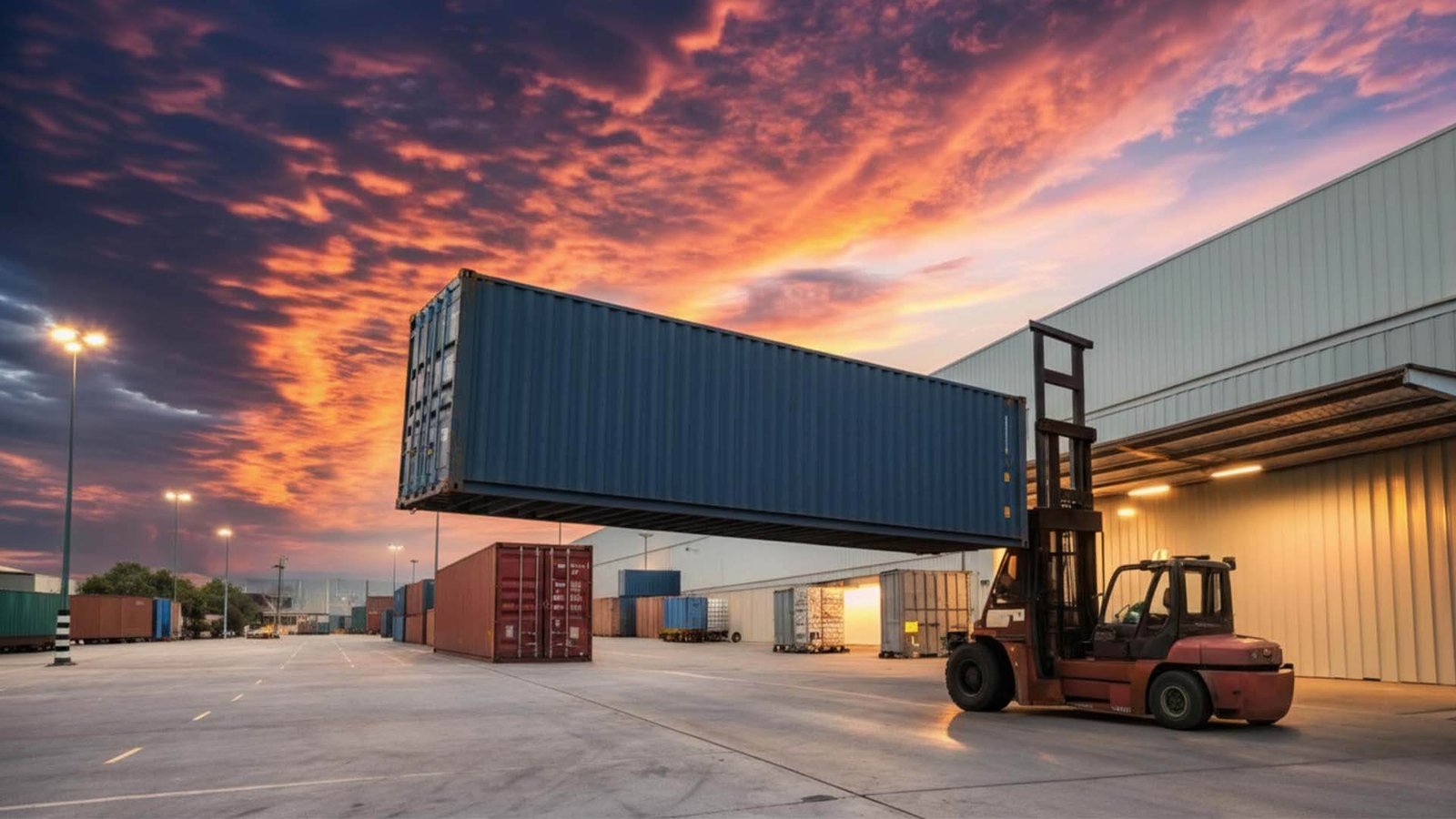
I have seen firsthand how small oversights can lead to major complications. For instance, misclassifying goods can result in hefty fines. Staying informed and proactive helps prevent these issues from escalating.
Avoiding Common Mistakes
Here are some common pitfalls to avoid:
| Mistake | Consequence |
|---|---|
| Relying on supplier freight | Increased costs, potential delays |
| Misunderstanding Incoterms13 | Hidden charges, poor visibility |
| Undervaluation of goods | Customs holds, penalties |
| Missing documentation | Delays in customs clearance5 |
Being aware of these mistakes helps you navigate shipping more effectively. Prevention is the key to smoother operations.
How Can U.S. Importers Reduce Risk, Control Costs, and Scale Alibaba Imports with the Right Logistics Strategy?
A solid logistics strategy17 is vital for U.S. importers. This includes consolidating shipments, controlling freight, and validating compliance before export. Partnering with experienced logistics providers can greatly enhance reliability and efficiency.
U.S. importers reduce risk and scale Alibaba sourcing by consolidating shipments, taking control of freight, validating compliance before export, and working with experienced logistics partners. An integrated approach improves lead-time predictability, cost transparency, and long-term supply chain stability.
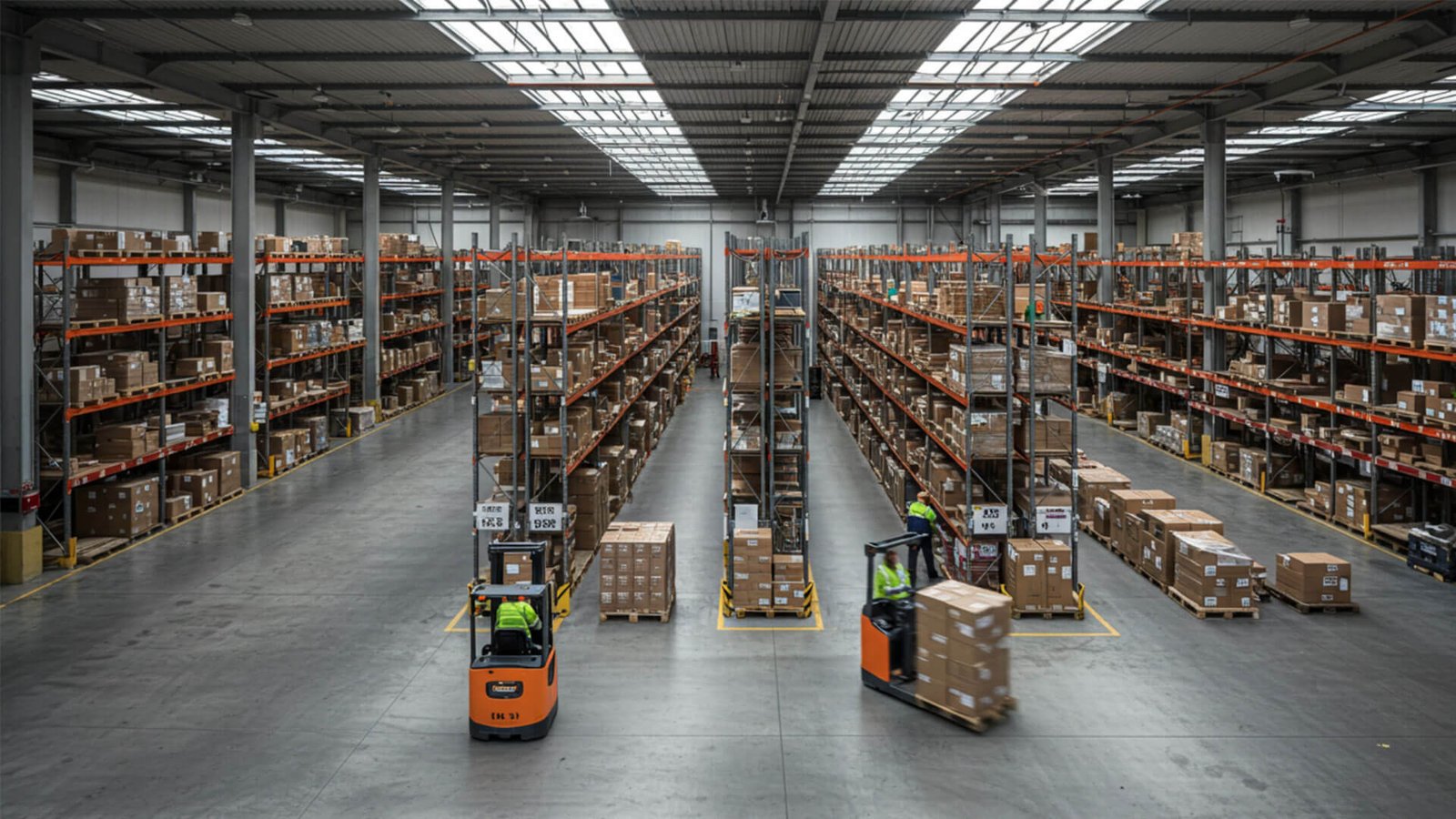
By implementing these strategies, importers can improve their overall experience. It leads to less stress, more predictable costs, and better supplier relationships. Building a robust logistics strategy17 is essential for growth.
Building a Robust Logistics Strategy
Key components of a logistics strategy17 include:
- Consolidation: Combine multiple shipments to reduce costs.
- Freight Control: Negotiate rates and terms directly with carriers.
- Compliance Validation: Ensure all documentation meets requirements before shipping.
These steps help mitigate risks and ensure smoother operations. By being proactive, you can better manage your imports and support your business growth.
Conclusion
Shipping from Alibaba to the USA requires careful planning and understanding of logistics, costs, and compliance.
Understanding supplier pickup is crucial as it marks the beginning of the shipping process, ensuring your goods are prepared and collected efficiently. ↩
Export preparation is vital for ensuring all necessary documentation and customs requirements are met before shipping, preventing delays. ↩
Choosing the right international freight option affects cost and delivery time, making it essential for efficient shipping. ↩
Understanding customs clearance helps avoid delays and additional fees, ensuring smooth entry of goods into the USA. ↩
Customs clearance is a critical step to ensure goods enter the USA legally and without delays. ↩
Final domestic delivery is the last step in the shipping process, crucial for getting goods to their final destination. ↩
Maintaining freight control allows importers to manage costs and risks effectively throughout the shipping process. ↩
Customs compliance is essential to avoid legal issues and ensure smooth processing of shipments. ↩
Managing risk is crucial to prevent unexpected costs and delays, ensuring a smooth shipping process. ↩
Ocean freight is cost-effective for large shipments, making it a popular choice for importers. ↩
Air freight is ideal for urgent or high-value shipments, despite being more expensive. ↩
Choosing the right shipping method balances cost, time, and risk, optimizing the shipping strategy. ↩
Understanding Incoterms is crucial for defining responsibilities and avoiding hidden costs in shipping agreements. ↩
Accurate freight quotes help in budgeting and avoiding unexpected costs during shipping. ↩
Correct HS code classification prevents delays and additional charges during customs clearance. ↩
Relying on supplier-controlled freight can lead to increased costs and potential delays. ↩
A solid logistics strategy reduces risk, controls costs, and supports business growth. ↩