Moving goods back through the supply chain can seem complicated. But understanding reverse logistics1 is crucial for U.S. importers like you.
Reverse logistics manages the movement of goods after delivery, including customer returns2, warranty claims3, recalls4, and excess inventory5. For importers, it often involves international transportation6, customs handling, inspection, and disposition. Unlike forward logistics, reverse flows focus on cost recovery7, compliance, and minimizing financial loss.

Reverse logistics is not just a fancy term; it affects your bottom line. If you don’t handle returns properly, you could face unnecessary costs and compliance issues. Let’s dive into why understanding reverse logistics1 is essential for your business.
Reverse logistics refers to the process of moving imported goods back through the supply chain for return, repair, resale, or disposal?
Reverse logistics is an integral part of the supply chain. It involves returning goods to the manufacturer or distributor for various reasons. These reasons can include damage during shipping, customer returns2, or simply the end of the product's life cycle. Understanding reverse logistics1 can help you save money and comply with regulations.
Reverse logistics plays a critical role in protecting importer margins. Improper handling of returns can result in unrecoverable duties, duplicate payments, and inventory write-offs8. Well-planned reverse logistics1 helps importers recover value through resale, duty drawback, or compliant destruction while reducing overall landed-cost exposure9.
Companies often underestimate the importance of reverse logistics1. If goods are not processed correctly, there can be significant financial losses. So, understanding how to manage these processes effectively is key to maintaining healthy profit margins.
Table: Common Scenarios in Reverse Logistics
| Scenario | Description |
|---|---|
| Customer Returns | Goods returned due to dissatisfaction or defects. |
| Warranty Replacements | Replacements for products covered under warranty. |
| Product Recalls | Returning products due to safety issues or defects. |
| Excess Inventory Repositioning | Moving excess stock to different locations or markets. |
For U.S. importers, reverse logistics1 directly affects duty recovery10, inventory write-offs8, and total landed cost?
Every time a product is returned, it involves a cost. These costs can escalate quickly if not managed properly. Duty recovery, for example, is a significant aspect of reverse logistics1 that affects your finances.
International returns play a critical role in protecting importer margins. Improper handling of returns can result in unrecoverable duties, duplicate payments, and inventory write-offs8. Well-planned reverse logistics1 helps importers recover value through resale, duty drawback, or compliant destruction while reducing overall landed-cost exposure9.
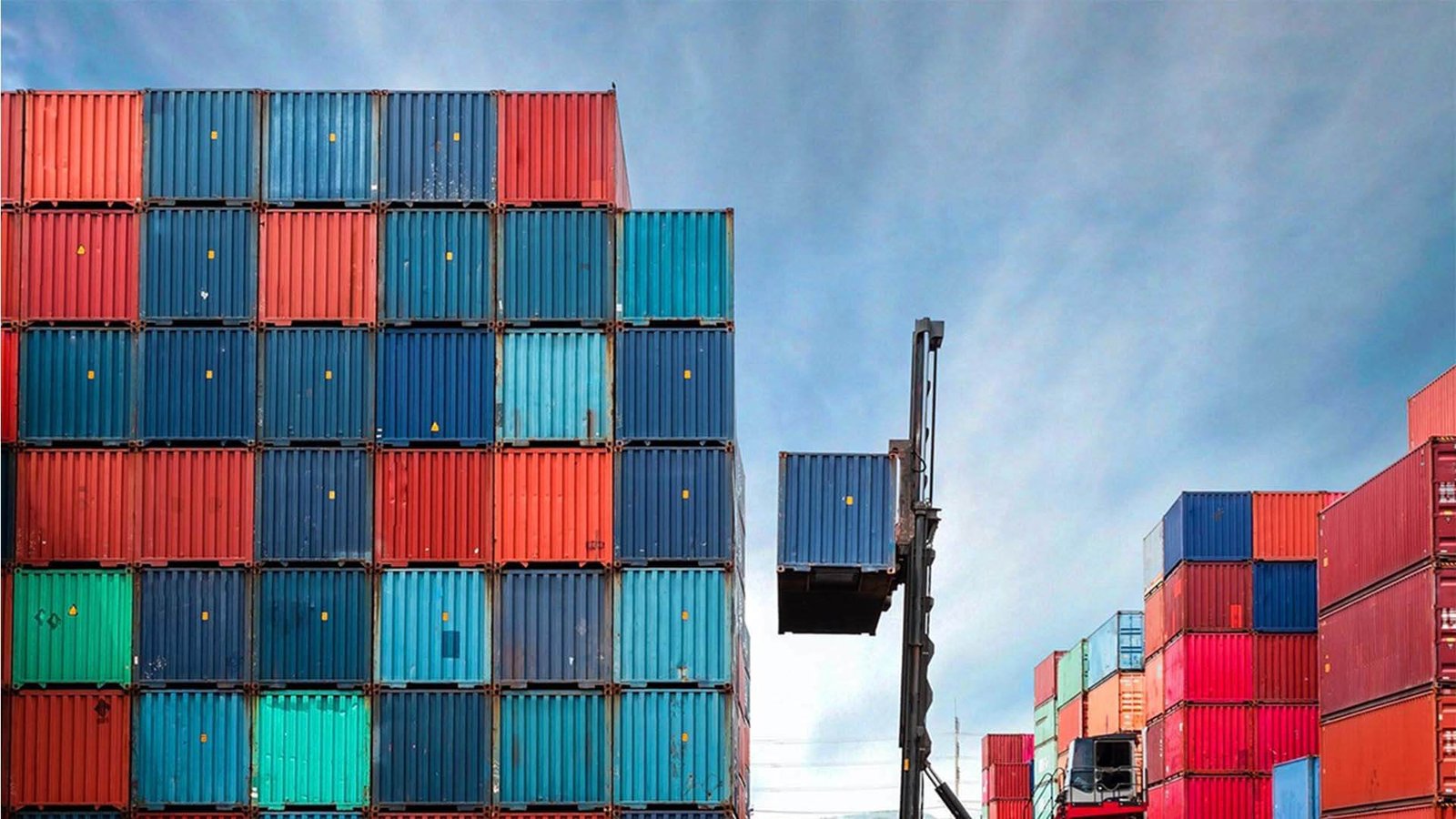
Handling returns improperly can lead to financial losses. When returns happen, the first priority should be to assess whether duties can be recovered. This recovery process can greatly influence overall costs.
Returned international shipments must be handled carefully to avoid customs penalties11, double duties, and compliance violations12?
Returns are not as simple as they may seem, especially when customs are involved. Failing to follow the correct procedures can result in hefty penalties.
International returns are subject to U.S. customs rules, even when goods are coming back to the importer. Incorrect declarations, missed drawback opportunities, or improper disposal can trigger penalties or double duty payments. Customs-aware reverse logistics1 is essential to maintain compliance and protect financial outcomes.
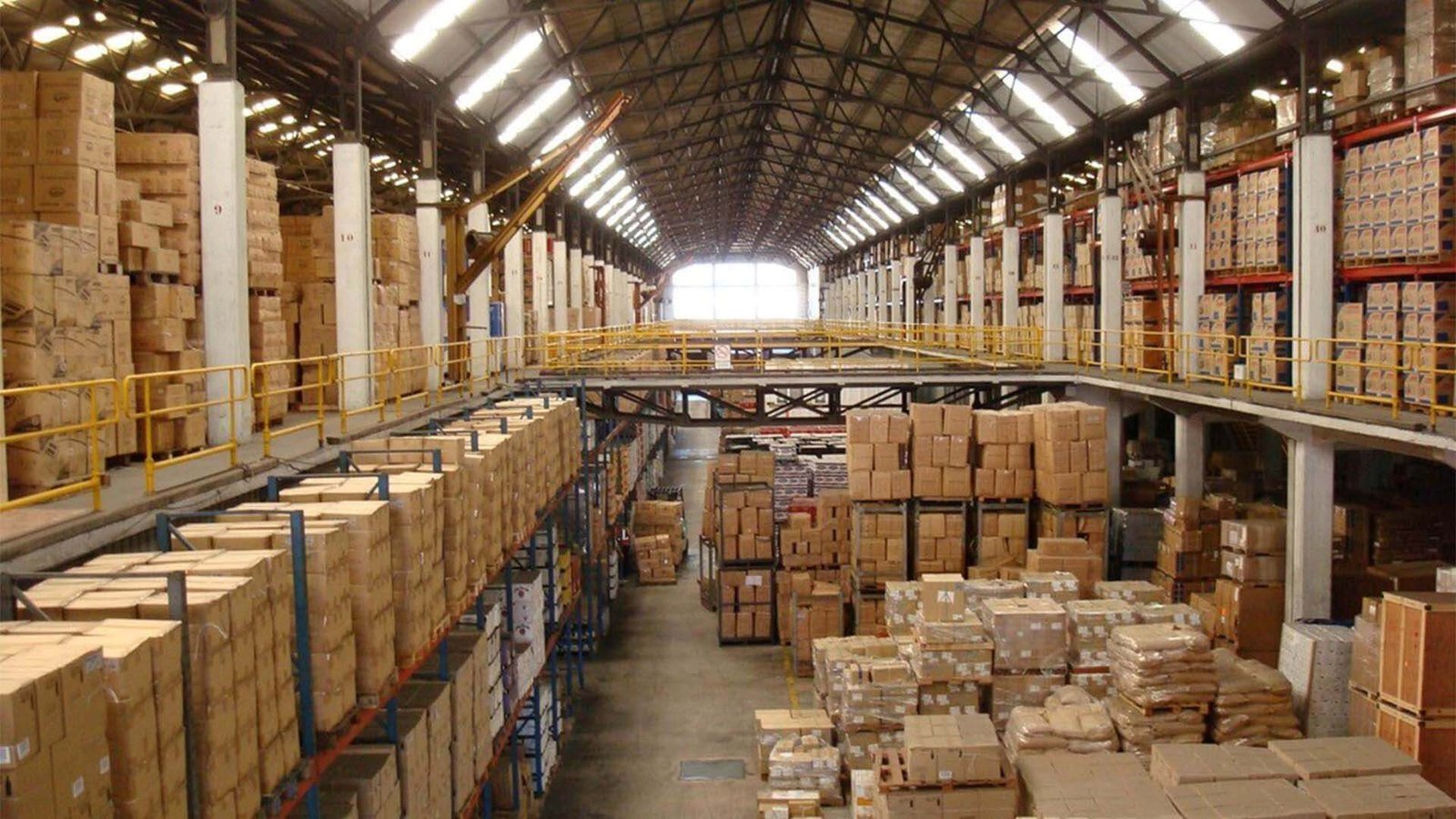
Ignoring customs regulations can lead to unnecessary complications. This is where a solid understanding of reverse logistics1 comes into play. By structuring your return process correctly, you can minimize penalties and stay compliant.
Common reverse logistics1 scenarios include customer returns2, warranty replacements, recalls4, and excess inventory5 repositioning?
Different scenarios call for different handling methods. Understanding these scenarios is crucial for effective reverse logistics1 management.
Importers encounter reverse logistics1 across multiple scenarios, including e-commerce returns, defective product replacements, regulatory recalls4, and overstock redistribution. Each scenario carries different transportation6, customs, and disposition requirements. Treating all returns the same often increases cost, risk, and processing delays.
Each return scenario has its own set of challenges. A one-size-fits-all approach usually leads to inefficiencies and higher costs. By carefully managing each return scenario, you can streamline the process and recover more value.
Effective reverse logistics1 services combine transportation6, customs handling, warehousing13, and disposition planning14?
A well-rounded reverse logistics1 plan considers various factors. From transportation6 to customs handling, each aspect must be coordinated well.
Successful reverse logistics1 requires coordination across transportation6, customs clearance, inspection facilities, and final disposition. Fragmented handling leads to delays, compliance gaps, and lost recovery value. Integrated services allow importers to control timing, documentation, and outcomes across the entire reverse flow.
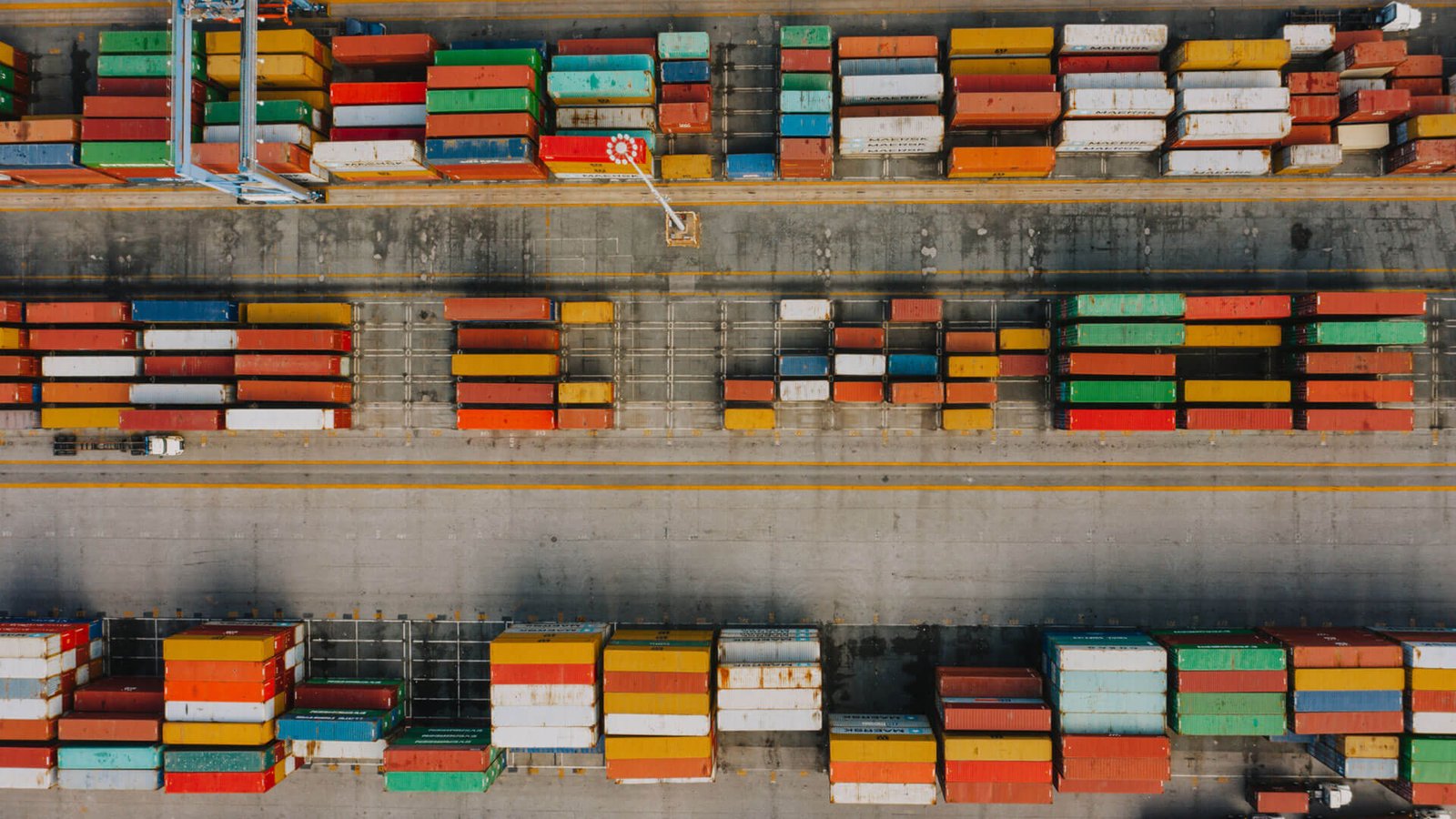
When all elements work together, you can enhance efficiency and minimize risks. This integration is vital for protecting your margins and keeping your operations running smoothly.
Importers that integrate reverse logistics1 into their supply chain gain better cost control, compliance visibility, and margin recovery?
Planning for returns is not just a good practice; it’s essential for your business. Effective reverse logistics1 can lead to significant benefits, including cost control and compliance visibility.
Treating reverse logistics1 as a core supply-chain function improves cost predictability and compliance outcomes. Importers that plan for returns in advance—rather than reacting—recover more value, reduce write-offs, and maintain control over customs risk, inventory accuracy, and customer service performance.
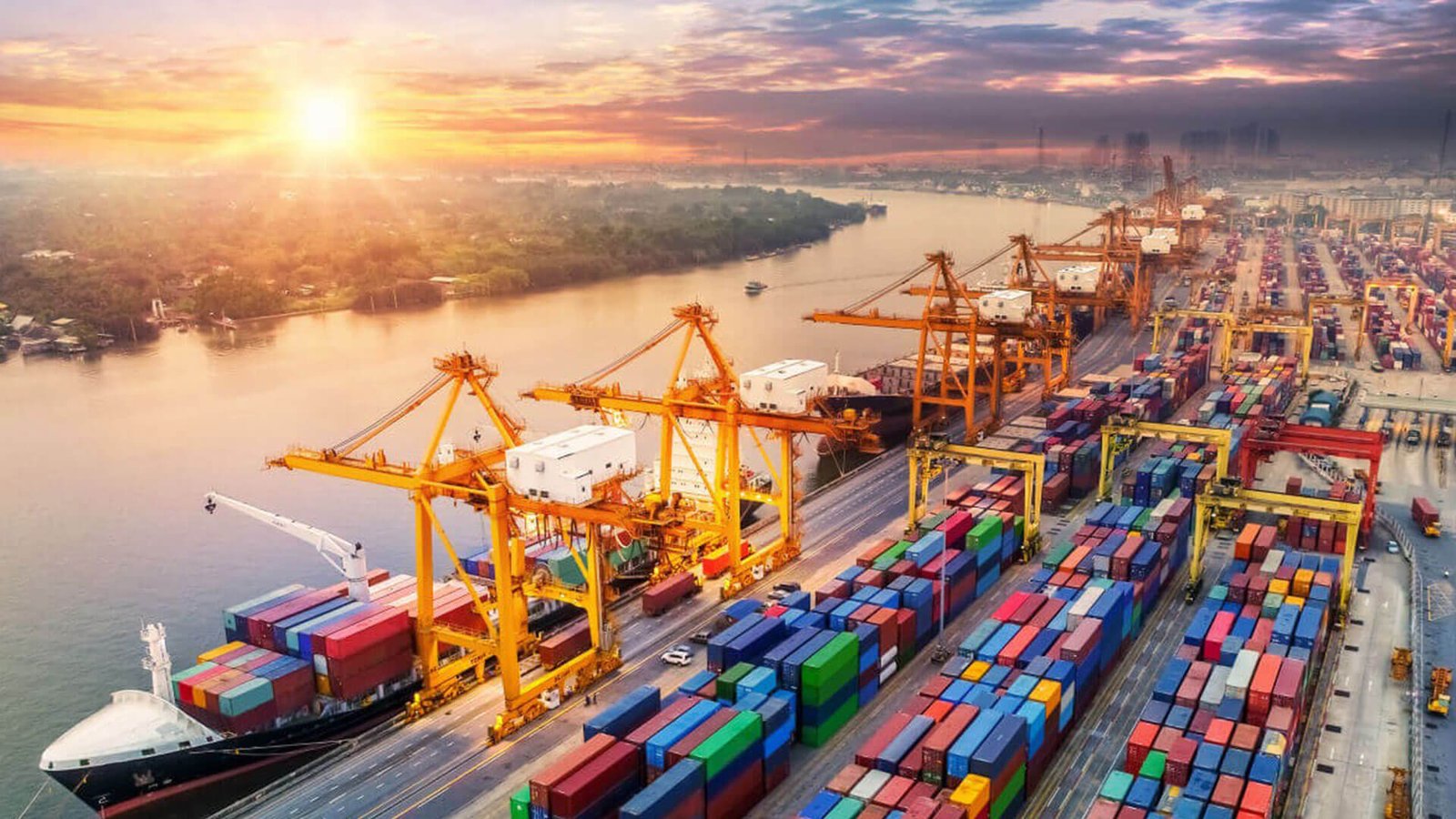
Integrating reverse logistics1 into your supply chain strategy helps mitigate risks and recover costs. By doing this, you can focus on enhancing customer satisfaction and improving your profit margins.
Conclusion
Understanding reverse logistics1 is vital for U.S. importers to reduce costs and ensure compliance.
Understanding reverse logistics is crucial for managing returns, minimizing costs, and ensuring compliance, which directly impacts your business's bottom line. ↩
Exploring customer returns can help you understand their effect on supply chain efficiency and how to manage them to reduce costs and improve customer satisfaction. ↩
Learning about warranty claims can provide insights into managing product quality and customer service, which are essential for maintaining brand reputation. ↩
Understanding recalls is vital for managing risks and protecting your brand's reputation, as they can have significant financial and operational impacts. ↩
Managing excess inventory effectively can help reduce storage costs and improve cash flow, making it a critical aspect of supply chain management. ↩
Efficient transportation is vital for reducing costs and improving the speed of reverse logistics processes, impacting overall supply chain performance. ↩
Exploring cost recovery methods in reverse logistics can help businesses minimize financial losses and improve profitability. ↩
Learning about inventory write-offs can help businesses manage their inventory more effectively and avoid unnecessary financial losses. ↩
Minimizing landed-cost exposure is crucial for importers to control costs and improve profit margins, making it an important area to explore. ↩
Understanding duty recovery can help importers reduce costs associated with international returns, enhancing overall financial performance. ↩
Avoiding customs penalties is essential for maintaining compliance and reducing costs, which is critical for successful international operations. ↩
Preventing compliance violations is key to avoiding legal issues and financial penalties, ensuring smooth reverse logistics operations. ↩
Understanding the role of warehousing in reverse logistics can help optimize storage and handling processes, reducing costs and improving efficiency. ↩
Effective disposition planning is crucial for maximizing value recovery and minimizing waste, making it an essential component of reverse logistics. ↩