Lead time is crucial in e-commerce logistics. U.S. importers1 face challenges that can slow down their operations. I’ll share strategies to minimize these delays and enhance efficiency.
Reducing lead time2s in e-commerce logistics is essential for maintaining competitiveness. By addressing each stage of the process—from supplier production3 to last-mile delivery4—you can significantly improve your overall efficiency.
To truly optimize your logistics, understanding where bottlenecks5 occur is vital. Each stage of the supply chain can introduce delays. Tracking and analyzing these stages can help pinpoint the real culprits and reduce lead time2s effectively.
Break down total lead time2 into supplier production3, origin handling6, international transit7, customs clearance8, and last-mile delivery4 to find the real bottleneck?
Lead time is not one number—it’s the sum of multiple stages. For U.S. importers1, the biggest delays typically happen before cargo even ships (supplier readiness9), at handoffs (origin/port cutoffs), during U.S. clearance (missing data, exams), or inside fulfillment. Start by mapping each step and tracking “days lost” per stage.

Understanding lead time2 is essential for importers. It’s not just about shipping times; it’s about how to optimize each step. By identifying and addressing delays, you can improve turnaround times significantly.
| Stage | Typical Time Range | Biggest Delay Causes | Fix / Control Lever |
|---|---|---|---|
| Supplier production | 1-4 weeks | Material shortages, production issues | Regular updates, clear communication |
| Origin pickup | 1-3 days | Delays in readiness, documentation | Tight schedules, accurate booking |
| Export customs | 1-3 days | Missing paperwork, late submissions | Early document checks, compliance reviews |
| Port/CFS handling | 1-5 days | Congestion, equipment shortages | Advanced planning, partner coordination |
| Ocean/Air transit | 10-30 days | Vessel schedules, weather interruptions | Reliable partners, contingency plans |
| Arrival/terminal | 1-3 days | Unplanned inspections, port delays | Pre-emptive checks, documentation accuracy10 |
| U.S. customs entry | 1-5 days | Inspection holds, incomplete filings | Clean entry strategies, proactive measures |
| Drayage | 1-3 days | Traffic, unloading delays | Scheduled pickups, efficient routing |
| 3PL receiving | 1-3 days | Inefficient processes, capacity issues | Optimize workflows, staff training |
| Pick/pack/ship | 1-2 days | Manual processes, inventory issues | Automation, workflow efficiency |
| Last-mile delivery | 1-3 days | Traffic, delivery windows | Real-time tracking, reliable carriers |
Reduce inbound delays by tightening supplier ready-date control, booking cutoffs, consolidation plans11, and carrier schedules12 before cargo leaves origin?
Most lead-time problems start upstream. U.S. importers1 reduce inbound delays by locking supplier ship-ready dates, standardizing packaging/labels, using pre-export document checks, and booking transport early to meet vessel/flight cutoffs. Consolidation planning (LCL/FCL) and reliable carrier schedules12 prevent missed sailings that add 7–21 days.
To effectively manage lead time2s, focus on your suppliers. Both the booking process and readiness play critical roles. Implementing strict policies can help to tighten control and prevent delays.
- PO management cadence: Weekly supplier confirmation
- “Ship-ready” definition checklist: Ensure suppliers know what’s needed before shipping.
- Buffer strategy: Plan for production and transit buffers to account for uncertainties.
- Consolidation rules: Identify when to switch from LCL to FCL to maximize efficiency.
- Carrier strategy: Select between direct vs. transshipment based on schedule reliability.
| Supplier Readiness Scorecard (1–5) | Lead Time Accuracy | Packaging Compliance | Export Doc Accuracy | Booking Discipline | On-Time Handoff |
|---|---|---|---|---|---|
Shorten U.S. customs clearance8 time by fixing classification13, documentation accuracy10, bond/ISF readiness14, and exam-risk triggers15 before arrival?
Customs delays are preventable when compliance is handled before arrival. To reduce clearance time, importers should confirm HTS classification13, value and COO, keep invoices/packing lists consistent, file ISF correctly and early, maintain the right customs bond, and proactively flag commodities with higher exam risk. “Clean entry” equals faster release.
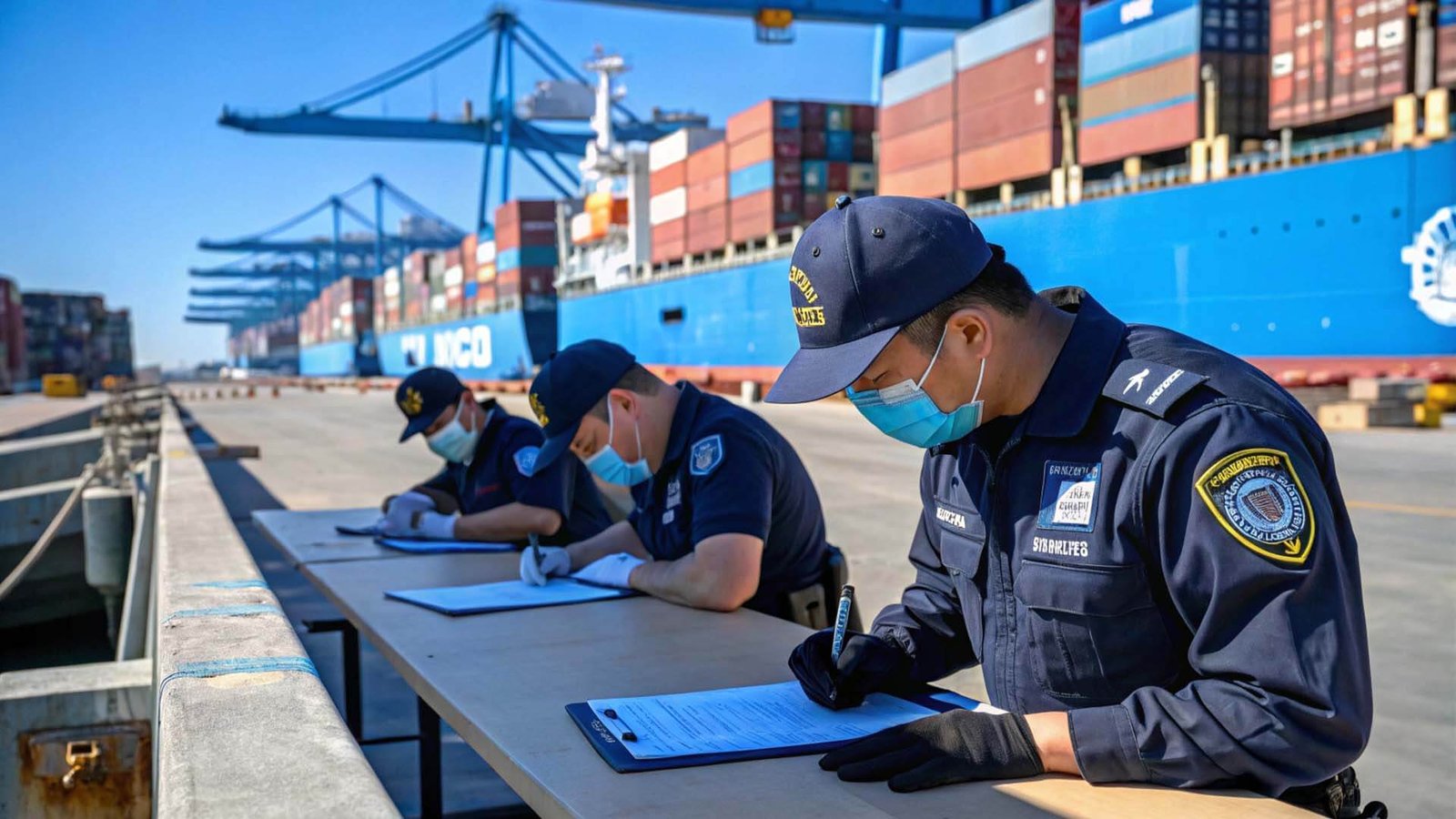
Improving customs clearance8 is a critical area for reducing lead time2s. It requires meticulous attention to detail before goods arrive at the port. Proper classification13 and documentation can lead to faster releases.
“Clean Entry” Checklist:
- HTS code verified
- Partner government agency requirements confirmed (FDA/USDA/CPSC if needed)
- Invoice line descriptions corrected
- Bond active
- ISF filed correctly
- Arrival notice monitoring
- Entry submitted immediately
- Release + delivery order
| Customs Delay Triggers | What CBP Sees | Delay Impact | Prevention |
|---|---|---|---|
| Vague descriptions | Potential misclassification13 | 1-3 days | Detailed descriptions |
| Missing MID | Incomplete records | 1-3 days | Verify documentation |
| Mismatch invoice/PL | Inaccurate duties | 1-5 days | Cross-reference documents |
| Undervaluation red flags | Increased scrutiny | 1-7 days | Correct valuation practices |
| Suspicious routing | Audit triggers | 1-5 days | Pre-emptive routing strategies |
Cut fulfillment time by placing inventory closer to demand (multi-node U.S. warehousing16) and using faster pick-pack-ship workflows with automation17?
Even with fast shipping, slow fulfillment destroys delivery speed. Importers reduce e-commerce lead time2 by using multi-node U.S. inventory placement, faster receiving (ASN + barcode compliance), optimized slotting, batch/zone picking, and automation17 where volume justifies it. The goal is to reduce “order cycle time” without overspending on speed.
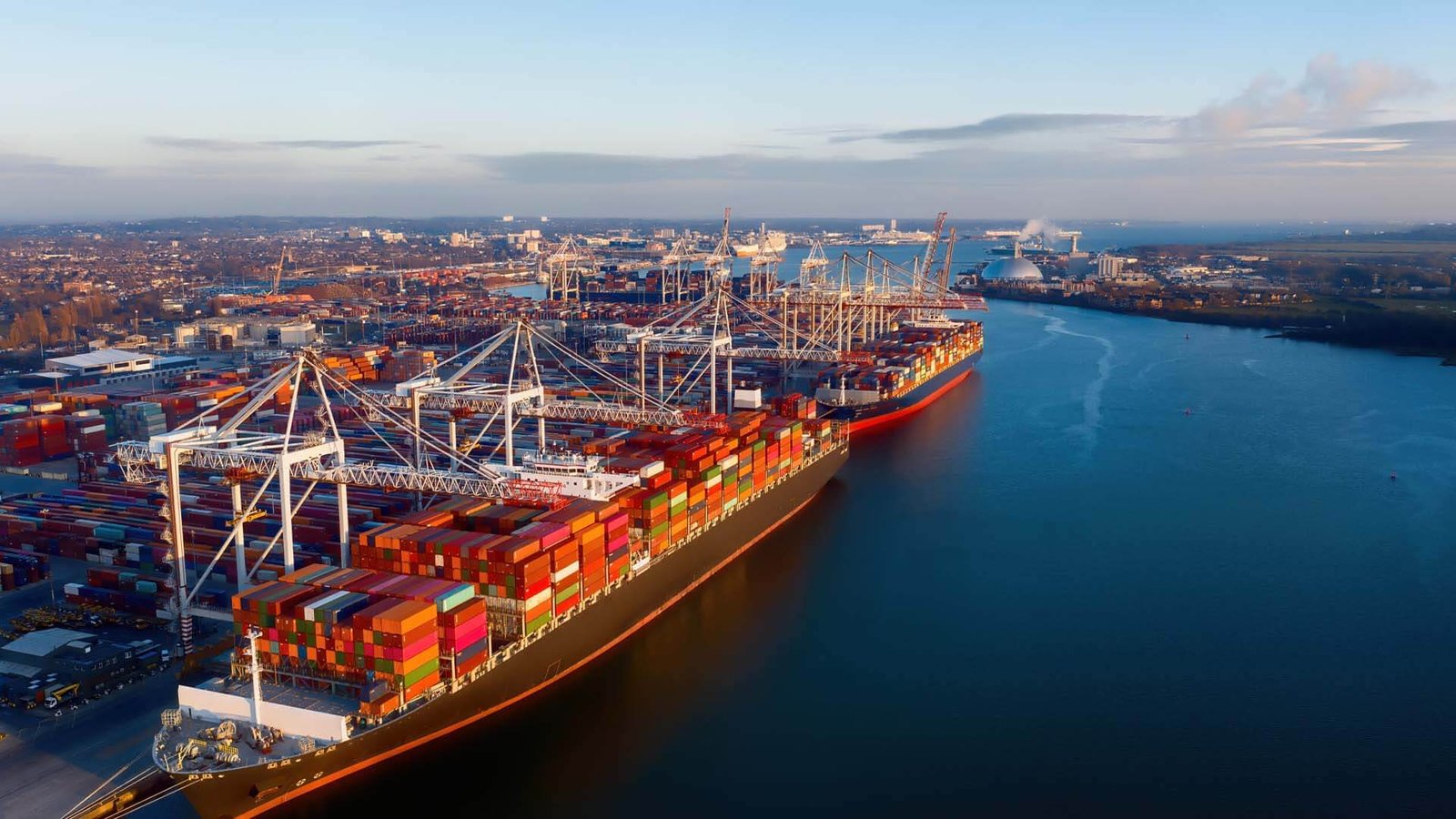
Fulfillment is a key factor in e-commerce lead time2. By strategically placing inventory and employing automation17, you can significantly shorten the time from order to delivery.
- Operational KPIs:
- Dock-to-stock time
- Pick/pack cycle time
- Order cut-off time adherence
- Perfect order rate
- Backorder rate
- OTIF (On Time In Full)
| When Multi-Warehouse Beats One Warehouse | Best Setup | Lead Time Impact | Cost Tradeoff |
|---|---|---|---|
| West Coast heavy demand | Multiple nodes | Reduced transit | Increased warehousing cost |
| East Coast returns | Local fulfillment center | Faster returns | Higher local shipping cost |
| Nationwide 2-day promise | Distributed inventory | Enhanced speed | Potential overstock risks |
| Seasonal spikes | Flexible warehousing | Quick response | Increased operational complexity |
Protect delivery speed with real-time visibility18, exception management19, and strict SLA scorecards20 across forwarders, 3PLs, and carriers?
The fastest supply chains win by managing exceptions—not by hoping everything runs smoothly. Build a control tower that tracks ETD/ETA changes, customs milestones, port dwell time, 3PL receiving queues, and carrier performance. Use SLA scorecards20 for forwarders, brokers, and 3PLs so delays are measured, escalated, and fixed.
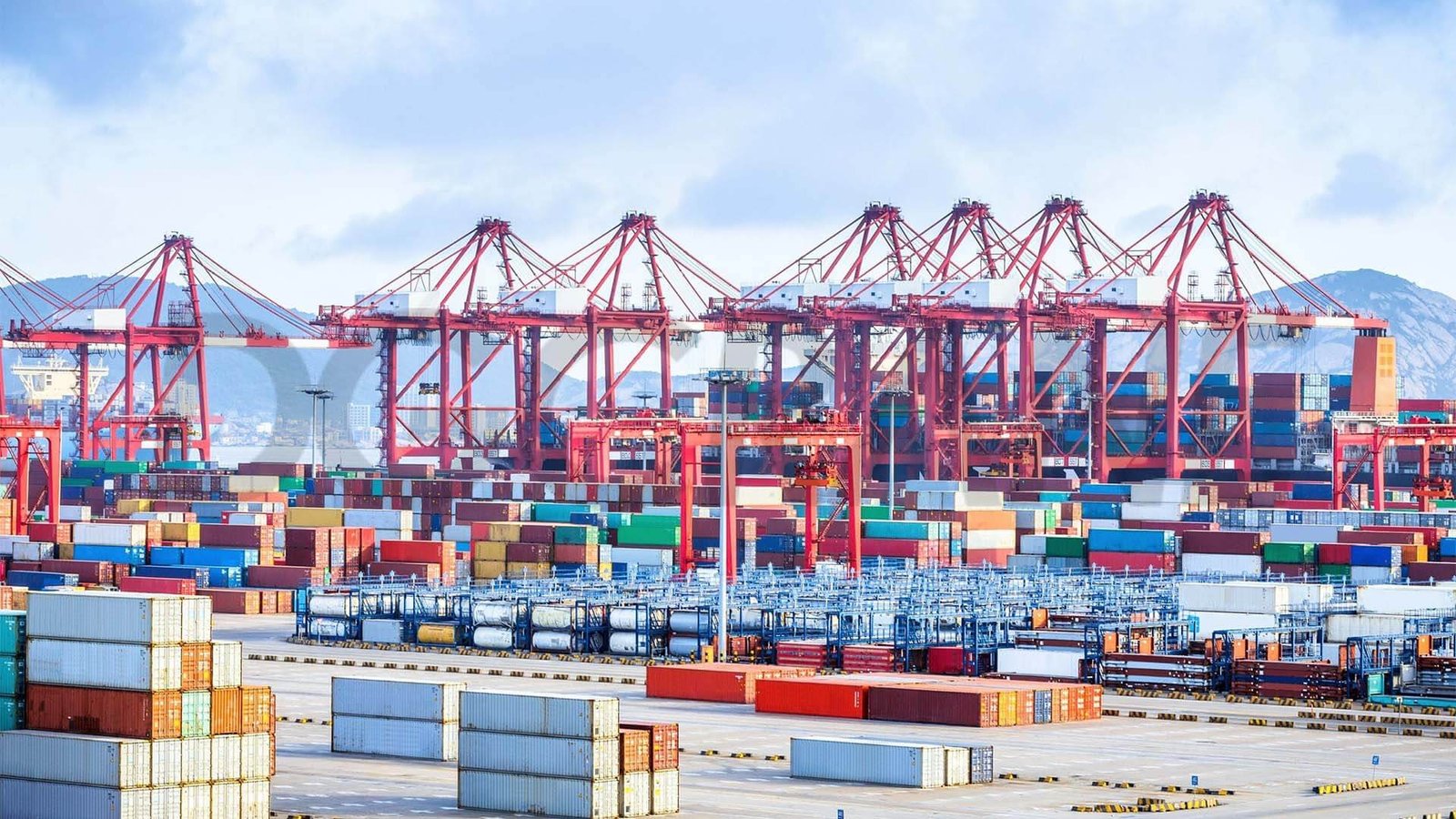
Real-time visibility can transform your logistics operations. By investing in exception management19 tools, you can keep your supply chain running smoothly, even when faced with challenges.
| Partner SLA Scorecard (Monthly) | On-Time Pickup % | On-Time Sailing % | Documentation Accuracy % | Customs Release Speed | Drayage Appointment Success | Dock-to-Stock Time | Order Cycle Time | Damages/Claims | Root-Cause Closure Rate |
|---|---|---|---|---|---|---|---|---|---|
- Exception Playbook:
- Delay threshold rules (ex: >48h dwell triggers escalation)
- Backup routing options
- Alternate ports/rail ramps
- Partial shipment policy
- Air expedite triggers (only when margin supports it)
Supplier → Production Ready Date → Export Docs Check → Origin Pickup → CFS/Port Handling → Vessel/Air Departure → International Transit → Arrival Terminal → U.S. Customs Entry/Release → Drayage/Rail → 3PL Receiving → Putaway/Slotting → Pick/Pack/Ship → Last-mile Carrier → Customer Delivery

Reducing lead time2s is a multifaceted challenge. By focusing on each stage—from supplier readiness9 to fulfillment—you can streamline your logistics processes. If you are ready to optimize your logistics operations, let’s talk about lane planning, customs clearance8 readiness reviews, and fulfillment network recommendations. My experience in ocean freight, customs brokerage, and 3PL coordination can help you achieve your goals.
FAQ
How to reduce lead time2 in logistics for U.S. importers1?
Reducing lead time2 involves tightening control over supplier schedules, ensuring documentation is accurate, and improving coordination with logistics partners. Regular communication and pre-planning can prevent delays at every stage.
How to reduce turnaround time at ports and terminals?
To reduce turnaround time, ensure that documentation is complete before arrival, track shipments closely, and maintain strong relationships with customs brokers. Quick response to potential issues can save valuable time.
What is the difference between lead time2 and turnaround time?
Lead time refers to the total time from order placement to delivery, while turnaround time focuses specifically on the time taken to process a shipment from arrival at the port to its release for delivery.
What are key challenges in e-commerce logistics for importers?
Key challenges include managing supplier readiness9, navigating customs processes, and optimizing fulfillment operations. Each of these areas can introduce delays that impact overall delivery effectiveness.
How to mitigate long lead time2s without increasing freight cost too much?
Focus on improving communication with suppliers, optimizing inventory placement, and leveraging technology for visibility and exception management19. Small changes in processes can result in significant time savings without raising transportation costs.
U.S. importers face unique challenges that can impact their logistics efficiency and lead times. ↩
Understanding lead time is crucial for optimizing logistics and maintaining competitiveness in e-commerce. ↩
Supplier production is a critical stage that can significantly impact overall lead time. ↩
Last-mile delivery is often the most challenging part of logistics, impacting customer satisfaction. ↩
Identifying bottlenecks is essential for reducing delays and improving supply chain efficiency. ↩
Origin handling is a key stage in logistics that can introduce delays if not managed properly. ↩
International transit is a major component of lead time, affecting delivery schedules and efficiency. ↩
Efficient customs clearance is vital for reducing lead times and ensuring timely delivery. ↩
Improving supplier readiness can prevent upstream delays and reduce overall lead time. ↩
Accurate documentation is essential for preventing delays and ensuring compliance in logistics. ↩
Consolidation plans can optimize shipping efficiency and reduce lead times for importers. ↩
Effective management of carrier schedules is crucial for meeting delivery deadlines and reducing delays. ↩
Proper classification ensures smooth customs clearance and prevents unnecessary delays. ↩
Ensuring bond/ISF readiness can expedite customs processes and reduce lead times. ↩
Managing exam-risk triggers can prevent delays and ensure faster customs clearance. ↩
Multi-node warehousing can reduce transit times and improve delivery speed for e-commerce. ↩
Automation can significantly enhance efficiency and reduce lead times in fulfillment operations. ↩
Real-time visibility allows for proactive management of logistics operations and exception handling. ↩
Exception management helps maintain smooth operations by addressing issues as they arise. ↩
SLA scorecards help measure and improve the performance of logistics partners, reducing delays. ↩