Struggling with surprise shipping fees1? Peak Season Surcharge can inflate your costs without warning, hurting your profits. Let's break down what PSS is so you can manage it.
Peak Season Surcharge (PSS)2 is a carrier fee during high-demand shipping periods3, like late summer to early winter for Asia-U.S. trade4. Carriers use it to manage limited capacity and congestion5, passing the cost to importers. It helps them offset operational strain6 during busy times.
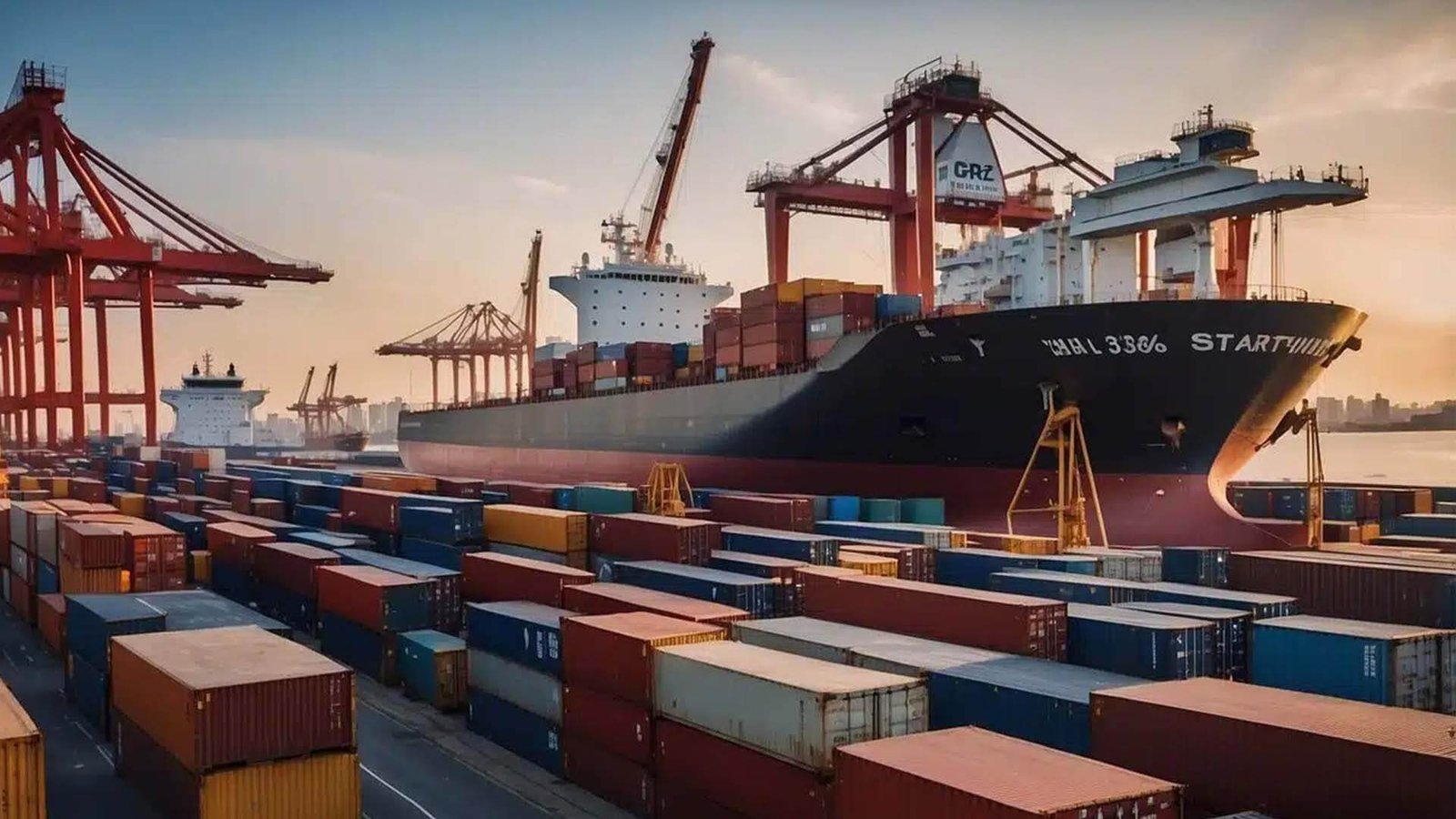
I've seen countless importers get hit with PSS charges they never saw coming. It’s a frustrating part of international shipping. But it doesn't have to be a complete mystery. By understanding the "why" behind this surcharge, you can start building a strategy to protect your bottom line. Let's dig into why carriers implement these fees in the first place.
What Is a Peak Season Surcharge (PSS)2 and Why Do Carriers Charge It to U.S. Importers?
Confused by the "PSS" line item on your freight invoice7? This surcharge can add unexpected costs, eroding your margins. Let's clarify what it is and why it appears.
Peak Season Surcharge (PSS)2 is a temporary carrier fee applied during high-demand shipping periods3 to manage limited capacity and congestion5. Carriers charge PSS to offset operational strain6, equipment shortages, and schedule disruptions8, and the cost is typically passed directly to importers as part of freight charges.
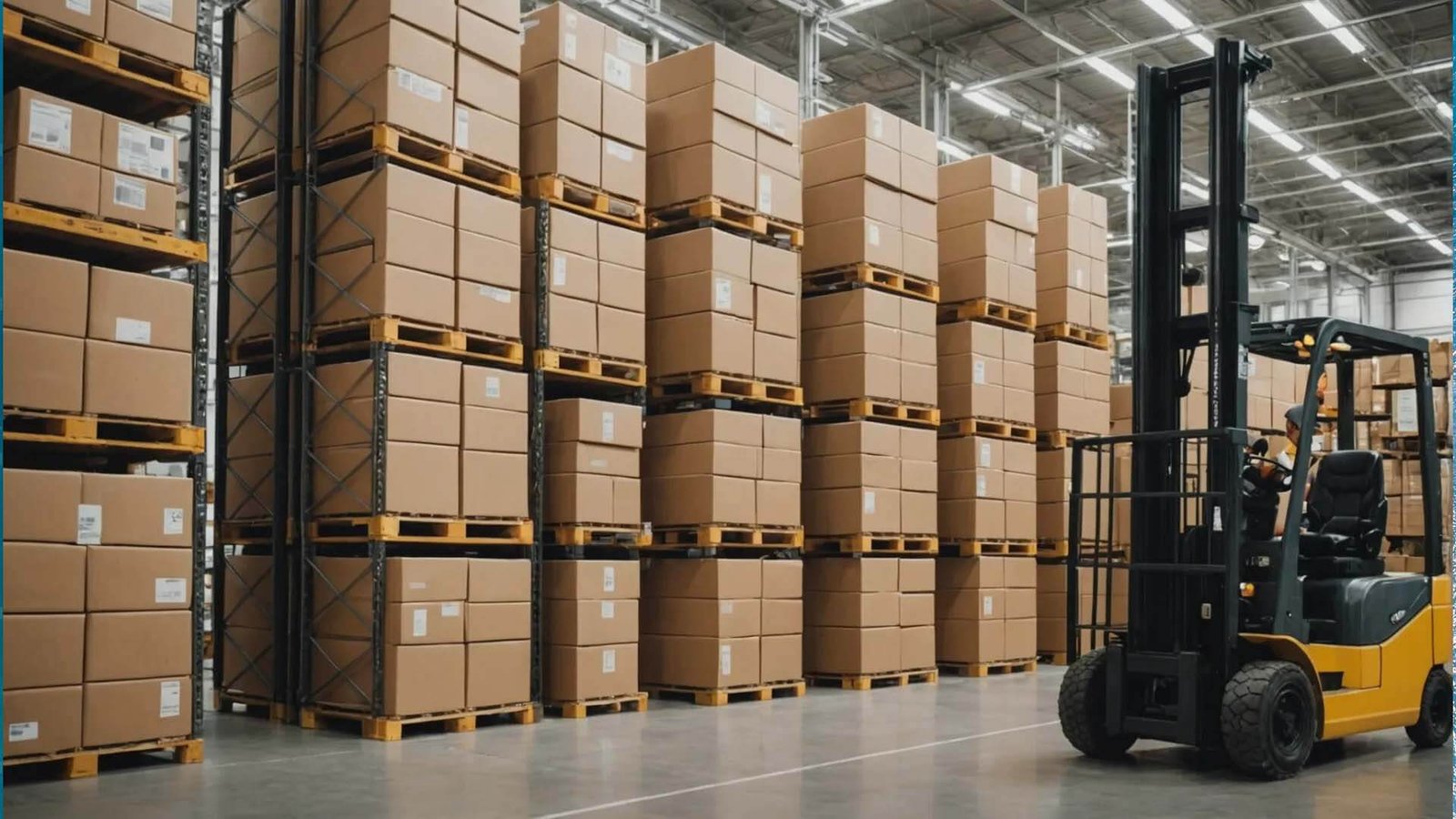
Carriers aren't just trying to make extra money with PSS; they're responding to real operational pressures. I remember a client, Mark, who was shocked by a PSS charge. I explained it this way:
The Strain on Capacity
During peak months, everyone is trying to ship at once. This creates a massive demand for limited vessel space and containers9. Carriers use PSS to manage this demand and compensate for the extra resources needed to handle the surge.
The Cost of Congestion10
When ports are overflowing with containers, it causes delays, requires more labor, and leads to equipment being in the wrong place. Think of it like holiday traffic on a highway11. PSS helps cover these inefficiency costs, such as vessel waiting times and repositioning empty containers, which are significant expenses for carriers.
When Is Peak Season Surcharge Applied and Which Shipping Months Are Most Affected?
Tired of your shipping costs jumping without warning? This makes budgeting impossible. Let’s identify the specific months when PSS is most common so you can plan ahead effectively.
Peak Season Surcharge is most commonly applied during periods of sustained cargo demand, typically late summer through early winter for Asia–U.S. trade lanes. Timing varies by region, carrier capacity, and market conditions, meaning PSS can appear earlier or last longer than expected.
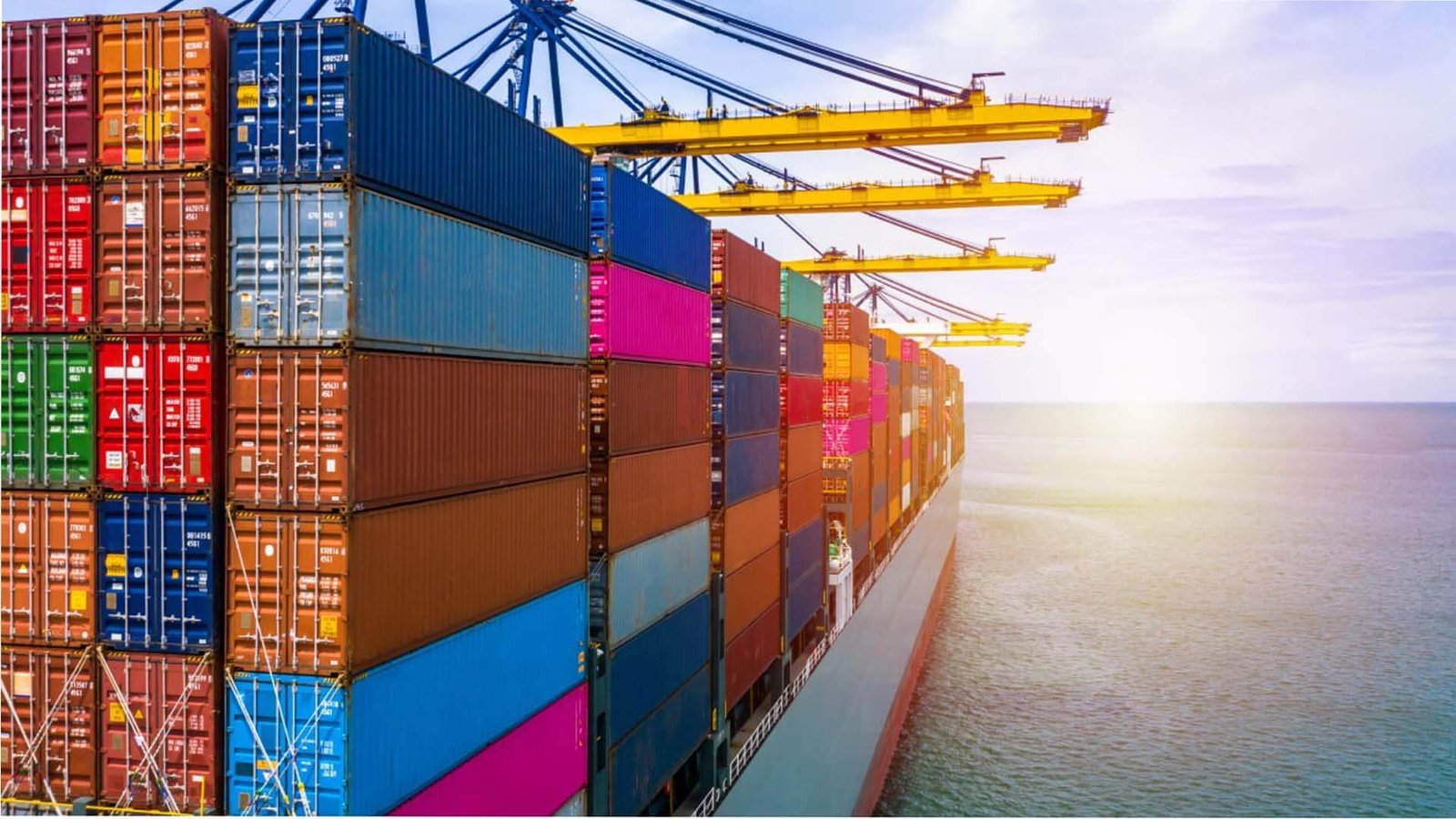
While there are typical peak seasons, it's crucial to understand they are not set in stone. Market volatility can shift these windows. However, knowing the general patterns is your first line of defense. For U.S. importers, the primary concern is the pre-holiday rush12.
Understanding Peak Season Drivers
The main driver for the Asia-U.S. lane is the build-up for major retail holidays like Black Friday and Christmas. Importers rush to get their inventory on U.S. shelves in time. For air freight, the peak is often shorter but more intense, driven by last-minute orders and high-value electronics.
Here’s a general guide:
| Trade Lane | Peak Season | Off-Peak Season | Importer Insight |
|---|---|---|---|
| Asia → U.S. | Aug – Nov | Jan – Apr | Holiday inventory surge |
| EU → U.S. | Sep – Dec | Feb – May | Retail & industrial cycles |
| Global Air Freight | Oct – Dec | Feb – Mar | Limited capacity spikes |
Remember, events like factory shutdowns or unexpected port congestion can create mini-peaks anytime.
Who Pays the Peak Season Surcharge and How Is PSS Billed Across Ocean, Air, and Inland Transport?
Confused about who pays for the PSS on your bill? This ambiguity can cause disputes and surprise costs. Let's clarify who is responsible and how it's actually billed.
PSS is generally paid by the party responsible for freight costs under the agreed Incoterms, most often the U.S. importer. The surcharge may be billed per container, per shipment, or per unit, and can apply across ocean, air, or inland segments depending on carrier policies.
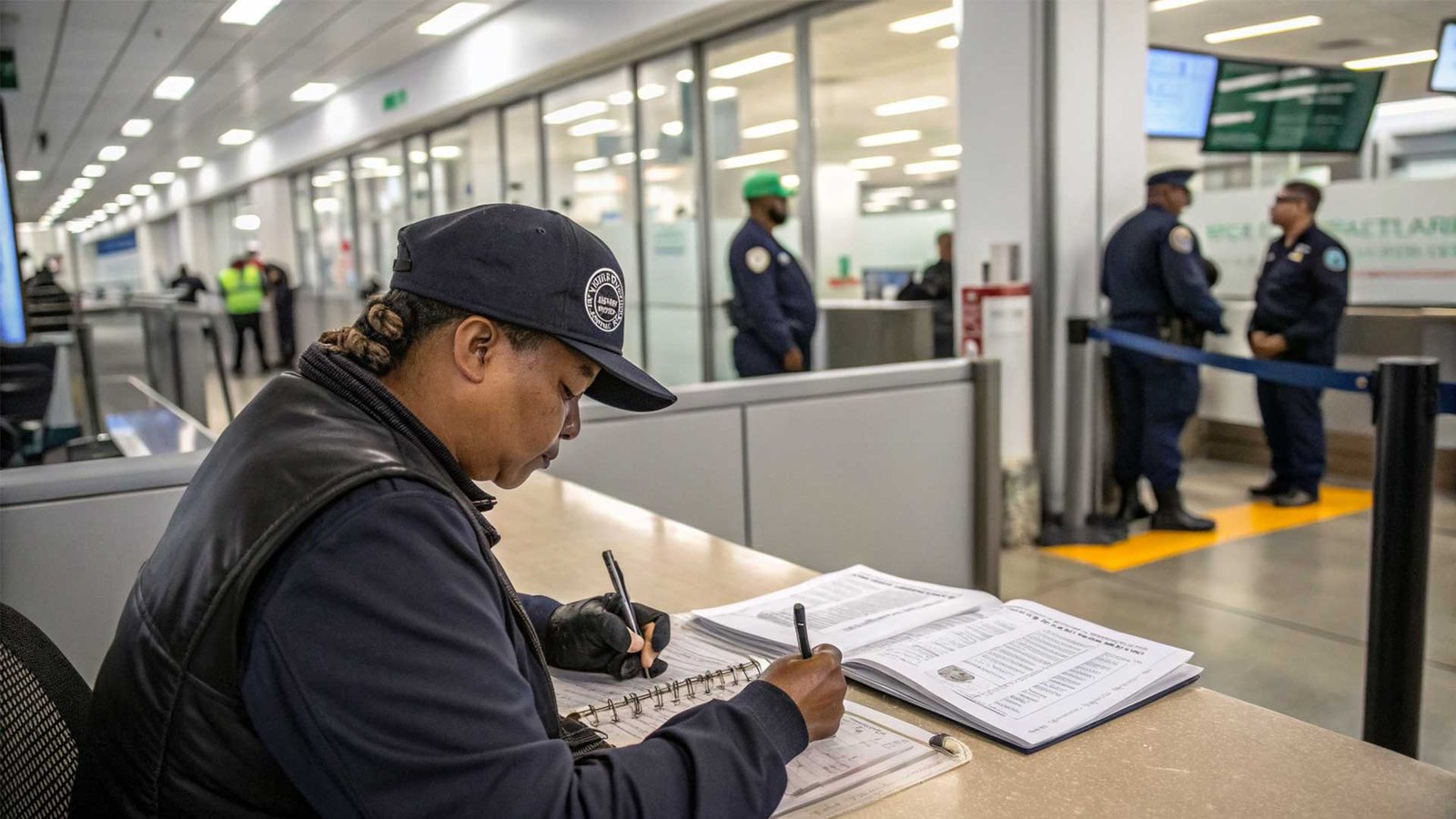
The question of "who pays" almost always comes down to your shipping Incoterms. As a U.S. importer, if you're responsible for the main freight leg, you're likely paying the PSS.
The Role of Incoterms
If you buy on FOB (Free On Board) terms, your supplier handles costs to the port of origin, but you pay for the ocean freight and any associated surcharges like PSS. If you use EXW (Ex Works)13, you are responsible for the entire journey, including any inland PSS charges in the origin country.
How PSS Appears on Your Bill
The charge isn't always a single line item. Here's how you might see it:
- Per Container14: A flat fee, like $500 per 40' container.
- Per TEU: A fee based on Twenty-foot Equivalent Units.
- Per W/M or CBM: For LCL (Less than Container Load) shipments, it's often billed by weight or volume.
It's important to know that PSS can also be applied by trucking companies or rail operators for inland transport during peak times.
What Is the Difference Between PSS and GRI and How Do They Compound Your Freight Costs?
Are terms like PSS and GRI making your freight invoice7s confusing? These charges stack up, inflating your final bill. Let's break down the key difference between them.
PSS is a temporary demand-driven surcharge, while a General Rate Increase (GRI)15 is a more permanent adjustment to base freight rates. When applied together, they compound total shipping costs, making landed cost forecasting16 difficult without proactive rate management.

It's easy to lump all surcharges together, but PSS and GRI have different functions and impacts on your budget. A GRI is the carrier raising its fundamental prices. A PSS is a temporary fee for a temporary situation. The danger is when they happen at the same time.
How Costs Compound
Imagine your base ocean rate is $2,000. A carrier announces a $500 GRI, making your new base rate $2,500. Then, they add a $400 PSS because it's peak season. Your total cost isn't just the surcharges added to the original rate; it's the PSS on top of the newly increased rate. Your final cost becomes $2,900.
Here’s a quick comparison of common surcharges:
| Charge Type | Applies When | Purpose | Temporary or Ongoing | Importer Impact |
|---|---|---|---|---|
| PSS | High demand periods | Manage congestion & capacity | Temporary | Sudden cost spikes |
| GRI | Carrier rate resets | Raise base freight rates | Ongoing | Higher long-term costs |
| BAF | Fuel price changes | Offset fuel volatility | Variable | Fluctuating surcharges |
| CAF | FX volatility | Offset currency risk | Variable | Cost unpredictability |
Understanding these helps you question your invoices more effectively.
How Much Can Peak Season Surcharge Add to Your Landed Cost and Why Rates Change Without Notice?
Worried about how much PSS will actually cost? These volatile charges can appear without warning, adding hundreds or even thousands of dollars to your landed cost per container.
Peak Season Surcharge can add hundreds to thousands of dollars per container depending on the lane and demand. Rates often change with little notice due to carrier capacity decisions, congestion, and market pressure, exposing importers to unexpected landed-cost increases without flexible contracts.
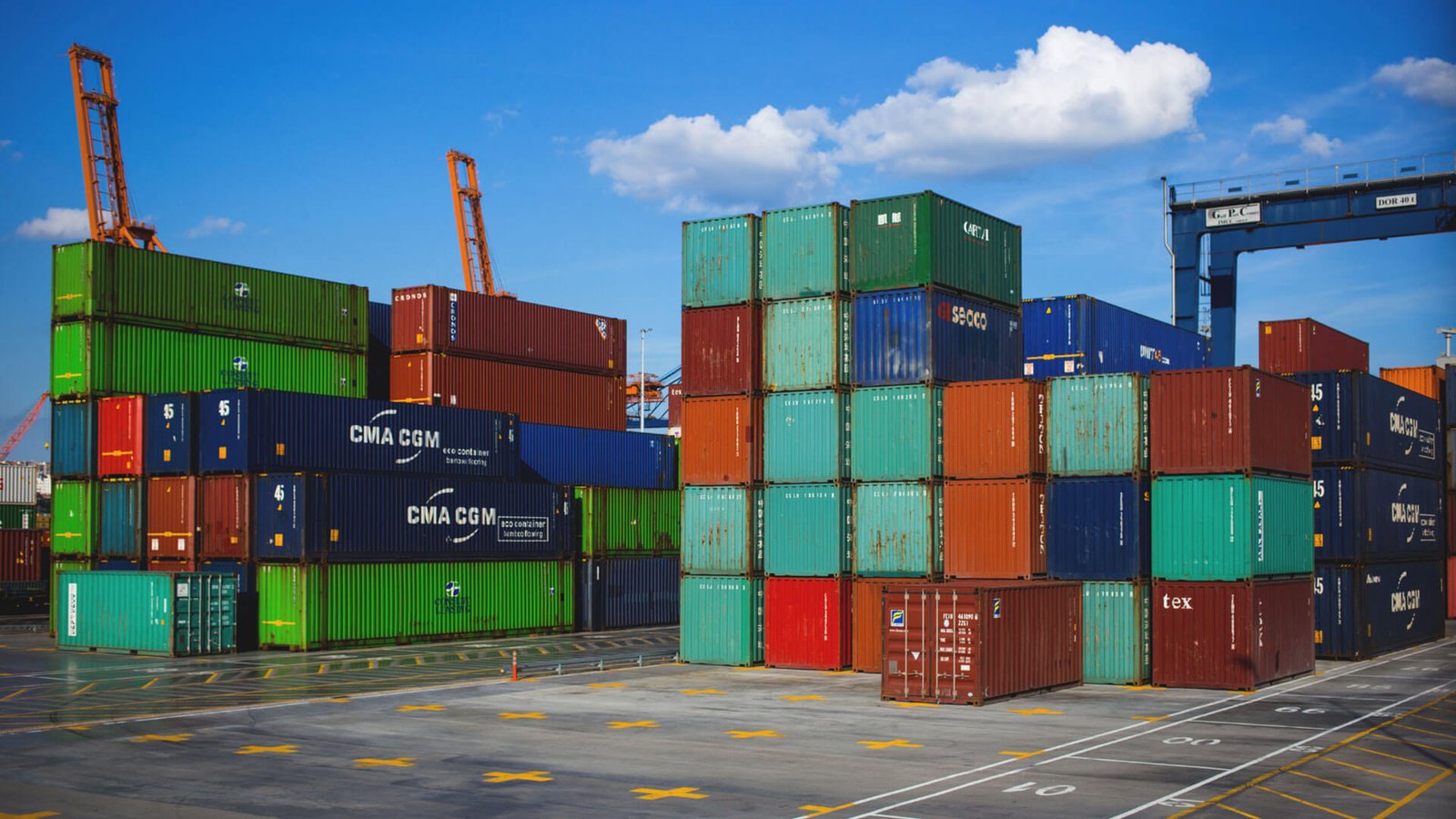
The "how much" is the question that keeps importers up at night. There's no single answer, as PSS is highly dynamic. I've seen it range from $200 per TEU to over $1,000 per container during extreme periods like the post-pandemic shipping boom.
Why Rates Are So Volatile
Carriers can announce or change a PSS with as little as a few days' notice. This is because they are constantly adjusting to real-time market conditions.
- Supply and Demand17: If a vessel is overbooked, carriers will use PSS to price out less urgent cargo.
- Capacity Management: Carriers may cancel a scheduled voyage (a "blank sailing18") to reduce capacity and push rates up. This consolidation of cargo onto fewer ships increases demand for the remaining space.
- No Regulation: Unlike some utilities, ocean carriers are not required to justify these surcharges to a regulatory body.
This volatility makes it critical to factor a buffer into your landed cost calculations, especially for shipments planned between July and December.
How Can U.S. Importers Reduce or Avoid Peak Season Surcharge Through Planning and Logistics Strategy?
Feeling helpless against rising peak season fees? Simply accepting these surcharges means losing control of your budget. But you can take strategic steps to minimize or avoid PSS.
Importers can reduce PSS exposure by shipping ahead of peak season, securing contract rates, diversifying ports, and aligning forecasts with partners. Early planning and integrated freight management provide better visibility and leverage during high-demand periods, helping to control costs.
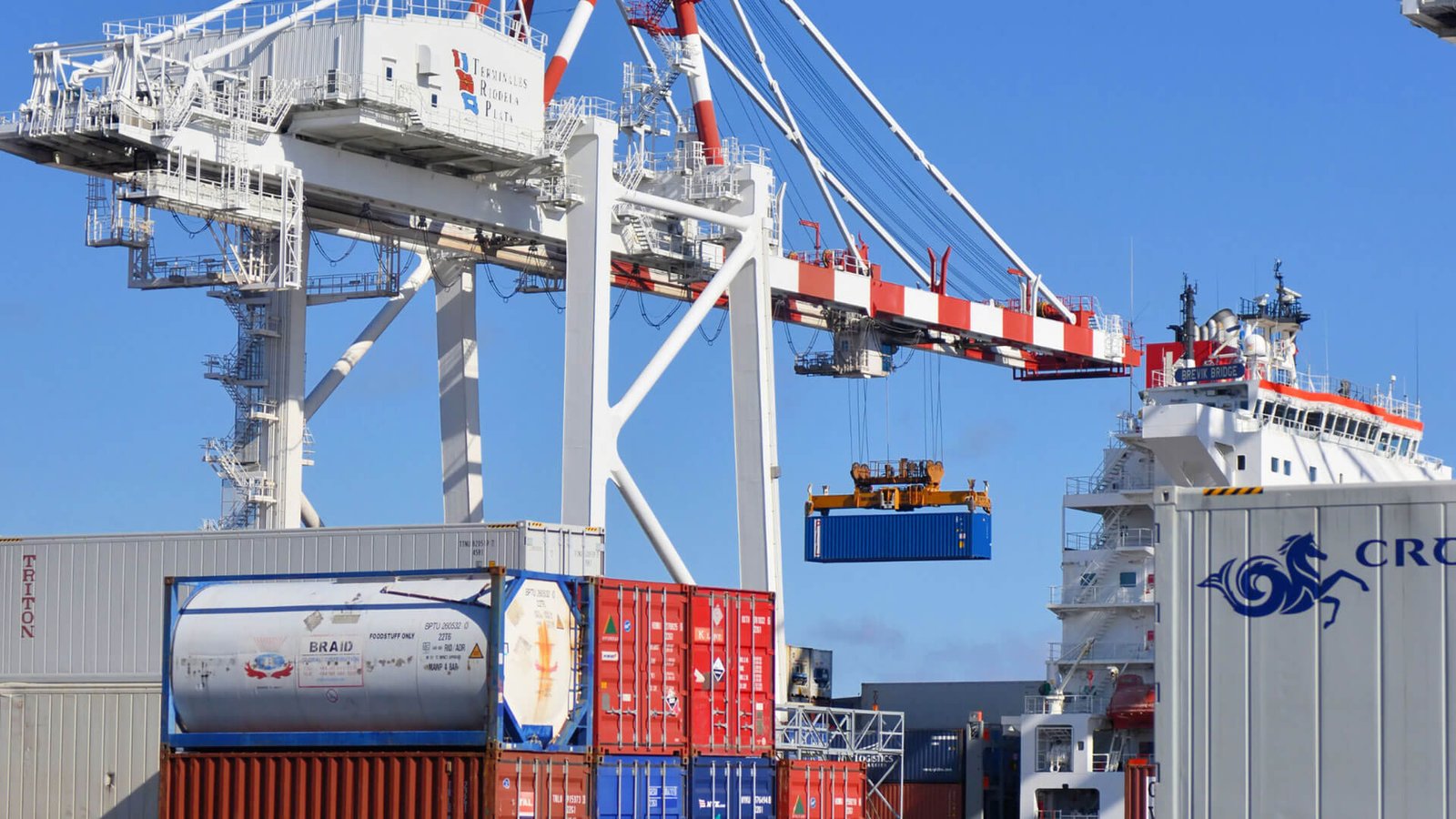
You have more power than you think. Avoiding the sting of PSS comes down to proactive planning, not reactive problem-solving. As your logistics partner, this is where we can provide the most value.
Ship During the Off-Season
The simplest strategy is to avoid shipping during peak months (August-November). By working with your supplier to produce goods earlier, you can ship in the April-June window, store the inventory, and completely sidestep PSS.
Secure Better Rate Structures
For high-volume importers, we can negotiate contracts directly with carriers. These "Named Account Contracts" (NAC) can sometimes include a PSS waiver or a cap on surcharges, providing much-needed cost predictability.
Diversify Your Logistics
Don't rely on a single port or carrier. We can help you explore alternative routes, like shipping to a less congested Gulf or East Coast port, which might have lower or no PSS. Considering multi-modal options can also provide flexibility when ocean lanes are overwhelmed. Proactive forecasting and clear communication are key.
Conclusion
Peak Season Surcharge is a major challenge, but it doesn't have to ruin your budget. With foresight and a strong logistics partner, you can navigate it effectively.
Understanding surprise shipping fees can help you anticipate unexpected costs and manage your budget more effectively. ↩
Learn about PSS to better manage your shipping costs during high-demand periods and protect your profit margins. ↩
Knowing the high-demand periods can help you plan your shipments to avoid peak surcharges and save money. ↩
Understanding the Asia-U.S. trade peak seasons can help you schedule shipments to minimize costs. ↩
Learn how these factors contribute to increased shipping fees and how to mitigate their impact. ↩
Understanding operational strain can help you anticipate and plan for potential shipping delays and costs. ↩
Deciphering your freight invoice can help you identify and question unexpected charges like PSS. ↩
Learn about schedule disruptions to better manage your shipping timelines and avoid delays. ↩
Understanding the importance of vessel space can help you plan shipments more effectively during peak times. ↩
Learn how congestion costs impact shipping fees and how to plan around them to save money. ↩
This analogy helps you understand shipping congestion and its impact on delivery times and costs. ↩
Preparing for the pre-holiday rush can help you avoid peak surcharges and ensure timely deliveries. ↩
Knowing EXW terms helps you understand your full responsibilities and costs from the point of origin. ↩
Understanding per container charges can help you budget more accurately for shipping expenses. ↩
Learn about GRI to understand how it affects your shipping costs and how to plan for it. ↩
Accurate landed cost forecasting helps you budget effectively and avoid unexpected expenses. ↩
Understanding this relationship can help you anticipate rate changes and plan your logistics strategy. ↩
Learn about blank sailing to understand how it affects shipping schedules and costs. ↩