Calculating how many pallets fit into a shipping container can be a daunting task for many importers. The challenge lies in understanding dimensions, loading orientation1, and various restrictions.
Pallets per container are calculated by comparing pallet length, width, and height against the internal dimensions of the container. Importers must also account for loading orientation1, aisle clearance2, and stacking rules3, as there is no universal pallet count that applies to all cargo or container types.
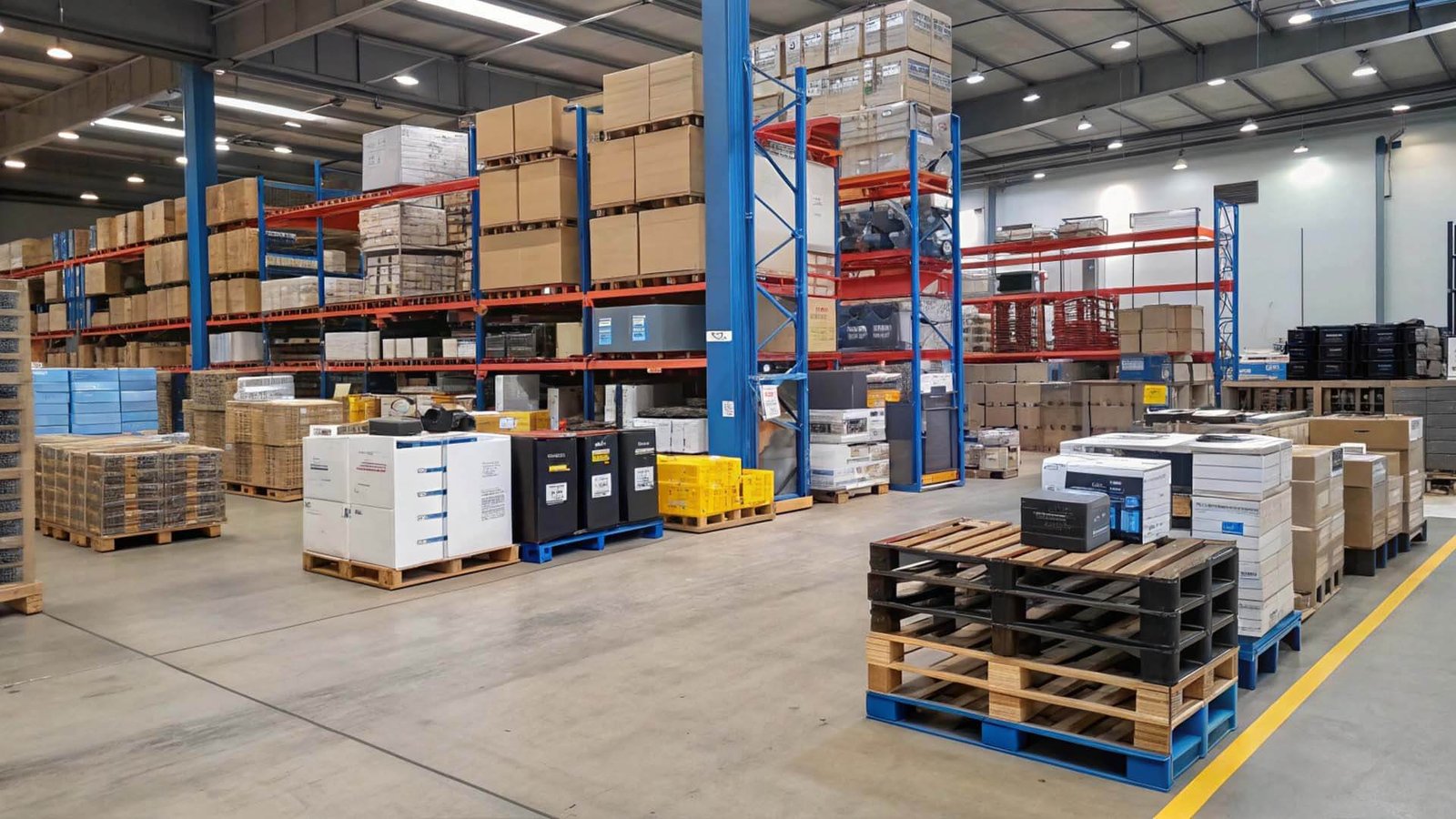
The process of calculating pallets per container is not straightforward. It requires careful consideration of several factors that can significantly influence the number of pallets you can fit. Understanding these elements is crucial to efficient logistics and cost savings.
Calculating pallets per container starts with pallet dimensions4, container size5, and loading orientation1 rather than a fixed pallet count?
Many people think that calculating pallets per container is just about the numbers. But it goes much deeper than that.
To calculate the number of pallets per container, you need to first measure the dimensions of your pallets. Next, consider the size of your container and how you plan to load the pallets. It’s not just about how many pallets fit, but how they will fit.

When I first started in logistics, I encountered various pallet sizes that complicated matters. I quickly learned that standard pallet sizes, such as 48x40 inches, are common, but not universal. Knowing your pallet size allows you to compare it with the internal dimensions of the container.
The loading orientation1 can also affect how many pallets fit. For example, placing pallets lengthwise versus widthwise can significantly change the numbers. Additionally, consider aisle clearance2 for handling equipment and stacking rules3, which can further limit your options.
Understanding these factors helps you avoid costly mistakes in your shipping process.
Standard 20ft, 40ft, and 40ft high-cube container6s fit different pallet quantities depending on pallet type, stacking rules3, and weight limits?
Different container size5s accommodate various pallet quantities, and knowing these details can save you a lot of money in the long run.
A 20ft container7 typically fits fewer pallets than a 40ft or high-cube container, but pallet count varies by pallet size and stacking capability. High-cube containers offer extra vertical space, allowing higher pallet stacks when cargo weight and stability permit, improving space utilization.
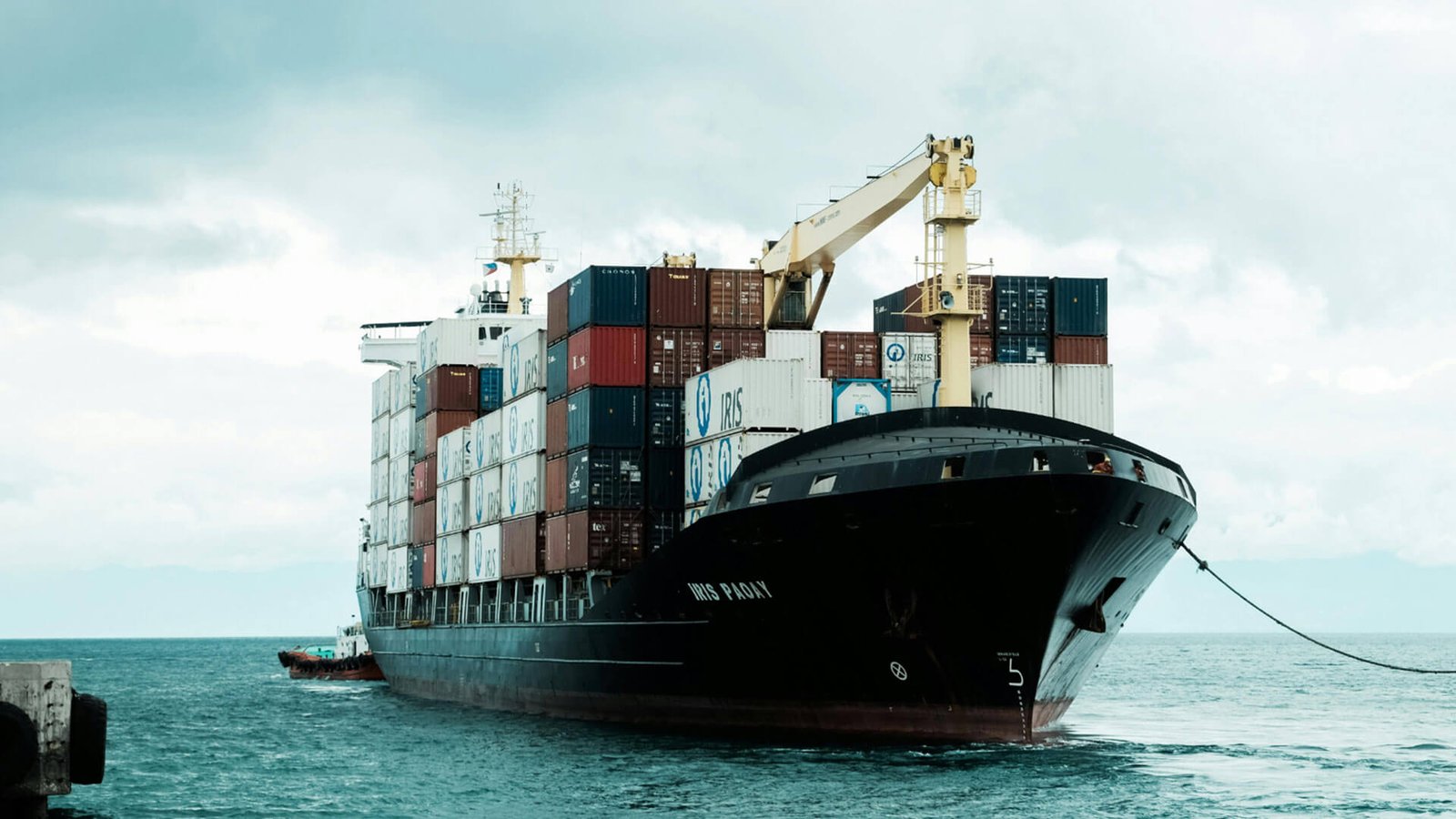
In my experience, the 20ft container7 is often best for heavy cargo where weight limits are reached before space. For balanced shipments, the 40ft container is the standard choice. However, if you are dealing with lightweight, high-volume cargo that needs extra height, you should consider the 40ft high-cube container6.
It's important to note that even within these container types, the specific pallet sizes and stacking capabilities play a significant role. Misjudging these can lead to underutilized space or even additional shipping costs due to the need for more containers.
Pallet configuration, cargo height, and overhang allowances8 directly affect container space utilization and shipping cost efficiency?
The way pallets are arranged in a container can significantly impact shipping efficiency.
Pallet orientation, total load height, and allowable overhang determine how efficiently a container is filled. Poor configuration can leave unusable gaps or exceed height limits, forcing additional containers. Optimized pallet layouts help importers maximize cubic utilization and reduce per-unit freight costs.
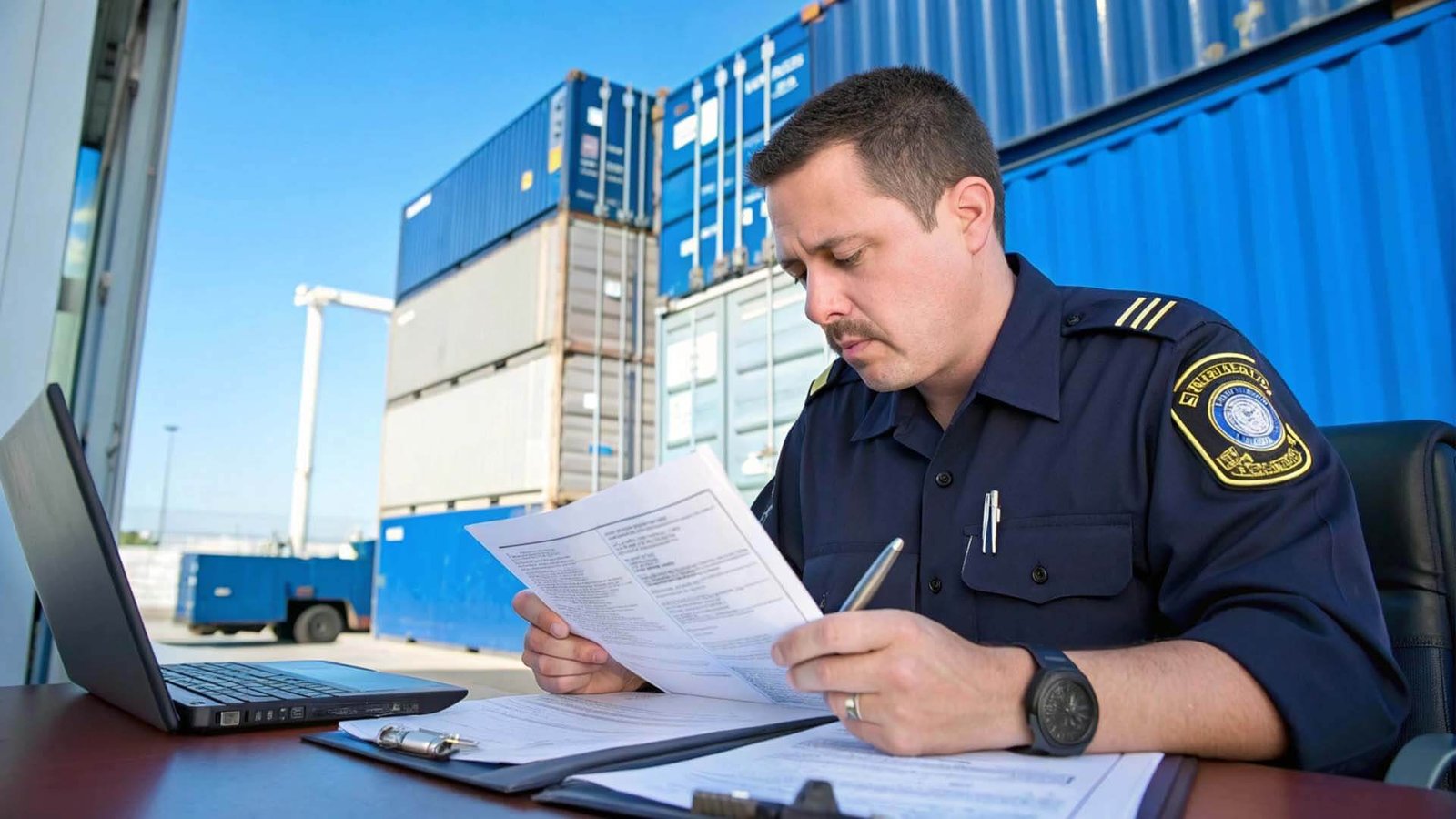
When I work with clients, I emphasize the importance of proper pallet configuration9. Misconfigurations can lead to wasted space. For example, if the load height exceeds the container limits, you may have to remove pallets, leading to increased shipping costs.
Overhang can also play a role. If pallets extend beyond the container's walls, this can create issues with securing the load and may even lead to fines during transport.
Using a well-planned pallet configuration9 ensures you take full advantage of the available space, reducing shipping costs and maximizing efficiency.
Weight restrictions, axle limits10, and cargo stability rules can reduce the maximum pallet count even when space appears available?
Even when it seems like you have enough space, weight limits and regulations can cap your pallet count.
Even when pallets physically fit, container payload limits and road axle regulations may cap the total number loaded. Overweight containers risk fines, rework, or rejected bookings, making weight distribution and pallet weight calculations just as critical as dimensional planning.
In my career, I’ve seen many importers overlook weight limits. They focus solely on the dimensions of the container, forgetting about the payload restrictions. This can lead to fines or the need to rework shipments.
For example, a 40ft container has a specific maximum load limit. If you pack it full of pallets but exceed that weight, you may not be able to ship as planned. Proper weight distribution and calculations are just as important as planning for the physical space.
Using a pallet container calculator11 helps importers avoid misbooking containers, reduce wasted space, and control landed cost12?
A pallet container calculator11 can be a game-changer for importers.
Pallet container calculators help importers plan accurate container utilization before booking freight. By validating pallet count, weight, and layout in advance, importers reduce the risk of overbooking or underfilling containers, improving cost predictability and avoiding last-minute shipment changes.

With the technology available today, using a pallet container calculator11 is easier than ever. When I first started, I relied on manual calculations, which were time-consuming and often inaccurate. Now, I advise clients to use these calculators to plan their shipments effectively.
This tool helps in validating the pallet count and ensures that weight limits are not exceeded. By using a calculator, you can visualize how pallets will fit and make adjustments before booking, preventing costly mistakes and delays.
📦 20ft vs 40ft vs High-Cube Pallet-Fit Logic (Importer Decision View)
Understanding the right container to use can impact more than just how many pallets fit inside.
- 20ft Container: Best for heavy cargo where weight limits are reached before space.
- 40ft Container: Standard choice for balanced weight and volume shipments.
- 40ft High Cube (HC): Preferred for lightweight, high-volume cargo requiring extra height.
The right container choice not only impacts freight rates but also the number of containers needed, drayage costs13, and compliance with U.S. delivery standards.
🔗 Google-Friendly Supply Chain Flow
- Factory Palletization: Goods are packed onto pallets based on size and stacking rules3.
- Container Loading Planning: Pallet count, weight, and layout are calculated.
- Container Loading: Cargo is stuffed according to the approved plan.
- Ocean Freight Transport: Containers move from origin port to the U.S.
- Final Delivery: Drayage and inland transport to warehouse or distribution center.
This lifecycle structure provides clarity and aligns with Google’s preference for straightforward processes that meet importer needs.
Conclusion
Understanding how to calculate pallets per container is essential for efficient shipping and cost management.
Loading orientation can significantly impact how many pallets fit, affecting shipping efficiency and cost. ↩
Aisle clearance is vital for handling equipment and ensuring safe and efficient loading and unloading. ↩
Knowing stacking rules helps maximize container space and avoid damage during transit. ↩
Understanding standard pallet dimensions is crucial for optimizing container space and ensuring efficient logistics. ↩
Different container sizes accommodate varying pallet quantities, impacting shipping costs and efficiency. ↩
A 40ft high-cube container offers extra height for lightweight, high-volume cargo, optimizing space. ↩
A 20ft container is ideal for heavy cargo, balancing weight limits and space. ↩
Understanding overhang allowances helps prevent issues with securing loads and avoiding fines. ↩
Proper pallet configuration maximizes space utilization, reducing shipping costs and improving efficiency. ↩
Axle limits impact how weight is distributed in a container, affecting compliance and safety. ↩
Using a pallet container calculator helps plan accurate container utilization, reducing costs and errors. ↩
Understanding landed cost helps importers manage expenses and improve cost predictability. ↩
Drayage costs affect the overall shipping budget, influencing container choice and logistics planning. ↩