The recent implementation of Section 232 tariffs1 on wood products has left many U.S. importers scrambling to understand their responsibilities. As compliance specialists, we need to effectively navigate this landscape to avoid unexpected costs.
Section 232 tariffs1 on timber, lumber, and certain derivative wood products2 are designed to restrict imports on national security grounds3 and can materially raise landed cost. Importers should confirm the effective date, the covered scope, and whether tariffs are phased or immediate. The key risk is surprise duty exposure4 on shipments already booked or in transit.

Navigating the complexities of these new tariffs requires diligent preparation and understanding. As someone who has seen the impact of these changes firsthand, I know how critical it is to not only comply but to strategize effectively.
What do the new Section 232 tariffs1 cover for timber, lumber, and derivative wood products2?
The new Section 232 tariffs1 impact a variety of wood products, including timber and lumber, starting from [insert effective date], with phased duty increases scheduled5.
| Item | What changed | Importer impact |
|---|---|---|
| Tariff scope expanded | Additional product categories added | Higher potential costs for imported goods |
| Reporting requirements | New documentation needed | Increased operational burden on importers |
| Enforcement posture | Stricter compliance measures6 | Greater scrutiny on classifications |
| Key filing changes | Additional Chapter 99 reporting7 | Necessitates careful HTS mapping8 |
What is a Section 232 tariff in simple terms?

Section 232 tariffs1 are trade barriers imposed by the U.S. government on certain imported products to protect national security.
What products are covered under new Section 232 wood tariffs?
These tariffs primarily target softwood timber, lumber, furniture, cabinets/vanities, and other derivative wood products2.
When do the new Section 232 wood tariffs take effect?
The tariffs take effect on [insert date] and will have phased increases. Make sure to keep track of these timelines to avoid unexpected costs.
What product categories are targeted, and why does CBP classification accuracy matter?

The targeted categories include softwood timber, lumber, wood furniture, cabinets/vanities, and other derivatives. Accurate classification in HTS is crucial because misclassification can lead to significant penalties and delays in clearance.
The tariff impact depends on whether a product falls inside the covered categories and how it’s classified in the HTS. Wood imports often involve complex materials, composite construction, and mixed-use designs that create classification ambiguity9. Importers should treat classification as a risk-control function10 because incorrect HTS codes can lead to underpayment, penalties, and clearance delays.
What are “derivative wood products2” for tariff purposes?
Derivative wood products refer to items made from timber and lumber that undergo further processing, such as furniture and cabinetry.
Do furniture and cabinets fall under Section 232 wood tariffs?
Yes, furniture and cabinets are included in the new tariffs, which increases the compliance burden for importers in these categories.
| Category | Example products | Common classification risk | Operational note |
|---|---|---|---|
| Timber | Logs, beams | Misclassification as non-wood goods | Ensure correct material verification |
| Lumber | Boards, planks | Composite materials confusion | Maintain clear product specs |
| Plywood/Veneers | Sheets, panels | Misclassification based on thickness | Document material sources |
| Furniture | Tables, chairs | Complex design elements | Verify design specifications |
| Cabinets/Vanities | Kitchen cabinets | Mixed materials | Keep supplier declarations handy |
| Flooring/Moldings | Parquet, trims | Incorrect HTS codes | Conduct regular audits |
| Composite Products | Engineered wood | Incorrect material classification | Update internal classification guides |
How do importers determine duty exposure?
Importers must carefully map HTS codes to the appropriate Chapter 99 numbers. Documentation is essential to avoid misclassification penalties.
Section 232 duties are typically applied through Chapter 99 reporting7 tied to specific covered HTS classifications. Importers should map each impacted SKU to the correct base HTS code and required Chapter 99 number, then build a scope support file (spec sheets, materials, photos, use-case). This documentation is critical if CBP questions classification or tariff applicability.
How do I know if my HTS code is subject to Section 232?

You should check the latest CBP notices and compare your HTS code against the official lists provided.
What is Chapter 99 and why is it required?
Chapter 99 is a special classification code used for tracking imports subject to specific programs like Section 232. It helps Customs and Border Protection ensure compliance and correct duty assessments.
How do importers prove product scope for tariff programs?
Importers can utilize a decision flow to identify and verify the correct classifications and documentation.
HTS/Chapter 99 Decision Flow:
- Identify SKU
- Confirm material/construction
- Assign base HTS
- Check whether HTS is on covered list
- Assign Chapter 99 tariff number
- Confirm effective date applies
- Verify broker reporting sequence
- Archive support file
| Scope Proof Checklist |
|---|
| Product specs |
| Bill of materials |
| Country of harvest/manufacture |
| Photos |
| Drawings |
| Supplier declaration |
| HTS rationale memo11 |
| Tariff applicability note |
How to file entry steps in ACE?
Correct entry filing is crucial to avoid delays at the port. Precise reporting is necessary for Section 232, typically pairing Chapter 99 with the underlying HTS classification.
How to File Section 232 Wood Tariffs in ACE:
- Confirm impacted SKU list
- Update broker SOP for wood tariff program
- Transmit base HTS + required Chapter 99
- Validate duty calculation
- Submit entry
- Confirm release
- Archive entry packet
- Post-entry sample audit
| Common ACE Filing Errors + Fixes |
|---|
| Missing Chapter 99 |
| Wrong reporting order/sequence |
| HTS mismatch |
| Wrong product scope |
| Effective-date mismatch |
| Missing documents |
How do Section 232 duties interact with other trade programs?

Importers often face “tariff stacking12,” where Section 232 duties apply alongside other duties. Understanding how these interact is vital to avoid unexpected costs.
Importers often get surprised by “tariff stacking12,” where Section 232 duties apply in addition to normal duty rates and other trade remedies. Depending on the product, additional exposure may include AD/CVD, Section 301, MPF/HMF, or other special programs. Importers should model total duty stack per SKU and validate eligibility for any relief program before shipment.
| Tariff Stacking Risk Map (Wood Imports) | ||||
|---|---|---|---|---|
| Program | When it applies | Can it stack with 232? | Typical importer risk | Control step |
| Base duty | Standard rates apply | Yes | Increased landed cost | Monitor changes |
| Section 232 | Specific wood products | N/A | Additional duties | Confirm product scope |
| Section 301 | Tariffs on China goods | Yes | Double duty exposure | Assess mitigation options |
| AD/CVD | Anti-dumping/countervailing | Yes | Significant penalties | Ensure compliance |
| MPF/HMF | Merchandise processing fees | Yes | Increased costs | Include in cost modeling |
| FTA preference | Free trade agreements | Depends | Loss of benefits | Verify product eligibility |
| 9802 | Repair goods | Depends | Compliance complexities | Maintain accurate records |
Importer warning: “Preferential duty rate” does not always remove Section 232 exposure.
What is an importer cost-control13 and risk plan?
To protect margins, importers need a comprehensive response plan that goes beyond mere compliance.
Once Section 232 changes landed cost, importers need a response plan beyond compliance. That includes renegotiating supplier terms, updating product pricing, optimizing packaging and shipment utilization, and reviewing sourcing alternatives. The best programs also tighten classification governance14, improve broker oversight15, and implement dashboards to monitor duty spend and exceptions in real-time.
How should importers respond to new tariffs operationally?
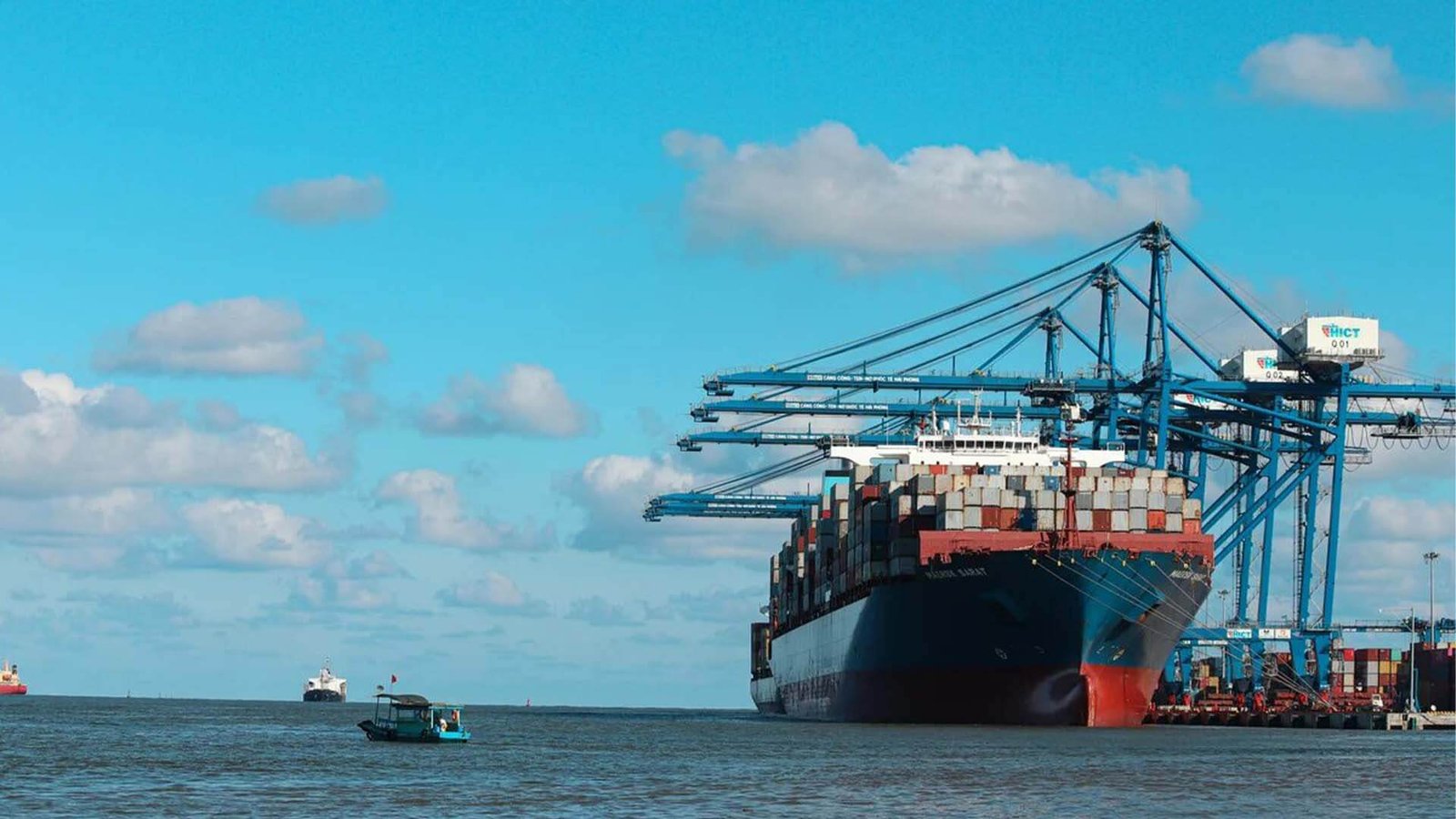
Responding requires operational shifts, including reviewing supplier contracts and enhancing compliance measures6.
What are the best tariff mitigation strategies16 for wood imports?
Effective strategies include improving classification accuracy, renegotiating supplier pricing, and assessing alternative sourcing options.
| Importer Readiness Checklist for Section 232 Wood Tariffs | |||
|---|---|---|---|
| Action | Owner | Priority | Evidence/Output |
| SKU screening17 + HTS review | Compliance | High | List of impacted SKUs |
| Chapter 99 mapping per SKU | Compliance | High | Completed mapping document |
| Broker filing SOP update | Operations | Medium | Revised SOP manual |
| Landed cost update + pricing plan | Finance | High | Updated pricing model |
| In-transit shipment risk review | Compliance | Medium | List of shipments in transit |
| Supplier renegotiation actions | Procurement | High | Agreements with revised terms |
| Post-entry audit plan | Compliance | Medium | Scheduled audit program |
| Monthly duty spend dashboard18 | Finance | High | Monthly reporting template |
Importer–Broker Scorecard (Monthly)
| Filing accuracy rate (232 lines) | Rejection rate / error reasons | Correction cycle time | Scope documentation completeness | Post-entry audit exception rate | Duty spend variance vs forecast |
|---|
Section 232 Quick Guide
If you import timber, lumber, furniture, or cabinets, do this now:
- Screen SKUs for coverage
- Confirm base HTS + scope proof
- Map required Chapter 99
- Update broker ACE instructions
- Model duty stack + margin impact
- Monitor entries and audit post-release
End-to-End Import Workflow
Supplier → Production Specs Confirmed → HTS + Chapter 99 Mapping → Booking → Freight → U.S. Arrival → ACE Entry Filing → CBP Release → Drayage/Delivery → 3PL/DC Receiving → Post-entry Audit + Duty Reporting
FAQ
What products are covered by the new Section 232 tariffs1 on wood?
The new tariffs cover softwood timber, lumber, wood furniture, cabinets/vanities, and other related wood products.
How do I know if my HTS code is impacted?
You can verify your HTS codes against the newly published CBP list detailing products affected by Section 232 tariffs1.
What is a Chapter 99 number and how is it reported?
A Chapter 99 number is used for specific classifications related to tariff programs and is reported alongside the standard HTS code during entry filing.
Can Section 232 stack with other tariffs like Section 301 or AD/CVD?
Yes, Section 232 tariffs1 can stack with Section 301 and AD/CVD, leading to significant cumulative duty exposure.
What should importers do immediately to reduce risk and protect margins?
Importers should conduct an immediate review of their affected products, update classification documentation, and engage with customs brokers to ensure compliance.
Conclusion
For U.S. importers navigating the new Section 232 tariffs1, it's essential to request SKU screening17, HTS/Chapter 99 mapping reviews, and broker ACE SOP setup to mitigate risks and manage costs effectively.
Understanding Section 232 tariffs is crucial for importers to navigate compliance and cost implications effectively. ↩
Identifying derivative wood products helps importers understand the scope of the tariffs. ↩
Exploring the rationale behind these tariffs helps importers grasp the broader implications and necessity of compliance. ↩
Avoiding unexpected costs is vital for maintaining profitability and operational efficiency. ↩
Knowing the timeline for duty increases allows importers to plan and budget accordingly. ↩
Ensuring compliance is essential to avoid penalties and ensure smooth import operations. ↩
Understanding Chapter 99 reporting is crucial for accurate tariff application and compliance. ↩
Accurate HTS mapping is critical to avoid misclassification and associated penalties. ↩
Resolving classification ambiguity is key to avoiding penalties and ensuring compliance. ↩
Proper classification minimizes risks of penalties and ensures compliance with tariff regulations. ↩
An HTS rationale memo supports classification decisions, aiding in compliance and audit processes. ↩
Tariff stacking can significantly increase costs, making it important to understand and manage. ↩
A cost-control plan helps importers manage expenses and mitigate risks associated with tariffs. ↩
Strong classification governance ensures compliance and reduces the risk of penalties. ↩
Effective broker oversight ensures accurate filings and compliance with tariff regulations. ↩
Implementing mitigation strategies can help importers manage costs and maintain profitability. ↩
SKU screening helps identify affected products, ensuring accurate classification and compliance. ↩
A duty spend dashboard provides real-time insights into tariff costs, aiding in financial planning. ↩