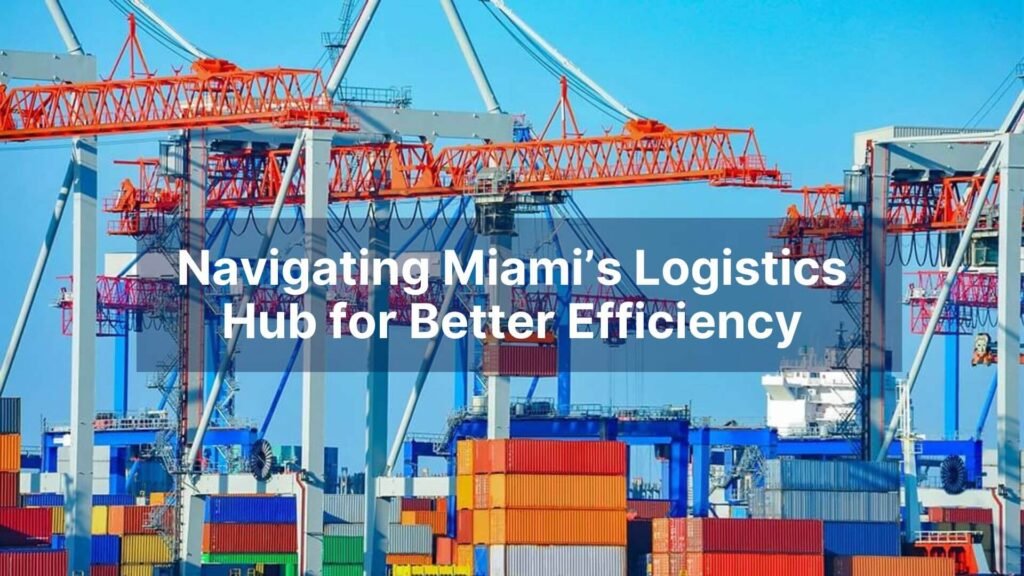
Miami serves as a pivotal logistics hub1 that connects U.S. importers to global supply chains efficiently. With its unique geographical advantages, it enables faster trade, reduced costs, and better reliability.
Miami is a high-impact logistics hub1 because it combines ocean and air cargo gateways2 with strong 3PL capacity3 and fast regional distribution into the Southeast U.S. It’s also a major staging point for Latin America trade flows4. For importers, Miami works best when hub strategy is designed around speed, consolidation, and customs-ready execution.
Efficient logistics can often be a maze, and Miami’s strategic advantages can make all the difference. I’ve seen firsthand how the right logistics decisions can reduce costs and improve delivery timelines.
Explain why Miami is a strategic logistics hub1 for U.S. importers by connecting ocean/air gateways, FTZ options, and fast access to Latin America and the Southeast U.S.?
Miami’s logistics capabilities stand out for a reason. It combines ocean and air gateways with Foreign Trade Zone (FTZ) options5. This combination facilitates faster access to Latin America and the Southeast U.S. Importers benefit from Miami's efficient connectivity.
What does a logistics hub1 do for importers? Logistics hubs streamline operations by consolidating shipments6, reducing lead times, and lowering costs.
What is the full meaning of a hub in logistics? A hub in logistics refers to a central point where goods are collected, stored, and dispatched efficiently.
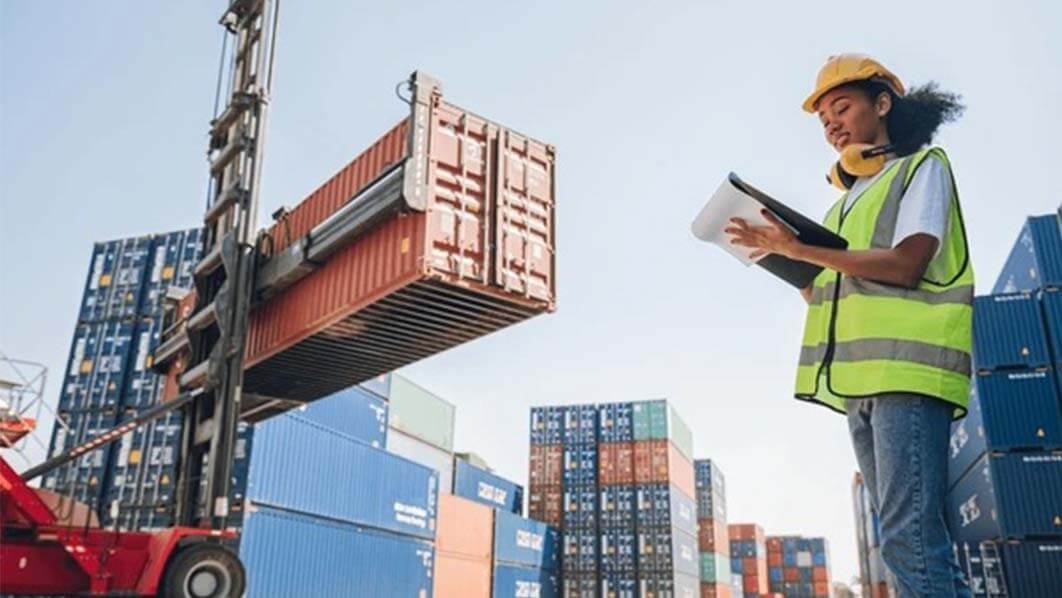
How do companies use hubs to reduce lead time and cost? By centralizing operations7 at a logistics hub1, companies can optimize transportation routes and inventory management, leading to significant cost savings and faster delivery.
| Hub | Strength | Best for | Tradeoff/risk |
|---|---|---|---|
| Miami | Ocean/Air connectivity | Latin America trade | Congestion at peak times |
| Houston | Oil imports | Energy sector | Higher transport costs |
| Savannah | Direct rail links | East Coast trade | Limited air cargo options |
| Jacksonville | Port efficiency | Bulk goods | Distance from major markets |
| Los Angeles/Long Beach | Major import/export hub | Asian trade | Port congestion |
| New York/New Jersey | Diverse market access | North East trade | Higher shipping costs |
Choose the right Miami inbound strategy by comparing direct-to-warehouse8, cross-docking9, and transloading10 based on lead time, cost, and inventory risk.
Selecting the right inbound strategy can significantly optimize logistics operations. In Miami, importers face options like direct-to-warehouse8, cross-docking9, and transloading10.
The fastest logistics hub1s win by choosing the right inbound flow. Miami importers typically select direct-to-warehouse8 for stable inventory, cross-docking9 for speed and lower storage cost, and transloading10 to optimize inland freight and delivery flexibility. The best option depends on SKU velocity, order profile, and how expensive delays or stockouts are.
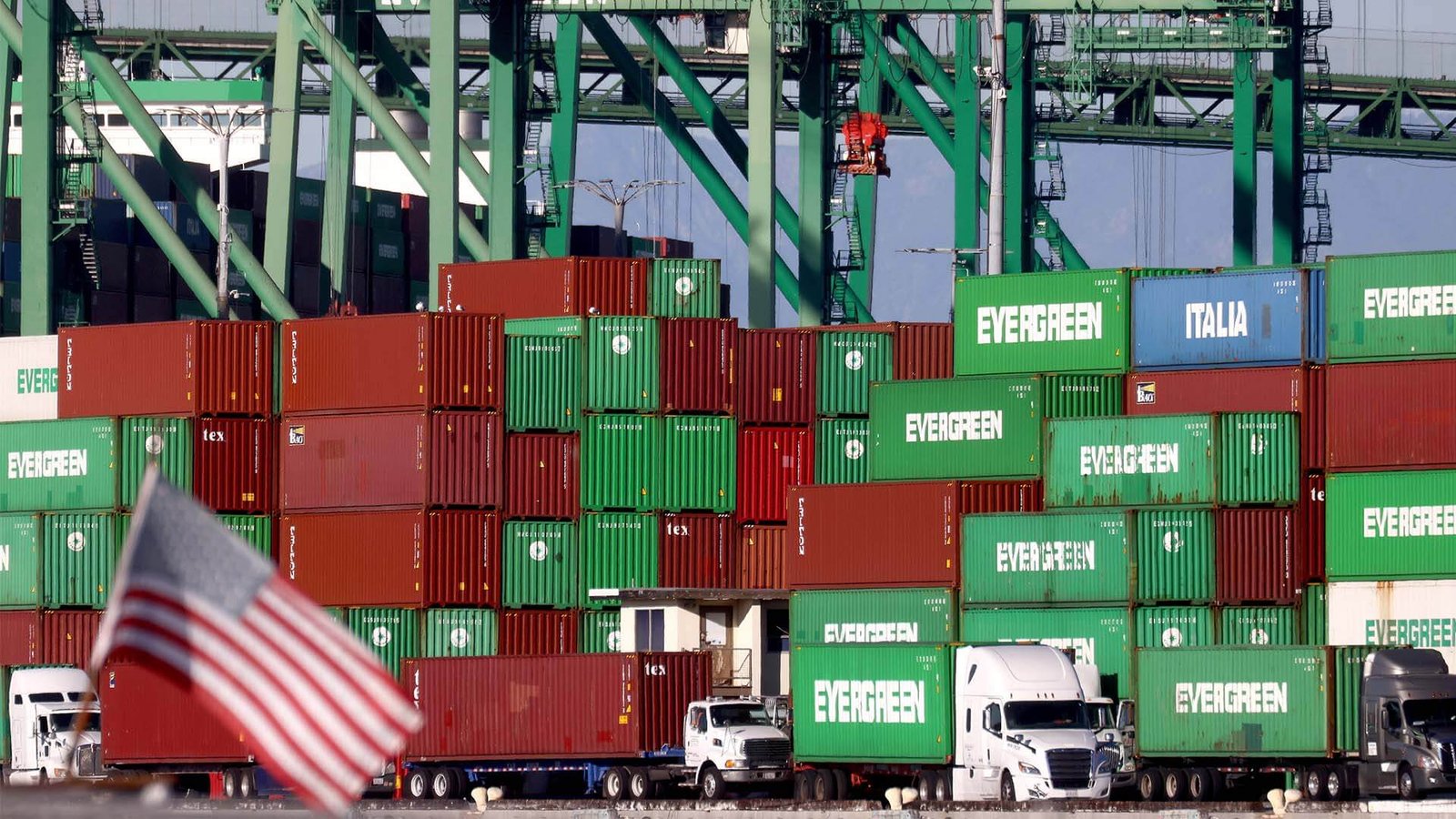
To make the right choice, consider how each option aligns with your logistics needs.
| Strategy | Best for | Lead time impact | Cost impact | Main risks |
|---|---|---|---|---|
| Direct-to-warehouse | Stable inventory | Moderate | Higher storage fees | Stockouts |
| Cross-docking | Urgent shipments | Fast | Lower warehousing | Handling errors |
| Transloading | Flexible transport | Variable | Mid-range | Delays in transfer |
| Bonded storage (optional) | Duty deferral | Moderate | Mid-range | Regulatory compliance |
| FTZ staging (optional) | Customs benefits | Moderate | Duty savings | Complexity |
Inbound Strategy Checklist:
- SKU velocity
- Order profile
- Delivery promises
- Storage days needed
- Cash flow impact
- Packaging/labeling needs
- Return rate
- Compliance requirements
Reduce port-to-door delays by optimizing drayage scheduling11, chassis strategy12, appointment management, and container return planning in the Miami market.
Delays from port to door can create inefficiencies. In Miami, optimizing drayage scheduling11 can help ease these delays.
Port-to-door efficiency is often lost in local trucking execution. Importers reduce Miami delays by pre-booking drayage appointments, securing chassis access, minimizing terminal dwell time13, and planning container return windows to avoid detention. Reliable drayage depends on clear milestones, documentation readiness, and fast problem escalation when terminals reject appointments.
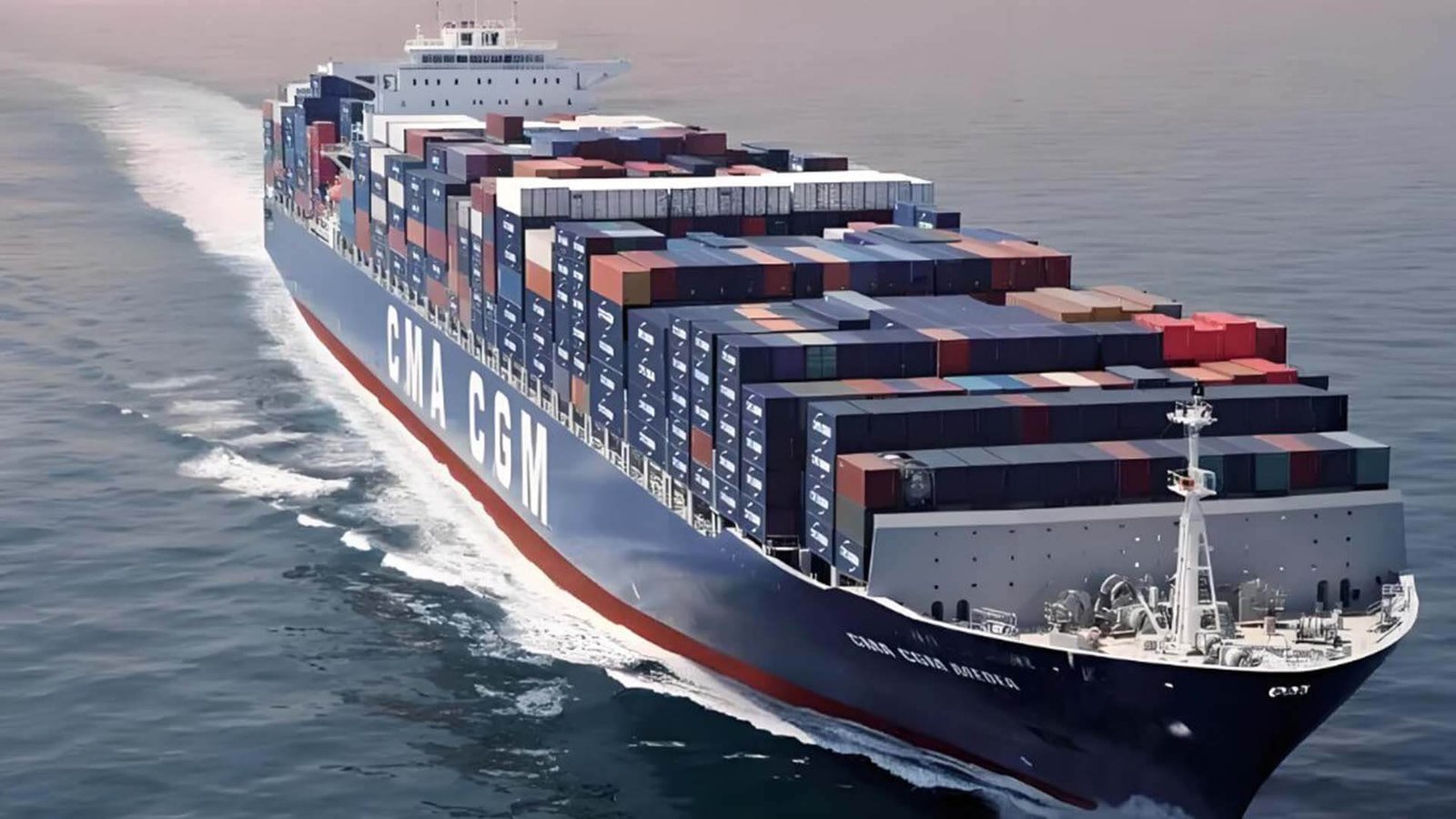
Identifying the causes of delays can help you implement corrective measures.
| Delay cause | What happens | Time impact | Fix |
|---|---|---|---|
| Late docs | Appointment cancellations | High | Pre-arrival checks |
| No appointment | Terminal congestion | High | Advanced scheduling |
| Chassis shortages | Delays in pickup | Medium | Secure chassis early |
| Terminal congestion | Increased wait times | Medium | Optimize scheduling |
| Customs hold | Delays in release | High | Ensure document accuracy |
| Wrong pickup reference | Miscommunication | Low | Verify information |
| Warehouse backlog | Delays in receiving | Medium | Optimize receiving slots |
| Container return issues | Detention fees | High | Plan return windows |
Port-to-Door Playbook:
- Pre-arrival doc check
- Customs entry readiness
- Appointment scheduling
- Chassis planning
- Pickup confirmation
- Live tracking
- Warehouse receiving slot
- Empty return plan
Speed up customs clearance14 in Miami by preparing HS classification15, entry documents, exams prevention, and partner agency requirements before arrival.
Customs clearance can be a bottleneck. By preparing in advance, importers can significantly reduce delays.
Customs delays are one of the most avoidable sources of lead time loss. Importers speed Miami clearance by verifying HS classification15, consistent commercial documents, correct values and origin, bond readiness, and early filing. The goal is a “clean entry” that reduces exam risk and allows rapid release to drayage and delivery.
Understanding customs triggers can help prevent unnecessary holdups.
| Trigger | Why CBP flags it | Delay impact | Prevention |
|---|---|---|---|
| Vague description | Ambiguity in entries | High | Clear item descriptions |
| HS mismatch | Incorrect classifications | High | Confirm classification |
| Value inconsistency | Discrepancies in declared value | Medium | Proper documentation |
| COO errors | Issues with country of origin | Medium | Double-check info |
| Missing docs | Incomplete submission | High | Comprehensive checks |
| PGA missing (if applicable) | Regulatory compliance failure | Medium | Research requirements |
| Late filing | Missing deadlines | High | Schedule submissions early |
| Bond issues | Non-compliance with bonding | High | Verify bond status |
“Clean Entry” Checklist:
- HS verified
- Invoice/packing list match
- Value consistent
- COO confirmed
- Bond active
- Filing ready
- Broker escalation path
- Entry submitted immediately upon arrival
Improve fulfillment efficiency using Miami 3PL capabilities16 like bonded storage17, pick/pack18, kitting, e-commerce order processing, and last-mile carrier selection.
Efficient fulfillment is vital for success in logistics. Utilizing Miami's 3PL capabilities16 can streamline your processes.
Miami hub efficiency depends on what happens after the terminal. Importers gain speed by using a capable Miami 3PL that can receive cargo quickly, perform kitting and labeling, manage inventory accuracy, and ship orders daily with optimized last-mile carriers. The key KPI is reducing dock-to-stock time so inventory becomes sellable faster.
Focusing on the right KPIs can ensure efficient fulfillment.
| Service | Why it matters | Lead time impact | Best use-case |
|---|---|---|---|
| Cross-dock | Reduces handling time | Fast | Urgent shipments |
| Bonded storage | Delays duties | Moderate | Import compliance |
| Pick/pack | Order accuracy | Moderate | E-commerce fulfillment |
| Kitting | Customization | Moderate | Complex orders |
| Labeling/compliance prep | Regulatory adherence | High | Export compliance |
| Inventory placement | Accurate stock levels | Low | Steady sales |
| Returns processing | Customer satisfaction | Moderate | Returns management |
3PL Execution KPIs:
- Dock-to-stock time
- Inventory accuracy
- Cut-off compliance
- Pick/pack cycle time
- Order accuracy
- Damage rate
- Returns processing time
Control total landed cost with a Miami logistics KPI dashboard19 (dwell time, clearance time, dock-to-stock, damages, OTIF) and vendor scorecards20 for forwarders, truckers, and warehouses.
To ensure continuous improvement, measurement is key. Implementing a KPI dashboard19 can reveal insights about your operations.
Efficiency without measurement becomes guesswork. Importers should run Miami operations with a KPI dashboard19 that tracks terminal dwell time13, customs cycle time, drayage appointment success, dock-to-stock, damages, and OTIF delivery. Scorecards align forwarders, brokers, drayage, and warehouses around performance—not excuses—so recurring delays are eliminated.
Key performance indicators provide clarity on operational efficiency.
| KPI | Target | Why it matters | Fix lever |
|---|---|---|---|
| Port dwell | < 24 hrs | Reduces costs | Appoint scheduling |
| Clearance time | < 48 hrs | Speeds delivery | Document accuracy |
| Exam rate | < 5% | Minimizes delays | Pre-checks |
| Drayage appointment success | > 90% | Ensures reliability | Pre-booking |
| Container turn time | < 5 days | Improves turnaround | Efficient planning |
| Dock-to-stock | < 12 hrs | Enhances availability | Fast processing |
| OTIF | > 95% | Customer satisfaction | Performance tracking |
| Claim rate | < 2% | Reduces losses | Damage control |
| Landed cost variance | < 5% | Budget adherence | Cost monitoring |
Miami Vendor Scorecard:
- Forwarder: schedule reliability, milestone updates, documentation accuracy
- Broker: entry accuracy, clearance speed, hold resolution time
- Drayage: pickup success %, appointment performance, empty return compliance
- 3PL: receiving speed, inventory accuracy, cutoff compliance
- Last-mile: on-time delivery, damage rate, exception closure time
END-TO-END PROCESS FLOW
Port/Airport Arrival → Terminal Handling → Customs Entry/Release → Drayage Pickup → Warehouse Appointment → 3PL Receiving → Putaway/Inventory → Pick/Pack/Ship → Last-Mile Carrier → Customer / Retail / DC
FAQ Section
What does a logistics hub1 do for importers? A logistics hub1 consolidates shipments, optimizes transportation routes, and facilitates faster distribution. This ultimately reduces lead times and costs.
How does Miami reduce lead time for Latin America trade lanes? Miami’s strategic location and connectivity to air and ocean gateways allow for rapid transit times, making trade routes to Latin America more efficient.
What’s the best strategy: cross-docking9, transloading10, or warehousing? The best strategy depends on your specific needs. Cross-docking offers speed, transloading10 allows flexibility, and warehousing is ideal for stable inventory.
How do importers reduce port dwell time and drayage delays? By pre-booking appointments, ensuring all documentation is ready, and managing chassis availability, importers can significantly minimize delays.
What KPIs define an efficient Miami hub operation? Key KPIs include port dwell time, clearance time, dock-to-stock metrics, and overall delivery performance. Tracking these can reveal areas for improvement.
Conclusion
U.S. importers should consider a thorough review of their Miami routing, drayage strategies, customs readiness, and 3PL execution to optimize their logistics operations. Contact us for personalized support tailored to your needs.
Understanding the role of a logistics hub can help importers streamline operations and reduce costs. ↩
Exploring the benefits of cargo gateways can reveal how they improve trade speed and reliability. ↩
Learning about 3PL capacity can help importers optimize their supply chain management. ↩
Discovering Miami's role in Latin America trade can highlight its strategic importance for importers. ↩
Understanding FTZ options can provide insights into cost savings and customs efficiency. ↩
Exploring shipment consolidation can show how it minimizes lead times and expenses. ↩
Centralizing operations can lead to optimized routes and inventory management, reducing costs. ↩
A direct-to-warehouse strategy can stabilize inventory and improve delivery timelines. ↩
Cross-docking can speed up shipments and lower storage costs, making it a valuable strategy. ↩
Transloading offers flexibility in transport, optimizing inland freight and delivery. ↩
Efficient drayage scheduling can minimize port-to-door delays, enhancing overall logistics. ↩
A well-planned chassis strategy can prevent pickup delays and improve transport efficiency. ↩
Reducing terminal dwell time lowers costs and speeds up delivery, crucial for efficiency. ↩
Faster customs clearance reduces lead time loss, making logistics more efficient. ↩
Accurate HS classification prevents delays and ensures smooth customs processing. ↩
Utilizing 3PL capabilities like pick/pack and kitting can streamline fulfillment processes. ↩
Bonded storage can delay duties and improve import compliance, offering cost advantages. ↩
Pick/pack processes ensure accurate order fulfillment, crucial for e-commerce success. ↩
A KPI dashboard tracks performance metrics, helping importers optimize logistics operations. ↩
Vendor scorecards align partners on performance, reducing delays and enhancing efficiency. ↩