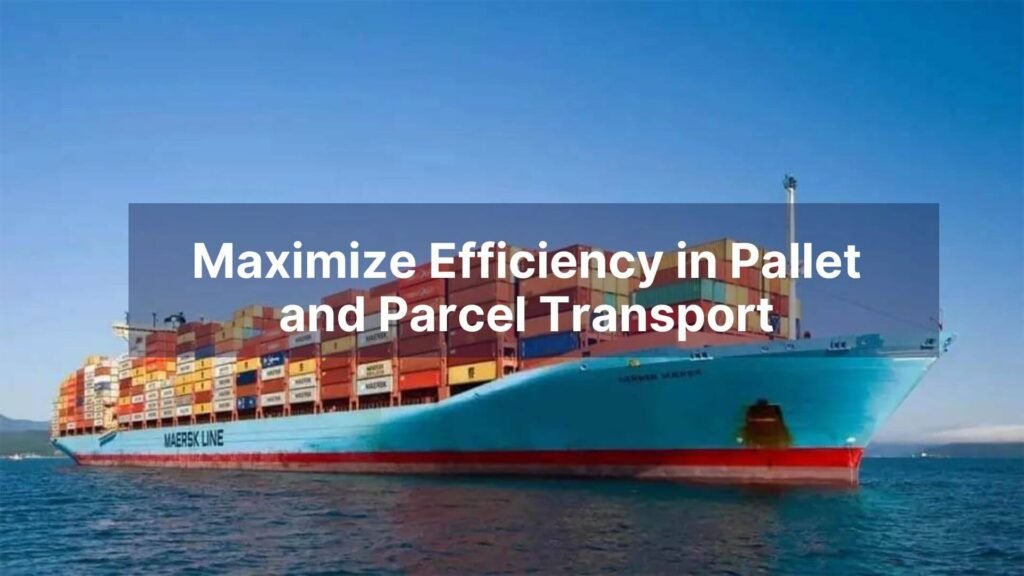
Transporting goods efficiently is critical for businesses aiming to optimize their supply chains. Let's explore how to improve speed, reduce costs, and minimize damage across pallet and parcel transport.
The choice between pallet and parcel shipping impacts your bottom line. Consider factors like DIM weight1, freight class2, handling labor3, and potential damage risks4 to make an informed decision.
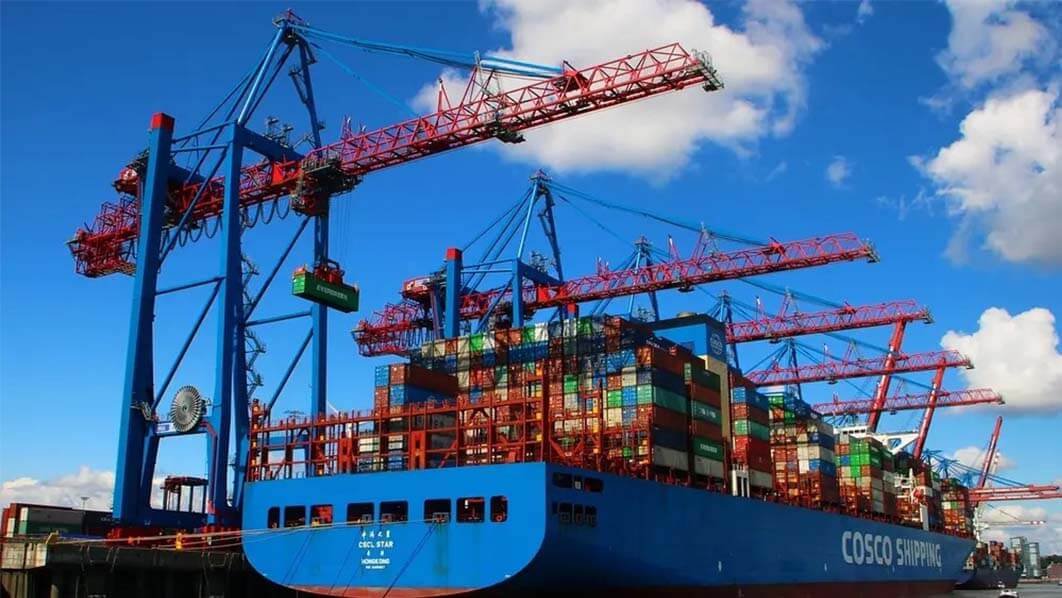
Many importers overlook the nuances of shipping methods. Understanding the differences can help you avoid costly mistakes and improve your logistics.
Choose pallet vs parcel shipping using a cost-and-service comparison that includes DIM weight1, freight class2/density, handling labor3, and damage risk?
Shipping decisions often come down to the costs and risks involved.
Pallet vs parcel is a business decision based on total landed cost5 and service risk6. Parcel pricing is driven by DIM weight1 and surcharge rules, while pallet/LTL costs depend on density, freight class2, accessorials, and handling time. Importers maximize efficiency by choosing the mode that minimizes damage and rework while protecting delivery time.
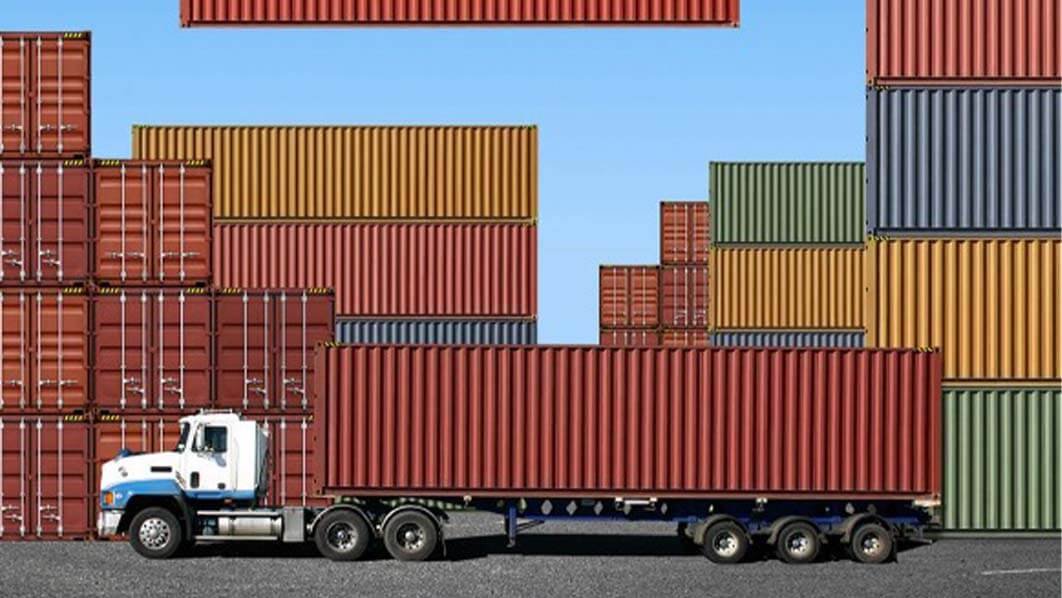
To make smart shipping choices, I recommend comparing both methods. You'll find that each has its strengths and weaknesses depending on your specific needs.
| Factor | Parcel | Pallet/LTL | Efficiency impact | Best for |
|---|---|---|---|---|
| Pricing driver (DIM vs density/class) | DIM weight1 influences pricing | Density/class affects cost | High | Small items vs bulk |
| Handling touches | More touches | Fewer touches | Medium | Direct delivery vs bulk |
| Damage risk | Higher risk | Lower risk | High | Fragile vs robust |
| Speed predictability | Less predictable | More predictable | High | Urgent shipments |
| Visibility/trackability | Higher visibility | Moderate visibility | Medium | End-to-end tracking |
| Packaging requirements | Specific dimensions | Flexible packing | Medium | Light vs heavy items |
| Typical surcharges | Higher for DIM weight1 | Variable by class | High | Cost-sensitive shipments |
| Best use cases (B2C small items vs B2B bulk) | Best for small consumer items | Best for bulk B2B shipments | High | Retail vs wholesale |
Optimize palletization by improving carton sizing, stacking patterns, load stability7, and stretch-wrapping rules8 to prevent rework and claims?
Improving palletization can significantly enhance shipping efficiency.
Palletization efficiency comes from reducing wasted cube and preventing load failures. Importers improve results by right-sizing cartons, optimizing layer patterns, keeping weight distribution balanced, avoiding overhang, and using consistent wrap and corner protection. A stable pallet reduces damages, prevents re-handling at cross-docks, and improves delivery performance.
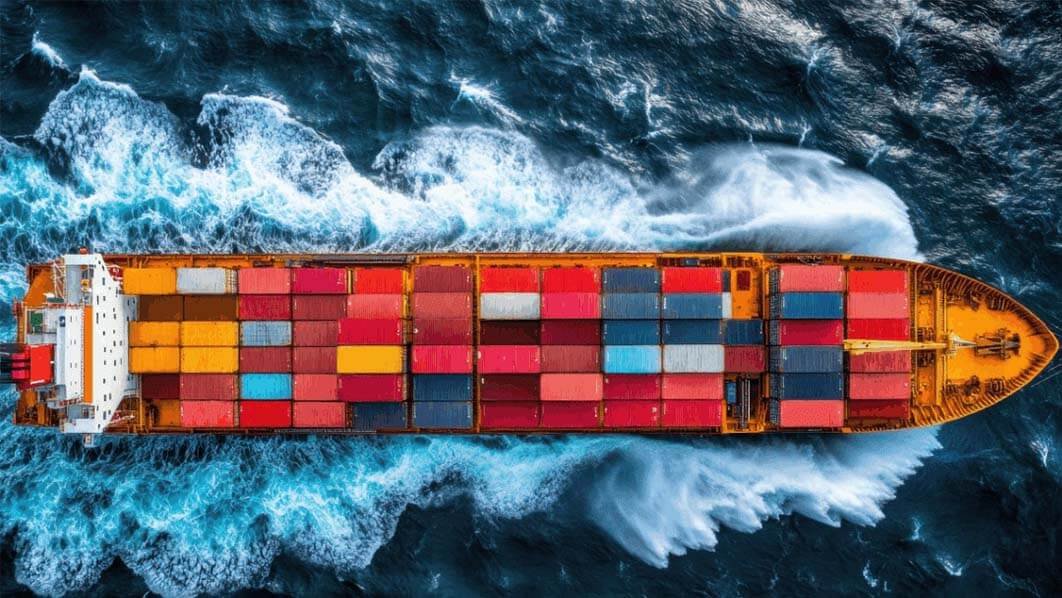
To achieve optimal palletization, I've created a checklist that ensures your loads are stable and efficient.
Palletization Checklist:
- no overhang
- layer pattern consistent
- heavy items bottom / centered
- max height rules
- edge/corner protection
- stretch wrap turns count + top cap
- label placement on 2 sides
- stackable vs non-stackable marking
| Cause | What happens | Prevention |
|---|---|---|
| Overhang | Load shifts / falls | Ensure proper sizing |
| Poor wrap tension | Load instability | Consistent wrap technique |
| Weak cartons | Collapse / damage | Use strong materials |
| Top-heavy loads | Load topple | Balance weight distribution |
| Mixed sizes | Complicated stacking | Standardize carton size |
| Moisture exposure | Damage | Use moisture-resistant packaging |
Cut transit time and accessorial fees9 by improving LTL execution (NMFC/classification10, BOL accuracy11, liftgate/residential planning, and appointment discipline)?
Transit times can be drastically affected by billing and execution errors.
Many “inefficiencies” in pallet shipping are billing and execution errors. Importers reduce costs by using correct NMFC/freight class2, accurate weights and dimensions on the BOL, and pre-planning accessorials like liftgate, limited access, and appointments. Better documentation prevents reclassification charges, delays, and disputes that inflate total cost.
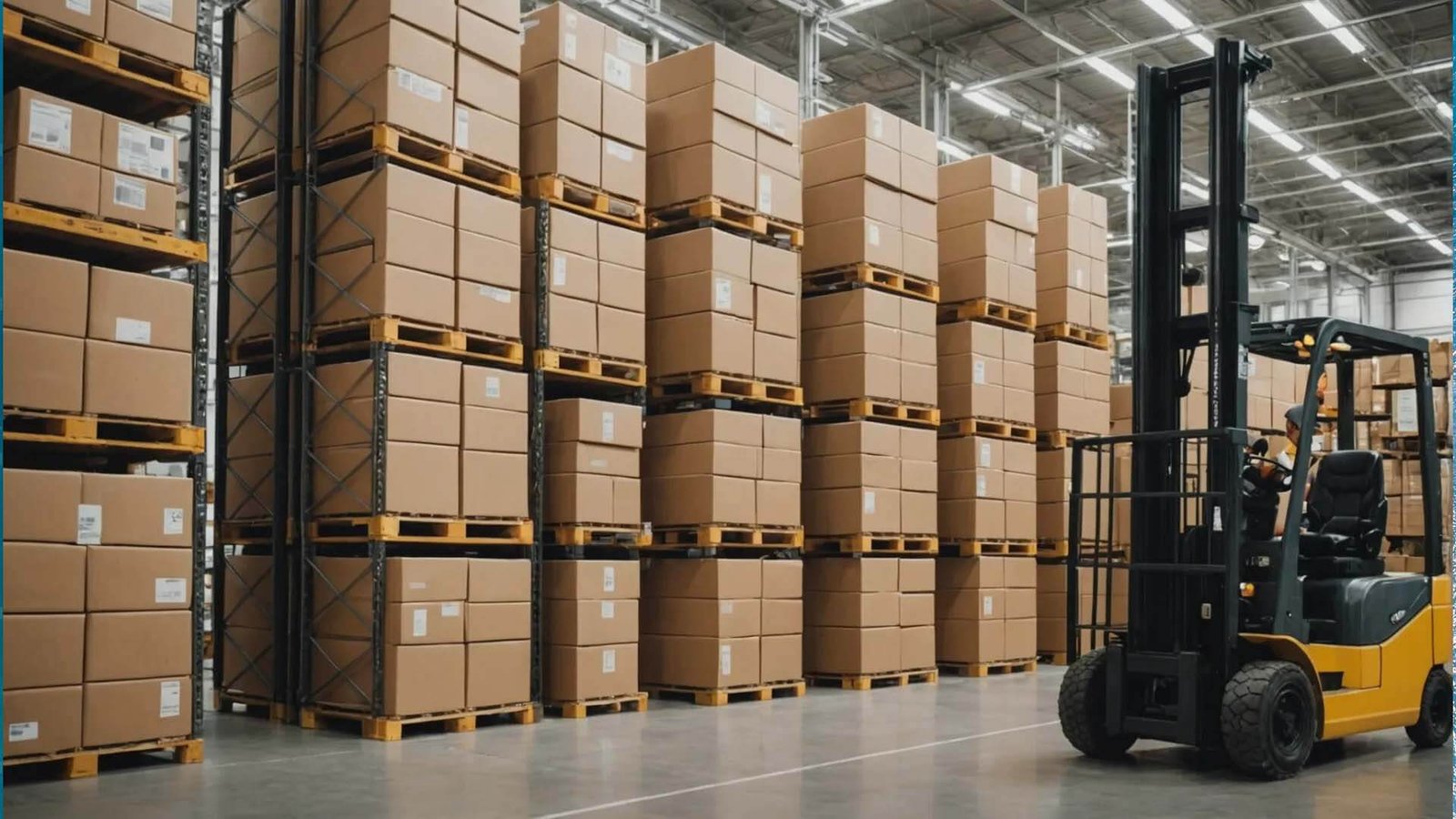
Streamlining your LTL processes is crucial. Here’s a quick overview of common accessorial fees9 and how to prevent them.
| Fee | Trigger | Cost impact | Prevention step |
|---|---|---|---|
| liftgate | Required for certain deliveries | High | Plan ahead |
| residential delivery | Home deliveries | High | Verify delivery location |
| limited access | Hard-to-reach locations | Medium | Confirm access |
| reweigh/reclass | Inaccurate weights | Variable | Double-check BOL |
| detention | Waiting times | High | Ensure timely pickups |
| redelivery | Missed deliveries | High | Schedule accurately |
| appointment fee | Scheduled deliveries | Medium | Plan in advance |
| inside delivery | Delivery inside a building | Medium | Confirm delivery requirements |
LTL shipping workflow:
Rate quote → class/density confirmation → BOL accuracy11 → pallet labeling → pickup window → linehaul → terminal cross-dock → appointment → POD and invoice audit
Reduce warehouse bottlenecks by standardizing inbound packaging, barcode/label accuracy12, and dock-to-stock processes13 for faster cross-dock and order fulfillment?
Warehouse efficiency directly affects transport speed.
Warehouse speed is a major driver of transport efficiency because slow receiving creates missed cutoffs and added handling. Importers reduce dock congestion by standardizing pallet specs, using scannable barcodes, sending ASNs, and scheduling inbound appointments. Faster dock-to-stock improves fulfillment speed and reduces extra touches that cause damage and labor waste.
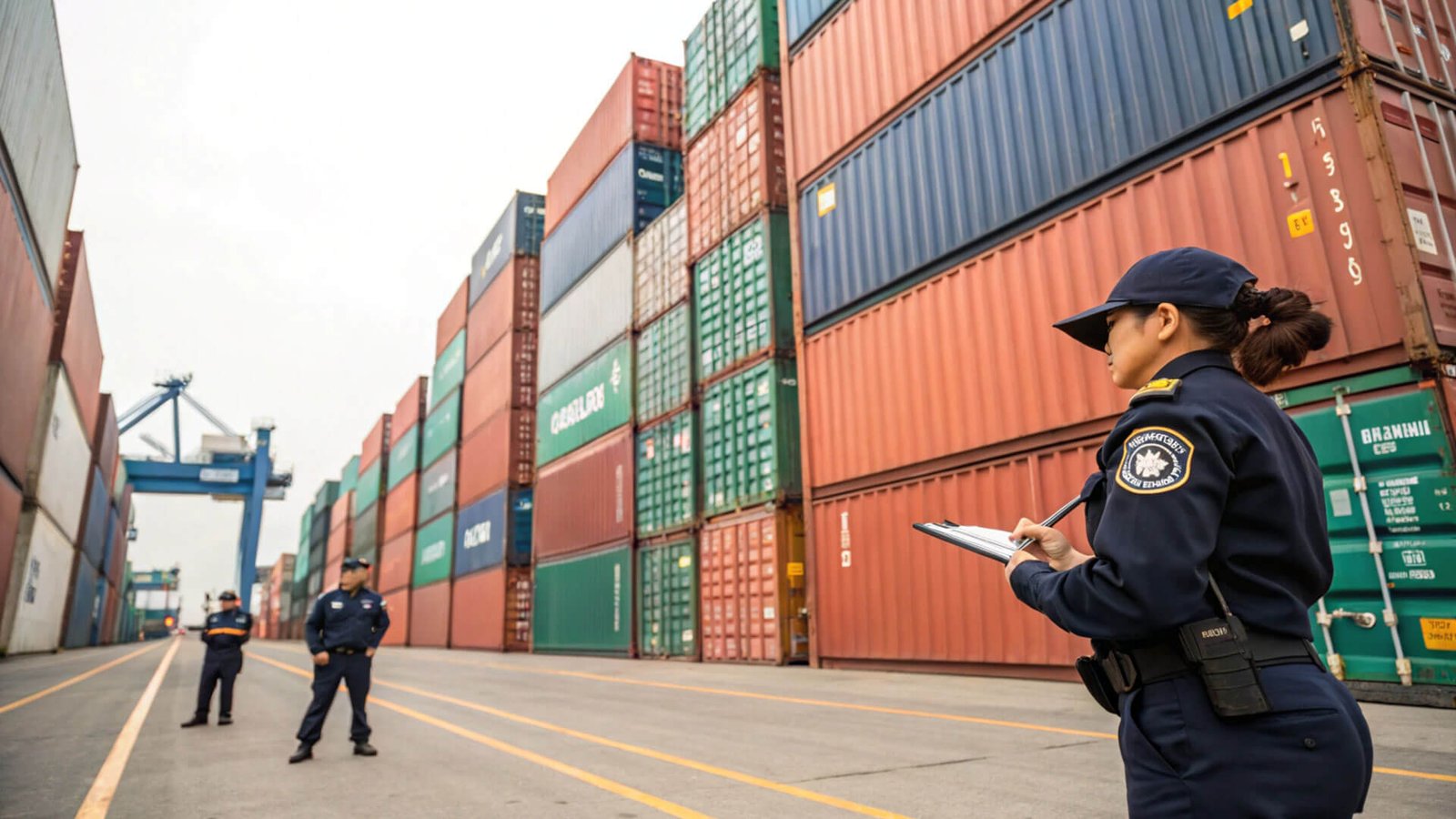
By addressing bottlenecks, you can enhance the overall efficiency of your transportation operations.
| Bottleneck | Symptoms | Fix |
|---|---|---|
| unlabeled pallets | Confusion at delivery | Clear labeling |
| mixed SKUs | Slower processing | Standardize SKUs |
| wrong carton counts | Inventory discrepancies | Accurate counts |
| receiving backlog | Delayed shipments | Schedule appointments |
| rework zone overflow | Extra handling | Improve inbound processes |
| outbound cutoff misses | Failed deliveries | Streamline outbound processes |
KPI definitions:
- Dock-to-stock time
- Receiving accuracy
- Rework rate
- Pick/pack cycle time
- Daily outbound cutoff compliance
Run a performance system with KPI dashboards14 and carrier/3PL scorecards15 (damage rate16, cost per shipment, on-time delivery17, dock-to-stock, and claim resolution time18)?
Tracking performance is key to improving efficiency.
Efficiency improves fastest when measured. Importers should track cost per shipment, cube utilization, damage/claim rate, on-time delivery17, dock-to-stock time, and accessorial frequency by carrier and warehouse. Carrier/3PL scorecards turn logistics into a managed system—so recurring failure points are corrected, not repeated.

Using KPI dashboards14 allows you to visualize your performance metrics easily.
| KPI | Target | What it controls | Fix lever |
|---|---|---|---|
| cost per shipment (pallet/parcel) | Define cost limits | Total shipping costs | Review contracts |
| cube utilization % | Maximize capacity | Space efficiency | Optimize palletization |
| DIM divisor impact (parcel) | Control charges | Cost management | Accurate measurement |
| accessorial rate % | Minimize fees | Additional costs | Pre-planning |
| damage rate16 | Reduce claims | Shipping reliability | Improve packaging |
| claim approval rate | Fast resolution | Damage handling | Efficient claims process |
| on-time delivery17 % | Maintain schedule | Customer satisfaction | Monitor performance |
| dock-to-stock time | Speed up process | Fulfillment efficiency | Streamline workflow |
| invoice error rate | Decrease discrepancies | Billing accuracy | Regular audits |
Carrier + 3PL Performance Scorecard:
- Parcel carriers: transit reliability, damage rate16, surcharge frequency
- LTL carriers: appointment success, claims rate, accessorial frequency
- 3PL: receiving speed, accuracy, rework rate, outbound cut-off compliance
Required End-to-End Process Flow:
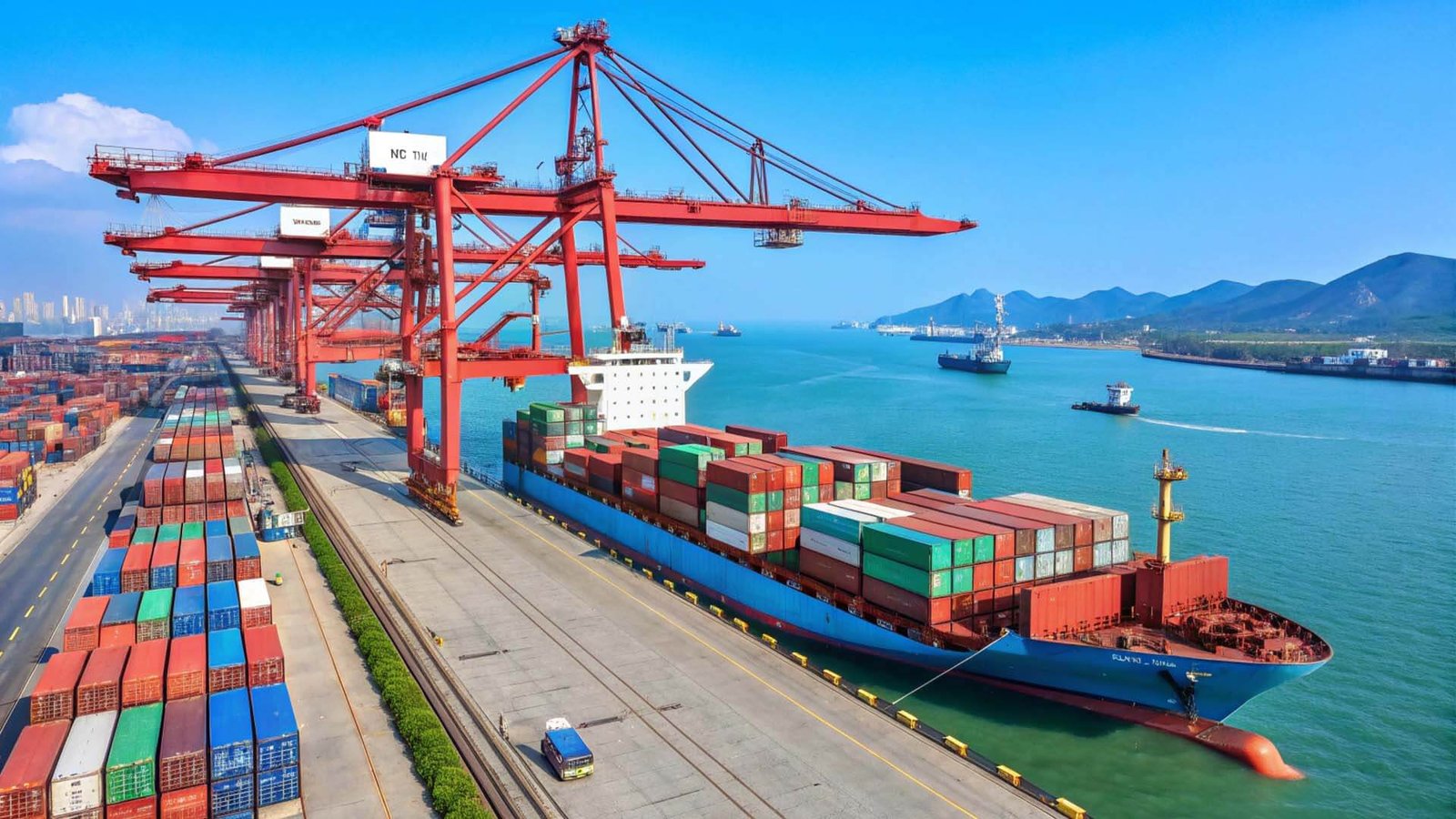
Factory → Consolidation → Palletization/Cartonization → Mode Selection (Parcel/LTL/FTL) → Linehaul → Terminal/Cross-dock → 3PL Receiving → Inventory/Putaway → Order Fulfillment → Final Delivery
FAQ:
What is more efficient: pallet shipping or parcel shipping?
Pallet shipping is generally more efficient for bulk goods due to lower costs and reduced handling. Parcel shipping is better for smaller items but may incur higher costs due to dimensional weight.
How do importers optimize pallet loading and reduce damage?
Importers can optimize pallet loading by ensuring no overhang, maintaining balanced weight distribution, and using proper wrapping techniques. This minimizes damage during transport.
What causes LTL accessorial fees9 and how do you prevent them?
Accessorial fees often arise from unexpected handling requirements or inaccuracies in shipping documentation. Preventing these fees involves accurate BOL, specifying access conditions early, and planning for additional services.
How does warehouse receiving speed affect transport efficiency?
Slow warehouse receiving can lead to missed shipping cutoffs and increased labor costs. Efficient processes ensure that goods are moved quickly to fulfill customer orders on time.
What KPIs prove pallet and parcel transport efficiency?
Key KPIs include cost per shipment, damage rate16, on-time delivery17 percentage, and dock-to-stock time. These metrics help assess and enhance transport efficiency.
Conclusion
Ready to optimize your shipping processes? Let’s analyze your pallet vs parcel mode choices, improve your packaging and palletization, and set up a KPI scorecard for your carriers and 3PLs.
Learn about DIM weight to better understand how it affects shipping costs and make informed decisions. ↩
Understanding freight class can help you choose the right shipping method and avoid unnecessary costs. ↩
Explore how handling labor affects shipping costs to optimize your logistics and reduce expenses. ↩
Identifying potential damage risks can help you take preventive measures to protect your shipments. ↩
Understanding total landed cost helps in evaluating the true cost of shipping and making cost-effective decisions. ↩
Learn about service risk to ensure reliable delivery and minimize disruptions in your supply chain. ↩
Ensuring load stability can prevent damages and improve the safety of your shipments. ↩
Proper stretch-wrapping can enhance load stability and reduce the risk of damage during transit. ↩
Learn about accessorial fees to avoid unexpected costs and plan your shipping budget effectively. ↩
Understanding NMFC classification can help you avoid reclassification charges and optimize shipping costs. ↩
Accurate BOLs prevent billing errors and ensure smooth shipping operations. ↩
Accurate barcodes and labels ensure smooth tracking and reduce errors in logistics operations. ↩
Efficient dock-to-stock processes can enhance warehouse operations and reduce bottlenecks. ↩
KPI dashboards provide valuable insights into logistics performance, helping you make data-driven decisions. ↩
Scorecards help evaluate carrier performance, ensuring you choose the best partners for your logistics needs. ↩
Reducing damage rate improves customer satisfaction and reduces costs associated with claims. ↩
On-time delivery is crucial for customer satisfaction and maintaining a reliable supply chain. ↩
Faster claim resolution enhances customer service and reduces the impact of shipping issues. ↩