Facing shipping delays over paperwork1? A missing SDS2 can halt your cargo, costing you money and time. Let's clarify exactly when you need this crucial document for your imports.
An SDS is required when shipping products classified as hazardous. This includes chemicals, batteries, and even some cosmetics. Carriers, customs, and warehouses use it to verify safety information for transport and handling, making it essential for booking and clearance.
I've seen countless importers get stuck on this exact point. They think a Safety Data Sheet (SDS) is just another form, but it's the key that unlocks carrier acceptance and customs clearance from China. Let's break down exactly what triggers this requirement so you can stay ahead of the game and keep your cargo moving.
When is an SDS (Formerly MSDS) Required for a Product?
Unsure if your product needs an SDS? Guessing wrong can get your shipment rejected. An SDS is required if your product is hazardous for transport, workplace safety, or regulatory disclosure.
A product needs an SDS if it contains hazardous chemicals3 defined by regulations like OSHA's HazCom standard4. This applies to transport (flammable liquids), workplace safety (handling instructions), or regulatory disclosure (chemical ingredients). It's not optional for classified goods.
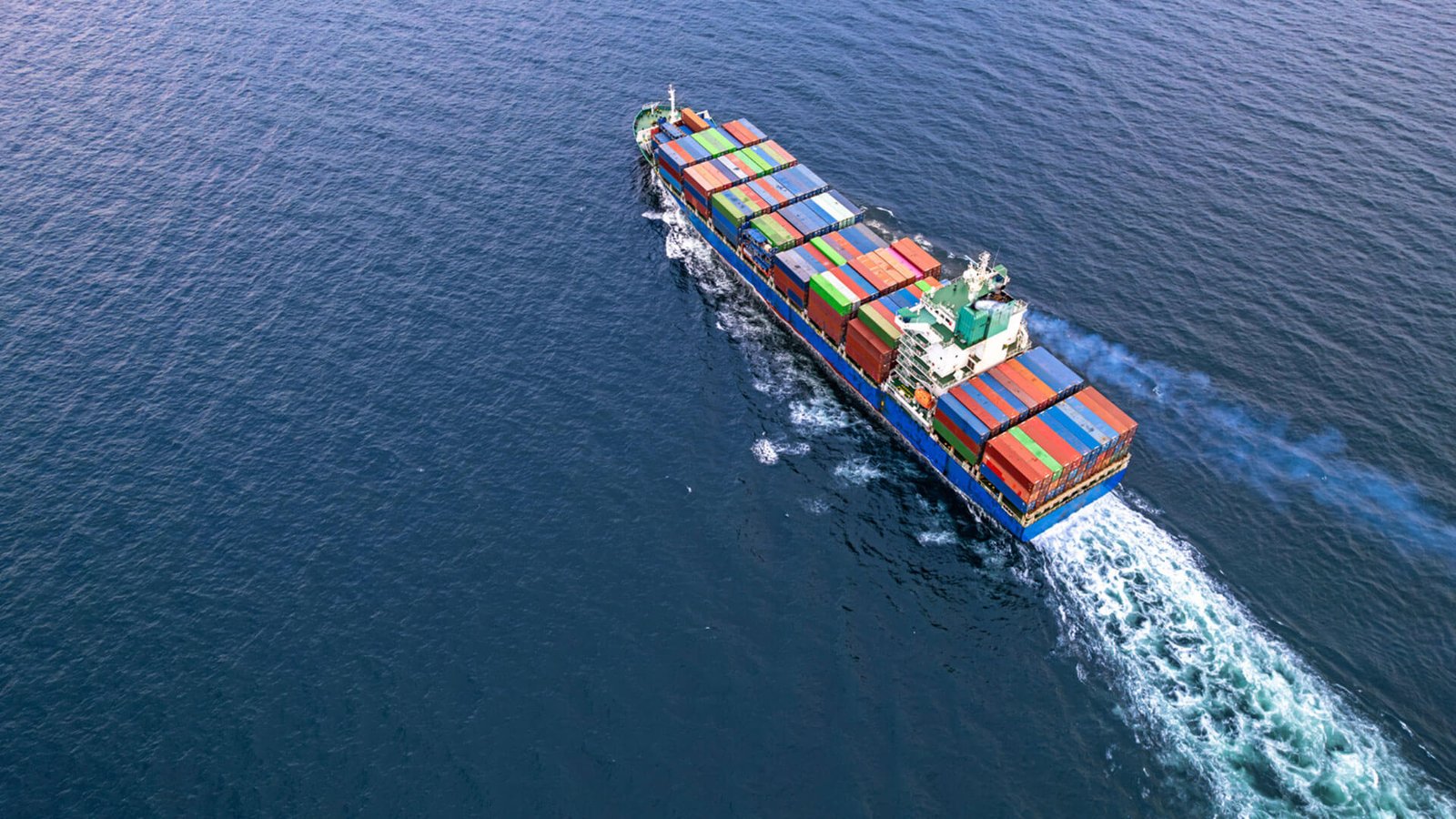
The biggest mistake I see is importers assuming a product is safe just because it's a consumer good. The reality is that regulations look at the chemical composition, not the final use. This creates a painful gap between your expectation and the carrier's rules. The cause is a misunderstanding of the three main areas that trigger an SDS requirement. The solution is to check your product against all three, not just one.
1. Transport Hazard Classification5 (IMO / IATA)
This is the most common trigger for international shipping. If your product is flammable, corrosive, toxic, or contains lithium batteries, it's considered dangerous goods for transport. Ocean carriers (IMO) and airlines (IATA) have strict rules. For example, a client importing cosmetics didn't realize their alcohol-based hairspray was a flammable aerosol6. It required a full dangerous goods declaration supported by an SDS. Without it, the airline refused to load the cargo.
2. Workplace Safety (OSHA)
Once your goods arrive in the U.S., OSHA's Hazard Communication Standard7 takes over. If your product contains chemicals that could be harmful to a warehouse worker, an SDS is mandatory for safe handling and storage. This is why your 3PL or fulfillment center demands an SDS before they will receive your container. They are legally liable for their workers' safety.
3. Regulatory Disclosure8 (EPA9, State Laws)
Sometimes, an SDS is needed to comply with other government agencies. The Environmental Protection Agency (EPA9) might require it for certain chemicals. Some states, like California, have their own disclosure rules (Prop 6510) that rely on information found in an SDS.
When do U.S. Importers Most Often Need an SDS?
Ever had a shipment get stuck? It's often because the SDS was missing at a critical checkpoint. You'll need it for booking, export, customs clearance, and warehouse receiving.
U.S. importers need an SDS at four main points. First, carriers demand it at booking to approve the cargo. Second, it's needed for the export declaration in China. Third, U.S. Customs may request it during clearance. Finally, warehouses need it for safe handling.
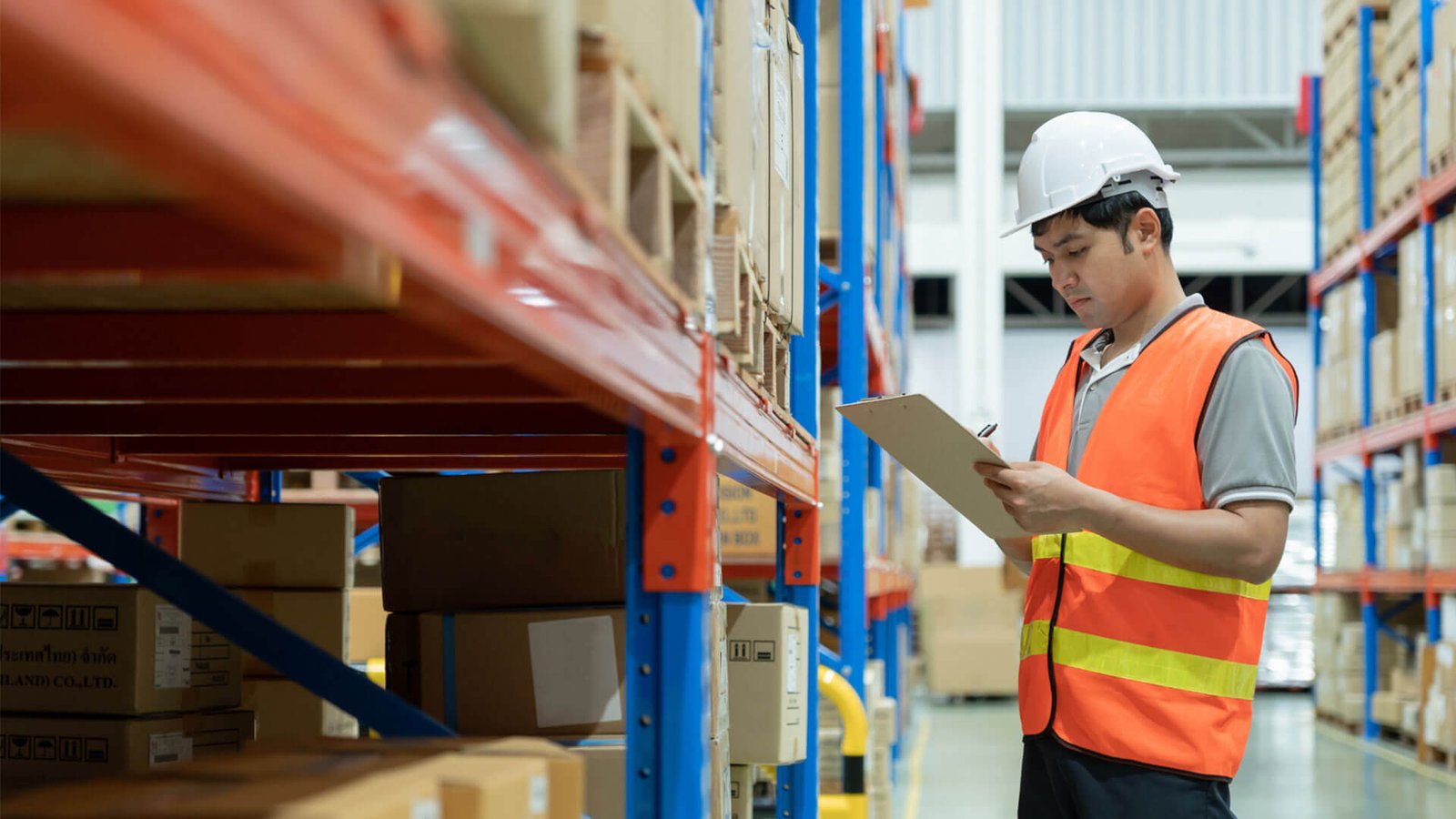
The pain of a stalled shipment is immense, especially when you have deadlines. The cause is often viewing the SDS as a post-production document instead of a pre-production requirement. The practical solution is to understand where and when it will be requested, so you can have it ready long before the container is even booked. I've seen this play out at four specific stages.
Stage 1: Carrier Booking11
This is the first and most important checkpoint. Before an airline or shipping line accepts your cargo, their safety team will review the product description. Words like "liquid," "powder," "chemical," "battery," or "aerosol" are immediate red flags. They will put your booking on hold until you provide an SDS to prove the product is either non-hazardous or properly declared as dangerous goods.
Stage 2: Export Declaration in China12
China Customs has its own set of rules. For many chemical products, an SDS must be submitted with the export declaration. If your supplier doesn't provide it, the goods can't legally leave the country.
Stage 3: U.S. Customs Clearance13
While U.S. Customs and Border Protection (CBP) doesn't ask for an SDS for every shipment, they will request it if they have questions. This is especially true if other Partner Government Agencies (PGAs) like the EPA9 or FDA are involved. For example, an importer of industrial adhesives had their container held by CBP because the invoice description was vague. We had to submit the SDS to prove the contents matched the declaration, which added three days to the clearance time.
Stage 4: Warehouse and 3PL Receiving14
Your journey isn't over when the container arrives. Your U.S. warehouse or 3PL partner needs the SDS for their own safety and OSHA compliance. They have the right to refuse your cargo without it, leaving you with a container and nowhere to unload it.
Why Are Shipments Delayed or Rejected Due to an SDS?
You provided the SDS, but your cargo was still rejected. This happens when the document's details don't match the product, raising red flags for carriers and customs officials.
Shipments are often rejected because the SDS is outdated, incomplete, or contradicts other shipping documents. Common issues include incorrect UN numbers, missing transport data (Section 14), or a product name that doesn't match the commercial invoice, causing compliance failures.

It’s incredibly frustrating to do the right thing and still get penalized. The pain comes from assuming any SDS will do. The cause is that carriers and regulators perform detailed cross-checks. A single inconsistency makes them question the entire shipment's safety. The solution is to treat your SDS like a legal document and scrutinize it for accuracy before submission.
Here are the most common mismatches I see:
| Error Type | What It Means | Why It Causes Rejection |
|---|---|---|
| Outdated Format15 | The document is an old MSDS, not a 16-section GHS-compliant SDS. | It's not legally compliant in the U.S. and most other countries. |
| Missing Transport Data16 | Section 14 of the SDS is blank or says "Not Regulated." | Carriers can't determine the shipping requirements and will reject it. |
| Mode-Specific Issues17 | The SDS only has ocean (IMDG) data, but you're shipping by air. | Air freight (IATA) has different, stricter rules that must be listed. |
| Inconsistent Info18 | The product name on the SDS doesn't match the invoice or packing list. | This suggests you might be shipping something different than you declared. |
I once worked with an importer of paints from China. The SDS was perfect, but the supplier put labels with the wrong UN number on the drums. When the ocean carrier did a random inspection, the conflicting information caused them to pull the entire container. It resulted in a two-week delay and hefty inspection fees, all because of a simple label mismatch.
Who is Responsible for an Accurate SDS?
Your supplier provided a faulty SDS, but now you're facing fines. While the manufacturer is responsible for creating the SDS, the U.S. importer ultimately bears the compliance risk.
The manufacturer or exporter is legally responsible for creating an accurate SDS. However, the U.S. importer is held accountable by carriers, U.S. Customs, and OSHA. If the SDS is wrong, the importer's cargo and business face the consequences.
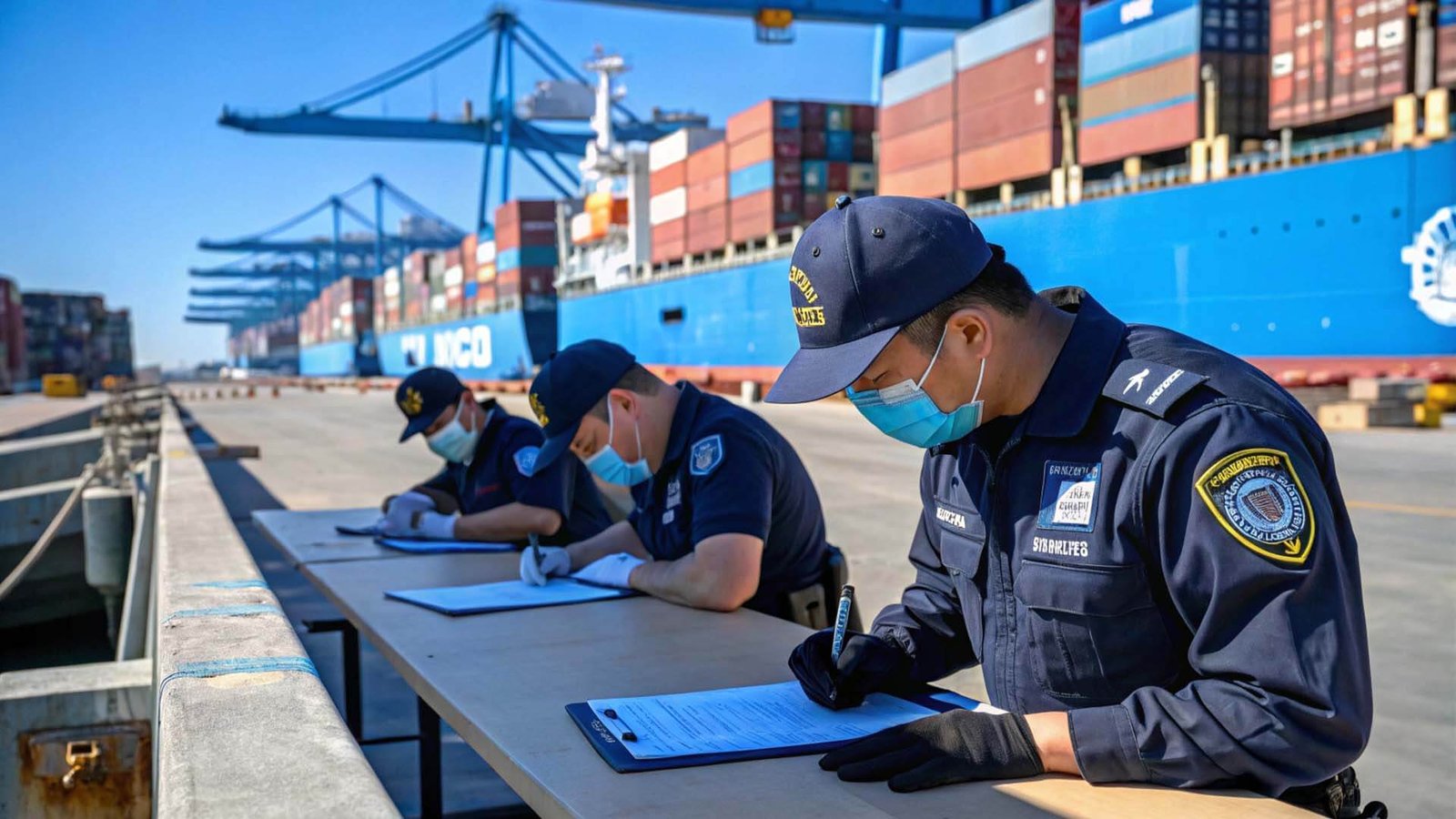
The pain of being held responsible for someone else's mistake is a tough pill to swallow. The cause is a legal principle: as the importer of record, you are responsible for everything you bring into the United States. Relying blindly on your supplier's documents is a huge risk. The solution is to shift your mindset from "receiving" a document to "validating" it.
The Supplier's Role: The Author
Your supplier in China has the technical knowledge of the product's chemical composition. They are the ones who must author the SDS to reflect its properties accurately. Their responsibility is to create a truthful document.
The Importer's Role: The Risk Holder
Your responsibility begins when you decide to import the product. U.S. agencies like the DOT, OSHA, and CBP hold you, the U.S. entity, accountable. If the SDS is fraudulent or incorrect, they will penalize you, not the factory overseas. I saw this with an importer of e-bikes. Their supplier provided a letter claiming the lithium batteries were "safe." The importer didn't push for an SDS or UN 38.3 test report. The airline discovered the undeclared batteries, fined the importer over $10,000, and banned them. The supplier in China faced zero consequences. You, the importer, carry all the risk.
What is the Fastest Way to Avoid Hazmat Delays and Penalties?
Tired of surprise shipping delays and hazmat fees? Fixing SDS issues at the port is slow and expensive. The fastest way to avoid this is to validate all requirements before shipping.
To avoid delays, get the SDS from your supplier at the quoting stage, not the shipping stage. Review it against your product and shipping mode. If it's potentially hazardous, send it to your freight forwarder for carrier pre-approval before booking any cargo.

The constant pain of last-minute fire drills is exhausting and costly. The cause is treating compliance as the final step in the logistics chain. By the time goods are at the port, your leverage is gone and your options are limited. The only practical solution is to move compliance to the very beginning of your procurement process.
This proactive approach involves three simple steps:
- Get the SDS Early: Make providing a complete, English-language, GHS-compliant SDS a mandatory part of your supplier vetting and quoting process. No SDS, no purchase order.
- Perform a Sanity Check: You don't need to be a chemist. Just check the basics. Does the product name on the SDS match your product? Is Section 14 (Transport Information) filled out for your mode of transport (ocean/air)?
- Get Carrier Pre-Approval: This is the most critical step. Before you book anything, send the SDS to your freight forwarder. Ask them to get official pre-approval from the airline or steamship line. This confirmation is your green light. It moves the risk from you to the carrier, who has now formally accepted the cargo based on the documentation provided.
| Reactive Approach (High Risk) | Proactive Approach (Low Risk) |
|---|---|
| Request SDS after production is finished | Require SDS to issue a purchase order |
| Hope the carrier accepts the booking | Send SDS to forwarder for pre-approval |
| Solve document problems at the port | Get carrier's green light before shipping |
| Face delays, fees, and rejection | Enjoy smooth, predictable shipping |
Frequently Asked Questions about SDS and MSDS
Is MSDS still a thing?
No, the term was officially replaced by Safety Data Sheet (SDS) to align with global standards, but many people still use the old term.
Why did OSHA change MSDS to SDS?
OSHA switched to the 16-section SDS format to adopt the Globally Harmonized System (GHS), making hazard communication consistent and easier to understand worldwide.
Is an SDS required with every shipment?
No, an SDS is only required for products classified as hazardous. However, carriers may request one for any chemical-based product to prove it is non-hazardous.
How do I know if an SDS is required?
If your product contains chemicals, solvents, batteries, or compressed gas, you should assume an SDS is required until proven otherwise by the manufacturer's documentation.
Does every product have an SDS?
No, only products containing hazardous chemicals3 have an SDS. Benign articles like cotton shirts or wooden furniture do not require one.
Is an SDS legally required in the U.S.?
Yes, for hazardous products, an SDS is legally required by OSHA for workplace safety and by the DOT for transport.
Who is responsible for supplying the SDS?
The product manufacturer or distributor is responsible for creating and providing the SDS. The importer is responsible for obtaining it and ensuring its accuracy.
What products do not require an SDS?
Products defined as "articles" with no risk of chemical exposure, like electronics (without batteries), apparel, and furniture, do not require an SDS.
What are common SDS or MSDS mistakes importers make?
The most common mistakes are accepting an outdated MSDS instead of a GHS-compliant SDS, not verifying Section 14 for transport details, and not getting an English version.
Conclusion
For U.S. importers, SDS compliance is not just a paperwork issue. It is a shipment acceptance and delivery risk issue that directly impacts your bottom line.
Understanding how to avoid shipping delays due to paperwork can save you time and money, ensuring smoother logistics. ↩
Learn the consequences of missing an SDS to prevent costly shipping delays and ensure compliance with regulations. ↩
Identifying hazardous chemicals is crucial for compliance and safety in shipping, helping you avoid legal issues. ↩
Understanding OSHA's HazCom standard is essential for workplace safety and regulatory compliance. ↩
Knowing about Transport Hazard Classification helps in identifying dangerous goods and ensuring safe transport. ↩
Learn why flammable aerosols are classified as dangerous goods to ensure proper handling and compliance. ↩
Understanding this standard is key to ensuring workplace safety and compliance with U.S. regulations. ↩
Regulatory Disclosure is vital for compliance with various government agencies, ensuring smooth shipping processes. ↩
The EPA's regulations impact shipping, especially for chemical products, making compliance essential. ↩
Understanding Prop 65 helps in complying with California's specific disclosure rules, avoiding legal issues. ↩
An SDS at carrier booking ensures your cargo is accepted and avoids delays due to safety concerns. ↩
An SDS is crucial for export declarations in China to comply with local regulations and ensure smooth shipping. ↩
An SDS can be critical for U.S. Customs Clearance, preventing delays and ensuring compliance with regulations. ↩
Warehouses need an SDS for safe handling and OSHA compliance, ensuring worker safety and legal adherence. ↩
Using an outdated SDS format can lead to compliance failures and shipment rejections, causing delays. ↩
Transport data in an SDS is crucial for determining shipping requirements and avoiding rejections. ↩
Understanding mode-specific issues in an SDS helps ensure compliance with different transport regulations. ↩
Inconsistent info in an SDS can lead to shipment rejections, highlighting the need for accuracy. ↩