Confused by the term “manifest cargo1”? An error here can stop your shipment at the U.S. border. This can cost you a lot of time and money.
"Manifest cargo" means your goods are officially listed on the ship's cargo manifest2. This is a legal declaration to customs, like U.S. CBP, that details all cargo on board. Once manifested, your shipment is officially declared for its journey.
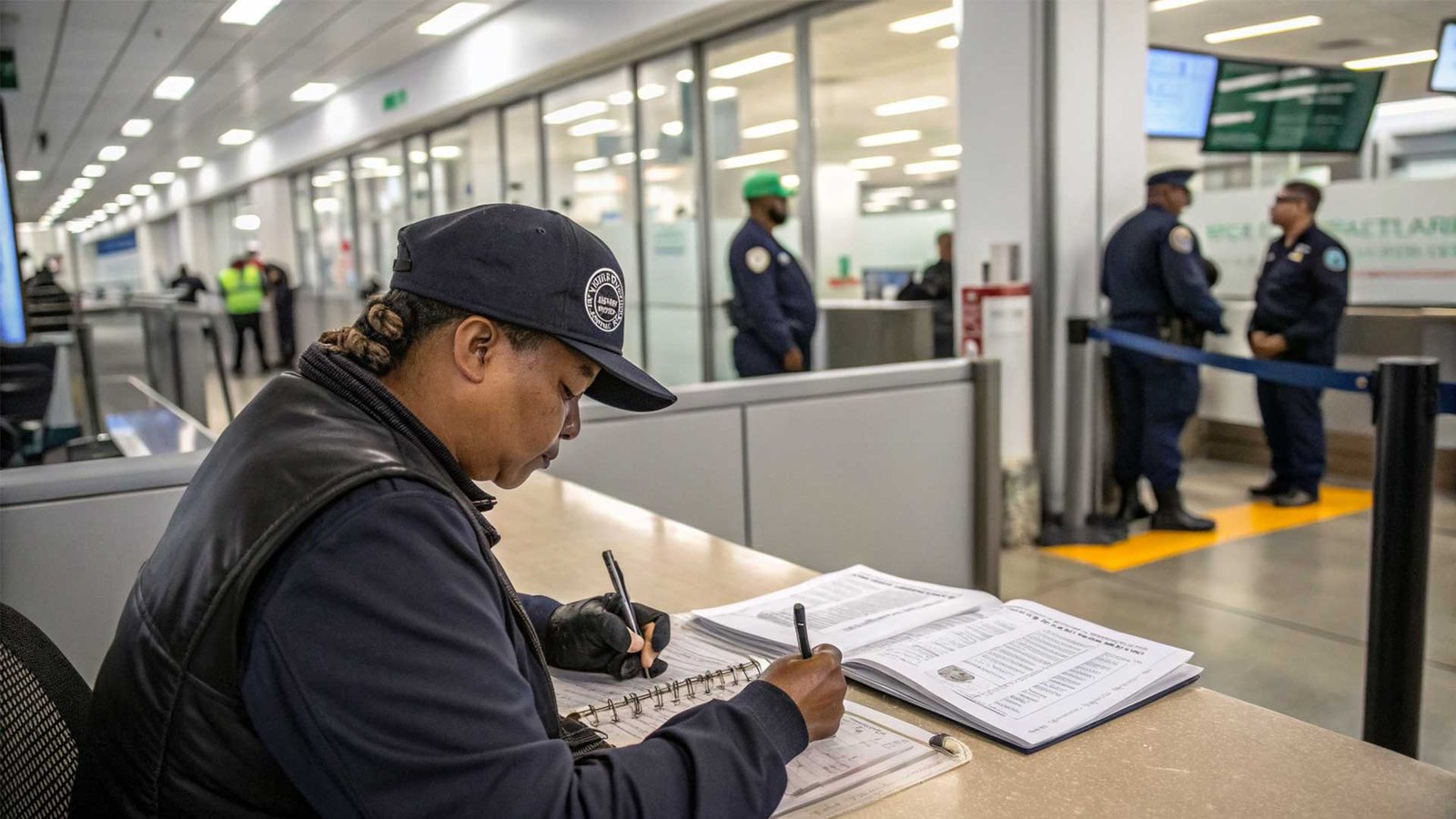
When I talk to new importers, they often think the manifest is just another piece of paperwork. They focus on the Bill of Lading or the commercial invoice. But in my 15 years of handling U.S. customs clearance3, I've seen more shipments delayed by simple manifest errors than almost anything else. This document is your official introduction to customs, and you need to get it right before your ship ever leaves the port. Let's break down exactly what this means for your business.
What Does “Manifest Cargo” Mean in Shipping?
Worried when your carrier says your cargo is "manifested"? This isn't just jargon. A mistake here can halt your shipment, leading to expensive delays and customs fines.
"Manifest cargo" means your goods have been officially entered into the ship's master list of all cargo on board. This process turns your shipping information into a legal declaration for customs authorities before the vessel departs. It is a mandatory step for international shipping.

When your cargo is "manifested," it means the carrier has officially declared it to authorities at both the export and import countries. This isn't just a list for the captain; it's a legal document submitted electronically to customs. For U.S. imports, this happens through a system called the Automated Manifest System (AMS)4. The carrier takes the information you or your supplier provided and transmits it to U.S. Customs and Border Protection (CBP) before the vessel is even loaded. This step is a formal declaration. You are legally stating what is in that container.
FCL vs. LCL Manifests
The process is slightly different for full containers versus smaller shipments.
- For a Full Container Load (FCL) shipment5: The process is straightforward. Your container, with its unique container number and seal number, is listed on the manifest under a single Bill of Lading.
- For a Less than Container Load (LCL) shipment6: It's more complex. Your goods are consolidated with other shipments in one container. The freight forwarder or consolidator files a master list. Your specific shipment is listed under a "House Bill of Lading," which is then linked to the main manifest. A mistake by another shipper in your container can potentially delay everyone.
What Is a Cargo Manifest — and Why Is It Required in International Shipping?
Ever wonder why customs needs a detailed list before your ship even sails? This document is non-negotiable. Without it, your goods will be stuck at the origin port.
A cargo manifest2 is a complete inventory of all cargo loaded onto a vessel for a specific voyage. U.S. CBP requires it in advance for security screening7, risk assessment, and to ensure all imported goods are properly declared. It is a core tool for border security.

At its heart, a ship's cargo manifest2 is a master list. It tells customs officials everything that's on that vessel, from the port of loading to the final destination. After the security events of 9/11, the U.S. government realized it needed to know what was heading to its shores long before it arrived. This led to rules requiring advance cargo information.
Why Customs Demands a Manifest
- Security Screening: The number one reason is security. When we file a manifest for a client's shipment from Shanghai to Los Angeles, CBP’s automated systems scan that data instantly. They look for red flags: vague cargo descriptions, suspicious shippers, or unusual routes. This allows them to target high-risk containers for inspection before they are even loaded on the ship.
- Customs Enforcement8: The manifest is CBP's primary tool for deciding which containers to examine. Does the declared weight match the carrier's records? Does the description align with the importer's history? Discrepancies here will almost certainly trigger a customs hold9 and a physical exam.
- Logistics and Revenue10: The manifest also helps port authorities manage vessel unloading and ensures that proper duties and taxes are assessed on all goods entering the country.
What Information Must Be Included on a Cargo Manifest?
Think "general goods" is a good enough cargo description? That's a huge red flag for CBP. Vague details on a manifest can trigger inspections and costly delays for your business.
A cargo manifest2 must include the shipper's and consignee's full legal name and address, a precise and detailed description of the goods, the total package count and weight, and the container and seal numbers. Accuracy is absolutely essential to avoid customs problems.

I once had a client whose shipment of "electronics" was held for weeks. The problem? The manifest was too vague. CBP wanted to know exactly what kind of electronics. After we amended the manifest to "lithium-ion battery chargers for mobile phones," the cargo was released. Specificity is king. Vague descriptions like "gifts," "parts," or "apparel" will get you flagged immediately. You must be precise.
Key Manifest Data Points
Here’s a breakdown of what must be on the manifest:
| Data Element | Description | Why It's Important |
|---|---|---|
| Shipper / Consignee11 | Full legal names and physical addresses. No P.O. boxes. | CBP uses this to verify the identities of the parties involved. Incorrect info is a major red flag. |
| Cargo Description12 | A clear, specific description of the goods. | Vague terms trigger inspections. You must describe exactly what the product is. |
| Quantity13 | The number of packages (e.g., 500 cartons). | This must match the commercial invoice and packing list. |
| Weight14 | The gross weight of the cargo. | Discrepancies between declared weight and actual weight can lead to fines. |
| Container/Seal No.15 | The unique numbers on the container and its seal. | This is critical for security and tracking the integrity of the FCL shipment. |
Is a Cargo Manifest the Same as a Bill of Lading? Key Differences Explained?
Many importers use "manifest" and "Bill of Lading" as if they are the same thing. This is a common and risky mistake. Knowing their different jobs is vital for managing your shipment.
No, a cargo manifest2 is not the same as a Bill of Lading (B/L)16. The manifest is a summary of all cargo on a vessel submitted to customs for security and clearance. The B/L is a legal contract, a receipt for goods, and a document of title for a single shipment.

The easiest way to think about it is this: the manifest is for the government, and the Bill of Lading is for the business parties. CBP looks at the manifest to decide if your cargo is safe to enter the country. You, the importer, use the Bill of Lading to prove you own the cargo and have the right to pick it up. I had a case where a client's B/L was perfect, but the carrier made a typo when keying the data into the manifest system. The result was a customs hold9 that took days to fix, even though the client's own paperwork was correct.
Manifest vs. Bill of Lading
Here’s a simple table to show the main differences:
| Feature | Cargo Manifest | Bill of Lading (B/L)16 |
|---|---|---|
| Purpose | Customs declaration and security screening7. | Legal contract, receipt of goods, document of title. |
| Scope | Lists ALL cargo on the entire vessel. | Covers only ONE specific shipment. |
| Audience | Primarily for customs authorities (CBP). | For the shipper, carrier, and consignee. |
| Function | Used by CBP to clear the vessel and target inspections. | Used by the consignee to claim the cargo from the carrier. |
They are two sides of the same coin, but they serve very different masters and have very different legal functions.
What Is the 24-Hour Manifest Rule17 and How Does It Affect U.S. Importers?
Did you know U.S. Customs needs your cargo data 24 hours before it's loaded in China? Missing this deadline isn't an option. It means your container gets left on the dock.
The 24-Hour Manifest Rule17 is a U.S. law requiring sea carriers to submit a complete cargo manifest2 to CBP at least 24 hours before cargo is loaded onto a vessel at a foreign port. This rule is a cornerstone of U.S. import compliance and security.

This rule fundamentally changed how we ship goods to the United States. Before this, manifests were often submitted while the ship was already at sea. Now, we must provide complete and accurate data well in advance. As the importer, you are responsible for giving your supplier or forwarder this information on time. If your documentation is late, the carrier is legally forbidden from loading your container. There are no exceptions.
How the Rule Impacts Your Shipments
- Strict Deadlines: The "24 hours before loading" deadline is absolute. Your freight forwarder will need your shipping instructions several days before the vessel's cut-off date to prepare and file the manifest.
- Applies to All Cargo: This rule applies to all ocean freight bound for the U.S., including FCL, LCL, and even empty containers.
- FROB Cargo: It also covers FROB, or "Freight Remaining on Board." This is cargo that stays on a ship stopping at a U.S. port but is destined for another country, like Canada or Mexico. Even this cargo must be manifested with U.S. CBP.
- Penalties: The consequences for non-compliance are severe. A late or inaccurate filing can result in a "Do Not Load" message, fines starting at $5,000 per violation, and guaranteed customs exams upon arrival.
Conclusion
A cargo manifest2 is a critical compliance document, not just more paperwork. Errors on it can stop your shipment, even with a perfect Bill of Lading. Proactive communication18 is essential.
Understanding 'manifest cargo' is crucial for avoiding costly shipment delays and ensuring smooth customs clearance. ↩
A cargo manifest is essential for customs clearance and security. Learn why it's required and how to prepare it correctly. ↩
Learn about the U.S. customs clearance process to prevent shipment delays and ensure compliance with regulations. ↩
Discover how the AMS facilitates the electronic submission of cargo information to U.S. Customs, ensuring compliance. ↩
Explore the benefits and processes of FCL shipments to optimize your shipping strategy and avoid manifest errors. ↩
Understand the complexities of LCL shipments to prevent delays caused by manifest errors from other shippers. ↩
Security screening is vital for identifying high-risk shipments. Learn how it protects your cargo and ensures compliance. ↩
Discover how customs uses manifests to decide which shipments to inspect, ensuring compliance and avoiding fines. ↩
Understanding the reasons behind customs holds can help you avoid delays and additional inspections. ↩
Learn how accurate manifests aid in efficient port operations and ensure proper duty assessments, affecting your bottom line. ↩
Accurate information prevents customs issues and ensures smooth shipment processing and delivery. ↩
A precise cargo description prevents customs delays and inspections. Learn how to describe your goods accurately. ↩
Consistency in quantity across documents prevents customs holds and ensures accurate duty assessments. ↩
Learn how accurate weight declarations prevent fines and ensure smooth customs processing. ↩
These numbers are crucial for security and tracking, ensuring the integrity of your shipment. ↩
Understanding the differences between these documents is crucial for managing shipments and avoiding legal issues. ↩
Learn about this critical rule to ensure timely submission of cargo data and avoid shipment delays and penalties. ↩
Effective communication with your carrier and customs can prevent errors and ensure timely shipment processing. ↩