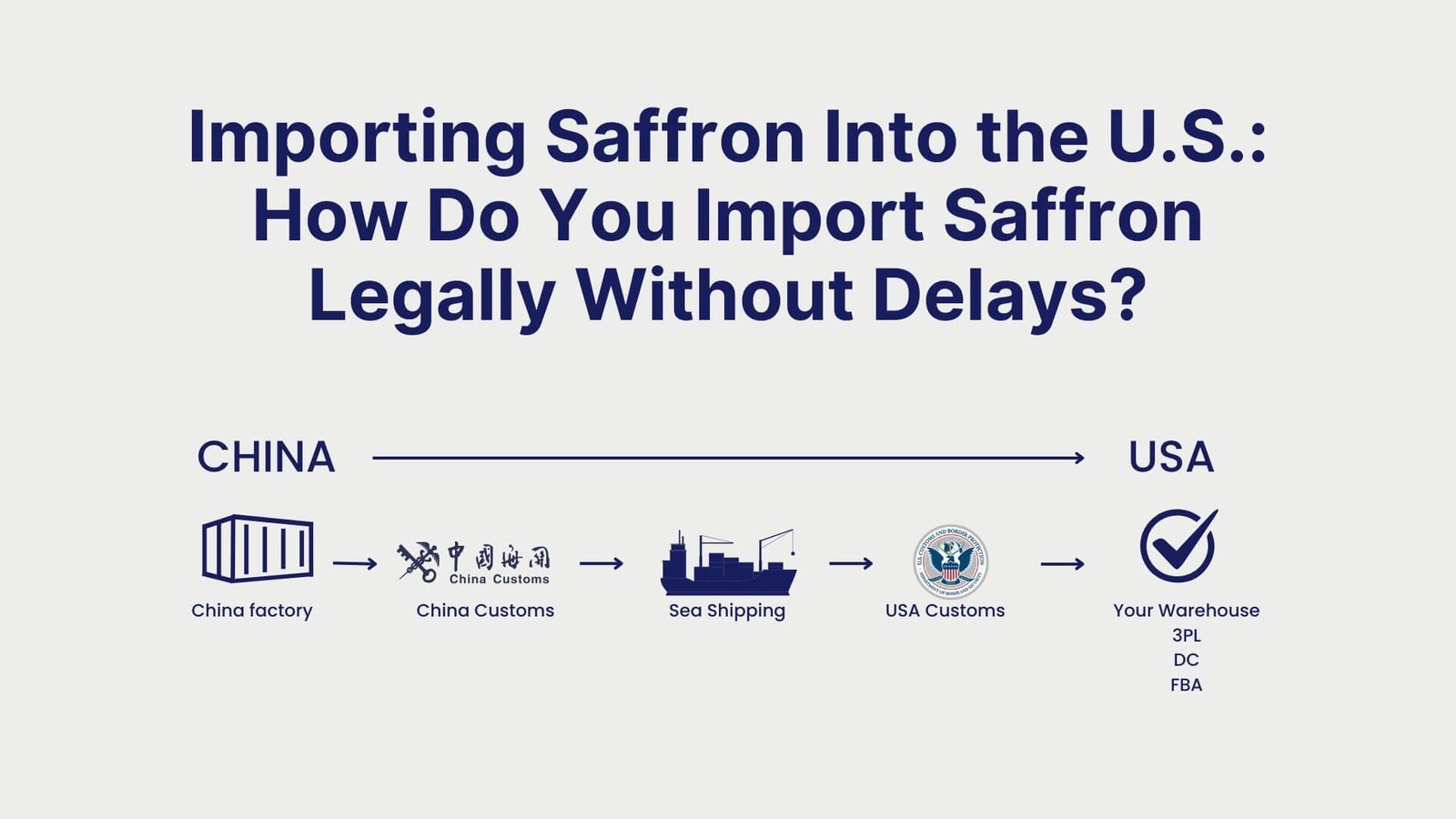
Efficient importing and exporting can often feel overwhelming. Many importers face delays, missed appointments, and costly errors. I believe with the right strategies, you can streamline your warehousing operations1.
Efficient warehousing for import/export begins before cargo reaches the dock. Importers optimize inbound flow by aligning port ETA updates2, drayage delivery appointments3, receiving capacity4, and unloading labor5. A predictable inbound SOP6 reduces dock congestion, detention risk, and missed appointments. The goal is faster receiving, faster putaway, and lower time-based charges.
Efficient warehousing for import/export starts with designing an inbound workflow that prevents port delays, appointment failures, and receiving bottlenecks. By addressing these issues upfront, we can ensure a smoother process from dock to storage.
How do importers reduce receiving delays?
Many importers struggle with delays during the receiving process. This can significantly impact supply chain efficiency. I have learned that a well-structured inbound workflow is essential for minimizing these delays.
Importers can mitigate receiving delays by pre-booking appointments7 based on real ETA updates. This includes confirming equipment availability and labor plans for devanning before cargo arrives. A standardized damage and shortage reporting8 procedure is important to maintain efficiency.

To dive deeper, it's crucial to analyze the common bottlenecks in warehouse receiving. Below is a table that highlights various bottlenecks, their causes, and potential solutions:
| Bottleneck | Cause | Business Impact | Fix Move |
|---|---|---|---|
| Missed Appointments | Poor scheduling | Increased detention fees | Real-time ETA tracking |
| Congestion | Overlapping appointments | Delays in unloading | Stagger appointments |
| Labor Shortage | Inadequate staffing | Slower receiving times | Pre-plan labor assignments |
| Equipment Failure | Lack of maintenance | Downtime during receiving | Regular equipment checks |
Each element in this process plays a role in ensuring that receiving runs smoothly. By preparing and implementing these practices, we can reduce delays and improve overall efficiency.
What is the best warehouse model for importers?
Choosing the right warehousing model can be daunting. Each option comes with its advantages and challenges. I’ve seen firsthand how selecting the appropriate model can affect operational efficiency.
The best warehouse model depends on importer priorities. Self-run warehouses maximize control, while 3PL warehouses9 reduce overhead and scale faster. For duty control, bonded warehouses10 and FTZs can defer or reduce duty timing depending on the use case. Importers should select based on volume, cash flow, compliance complexity, and service needs.

To better understand the options, here’s a comparison table of various warehousing models:
| Model | Best for | Pros | Cons | Importer Trigger |
|---|---|---|---|---|
| In-house | High volume/complexity | Total control | High overhead costs | Large, stable shipments |
| 3PL | Flexibility and scalability | Lower costs, faster scaling | Less control | Seasonal or variable demand |
| Bonded Warehouse | Duty management | Duty deferral | Limitations on inventory movement | High-value imports |
| Foreign Trade Zone (FTZ)11 | Duty savings | Reduced duties on storage | Regulatory compliance necessary | Long-term storage needs |
| Cross-dock/Transload Sites | Quick turnaround | Fast processing | Requires high coordination | Just-in-time delivery needs |
Finding the right model aligns with your business strategy and can significantly impact how efficiently you operate.
How do warehouses improve inventory accuracy?
Inventory accuracy is critical for efficient warehouse management. It impacts everything from order fulfillment to compliance. In my experience, a lack of accuracy can lead to costly errors and inefficiencies.
Importers improve accuracy by standardizing SKU naming12, enforcing carton/pallet labeling, scanning barcodes at receiving, and running cycle counts by ABC priority. Matching warehouse receipts to documents reduces shrinkage and costly rework across fulfillment and compliance.
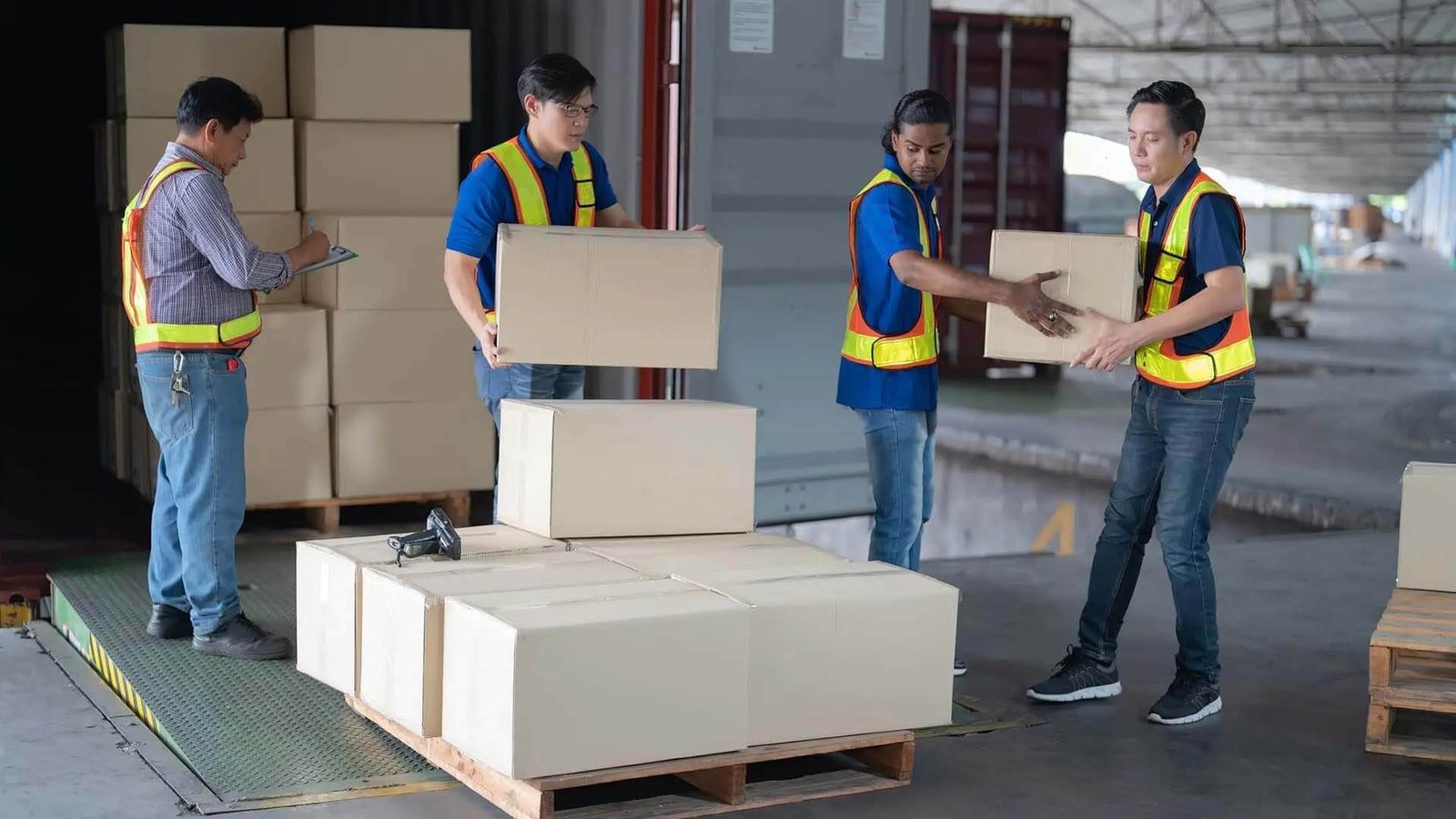
To enhance understanding, here’s a checklist that can help improve accuracy and traceability:
Accuracy & Traceability Controls
- SKU master data rules
- Supplier labeling standards (carton marks, barcodes)
- Receiving scan process (no manual keying)
- Cycle counts schedule by ABC
- Lot/serial capture for regulated goods (if applicable)
- Discrepancy escalation (short/damage/over)
Additionally, the following table outlines different types of inventory errors and how to prevent them:
| Error | Where It Happens | Impact | Prevention |
|---|---|---|---|
| Mislabeling | Receiving | Wrong items sent to customers | Strict labeling protocols |
| Stock-outs | Picking | Missed sales opportunities | Regular stock reviews |
| Overstocks | Storage | Increased holding costs | Demand forecasting |
| Shrinkage | Storage | Loss of inventory | Security measures |
By applying these strategies, you can improve the overall efficiency of your warehouse operations.
How do importers optimize warehouse space utilization?
Space utilization is key to effective warehouse management. I’ve learned that optimizing layout and processes can dramatically improve efficiency.
Warehouse efficiency improves when layout matches demand. Importers should apply ABC slotting13 so fast movers stay near pick zones. Standard pallet and carton rules reduce wasted space and handling time. Speeding up receiving-to-putaway reduces congestion and allows teams to pick, pack, and dispatch without competing for dock space.

To effectively optimize space and labor, consider the following checklist of strategies:
Space & Labor Wins
- ABC classification based on order velocity
- Slot fast movers near pick faces
- Standardize carton sizes and pallet patterns
- Optimize travel paths (pick routes)
- Reduce touches: cross-dock for urgent SKUs14
- Putaway completion SLA (dock-to-stock target)
Additionally, the following mini table showcases the relationship between picking efficiency levers and their impact:
| Lever | What It Changes | KPI It Improves |
|---|---|---|
| Slotting | Reduces picking time | Pick accuracy |
| Standardization | Minimizes handling time | Cycle count accuracy |
| Cross-docking | Saves space | Storage utilization |
Implementing these strategies will help you make the most of your warehouse space and labor resources.
Why do warehouse exceptions increase landed cost?
Understanding how warehouse operations affect landed cost is crucial. Many importers overlook this aspect, leading to unnecessary expenses.
Warehousing is part of compliance and landed cost—not just storage. Importers should align receiving records, inventory history, and document retention with customs requirements. Strong exception handling for damage15, shortages, and non-compliant goods prevents repeat errors and supports claims or corrections. This is especially important when using bonded/FTZ programs or regulated products.

To manage exceptions effectively, use the following checklist:
Exception Handling SOP
- Damage reporting with photos (timestamped)
- Shortage reporting vs packing list
- Quarantine zone for non-compliant items
- Claims handling workflow (carrier/supplier/insurance)
- Corrective action feedback loop to supplier
Here’s a table that outlines an exception type response plan:
| Exception | Immediate Action | Owner | Documentation Needed | Cost Risk |
|---|---|---|---|---|
| Damaged Shipment | Document and quarantine item | Warehouse Manager | Photos and damage reports | High if not documented |
| Short Shipment | Confirm with supplier | Inventory Manager | Packing list and order details | Medium, affects inventory |
| Non-Compliant Goods | Quarantine and report | Compliance Officer | Compliance documentation and reports | Variable, may lead to fines |
By proactively managing these exceptions, you can lower your total landed costs and enhance compliance.
How do importers measure warehouse efficiency?
Measuring warehouse efficiency is crucial for continuous improvement. I advise importers to track key performance indicators (KPIs) that matter.
Warehouse optimization requires measurement. Importers should track inbound and outbound KPIs such as dock-to-stock time16, putaway completion, pick accuracy, order cycle time, storage utilization, and labor productivity. Monitoring appointment performance and detention risk signals is critical as delays can trigger extra charges.

Here’s a KPI dashboard that can help you track important metrics:
| KPI | What It Measures | Why It Matters | Target Trend | Improvement Action |
|---|---|---|---|---|
| Dock-to-stock time | Time from receipt to storage | Indicates efficiency of process | Decrease | Streamline receiving |
| Receiving accuracy (%) | % of accurate receipts | Impacts order fulfillment | Increase | Improve training |
| Cycle count variance rate | Difference between expected and actual | Helps maintain accuracy | Decrease | Regular audits |
| Pick accuracy (%) | Accuracy of order picking | Directly affects customer satisfaction | Increase | Ensure proper training |
| Storage utilization (%) | % of available space used | Measures efficiency of layout | Increase | Optimize slotting |
| Labor productivity (picks/hour) | Efficiency of picking | Affects overall efficiency | Increase | Review picking processes |
Regularly reviewing these metrics can help you identify areas for improvement and enhance overall performance.
Conclusion
By effectively managing your warehousing processes, you can improve efficiency and reduce costs in your importing and exporting operations.
Discover strategies to enhance efficiency and reduce costs in your warehousing operations, crucial for successful import/export activities. ↩
Learn how aligning port ETA updates can optimize your inbound flow and reduce delays in your warehousing operations. ↩
Understand the importance of scheduling drayage delivery appointments to prevent delays and improve warehousing efficiency. ↩
Explore how managing receiving capacity can help avoid bottlenecks and ensure smooth operations in your warehouse. ↩
Find out how efficient management of unloading labor can speed up receiving and reduce time-based charges in warehousing. ↩
Learn about the benefits of having a predictable inbound SOP to reduce dock congestion and improve warehousing efficiency. ↩
Discover how pre-booking appointments can mitigate receiving delays and enhance supply chain efficiency. ↩
Understand how standardized reporting procedures can maintain efficiency and reduce costly errors in warehousing. ↩
Understand how 3PL warehouses can offer flexibility, scalability, and cost savings for importers. ↩
Learn how bonded warehouses can defer duties and provide control over inventory movement for importers. ↩
Explore how FTZs can offer duty savings and compliance benefits for importers with long-term storage needs. ↩
Find out how standardizing SKU naming can improve inventory accuracy and reduce errors in warehouse management. ↩
Learn how ABC slotting can enhance space utilization by placing fast movers near pick zones in your warehouse. ↩
Discover how cross-docking can speed up processing and reduce space usage for urgent SKUs in warehousing. ↩
Understand how effective exception handling can prevent repeat errors and lower landed costs in warehousing. ↩
Explore how tracking dock-to-stock time can indicate process efficiency and highlight areas for improvement in warehousing. ↩