Worried about Lunar New Year1 shutting down your supply chain2? A container stuck in China means empty shelves and lost sales in the U.S. Planning your shipment now is essential.
To avoid Lunar New Year1 delays when shipping from China, you must ship your cargo weeks in advance. For a Full Container Load (FCL)3, book and ship at least 4-5 weeks before the holiday. For Less-than-Container-Load (LCL)4 cargo, ship 6-7 weeks before the holiday begins.
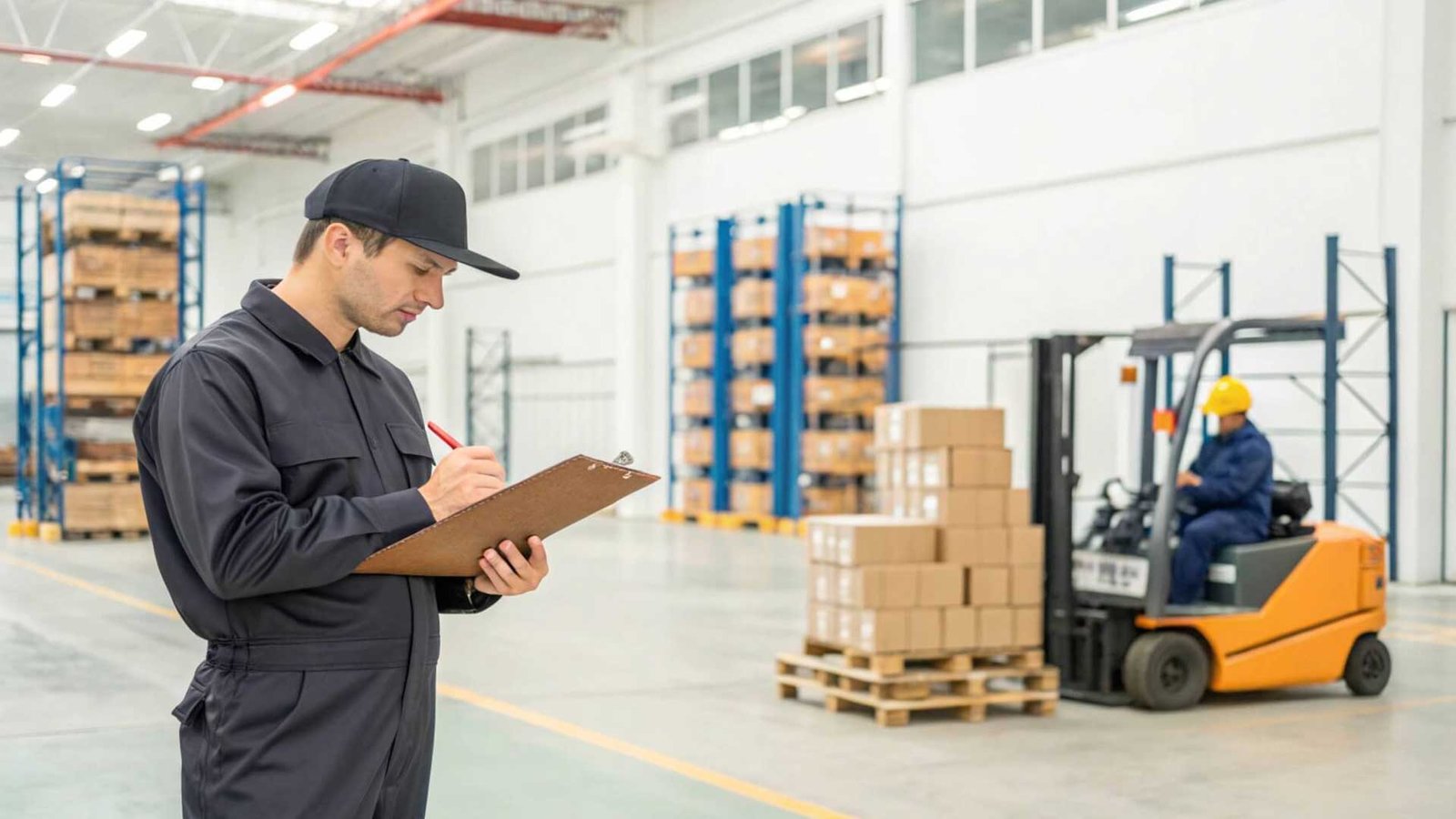
I've seen it happen every year. A U.S. importer like Mark thinks they have plenty of time, only to find out their factory is closed and their container has been rolled to a vessel sailing a month later. This isn't just a holiday; it's the single biggest disruption to the global supply chain2, and if you aren't prepared, it will impact your business. Let's break down exactly what you need to do to protect your inventory.
What Is Lunar New Year1 and Why Does It Disrupt Global Shipping?
Your supplier mentions a holiday, but you see a total shutdown. This isn't just a long weekend; it's a complete halt of production and logistics that can cripple unprepared importers5.
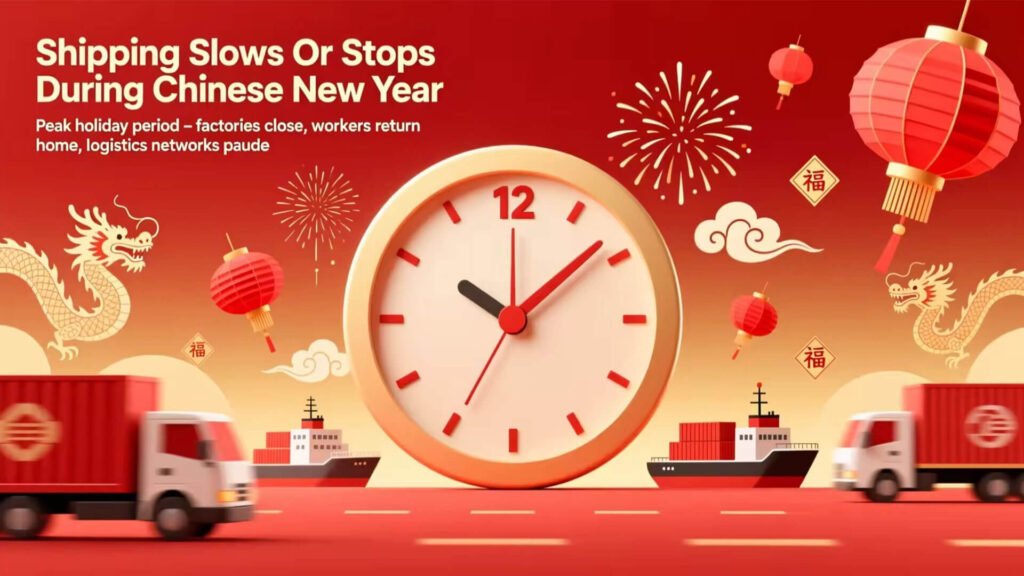
Lunar New Year1 triggers a month-long disruption because factories close completely and millions of workers travel home. This causes a massive pre-holiday cargo rush6 that overwhelms ports and carriers, who then reduce capacity with blank sailings7, creating a ripple effect of delays and high rates.
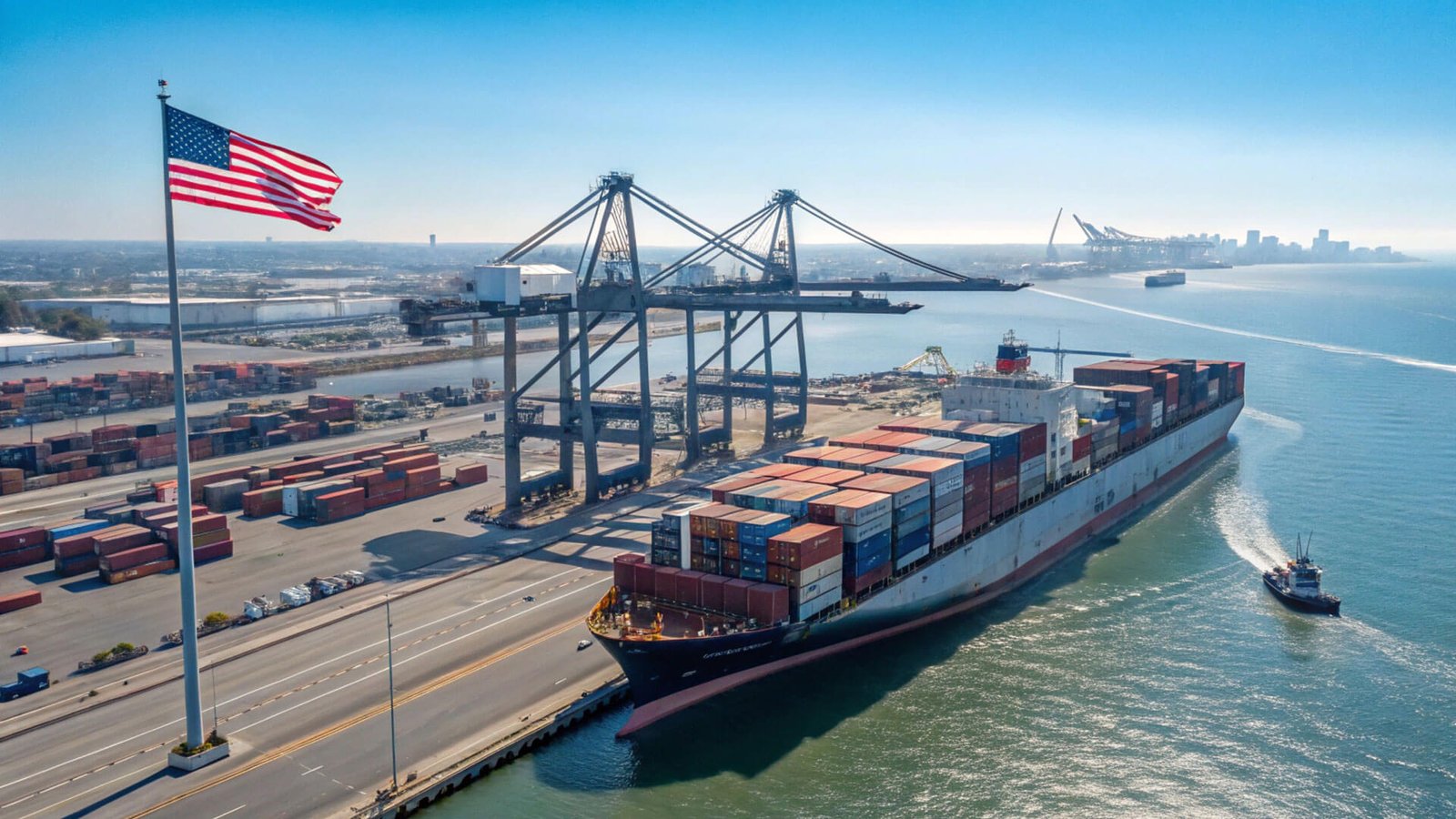
The disruption from Lunar New Year1 isn't caused by the holiday itself, but by a series of predictable events that happen around it. As a logistics provider, I see the same pattern every year, and understanding it is the first step to avoiding problems with your own shipments.
Why do factories shut down completely?
The holiday is the most important cultural event of the year in China. It's often the only time that migrant workers, who power the country's manufacturing hubs, get to travel back to their hometowns to see their families. This isn't a partial skeleton crew situation; factories close their gates, turn off the machines, and cease all production and shipping activities for weeks.
How does labor migration create a longer delay?
The "Great Migration8" is the largest annual human migration on earth. After the holiday officially ends, not all workers return to the factories at the same time. Some may extend their vacation, while others may decide to find work closer to home. This means factories can take several weeks after reopening to ramp back up to full production capacity, creating a backlog of orders.
Why do ocean carriers9 reduce capacity?
Ocean carriers know that for several weeks, there will be no new cargo leaving the factories to fill their ships. To avoid sailing empty vessels, they announce "blank sailings7," which means they cancel entire voyages. They often do this before the holiday starts to adjust their schedules, which tightens container space10 and drives up prices during the pre-holiday rush.
How Long Do Factories and Logistics Companies Shut Down for 2026 Lunar New Year1?
You see the official holiday is about a week long, so you plan for a one-week delay. This is a critical mistake that can leave your cargo stranded for a month or more.
The official public holiday is about 7-8 days, but most factories and logistics partners shut down for 2 to 4 weeks. Operations do not resume immediately, as it takes time for workers to return and for production lines to restart, extending the total disruption period.
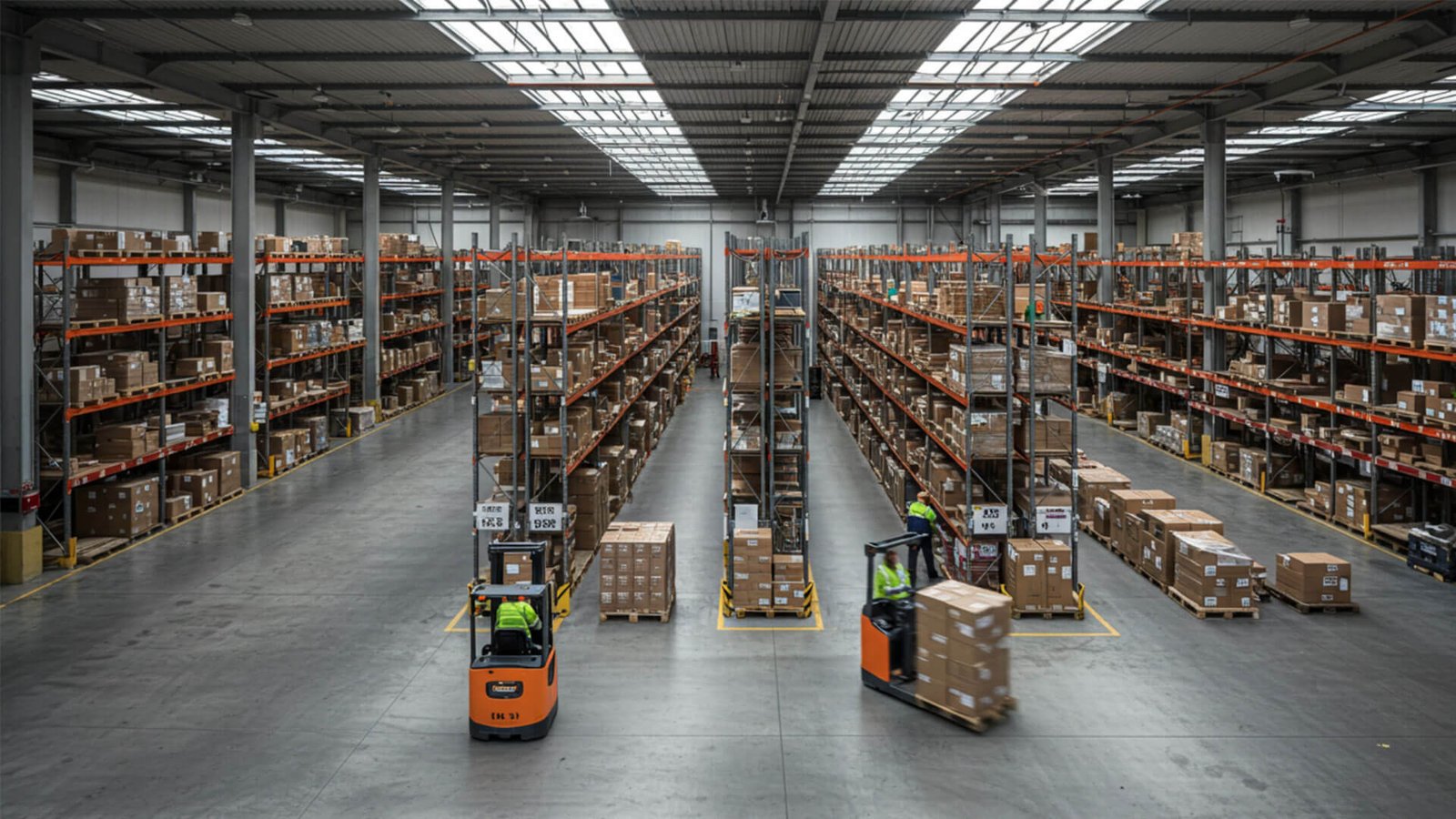
The dates on the calendar are misleading. The real impact on your supply chain2 is much longer than the public holiday dates suggest. One of my clients, an importer of electronic components, once planned his shipment based on the official end date of the holiday. His cargo sat in a warehouse for an extra three weeks because the factory hadn't fully reopened and there were no truckers available. This is a common story. You have to plan for the practical shutdown, not the official one.
What is the typical shutdown timeline?
While the government sets the official holiday period, most factories give their employees a longer break. It's common for a factory to close its doors a full week before the holiday begins and not reopen until a week or two after it ends. This means you are often looking at a total shutdown of three to four weeks. Always ask your supplier for their specific closing and reopening dates.
Why don't operations resume immediately?
Reopening a factory isn't like flipping a switch. First, the workers need to travel back, which can take days. Second, not everyone returns on the first day back. Third, production lines need to be restarted, recalibrated, and tested. It can take another one to two weeks after the doors reopen for a factory to get back to 100% production output. This slow start creates a production backlog11 that affects orders placed right after the holiday.
When Do Lunar New Year1 Shipping Delays Actually Start?
You think the delays start when the holiday begins. In reality, the chaos starts much earlier, catching many U.S. importers5 off guard and leaving them scrambling for container space10.
Lunar New Year1 shipping delays12 begin 3 to 4 weeks before the official holiday starts. This is caused by a massive cargo rush, forcing ocean carriers9 to stop accepting cargo earlier than usual and ports to become heavily congested well ahead of the shutdown.
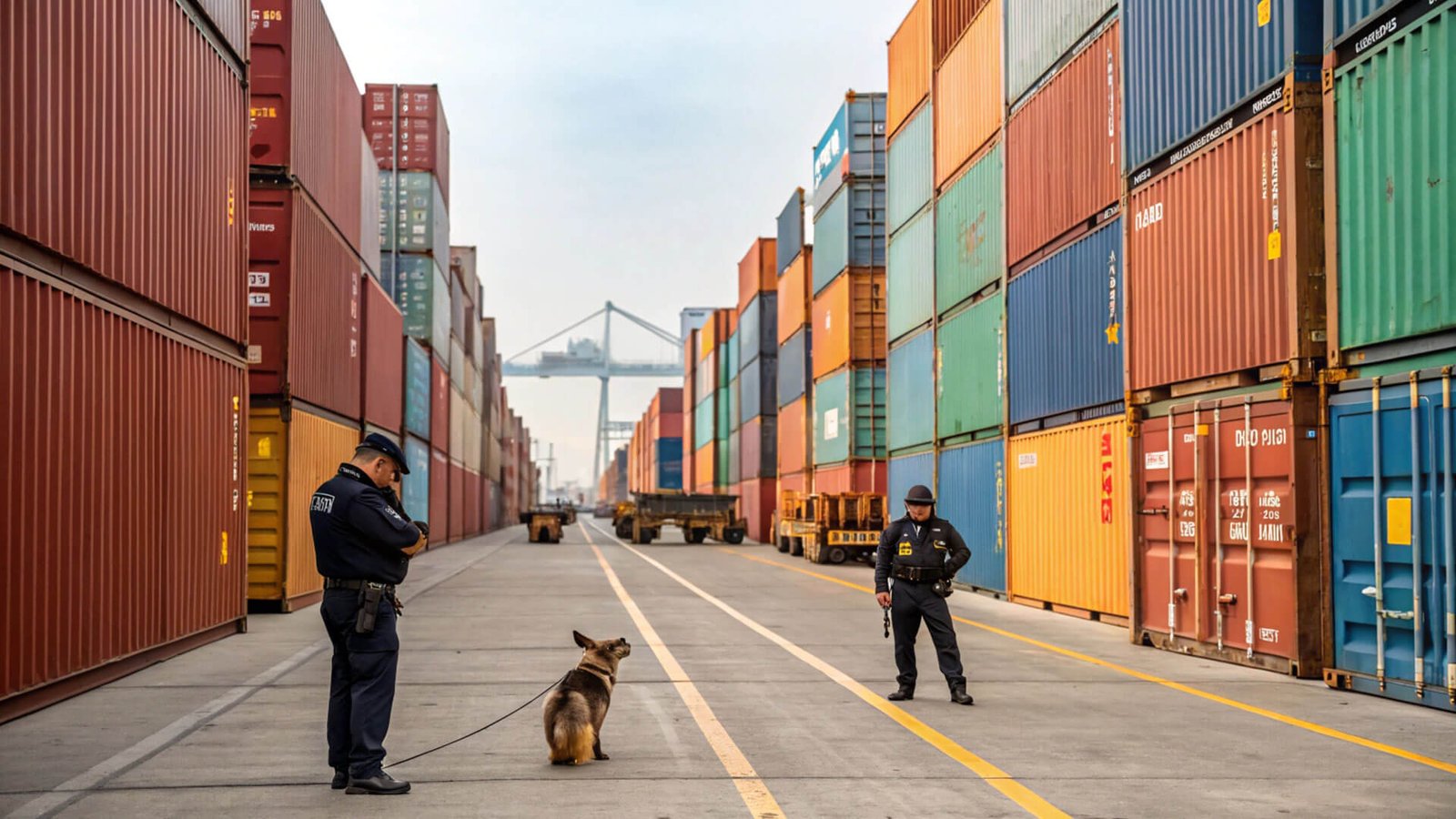
The single biggest mistake I see importers5 make is underestimating when the rush begins. They look at the calendar and think they have until the week before to ship. By then, it's already too late. All the available container slots on vessels are gone, and freight rates13 have skyrocketed. The real deadline is not the holiday itself, but the vessel cut-off date for the last sailing before the holiday, and that date can be weeks earlier.
What is the pre-holiday production slowdown?
In the weeks leading up to the holiday, factories are running at maximum capacity to clear their order books. This rush can sometimes lead to a decline in quality control as workers hurry to finish production. More importantly, everyone is trying to get their goods on a truck and to the port at the same time. This creates a massive demand spike for inland logistics.
What are early container cutoff14s?
A container cutoff14 is the latest date a container can be delivered to the port to be loaded onto a specific vessel. During the pre-LNY rush, this date is often moved up. Carriers and terminals get overwhelmed with cargo. To manage the flood of containers, they impose earlier deadlines. If your container misses this cutoff, it will be "rolled" to the next available sailing, which could be a month later.
Why do blank sailings7 start before the holiday?
Carriers plan their schedules far in advance. They know that factories will be closed, so they cancel sailings (blank sailings7) for the weeks during and immediately after the holiday. To reposition their ships and crews for this planned downtime, they often start adjusting their schedules and cancelling some sailings even in the weeks leading up to the shutdown. This reduces the total available space right when demand is at its peak.
How Early Should You Ship From China Before Lunar New Year1?
You need a simple, reliable timeline to plan your shipment. Guessing wrong means your inventory arrives late, and you lose sales during a key period for your business.
For the safest transit, ship your FCL cargo 4-5 weeks before the holiday begins and your LCL cargo 6-7 weeks before. This timeline accounts for the pre-holiday rush, potential rollovers, and consolidation warehouse cutoffs, ensuring your goods leave China before the shutdown.
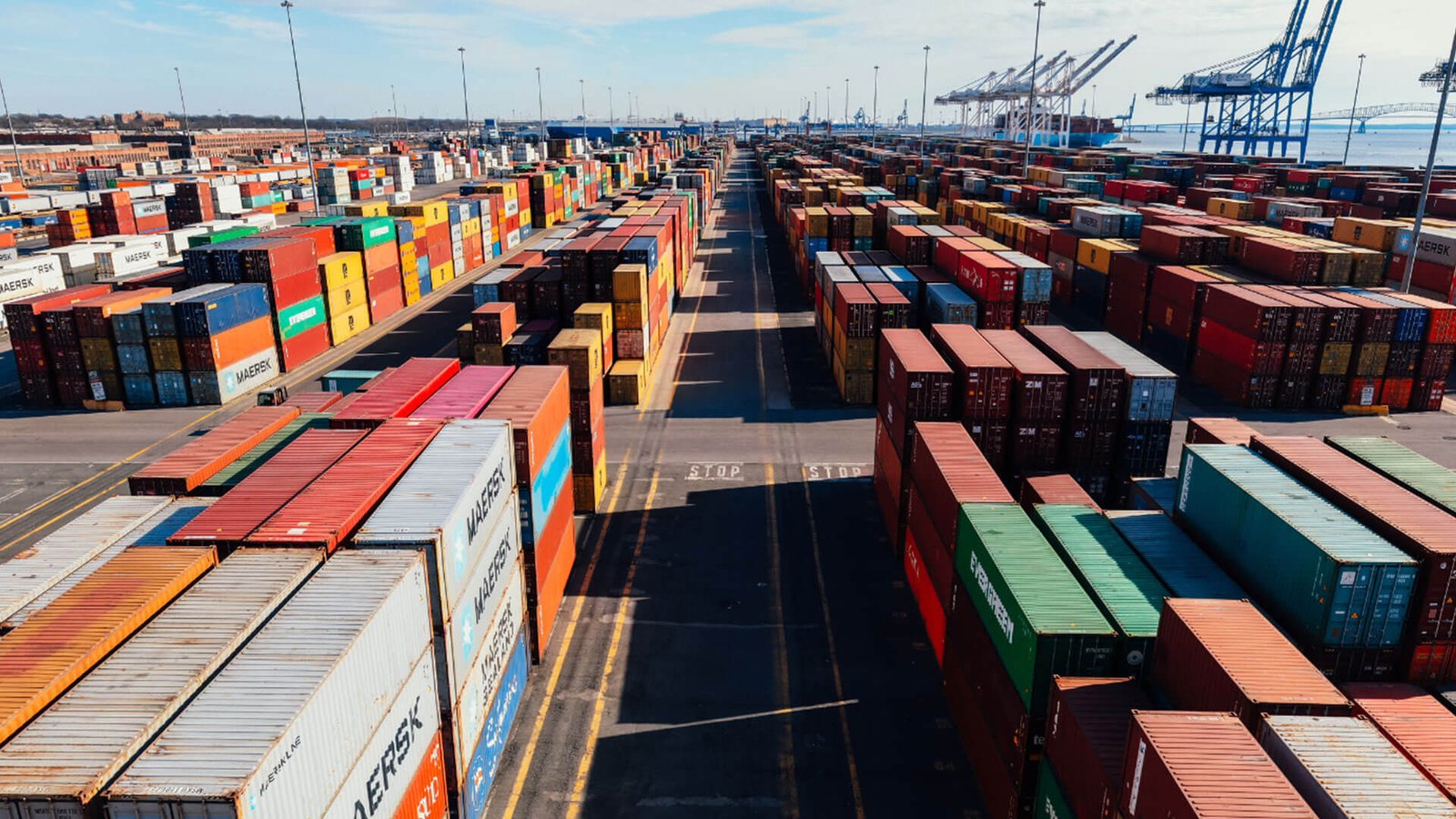
I work with importers5 every year to build a shipping calendar around Lunar New Year1. The goal is simple: get your containers on the water before the last vessel sails. Forgetting about LCL consolidation times or underestimating port congestion are the fastest ways to get your cargo stuck. The table below is the general guide I provide to all my clients. It shows how the risk increases dramatically as the holiday gets closer.
Lunar New Year1 Shipping Timeline for U.S. Importers
| Weeks Before LNY | What Happens in the Supply Chain | Your Risk Level |
|---|---|---|
| 8–10 weeks before | Production planning is in full swing. This is the ideal time to place orders with your supplier and book vessel space with your forwarder. | Low |
| 6–7 weeks before | This is the final cutoff for most LCL shipments. Freight rates begin their sharp increase. Vessel space starts becoming tight. | Medium |
| 4–5 weeks before | This is the last realistic window to ship FCL cargo. Ports are becoming very congested, and the risk of your container being "rolled" is high. | High |
| 2–3 weeks before | It is extremely difficult to get space on a vessel. Most carriers are fully booked. Trucking shortages are common. Only ship if absolutely critical. | Very High |
| 1 week before | Most factories have already closed. Trucking services are unavailable. It is practically impossible to ship new cargo. | Extreme |
What Happens If You Ship Too Close to Lunar New Year1?
You decided to risk it and ship just before the deadline. Now you're facing the consequences: your cargo is stuck, and your customers are waiting for products you can't deliver.
Shipping too close to Lunar New Year1 means your container will likely be "rolled" to a later vessel. Your cargo could also get stuck at a closed warehouse or port, leading to storage fees, missed delivery dates in the U.S., and costly inventory shortages15.
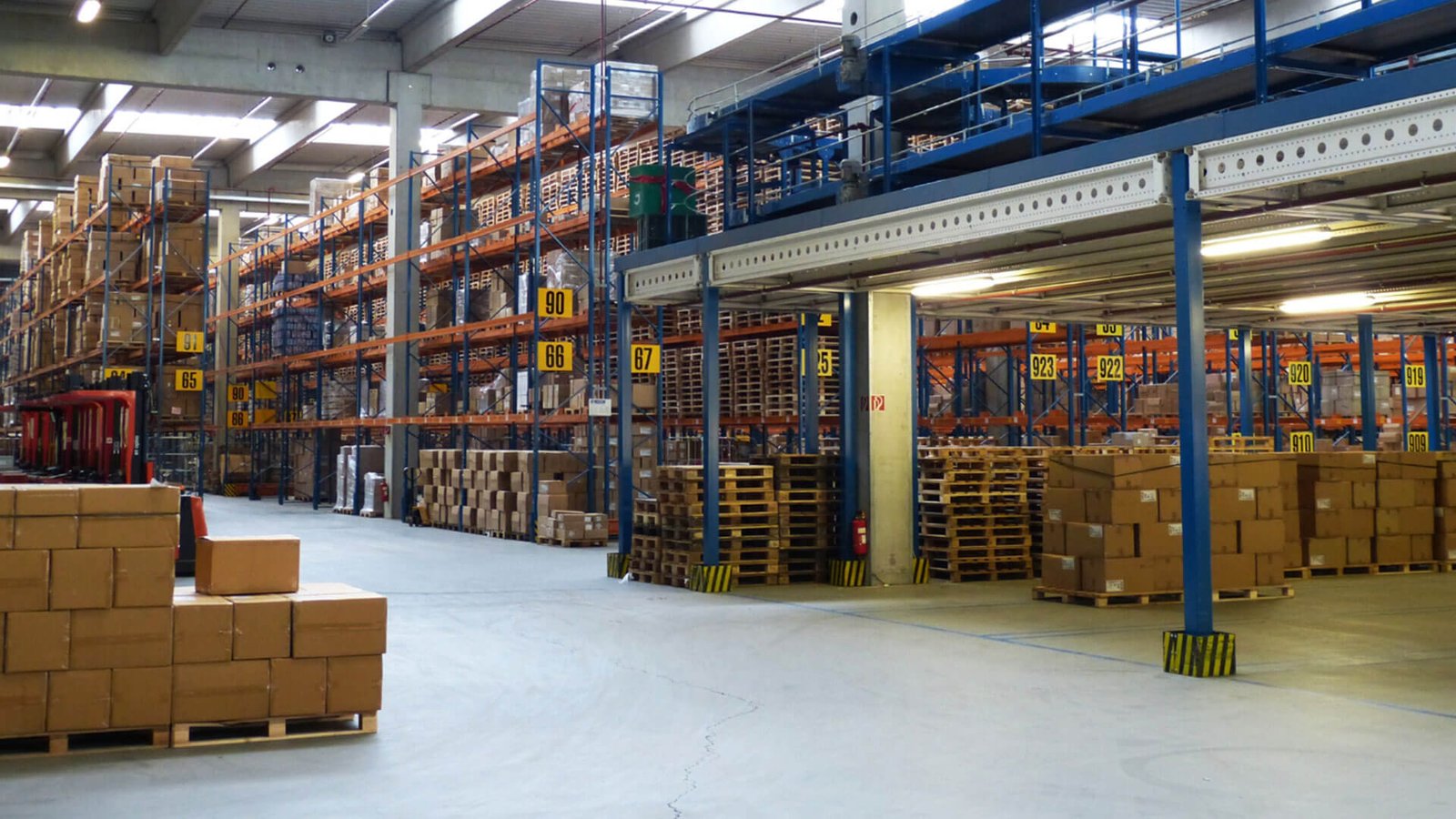
This isn't a theoretical risk; it's a financial one. I had a client who shipped just two weeks before the holiday. Their container was rolled three times. It finally sailed five weeks later than planned. They missed their seasonal sales window and had to heavily discount the products when they finally arrived. The extra storage fees and the lost revenue were a painful lesson in the importance of planning.
What does it mean for a container to be "rolled"?
When a vessel is overbooked, the carrier has to decide which containers get left behind for the next sailing. This is called rolling a container. During the pre-LNY rush, overbooking is common. Carriers often prioritize their biggest customers, so smaller or infrequent shippers are at the highest risk of being rolled. If you get rolled, your container waits for the next available vessel, which after LNY could be weeks away.
Why does cargo get stuck at origin warehouses?
Let's say your factory finishes production, but you miss the port cutoff. The factory then closes for the holiday. Your cargo is now stuck. It can't go to the port, and it can't stay at the factory. It will likely be moved to a third-party warehouse, where it will sit until the country reopens, and you will be charged for storage the entire time.
How do missed ETAs cause inventory shortages15?
An Estimated Time of Arrival (ETA) is just that—an estimate. When your container is rolled or stuck at the origin, your original ETA is no longer valid. A delay of 3-4 weeks at the origin means your products arrive in the U.S. 3-4 weeks late. This can lead to stockouts, backorders, and unhappy customers. For businesses that rely on just-in-time inventory, this can shut down an entire production line.
Why Do Ocean Freight Rates Spike Before Lunar New Year1?
You're getting quotes for your shipment, and the prices are double what they were a few months ago. This rate shock can destroy your profit margins if you haven't budgeted for it.
Ocean freight rates13 spike before Lunar New Year1 because of a massive surge in demand clashing with reduced carrier capacity. Every importer is trying to ship at once, while ocean carriers9 cancel sailings (blank sailings7), creating a classic supply-and-demand imbalance that drives prices up.

Think of it like trying to buy a plane ticket the day before Thanksgiving. The demand is huge, the supply of seats is limited, and prices go through the roof. The pre-Lunar New Year1 shipping season is the ocean freight equivalent. Carriers know that importers5 are desperate to get their goods out, so they introduce Peak Season Surcharges (PSS)16 on top of the already high base rates. The key is to understand this is a predictable, annual event and to book your space early before the biggest spikes hit.
How does the demand surge work?
In a normal month, shipping demand is spread out. In the month before Lunar New Year1, several months' worth of demand is compressed into a few short weeks. Everyone from small Amazon sellers to giant retailers like Walmart is trying to get their cargo onto a limited number of ships. This intense competition for space is the primary driver of high rates.
What are Peak Season Surcharges (PSS)16?
A Peak Season Surcharge is an extra fee that carriers add to their rates during times of high demand. The pre-Lunar New Year1 period is the most significant peak season for shipments out of Asia. This surcharge is a way for carriers to capitalize on the high demand and to manage the operational costs associated with port congestion. It's a non-negotiable fee during this time.
Why do rates rise before the holiday, not after?
The urgency is all about getting goods out of China before the country shuts down. After the holiday, there's a brief lull as factories slowly ramp up production. The demand isn't there yet. The rate spike is therefore a pre-holiday phenomenon. Rates will eventually rise again as the post-holiday backlog starts to ship, but the most dramatic and predictable spike always happens in the 4-6 weeks leading up to the holiday.
How Does Lunar New Year Affect Transit Time From China to the U.S.?
You're used to a 35-day door-to-door transit time. But during the LNY period, you're seeing shipments take 50 or 60 days, and you don't understand where the extra time is coming from.
Lunar New Year primarily adds delays at the origin in China, not during the ocean voyage. While the time a ship spends on the water is stable, port congestion, container rolling, and waiting for trucks can easily add 2-4 weeks to your total door-to-door shipping timeline.
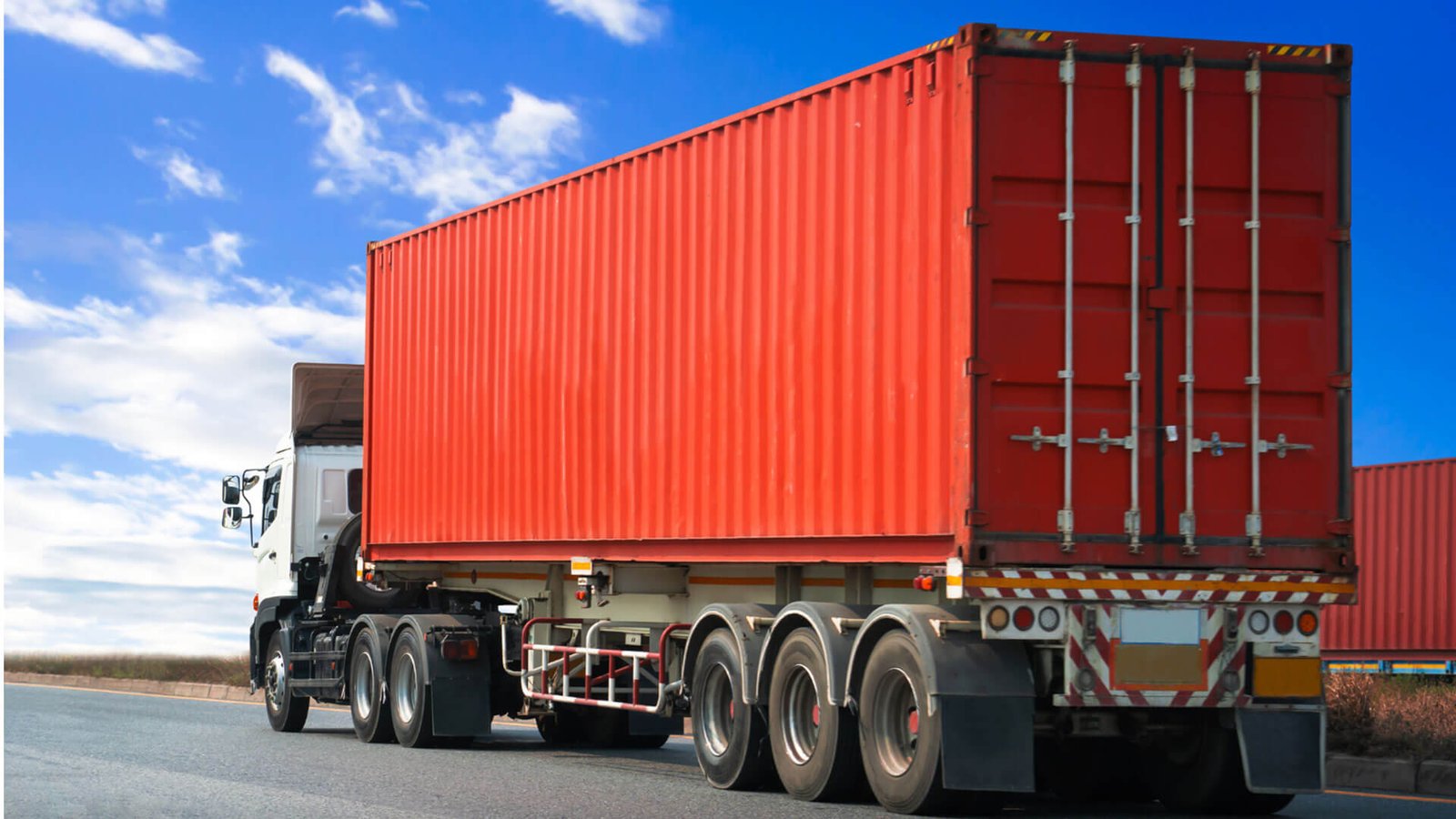
I always tell my clients to separate "transit time" into three parts: origin logistics, ocean transit, and destination logistics. The time a vessel takes to cross the Pacific from Shanghai to Los Angeles doesn't change because of a holiday. What changes is the time it takes for your container to get on that vessel in the first place. Your 35-day timeline can quickly become a 55-day timeline, with all 20 of those extra days happening before the ship even leaves China.
Where do the delays happen: at the origin or on the ocean?
Almost all LNY-related delays happen at the origin. This includes:
- Waiting for a truck to pick up your container from the factory.
- Waiting in long lines outside the port terminal.
- Waiting at the terminal for your container to be loaded onto the ship.
- Waiting for the next vessel if your container gets rolled. The ocean portion is the most predictable part of the journey. The chaos is on the ground in China.
What are the impacts on the West Coast vs. East Coast?
Shipments to the U.S. West Coast will feel the effects of the post-LNY backlog first, simply because the transit time is shorter. A wave of containers will arrive at ports like Los Angeles and Long Beach about 2-3 weeks after shipping from China resumes. This can cause some congestion at U.S. ports. Shipments to the East Coast have a longer transit time, so the arrival of the backlog is more spread out and often less disruptive.
Are Ports, Customs, and Carriers Closed During Lunar New Year?
You hear that China "shuts down," so you assume everything, including the ports, is closed. This is a common misunderstanding that can confuse your planning.
Major Chinese ports and customs offices officially remain open during the Lunar New Year holiday. However, the factories, warehouses, and trucking companies that move cargo to the ports are closed, meaning that while the port is technically operational, the flow of goods stops completely.

This is a crucial point of confusion. A client once asked me, "If the port is open, why can't we just deliver the container?" The port might be open, but there are no truck drivers to bring the container from the factory. The factory itself is closed, so no one can load the truck. The administrative staff at the shipping line's office are on holiday, so they can't process the documents. It's an entire ecosystem, and when the core parts of it—factories and labor—shut down, the whole system grinds to a halt, even if some infrastructure remains "open."
What actually shuts down in China?
The most important closures for importers are the factories. Without production, there is no cargo. Next are the trucking companies that provide the essential link between the factory and the port. Most administrative offices, including the booking and documentation staff at freight forwarders and carriers, are also closed.
What continues to operate?
The physical infrastructure of major ports (like Shanghai, Ningbo, and Yantian) continues to operate with a skeleton crew. They will unload import vessels and handle some essential functions. Chinese Customs also remains technically open. Vessels will continue to berth and sail if they are already loaded. However, no new export cargo is processed.
Why do delays still occur if ports are "open"?
A port is not an island. It depends on a constant flow of cargo from thousands of factories via thousands of trucks. When that flow is cut off for weeks, the port has nothing to export. The system becomes clogged before the holiday with the cargo rush and then starved of new cargo during the holiday. This stop-and-start dynamic is what creates the massive, lingering backlogs and delays.
How Does Lunar New Year Impact FCL vs LCL Shipments Differently?
You have a smaller shipment and usually use LCL. But you've heard it's riskier during the Lunar New Year season, and you need to know why.
LCL (Less than Container Load) shipments are more vulnerable to delays than FCL. This is because LCL cargo must first go to a consolidation warehouse, which has earlier cutoff dates and takes longer to reopen after the holiday, increasing the chances of your shipment getting stuck.

I generally advise clients who can to use FCL during this period, even if they don't fill the whole container. The reason is control. With an FCL shipment, your container goes directly from the factory to the port. With LCL, it adds an extra step—the consolidation warehouse—which is another potential point of failure during a high-stakes season. That one extra step can be the difference between your cargo sailing before the holiday or getting stuck in a warehouse for a month.
Why are LCL consolidation cutoffs earlier?
The warehouse that consolidates LCL cargo needs time to receive freight from dozens of different shippers, log it, and then load it into a shared container. To get this all done and get the container to the port before the vessel cutoff, they have to set their own, earlier deadline for receiving cargo. This "CFS Cutoff" can be a week or more before the FCL port cutoff.
How do deconsolidation delays happen after LNY?
The risk doesn't end once the LCL container is on the water. When it arrives in the U.S., it has to go to another warehouse to be deconsolidated. If your container is part of the post-LNY backlog wave, that U.S. warehouse can get overwhelmed, adding days or even weeks to the process of getting your specific goods out.
Why is FCL usually a safer bet before the holiday?
FCL shipping gives you more control and has fewer moving parts.
- Fewer Deadlines: You only have to worry about the port cutoff, not an earlier warehouse cutoff.
- No Shared Risk: Your container's timeline isn't dependent on other shippers being on time.
- Faster U.S. Arrival: Once your FCL container is off the ship in the U.S., it can be picked up by a truck and taken directly to you, bypassing the LCL deconsolidation warehouse entirely.
What Industries Are Most Affected by Lunar New Year Shipping Delays?
You're wondering if your specific business is at high risk. While everyone is affected, some industries feel the pain of LNY delays much more acutely than others.
Industries with tight production cycles, seasonal demand, or just-in-time inventory models are most affected. This includes retail and consumer goods, electronics, industrial manufacturing inputs, and especially Amazon FBA sellers who risk stockouts and losing their sales rank.

The impact of a Lunar New Year delay is not the same for everyone. For an importer of basic industrial materials with a deep inventory, a three-week delay might be manageable. But for one of my clients who sells seasonal decorations on Amazon, a three-week delay means missing the holiday sales window entirely. The cost is not just the freight; it's the lost revenue and potential damage to their business's reputation. Understanding your own inventory cycle is key to assessing your risk.
Why is retail and consumer goods so vulnerable?
Retailers often rely on new inventory for spring collections, which need to arrive shortly after the Lunar New Year period. A delay can mean new products aren't on the shelves in time, leading to missed sales and forcing heavy markdowns later.
What about electronics and components?
The electronics industry operates on very short product life cycles and often uses a just-in-time (JIT) manufacturing model. A delay in a single component from China can halt a U.S. production line, costing a company thousands of dollars per day in downtime.
How does it impact industrial and manufacturing inputs?
Many U.S. manufacturers rely on a steady stream of parts and materials from China to keep their factories running. An LNY disruption can starve their production lines of essential inputs, leading to costly shutdowns and an inability to fulfill orders for their own customers.
Why is it so critical for Amazon FBA sellers?
For Amazon FBA sellers, inventory is everything. A stockout means you lose your Best Seller Rank (BSR), your product listing becomes invisible, and competitors take your sales. The recovery can be slow and expensive. LNY is one of the biggest causes of FBA stockouts for sellers sourcing from China.
How Can Importers Reduce Lunar New Year Shipping Delays?
You understand the risks and want to take action. Avoiding delays is not about luck; it's about following a clear, proactive strategy that starts months before the holiday.
To reduce delays, you must plan production with your supplier months in advance, book your ocean freight at least 6-8 weeks before the holiday, build a buffer of safety inventory in the U.S., and maintain constant communication with your logistics partners.
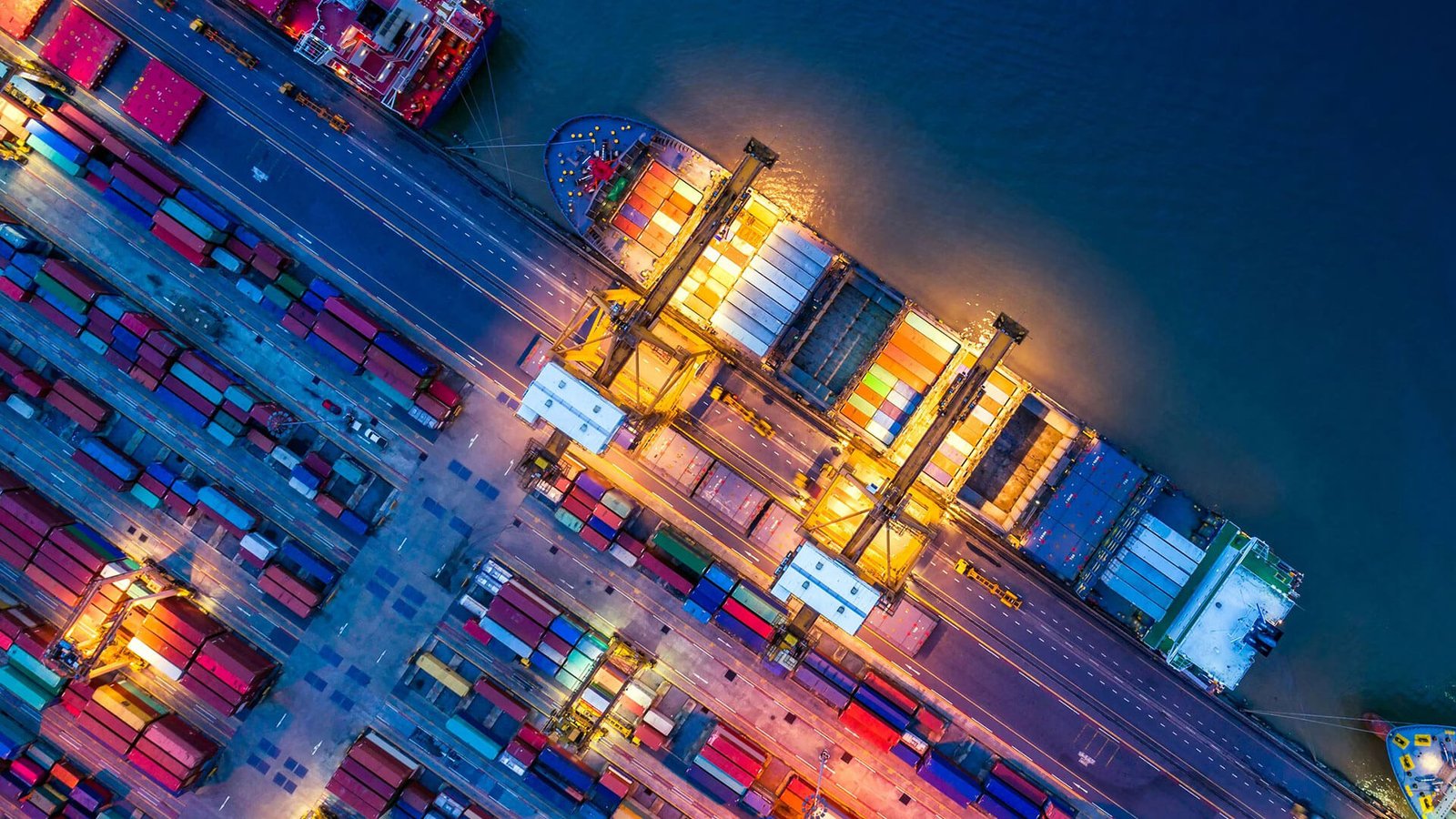
Over the years, I've helped hundreds of importers navigate the Lunar New Year season successfully. The ones who succeed have one thing in common: they plan ahead. They don't wait until January to think about a February holiday. They start the conversation in October. They treat LNY not as a surprise, but as a regular part of the business calendar that requires a specific operational plan.
Why is advance production planning key?
Contact your supplier in the fall to discuss your pre-LNY production needs. This ensures you are at the front of the line. By confirming your order early, you give them time to procure raw materials and schedule production before the last-minute rush from other buyers clogs up their factory.
What does "early booking" actually mean?
Booking early means reserving your container space on a vessel well in advance. I recommend booking your shipment 8 weeks before the holiday. This helps you lock in a lower rate before the peak season surcharges kick in and, more importantly, guarantees you have a spot on a ship before they are all sold out.
How do you build a buffer inventory strategy?
Don't plan for your LNY shipment to arrive the day your current inventory runs out. Build a "buffer stock" or "safety stock" in your U.S. warehouse. I advise my clients to have enough inventory to cover the entire LNY shutdown period plus an extra 3-4 weeks to account for potential delays. This buffer is your insurance policy against stockouts.
Should You Use DDP Shipping Before Lunar New Year?
You're looking for ways to simplify the shipping process and reduce risk. The shipping terms you choose can make a huge difference, especially during a chaotic time like this.
Yes, using Delivered Duty Paid (DDP) shipping is highly recommended before Lunar New Year. DDP bundles all costs and logistics into one service, from the factory in China to your door in the U.S. This provides cost certainty and transfers the risk of delays to your logistics provider.
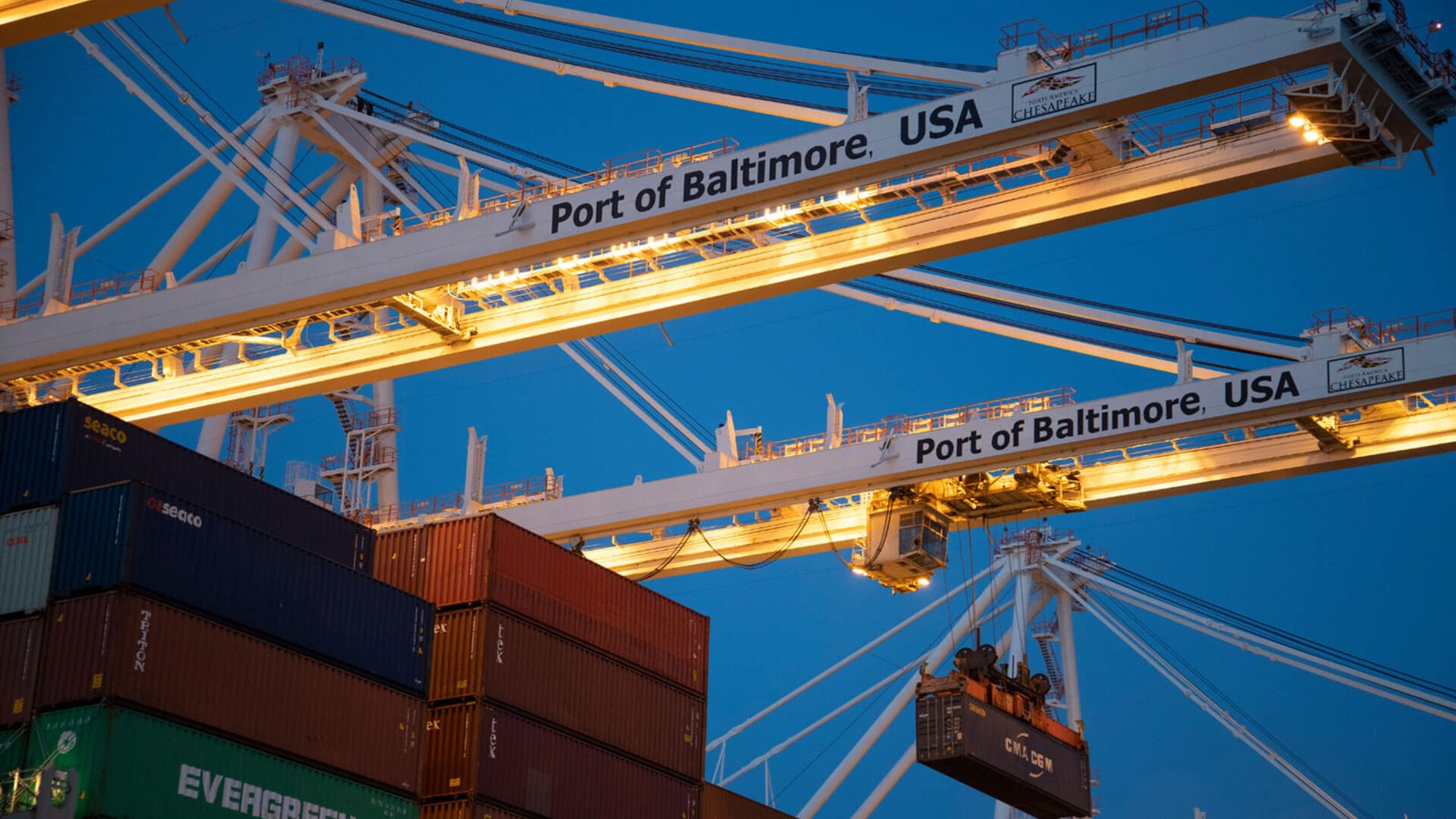
During the pre-LNY rush, unexpected costs and delays can pop up at every stage: trucking, port fees, customs, etc. For an importer managing this themselves, it's a nightmare. I often recommend DDP to my clients, like Mark, during this time because it gives them peace of mind. They get one all-inclusive quote. It's my job to manage all the chaos at the origin, handle U.S. customs clearance, and ensure the shipment gets to his warehouse. He can focus on his business, not on chasing down containers.
Why does customs clearance timing matter?
With DDP, your logistics partner is also your customs broker. We prepare and file all the necessary U.S. customs documentation while the vessel is still on the water. This means that when the container arrives, it can be cleared quickly without delay. This seamless process is crucial when U.S. ports are congested with the post-LNY cargo wave.
How does DDP transfer risk during peak season?
Under DDP terms, the seller (or the logistics provider acting on their behalf) is responsible for all costs and risks until the goods are delivered to your final destination. If there are unexpected port storage fees in China or trucking delays, that is our problem to solve and our cost to bear. This protects you from unforeseen expenses that are common during the LNY rush.
What Are the Most Common Lunar New Year Shipping Mistakes Importers Make?
You want to avoid the common pitfalls that trap other importers. Learning from their mistakes is the fastest way to protect your own supply chain from these predictable disruptions.
The most common mistakes are waiting too long to book, underestimating the 2-4 week post-holiday recovery period, assuming transit times will be normal, and failing to book inland trucking at both origin and destination well in advance.

I have a conversation every March with an importer who is frustrated because their shipment is delayed. The root cause can almost always be traced back to one of a few common assumptions they made back in December or January. They assumed they could book late, or they assumed the factory would be back at full speed the day after the holiday. These assumptions are what turn a manageable, predictable event into a costly crisis.
The mistake of expecting "normal" transit times
Many importers look at a standard 35-day door-to-door transit time and plan their inventory around it. During the LNY period, you must add at least 2-3 weeks to this estimate to account for origin delays. Planning with normal transit times will guarantee your inventory arrives late.
The mistake of underestimating the recovery
The holiday ends, but the disruption does not. The backlog of orders at the factory and the backlog of containers at the port can take weeks to clear. Many importers are not prepared for this second wave of delays that happens after the holiday is over.
The mistake of relying on last-minute bookings
In a normal month, you might be able to find vessel space a week or two before you need to ship. In the month before Lunar New Year, this is impossible. Space sells out 4-6 weeks in advance. Waiting is not an option.
How Long Does It Take for Shipping to Normalize After Lunar New Year?
The holiday is over, but you're still seeing high rates and delays. You need to know when you can expect operations to get back to a normal, predictable rhythm.
Shipping operations typically take 2-3 weeks after the holiday to clear the immediate backlog at ports. However, ocean freight rates and factory production capacity may not fully stabilize and return to normal for 4-6 weeks as the entire supply chain works through the disruption.
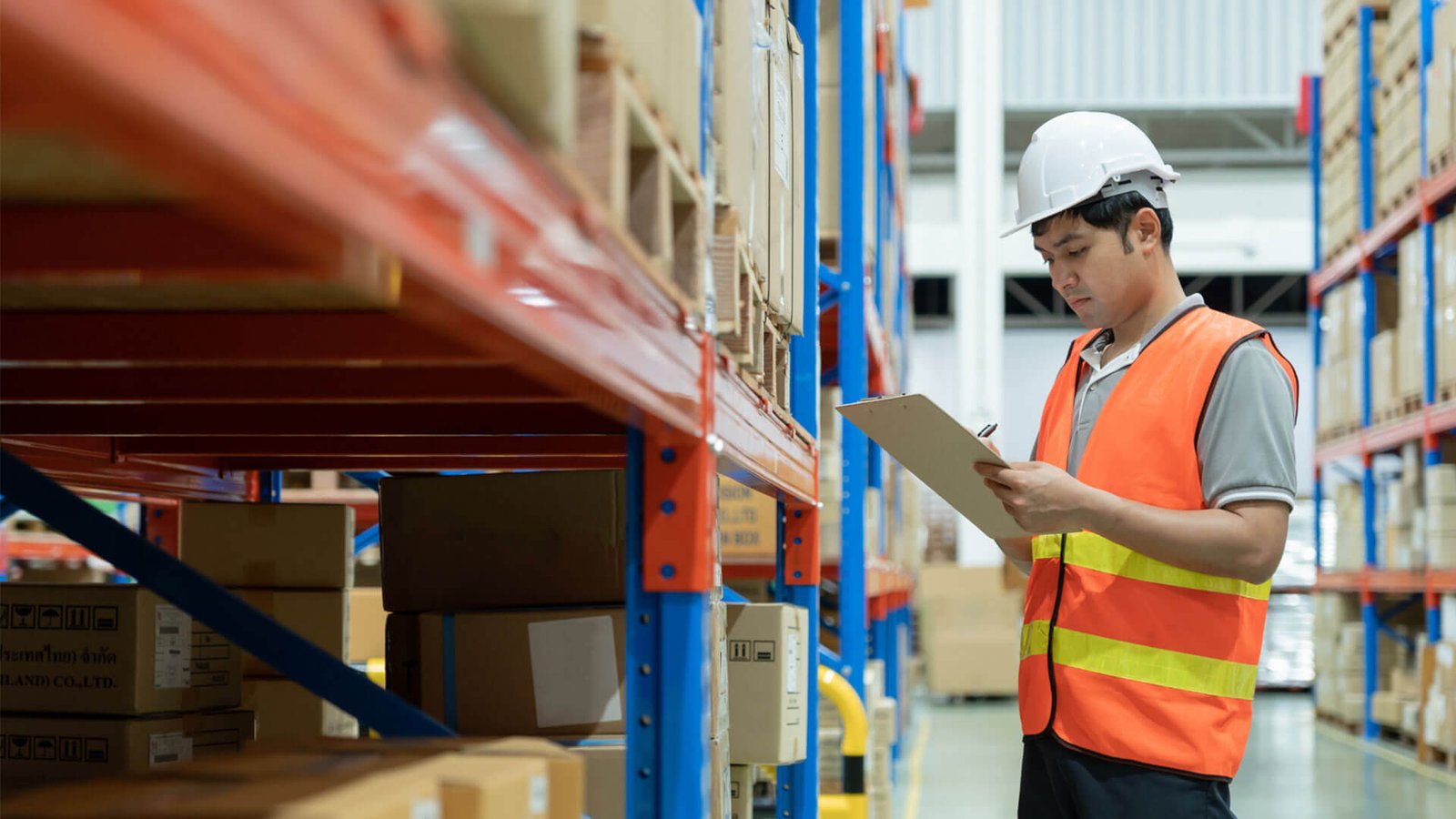
The recovery happens in stages. First, the ports have to clear the mountain of containers that were rushed to the terminals before the shutdown. At the same time, the first trickle of new production from reopening factories starts to arrive. This creates a messy, congested environment for several weeks. I tell my clients not to expect normal shipping lead times or rates until at least late March or early April. Planning for this extended recovery period is just as important as planning for the pre-holiday rush.
What is the timeline for clearing backlogs?
The first wave of cargo to ship after the holiday is the backlog that was already produced before the shutdown. It can take ports 2-3 weeks to clear this initial wave. This often causes a surge of arrivals at U.S. ports, which can create its own congestion.
When do ocean freight rates stabilize?
Rates do not drop immediately after the holiday. Carriers keep rates high to manage the post-LNY cargo rush. Typically, you will see rates start to soften and return to more normal levels about a month after the holiday ends, once the backlog is cleared and capacity has been fully restored.
When does production truly return to normal?
While factories may reopen a week after the holiday, they are not at full strength. It can take until the third or fourth week after the holiday for all workers to return and for production lines to be running at 100% efficiency.
Lunar New Year Shipping Checklist for U.S. Importers
You need a simple, scannable action plan. This checklist breaks down the complex process into manageable steps to keep your LNY shipping on track.
To manage your shipment, confirm your factory's exact LNY closing dates. Book your ocean freight by early January at the latest. Prepare all shipping documents in advance, and ensure you have enough buffer inventory in the U.S. to cover a 6-8 week disruption period.
This is the checklist I run through with every one of my clients starting in the fall. We put real dates next to each item and track them. Going through this simple exercise turns a potentially chaotic situation into a controlled and predictable process. Use this as your guide to ensure no critical step is missed.
Production and Supplier Coordination
- [ ] Confirm Dates (October/November): Ask your supplier for their exact closing and reopening dates for the Lunar New Year holiday.
- [ ] Set Cargo Ready Date (November): Work backward from your shipping deadline and set a firm "cargo ready date" with your factory. This should be at least one week before your container needs to go to the port.
Booking and Logistics
- [ ] Request Quotes (December): Start getting shipping quotes from your freight forwarder. Rates will be rising, so you want to know your costs.
- [ ] Book Your Container (By early January): Book your FCL or LCL space. For LNY, earlier is always better.
- [ ] Arrange Inland Trucking (2 Weeks Before Pickup): Confirm your trucker in China is booked to move your container from the factory to the port.
Documentation and Compliance
- [ ] Prepare Documents (As soon as possible): Ensure your Commercial Invoice and Packing List are 100% accurate and ready to go as soon as production is finished.
- [ ] File ISF (Before Loading): Make sure your freight forwarder or customs broker has all the information needed to file the Importer Security Filing (ISF) 10+2.
Inventory and Financial Planning
- [ ] Analyze Your Sales Forecast (October): Know how much inventory you will need to cover sales through at least the end of March.
- [ ] Plan Your Buffer Stock (October): Calculate and order enough extra inventory to cover the entire LNY disruption period, including the slow recovery. This is your most important insurance policy.
Conclusion
Planning is everything for Lunar New Year shipping. By booking weeks in advance, communicating with your partners, and building a buffer, you can protect your supply chain from predictable delays.
Understanding Lunar New Year is crucial for planning shipments to avoid delays. ↩
Explore how this holiday disrupts global supply chains and affects businesses. ↩
Learn about FCL shipping to optimize your logistics and avoid delays. ↩
Discover LCL shipping options to manage smaller shipments effectively. ↩
Find strategies for importers to avoid disruptions during the holiday. ↩
Find out how the rush before Lunar New Year affects shipping schedules. ↩
Understand blank sailings to better navigate shipping schedules during holidays. ↩
Learn about the largest annual human migration and its impact on logistics. ↩
Learn how carriers manage schedules to optimize shipping during peak times. ↩
Understanding container space dynamics can help you secure shipping slots. ↩
Explore the reasons behind production backlogs and how to mitigate them. ↩
Understanding when delays begin can help you plan your shipments better. ↩
Discover the factors driving up freight rates during the pre-holiday rush. ↩
Understanding container cutoffs can help you avoid shipping delays. ↩
Explore the risks of inventory shortages due to shipping delays during the holiday. ↩
Understand PSS to budget effectively for shipping costs during peak times. ↩