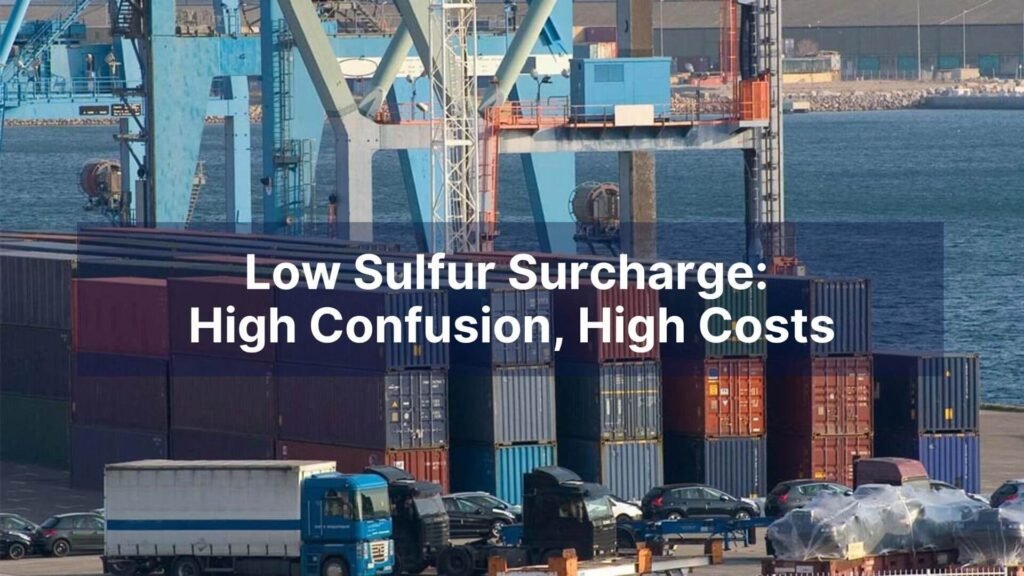
The Low Sulfur Surcharge1 (LSS) is a recent addition to ocean freight rates that has created confusion and financial strain for importers. Understanding this charge and its implications is crucial for managing costs effectively.
The Low Sulfur Surcharge1 (LSS) is a carrier-imposed fee covering the higher cost of compliant marine fuel2 required under global sulfur emission rules3. Since vessels must use low-sulfur fuel, carriers pass this additional expense to shippers and importers as a separate surcharge rather than including it in base ocean freight rates.
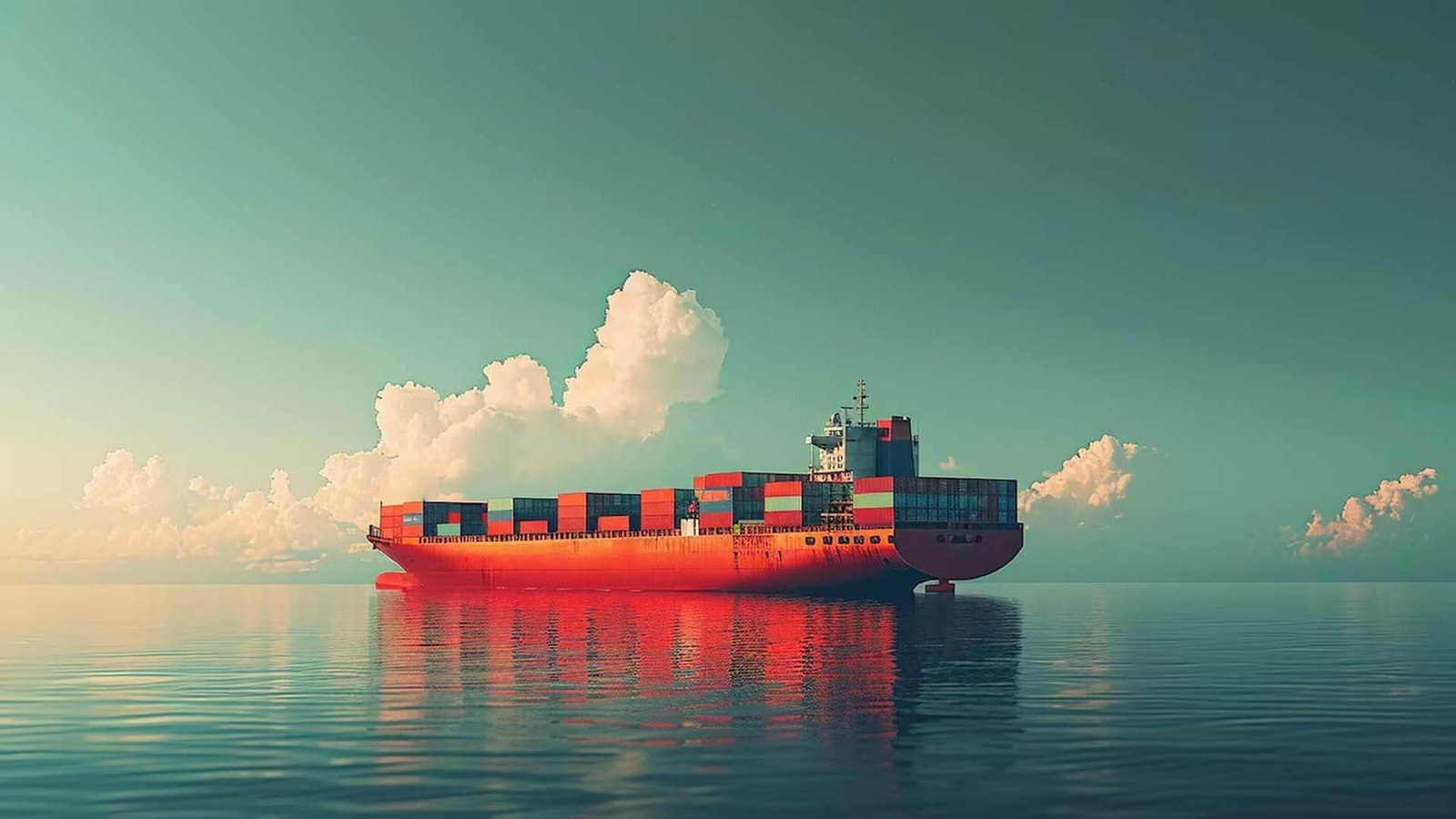
Carriers added the LSS to adhere to stricter environmental regulations and offset increased operational costs. The transition to low-sulfur fuel, mandated by the International Maritime Organization4 (IMO), has made fuel more expensive and less available.
| Factor | Impact on Shipping |
|---|---|
| IMO sulfur cap | Fuel must contain ≤0.5% sulfur |
| Cleaner fuel types | Higher production cost |
| Limited refinery supply | Price volatility |
| Vessel compliance | Mandatory for global trade |
Flow: IMO Regulation → Carrier Buys Low Sulfur Fuel → Fuel Cost Increases → Carrier Applies LSS → Importer Invoice Impact
Who Pays the Low Sulfur Surcharge1 in International Shipping — Importer, Shipper, or Carrier?
Although carriers introduce the surcharge, the LSS cost is typically borne by the cargo owner, which often means the importer under CIF, DDP, or prepaid freight terms. Responsibility depends on Incoterms5, contract structure, and whether fuel surcharges are itemized or bundled into freight rates.
Understanding who is responsible for the LSS is crucial for cost management6. The responsibility often falls on the importer, depending on the shipping terms agreed upon. Clear contract definitions help in determining liability.
| Scenario | Who Ultimately Pays |
|---|---|
| FOB shipment | Importer |
| CIF shipment | Importer indirectly |
| DDP shipment | Seller initially, built into price |
| Contract freight | Depends on agreement terms |
Flow: Incoterm Agreement → Freight Contract → Carrier Invoice → Forwarder Billing → Importer Cost Absorption
LSS vs BAF vs MFR: How Fuel-Related Surcharges Differ and Why Invoices Look Confusing
LSS, BAF, and Marine Fuel Recovery7 (MFR) all relate to fuel cost recovery, but carriers use different names and calculation methods. Some trade lanes separate these charges, while others combine them, leading to invoice complexity and making it difficult for importers to benchmark true freight costs.
The mix of terms and calculations creates confusion in invoices. Understanding the distinctions between LSS, BAF, and MFR helps importers decipher their costs accurately.
| Charge | Meaning | Purpose |
|---|---|---|
| LSS | Low Sulfur Surcharge1 | Covers compliant fuel cost |
| BAF | Bunker Adjustment Factor8 | Fuel price fluctuation |
| MFR | Marine Fuel Recovery7 | Carrier fuel recovery program |
Key Importer Issue: Lack of standardization across carriers.
Flow: Carrier Pricing Model → Multiple Fuel Line Items → Forwarder Invoice → Importer Confusion
How Low Sulfur Regulations (IMO 2020) Increased Ocean Freight Costs for U.S. Importers
Global sulfur emission rules3 forced carriers to switch to more expensive low-sulfur marine fuel2s or install scrubbers, raising operating costs. These regulatory changes permanently shifted ocean freight pricing structures, increasing surcharges and reducing predictability for importers managing long-term logistics budgets.

The IMO 2020 regulations significantly affect ocean freight costs. As carriers adopt new fuel sources, they pass these increases onto importers, causing budget uncertainties and complicating contract negotiations9.
| Area | Effect on Importers |
|---|---|
| Fuel costs | Higher base shipping cost |
| Surcharge volatility | Budget uncertainty |
| Carrier pricing models | More line items |
| Contract negotiations | More complexity |
Flow: Environmental Regulation → Carrier Compliance Investment → Operating Cost Rise → Freight Surcharges Increase
How LSS Is Calculated and Why the Charge Changes by Trade Lane, Vessel, and Fuel Price
LSS amounts vary based on fuel market prices, trade routes, vessel consumption rates, and carrier formulas. Longer routes and larger ships consume more fuel, while regional fuel price differences also affect the surcharge, causing frequent adjustments that importers often see without clear calculation transparency.
The variability in LSS calculations leads to unexpected costs for importers. Understanding how different factors influence the surcharge is essential for managing and anticipating expenses.
| Variable | Why It Matters |
|---|---|
| Route length | Fuel consumption |
| Vessel size | Daily burn rate |
| Fuel market price | Direct cost driver |
| Carrier formula | Non-standardized |
Flow: Fuel Market Price → Carrier Formula → Route Distance → LSS Adjustment → Importer Invoice
How Importers Can Control Fuel Surcharge Exposure Through Contract Strategy and Freight Planning
Importers reduce LSS exposure through contract negotiations9, rate benchmarking, consolidated shipments, and strategic routing. Working with experienced freight partners helps compare carrier structures, avoid hidden fuel markups, and maintain visibility over evolving surcharge models across different trade lanes.
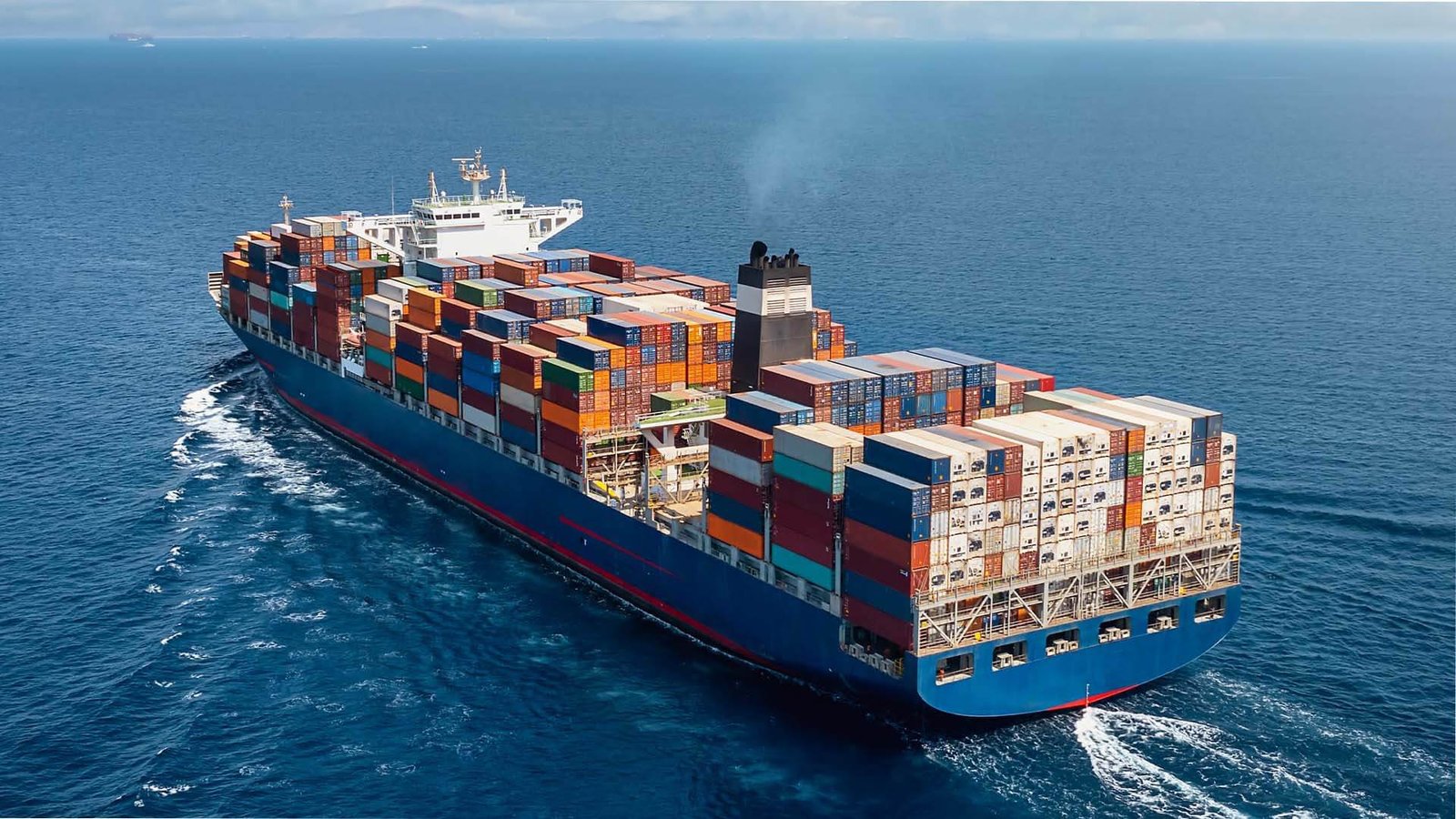
Implementing a proactive strategy allows importers to manage fuel surcharge impacts effectively. Through collaboration with freight forwarders, importers can gain valuable insights into carrier pricing and make informed decisions.
| Strategy | Benefit |
|---|---|
| Long-term contracts | Predictable costs |
| Rate benchmarking | Prevent overpayment |
| Shipment consolidation | Lower per-unit cost |
| Multi-carrier comparison | Better pricing leverage |
Flow: Shipment Planning → Rate Negotiation → Carrier Selection → Fuel Surcharge Review → Invoice Audit → Cost Optimization
Conclusion
Understanding the Low Sulfur Surcharge1 is key to managing freight costs. With the right strategies, importers can achieve better cost control and transparency in their logistics operations10.
Explore this link to understand the LSS and its impact on shipping costs. ↩
Learn about different marine fuels and their implications for shipping costs. ↩
Find out about the regulations that affect shipping fuel and costs. ↩
Discover how the IMO influences global shipping standards and practices. ↩
Get insights into how Incoterms define responsibilities in shipping transactions. ↩
Find strategies for effective cost management in shipping operations. ↩
Explore the MFR and its significance in managing shipping fuel costs. ↩
Learn about the BAF and how it relates to fuel cost recovery in shipping. ↩
Discover strategies for effective contract negotiations to control shipping expenses. ↩
Discover best practices to enhance efficiency and cost-effectiveness in logistics. ↩