The logistics world can be overwhelming. Importers often seek ways to save costs while ensuring reliable shipping. One effective solution is the LCL consolidation service1, which can be a game changer for U.S. importers shipping small volumes from Asia.
LCL (Less than Container Load) consolidation is an ocean freight service where multiple importers’ cargo is combined into one container at a consolidation warehouse (CFS)2 and shipped together. It’s ideal when shipment volume is too small for a full container. Importers use LCL to reduce cost compared to FCL while maintaining predictable replenishment cycles3.

Understanding LCL consolidation can help navigate the complexities of ocean freight. In this post, I will cover what LCL is, how it works, its pricing structure, and the risks involved. You'll also find a checklist to minimize potential issues, making your shipping experience smoother.
Explain what LCL consolidation service1 is and when it beats FCL for U.S. importers shipping small volumes from Asia?
LCL consolidation is a cost-effective solution for small shipments. It allows multiple importers to share container space, making it ideal for those with less frequent and smaller volumes.
Use LCL when: volume is small → replenishment is frequent → you want to avoid paying for unused container space → you can tolerate consolidation schedules.
| Shipment size | Best option | Why |
|---|---|---|
| 1–5 CBM | LCL | Small volume, cost-effective |
| 5–12 CBM | LCL or buyer’s con. | Moderate volume, flexible options |
| 12–18 CBM | Buyer’s consolidation | More suppliers, better control |
| 18+ CBM | FCL | Full container efficiency |
LCL is particularly beneficial for importers who want to optimize shipping costs without compromising delivery cycles.
Break down how LCL consolidation works step-by-step (supplier pickup → CFS receiving → consolidation → ocean freight → U.S. deconsolidation → delivery).
LCL shipments involve several steps to ensure smooth delivery.
LCL shipments move through consolidation and deconsolidation warehouses rather than going directly port-to-port. Cargo is received at an origin CFS4, checked in, packed into a shared container, shipped on the ocean leg, then unloaded at a destination CFS5 where it’s separated and prepared for customs clearance and final delivery. Understanding this flow helps importers control timeline and risk.

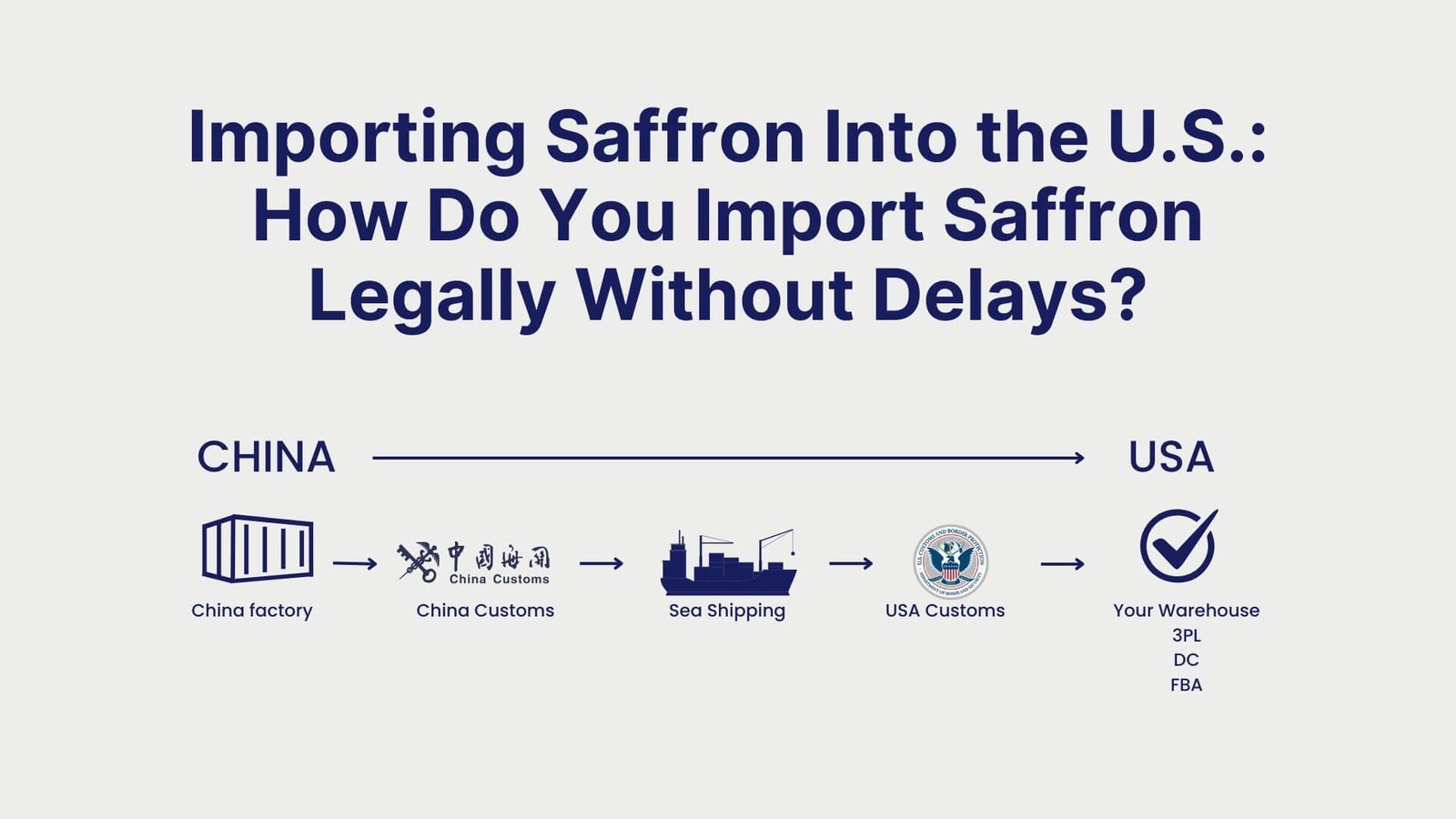
Required workflow (China/Asia → USA)
- Supplier
- Pickup (EXW/FOB)
- Origin CFS Receiving
- Consolidation (Stuffing)
- Port Export
- Ocean Transit
- U.S. Port Arrival
- Destination CFS Deconsolidation
- Customs Clearance
- Drayage/LTL Delivery
- 3PL/DC/FBA
Delays can occur at various points in this process, including:
- Origin receiving backlog
- Cutoff missed
- Rolled sailing
- Destination CFS congestion
- Customs hold
- LTL appointment delays
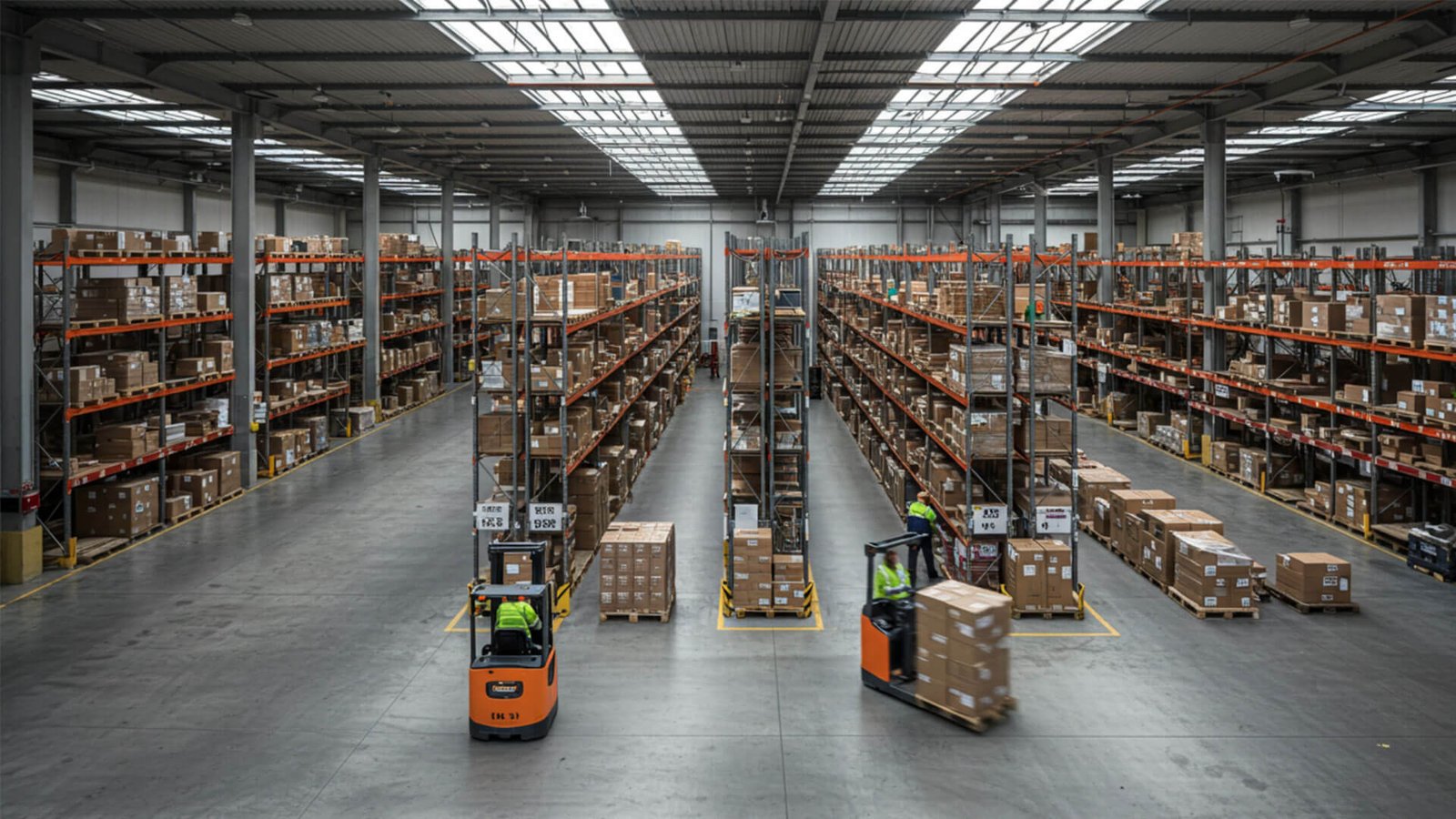
Understanding LCL pricing is crucial to avoid unexpected costs.
LCL ocean freight is usually priced using W/M (weight or measure)6, meaning the chargeable amount is based on either cubic volume (CBM) or weight (metric tons)—whichever is higher. Importers also pay origin and destination CFS5 handling, documentation fees, and local delivery costs. Understanding minimum charges and hidden fees prevents quote surprises.
| Cost component | How it’s calculated | Paid at origin/destination | Who usually pays (Incoterms) |
|---|---|---|---|
| Ocean freight W/M rate | Based on CBM or weight | Origin | Importer |
| Minimum charges | Fixed fee per shipment | Origin | Importer |
| Origin CFS receiving/handling | Per CBM or weight | Origin | Importer |
| Documentation / AMS/ISF-related fees | Per shipment | Origin | Importer |
| Destination CFS handling/deconsolidation | Per CBM or weight | Destination | Importer |
| Port/terminal fees | Based on local tariffs | Destination | Importer |
| Delivery (drayage + LTL) | Based on distance and weight | Destination | Importer |
| Customs brokerage | Standard fee | Destination | Importer |
Common hidden LCL fees:
- Waiting time
- Storage
- Overweight/oversize
- Rework/labeling
- Exam transfer
- Delivery appointment fee
- Residential delivery
Compare LCL consolidation vs buyer’s consolidation7 vs FCL by cost, speed, risk, and control (especially for multi-supplier shipments).
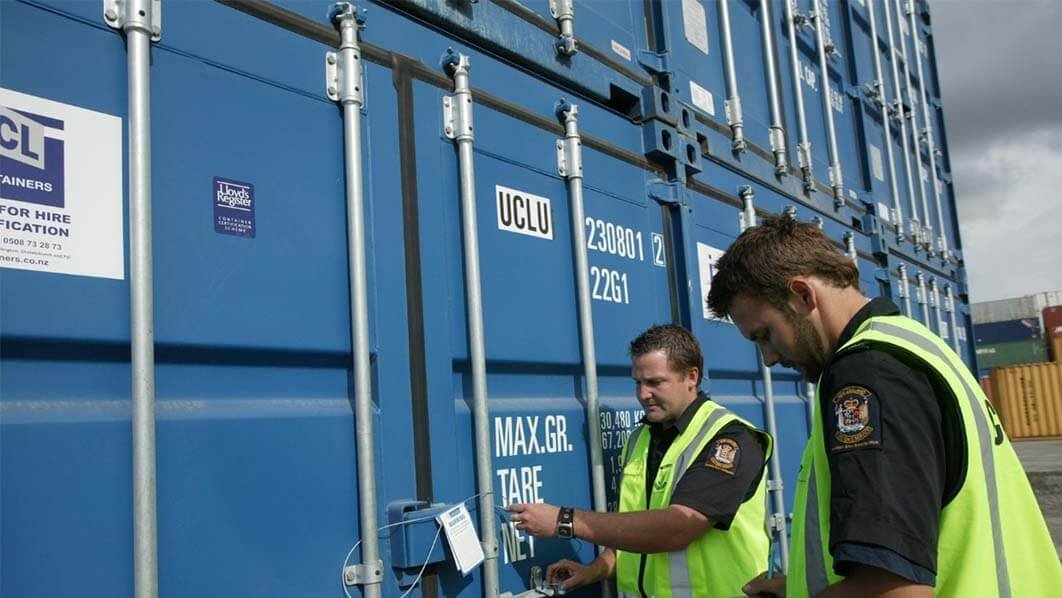
Choosing the right shipping method can significantly impact your business.
LCL consolidation combines multiple shippers into one container, while buyer’s consolidation7 combines multiple suppliers’ shipments under one importer’s control. FCL provides the most control and fastest port handling, but only makes sense at higher volume. Importers should choose based on shipment size, number of suppliers, urgency, and risk tolerance for handling and delays.
| Option | Best for | Cost | Speed | Risk | Control | Documentation complexity |
|---|---|---|---|---|---|---|
| LCL consolidation | Small volume shipments | Moderate | Slower | Medium | Low | Standard |
| Buyer’s consolidation | Multiple suppliers | Moderate | Moderate | Lower | Medium | Higher |
| FCL | High volume shipments | Highest | Fastest | Low | High | Complex |
Importer decision rule:
- Multiple suppliers = consider buyer’s consolidation7
- Urgent shipments = consider air or faster LCL service
- Consistent volume = graduate to FCL
Explain the LCL transit timeline and delay risks (cutoff dates8, sailing frequency9, port congestion10, customs holds11, and deconsolidation delays12).
Knowing the transit timeline helps in planning shipments effectively.
LCL transit time is not just ocean sailing days—the schedule includes origin receiving and consolidation time, cutoff dates8, vessel frequency, and destination deconsolidation. Importers should plan for variability because LCL can be delayed by missed cutoffs, rollovers, customs holds11, and CFS congestion. A timeline view reduces stockouts and prevents premium freight.
| Stage | Typical time | Biggest delay cause | Importer control lever |
|---|---|---|---|
| Origin pickup/receiving | 1-3 days | Backlog | Schedule with suppliers |
| Consolidation + cutoff | 1-2 days | Missed cutoff | Monitor schedules |
| Export handling | 1 day | Port congestion | Choose efficient ports |
| Ocean transit | Varies (10-30 days) | Weather delays | Check sailing frequency9 |
| Arrival + CFS unload | 1-3 days | CFS congestion | Use reliable consolidators |
| Customs | 1-3 days | Holds | Ensure documentation readiness |
| Delivery | 1-5 days | LTL delays | Schedule in advance |
Cutoff and sailing frequency9:
Missing cutoff dates8 can push your shipment to the next available sailing, leading to delays. Stay informed about your consolidator’s schedules to maintain timely deliveries.

Provide an importer checklist to reduce LCL risk (packaging standards13, labeling, documentation/ISF readiness, cargo insurance14, and choosing the right consolidator).
Adopting a structured approach can dramatically lower LCL risks.
Importers reduce LCL risk by treating it like a controlled process: enforce packaging standards13, label cartons clearly, provide complete documentation before cutoff, and confirm ISF data early. Because LCL cargo is handled more times than FCL, insurance and consolidator quality matter. The best importers use checklists and audits to prevent claims and delays.
LCL Risk Prevention Checklist15:
- Carton strength + pallets
- Moisture protection
- Carton labeling
- SKU/PO mapping
- Packing list accuracy
- Commercial invoice accuracy
- ISF-ready data16
- Insurance option reviewed
- Destination delivery appointment planned
LCL Consolidator Scorecard17
| Criteria | Why it matters | What to ask for |
|---|---|---|
| Sailing frequency | Timely deliveries | Frequency of sailings |
| Cutoff transparency | Avoid delays | Cutoff clarity |
| CFS network | Efficient handling | Locations of CFS facilities |
| Damage claims process | Risk management | Claims handling time |
| Tracking visibility | Shipment monitoring | Tracking updates frequency |
| Destination partner strength | Local reliability | History and reviews |
| Customer support SLA | Assistance during issues | Response times |
Conclusion
In summary, LCL consolidation can be a powerful tool for U.S. importers shipping small volumes. By understanding the process, costs, and risks, you can make informed decisions that improve efficiency while reducing costs.
If you're looking for an LCL cost review, multi-supplier consolidation18 plan, or a packaging and documentation readiness audit, feel free to reach out for assistance.
Understanding LCL consolidation service can help importers optimize shipping costs and improve efficiency for small volume shipments. ↩
Learn about the role of consolidation warehouses in combining shipments, which is crucial for efficient LCL shipping. ↩
Discover how predictable replenishment cycles can enhance inventory management and reduce shipping uncertainties. ↩
Explore the importance of origin CFS in the LCL shipping process and how it affects shipment timelines. ↩
Understand the role of destination CFS in deconsolidating shipments and preparing them for final delivery. ↩
Learn how W/M pricing affects LCL shipping costs and how to calculate charges based on weight or volume. ↩
Understand how buyer’s consolidation works and when it might be a better option than LCL or FCL. ↩
Learn how missing cutoff dates can delay shipments and how to stay informed to ensure timely deliveries. ↩
Discover how sailing frequency affects the speed and reliability of LCL shipments. ↩
Understand the impact of port congestion on shipping delays and how to mitigate these risks. ↩
Explore the reasons behind customs holds and how to prepare documentation to avoid them. ↩
Learn about deconsolidation delays and how they can affect the final delivery timeline of shipments. ↩
Ensure your shipments meet packaging standards to prevent damage and reduce the risk of claims. ↩
Find out how cargo insurance can protect your goods during the multiple handling stages of LCL shipping. ↩
Utilize a checklist to minimize risks and ensure a smooth LCL shipping process. ↩
Understand the importance of ISF-ready data for compliance and smooth customs clearance. ↩
Evaluate potential consolidators effectively to choose the best partner for your shipping needs. ↩
Learn how consolidating shipments from multiple suppliers can optimize logistics and reduce costs. ↩