Struggling with slow order fulfillment1? These delays cost you sales and create unhappy customers. Kitting and assembly services are a powerful strategy to make your shipping process much faster.
Kitting and assembly services speed up order fulfillment by combining multiple items into a single, ready-to-ship unit before an order is placed. This reduces the number of SKUs to manage, eliminates multiple pick-and-pack steps2, and gets orders out the door significantly faster.

Many importers think of kitting as just another warehouse task. But this is a mistake. When you see it as a core part of your supply chain strategy3, you can unlock incredible speed and efficiency. It’s about planning ahead to simplify your work later. I've seen this strategy transform fulfillment operations for my clients, and I want to show you how it works. Let’s dive into how you can use it to your advantage.
What Kitting and Assembly Services Really Are in Modern Fulfillment—and Why Importers Use Them Instead of Shipping Individual SKUs?
Managing countless individual parts is a nightmare. It creates chaos in your warehouse and slows everything down. Kitting turns many items into one simple, ready-to-ship product.
Kitting and assembly combine multiple components into ready-to-ship units before orders are released. This allows importers to reduce SKU complexity4, shorten pick times, and ship finished products instead of handling dozens of separate items at fulfillment centers.
Let me share a quick story. I worked with a client who sold consumer electronics accessories5. They imported about 15 different SKUs from China: cables, chargers, cases, and screen protectors. Every order was a custom combination of these items. Their U.S. warehouse team had to pick each tiny piece for every single order. During peak season, they fell behind. Orders were delayed by 3 to 5 days because the picking process was just too slow and complex.
This is a classic example of what happens without kitting. Instead of managing 15 separate SKUs, they could have created pre-packaged bundles6. For example, an "iPhone Starter Kit" could be one SKU. A "Samsung Travel Pack" could be another. This transforms a complex, multi-item pick into a simple, single-item pick. Importers use kitting to gain control and speed. You are no longer shipping individual parts; you are shipping finished products.
How Kitting and Assembly Reduce Order Processing Time and Speed Up Downstream Fulfillment?
Your warehouse can't keep up with orders. Backlogs are growing, and customers are waiting for their products. Kitting drastically cuts the time needed to process each individual order.
By pre-grouping products into single kits, warehouses eliminate multiple pick actions per order. This dramatically reduces the time it takes to process an order and makes same-day or next-day fulfillment possible.

The magic of kitting is in its simplicity. Think about the physical steps a warehouse worker takes. Without kitting, they get an order for five items. They have to walk to five different locations in the warehouse, scan five different barcodes, and place five different items into a box. This takes time and energy. With kitting, they walk to one location, scan one barcode, and place one box into the shipping container. The difference is huge.
I've seen this with my own eyes. For one of my clients, a detail-oriented importer named Mark, this change was a game-changer. His team went from taking 10 minutes to pick an order to taking less than one minute. This reduction in "pick actions" is the key. It directly translates to faster processing times. Your orders can go from sitting for 24-72 hours to shipping out the very same day.
Here is what that looks like in practice:
| Metric | Before Kitting | After Kitting |
|---|---|---|
| SKUs per Order | 5–12 | 1 |
| Pick Actions | Multiple | Single |
| Order Processing Time | 24–72 hrs | Same day |
| Pick Errors | Higher | Significantly reduced |
| Labor Cost per Order | High | Lower |
| Fulfillment Speed | Slow | Fast |
Why Importers Use Kitting to Fix Inventory Imbalances, SKU Chaos, and Stockouts?
Some of your products sell out quickly while others just gather dust on the shelf. This common problem ties up your cash and leads to lost sales. Kitting helps you bundle items to move that slow inventory.
Kitting allows importers to strategically rebalance slow-moving and fast-moving SKUs into new, sellable bundles. This improves your overall inventory turnover while reducing the risk of partial stockouts7 and getting rid of dead inventory.
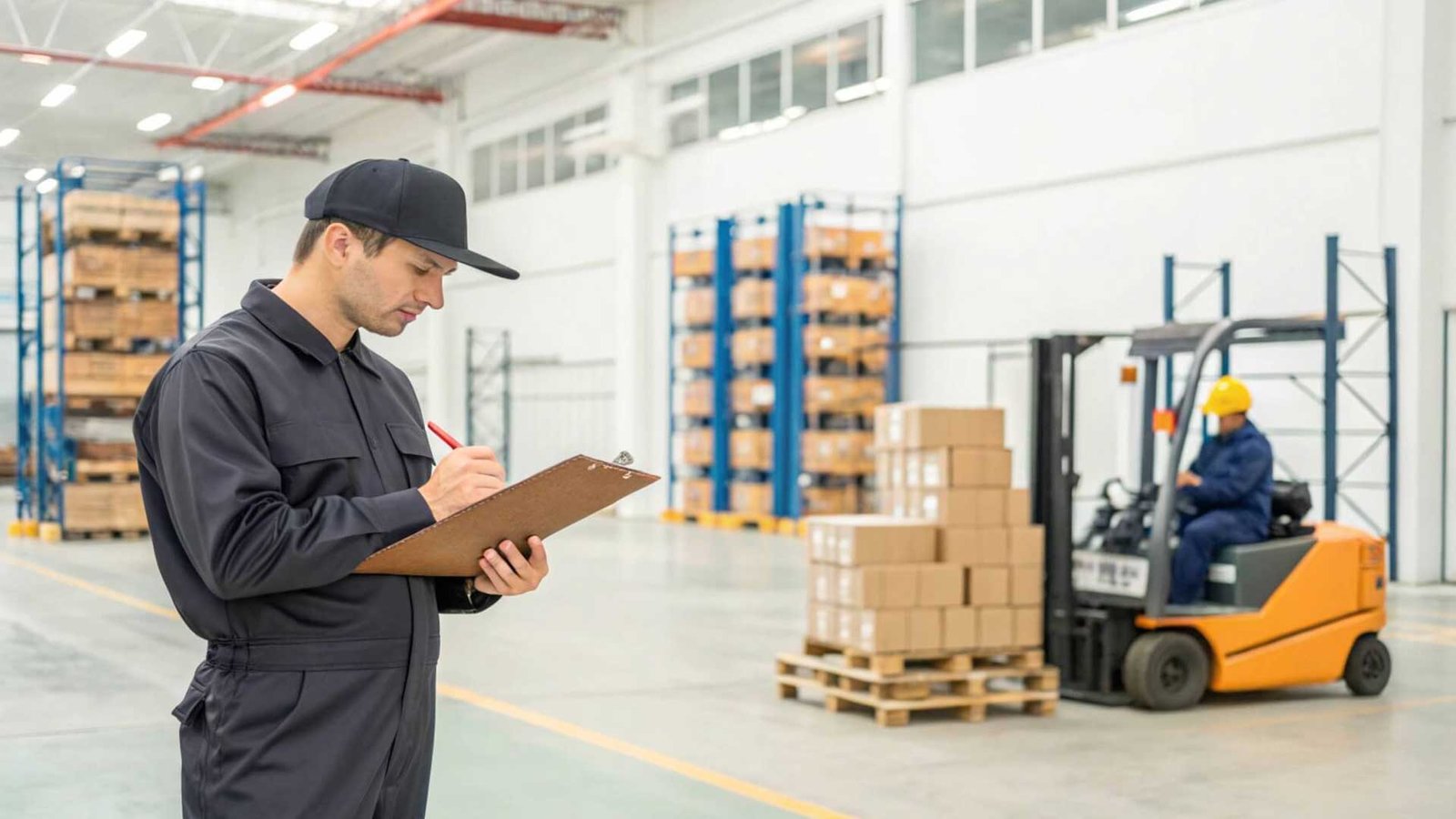
Inventory management is a constant balancing act. You want enough stock to meet demand but not so much that it ties up your money. Kitting is a smart tool to help with this balance. Let's say you sell a popular coffee maker but the matching travel mugs are not selling well. You can create a "Morning Commute" bundle that includes both. This helps you sell the slow-moving mugs by pairing them with a bestseller.
This strategy does two things. First, it turns your "dead inventory" back into cash. Second, it prevents "partial stockouts7." This happens when you have all but one component for a popular bundle, making the entire set unsellable. By kitting products in advance, you create a new, distinct SKU. You know exactly how many complete kits you have in stock. This gives you a much clearer picture of your inventory and helps you avoid disappointing customers who want a bundle you can't technically fulfill. It’s a financial strategy as much as a logistics one.
How Pre-Assembly at Origin or U.S. Warehouses Lowers Pick-and-Pack Errors and Labor Costs?
Shipping mistakes and high labor bills are eating into your profits. Every mistake means a costly return and an unhappy customer. Pre-assembly simplifies the process, which reduces errors and the work required.
Pre-assembly reduces the number of manual handling steps at fulfillment centers. This cuts the labor hours needed for each order and significantly lowers the chances of mis-picks, incorrect shipments, and returns.
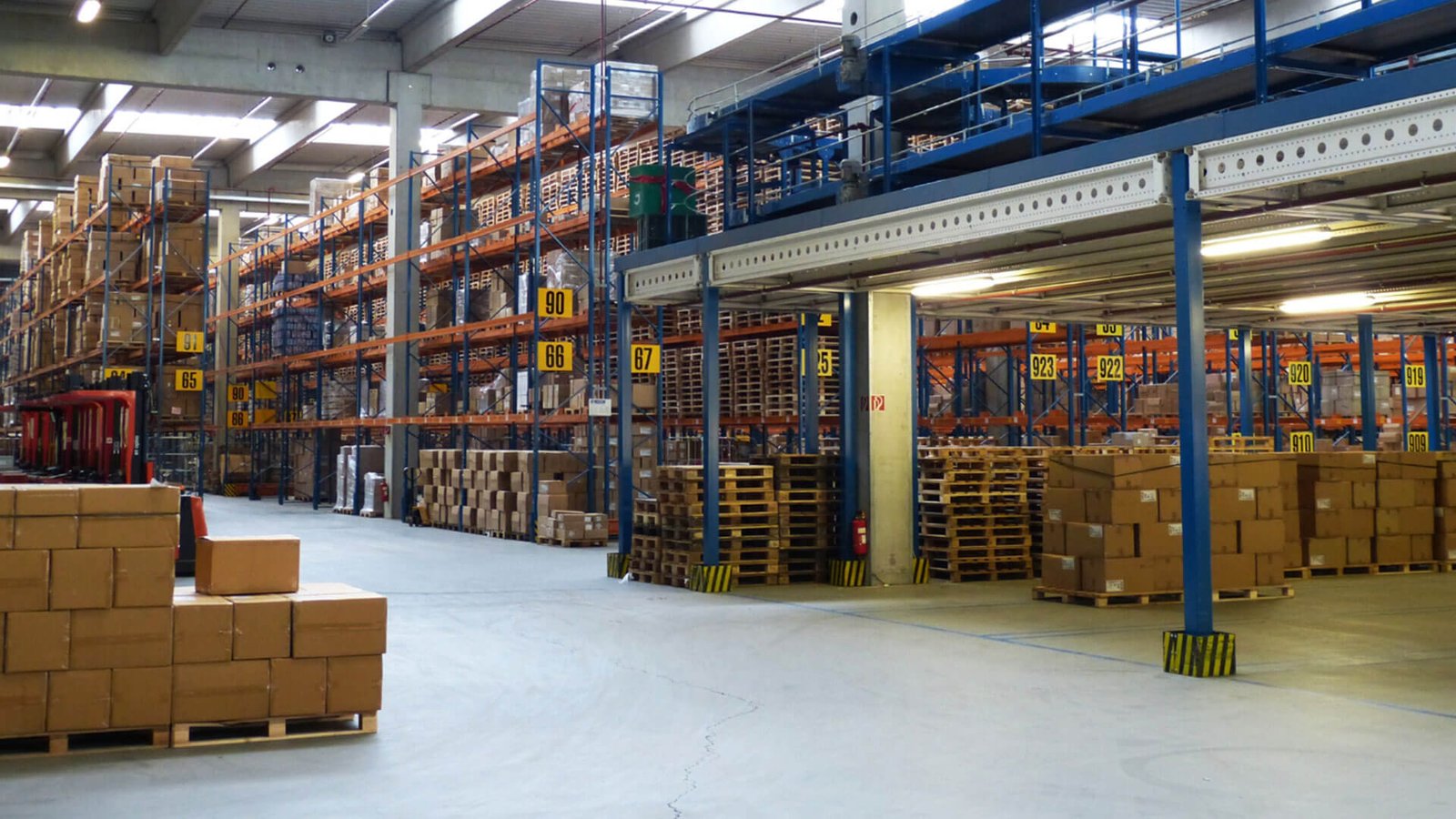
Every time a person has to touch, scan, or move an item, there is a chance for a mistake. It’s just human nature. If an order has 10 small parts, there are at least 10 opportunities for the wrong item or wrong quantity to be picked. Pre-assembling those 10 parts into a single unit reduces those opportunities to just one. The impact on accuracy is massive. I worked with a client who saw their pick error rate8 drop by over 80% after they started pre-assembling their products.
This also has a direct effect on your labor costs9. A picker who can grab one ready-to-go kit is far more efficient than one who has to hunt for multiple components. You can fulfill more orders with the same number of staff, or reduce your labor costs9 altogether. Think about the total cost of an error: you pay for the return shipping, the cost of the replacement product, the labor to process the return, and you damage your brand's reputation. Pre-assembly is a simple insurance policy against these expensive problems.
When Kitting and Assembly Should Happen Before Shipping vs After Customs Clearance?
You know you need kitting, but you are not sure where to do it. Choosing the wrong location can add unexpected costs and delays to your supply chain. The best choice depends on your specific products and needs.
Kitting at the origin in China often reduces inbound SKU volume and freight handling costs. Kitting in a U.S. warehouse offers more flexibility for market-specific changes. The best choice depends on your lead time, duty strategy, and demand variability.
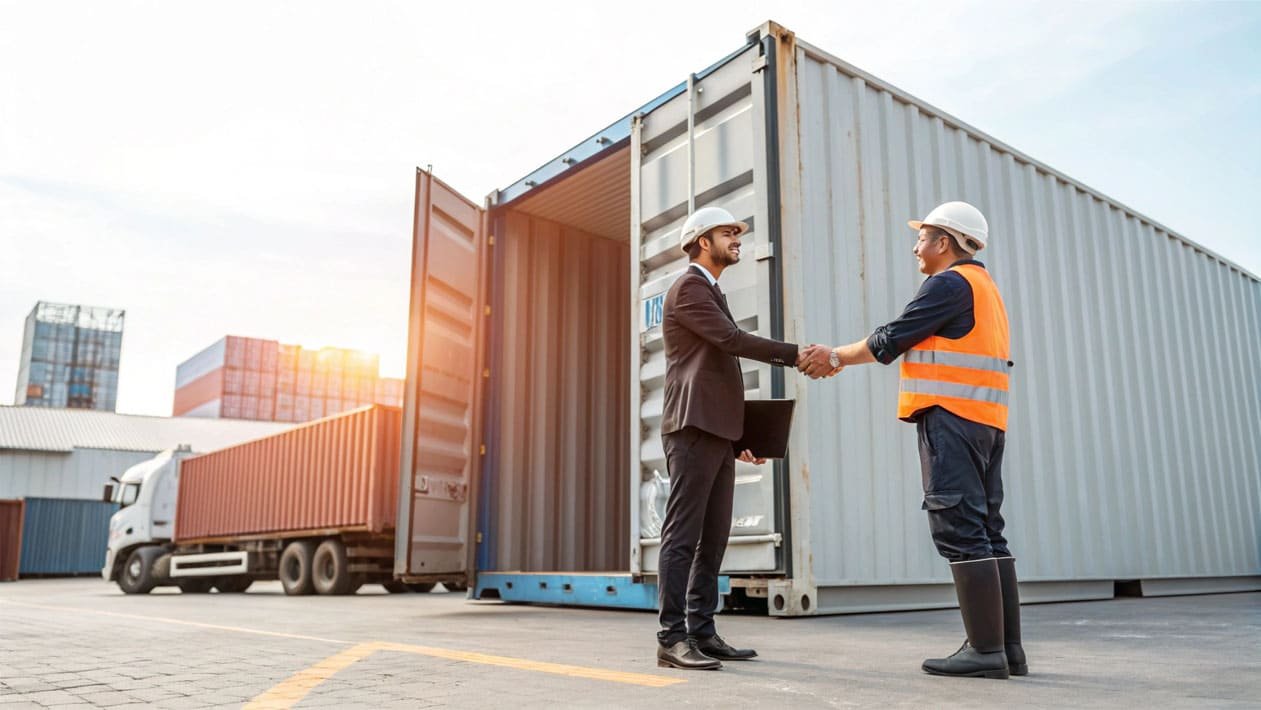
Deciding where to kit is a critical strategic choice. Let's break down the options.
Kitting at Origin (in China): This is often the most cost-effective choice. Labor costs in China are typically lower. You also simplify your entire shipping process. Instead of shipping 12 different SKUs, you ship one consolidated SKU. This means less paperwork, easier customs clearance, and simpler handling. The downside is a loss of flexibility. Once that container is on the water, you can't change the kits.
Kitting at Destination (in the USA): This approach gives you maximum flexibility. You can ship components and then assemble different kits based on real-time sales data. If a certain bundle suddenly becomes popular, you can react quickly. However, U.S. labor costs9 are higher. I once had a client with home goods bundles who waited to assemble them until after customs clearance. Their container arrived during a busy period, and their U.S. warehouse got congested. The kitting was delayed, they missed a retail delivery window, and they ended up with expensive chargebacks.
How Kitting and Assembly Support Faster Amazon FBA, Retail, and B2B Order Fulfillment?
Amazon and big retailers have very strict and complex rules for receiving products. One small mistake can lead to expensive chargebacks or even rejected shipments. Kitting ensures your products arrive perfectly prepared.
Retailers and Amazon FBA sellers use kitting to meet strict packaging, labeling, and delivery requirements. This preparation helps speed up inbound processing at the fulfillment center and avoids costly non-compliance penalties.
Meeting the requirements for Amazon FBA or major retailers is not optional. They demand perfection. Your products might need specific FNSKU labels, suffocation warning labels on polybags, or special bundling. If you ship them individual components and hope the FBA center will assemble them, you are asking for trouble. They won't. Your shipment will be flagged and sent to a "problem" queue, where it can sit for weeks.
I had a client who learned this the hard way. Now, we help them succeed. They sell kits on Amazon. We assemble the kits at our facility in China. We apply the correct FNSKU labels and package everything to meet Amazon's exact standards. Then we ship it DDP to the U.S. When the shipment arrives at the Amazon fulfillment center, it's a single, compliant SKU. It gets checked in quickly and becomes available for sale almost immediately. By doing the kitting and prep work correctly upfront, they avoid penalties and get their products to customers faster.
How Importers Integrate Kitting and Assembly into End-to-End Logistics to Improve Delivery Speed and Total Landed Cost?
Your different logistics partners don't talk to each other. This creates delays, miscommunication, and hidden costs at every handoff point. An integrated approach makes your entire supply chain faster and cheaper.
When kitting is integrated with freight, customs clearance, and warehousing under one partner, importers get faster delivery. You have fewer handoffs, fewer points of failure, and a much more predictable total landed cost10.

The best results come when kitting is not an isolated task. It should be part of a single, smooth-flowing process. Imagine this: your kits are assembled at our facility in China. We then manage the DDP sea freight and handle the U.S. customs clearance. The shipment arrives in the U.S. ready to go, and we can send it directly to your warehouse, an Amazon FBA center, or a retail distribution center. There are no gaps or handoffs between different companies.
This integrated system prevents so many problems. You are not trying to coordinate between a factory, a separate kitting company, a freight forwarder, and a customs broker. You have one point of contact and one team responsible for the entire journey. This improves your delivery speed and gives you a clear view of your total landed cost10.
Ask yourself these questions:
- Do your orders require multiple SKUs per shipment?
- Are fulfillment teams spending too much time picking and packing?
- Are pick errors or returns increasing?
- Do Amazon or retail partners require bundled or assembled products?
- Are labor costs9 rising faster than order volume?
If you answered “yes” to two or more, kitting can significantly speed up your fulfillment.
Conclusion
Kitting is a speed strategy, not just a warehouse task. Plan it before your goods leave China to make your fulfillment faster, simpler, and more profitable. It is a powerful tool.
Understanding the impact of slow order fulfillment can help businesses identify areas for improvement and enhance customer satisfaction. ↩
Learning about pick-and-pack steps can help businesses optimize their fulfillment process and reduce labor costs. ↩
Integrating kitting into a supply chain strategy can unlock efficiency and speed in order fulfillment. ↩
Reducing SKU complexity can simplify warehouse operations, leading to faster order processing and reduced errors. ↩
Kitting consumer electronics accessories can simplify order fulfillment and reduce processing time, especially during peak seasons. ↩
Pre-packaged bundles can streamline order fulfillment, reduce errors, and improve customer satisfaction. ↩
Preventing partial stockouts through kitting ensures complete product availability, enhancing customer satisfaction. ↩
Reducing pick error rates through pre-assembly can improve accuracy and reduce costly returns. ↩
Reducing labor costs through kitting can lead to more efficient operations and increased profitability. ↩
Understanding total landed cost can help businesses optimize their logistics strategy and reduce expenses. ↩