Importing high-value goods1 can feel like a gamble. Delays at the port can wreck your profits. But what if the right airport gateway could offer both speed and security?
JFK is a major freight gateway because it handles some of the highest shipment values in the U.S. It offers dense international air-cargo connectivity2 and supports rapid customs processing3 for time-critical goods, making it a preferred entry point for high-value and urgent imports.
So, you see JFK is a big deal for valuable cargo. But what really makes it tick? It's not just about the location. We need to look deeper into the infrastructure and processes that can make or break an import shipment. Let's explore why this gateway is so critical for importers like you and how you can use it effectively.
Why Is JFK a Top Gateway for High-Value, Time-Sensitive Imports?
Your expensive electronics or pharma shipments lose money every hour they sit idle. You need a gateway built for speed, not just volume. JFK specializes in handling this exact kind of cargo.
JFK is a top gateway because it prioritizes shipment value over sheer volume. Its vast international air-cargo network and rapid processing make it the go-to for time-critical goods like pharmaceuticals and electronics, where speed and security justify the higher air freight costs.
I often tell my clients that not all airports are the same. Some gateways are built for volume, handling thousands of containers with low-cost goods. JFK, however, is a hub built for value. When my client Mark needs to import a container of delicate electronics from China, JFK is always part of the conversation.
Shipment Value Over Volume
The total dollar value of goods passing through JFK is huge, even if the physical weight is less than a major seaport. This is because the cargo is typically high-value: pharmaceuticals, luxury fashion, and new-release electronics. When a single pallet can be worth a small fortune, the security and speed of the gateway become the most important factors for an importer.
Global Air-Cargo Connectivity4
JFK has a huge number of direct flights from major manufacturing hubs in Asia and Europe. This density of airlines means more options, better schedules, and less need for multi-stop transit, which adds time and risk. For urgent stock replenishment, this direct access is a game-changer. It is why JFK remains a vital link in the global supply chain for time-sensitive products.
How Do JFK’s Infrastructure and Airline Density Speed Up Customs Clearance?
Your freight has landed, but it’s not moving. Now you face customs holds and storage fees5. JFK’s unique cargo infrastructure is designed to help you avoid this exact problem.
JFK’s multiple cargo terminals, numerous on-airport Centralized Examination Stations (CES)6, and high airline density enable faster freight transfers and customs processing. However, clearance speed ultimately depends on your broker's coordination, accurate documentation, and proactive risk management to avoid holds.
I have seen many importers assume that just because they ship to JFK, their cargo will fly through customs. That is a dangerous assumption. While the airport has fantastic facilities, you need to understand how they actually work to your advantage. The infrastructure is only one piece of the puzzle.
What Are Centralized Examination Stations (CES)6?
When U.S. Customs and Border Protection (CBP) flags a shipment for a physical exam, it is moved to a secure, privately-operated facility called a CES. JFK has several of these right on or near the airport. This closeness is a huge advantage. At other gateways, your freight might be trucked miles away for an exam, adding days and costs. At JFK, the transfer often takes just minutes.
How Releases and Holds Actually Work
Great infrastructure does not guarantee a fast release. If your customs broker submits incorrect paperwork or the commercial invoice is missing details, CBP's system will flag it. A simple data entry error can trigger a hold and send your shipment to a CES. Speed at JFK is a result of flawless execution. Your broker must pre-file the entry correctly and coordinate with the airline and trucker to ensure a smooth handoff the moment CBP gives the green light.
Which Imports Benefit Most from Using JFK?
Air freight is expensive. Is shipping to JFK the right call for your products? Choosing the wrong gateway can eat into your profits. Let's see which types of imports gain the most from JFK's unique advantages.
Imports that benefit most from JFK include high-value electronics7, temperature-sensitive pharmaceuticals8, fast-fashion apparel9, and urgent e-commerce inventory10. For these goods, the value of speed, security, and predictable customs clearance outweighs the higher per-unit freight cost.

When I work with clients deciding on an entry point, we always weigh the cost of transport against the cost of delay. For some products, JFK is the clear winner, even if it looks more expensive on paper. Let's break down why.
Why Speed Matters More Than Cost
- Electronics & Fashion: New product launches have a short window. Getting smartphones or seasonal clothing into stores a week late can mean huge lost sales. JFK's speed helps hit these tight deadlines.
- Pharmaceuticals: Many medical products are both temperature-sensitive and high-value. The shorter transit time and secure facilities at JFK minimize the risk of spoilage or theft.
- E-commerce & Replenishment: When a popular item on an e-commerce site goes out of stock, every day of waiting is lost revenue. Air freighting inventory into JFK allows for quick restocking for the massive East Coast market.
JFK vs. Other U.S. Air Gateways
| Gateway | Best For | Strengths | Trade-Offs |
|---|---|---|---|
| JFK | High-value, urgent imports | Airline density, CES access | Congestion risk, high cost |
| LAX | Asia volume freight | Capacity, scale | Longer inland transit times |
| ORD | Midwest distribution | Central U.S. reach | Fewer direct Asia flights |
| ATL | Southeast distribution | Strong domestic network | Limited int'l cargo focus |
| DFW | Balanced hub | Growing cargo operations | Fewer direct Asia flights |
What Are the Biggest Risks for Importers at JFK?
You chose JFK for its speed, but your cargo is stuck. Now you are facing storage fees5 and angry customers. You must understand and manage JFK's hidden operational risks to avoid this situation.
While JFK offers speed, importers must actively manage risks like peak-season congestion11, a higher probability of customs exams, and expensive airline storage fees5. Last-mile delivery in the NYC metro area also presents unique challenges that can cause delays if not planned properly.
JFK's advantages come with trade-offs. I always prepare my clients for the four biggest operational headaches at this airport. Ignoring them is a recipe for disaster, turning a smart choice into a costly mistake. Being prepared is half the battle won.
1. Congestion and Storage Fees
JFK is busy. During peak season, cargo terminals get backed up. If your trucker cannot get an appointment to pick up your freight within the "free time" (usually 2-3 days), the airline will start charging expensive daily storage fees5. These can add up to hundreds or thousands of dollars very quickly.
2. Customs Exam Probability
Because JFK handles so many high-value and regulated goods, it is a focus for CBP. This can mean a slightly higher chance of your shipment being flagged for an exam. While an exam is not a catastrophe with a good broker, it always adds time and cost to your import process.
3. Last-Mile Trucking Challenges
Getting your freight out of the airport is only half the battle. Navigating the dense, traffic-heavy New York City metro area requires experienced local truckers. Out-of-state drivers often struggle, leading to missed appointments and more delays. Planning this final leg is just as critical as the flight itself.
How Can Importers Reduce Delays and Costs at JFK?
Juggling your forwarder, broker, and trucker is a headache. One miscommunication can create a domino effect of delays and fees. A single, unified execution model is the best way to win.
Importers reduce delays and total costs at JFK by using a single, coordinated service12 that manages air freight, customs brokerage, and final delivery. This integrated approach minimizes handoffs, prevents communication errors, and ensures seamless execution from landing to final destination, especially with DDP terms13.
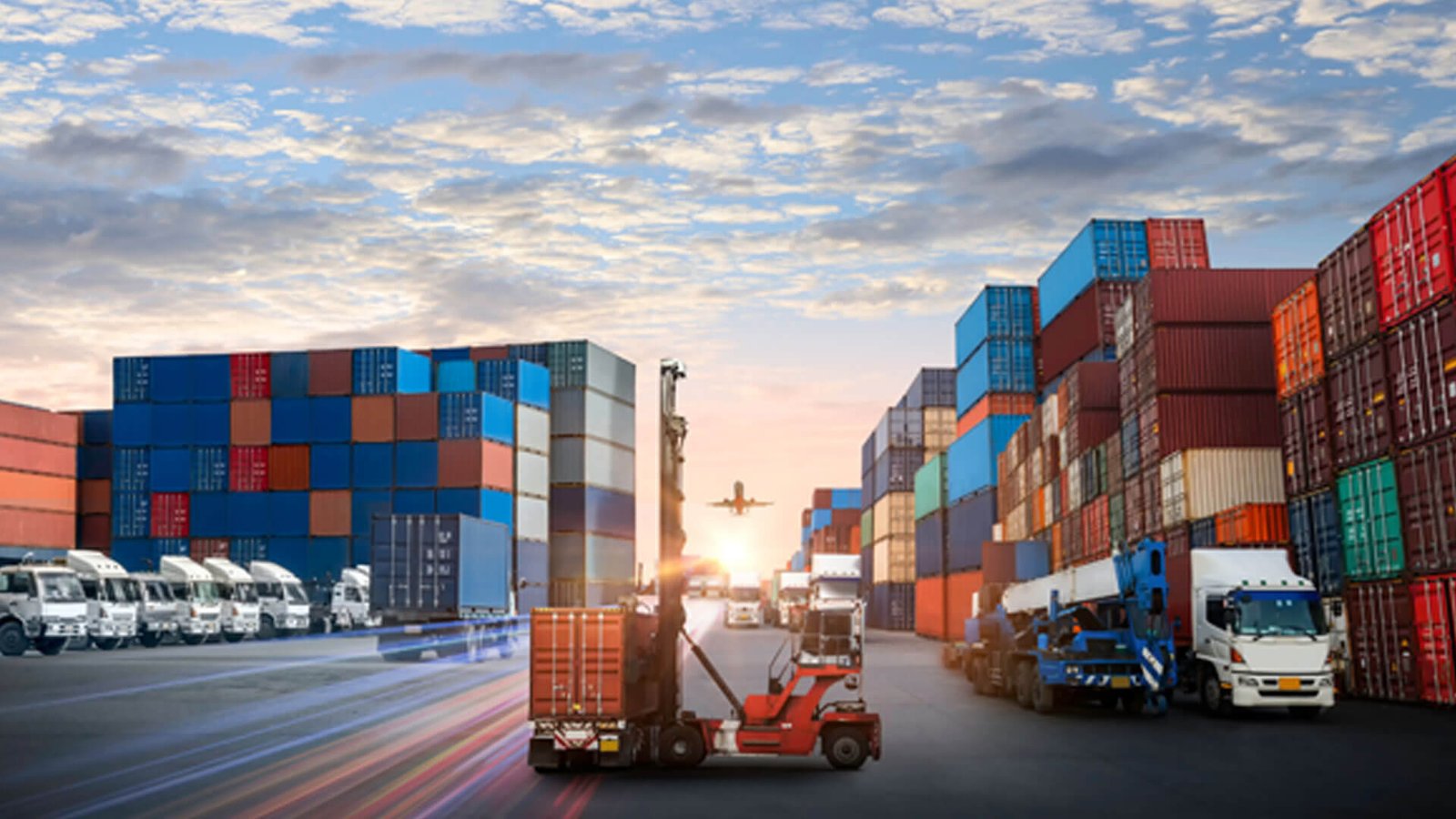
The secret to success at JFK is not the airport; it is the execution. Fragmented supply chains are where things go wrong. When your freight forwarder, customs broker, and trucking company do not talk to each other, you are the one who pays the price in delays and fees.
Case Study: The Power of Coordination
I recently worked with a client shipping new consumer electronics from Shenzhen for a tight product launch. We handled it as a single DDP air freight shipment. We pre-filed the customs entry before the plane even departed. The moment it landed and was released by customs (same day), our pre-arranged truck was there for pickup. The result: goods delivered to their distribution center the next day, hitting their launch deadline.
Case Study: The Cost of Misalignment
In contrast, another importer managed their own partners for a shipment of fashion apparel from Shanghai. Their broker submitted paperwork with missing information, triggering a customs exam. Worse, they had not arranged a trucker. By the time the goods were released from the CES, they had racked up five days of storage fees5 and missed their retail window. This shows that JFK's speed is useless without end-to-end control.
Conclusion
JFK offers incredible speed for high-value imports, but success depends entirely on managing its risks through expert coordination of freight, customs, and final delivery.
Is JFK the Right Air Gateway for Your Imports?
- Is your product's value or delivery deadline critical? (Yes/No)
- Can you afford potential delays and storage fees5 if your shipment is not managed properly? (Yes/No)
- Is your documentation consistently accurate and complete? (Yes/No)
- Do you need to serve the U.S. Northeast market quickly? (Yes/No)
- Do you prefer one partner to manage the entire import process to reduce risk? (Yes/No)
Understanding the challenges of importing high-value goods can help you mitigate risks and maximize profits. ↩
Learn how international air-cargo connectivity can streamline your import process and reduce delays. ↩
Discover how rapid customs processing at JFK can save time and reduce costs for your imports. ↩
Explore how global air-cargo connectivity can enhance the efficiency of your supply chain. ↩
Learn about storage fees at JFK and strategies to avoid them, saving you money on imports. ↩
Learn about CES and how they facilitate faster customs clearance at JFK. ↩
Find out why JFK is a preferred gateway for high-value electronics and how it benefits importers. ↩
Discover the facilities and processes at JFK that ensure the safe import of temperature-sensitive pharmaceuticals. ↩
Learn why JFK is an ideal gateway for fast-fashion apparel, focusing on speed and market demands. ↩
Explore how JFK's infrastructure supports the quick import of urgent e-commerce inventory. ↩
Understanding peak-season congestion can help you plan better and avoid costly delays. ↩
A coordinated service ensures seamless execution from landing to final delivery, reducing delays. ↩
Understanding DDP terms can help you streamline your import process and reduce risks. ↩