Feeling lost in the complex world of international shipping1? You're not alone. Small mistakes can lead to massive delays and unexpected costs, turning your profits into losses.
International shipping works by moving goods through a sequence of steps: export preparation2, origin handling, main transport, customs clearance3, and final delivery. Each stage requires specific documents and coordination between the supplier, freight forwarder4, customs broker, and trucking companies to ensure a smooth, cost-effective transit.
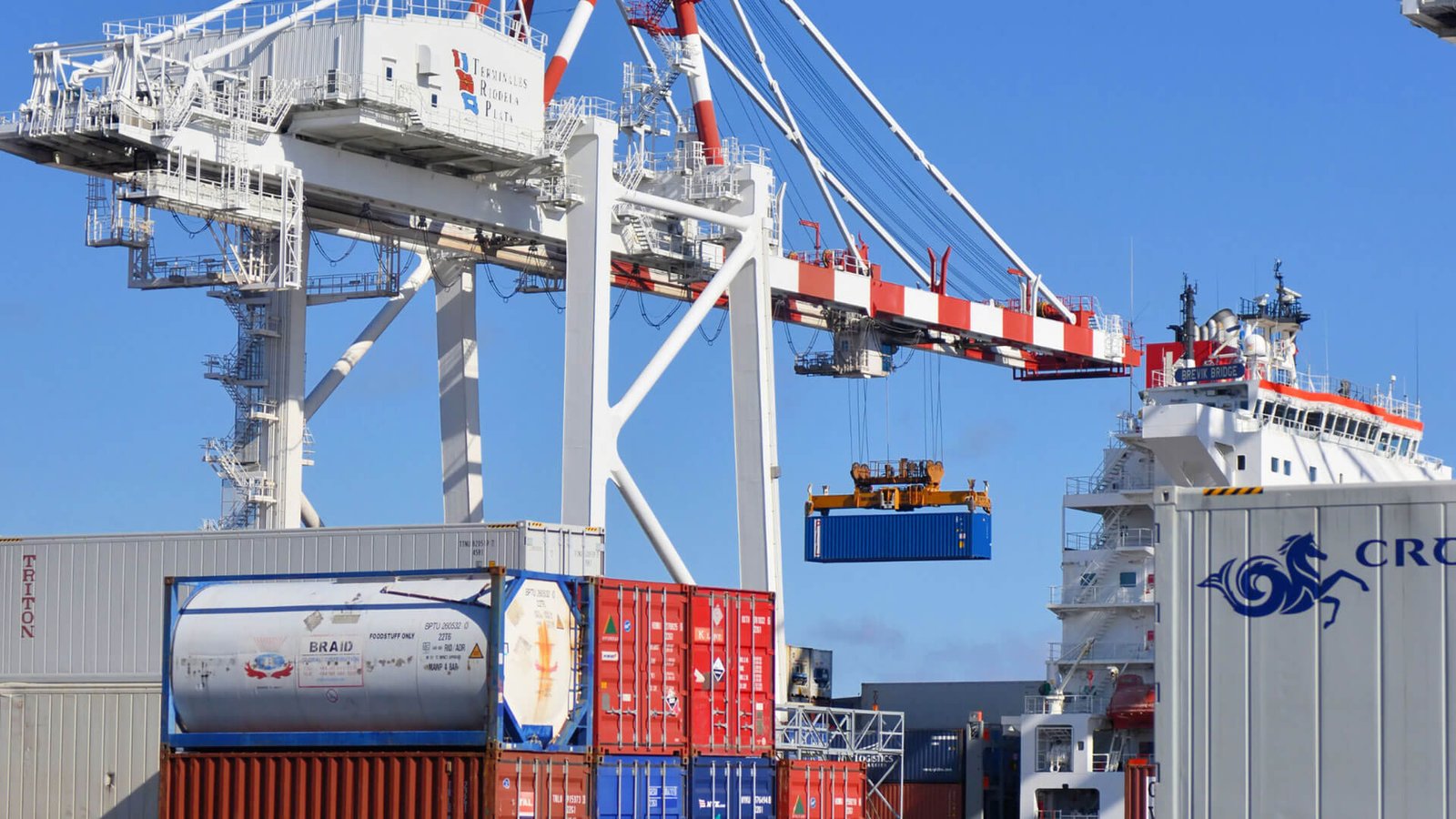
This guide breaks down the entire process. I've seen countless importers struggle with these steps over the years. My goal is to give you a clear roadmap. We will walk through each phase of the journey from a factory in China to your warehouse in the USA. This will help you gain control over your supply chain.
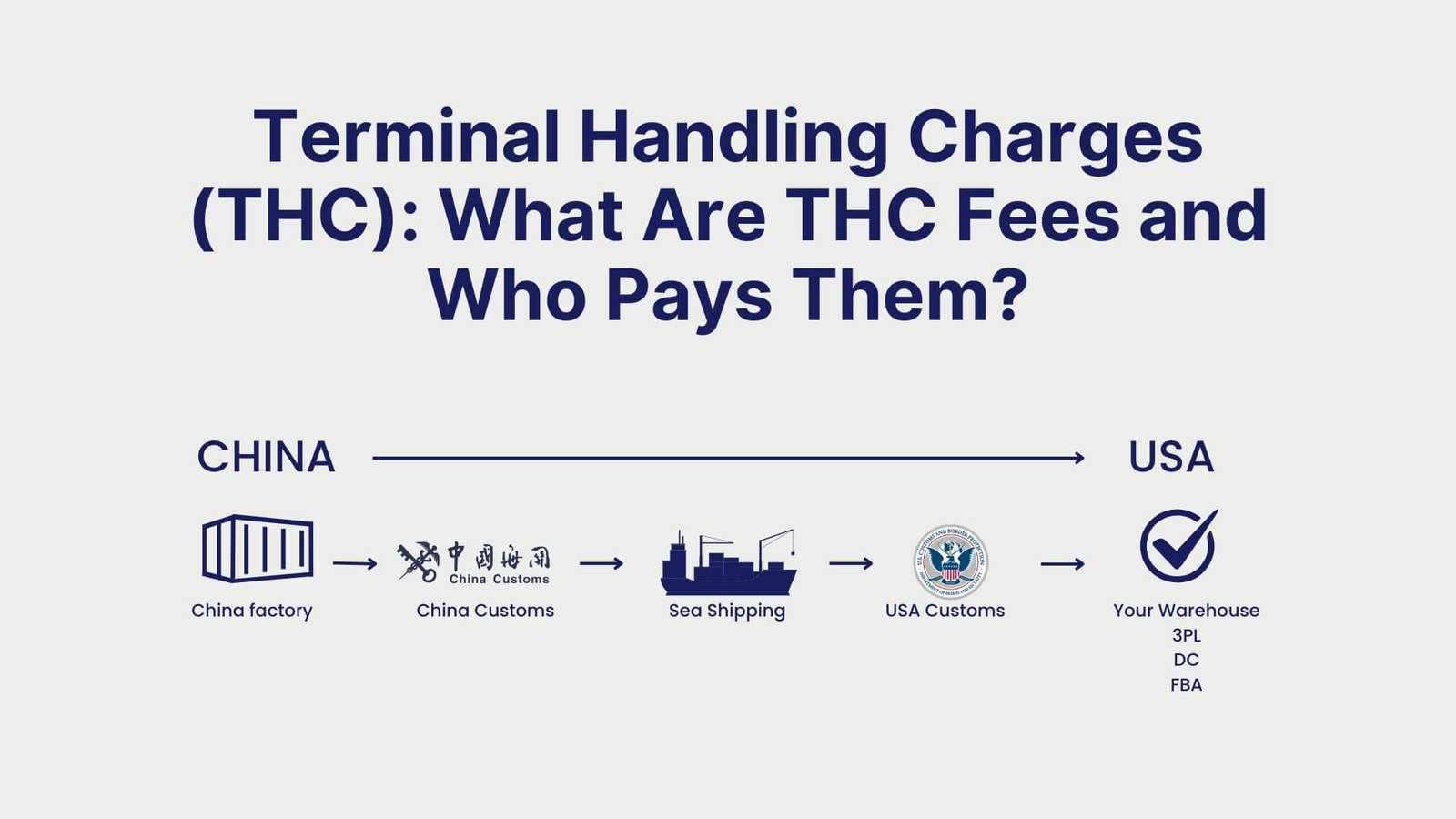
China → USA International Shipping Process (Step by Step)
Here is a simple outline of the process, which can be used to create a visual diagram.
-
Origin (Factory in China):
- Your goods are produced and packed.
- A commercial invoice5 and packing list are created.
-
Export Clearance (China):
- Goods are transported from the factory to the port or a consolidation warehouse.
- Export customs documents are filed.
- Cargo is loaded into a container.
-
Ocean Transit:
- The container is loaded onto a vessel.
- The ship sails from the Chinese port to the U.S. port.
- Importer Security Filing (ISF)6 must be submitted to U.S. Customs at least 24 hours before loading.
-
U.S. Port Arrival:
- The vessel arrives at the U.S. port.
- The container is unloaded from the ship.
-
Customs Clearance (USA):
- Your customs broker submits an entry declaration to U.S. Customs and Border Protection (CBP).
- Duties and taxes are paid.
- CBP releases the cargo or flags it for inspection.
-
Inland Delivery / Warehouse (USA):
1. Does International Shipping Begin with Contracts, Documents, and Incoterms8?
Your shipment's success is often decided before it even moves. Contracts and documents are the foundation. Get them wrong, and your cargo might never leave the factory floor.
Yes, the process starts with paperwork. The commercial invoice5, packing list, and Bill of Lading9 are critical. Your choice of Incoterms8 (like FOB or EXW) in the sales contract defines who pays for and manages each step, setting the stage for the entire shipment.
Dive Deeper: The Paperwork Foundation
What Happens
This initial stage is all about information. Your supplier prepares the Commercial Invoice (details what you bought and its value) and the Packing List (details how it's packed, including weights and dimensions). These documents must be accurate. At the same time, your sales contract uses Incoterms8 to define responsibilities. For example, with FOB (Free On Board)10, your supplier handles getting the cargo onto the ship in China. With EXW (Ex Works)11, you are responsible for everything from their factory door. This paperwork is then used by your freight forwarder4 to book the shipment and prepare the Bill of Lading9, which acts as the title to your goods. I always tell my clients that this is the blueprint for the entire shipment.
Common Importer Mistakes
The biggest mistake I see is importers ignoring the details. They treat the commercial invoice5 as just a receipt. But U.S. Customs uses it to determine duties. A vague or undervalued invoice is a red flag for an audit, leading to fines. Another common error is not understanding the chosen Incoterm. An importer might choose EXW to get a lower product price but then be surprised by the high costs of local Chinese transport and export fees, which are now their responsibility. They lose all the savings and add a lot of complexity.
Best Practice for U.S. Importers
Always demand a detailed and accurate commercial invoice5 from your supplier. It must have a clear description of goods, the correct value, country of origin, and HS codes if possible. Before you sign a sales contract, discuss Incoterms8. For new importers, FOB is often the safest bet. It makes the supplier responsible for the complex export process in China. You take control once the cargo is on the vessel. This creates a clear handover point and simplifies your part of the process.
2. Does Cargo Move Through Origin Handling and Main Transport?
Your goods are packed and the paperwork is ready. Now the physical journey begins. This phase is about moving your cargo from the factory to the destination port, which is the longest part of the process.
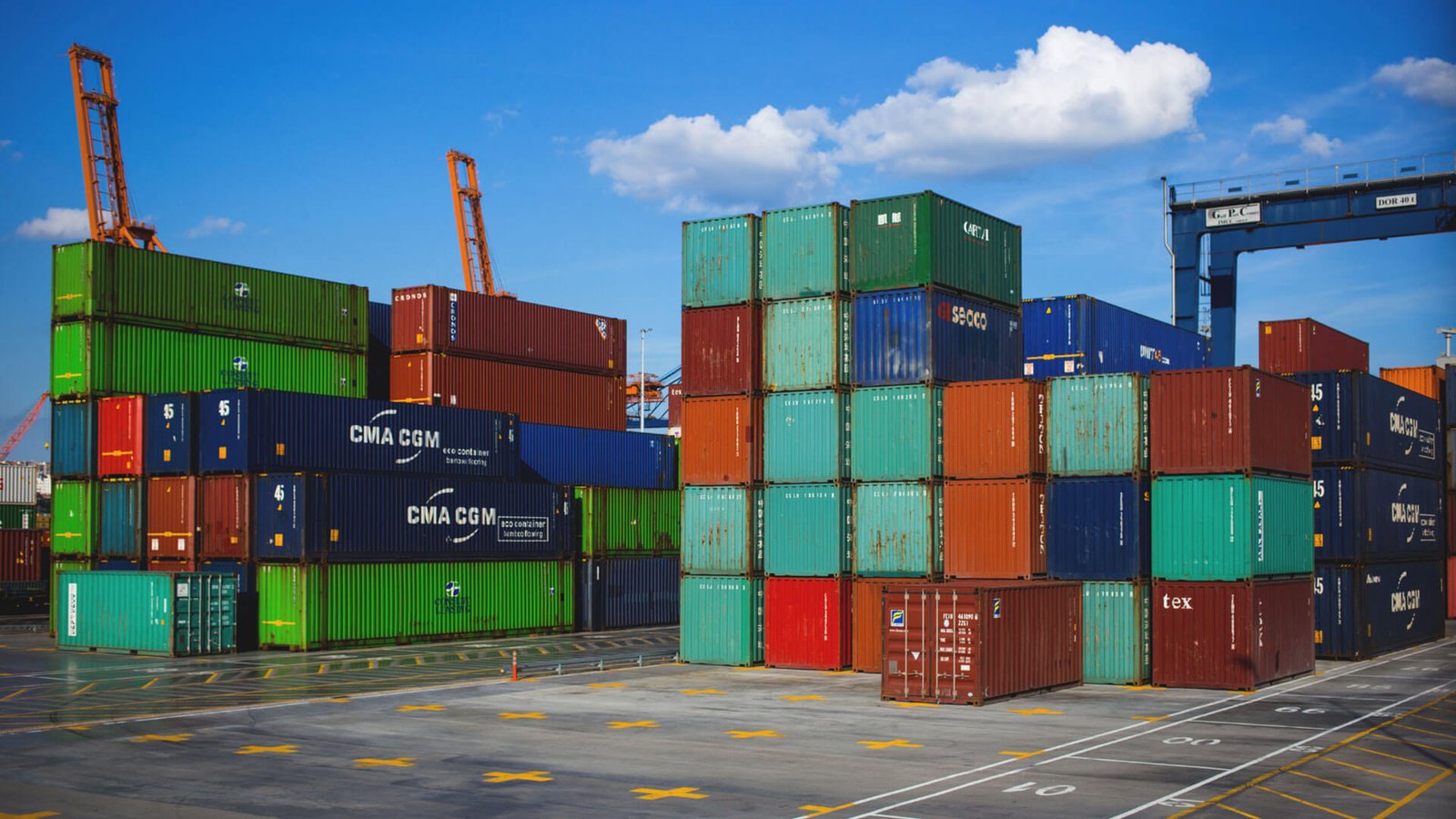
Yes, this stage covers the entire physical transit. It starts with getting your cargo from the factory to the port in China. Then it's loaded onto a ship for the main ocean journey. The specifics of this process depend heavily on whether you are shipping FCL, LCL, or DDP.
Dive Deeper: The Physical Journey
What Happens
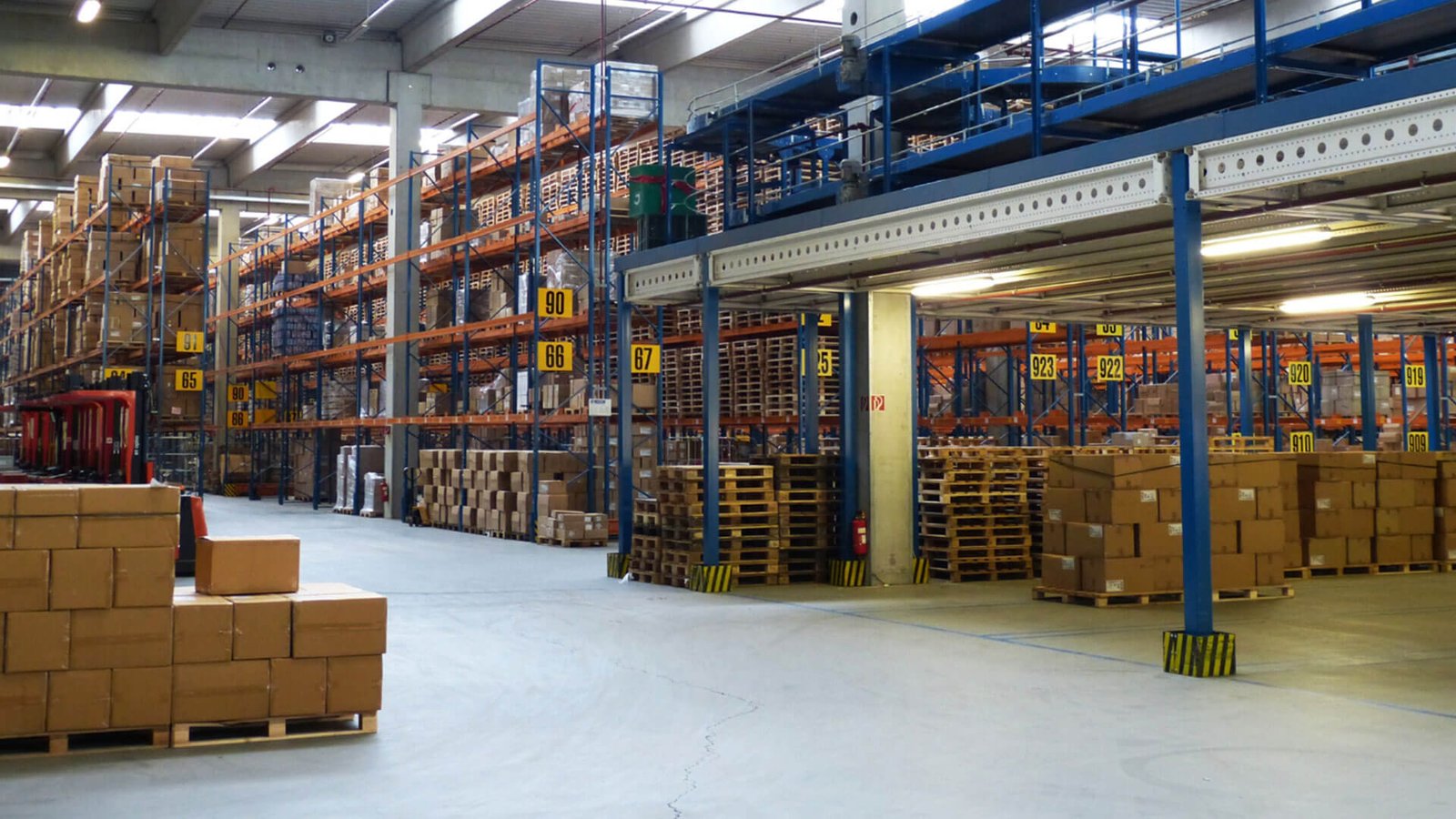
This phase covers all movement up to arrival at the U.S. port. How this works depends on your shipment type. I manage these three flows for my clients every day.
-
- An empty container is trucked to your supplier's factory.
- The supplier loads and seals the container.
- The full container is trucked to the port and loaded onto the vessel.
- Your responsibility typically begins at the Chinese port (FOB).
-
LCL (Less-than-Container Load)13:
- Your supplier delivers your smaller shipment to a consolidation warehouse (CFS - Container Freight Station).
- Your cargo is loaded into a container with goods from other importers.
- The shared container is trucked to the port and loaded onto the vessel.
- Risk transfers based on your Incoterm, but you're sharing space.
-
- Your DDP provider (who could be the supplier or a logistics company) manages everything.
- They handle pickup, export, ocean freight, customs clearance3, and duties.
- Your responsibility only begins when the goods arrive at your U.S. door.
Common Importer Mistakes
With FCL, importers often fail to account for the time needed to get a container to the factory and back, causing them to miss vessel cut-off dates. For LCL, the biggest mistake is poor packaging. Your cargo will be handled multiple times and stacked with other goods, so it needs to be durable. With DDP, the mistake is a lack of control. While it seems easy, you lose visibility into the process. If the DDP provider makes a mistake with customs, you, the importer of record, could still be liable.
Best Practice for U.S. Importers
For FCL, coordinate closely with your supplier and forwarder to create a realistic loading schedule. For LCL, invest in crating or strong palletizing to protect your goods. For all shipment types, ensure your ISF (Importer Security Filing) is filed on time. This must be done by a licensed broker 24 hours before the cargo is loaded onto the ship in China. A late ISF filing results in a $5,000 penalty, a costly and easily avoidable mistake.
3. Does Customs Clearance Determine Cost, Speed, and Risk?
Your container has crossed the ocean and arrived at a U.S. port. This is a critical moment. The next step, U.S. Customs clearance, can either be a smooth transition or a major bottleneck.
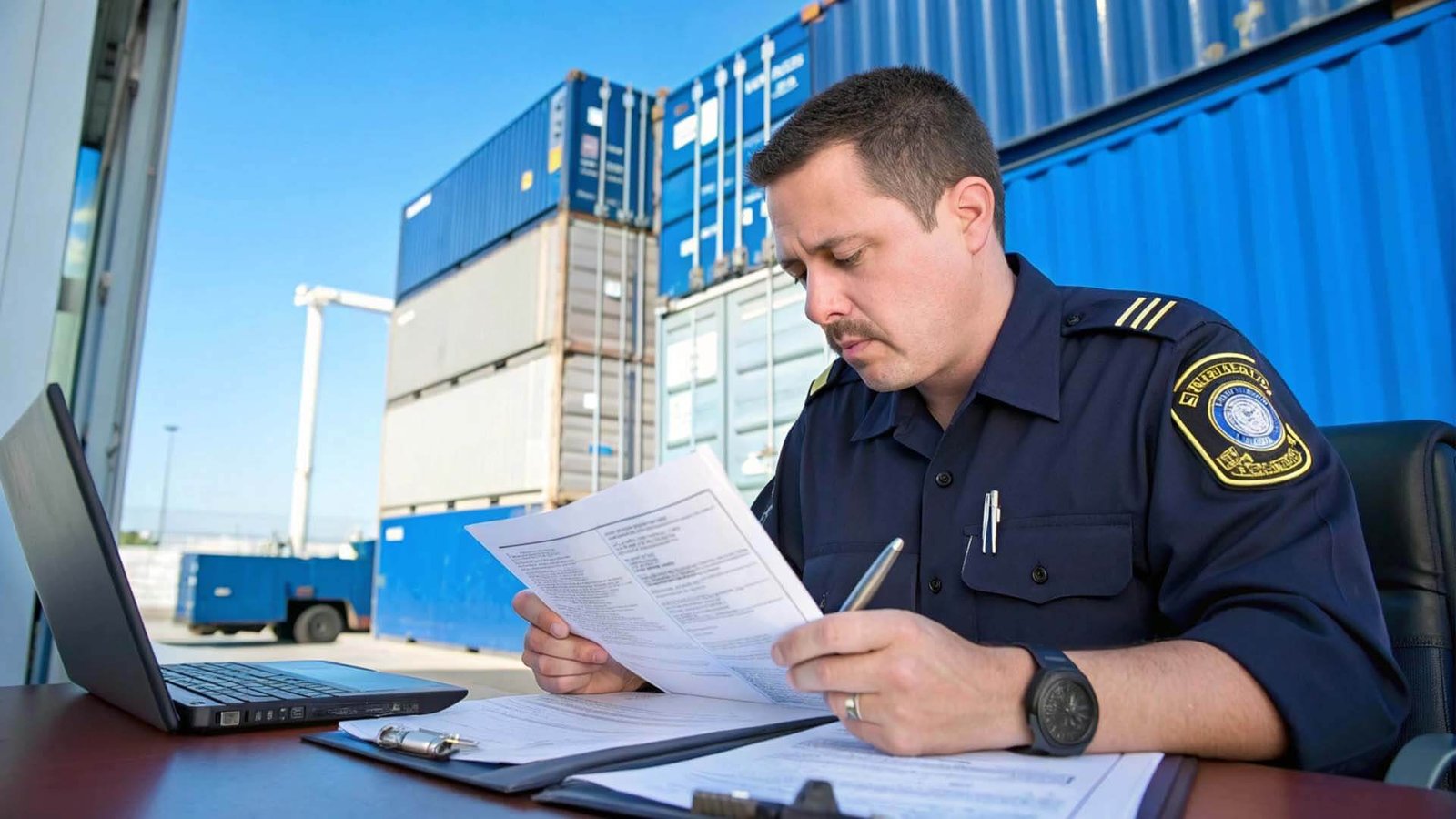
Absolutely. U.S. Customs clearance is the most critical control point. How your entry is filed determines the duties you pay. The accuracy of your documents affects the speed of release. Your compliance history and the nature of your goods determine the risk of a costly inspection.
Dive Deeper: Navigating U.S. Customs
What Happens
Before the ship even arrives, your U.S. Customs Broker15 should have your documents. They use the commercial invoice5, packing list, and Bill of Lading9 to prepare a customs entry. This involves classifying your products with the correct HS Code16, which determines the duty rate. They transmit this information to U.S. Customs and Border Protection (CBP). CBP's system reviews the entry and decides one of three things:
- Release: The cargo is free to go once duties are paid. This is the best-case scenario.
- Documentary Exam: CBP wants to see more paperwork.
- Physical Exam: CBP decides to inspect the cargo itself. This can range from an X-ray scan to a full destuffing of the container, causing major delays and high costs.
Common Importer Mistakes
The number one mistake is choosing the wrong customs broker. Many importers just use the broker recommended by the ocean carrier, who may not be specialized or proactive. Another huge error is misclassifying goods to get a lower duty rate. I've seen clients try this, and it almost always backfires. CBP's algorithms are smart. Getting caught leads to back-duties, penalties, and a permanent red flag on your importer account, meaning more inspections in the future. Finally, not having a Customs Bond in place ahead of time will stop your shipment cold.
Best Practice for U.S. Importers
Partner with a dedicated, licensed U.S. Customs Broker15. Don't just leave it to the carrier. A good broker acts as your guide. They will work with you to ensure your products are classified correctly before you ship. They will also help you secure a Continuous Customs Bond17, which is more cost-effective if you ship more than 2-3 times a year. A proactive broker is your best defense against customs delays and penalties. They are worth every penny.
4. Does Delivery Follow Port Release and Inland Transport?
Your cargo is officially cleared by U.S. Customs. You're almost there, but the job isn't done. A lot can still go wrong in the final leg of the journey from the port to your warehouse.
Yes, once customs releases your cargo, the final delivery phase begins. This involves retrieving the container from the port, a process called drayage7. Then, it's trucked to your final destination for unloading. This final mile is often more complex than importers expect.
Dive Deeper: The Final Mile
What Happens
After customs and the ocean carrier both grant release, a truck can be dispatched to the port. The trucking company needs a delivery order to get the container. This is called drayage7. The container is then trucked to your specified delivery location. At your facility, you have a limited time, usually 2 hours, to unload the cargo (this is called "live unload"). After unloading, the trucker must return the empty container to a specific location designated by the shipping line. If there are delays at any point, fees like demurrage18 (for keeping the container at the port too long) and per diem19 (for keeping the empty container too long) start to add up quickly.
Common Importer Mistakes
The most frequent mistake is not being prepared for delivery. I've had clients whose warehouses weren't ready or didn't have the right equipment to unload a container. This leads to the trucker waiting, which results in expensive detention fees. Another issue is a failure to understand port congestion. Importers see the ship has docked and assume they can get their container immediately. But it can take days for a container to be unloaded and made available for pickup, especially at busy ports like Los Angeles or Long Beach. This can burn through your "free time" and lead to demurrage18 charges.
Best Practice for U.S. Importers
Communication is key. You must have a clear delivery appointment and ensure your warehouse team is ready. If you don't have a loading dock, you need to arrange for a liftgate truck or other unloading solutions ahead of time. I advise my clients to work with a logistics partner who manages the drayage7 and has relationships with local trucking companies. They can often pre-pull containers from the port to a nearby yard to avoid demurrage18. This simple step can save you thousands of dollars in port fees.
5. Do Most Failures Come from Poor Cross-Process Coordination?
You've seen all the individual steps. But international shipping1 isn't a series of separate tasks. It's one single, connected process. The biggest failures happen in the gaps between the steps.
Yes, absolutely. The most expensive and frustrating failures happen when the different parts of the shipping process are not coordinated. When your freight forwarder4, customs broker, and trucking company don't communicate, your shipment falls through the cracks, causing delays and surprise fees.
Dive Deeper: The Power of a Single Process
What Happens
Here’s a classic example I see all the time. An importer hires a cheap freight forwarder4 in China. That forwarder books the ocean freight but doesn't share documents with the U.S. Customs Broker15 until the last minute. The broker scrambles to file the entry, but there's a problem with the commercial invoice5. While they try to get answers from China, the ship arrives. The container sits at the port, racking up demurrage18 fees. By the time the issue is fixed, the importer has a bill for thousands in fees that could have been avoided with a simple, early email. The freight, customs, and delivery were treated as three separate jobs, and no one was looking at the big picture.
Common Importer Mistakes
The core mistake is compartmentalizing the process. Importers hire one company for freight, another for customs, and a third for trucking, often based on who is cheapest for each individual task. They believe they are saving money. In reality, they are creating communication gaps. No single party has full visibility or responsibility for the entire journey. When a problem occurs, the different providers start pointing fingers at each other, and the importer is stuck in the middle with the bill.
Best Practice for U.S. Importers
View your shipment as one integrated process from the factory to your door. The best way to do this is to work with a single, trusted partner who can manage or at least oversee all three key areas: freight forwarding, customs clearance, and final delivery. When one company is responsible for the whole flow, they are incentivized to ensure smooth handoffs between each stage. They will get documents early, prepare customs entries in advance, and schedule trucks proactively. This unified approach eliminates the gaps where delays and costs hide.
Featured-Snippet FAQ
What are the steps for international shipping? The main steps are: 1) Export preparation at origin, 2) Main transport via ocean or air, 3) U.S. Customs clearance, and 4) Inland transport to the final destination.
How does international container shipping work? Goods are loaded into a container at the origin, trucked to a port, and loaded onto a vessel. After the ocean journey, the container is unloaded, cleared by customs, and trucked to the final delivery address.
What paperwork is needed for international shipping? The three essential documents are the Commercial Invoice (what you bought), the Packing List (how it's packed), and the Bill of Lading (the contract of carriage and title to the goods).
How does customs work for international shipping? Your customs broker submits your shipping documents to U.S. Customs (CBP). CBP reviews the entry to assess duties and taxes and determines if your cargo can be released or needs inspection.
What is LCL and CFS shipping? LCL (Less-than-Container Load) is for shipments too small to fill a whole container. Your goods are combined with others at a Container Freight Station (CFS) before being loaded into a shared container.
Do U.S. Customs inspect every shipment? No. U.S. Customs does not inspect every shipment. They use a risk-based targeting system to select specific shipments for physical or documentary examination.
Conclusion
International shipping works best when freight, customs, and delivery are planned as one process—not separate tasks. A unified strategy is the key to avoiding delays and controlling costs.
Understanding international shipping is crucial for businesses to avoid costly mistakes and ensure smooth transit of goods. ↩
Learn about the initial steps in shipping, including necessary documents and coordination, to prevent delays and extra costs. ↩
Customs clearance is a critical step that can affect the cost and speed of your shipment. Understanding it can prevent costly delays. ↩
Freight forwarders are key to coordinating shipments. Knowing their role can help streamline your shipping process. ↩
A detailed commercial invoice is essential for customs and can prevent audits and fines. Learn how to prepare one correctly. ↩
ISF is a mandatory filing for U.S. imports. Knowing its requirements can prevent costly penalties. ↩
Drayage is the transport of goods over short distances. Understanding it can help avoid unexpected fees and delays. ↩
Incoterms define responsibilities in shipping contracts. Understanding them can prevent unexpected costs and responsibilities. ↩
The Bill of Lading is a crucial document that acts as a title to goods. Learn its importance in the shipping process. ↩
FOB is a common Incoterm that affects cost and responsibility. Knowing its implications can help in contract negotiations. ↩
EXW places more responsibility on the buyer. Understanding this term can help avoid unexpected costs in local transport. ↩
FCL is a shipping method that can affect cost and logistics. Understanding it can optimize your shipping strategy. ↩
LCL is a cost-effective shipping method for smaller loads. Learn how it works to make informed shipping decisions. ↩
DDP simplifies shipping by including duties, but it can reduce control. Understanding it helps in choosing the right shipping method. ↩
A customs broker ensures compliance with U.S. regulations. Partnering with a good one can prevent delays and penalties. ↩
HS Codes determine duty rates and compliance. Understanding them is crucial for accurate customs declarations. ↩
A Continuous Customs Bond is cost-effective for frequent shippers. Learn how it can streamline your import process. ↩
Demurrage fees can add up quickly if containers are delayed. Learn how to avoid these costs with proper planning. ↩
Per diem charges can increase shipping costs if containers are not returned on time. Understanding them can help manage expenses. ↩