Importing goods from overseas factories to U.S. warehouses involves complex coordination between freight movement1, customs compliance2, and delivery logistics3 that most businesses underestimate.
International shipping for commercial imports requires coordinating ocean freight4, export compliance5, U.S. customs clearance6, port operations7, and final delivery8 under unified control to prevent costly delays and compliance failures.
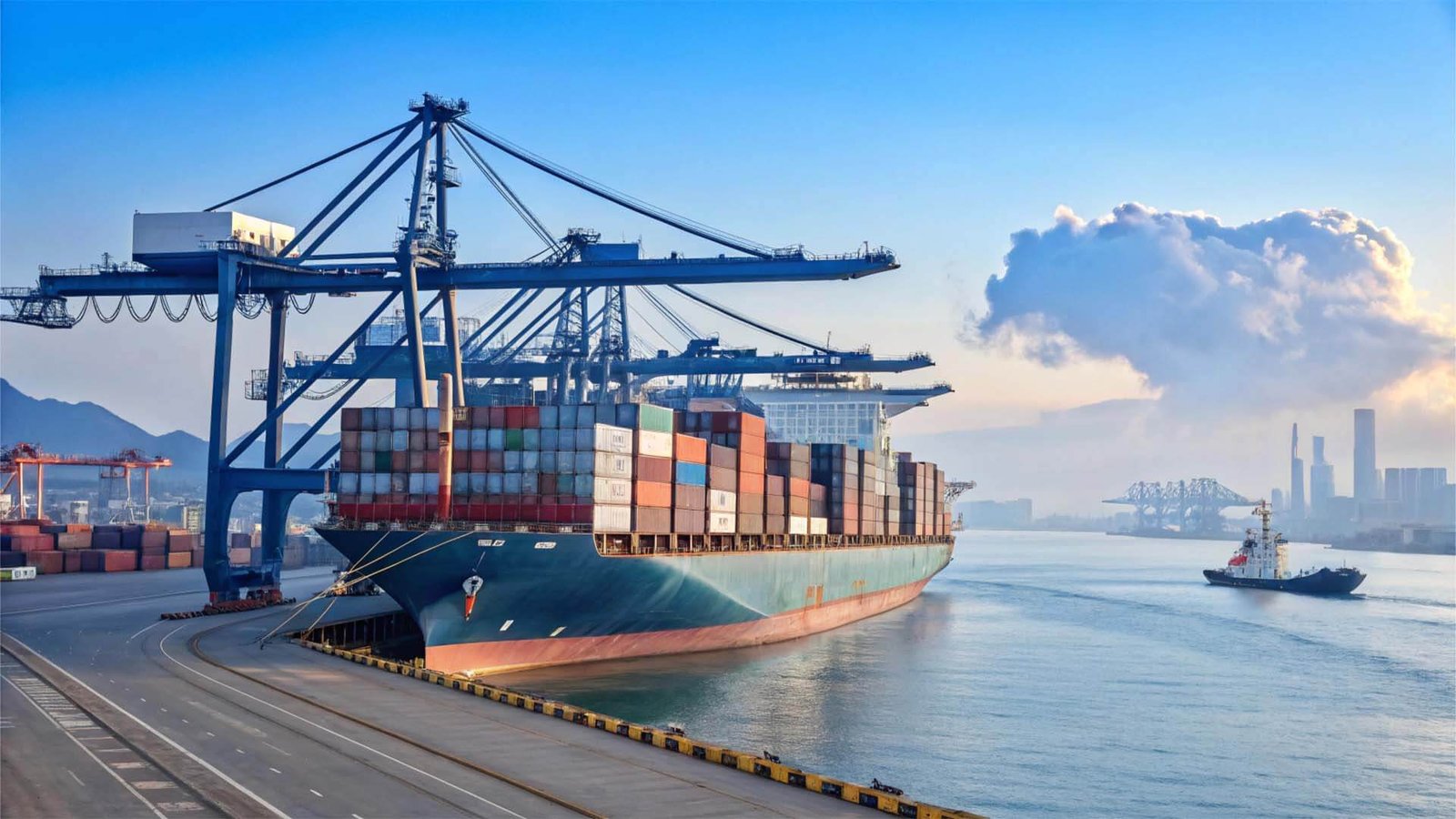
After managing thousands of full-container shipments from China to the United States, I have seen how fragmented logistics create unnecessary risks for U.S. importers. Most shipping problems occur not during ocean transit, but at handoff points between different service providers.
International Shipping Explained for U.S. Importers: What Actually Happens From Overseas Factory to U.S. Warehouse?
International shipping combines freight transportation, export compliance5, customs clearance, and delivery coordination into one continuous supply chain process.
International shipping involves moving commercial cargo from overseas factories through export procedures, ocean freight4, U.S. customs clearance6, port release, and final delivery8 under coordinated logistics management to ensure compliance and control costs.
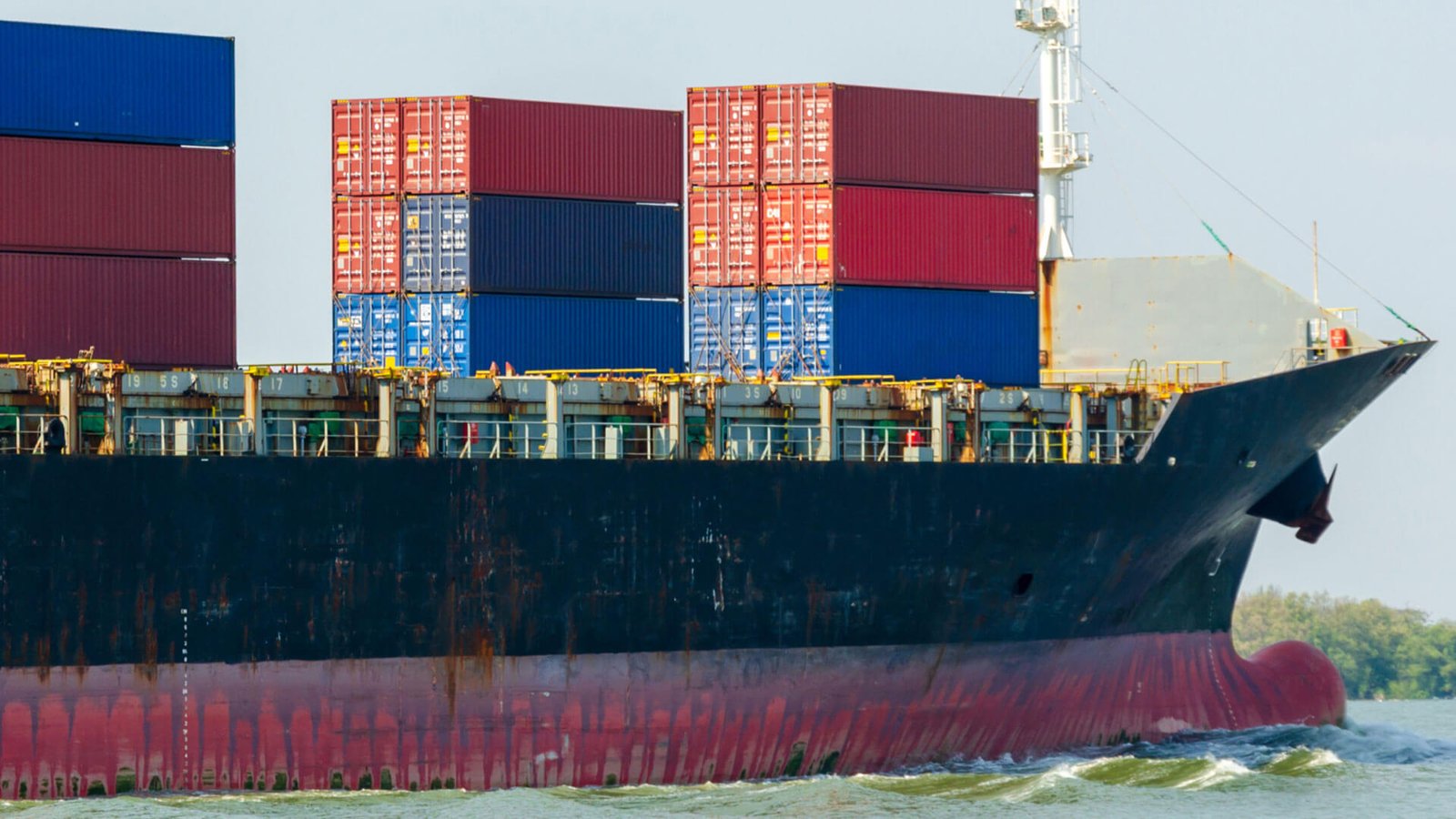
The journey from a Chinese factory to your U.S. warehouse involves six distinct operational phases. Each phase requires specific expertise and creates potential failure points if not properly managed.
Most U.S. importers think international shipping means booking ocean freight4 and handling customs separately. This fragmented approach creates gaps in responsibility where problems multiply. When your freight forwarder, customs broker, and delivery company operate independently, coordination failures become inevitable.
Under DDP (Delivered Duty Paid)9 terms, one logistics provider controls the entire journey. This eliminates handoff risks and provides single-point accountability from factory pickup through warehouse delivery.
I have managed shipments where customs delays occurred because the freight forwarder provided incomplete commercial invoices10 to the customs broker. Under fragmented logistics, determining responsibility becomes a costly dispute. Under integrated DDP management, the same team handles both freight documentation and customs compliance2.
The key phases include factory coordination and export readiness, ocean freight4 booking and vessel transit, U.S. customs clearance6 and compliance, port operations7 and container release, drayage coordination11, and final warehouse delivery. Each phase depends on accurate information and timing from previous phases.
Commercial importers shipping full containers need end-to-end visibility and control. Consumer parcel services cannot provide the compliance oversight and coordination required for high-value inventory shipments.
Step1: Preparing a Full Container Shipment for International Shipping (Contracts, Incoterms, and Export Readiness)?
Successful international shipping begins with proper contracts, Incoterms selection, and complete export documentation12 before any container moves from the factory.
Container shipment preparation requires commercial purchase agreements with proper Incoterms, complete export documentation12, accurate cargo information, and coordinated factory pickup to ensure smooth customs clearance and delivery.
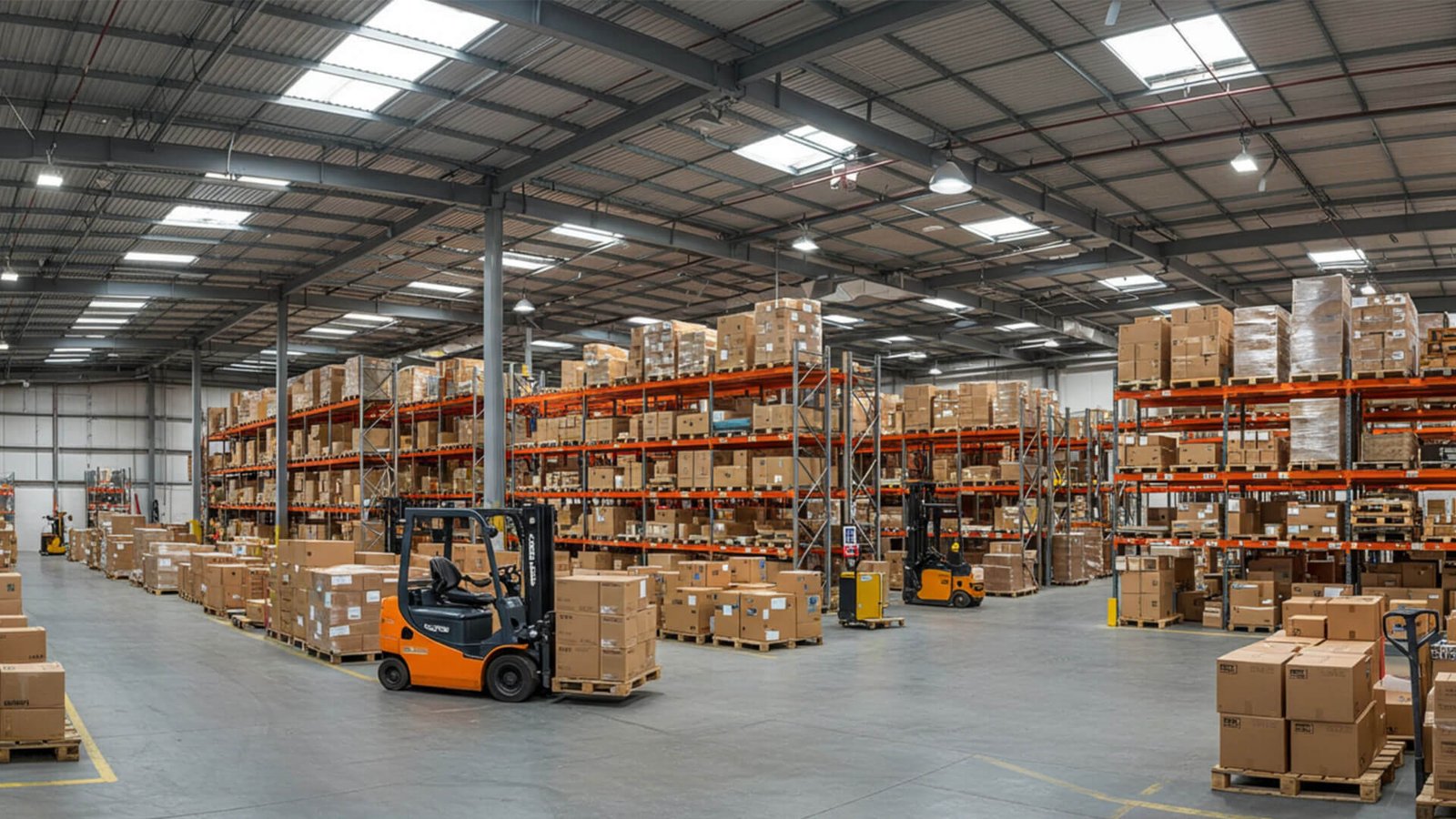
Your commercial purchase agreement with the Chinese supplier determines who controls shipping, insurance, and customs clearance. Incoterms define these responsibilities clearly.
Under FOB (Free on Board) terms, you arrange and pay for ocean freight4, insurance, and U.S. customs clearance6 separately. This creates multiple vendor relationships and coordination challenges. Under DDP terms, your logistics provider handles all transportation, insurance, and customs duties under one agreement.
I recommend DDP for most full-container imports because it eliminates the coordination gaps that cause delays. When your supplier ships FOB, you must coordinate between Chinese export procedures, ocean carriers, U.S. customs brokers, and delivery companies independently.
Export documentation requirements include commercial invoices10 with accurate product descriptions, packing lists showing container contents and weights, export licenses if required by Chinese authorities, and bills of lading establishing legal cargo ownership.
The commercial invoice must contain precise product descriptions, HTS codes13, unit values, and country of origin information. U.S. customs will use this document to calculate duties and verify compliance. Inaccurate invoices create customs delays that cost more than freight charges.
Container loading requires proper weight distribution, cargo securing, and seal placement. Overweight containers get rejected at ports. Improperly secured cargo shifts during ocean transit and causes damage. Missing or damaged container seals trigger customs security holds.
Factory pickup coordination involves confirming container availability, scheduling loading appointments, and verifying export documentation12 completeness before the container leaves the factory premises. Once the container departs, correcting documentation errors becomes expensive and time-consuming.
Common preparation mistakes include incomplete product descriptions on commercial invoices10, missing or incorrect HTS classification codes, improper container weight distribution, and inadequate communication between suppliers and logistics providers.
Step2: Understand how Ocean Freight Works for Full Containers, Including Carrier Booking, Sailing, and Transit Control?
Ocean freight moves full containers between international ports using scheduled vessel services with predictable transit times and comprehensive tracking capabilities.
FCL ocean freight4 involves carrier booking, container loading14 at origin port, vessel sailing on scheduled routes, ocean transit monitoring, and arrival coordination at destination ports with 15-25 day transit times from China to U.S. West Coast.

Carrier selection affects service reliability, transit times, and total costs beyond the freight rate. Major carriers like COSCO, MSC, and Maersk operate regular services between Chinese and U.S. ports with different scheduling frequencies and port coverage.
Container booking requires confirming vessel space, equipment type, and sailing schedule. Standard dry containers measure 20 feet or 40 feet in length. High-cube containers provide additional height for lightweight, bulky cargo. Refrigerated containers serve temperature-sensitive products.
Vessel departure from Chinese ports like Shanghai, Ningbo, or Shenzhen follows published sailing schedules. Delays occur due to port congestion, weather conditions, or equipment shortages. Experienced logistics providers monitor these factors and adjust booking timing accordingly.
Ocean transit times vary by route and destination port. China to U.S. West Coast ports typically requires 15-18 days. China to U.S. East Coast ports via Panama Canal requires 22-25 days. Direct services offer faster transit than routes with transshipment stops.
During ocean transit, container tracking provides vessel position, estimated arrival times, and potential delays. Modern carriers offer real-time tracking through online portals and automated notifications.
I monitor vessel schedules and port conditions continuously to identify potential delays before they affect delivery commitments. When typhoons delay vessel departures or port strikes create congestion, early notification allows warehouse scheduling adjustments.
Transit control involves coordinating with destination port operations7, customs pre-clearance procedures, and delivery scheduling15. The goal is seamless container flow from vessel arrival through final delivery8 without storage delays or demurrage charges16.
Weather delays, port congestion, and equipment shortages create schedule variations. Reliable logistics providers maintain buffer time in delivery commitments and communicate changes proactively to prevent downstream disruptions.
Step3: How U.S. Customs Clearance Works in International Shipping and Where Importers Face the Highest Risk?
U.S. customs clearance6 represents the highest-risk phase of international shipping where documentation errors, classification mistakes, and compliance failures create costly delays and penalties.
U.S. customs clearance6 requires ISF filing, accurate HTS classification, duty calculation, Importer of Record compliance, and potential physical examination before containers receive port release authorization.
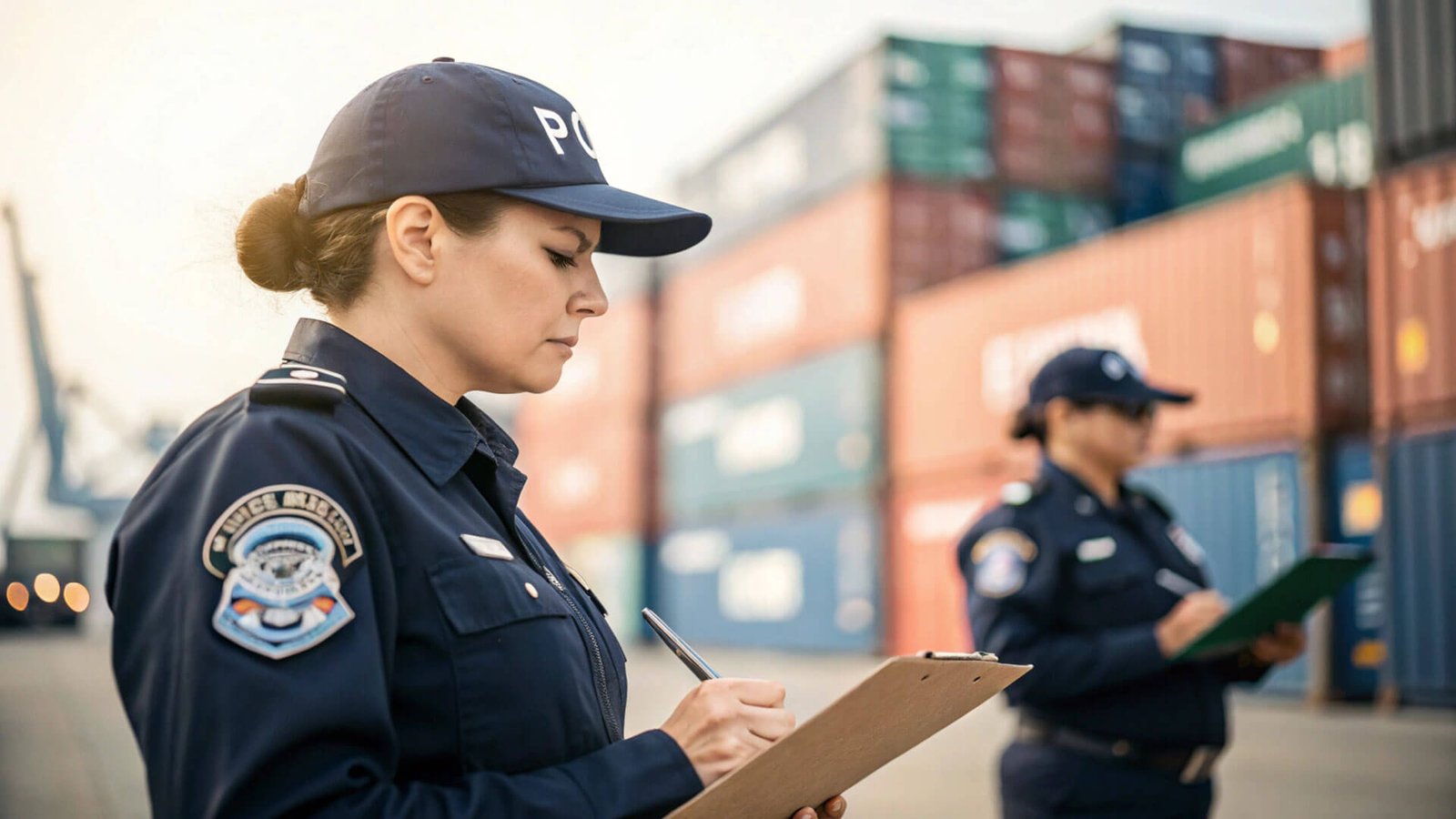
The Importer Security Filing (ISF)17 must be submitted 24 hours before vessel departure from the foreign port. ISF contains cargo details, supplier information, and consignee data that U.S. Customs uses for security screening. Late or inaccurate ISF filings result in penalties and container holds.
HTS (Harmonized Tariff Schedule) classification determines duty rates and regulatory requirements for imported products. Incorrect classification leads to duty adjustments, compliance violations, and potential penalties. Classification requires detailed product knowledge and regulatory expertise.
Under DDP terms, your logistics provider serves as Importer of Record and assumes legal responsibility for customs compliance2, duty payments, and regulatory adherence. This eliminates your direct customs liability while ensuring professional compliance management.
Customs examinations occur on approximately 3-5% of commercial shipments. Physical examinations require container unpacking, cargo inspection, and repacking before release. Examination costs include customs fees, warehouse charges, and potential delays of 3-7 days.
I have managed shipments where incorrect HTS codes13 resulted in 25% duty rates instead of the expected 7.5% rates. The additional duty costs exceeded the ocean freight4 charges. Proper classification requires understanding product composition, intended use, and regulatory definitions.
Customs holds occur due to missing documentation, regulatory compliance questions, or security concerns. Common hold reasons include incomplete commercial invoices10, FDA registration issues for food products, and FCC compliance for electronic items.
Anti-dumping and countervailing duties apply to specific products from certain countries. These additional duties can exceed 100% of product value. Experienced customs brokers identify potential AD/CVD exposure during import planning.
Duty payment timing affects cash flow and delivery schedules. Under DDP terms, duties are included in your logistics costs and paid by your provider. Under FOB terms, you must arrange duty payment directly or through your customs broker.
The Automated Commercial Environment (ACE) system processes customs entries electronically. System outages, connectivity issues, or data errors create processing delays. Backup procedures and manual processing capabilities prevent extended delays.
Step4: Port Release, Drayage, and Final Delivery in International Full-Container Shipping?
After customs clearance, containers require port release authorization, drayage transportation from port to destination, and coordinated delivery scheduling15 to complete international shipping.
Port operations involve terminal container release, drayage truck coordination, chassis equipment, demurrage management, and final delivery8y scheduling](https://www.dispatchtrack.com/blog/scheduled-delivery)%%%FOOTNOTE_REF_15%%% to move cleared containers from port terminals to importer warehouses efficiently.
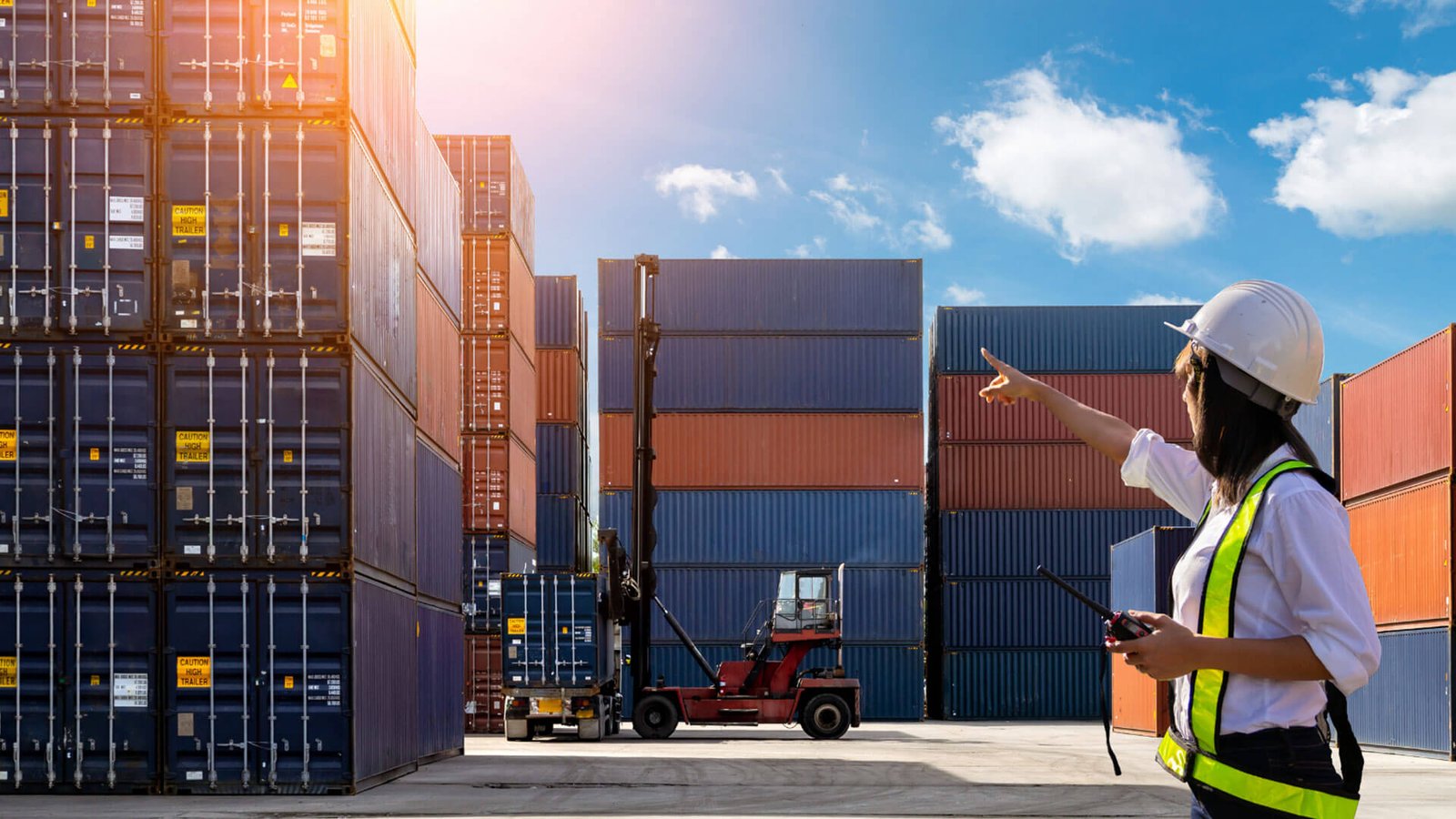
Terminal operations begin when the vessel arrives and containers are discharged to the port storage yard. Container release requires customs clearance confirmation, freight payment verification, and proper delivery authorization documentation.
Drayage involves short-distance trucking from port terminals to final destinations using specialized chassis equipment designed for container transportation. Chassis availability affects pickup scheduling and delivery timing, especially during peak shipping periods.
Demurrage charges apply when containers remain at port terminals beyond free time allowances. Standard free time ranges from 3-5 days depending on the port and terminal operator. Demurrage rates typically range from $100-300 per container per day.
I coordinate drayage scheduling to minimize port storage time while accommodating warehouse receiving capabilities. When importers cannot receive containers immediately, we arrange temporary storage at off-port facilities to avoid demurrage charges16.
Detention charges apply when chassis equipment is held beyond allowed time limits during delivery and return. Proper delivery coordination includes confirming warehouse availability, unloading capabilities, and return scheduling.
Final delivery requires coordinating container arrival with warehouse operations, unloading equipment, and return transportation. Standard delivery appointments provide 2-4 hour windows for container positioning and unloading.
Container unloading methods include live unloading where trucks wait during container unpacking, or drop-and-pick service where containers are positioned for later unloading and pickup. Live unloading requires adequate warehouse labor and space.
Delivery documentation includes bills of lading, customs release papers, and delivery receipts that confirm cargo transfer and complete the international shipping process. Proper documentation protects against cargo claims and liability disputes.
Weekend and holiday delivery requires special arrangements and premium charges. Most warehouse operations follow business day schedules, but urgent deliveries can be accommodated with advance coordination.
Return logistics involve empty container return to designated depot locations within specified time limits. Delayed returns incur additional detention charges that can exceed delivery costs for extended periods.
The Biggest International Shipping Mistakes U.S. Importers Make With FCL Cargo—and How to Avoid Costly Delays?
Most international shipping problems result from preventable mistakes in documentation, vendor coordination18, and logistics planning rather than uncontrollable external factors.
Common FCL shipping mistakes include choosing FOB instead of DDP terms, separating freight and customs responsibilities, providing inaccurate documentation, and poor coordination between multiple logistics providers that create delays and additional costs.
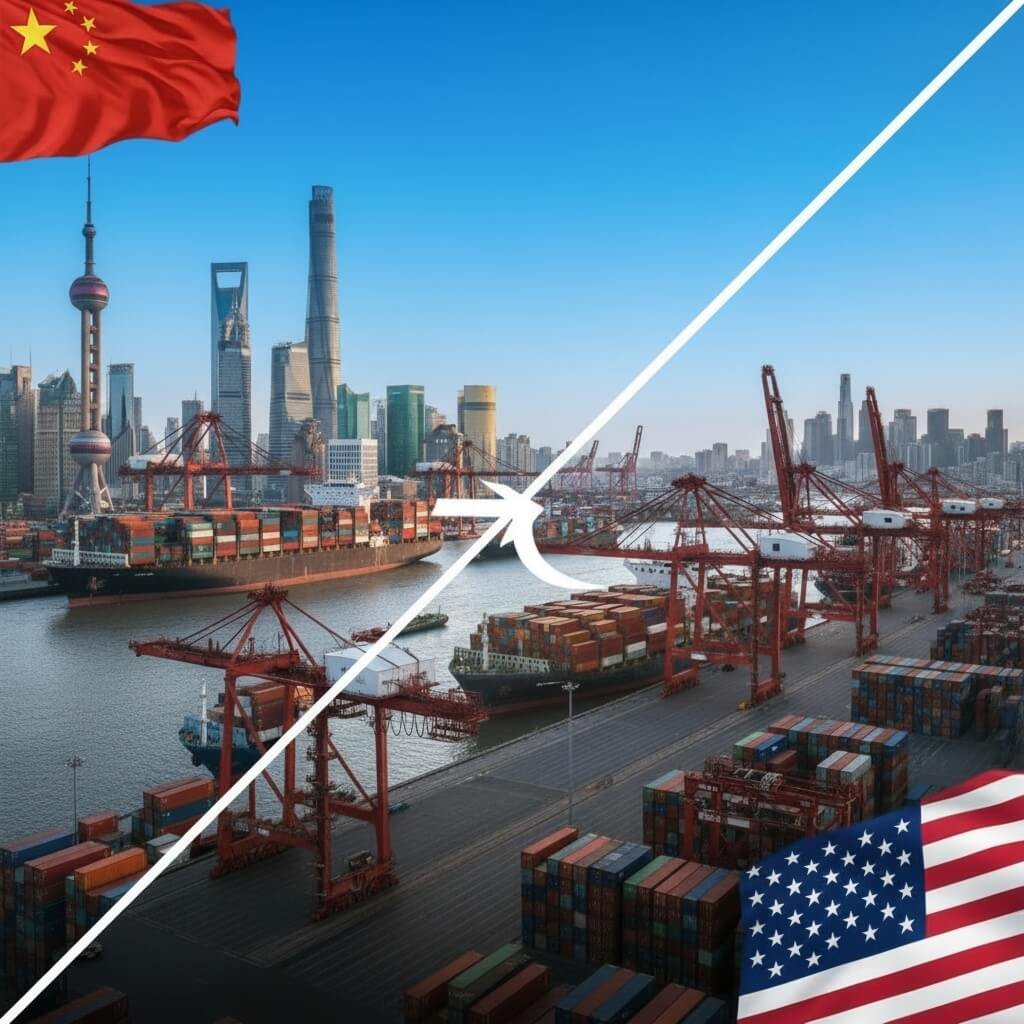
Incoterms selection affects control, costs, and risk allocation throughout the shipping process. Many importers choose FOB terms to control freight costs but create coordination challenges between Chinese export procedures, ocean carriers, U.S. customs brokers, and delivery companies.
Under FOB terms, you coordinate four separate relationships: Chinese export agents, ocean freight providers, U.S. customs brokers, and drayage companies. Each handoff creates potential delays and responsibility gaps. Under DDP terms, one provider manages all phases with single-point accountability.
Documentation accuracy affects customs clearance speed and compliance costs. Commercial invoices with vague product descriptions like "electronic parts" or "plastic items" create customs delays and examination risks. Detailed descriptions with proper HTS codes ensure smooth clearance.
I have seen shipments delayed 10 days because commercial invoices listed "machinery parts" instead of specific component descriptions. Customs required detailed product specifications and supplier certifications before releasing the container. Proper documentation prevents these delays.
Vendor coordination mistakes include inadequate communication between suppliers and logistics providers, missing export documentation deadlines, and poor container loading supervision that causes cargo damage or customs holds.
Timing coordination affects warehouse operations, inventory availability, and customer commitments. Importers who schedule deliveries without considering customs clearance variables create unrealistic expectations and operational stress.
Cost optimization mistakes include focusing on freight rates while ignoring total landed costs, choosing logistics providers based on price alone without considering service reliability, and failing to account for demurrage, detention, and delay costs in budget planning.
Risk management requires understanding compliance requirements, maintaining proper insurance coverage, and working with experienced logistics providers who understand both operational and regulatory challenges.
The most expensive mistakes involve customs compliance failures that result in penalties, duty adjustments, and cargo holds. These costs often exceed transportation charges and create long-term compliance monitoring by customs authorities.
Prevention strategies include selecting DDP terms for simplified coordination, working with integrated logistics providers who handle all shipping phases, maintaining accurate documentation standards, and establishing clear communication protocols with all parties involved in the shipping process.
Conclusion
International shipping success depends on coordinated management of freight, customs, and delivery operations rather than treating each phase separately, making DDP terms the most reliable approach for full-container imports.
Understanding freight movement is crucial for efficient logistics and avoiding costly delays. ↩
Explore best practices for customs compliance to prevent penalties and delays in your shipments. ↩
Learn about delivery logistics to streamline your shipping process and enhance efficiency. ↩
Gain insights into ocean freight to optimize your shipping strategy and reduce costs. ↩
Understanding export compliance is essential to avoid legal issues and ensure smooth shipping. ↩
Explore the customs clearance process to ensure your shipments pass through smoothly. ↩
Learn about port operations to better manage your shipping logistics and avoid delays. ↩
Effective final delivery coordination is vital for timely receipt of goods and customer satisfaction. ↩
Discover how DDP can simplify your shipping process and reduce risks. ↩
Understanding commercial invoices is key to ensuring compliance and avoiding customs delays. ↩
Explore drayage coordination to optimize the movement of containers from ports to warehouses. ↩
Understanding export documentation is crucial for smooth international shipping. ↩
Learn about HTS codes to ensure accurate duty calculations and compliance. ↩
Proper container loading is essential to prevent damage and ensure safe transport. ↩
Effective delivery scheduling is key to maintaining supply chain efficiency and customer satisfaction. ↩
Understanding demurrage charges can help you save money and improve shipping efficiency. ↩
Learn about ISF to ensure compliance and avoid penalties during customs clearance. ↩
Improving vendor coordination can significantly enhance your shipping process and reduce risks. ↩