Are you confused by what's included in an international freight quote1? Hidden fees and unexpected delays can destroy your budget. The right provider offers a complete solution, not just a ride across the ocean.
An international freight provider offers a full range of services to move your goods from an overseas factory to your U.S. warehouse. This includes origin pickup2, ocean shipping, U.S. customs clearance3, duty payment4, and final-mile delivery5, all while managing risk6 and complex paperwork7 for you.
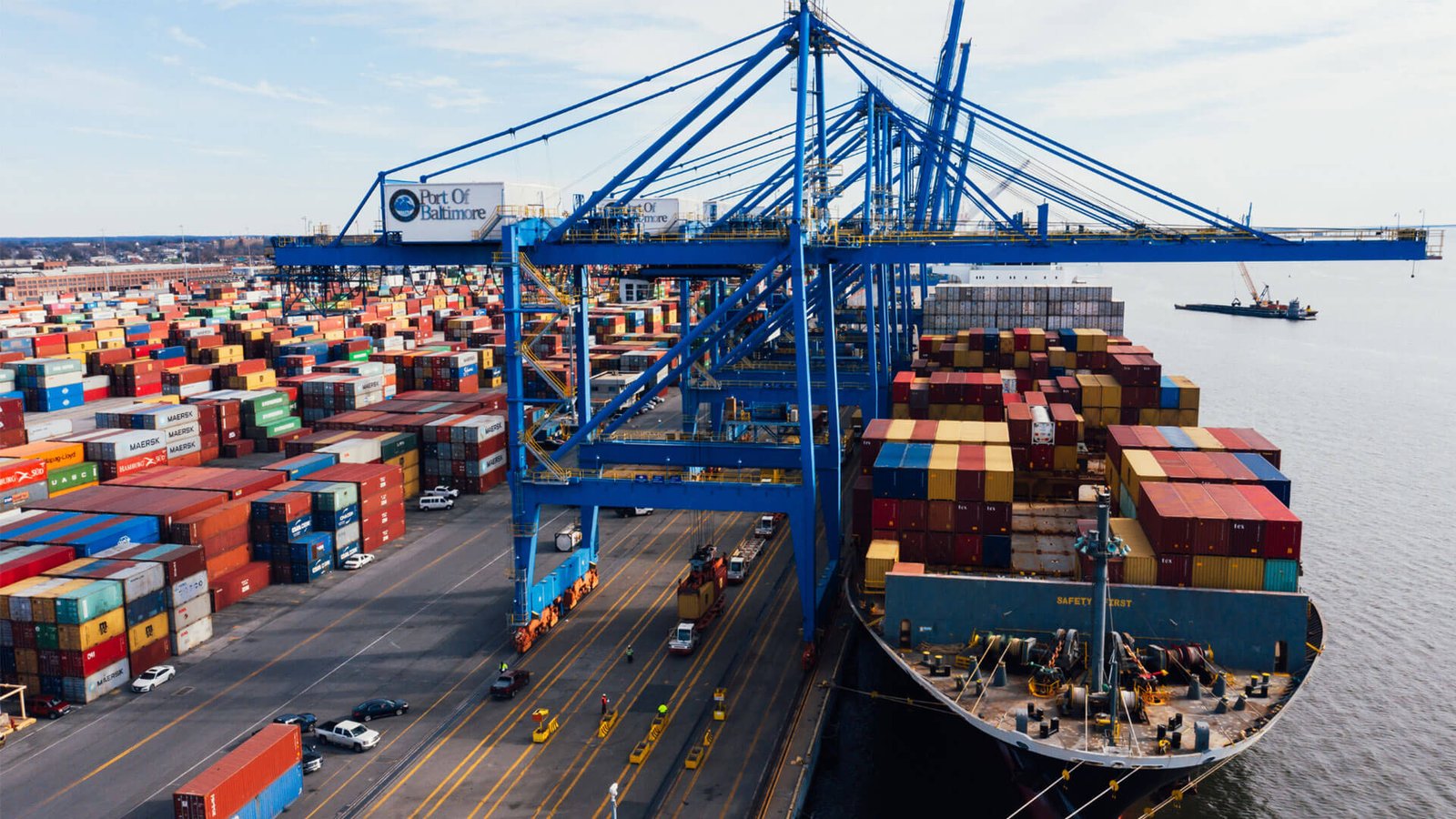
Choosing a freight partner is one of the most important decisions you'll make as an importer. The services they offer (or don't offer) directly impact your costs, your delivery timelines, and your peace of mind. Let's break down what you should expect from a true service provider, so you can see why it's about so much more than just moving a container.
Do International Freight Providers Manage More Than Transport—Do They Manage Risk?
Worried your shipment will get stuck at customs? A simple paperwork error can lead to huge delays and fines. A great freight partner actively manages these risks for you.
Yes, a provider's most critical role is managing risk6. They navigate complex trade regulations, ensure documentation is perfect, and handle customs interactions. This proactive management prevents costly delays, government penalties, and surprise fees, protecting your entire supply chain.

As an importer, your biggest fear shouldn't be a storm at sea; it should be a hold at the port. I've seen it happen too many times.
- Importer Concern: "What if my goods get stuck in customs and I start getting charged storage fees?"
- What Typically Goes Wrong: A basic forwarder files the Importer Security Filing (ISF)8 incorrectly or the Bill of Lading9 has a minor error. U.S. Customs and Border Protection (CBP) flags the container for an exam. Now, you're facing exam fees, port storage (demurrage) fees, and a delayed delivery. The forwarder blames the factory, the factory blames the forwarder, and you're stuck with the bill.
- Service Capability That Solves It: A true freight provider sees risk management as their core job. We don't just pass along documents; we audit them. We confirm every detail before the container is even loaded in China. Because we often act as both the forwarder and the customs broker, we take full ownership. The responsibility stops with us. This integrated approach is the only real way to manage and reduce your risk.
Do Core International Freight Services Span Pickup, Shipping, Clearance, and Delivery?
Juggling multiple vendors for one shipment is a headache. Trying to coordinate a factory, a trucker, a shipping line, and a customs broker is complex and inefficient. A single provider should handle it all.
Absolutely. A complete international freight service covers the entire journey end-to-end. It starts with picking up goods from your supplier in China, managing the ocean voyage, handling all U.S. customs clearance3, and ends with trucking the goods to your final destination.
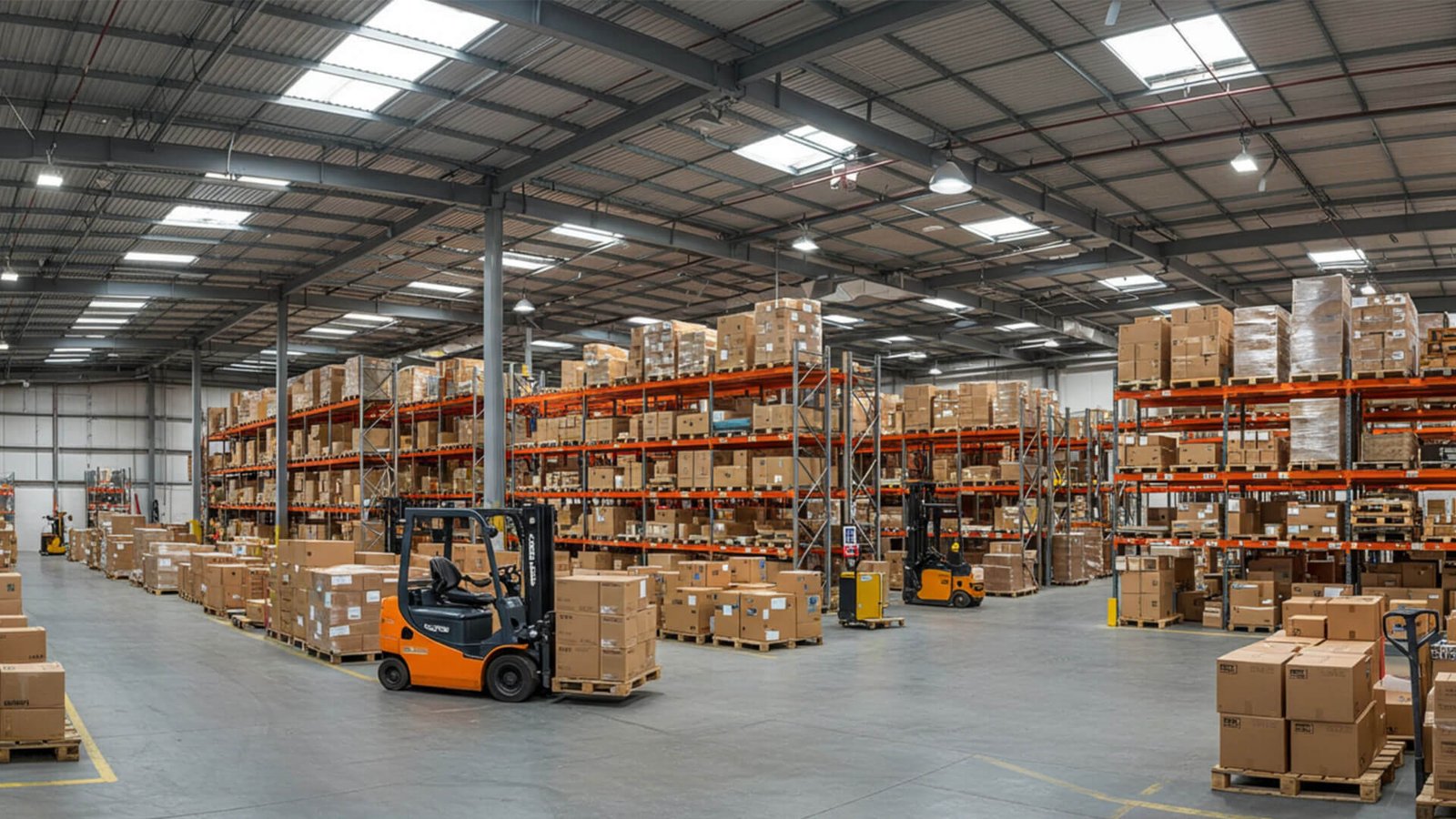
The difference between a smooth import process and a nightmare often comes down to how many "handoffs" there are. Every time responsibility is passed to another company, there's a risk of something falling through the cracks.
- Importer Concern: "What am I actually paying for with an FCL or LCL shipment? Is it just the ocean part?"
- What Typically Goes Wrong: You get a cheap quote for an LCL (Less-than-Container Load)10 shipment, only to find out it doesn't include the costs to consolidate your goods at the origin port or deconsolidate them at the destination. These surprise Container Freight Station (CFS) fees11 can be significant.
- Service Capability That Solves It: We provide clarity by managing the entire physical and documentary chain.
-
FCL (Full Container Load)12 Services
When you ship FCL, you have exclusive use of a container. Our service isn't just booking that container. We coordinate the truck to pick it up from the factory, process the export documents in China, manage the ocean freight leg, file the U.S. customs entry, and arrange the final drayage from the port to your door. It's one seamless project.
-
LCL (Less-than-Container Load)10 Services
With LCL, your goods share a container with others. This adds complexity. Our service includes managing the consolidation of your goods at the origin warehouse, ensuring all documentation for every item in the container is perfect, and actively managing the deconsolidation process in the U.S. to minimize delays. More touchpoints mean more risk, which is why integrated management is critical for LCL.
-
Can The Right Freight Services Control Cost, Timing, and Compliance?
Are surprise bills destroying your profit margins? Unpredictable delivery dates make it impossible to manage your inventory and sales. True control comes from a service that is designed to provide it.
Yes. The right services give you direct control over these three critical areas. By bundling logistics, customs, and compliance, a provider can offer predictable pricing, reliable timelines, and guaranteed regulatory adherence. This is how you eliminate surprise costs and delays.
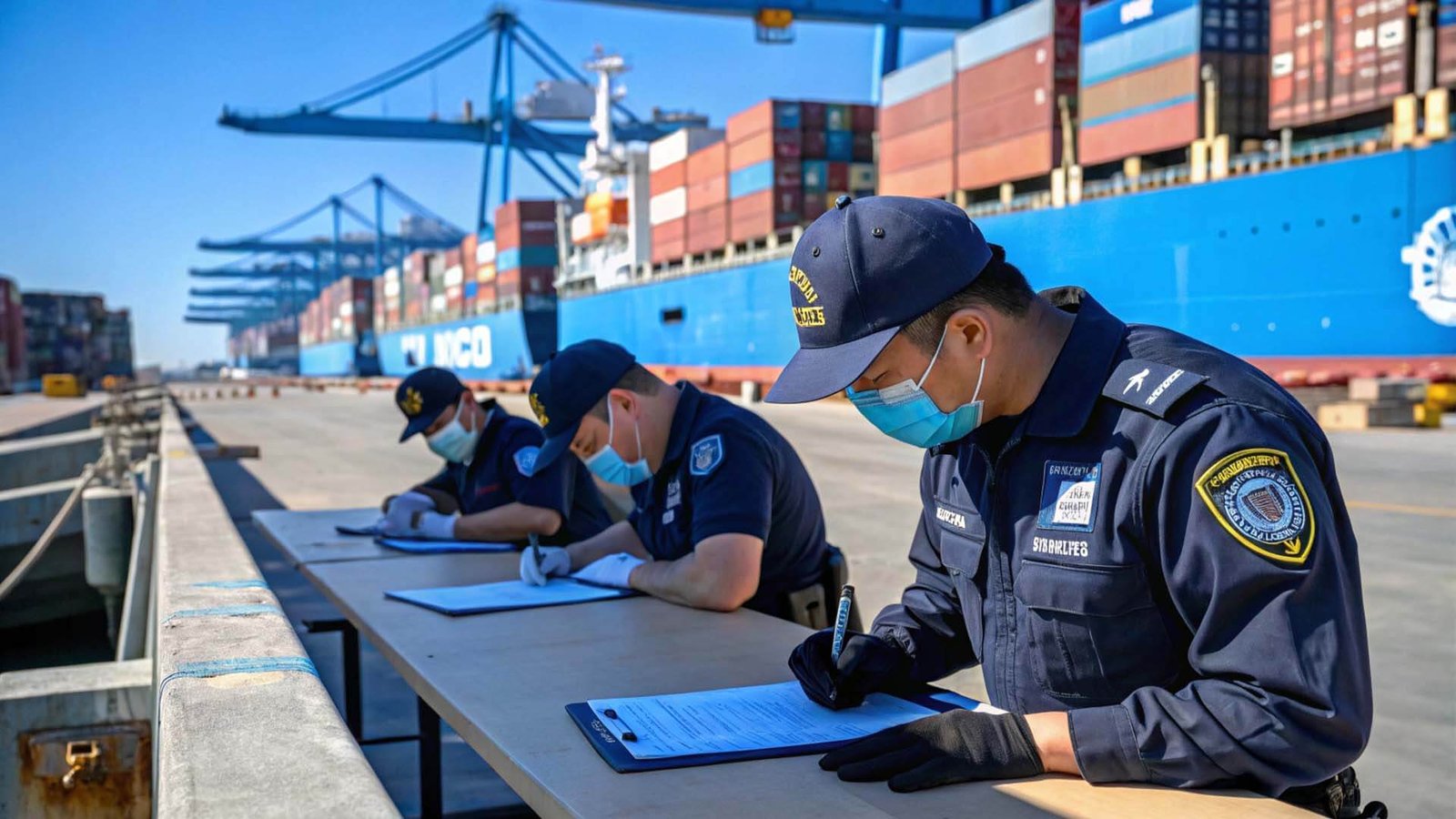
Many importers feel like they have no control over the shipping process. It feels like a black box where costs and timelines are completely unpredictable. It doesn't have to be this way.
- Importer Concern: "How can I avoid getting a surprise bill for customs duties or a penalty for a compliance mistake?"
- What Typically Goes Wrong: An inexperienced or disconnected customs broker misclassifies your product with the wrong HTS code. As a result, you either overpay thousands in duties, or you underpay and face a CBP audit and penalties months later. As the Importer of Record, that liability is 100% yours, even if your broker made the mistake.
- Service Capability That Solves It: An integrated U.S. Customs Brokerage service is the solution. This is not just about filing paperwork; it's about expert guidance.
-
HTS Classification13
We don't guess. We analyze your product to determine the correct Harmonized Tariff Schedule (HTS) code, ensuring you pay the exact, lowest legal amount of duty.
-
Customs Entry Filing14
We manage the entire entry process with CBP, including filing the Entry Summary (Form 7501) and managing payments for duties and taxes.
-
Proactive Compliance15
We check if your goods need clearance from other Partner Government Agencies (PGAs) like the FDA or EPA. We handle these requirements upfront, preventing holds and seizures at the border. This is how you turn compliance from a risk into a controlled process.
-
Do All Providers Offer DDP, Brokerage, or True End-to-End Control?
You received an "all-in" quote, but is it really? Many forwarders simply subcontract the most critical parts of the journey, like customs clearance. This leaves you exposed when problems arise.
No, most do not. A basic freight forwarder16's job is to arrange transportation. A full-service international freight provider17, however, has in-house U.S. customs brokerage and offers DDP (Delivered Duty Paid)18 shipping, giving them genuine end-to-end control and you a single point of responsibility.
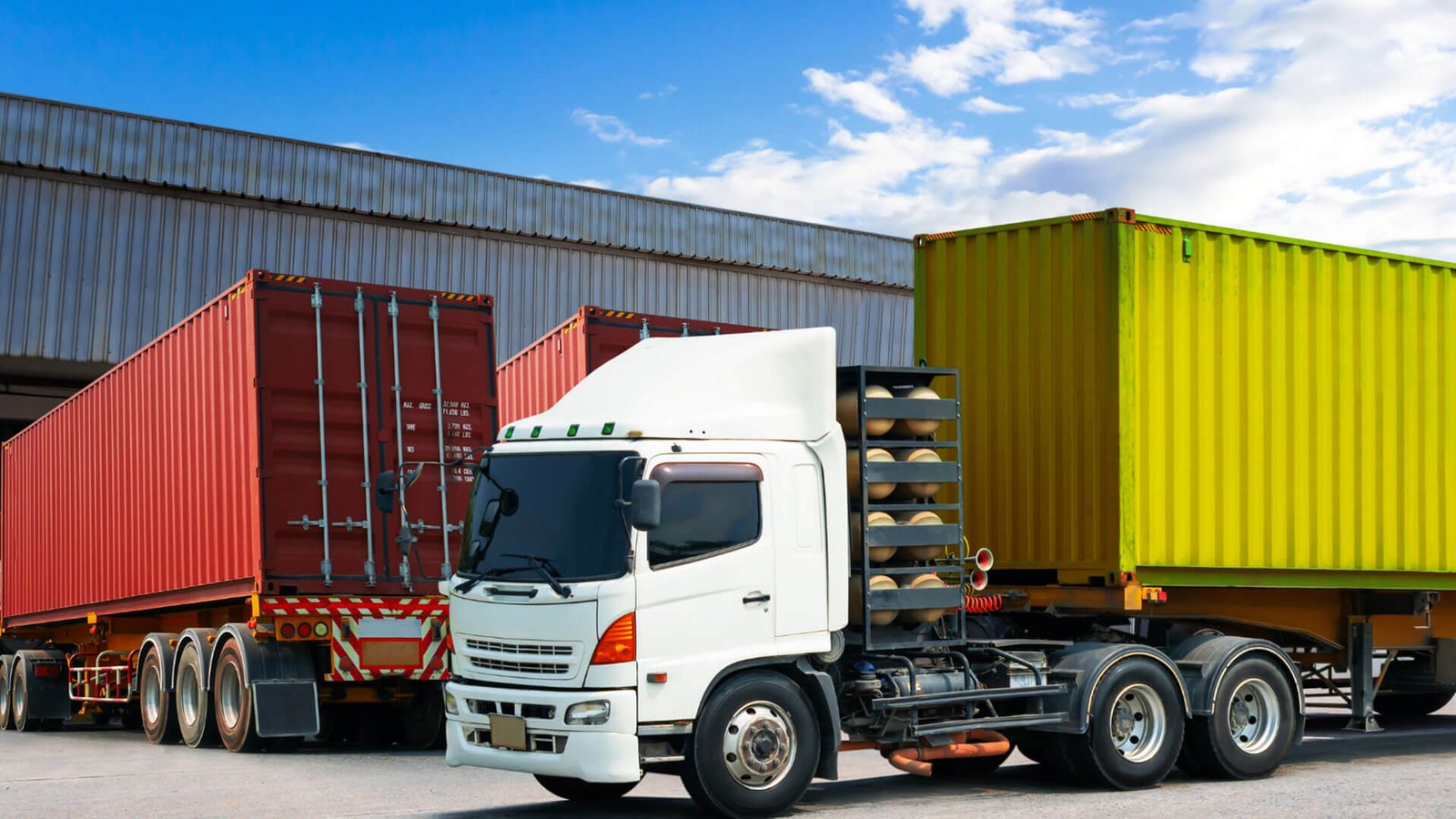
This is the most important distinction for an importer to understand. The difference between a "forwarder" and a "provider" comes down to responsibility.
- Importer Concern: "If my shipment gets held up, who is actually responsible for fixing it and paying the fees?"
- What Typically Goes Wrong: Your forwarder in China books the freight. They hand it off to a U.S. partner you've never met. That partner subcontracts the customs clearance to yet another company. When CBP has a question, a game of telephone begins. Everyone points fingers, and you're left coordinating between three companies in different time zones.
- Service Capability That Solves It: A single-provider model.
-
DDP (Delivered Duty Paid)18 Shipping
This is the gold standard for risk reduction. Under DDP terms, we give you one price for the entire movement, from the factory door in China to your warehouse door in the USA. We handle the freight, the insurance, the customs clearance, the duties and taxes, and the final delivery. If there's a problem, it's our problem. There is only one party responsible: us.
-
Basic Freight Forwarder vs. Full-Service International Freight Provider
-
| Feature | Basic Freight Forwarder | Full-Service International Freight Provider (like us) |
|---|---|---|
| Scope of Responsibility | Arranges transport; subcontracts other services | Manages the entire process end-to-end |
| Customs Brokerage | Outsourced to a third party | Included; managed by an in-house team of experts |
| DDP Capability | Rarely offered, or is a patchwork of services | Core service offering for total cost and risk control |
| Duty & Landed Cost Visibility | Low; duties and destination fees are often unknown | High; provides a clear, all-inclusive landed cost upfront |
| Risk of Delays/Surprise Fees | High; due to handoffs and lack of accountability | Low; single point of accountability eliminates surprises |
| Best Use Case | Experienced importers with their own customs broker | Importers who want predictability, control, and peace of mind |
Does Your Freight Service Choice Determine Landed Cost Predictability?
Can you confidently calculate your final product cost before it even ships? Hidden fees in the supply chain can make profit calculations a complete guessing game. Predictability is not a luxury; it's a necessity.
Yes, absolutely. The scope of service you choose is the single biggest factor in landed cost predictability19. A basic freight quote leaves you vulnerable to a dozen variable charges. A comprehensive, DDP-style service locks in your total cost from the start.
For any import business, knowing your final landed cost is essential for pricing and profitability. The wrong service choice makes this impossible.
- Importer Concern: "How can I get one final, guaranteed price for my goods delivered to my warehouse?"
- What Typically Goes Wrong: I see this constantly. An importer like Mark gets a very cheap "port-to-port" ocean freight quote. He thinks he got a great deal. Then the bills start coming: terminal handling charges, an ISF filing fee, a customs bond fee, the customs entry fee, thousands in unexpected duties, port drayage fees, and a fuel surcharge. His final cost is double the original quote, and his product margin is gone.
- Service Capability That Solves It: You must shift your thinking from buying "freight" to buying a "result." The result you need is your product, delivered to your door, at a fixed and predictable cost. A true freight provider delivers this result by quoting and managing the total landed cost20. This means we take responsibility for all the variable components—the freight, the insurance, the duties, the clearance, the final delivery—and give you one number. This moves the financial risk from your shoulders to ours.
Frequently Asked Questions
What services do international freight providers offer?
They offer end-to-end logistics management, including origin pickup2, ocean or air freight, insurance, U.S. customs clearance3, duty calculation and payment, and final-mile delivery5 to your warehouse.
What is international freight forwarding?
International freight forwarding is the service of arranging the transportation of goods from one country to another on behalf of an importer or exporter, acting as an agent for the shipment.
What is the role of an international freight forwarder16?
The role of a freight forwarder16 is to organize and manage the entire shipping process, from booking cargo space and negotiating rates to preparing all necessary shipping and customs documentation.
What is the difference between a freight forwarder16 and an international freight provider?
A basic freight forwarder16 arranges transport, often outsourcing key parts like customs. A full-service provider manages the entire process in-house, including customs brokerage and DDP, offering a single point of accountability.
What are the main types of international freight services?
The main types include FCL (Full Container Load)12, LCL (Less-than-Container Load)10, air freight, and comprehensive services like DDP (Delivered Duty Paid)18 which bundle transport, duties, and clearance.
What does FF mean in freight?
FF stands for "Freight Forwarder," a company that organizes shipments for individuals or corporations to get goods from a manufacturer or producer to a market, customer, or final point of distribution.
Conclusion
International freight services are not interchangeable. The scope of service you choose directly determines whether you gain control over your supply chain or simply absorb all the risk yourself.
Understanding what's included in a freight quote helps you avoid hidden fees and manage your budget effectively. ↩
Learn how origin pickup ensures your goods are collected from the supplier and begin their journey smoothly. ↩
Discover the process of U.S. customs clearance to prevent delays and fines during importation. ↩
Understanding duty payment is crucial for budgeting and compliance in international trade. ↩
Explore how final-mile delivery ensures your goods reach their final destination efficiently. ↩
Learn how effective risk management by freight providers can prevent costly delays and penalties. ↩
Understanding the paperwork involved helps you ensure compliance and avoid shipping delays. ↩
Learn about ISF to avoid customs issues and ensure smooth entry of goods into the U.S. ↩
Understanding the Bill of Lading is essential for tracking and managing your shipments. ↩
Explore LCL to understand its complexities and how it can impact your shipping strategy. ↩
Knowing about CFS fees helps you anticipate and manage additional shipping costs. ↩
Learn about FCL to understand its benefits and how it affects shipping costs and logistics. ↩
Understanding HTS Classification helps ensure accurate duty payments and compliance. ↩
Learn about Customs Entry Filing to ensure your goods clear customs without issues. ↩
Explore proactive compliance to prevent holds and seizures at the border. ↩
Learn about the role of freight forwarders to understand their impact on your shipping process. ↩
Explore the benefits of a full-service provider to gain control and reduce risks in shipping. ↩
Understanding DDP helps you manage costs and risks by knowing all expenses upfront. ↩
Learn how to predict landed costs to maintain profitability and avoid unexpected expenses. ↩
Understanding total landed cost helps you budget accurately and avoid financial surprises. ↩