Freight forwarding can be overwhelming for U.S. importers. Understanding the logistics of shipping goods and the roles involved is crucial for smoother operations.
International freight forwarding1 is the management of a shipment from origin to destination across borders. A freight forwarder2 plans routing, books space with carriers, coordinates pickup and export handling, manages shipping documents, and tracks milestones until delivery. For importers, the forwarder acts as the logistics operator3 connecting suppliers, carriers, terminals, and customs.
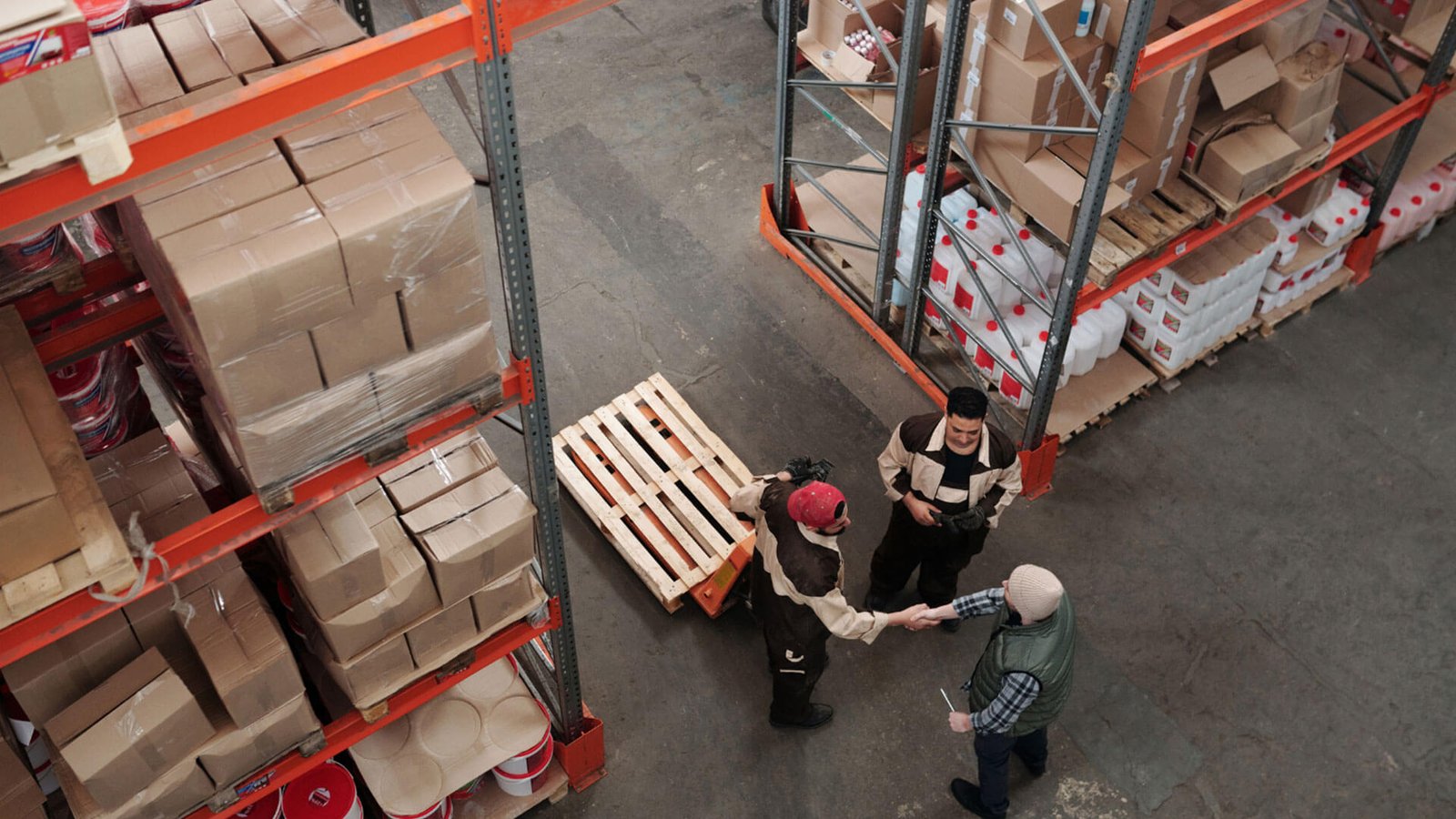
To navigate international shipping efficiently, it's essential to grasp the processes involved and the importance of choosing the right freight forwarder2. This knowledge can save you time and money while reducing risks associated with customs and delays.
What is International Freight Forwarding?
Freight forwarding is more than just shipping. It encompasses a series of activities that ensure cargo reaches its destination safely and on time. The process involves coordinating with various parties, including suppliers, carriers, and customs authorities, to manage the entire logistics chain.
A freight forwarder2 reduces importer risk by managing handoffs across the supply chain: factory pickup, export documentation4, main transit, arrival handling, customs clearance coordination5, and final-mile delivery. Importers benefit from fewer delays when one operator owns the workflow, sets milestones, and resolves exceptions before they become storage, exam, or missed-appointment costs.
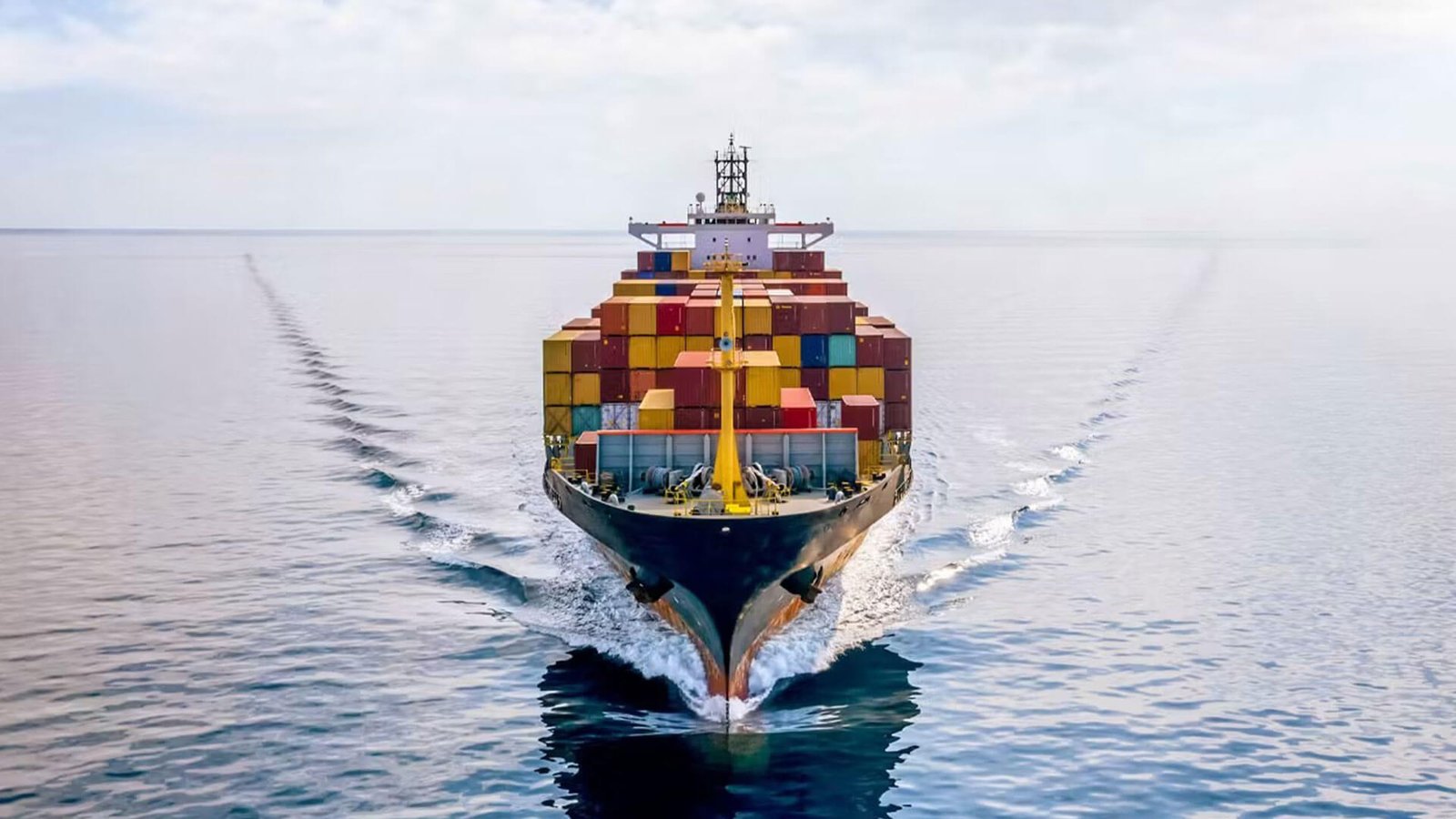
Understanding this workflow is crucial for importers. A freight forwarder2's responsibility includes not only coordinating pickups and deliveries but also ensuring that all necessary documentation is in order and that customs regulations are met. This comprehensive control minimizes the risk of unforeseen issues arising during transit.
The Freight Forwarding Process Overview
- Supplier → Confirm cargo readiness.
- Pickup → Arrange collection from the supplier.
- Export Docs → Prepare necessary paperwork.
- Carrier Booking → Secure transport space.
- Departure → Cargo leaves the origin.
- Arrival Notice → Notify about cargo arrival.
- Customs Entry → Submit clearance documentation.
- Release → Obtain cargo release from customs.
- Drayage → Transport cargo to final destination.
- Delivery → Final delivery to the consignee.
Having a single forwarder handle all these steps can streamline operations and reduce the potential for delays.
Understanding Freight Forwarding Costs
Your total shipping cost is shaped by several factors, including the mode of transportation, shipment type, routing, and local charges at both origin and destination.
Freight forwarding cost is more than the line-haul rate. Total cost depends on mode (ocean vs air6), shipment type (FCL vs LCL7), routing, space availability, and origin/destination local charges like terminal handling, documentation, CFS fees, and drayage8. Importers should compare quotes using itemized line items, not headline pricing.
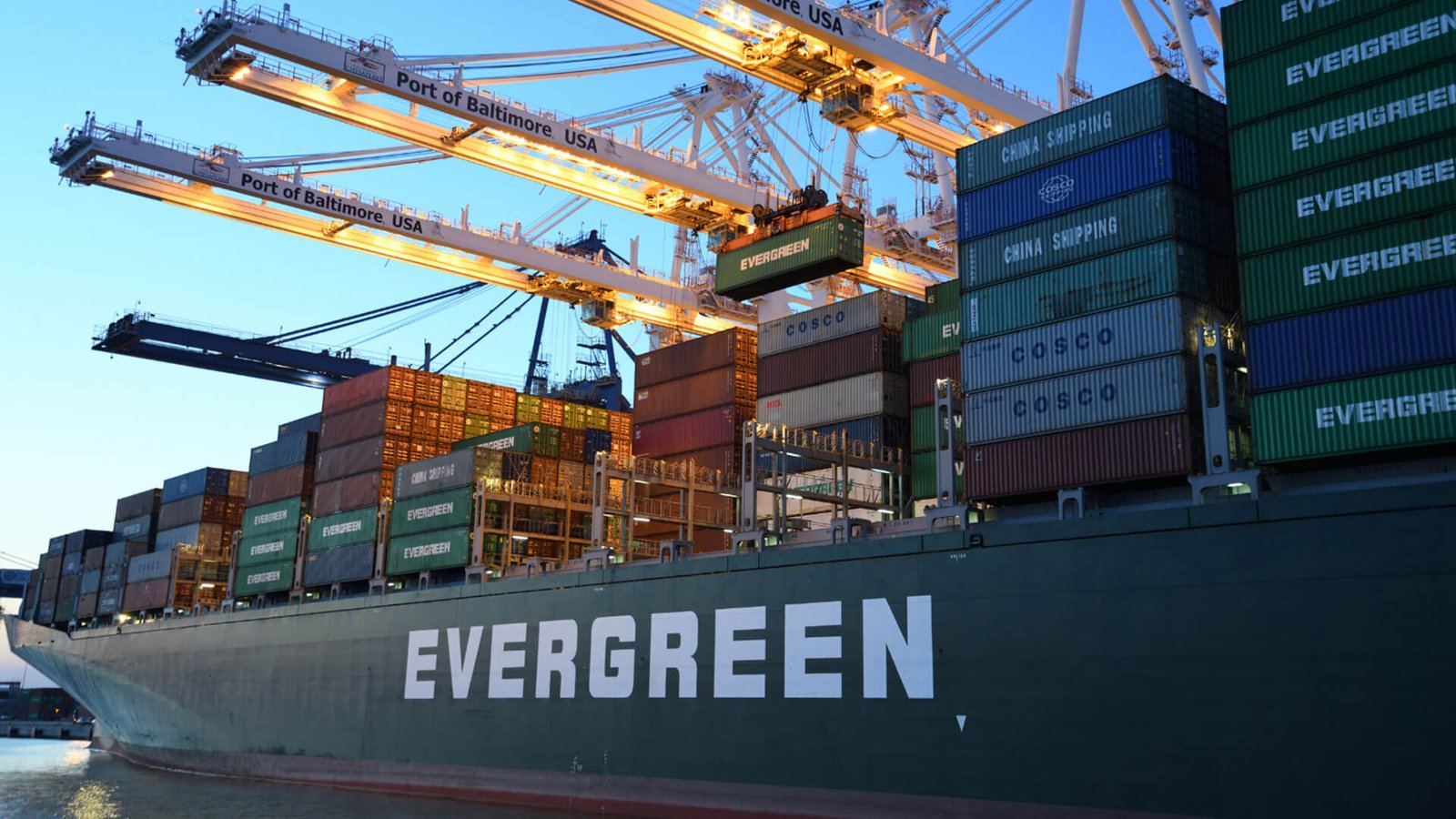
Understanding the components of a freight forwarder2's quote can help you identify the best option for your needs. Here’s a breakdown of common cost elements:
| Cost Line | Who Charges | Typical Trigger | Estimated vs Variable | How to Reduce Risk |
|---|---|---|---|---|
| Ocean/Air Base Rate | Carrier | Shipment booking | Estimated | Compare quotes carefully |
| Fuel Surcharge | Carrier | Price fluctuations | Variable | Lock in rates when possible |
| THC | Terminal | Cargo handling | Variable | Verify with forwarder |
| Documentation Fee | Forwarder | Required paperwork | Estimated | Ask for inclusions |
| CFS Fee | CFS Provider | Cargo consolidation | Estimated | Check with suppliers |
| ISF Fee | Customs Broker | Importer Security Filing | Estimated | Prepare data in advance |
| Handling Fee | Forwarder | Cargo processing | Estimated | Confirm details |
| Drayage | Trucking Company | Last-mile delivery | Variable | Plan delivery windows |
| Exam Transfer | Customs | Inspection requirements | Variable | Ensure compliance |
| Storage | Terminal | Delays | Variable | Monitor arrival times |
| Demurrage | Terminal | Exceeded free time | Variable | Confirm free time allowed |
| Detention | Trucking Company | Delayed pickup | Variable | Schedule promptly |
This table can help you understand what to expect in your freight forwarding costs9 and how to mitigate potential financial surprises.
Customs Clearance Coordination
Success in customs is not a matter of luck; it heavily relies on accurate data and effective coordination between the forwarder and customs broker.
Customs delays usually start with poor data, not bad luck. Accurate HS codes10, declared value, country of origin, and Incoterms11 determine admissibility, duty, and filing requirements. A forwarder helps by coordinating documents and timing with the customs broker, reducing risks like missing ISF, document mismatch, and last-minute holds.
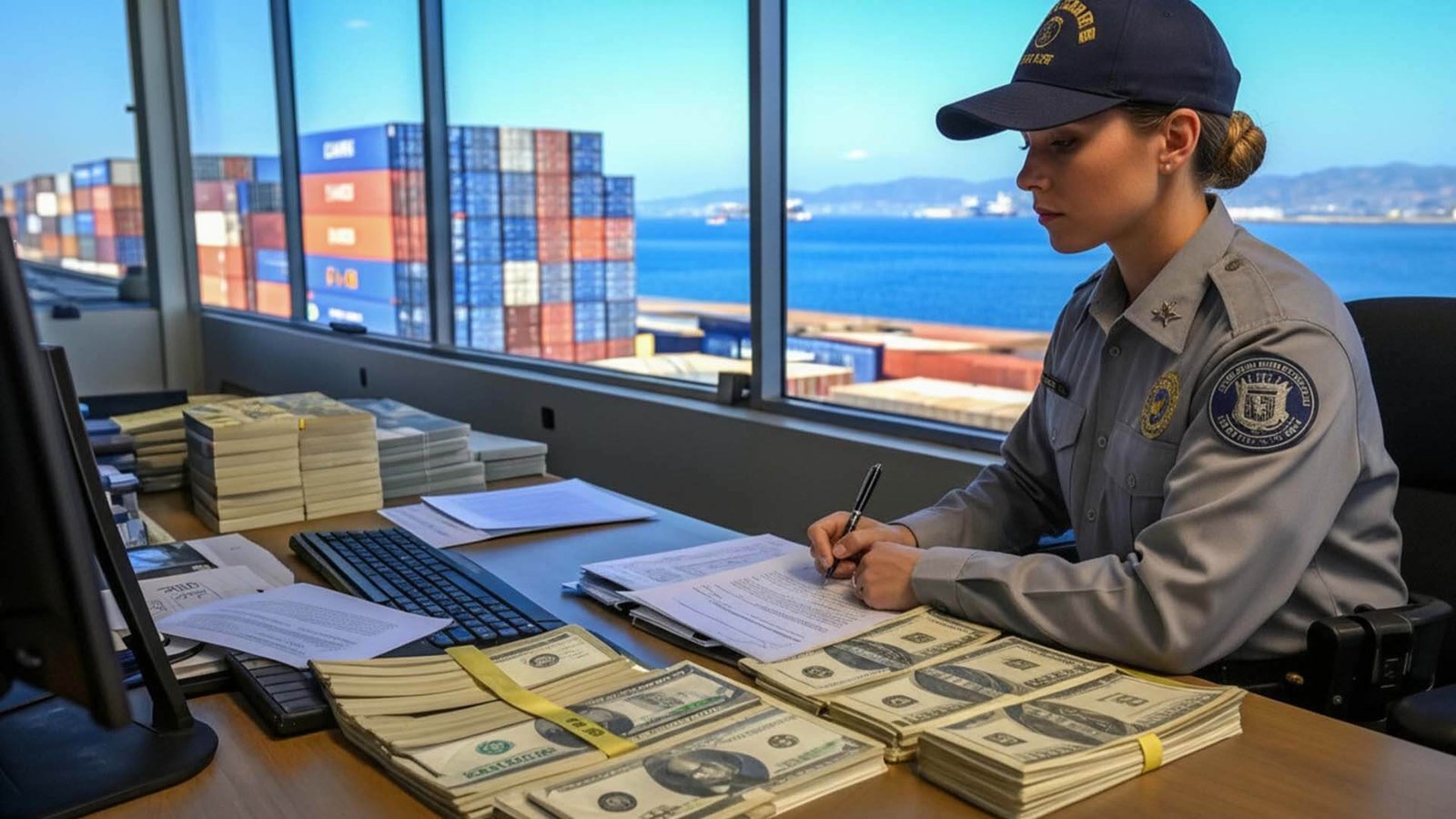
Customs-Ready Data Pack Checklist
- HS Code
- Product Description
- Invoice Value/Currency
- Origin
- Shipper/Consignee
- Incoterms11
- BL/AWB
- Packing List
- Bond/ISF Status
- PGA Flags (FDA/USDA, etc.)
Having this documentation prepared in advance can smooth the clearance process and prevent costly delays. A knowledgeable freight forwarder2 will facilitate this process and ensure that you meet all necessary requirements.
Choosing the Right Freight Forwarder
Not all freight forwarder2s are created equal. It's vital for importers to choose a forwarder based on various criteria beyond just cost.
The best freight forwarder2 is not the cheapest—it’s the one that protects your timeline and compliance. Importers should evaluate lane expertise12, carrier relationships, documentation SOPs, customs coordination capability, tracking visibility, and communication standards. A forwarder with reliable exception handling13 reduces costly surprises like storage, demurrage14, missed delivery appointments, and reworks.
Freight Forwarder Comparison Scorecard
| Category | What “Good” Looks Like | Questions to Ask | Red Flags |
|---|---|---|---|
| Lane Expertise | Proven track record | What lanes do you specialize in? | Vague or non-specific answers |
| Compliance SOPs | Clear procedures for documentation | How do you handle customs risks? | No written policies |
| Customs Brokerage Coordination | Strong relationships with brokers | What is your process for clearance? | Lack of clarity |
| Quote Transparency | Itemized quotes | Can you break down your costs? | Non-itemized quotes |
| Visibility Tools | Real-time tracking available | What tracking do you offer? | No tracking capabilities |
| Exception Handling | Clear process for delays | How do you handle exceptions? | No defined process |
| Service SLAs | Defined service level agreements | What guarantees do you offer? | Vague terms |
| Billing Clarity | Transparent invoice structures | How do you resolve disputes? | Frequent invoice discrepancies |
This scorecard can help you evaluate potential freight forwarder2s more effectively, ensuring you choose one that meets your specific needs and expectations.
The Value of a Professional Freight Forwarder
A professional freight forwarder2 provides measurable value beyond basic shipping services.
A good forwarder doesn’t just book freight—they run a predictable process. Value comes from better cost forecasting, consolidation planning (LCL/FCL optimization), proactive milestone tracking, and fast exception handling13 when schedules change. For importers, this reduces stockout risk, protects margins, and improves planning accuracy across procurement, warehousing, and sales.
Forwarder Value Adds
- Forecasting
- Consolidation
- Routing Optimization
- Compliance Preparation
- Visibility
- Exception Handling
- Documentation Accuracy
By leveraging a professional forwarder's expertise, U.S. importers can enhance their logistics operations and achieve better overall efficiency.
Conclusion
Understanding international freight forwarding can help U.S. importers make informed decisions, reduce costs, and streamline shipping processes efficiently.
Understanding international freight forwarding is crucial for managing shipments across borders efficiently, saving time and reducing risks. ↩
A freight forwarder plays a key role in logistics, coordinating shipments and ensuring smooth transit from origin to destination. ↩
A logistics operator connects various parties in the supply chain, ensuring efficient handling of shipments and reducing delays. ↩
Proper export documentation is essential for legal compliance and smooth transit of goods across international borders. ↩
Effective customs clearance coordination minimizes delays and ensures compliance with regulations, preventing costly issues. ↩
Choosing between ocean and air freight impacts cost, speed, and logistics of shipping goods internationally. ↩
Understanding FCL and LCL helps in selecting the most cost-effective and efficient shipping method for your needs. ↩
Drayage involves the transport of goods over short distances, often a critical step in the logistics chain. ↩
Understanding the components of freight forwarding costs helps in budgeting and choosing the best shipping options. ↩
HS codes classify goods for customs, affecting duties and compliance, making them essential for smooth shipping. ↩
Incoterms define the responsibilities of buyers and sellers, impacting shipping costs and logistics. ↩
Lane expertise ensures that a freight forwarder can handle specific routes efficiently, reducing risks and delays. ↩
Effective exception handling minimizes disruptions and ensures timely delivery, enhancing overall shipping efficiency. ↩
Understanding demurrage helps in planning to avoid extra charges due to delays in cargo pickup. ↩