Incoterms are essential for international trade. They clarify who is responsible for transport, risk, and costs at every shipment stage.
Incoterms are standardized international trade rules published by the ICC that define how transportation costs, risks, and responsibilities1 are divided between sellers and buyers. For importers, Incoterms determine who controls freight, where risk transfers, and which party pays key logistics costs throughout the shipment journey.
Understanding Incoterms is crucial. They can dramatically affect your shipping costs and liability. If you're an importer who doesn't fully grasp their implications, you might find yourself facing unexpected expenses and risks. Let's dive deeper.
What Are the 11 Incoterms and How Do They Work?
The 11 Incoterms are grouped based on modes of transport. Choosing the wrong one can significantly impact your costs and responsibilities.
The 11 Incoterms are divided between rules for any mode of transport and those limited to ocean freight. Selecting an Incoterm without understanding its scope can unexpectedly transfer freight costs, insurance gaps, or operational responsibility2 to the importer, often increasing landed cost and dispute risk.
When we look at the Incoterms, we see various responsibilities assigned to sellers and buyers. For instance, some terms like EXW (Ex Works)3 place minimal responsibility on the seller, making the buyer shoulder most transport and risk duties almost immediately. Others like DDP (Delivered Duty Paid)4 require sellers to handle most logistics, including duties and taxes. This can shield the importer from certain risks but may also limit control and visibility over the shipment process.
Importers should be cautious. A change in Incoterms can lead to a shift in cost and liability that might be unexpected. Understanding how these terms work in practice is essential for effective logistics management.
How Do Incoterms Affect Risk Transfer from Seller to Buyer?
Incoterms clearly define where and when risk transfers from the seller to the buyer. This can have a direct impact on cargo insurance and claims.
Each Incoterm defines the exact point where shipment risk transfers from seller to buyer. This risk-transfer point determines when importers must insure cargo and who bears loss or damage. Misunderstanding risk transfer often leaves importers uninsured during critical transport stages.
The risk transfer under Incoterms is crucial. For example, under FCA (Free Carrier)5, risk transfers as soon as the seller hands the goods over to the carrier. On the other hand, with DDP, the seller retains responsibility up to the point of delivery. Importers must be aware of these nuances. Missing the risk transfer point6 can lead to gaps in insurance coverage, causing significant financial loss.
Understanding these distinctions can save you from costly mistakes. It's essential to know when to insure your cargo and ensure you're covered during critical phases of transport.
Do Incoterms Control Customs Clearance, Duties, or Regulatory Compliance?
While Incoterms shape logistics responsibilities, they do not dictate customs clearance, duties, or compliance.
Incoterms define logistics responsibilities but do not override customs law. U.S. importers remain legally responsible for customs declarations, duties, taxes, and regulatory compliance7 regardless of the Incoterm used. Confusing Incoterms with customs obligations is a common and costly importer mistake.
The relationship between Incoterms and customs is often misunderstood. Importers frequently believe that selecting a specific Incoterm absolves them of customs duties or clearance responsibilities. This is not the case. Even if an Incoterm allocates some logistics duties to the seller, the importer must still comply with U.S. customs regulations, which include declaring the goods and paying applicable duties.
Being proactive in understanding these obligations will save you from regulatory headaches later. A well-informed importer is a successful importer.
What Are the Hidden Costs Associated with Certain Incoterms?
Some Incoterms may expose U.S. importers to hidden costs that can surprise them.
Some Incoterms shift control of freight to the seller while leaving destination costs with the importer. This mismatch often leads to unexpected demurrage, detention, port fees, and delivery charges8. Importers who lack visibility under these terms frequently face higher landed costs9 and disputes.
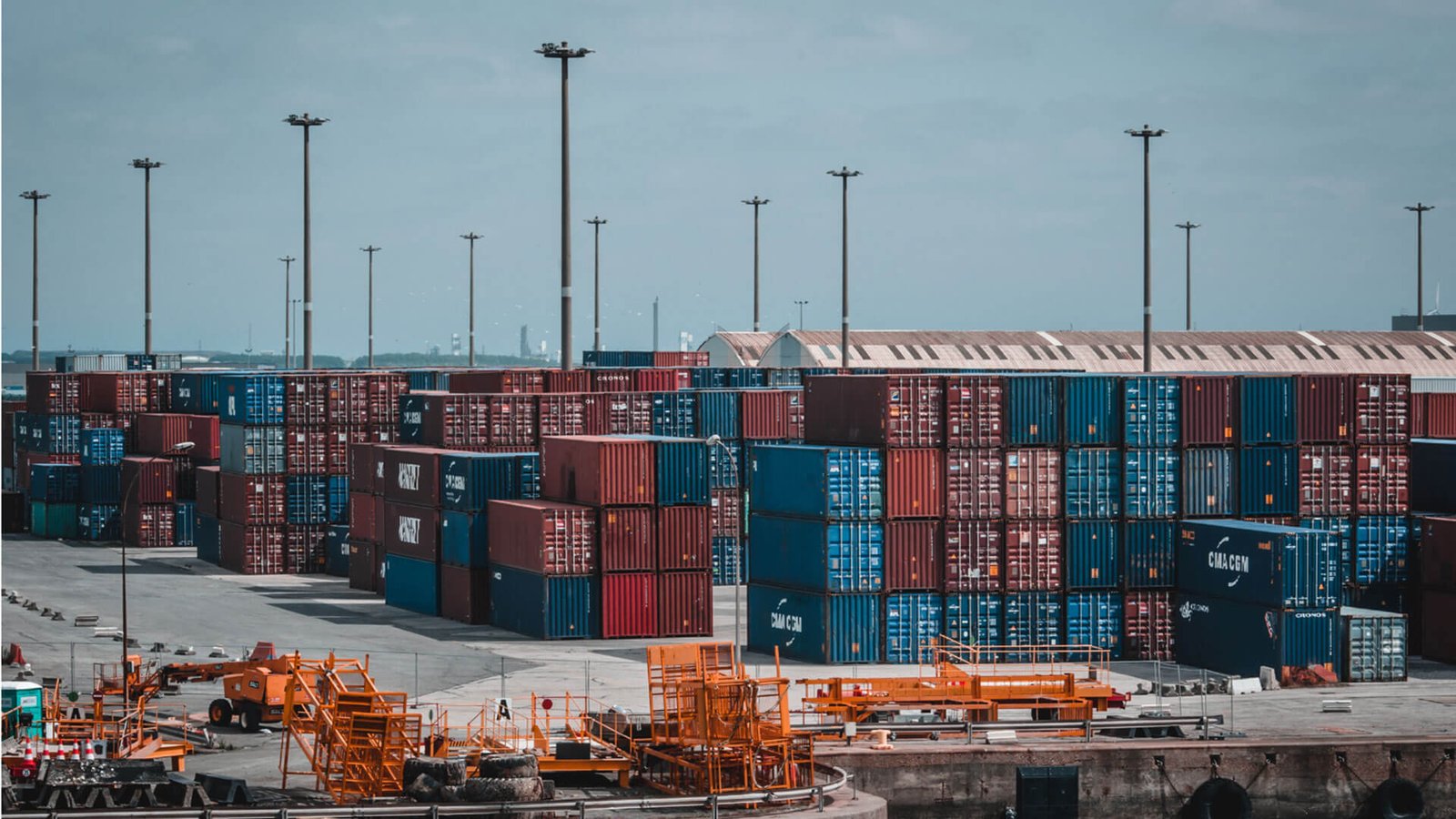
Importers should be aware of the potential hidden costs tied to their chosen Incoterms. For example, using CPT (Carriage Paid To)10 may seem straightforward. However, the seller's responsibility for freight stops at the transport point, leaving importers to cover destination charges that may include demurrage or detention fees.
Thus, aligning your Incoterm choices with a clear understanding of potential costs will help you avoid unnecessary surprises. The goal should be to minimize landed costs9 and ensure that there are no disputes during the shipping process.
How Can Importers Gain Better Cost Control with the Right Incoterm?
Aligning Incoterms with your freight strategy and customs planning11 can lead to better cost control and fewer disputes.
Choosing the right Incoterm allows importers to control freight, insurance, and destination costs while maintaining customs compliance. When Incoterms are aligned with freight and customs strategy, importers gain predictable landed costs12s](https://www.thomasnet.com/insights/defining-the-incoterms-and-their-impact-on-total-landed-cost/)%%%FOOTNOTE_REF_9%%%, clearer accountability, and fewer operational disputes across the supply chain.
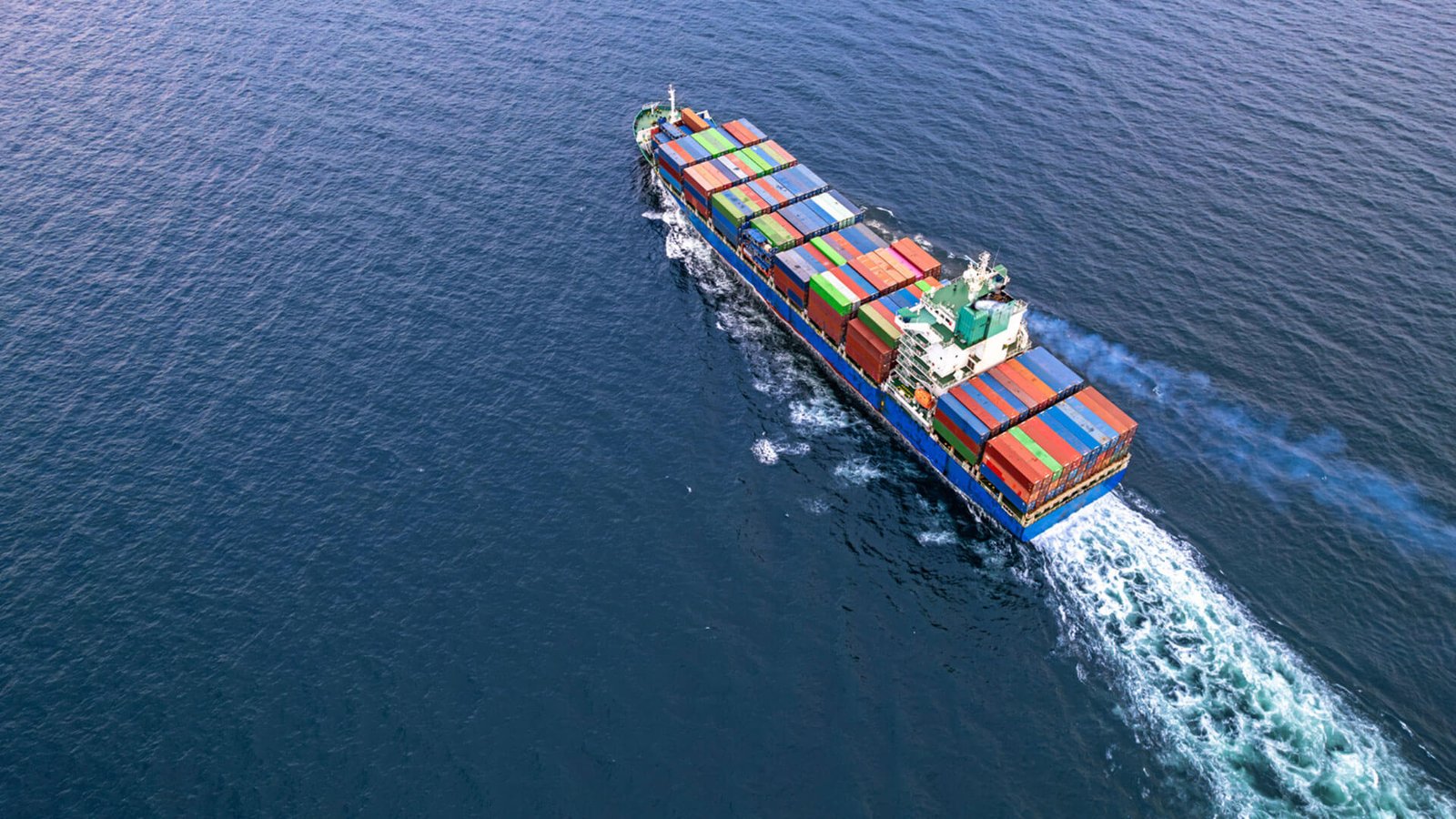
Strategically choosing the right Incoterm can significantly improve your control over logistics and costs. For instance, DAP (Delivered At Place)13 can balance responsibilities, making it a favorable choice for many importers. It allows importers to understand their liabilities while maintaining a level of control over the shipping process.
A clear strategy that aligns Incoterms with overall logistics and customs planning will provide better visibility into costs and responsibilities. This, in turn, will help you make informed decisions that enhance operational efficiency14.
| Incoterms | Seller Responsibility | Buyer Responsibility | Risk Transfer Point |
|---|---|---|---|
| EXW | Minimal | High | At seller's premises |
| FCA | Delivery to carrier | Transport after delivery | At carrier's premises |
| FOB | Delivery to vessel | Transport after vessel | At vessel |
| CFR | Cost of freight | Risk after vessel | At vessel |
| DAP | Delivery to destination | Import clearance | At destination |
| DDP | All costs, including duties | Minimal | At destination |
Conclusion
Understanding Incoterms is essential for effective import logistics, as they define responsibilities and risks while impacting costs.
Understanding these elements helps importers manage expenses and liabilities effectively, ensuring smooth international trade operations. ↩
Exploring this can help importers avoid unexpected expenses and ensure comprehensive coverage during shipping. ↩
Knowing about EXW helps importers understand their responsibilities and potential risks when choosing this term. ↩
Understanding DDP can help importers decide if this term aligns with their logistics strategy and risk management. ↩
Understanding FCA helps importers know when risk transfers and what responsibilities they have after the transfer. ↩
Knowing the risk transfer point is crucial for importers to ensure proper insurance coverage and avoid financial losses. ↩
Clarifying this helps importers avoid costly mistakes by understanding their legal obligations beyond Incoterms. ↩
Identifying these hidden costs helps importers plan better and avoid unexpected financial burdens. ↩
Understanding landed costs helps importers budget accurately and avoid disputes over unexpected expenses. ↩
Understanding CPT helps importers manage costs and responsibilities effectively, avoiding surprises at the destination. ↩
Aligning these elements can lead to better cost control and fewer operational disputes, enhancing efficiency. ↩
Achieving predictable costs helps importers plan financially and avoid unexpected expenses during shipping. ↩
Knowing about DAP helps importers balance responsibilities and control over the shipping process. ↩
Exploring this can help importers streamline their logistics processes and improve overall supply chain management. ↩