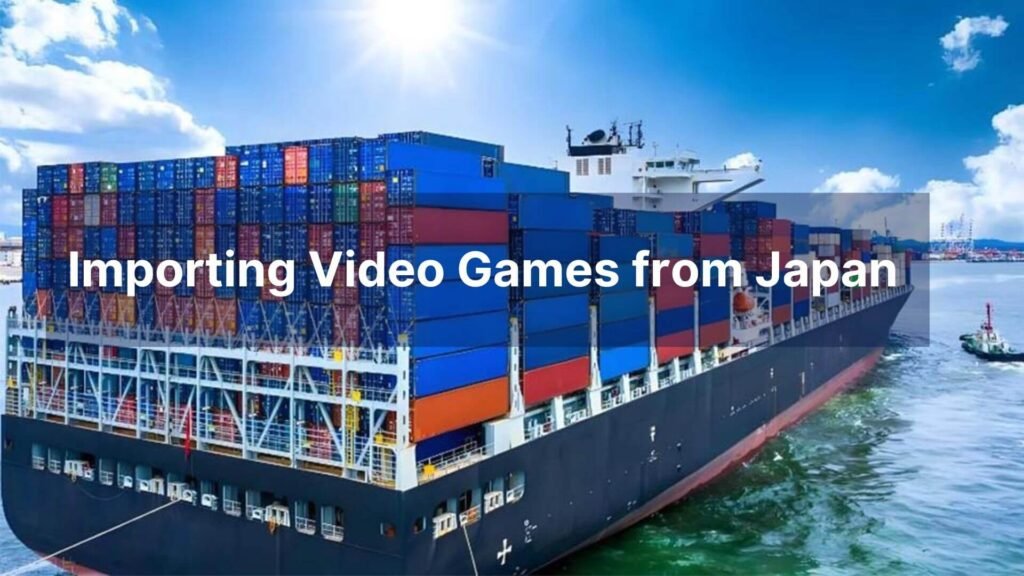
The first paragraph, which uses PAS formula to grab the reader's attention (max 30 words). Are you a U.S. importer looking to bring Japanese video games into the market? Understanding customs duties and regulations1 is essential to avoid costly mistakes and delays.
Video games imported from Japan are classified under specific HTS codes2 depending on whether they are physical game media, consoles, or accessories. Duties may be low, but MPF, HMF (if ocean), and state taxes3 still apply. Misclassification4 can trigger audits, delays, or penalty assessments by U.S. Customs.
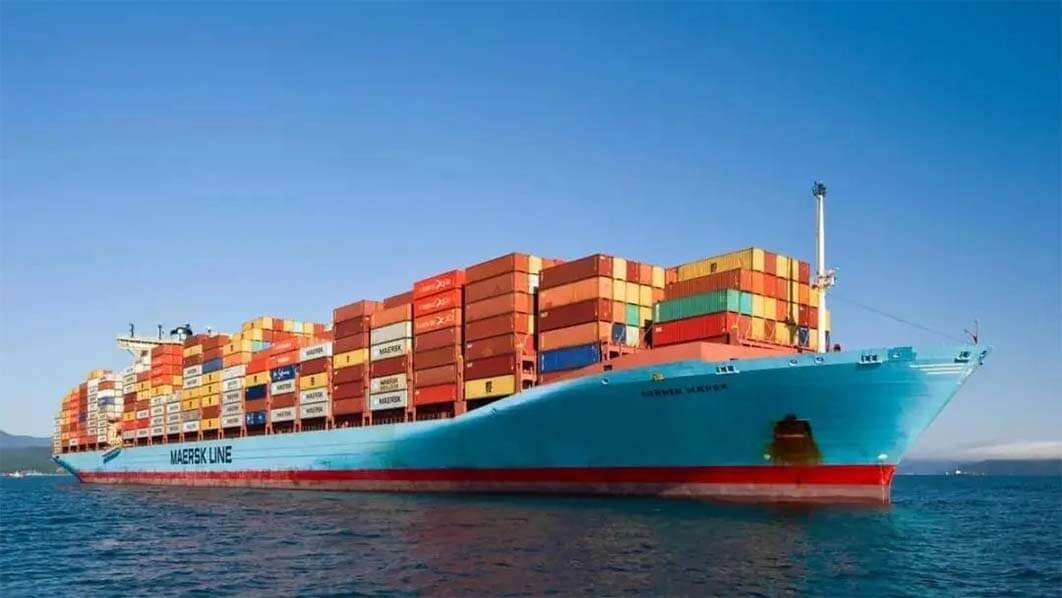
When it comes to importing video games, understanding the complexities of customs duties, HTS codes2, and taxes is crucial. Many importers underestimate the importance of correct classification and the accompanying costs. Failing to adhere to customs regulations can lead to unexpected expenses and delays that can hurt your business.
What U.S. Importers Must Know About Customs Duties, HTS Codes, and Taxes When Importing Video Games from Japan?
The first paragraph, which uses the PAS strategy to grab the reader's attention (max 30 words). Navigating the landscape of customs duties can be confusing for new importers. However, knowing what to expect will make your experience smoother and more profitable.
Video games imported from Japan are classified under specific HTS codes2 depending on whether they are physical game media, consoles, or accessories. Duties may be low, but MPF, HMF (if ocean), and state taxes3 still apply. Misclassification4 can trigger audits, delays, or penalty assessments by U.S. Customs.
To provide clarity, here’s a quick look at HTS classification for video games:
| Product Type | Likely HTS Category | Duty Consideration | Notes |
|---|---|---|---|
| Physical video game discs/cartridges | Recorded media5 | Often low duty | Depends on format |
| Game consoles | Electronic machines6 | Varies | Subject to electronics rules |
| Controllers & accessories | Input/output devices7 | Varies | Battery rules may apply |
Understanding HTS codes2 is vital. It helps you avoid unnecessary fines and ensures smoother transactions. When importing video games, minor misclassifications can lead to major headaches. Staying informed and organized is key.
How U.S. Customs Classifies Physical Video Games, Consoles, and Accessories (And Why Misclassification4 Causes Delays)
The first paragraph, which uses the PAS strategy to grab the reader's attention (max 30 words). Misclassification4 of video game products can lead to unwanted delays and increased scrutiny from U.S. Customs. It’s crucial to know how to classify your goods correctly.
CBP classification determines duty, admissibility, and regulatory review. Consoles may fall under electronics provisions, while software media is treated differently. Incorrect HTS use can result in cargo exams, reclassification, or post-entry duty bills, especially when mixed shipments contain games, consoles, and peripherals.
To enhance understanding, let’s delve deeper into how U.S. Customs classifies video game products:
✔ Difference between Software Media vs Hardware8: Software media (like game discs) and hardware (like consoles) are classified separately, with different duty implications.
✔ Mixed Shipment Declaration Risks9: If you're importing a mix of software and hardware, declaring them correctly is essential. Incorrect declarations can trigger delays.
✔ Broker Review Importance10: Relying on a customs broker can help prevent classification errors. They are experienced in navigating complex regulations.
Proper classification is more than just a formality. It’s a safeguard against audits and penalties. Ensuring the right classifications will save you time and financial resources.
Product Compliance Risks: FCC Rules, Battery Regulations, and Labeling Requirements for Game Consoles and Electronics
The first paragraph, which uses the PAS strategy to grab the reader's attention (max 30 words). Compliance with FCC rules and battery regulations is not optional—it's vital when importing electronics like video game consoles.
Game consoles and wireless controllers may require FCC compliance, proper labeling, and lithium battery transport documentation. Missing test records or undeclared batteries can lead to holds, fines, or refused entry. Electronics compliance is one of the most common delay causes for consumer tech imports.

Here’s a checklist to help ensure compliance:
| Requirement | Applies To | Risk If Missing |
|---|---|---|
| FCC conformity11 | Consoles, wireless devices | Customs hold |
| Battery declaration12 | Controllers, handheld devices | Airline rejection |
| Labeling & manuals | Retail products | Entry delay |
Failure to comply with these regulations can lead to significant delays and additional costs. Always make compliance checks part of your pre-import process. Avoiding compliance issues can save you from costly setbacks.
Intellectual Property, Trademarks, and Gray Market Concerns When Importing Japanese Game Titles
The first paragraph, which uses the PAS strategy to grab the reader's attention (max 30 words). When importing Japanese video games, it’s crucial to be aware of intellectual property issues that could impact your shipments.
Parallel imports of Japanese game products may raise trademark and intellectual property concerns. Even authentic goods can be detained if trademark ownership differs by region. Importers must ensure distribution rights and avoid gray-market violations that can lead to seizure or CBP intellectual property enforcement.
Here are some considerations regarding intellectual property:
✔ Gray Market vs Counterfeit13: Understand the difference. Gray market items are genuine but may have different rights. Counterfeit goods are illegal imitations.
✔ Region Branding Differences14: Different regions may have different branding for the same game. Ensure your imports align with regional rights.
✔ Why IP Detentions Happen: Understand that even legitimate goods can be detained if they conflict with trademark rights. Verifying distribution rights is essential.
Navigating intellectual property concerns is crucial for any importer. Ensuring your imports comply with trademark laws can save you from costly disputes.
Shipping Options from Japan to the U.S.: Air vs Ocean, Insurance, and Damage Prevention for High-Value Electronics
The first paragraph, which uses the PAS strategy to grab the reader's attention (max 30 words). Choosing the right shipping option is critical for high-value electronics like video games. Understanding the risks associated with each method can make a difference.
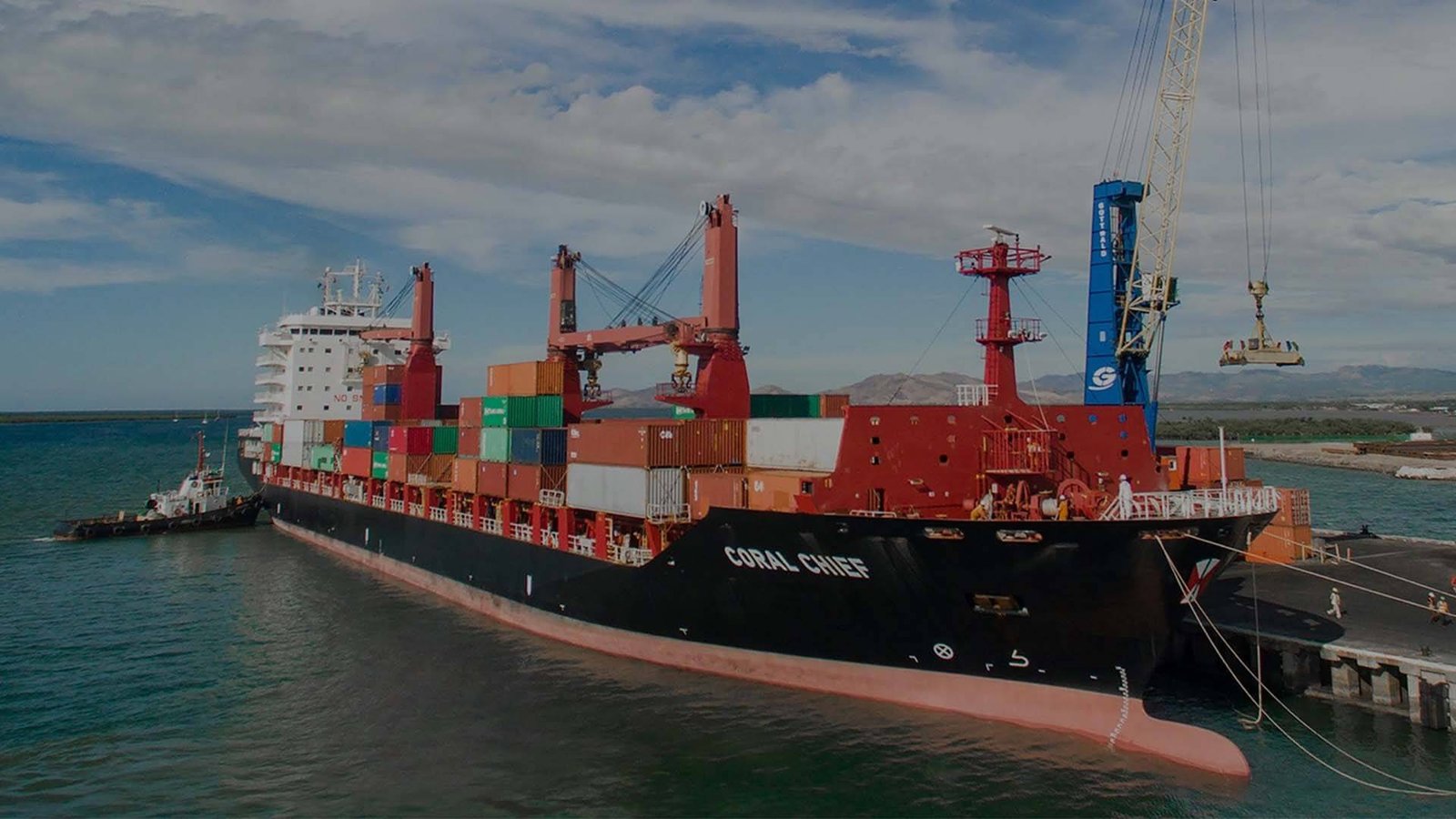
Video games and consoles are high-value, theft-sensitive cargo. Air freight offers speed and lower damage risk, while ocean freight suits bulk shipments with proper packaging. Insurance, anti-theft handling15, moisture control, and shock protection are critical to avoid loss or product returns.
Here’s a comparison of shipping options:
| Mode | Best For | Risk Level | Transit Time |
|---|---|---|---|
| Air Freight | High value, urgent | Low damage | Fast |
| Ocean Freight | Bulk volume | Moisture risk | Slower |
Choosing between air and ocean freight depends on your budget and time constraints. Always consider insurance options to protect your investment. Proper packaging can minimize the risk of damage during transit.
End-to-End Import Process Flow16: Supplier → Export Clearance Japan → U.S. Customs → Final Delivery Without Delays
The first paragraph, which uses the PAS strategy to grab the reader's attention (max 30 words). The import process for video games from Japan requires meticulous planning. Knowing the entire flow helps avoid delays and ensures compliance.
Importing games from Japan requires coordinated export clearance, commercial documentation, customs filing, and compliant delivery. Brokers manage classification and admissibility, while forwarders control transit risk. A structured workflow reduces exam probability and prevents delays from compliance or paperwork issues.
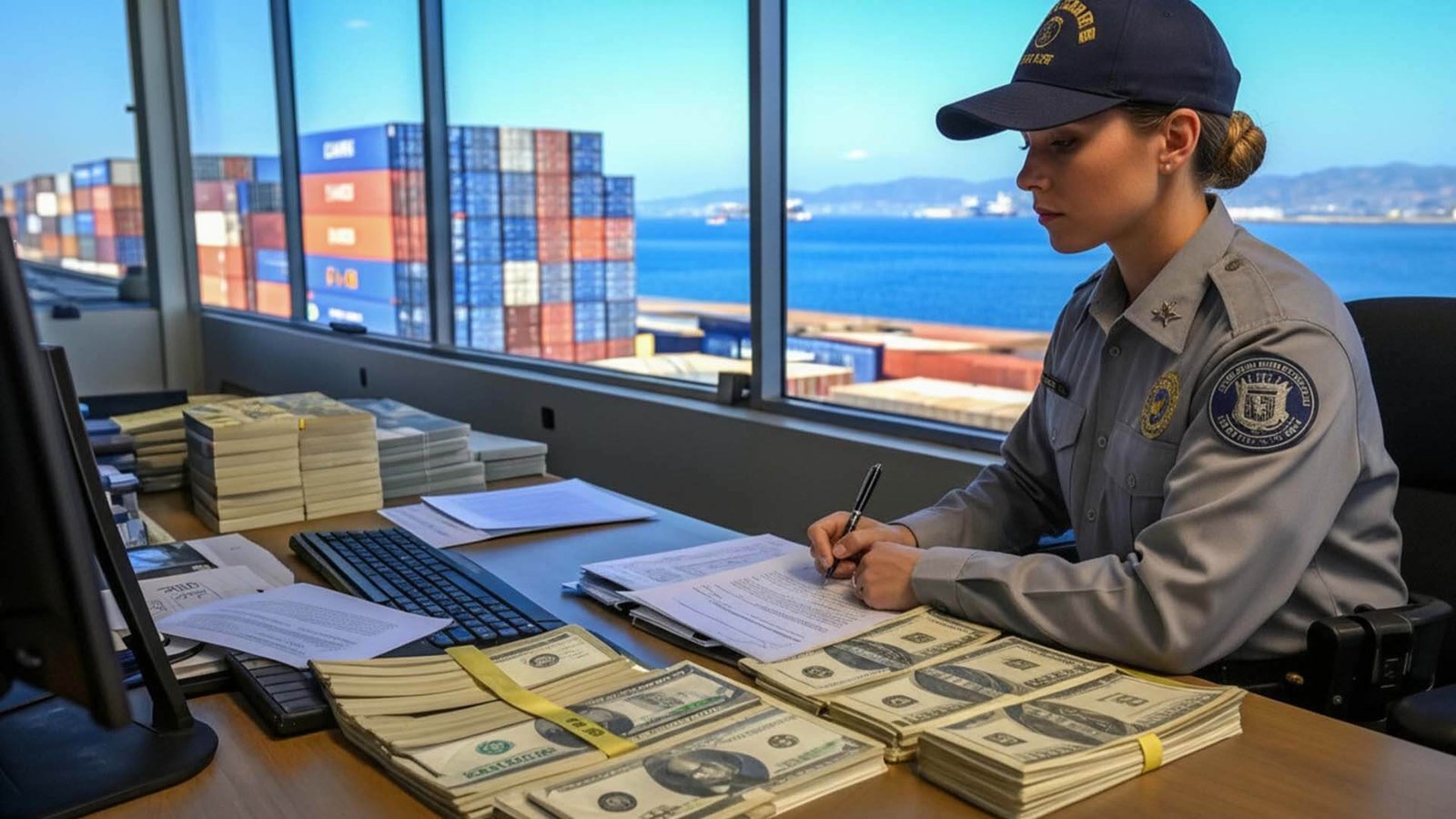
Here’s a streamlined workflow for importing:
Supplier → Japan Export Docs → Freight Booking → International Transit → U.S. Arrival → Customs Entry Filing → Compliance Review → Release → Delivery
By following this flow, you can reduce the chances of delays. It is essential to understand the paperwork involved and ensure everything is in order before shipment. Coordination between all parties will lead to a smoother import experience.
Conclusion
In conclusion, a thorough understanding of the import process and compliance requirements is crucial for success when importing video games from Japan.
Understanding customs duties and regulations is crucial to avoid costly mistakes and delays when importing video games from Japan. ↩
HTS codes determine the classification and duty rates for imported video games, ensuring compliance and avoiding fines. ↩
State taxes can add to the cost of importing video games, affecting pricing and profitability. ↩
Misclassification can lead to audits, delays, or penalties, making it essential to classify imports correctly. ↩
Recorded media often has low duty rates, making it a cost-effective option for importing physical video games. ↩
Game consoles fall under electronic machines, affecting duty rates and compliance requirements. ↩
Controllers and accessories have specific regulations, including battery rules, impacting import procedures. ↩
Understanding the classification difference helps in avoiding misclassification and ensuring correct duty payments. ↩
Incorrect declarations can trigger delays, making it crucial to declare mixed shipments accurately. ↩
Customs brokers help prevent classification errors, ensuring compliance and smooth import processes. ↩
FCC conformity is essential for electronics, preventing customs holds and ensuring legal compliance. ↩
Proper battery declaration prevents airline rejections and ensures safe transport of electronic devices. ↩
Understanding this difference helps avoid legal issues and ensures compliance with trademark laws. ↩
Region branding can impact trademark rights, making it crucial to align imports with regional regulations. ↩
These measures protect against loss or damage, ensuring safe delivery of valuable video game products. ↩
Understanding the entire import process helps avoid delays and ensures compliance with all regulations. ↩