Importing solar panels into the U.S. involves standard customs duties1 plus additional trade remedies2 that can significantly impact landed cost.
Solar panel imports are subject to base customs duties and, in many cases, additional trade remedies2 that materially increase landed cost. Importers must evaluate all applicable charges—not just the base duty—to avoid underestimating total exposure. Early tariff analysis is essential before contracting suppliers or setting project pricing.
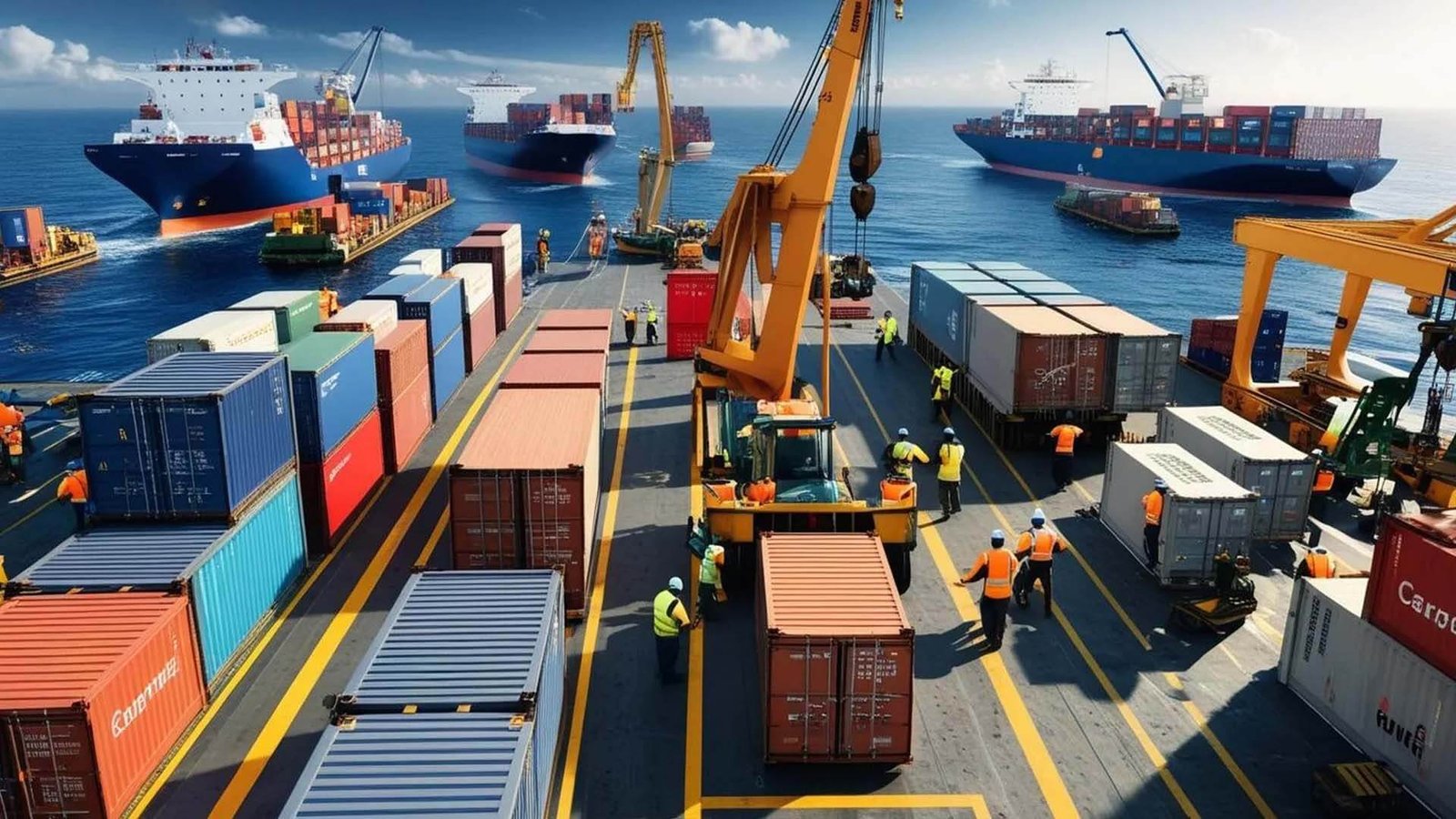
With so many rules and regulations, it’s easy to get overwhelmed when importing solar panels. However, understanding these requirements can make a significant difference in your bottom line.
Most solar panel imports are affected by Section 201 safeguard measures3 and country-specific tariffs, depending on origin and product type?
Importing solar panels can be complex due to the various tariffs that apply.
Many photovoltaic modules and cells are covered by Section 201 safeguard measures3, with rates and exemptions that change over time. Additional tariffs may apply based on country of origin. Importers must confirm whether products qualify for exclusions or quotas to accurately forecast duty liability.
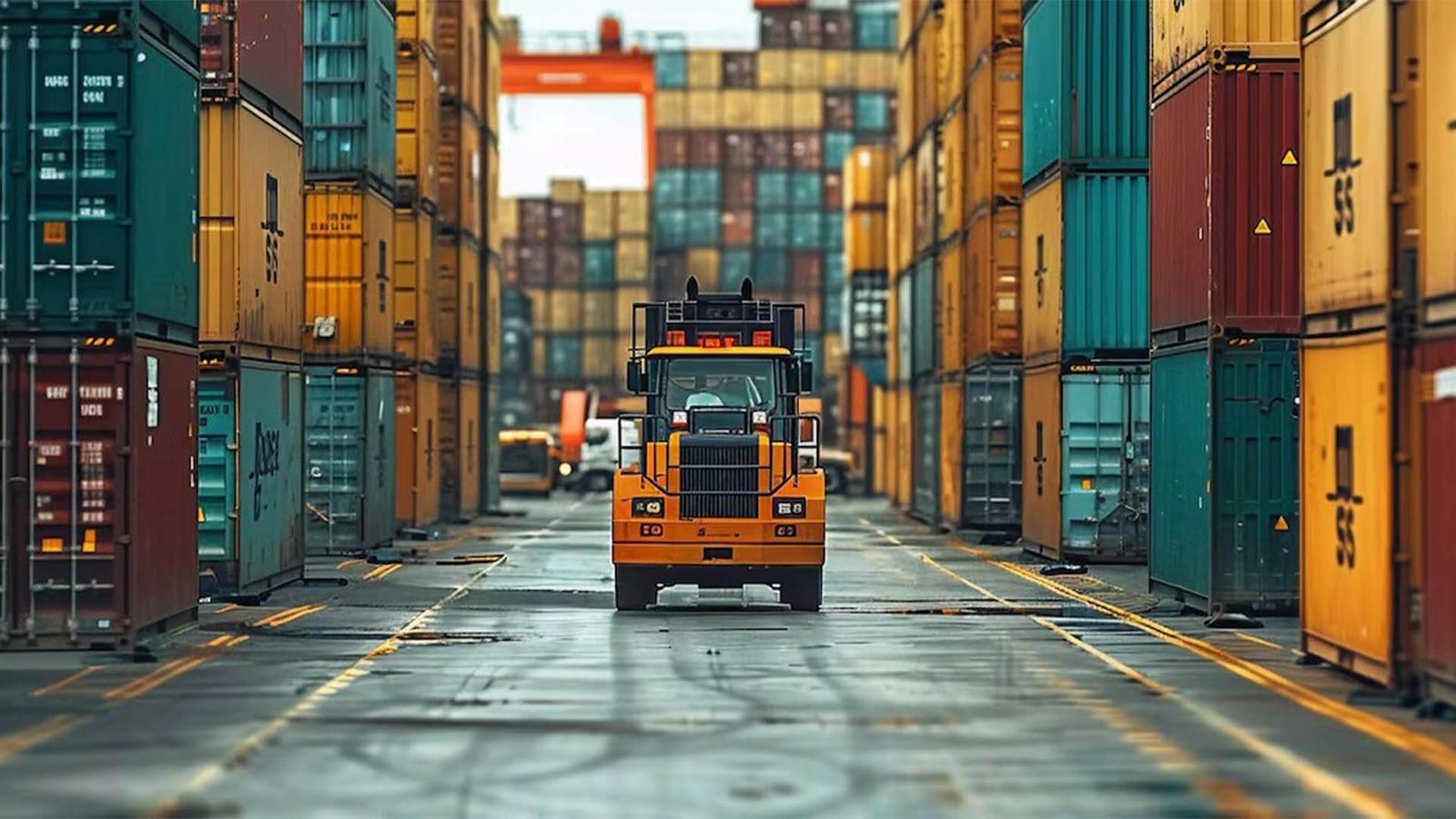
Navigating Section 201 solar tariffs requires careful attention. These safeguard measures were instituted to protect U.S. manufacturers from foreign competition, particularly from low-cost imports. As an importer, you must keep abreast of the latest tariff rates and changes. This can be quite a task, especially with different rules applying based on the country of origin and type of product. For instance, solar panels imported from China may face higher tariffs than those imported from other countries. It’s essential to establish whether your products are eligible for any exemptions or quotas. This information can save you significant costs and ensure compliance with U.S. import regulations.
Correct HTS classification4 and country-of-origin determination5 are critical to avoiding overpayment or penalties on solar panel imports?
Proper classification is vital when importing solar panels.
Solar panels can fall under different HTS classification4s depending on configuration and components, and origin rules determine which tariffs apply. Errors in classification or origin claims can trigger overpayment, retroactive bills, or penalties. Accurate product data and sourcing transparency are essential for compliant entries.
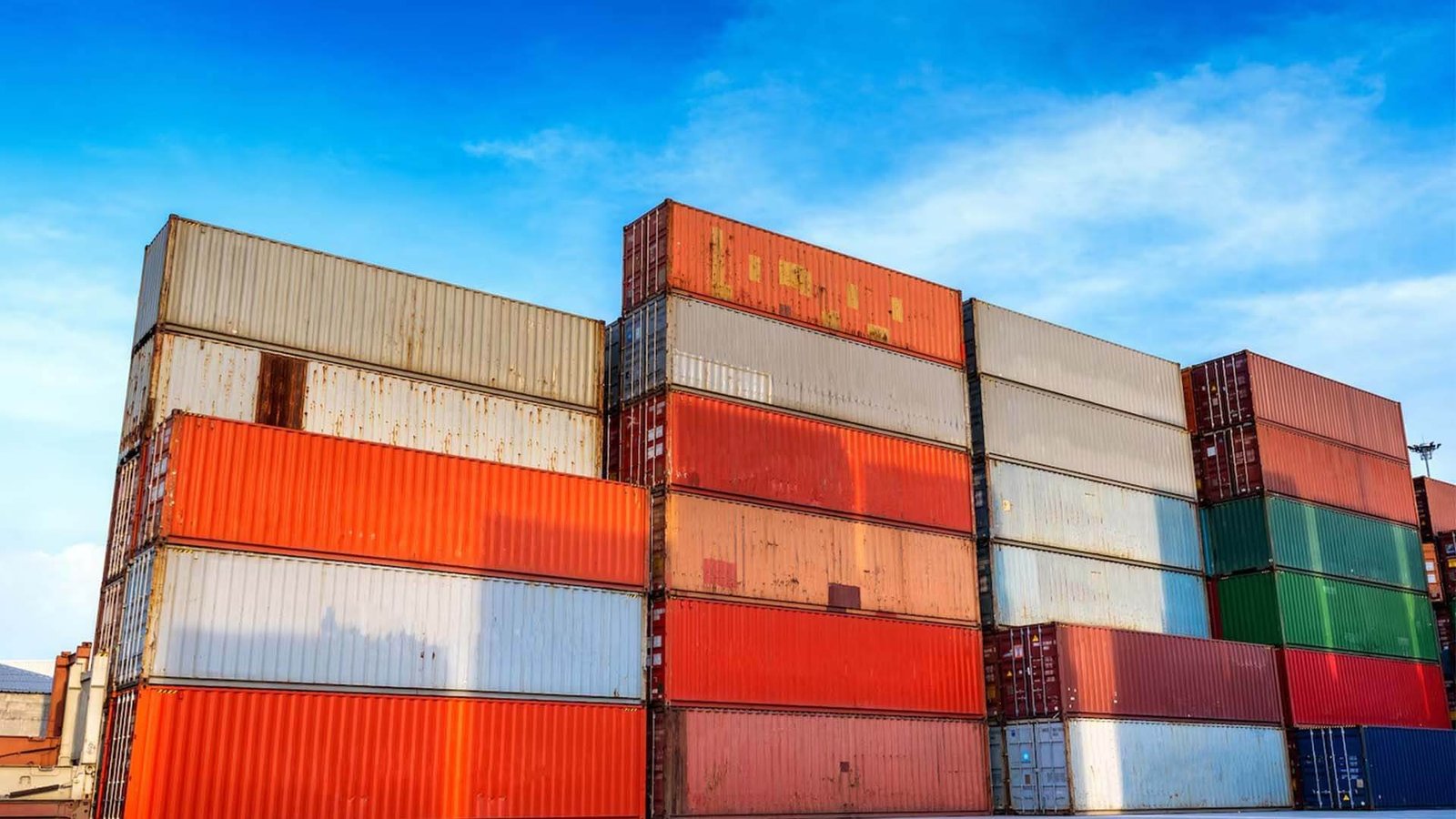
Getting the HTS classification4 right ensures that you comply with U.S. customs regulations while avoiding unexpected costs. Each product has a unique classification that determines the applicable duties. Even a small mistake can lead to overpaying or facing penalties from customs. Moreover, determining the country of origin accurately is equally important, as tariffs often vary depending on where the product comes from. I have seen cases where companies faced hefty fines for misclassification, leading to costly delays and increased project expenses. Therefore, it is crucial to conduct thorough research and maintain clear communication with your suppliers.
Solar panels must meet U.S. regulatory and documentation requirements before customs clearance and release?
Documentation is a vital part of the import process.
Beyond tariffs, solar panel imports require complete commercial documentation6 and regulatory declarations7 at entry. Missing or inconsistent paperwork can delay clearance or trigger exams. Importers that prepare documentation in advance reduce port delays, storage charges, and downstream project disruptions.

Before you import solar panels, ensure that you have the necessary documentation ready. This includes commercial invoices, bills of lading, and any required certifications. Incomplete or incorrect paperwork can lead to significant delays in customs clearance. These delays can add unnecessary costs and disrupt project timelines. I’ve experienced firsthand how proper preparation can streamline the process. Advance preparation is key to avoiding headaches at the port and ensuring a smooth transition from shipment to delivery. This proactive approach keeps your projects on schedule and your costs in check.
Shipping and handling considerations for solar panels create unique risk around damage, insurance, and port handling?
Shipping solar panels isn't as straightforward as it seems.
Solar panels are oversized, fragile, and high-value, making them vulnerable to damage during ocean transport and port handling. Proper packaging, cargo insurance8, and terminal coordination9 are critical. Poor logistics planning can result in damaged inventory, denied insurance claims, and costly replacement delays.
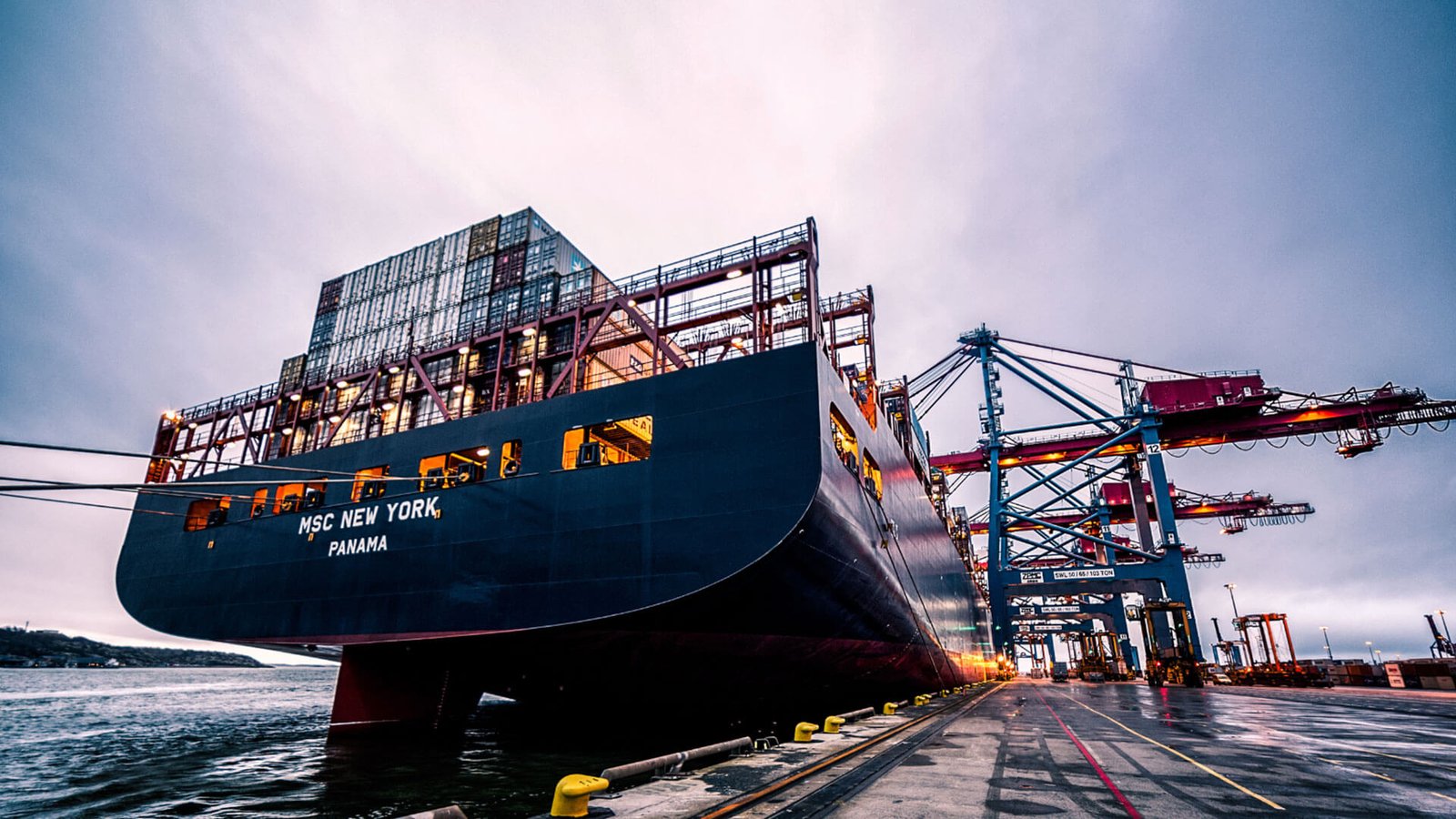
When it comes to shipping solar panels, careful consideration is crucial. Their size and fragility mean that they require special handling techniques. I’ve seen shipments arrive damaged due to improper packing or handling, which can lead to significant financial losses. Securing cargo insurance8 is also essential, as it protects you against potential losses. Additionally, having effective communication with the terminal and logistics provider enhances the chances of a successful delivery. If you don’t plan for these factors upfront, you might face unnecessary delays and increased expenses. So, prioritize shipping best practices for a smoother import process.
Importers that coordinate tariff planning10, compliance, and logistics early can reduce delays, disputes, and total import cost?
Successful importers plan ahead for efficient operations.
Successful solar importers integrate tariff analysis, customs compliance11, and logistics execution12 from the start. Early coordination with suppliers, brokers, and carriers ensures correct classification, complete documentation, and smooth delivery—reducing surprise costs, clearance delays, and project timeline risk.

Planning ahead makes all the difference in the importing process. Integrating tariff analysis and logistics from the very beginning can help you avoid unexpected costs and delays. By collaborating with your suppliers and logistics partners early in the process, you can ensure that everything from classification to documentation is handled correctly. This proactive approach not only minimizes complications but also supports your overall project goals. I have seen companies achieve smoother operations just by prioritizing early planning and coordination. Don't underestimate the power of preparation in the import process.
| Duty Type | Description |
|---|---|
| Base Import Duty | Applies under standard HTS classification4, generally low or zero for many solar products. |
| Section 201 Safeguard Measures | Apply to certain solar cells and modules; rates, quotas, and exclusions change over time. |
| Section 301 Tariffs13 | Apply based on China origin and HTS code; assessed in addition to base duty and safeguards. |
Conclusion
Importing solar panels requires careful attention to duties, documentation, and logistics to minimize costs and delays.
Understanding standard customs duties is crucial for accurately estimating the cost of importing solar panels, helping you budget effectively. ↩
Exploring trade remedies can help you understand additional costs and regulations, ensuring compliance and cost-effectiveness in your import strategy. ↩
Learning about Section 201 measures can help you navigate tariffs and exemptions, potentially saving costs and ensuring compliance. ↩
Correct HTS classification ensures compliance and prevents overpayment or penalties, safeguarding your financial interests. ↩
Understanding country-of-origin rules can help you avoid penalties and ensure the correct application of tariffs. ↩
Having the right documentation ready can prevent delays and additional costs, ensuring a smooth import process. ↩
Knowing the necessary regulatory declarations helps in avoiding clearance delays and ensures compliance with U.S. regulations. ↩
Cargo insurance protects against potential losses from damage during transport, safeguarding your investment. ↩
Effective terminal coordination can prevent damage and delays, ensuring timely and safe delivery of your solar panels. ↩
Early tariff planning helps in minimizing costs and avoiding delays, ensuring a more efficient import process. ↩
Understanding customs compliance is essential to avoid penalties and ensure a smooth import process. ↩
Proper logistics execution ensures timely delivery and reduces the risk of damage, supporting project timelines. ↩
Understanding Section 301 Tariffs is crucial for planning costs, especially if importing from China, to avoid unexpected expenses. ↩