Importing pharmaceuticals is complex and risky. A single compliance mistake1 can lead to seized goods and huge losses. You must understand the specific rules to import successfully.
To import pharmaceuticals into the U.S. legally, a commercial importer must comply with all FDA and Customs (CBP) regulations2. This includes ensuring the foreign manufacturing facility3 is registered with the FDA, the specific drug is listed, and all entry documentation, like Prior Notice4, is filed correctly.
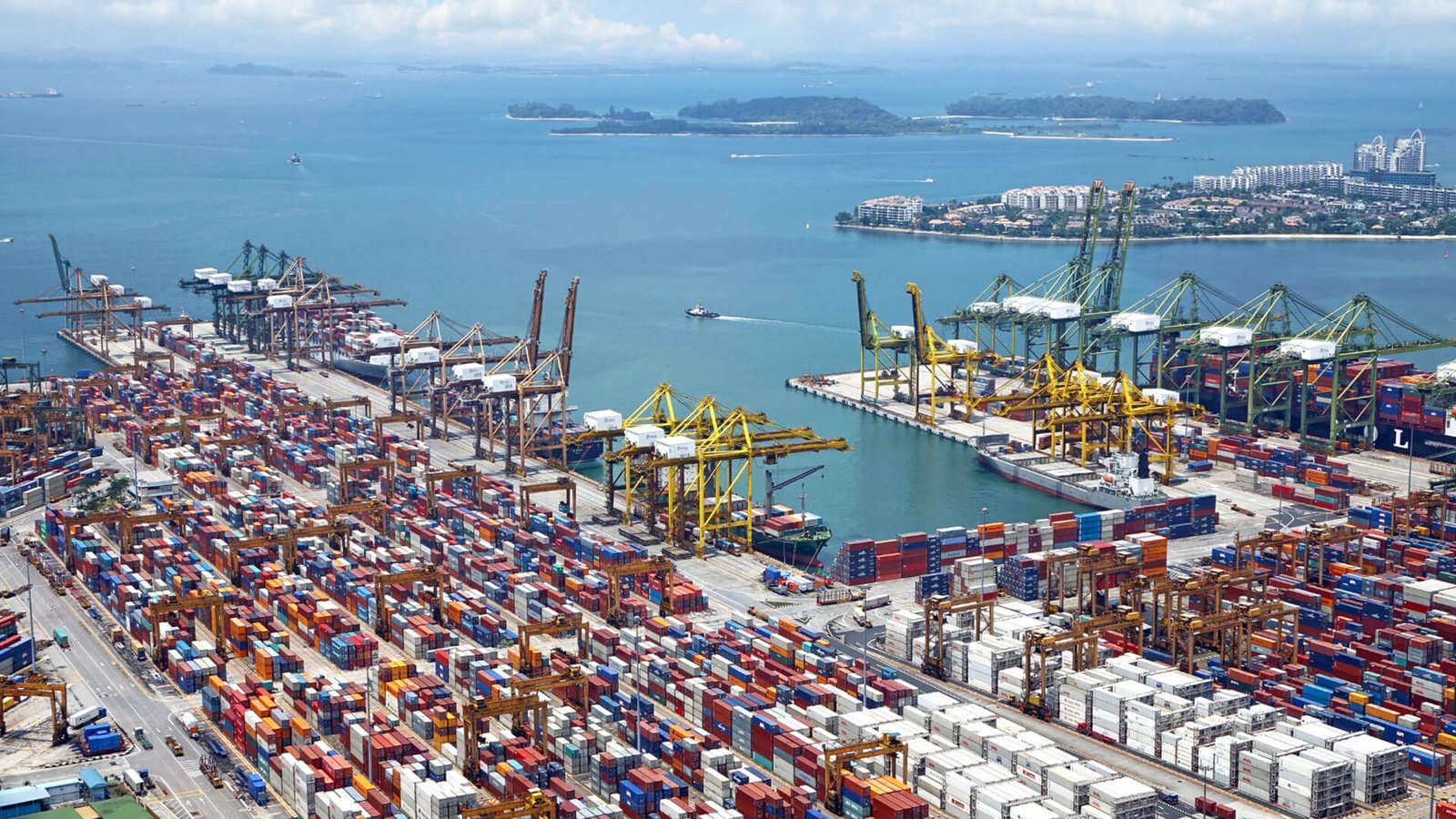
When I talk to new importers, they often think shipping drugs is like shipping any other product. It is not. The FDA and CBP see every pharmaceutical shipment as high-risk cargo5 because it directly impacts public health6. Most seizures I've seen over my 15 years in this business are not due to smuggling. They happen because of simple, preventable regulatory mistakes. This guide is for commercial B2B importers—the manufacturers, brand owners, and distributors. It is not for individuals trying to import drugs for personal use. If you want to avoid having your products detained or destroyed at the border, you need to treat this as a regulatory process7 first and a logistics process second.
Is It Legal to Import Pharmaceuticals Into the U.S. — and When Will Customs Seize Them?
Are you worried that your expensive pharmaceutical shipment will be seized by Customs? It's a valid fear. Customs and the FDA don't just look for illegal substances; they check for perfect compliance.
Yes, it is legal for registered commercial entities to import FDA-approved drugs8. However, U.S. Customs (CBP) will seize shipments that lack proper FDA registration, drug listing9, or accurate entry documentation. Seizures most often result from regulatory non-compliance10, not criminal intent.

Many importers don't understand the line between a lawful commercial import and a prohibited one. A lawful import comes from an FDA-registered facility, the drug itself is listed with the FDA, and all the paperwork is perfect. A prohibited shipment is anything that fails to meet these strict standards. It could be a new drug that isn't approved in the U.S., a product with labeling not in English, or a shipment where the manufacturer forgot to renew their FDA registration. In my experience, these are the most common reasons for detention. It's rarely a dramatic smuggling bust; it's usually a paperwork failure. And don't think using a courier like FedEx or UPS gets you a pass. They are required by law to report suspicious or non-compliant packages to CBP and the FDA. This report automatically triggers a review, and if your documentation isn't in order, your shipment will be stopped.
Common Reasons for Pharmaceutical Seizures
| Compliance Failure | Why It Triggers a Seizure |
|---|---|
| No FDA Establishment Registration11 | The U.S. government has no way to verify the foreign facility meets safety standards. |
| Drug Not Listed with FDA | The specific product is considered an unapproved drug and is illegal to import for sale. |
| Incorrect or Foreign Labeling | All drug labeling must meet U.S. requirements, including being in English. |
| Missing Prior Notice4 | The FDA was not electronically notified of the shipment before its arrival, a mandatory step. |
What FDA Registration, Licenses, and Import Permits Are Required to Import Pharmaceuticals?
Are you confused by the web of FDA paperwork and licenses? A standard freight forwarder's license is not nearly enough for pharmaceuticals, and assuming it is can be a fatal mistake.
Commercial importers must ensure the foreign manufacturer has a valid FDA Establishment Registration11 and that the specific drug is listed in the FDA's database. While you need a customs broker for the import entry, this is separate from the FDA's regulatory authorization, which is non-negotiable.
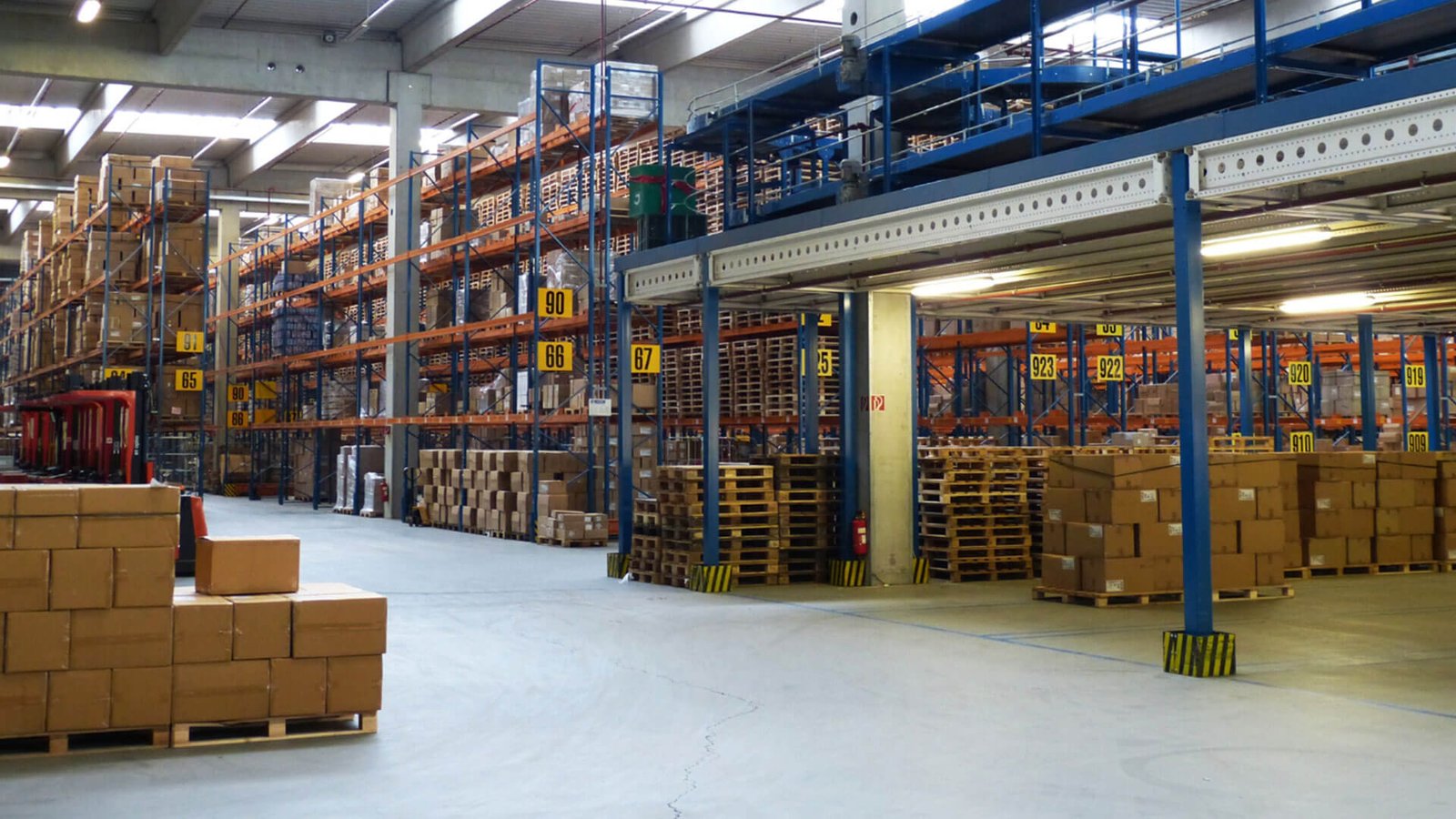
The foundation of any legal pharmaceutical import rests on two key FDA requirements: establishment registration and drug listing9. First, the foreign facility that manufactures, repacks, or relabels the drug must be registered with the FDA. This is not optional. As the importer, it is your responsibility to verify your supplier's registration is active before you ship. Second, every specific drug product you import must be officially "listed" with the FDA. This links the product to the registered facility and assigns it a National Drug Code (NDC). Many importers I work with initially believe that their logistics provider's licenses12 cover them. This is a dangerous misunderstanding. A freight forwarder or 3PL has the authority to move cargo. They do not have the authority to make that cargo compliant with FDA rules. The responsibility for FDA compliance always falls on the importer of record. While special permits do exist, they are typically for controlled substances and require DEA involvement, which is a separate and even more complex process.
FDA Compliance: Who Is Responsible?
| Requirement | Responsible Party | Key Action |
|---|---|---|
| FDA Establishment Registration11 | Foreign Manufacturer | Registers their facility with the FDA and renews it annually. |
| FDA Drug Listing | Foreign Manufacturer / U.S. Agent | Lists each specific drug product with the FDA. |
| Verification of Compliance | U.S. Importer | Confirms both registration and listing are valid before shipping. |
| Customs Entry Filing13 | Licensed Customs Broker | Files the import declaration with CBP and FDA data. |
How Does the FDA Final Rule and Prior Notice4 Affect Pharmaceutical Imports?
Do you think filing import paperwork is just a formality? For the FDA, that data is their first line of defense against unsafe products, and simple errors will trigger immediate holds on your shipment.
The FDA's Final Rule14 on importation enhances enforcement, primarily using data from the mandatory Prior Notice4 system to target high-risk drug shipments before they arrive. Submitting accurate Prior Notice4 on time is non-negotiable; failure to do so results in automatic detention and refusal of your shipment.

Prior Notice4 is exactly what it sounds like: an advance electronic notification to the FDA that a shipment of regulated products is coming to the U.S. It must be submitted within a specific timeframe before the goods arrive at the port. This is not just bureaucratic paperwork. The FDA uses this data in its automated screening system, called PREDICT, to score your shipment for risk. Inaccurate information, a mismatch between the declared manufacturer and the one in the FDA database, or a late filing will raise your risk score and flag your entry for physical examination. The FDA's Final Rule14 on the Importation of Prescription Drugs has only increased this scrutiny. It formalizes the pathways for legal imports but also gives the agency more power to stop shipments that don't follow the rules perfectly. A mistake with Prior Notice4 is one of the easiest ways to get your shipment stopped. If it's late, your goods will be held. If it's inaccurate, they can be refused entry. And if it's missing entirely, you can guarantee your shipment isn't going anywhere.
Do De Minimis Rules, Duties, or Courier Shipping Exempt Pharmaceuticals From FDA Control?
Do you think your small parcel or low-value shipment can fly under the regulatory radar? The FDA does not care about the commercial value of your shipment; they only care about public safety.
No. The $800 de minimis rule15, which allows some low-value goods to enter the U.S. duty-free, absolutely does not apply to products regulated by the FDA, including pharmaceuticals. All pharmaceutical shipments require full FDA review and compliance, regardless of their value or shipping method.
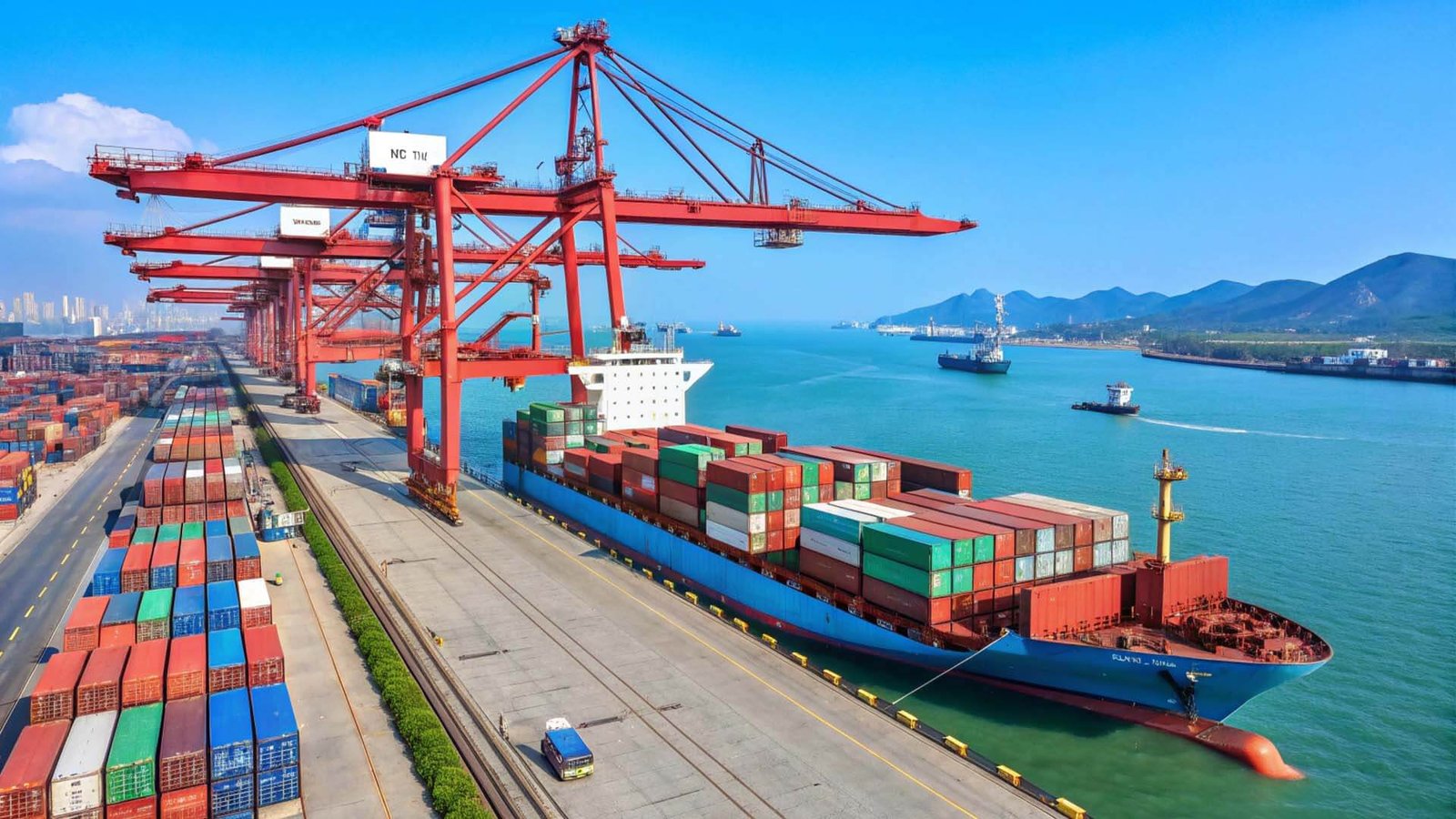
This is one of the most dangerous and costly myths in importing. The "de minimis" rule, also known as a Section 321 entry, allows shipments valued under $800 to enter the U.S. free of duties and taxes. Many importers mistakenly believe this also means they are free from oversight by Partner Government Agencies (PGAs)16 like the FDA. This is completely false. The FDA's mission to protect public health6 supersedes any customs duty exemption. Any product that requires FDA approval—drugs, medical devices, certain foods—is not eligible for de minimis treatment and must go through a formal entry process17. The same logic applies to the shipping method. Using USPS, FedEx, or UPS does not create a loophole. These carriers are legally required to present all packages to CBP, and any package suspected of containing regulated goods will be forwarded to the FDA for review. There are no shortcuts. Every commercial pharmaceutical import must meet all FDA requirements.
De Minimis Rule: General Goods vs. Pharmaceuticals
| Factor | General Goods (e.g., T-shirts) | Pharmaceuticals |
|---|---|---|
| Shipment Value | Under $800 | Any Value |
| De Minimis Applies? | Yes, eligible for duty-free entry. | No. |
| FDA Review Required? | No. | Yes, always. |
| Formal Entry Required? | No. | Yes, always. |
Conclusion
Importing pharmaceuticals is a regulatory process7, not just a logistics task. Most seizures are preventable with the right planning, ensuring all FDA and customs requirements are met before you ship.
Understanding common compliance mistakes can help you avoid costly errors and ensure smooth importation of pharmaceuticals. ↩
Knowing the specific regulations is crucial for legal and successful importation of pharmaceuticals into the U.S. ↩
Registering your foreign manufacturing facility with the FDA is a mandatory step for legal pharmaceutical imports. ↩
Submitting Prior Notice is essential to avoid shipment detention and ensure compliance with FDA regulations. ↩
Understanding why pharmaceuticals are high-risk can help you prepare better for compliance and avoid seizures. ↩
Recognizing the impact on public health underscores the importance of compliance in pharmaceutical imports. ↩
Recognizing the regulatory nature of pharmaceutical imports can prevent legal issues and ensure compliance. ↩
Importing only FDA-approved drugs is essential to avoid seizures and ensure compliance with U.S. regulations. ↩
Ensuring your drug is listed with the FDA is vital for legal importation and avoiding shipment seizures. ↩
Avoiding regulatory non-compliance is crucial to prevent shipment seizures and financial losses. ↩
FDA Establishment Registration is a key requirement for legal pharmaceutical imports into the U.S. ↩
Understanding the limitations of logistics provider's licenses can prevent compliance errors in imports. ↩
Proper Customs Entry Filing is necessary to comply with both CBP and FDA requirements for imports. ↩
Understanding the FDA's Final Rule can help you comply with regulations and avoid shipment detentions. ↩
Knowing that the de minimis rule doesn't apply to pharmaceuticals can prevent costly import mistakes. ↩
Understanding the role of PGAs like the FDA is crucial for compliance in pharmaceutical imports. ↩
The formal entry process is mandatory for pharmaceuticals, and knowing it ensures compliance and smooth importation. ↩