Importing paint seems straightforward. But hidden hazmat rules can stop your shipment cold. Getting it wrong costs you time and serious money.
Many paints are classified as hazardous materials (hazmat)1 by the U.S. Department of Transportation (DOT)2. This is usually because their chemical solvents make them flammable. These strict regulations apply to all imports, domestic transport, and handling, making compliance essential for importers.

I've seen many importers get stuck here. They assume a common product like paint is simple to import, but the reality is very different. The U.S. government has specific, non-negotiable rules for products that can pose a safety risk. For paint, this risk is often flammability3. If you don't follow these rules from the start, you're setting yourself up for delays, fines, or even having your cargo seized by Customs. We need to get this right before your shipment leaves the port in China.
Is Paint Considered a Hazardous Material When Imported Into the U.S.?
You believe your paint is safe for use. But U.S. regulators might see it differently. This small misunderstanding can cause huge import delays and unexpected costs.
Yes, many common paints are considered hazardous materials, especially solvent-based types. They are regulated because of their flammability3 or specific chemical content. As the importer, you must declare them correctly to avoid fines and legal trouble.

The main reason paint often falls under hazmat rules is its flash point4. The flash point4 is the lowest temperature at which vapors from the paint can ignite. If the flash point4 is low enough, the Department of Transportation (DOT) classifies it as a flammable liquid. I once had a client, Mark, who was importing industrial coatings. His supplier in China told him it was "standard paint" and not hazardous. But when we reviewed the Safety Data Sheet (SDS)5, we found the flash point4 was 75°F (24°C). This immediately classified it as a regulated hazardous material. If he had shipped it without the proper declarations, his container would have been stopped by Customs, and he would have faced significant fines. The importer is always the one legally responsible, not the overseas factory. You must verify the classification yourself.
Do You Need Hazmat Classification to Import Paint?
Your supplier says the paint is not hazmat. But Customs holds your shipment anyway. Now you are stuck with a detained container and are losing money daily.
Yes, you must determine the hazmat classification for every paint shipment. Flammable, solvent-based paints always require it. Some non-flammable, water-based paints may not. The Safety Data Sheet (SDS)5 is the official document used to make this critical decision.

You cannot guess or take your supplier's word for it. The only way to know for sure is to get the SDS from the manufacturer. This document contains all the technical details, including the flash point4, which is the most important factor.
Flammable vs. Non-Flammable Coatings
- Flammable Paints: These are typically solvent-based, like oil-based paints, lacquers, and many industrial coatings. They have a low flash point4 and are heavily regulated.
- Non-Flammable Paints: Many water-based latex paints are not considered flammable and may not be regulated as hazmat for transport. However, they can still contain other chemicals regulated by different agencies, like the EPA or CPSC.
The SDS is your proof. I always tell my clients, "No SDS, no shipment." It is that simple. Relying on an email or a verbal confirmation from your factory is not a valid legal defense if U.S. regulators find a misdeclaration. You, the importer, need that official document in hand before you even book the freight.
How Is Paint Classified Under U.S. Hazardous Materials Regulations?
You know your paint is hazmat, but what does that mean? The regulations seem complex. A wrong code or class can lead to your shipment being rejected by the carrier.
Most regulated paints fall under the U.S. Department of Transportation's Hazard Class 36, which covers flammable and combustible liquids. All shipments must comply with the rules found in the Code of Federal Regulations, Title 49 (49 CFR)7.
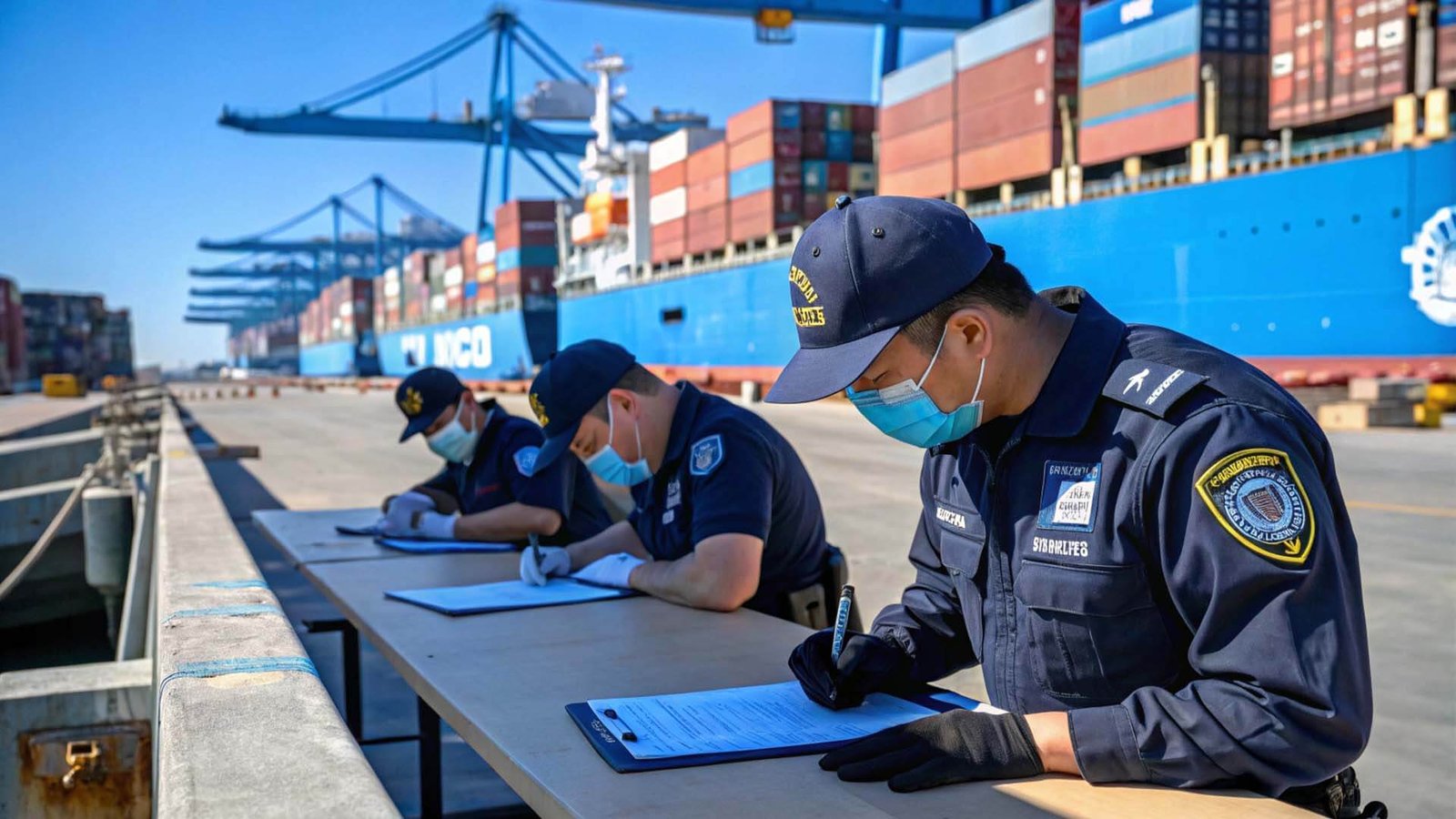
In the U.S., the Pipeline and Hazardous Materials Safety Administration (PHMSA)8, a part of the DOT, sets the rules. These rules are detailed in 49 CFR. For paint, the key classification is almost always Hazard Class 36: Flammable Liquids.
Within this class, there are Packing Groups9 (PG) that indicate the level of danger.
- Packing Group I: High danger (very low flash point4)
- Packing Group II: Medium danger
- Packing Group III: Low danger
The SDS will specify the correct Packing Group for your paint. This information is critical because it determines the type of packaging required, the labels you must use, and how the shipping carrier must handle the cargo. Getting the Hazard Class and Packing Group right is the foundation of compliant hazmat shipping. If you get this wrong, carriers will refuse the cargo, or you will face penalties during a DOT inspection.
What Is the Hazmat Code for Paint (UN126310)?
You need to fill out shipping documents. You see a field for a "UN Number". Putting the wrong code here is a simple mistake that can cause major compliance failures.
UN126310 is the most common UN number for "Paint" and "Paint Related Material." This code identifies the substance as a flammable liquid for international and domestic transport, ensuring it is handled correctly and safely.

The UN number is part of a global system for classifying hazardous goods. Think of it as a universal ID code for a specific type of hazardous material. For paint, that code is almost always UN126310.
Understanding UN126310
- Proper Shipping Name (PSN): The official name used on all documents is "Paint" or "Paint Related Material." You must use this exact name. You cannot write "Blue Automotive Coating."
- Scope: This code covers products like paint, lacquer, enamel, stain, shellac, varnish, and polish.
- Limitations: UN126310 is only for flammable liquids in Hazard Class 36. If your paint is hazardous for another reason (e.g., toxic or corrosive), it would need a different UN number.
The UN number, Proper Shipping Name, Hazard Class, and Packing Group must all be listed correctly on your Dangerous Goods Declaration. I've seen shipments delayed for weeks because the importer listed the commercial product name instead of the official Proper Shipping Name. All these details must match the SDS perfectly.
What Documents Are Required to Import Paint Into the U.S.?
You have your paint classified. Now what paperwork do you need? Missing even one document can leave your container sitting at the port, accumulating expensive demurrage fees.
Importing paint requires standard customs documents like a commercial invoice, plus hazmat-specific papers. These include a Safety Data Sheet (SDS)5 and a Dangerous Goods Declaration. For consumer paints, you may also need CPSC Form HS-711.
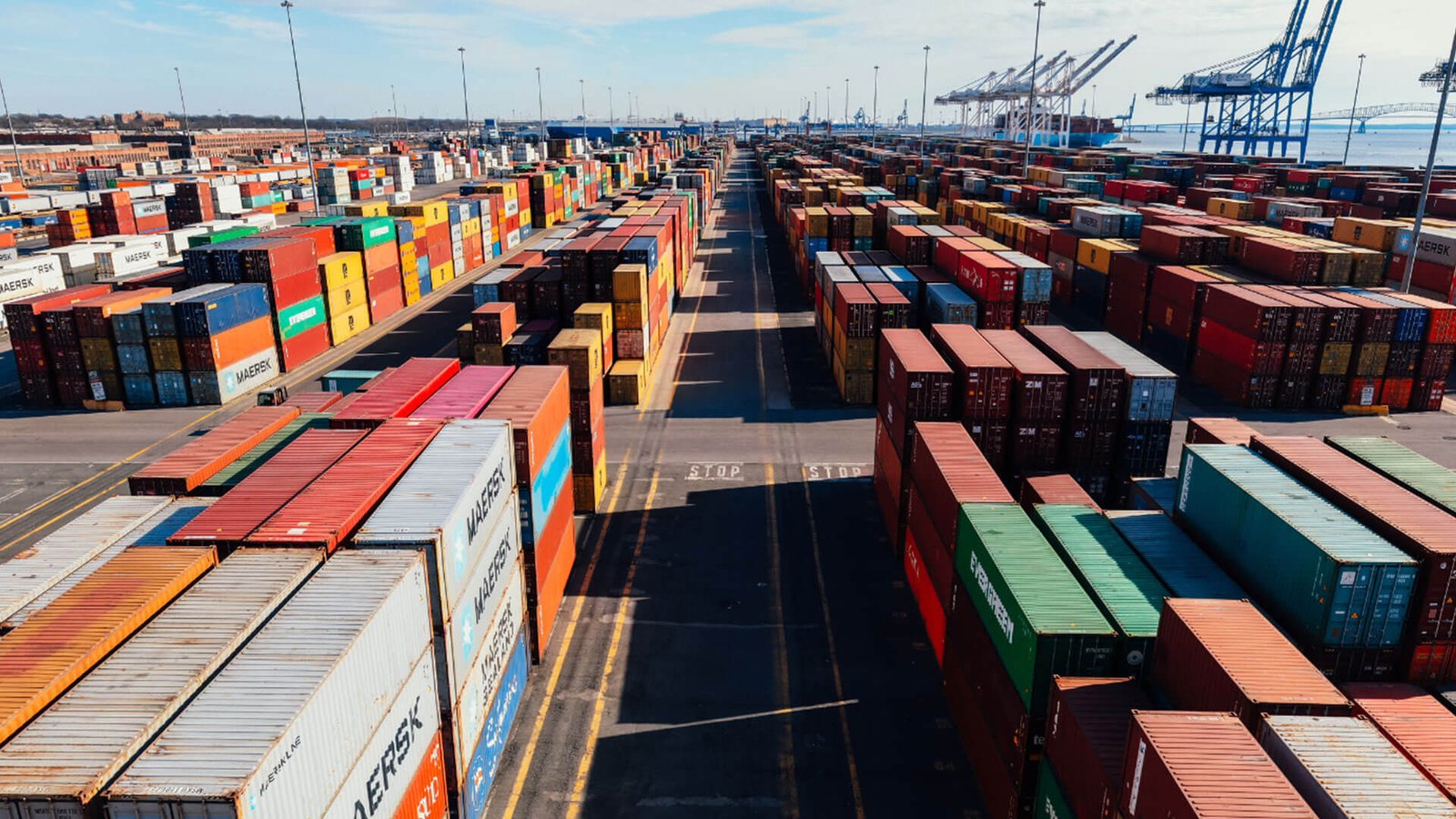
Getting your documentation in order is not optional. U.S. Customs and Border Protection (CBP) and the DOT will not release your cargo without the correct paperwork. Here is a breakdown of what I always require from my clients.
| Document | Purpose | Who Provides It? |
|---|---|---|
| Commercial Invoice | States the value, seller, and buyer for customs valuation. | Your Supplier |
| Packing List | Details the contents, weights, and dimensions of the shipment. | Your Supplier |
| Safety Data Sheet (SDS)5 | Provides all technical hazmat classification data. | Your Supplier |
| Dangerous Goods Declaration (DGD)12 | Declares the hazmat details to the carrier and regulators. | Your Freight Forwarder |
| Customs Bond13 | A financial guarantee with CBP that you will follow all rules. | Your Customs Broker |
| Form HS-7 | Declares compliance with CPSC rules (for consumer paint). | You (Importer of Record) |
I cannot overstate the importance of the SDS and DGD. The DGD is a legal declaration that you are shipping hazardous materials. All the information on it must be 100% accurate and match the SDS. Any discrepancy is a major red flag for regulators.
When Is HS-7 Required for Paint Imports?
Your paint is for retail sale. You hear about another form, HS-7. You wonder if it applies to you and what happens if you don't file it.
The CPSC Import Declaration Form HS-7 is required when importing consumer paint products intended for sale to the public. This form certifies that the paint complies with U.S. consumer safety laws, including restrictions on lead content.

This requirement separates industrial-use paints from those sold on store shelves. The Consumer Product Safety Commission (CPSC) is responsible for protecting the public from unreasonable risks of injury or death associated with consumer products.
Consumer vs. Industrial Paint
- Consumer Paint: If your paint will be sold in retail stores for household use, you must file Form HS-7. This declares that your product meets CPSC standards, most notably the ban on lead-based paint14.
- Industrial Paint: If the paint is strictly for industrial or manufacturing use (e.g., coating machinery in a factory), the HS-7 form is not typically required.
As the Importer of Record, you are the one legally responsible for completing and submitting the HS-7 form. You are attesting that your product is safe and compliant. Filing this form incorrectly or failing to file it when required can lead to product recalls, seizures, and severe penalties. This is a step where a good customs broker adds immense value by ensuring you meet all Participating Government Agency (PGA) requirements15.
Can You Import Paint From Mexico to the United States?
You source paint from Mexico. You wonder if the rules are different for land transport. Misunderstanding cross-border rules can stop your truck right at the border.
Yes, you can import paint from Mexico to the U.S., but it must comply with both U.S. DOT hazmat rules and CBP import requirements. The regulations for hazardous materials are just as strict for trucks as they are for ocean containers.
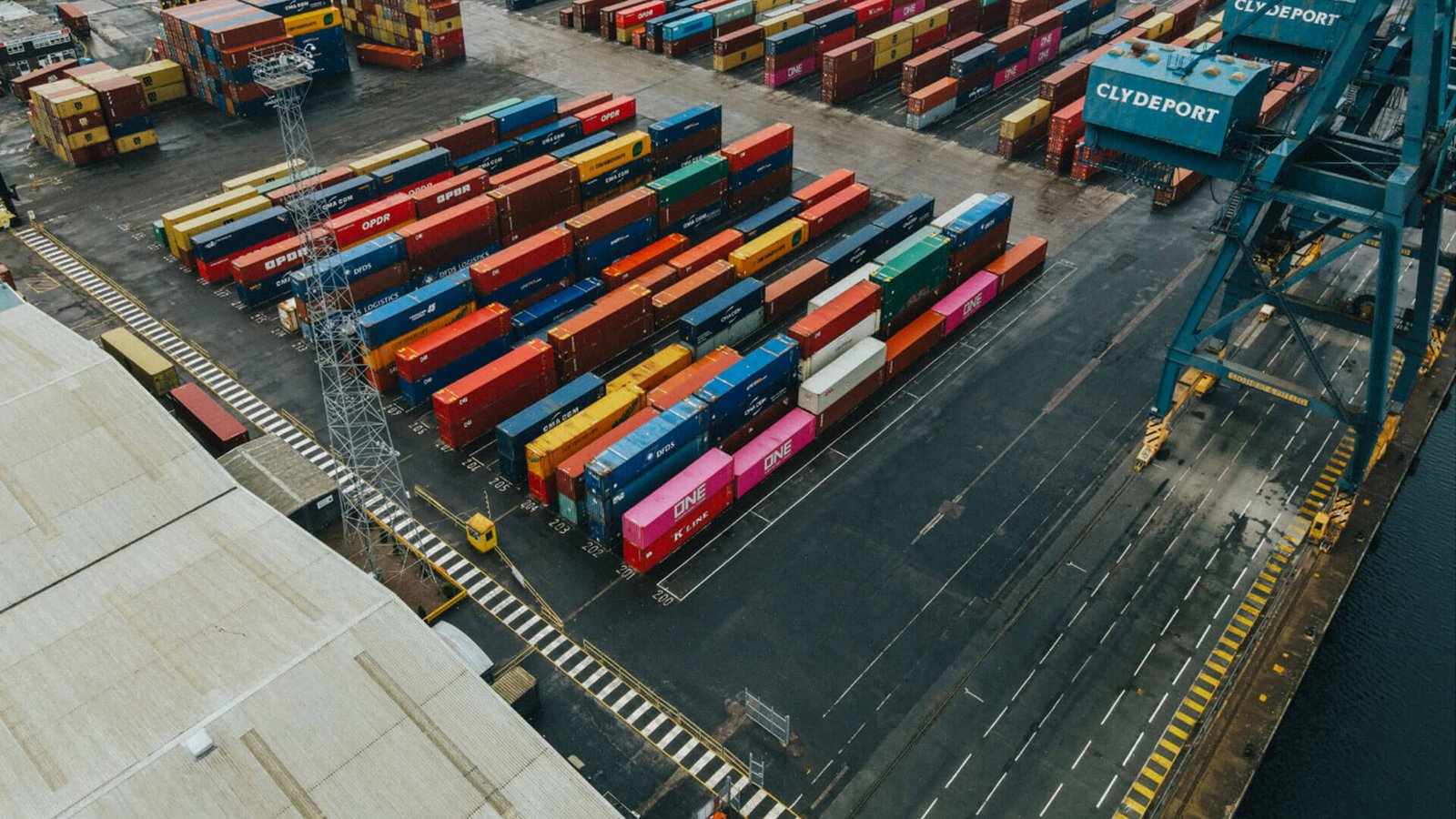
Whether your paint comes on a ship from China or a truck from Mexico, it is still an import into the United States. That means it must meet all the same safety and customs regulations. CBP and DOT work together at land border crossings to inspect cargo. They will check for the same things: proper placarding on the truck, correct shipping papers like the DGD, and accurate customs declarations. I've worked with clients who thought land crossings were simpler. They learned the hard way that a non-compliant hazmat shipment will be turned away at the border, causing major disruptions to their supply chain. This is another area where DDP (Delivered Duty Paid) shipping terms can be a lifesaver. With DDP, the seller is responsible for managing the compliant cross-border transport, taking that risk off your shoulders.
Are There Any Prohibited or Restricted Paint Products?
You found a great paint product overseas. The price is right. But is it even legal to import into the U.S.? Assuming it is can be a costly mistake.
Yes, certain paints are prohibited or heavily restricted from being imported into the U.S. The most common restriction is on lead-based paint14 for consumer use. Other chemicals and solvents may also be banned by the EPA or other agencies.
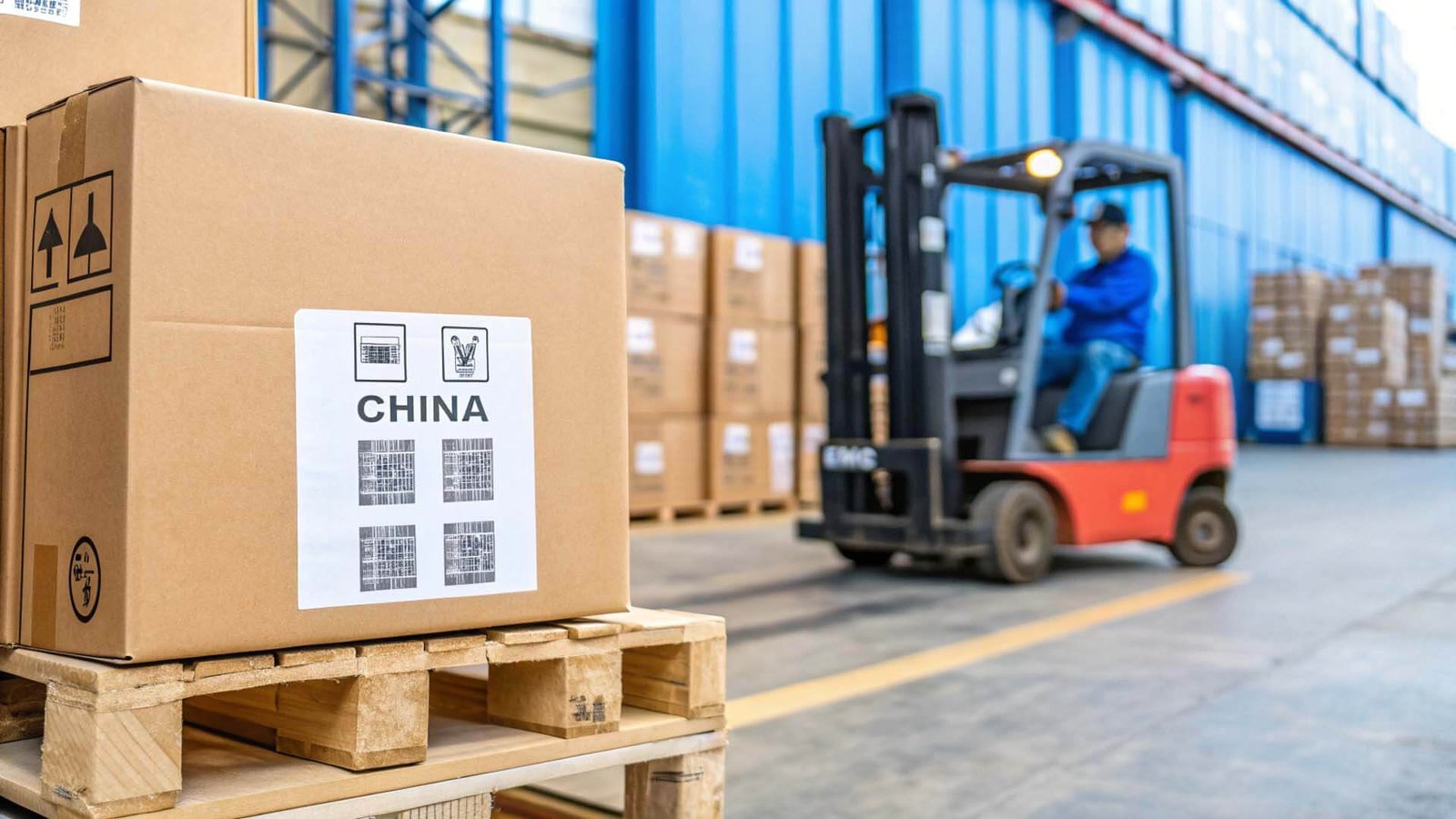
Just because a product is legal to manufacture and sell in another country, like China or Mexico, does not mean it is legal in the United States. The U.S. has its own set of strict environmental and consumer protection laws.
Key Restrictions to Watch For:
- Lead-Based Paint: There is a federal ban on lead-based paint14 for consumer products. Any paint intended for household use must be virtually lead-free. Importing leaded paint for consumer sale is illegal.
- Restricted Chemicals: The Environmental Protection Agency (EPA)16 regulates certain chemicals under the Toxic Substances Control Act (TSCA)17. Your paint's formulation must not contain any banned or unlisted chemicals.
- High VOCs: Some states, like California, have very strict rules on Volatile Organic Compounds (VOCs)18 in paints. Your product must meet the standards of the state where it will be sold.
I always advise my clients to verify the complete chemical formulation with their supplier. You need to be sure you are not importing a product that will be flagged by the CPSC or EPA. A simple lab test can confirm compliance and save you from a potential disaster.
Can Paint Be Shipped Internationally Under DDP Terms?
You want to import paint but are worried about the hazmat complexity. You wonder if there is a simpler way. DDP shipping might be the answer you are looking for.
Yes, paint can be shipped under DDP (Delivered Duty Paid) terms. This is often the safest option for importers new to hazmat. DDP makes the seller responsible for all transport, customs clearance, and compliance risks.

When you are importing a complex product like hazardous paint, the shipping terms you choose are incredibly important. Under traditional terms like FOB (Free on Board), the risk and responsibility transfer to you, the buyer, as soon as the goods are loaded on the ship in China. This means you are responsible for the ocean freight, U.S. customs clearance, and all hazmat compliance in the U.S. For an inexperienced importer, this is very risky.
With DDP, the roles are reversed. The seller is responsible for everything until the goods are delivered to your door.
- Risk: The seller bears the risk of transport.
- Costs: The seller pays for shipping, insurance, duties, and customs fees.
- Compliance: The seller is responsible for ensuring the shipment meets all U.S. hazmat and import rules.
For a product like paint, DDP is a powerful tool. It requires your seller to have a logistics partner who is an expert in both U.S. customs and hazmat regulations. It simplifies the process for you and protects you from the complexities of hazmat compliance.
Common Mistakes When Importing Paint Into the U.S.
You are trying to do everything right. But simple, common mistakes can still trip you up. Knowing what to watch for can save you from major headaches and expenses.
The most frequent errors include using the wrong UN number, not having a Safety Data Sheet (SDS), failing to file Form HS-7 for consumer paint, and choosing risky shipping terms like FOB instead of DDP.
I have seen the same mistakes derail paint shipments again and again. These are not complex failures; they are basic errors that happen when importers are not detail-oriented or are getting bad advice. Here are the top four mistakes I see in my work.
| Mistake | Why It's a Problem | How to Avoid It |
|---|---|---|
| Incorrect UN Code | Using a generic code or the wrong one invalidates your declaration and can lead to fines for mis-declaring hazmat. | Always use the UN number specified in Section 14 of the product's SDS. For most paints, this is UN1263. |
| Missing or Incomplete SDS | The SDS is the master document. Without it, you cannot classify the product, the carrier cannot accept it, and Customs cannot verify it. | Demand a complete, accurate SDS from your supplier before you pay for the goods. Do not accept excuses. |
| No HS-7 for Consumer Paint | Failing to file this CPSC form when required is a direct violation of consumer safety laws and will lead to your cargo being held. | Determine if your paint is for consumer or industrial use. If consumer, ensure the HS-7 is filed with your customs entry. |
| Choosing FOB over DDP | As a new importer of hazmat, FOB terms put all the risk on you. A single compliance error in the U.S. becomes your expensive problem. | Use DDP terms. This forces the seller to use a logistics provider who can handle the entire compliant journey to your door. |
Avoiding these common pitfalls comes down to working with partners who understand the regulations. You cannot afford to learn these lessons the hard way.
How a Licensed Customs Broker and Hazmat Forwarder Simplify Paint Imports
The rules are complex and the risks are high. You need an expert on your side. Trying to manage this alone is a recipe for costly delays and compliance failures.
A licensed customs broker and hazmat-certified forwarder eliminate the guesswork. They ensure correct classification, verify all documents, coordinate with carriers, and manage the entire DDP process, significantly reducing your risk.
Importing hazardous materials like paint is not a DIY project. It requires specialized expertise. This is where a professional partner becomes essential. We handle the critical details so you can focus on your business. Our role is to manage the complexity and risk on your behalf.
How We Help
- Proper Classification: We start by reviewing your SDS to confirm the correct UN number, hazard class, and packing group. We don't guess; we verify.
- Document Verification: Before shipping, we check your commercial invoice, packing list, and ensure the Dangerous Goods Declaration is prepared perfectly to avoid rejection by the carrier.
- Carrier Coordination: Not all ocean carriers will accept hazardous cargo. We work with carriers that have the expertise and safety protocols to handle paint shipments correctly.
- DDP Execution: We are experts in managing DDP shipments from China to the U.S. We handle everything from pickup at the factory to customs clearance and final delivery, ensuring a seamless, compliant journey for your hazmat cargo.
Ultimately, our job is to protect you. We reduce your risk of fines, delays, and legal trouble by ensuring every step of the import process is done right.
Conclusion
Importing paint involves strict hazmat and customs rules. Compliance is not optional. Working with an expert broker is the surest way to manage risk and ensure a smooth delivery.
Understanding hazmat regulations is crucial for importers to avoid costly delays and fines when shipping paint. ↩
DOT rules are essential for ensuring the safe and legal transport of paint, which is often classified as hazardous. ↩
Flammability is a key factor in classifying paint as hazardous, impacting shipping and handling requirements. ↩
Flash point determines if paint is classified as flammable, impacting its handling and transport regulations. ↩
The SDS provides critical information for classifying paint as hazardous, ensuring compliance with regulations. ↩
Understanding Hazard Class 3 is vital for importers to correctly classify and ship flammable liquids like paint. ↩
49 CFR contains essential rules for shipping hazardous materials like paint, ensuring legal compliance. ↩
PHMSA sets regulations for hazardous materials, ensuring safe and compliant transport of paint. ↩
Packing Groups indicate the level of danger and dictate packaging and handling requirements for hazardous materials. ↩
UN1263 is a critical identifier for flammable paint, ensuring it is handled safely during transport. ↩
Form HS-7 certifies compliance with consumer safety laws, crucial for importing consumer paint products. ↩
The DGD is a legal document that ensures all hazardous materials are declared and handled properly. ↩
A Customs Bond guarantees compliance with import regulations, protecting against potential legal issues. ↩
Lead-based paint is banned for consumer use due to health risks, making compliance essential for importers. ↩
PGA requirements ensure that all regulatory standards are met, preventing import delays and penalties. ↩
The EPA enforces environmental safety standards, impacting the legality of certain paint imports. ↩
TSCA regulates chemicals in paint, ensuring they meet U.S. safety standards to avoid import restrictions. ↩
VOCs are regulated due to environmental and health concerns, affecting the legality of paint imports. ↩